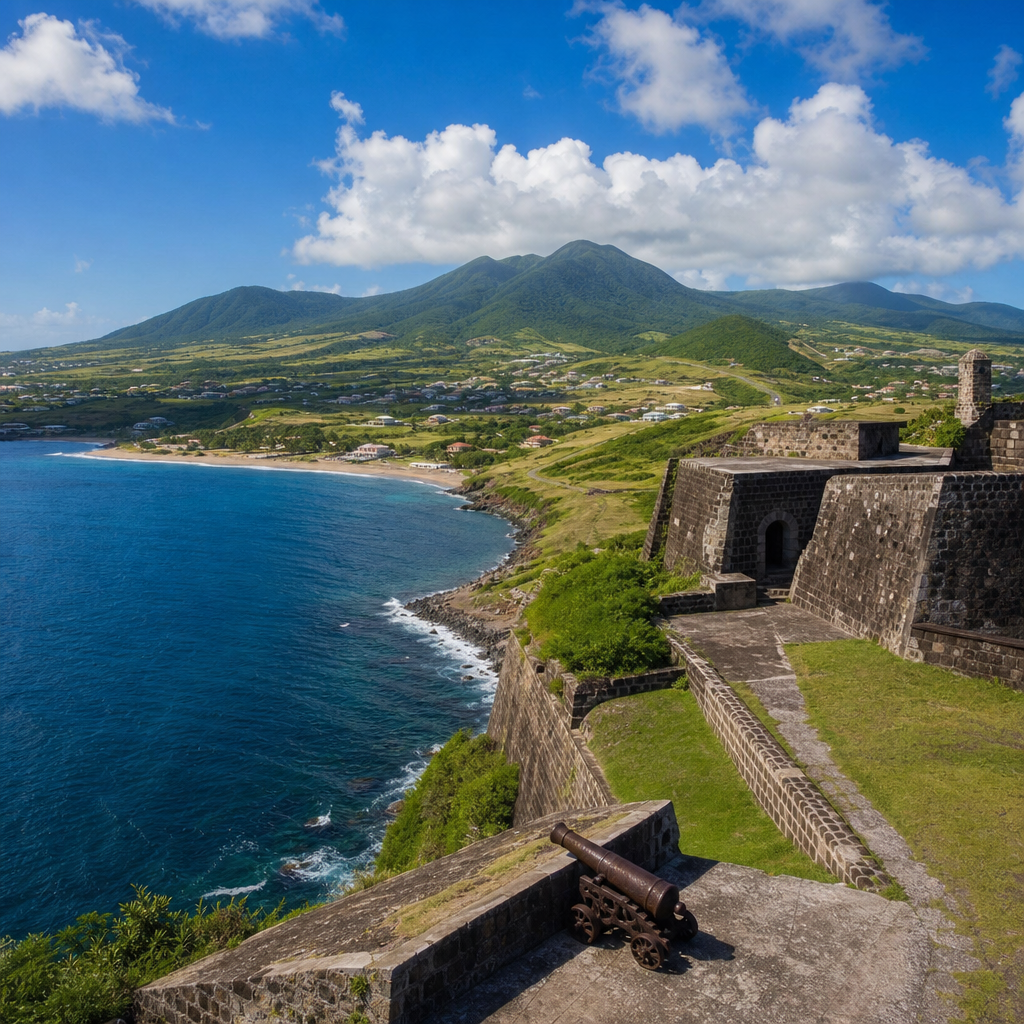
Saint Kitts rewards travelers with volcanic peaks, coral-fringed shores, fertile farmland, and a cultural landscape shaped by centuries of fishing, farming, and forest use. Conserving Saint Kitts’ natural resources means protecting the island’s beaches, reefs, freshwater, soils, wildlife habitats, and scenic character while still allowing residents and visitors to benefit from tourism. For travelers, that turns sustainability from an abstract idea into a set of practical choices: where to stay, how to move around, what to eat, what to touch, and what to leave alone. I have worked on destination content and sustainability planning for Caribbean travel brands, and Saint Kitts stands out because its scale makes every decision visible. On a small island, one hotel’s water waste, one anchor drop on coral, or one hillside cleared without care can have effects that are felt quickly. The upside is just as important: thoughtful visitor behavior can help preserve landscapes, support local livelihoods, and strengthen long-term tourism resilience.
Natural resources are the environmental assets that support life and economic activity. In Saint Kitts, they include marine ecosystems such as coral reefs, seagrass beds, and fisheries; terrestrial systems such as rainforests, dry forests, wetlands, and agricultural land; and physical resources such as freshwater, clean air, and coastal space. These resources are connected. Reefs reduce wave energy and protect beaches. Forested slopes help reduce erosion and protect nearshore water quality. Responsible farming supports food security and reduces pressure from imports. Tourism depends on this ecological web more than many travelers realize. Visitors come for clear water, healthy marine life, black-sand and golden beaches, panoramic hikes, and the sense of place that comes from local food and living landscapes. If those assets degrade, the visitor experience weakens, and so does the island’s economic base.
This guide explains how travelers can help conserve Saint Kitts’ natural resources in practical, measurable ways. It covers the island’s most important ecosystems, common environmental pressures, and the travel habits that make the biggest difference. It also functions as a hub for the broader sustainable tourism topic by connecting the dots between marine protection, waste reduction, water conservation, wildlife ethics, transport choices, community spending, and low-impact recreation. If you want one principle to remember, it is this: on Saint Kitts, conservation is not separate from travel quality. The same choices that protect nature usually produce a better trip, because they keep the island cleaner, quieter, more authentic, and more resilient.
Why Saint Kitts’ Natural Resources Need Active Protection
Saint Kitts is a volcanic island with steep interior terrain, productive coastal waters, and a narrow coastal zone where settlement, tourism, roads, ports, and beaches all compete for space. That geography creates beauty, but it also creates vulnerability. Heavy rainfall can wash sediment downhill into bays if slopes are disturbed. Unchecked coastal development can narrow beaches and affect turtle nesting areas. Marine habitats can be damaged by trampling, anchoring, sunscreen chemicals, litter, and nutrient runoff. Climate pressures add another layer. Across the Caribbean, warming seas contribute to coral bleaching, and stronger storms can intensify coastal erosion and infrastructure damage. On a small island, recovery costs are high and spare land is limited.
Travelers often ask whether individual actions really matter. On Saint Kitts, the answer is yes because tourism demand is concentrated. Cruise days can bring large numbers of people into Basseterre and nearby beaches at once, while resort areas can put steady pressure on water, energy, and waste systems. Small changes scale quickly. If hundreds of visitors refill water bottles instead of buying single-use plastic, choose reef-safe sun protection, and avoid standing on coral, the cumulative reduction in damage is substantial. The same logic applies to dining, transport, and shopping. Spending with businesses that source locally, manage waste well, and employ residents keeps more tourism value on the island and reduces environmental strain tied to imports and overconsumption.
Protection also matters because Saint Kitts’ natural resources support more than tourism. Coastal fisheries contribute to livelihoods and food culture. Forested uplands help regulate water and provide habitat for birds and monkeys. Agricultural land supports crops and maintains open landscapes that would otherwise face unmanaged development pressure. When travelers understand that environmental conservation is tied to community wellbeing, sustainable behavior stops feeling restrictive. It becomes a respectful way to participate in the destination rather than simply consume it.
Marine Ecosystems: Reefs, Seagrass, Beaches, and Responsible Water Use
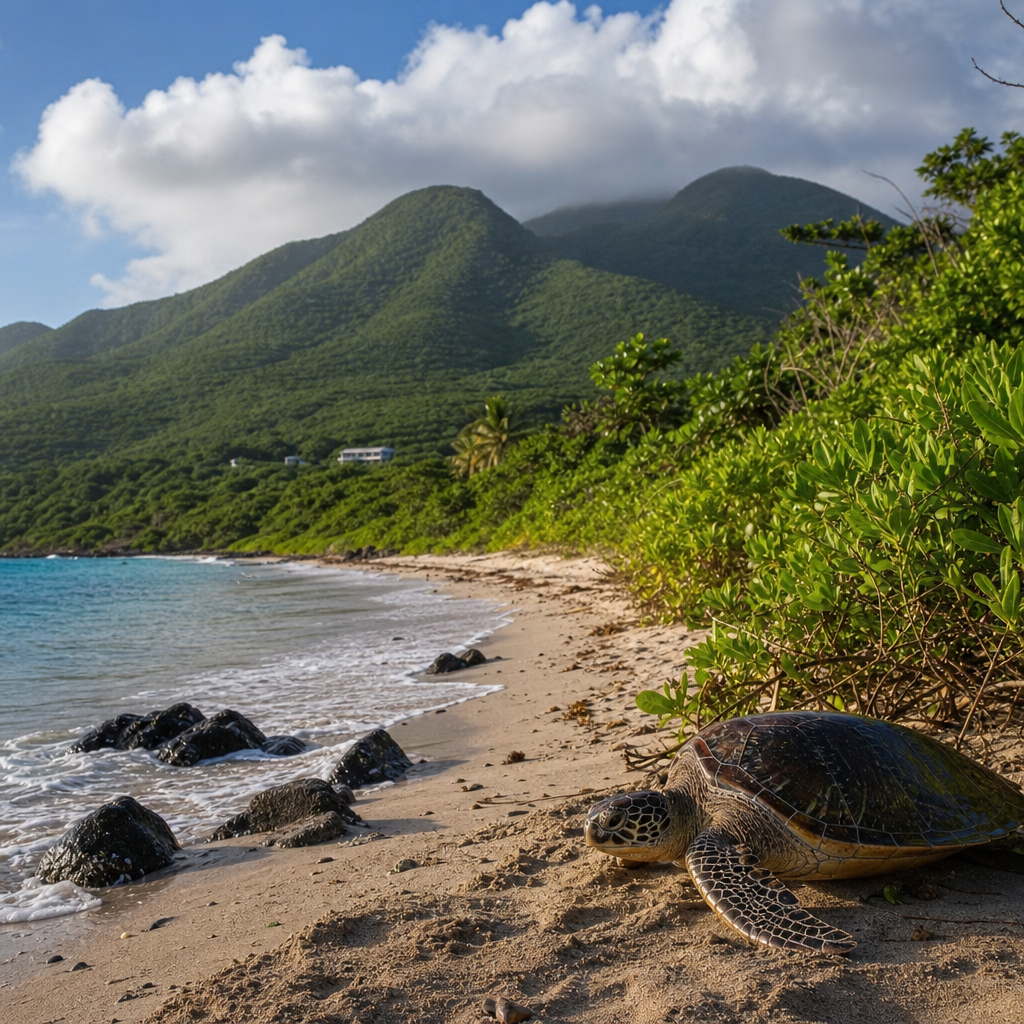
The island’s marine environment is usually the first place travelers encounter Saint Kitts’ natural wealth. Coral reefs provide habitat for fish, protect coastlines by absorbing wave energy, and support snorkeling and diving tourism. Seagrass beds stabilize sediment and serve as nursery areas for juvenile marine life. Sandy beaches are not just leisure spaces; they are dynamic coastal systems that can host nesting sea turtles and buffer storm impacts. These habitats are easy to damage because they look durable from the surface. In practice, coral polyps are fragile, seagrass scars slowly, and beach vegetation can be destroyed by repeated trampling or off-road traffic.
The best traveler practices are straightforward. Never stand on, kick, or collect coral. Maintain buoyancy control when diving and choose operators that use moorings instead of anchors on reef sites. Keep a safe distance from turtles and rays, and never chase marine animals for photos. Use mineral-based or demonstrably reef-conscious sunscreen when possible, and reduce the amount entering the water by applying it well before swimming and using UV-protective clothing. Avoid feeding fish, which alters behavior and can disrupt reef balance. On beaches, stay off dunes and vegetated areas, remove all trash, and keep lights low at night in nesting season where requested by local guidance.
| Traveler choice | Why it helps conservation | Better option on Saint Kitts |
|---|---|---|
| Buying multiple plastic water bottles | Increases waste handling pressure and litter risk | Carry a reusable bottle and refill at accommodations or approved stations |
| Anchored snorkeling or boat trips | Anchors can break coral and scar seagrass beds | Book operators that use fixed moorings and brief guests on reef etiquette |
| Walking through dunes or beach vegetation | Destabilizes sand and can disturb nesting habitat | Use marked access paths and keep to firm sand areas |
| Touching turtles, starfish, or coral for photos | Causes stress and physical damage to wildlife and habitat | Observe hands-off and photograph from a respectful distance |
I recommend evaluating any snorkeling, sailing, or fishing excursion by the quality of its environmental briefing. Good operators explain current conditions, wildlife distance rules, waste handling, and where guests may enter or exit the water safely. That short talk is often the clearest sign that a business understands resource protection. Travelers should also remember that beach cleanliness is a conservation issue, not just an aesthetic one. Even small items like bottle caps, fishing line, and food packaging can entangle wildlife or break down into microplastics that linger in coastal ecosystems for years.
Forests, Trails, Wildlife, and Low-Impact Land Exploration
Much of Saint Kitts’ interior appeal comes from its forested slopes, volcanic ridges, and trail networks. Hikes through the central mountains reveal how land-based ecosystems support the island’s environmental health. Tree cover slows runoff, helps stabilize soil, moderates local temperatures, and protects downstream marine habitats by reducing sediment flow. Disturbance in upland areas does not stay upland for long; it often shows up later as muddier coastal water, stressed reefs, and eroded roadsides.
Low-impact hiking begins with staying on established trails. Shortcutting switchbacks and wandering off path may seem minor, but repeated foot traffic widens trails, damages roots, and increases erosion, especially after rain. Travelers should avoid picking plants, carving trees, or removing stones and shells as souvenirs. Wildlife observation also needs restraint. Saint Kitts is known for vervet monkeys, but feeding them creates dependency, encourages aggressive behavior, and can increase conflict around roads and farms. The same rule applies to birds and smaller fauna: observe quietly, keep food secured, and let animals remain wild.
Guided hikes are often the best option because trained local guides can interpret ecology, point out medicinal plants and endemic features, and steer groups away from sensitive areas. A good guide also improves safety on steep or muddy routes, reducing the chance that rescue or off-trail detours will cause more damage. Footwear matters more than many visitors expect. Shoes with proper grip help people stay on stable ground instead of grabbing vegetation or stepping into vulnerable margins. If conditions are poor, postponing a hike is sometimes the most sustainable choice. Wet tropical soils can compact and erode fast under heavy use.
Respect for natural resources on land extends beyond official nature outings. Golf courses, scenic overlooks, historical estates, and roadside viewpoints all sit within living ecosystems. Simple habits such as taking litter back with you, declining unnecessary printed materials, and avoiding loud playback of music help preserve the setting for both wildlife and other visitors. Conservation is often cumulative, built from many low-drama decisions that keep pressure below the point of visible damage.
Water, Energy, Food, and Waste: The Daily Decisions That Matter Most
The most important conservation choices often happen back at the hotel, villa, guesthouse, or restaurant. Island utilities face higher costs and tighter limits than many mainland destinations. Freshwater can be scarce or energy-intensive to produce and distribute. Electricity generation on islands has historically depended heavily on imported fuels, though renewable transition efforts are growing across the region. Waste disposal is also more complex where land is limited and shipping recyclables can be expensive. That means routine visitor behavior has outsized importance.
Start with water. Take shorter showers, report leaks immediately, reuse towels unless laundering is necessary, and avoid asking properties to change linens daily. In my experience, the best accommodations make this easy by using low-flow fixtures, posting clear conservation notes, and training housekeeping teams to spot waste quickly. Air-conditioning is the next major area. Set temperatures reasonably, turn units off when leaving, and keep doors closed so systems do not fight heat and humidity continuously. If your lodging offers natural ventilation, use it when conditions allow. These actions lower resource use without reducing comfort in any meaningful way.
Food choices matter because they shape land use, imports, packaging, and community income. Prioritize restaurants that buy local seafood responsibly, feature seasonal produce, and explain where ingredients come from. On Saint Kitts, supporting local agriculture and fisheries can help sustain working landscapes and food traditions, but balance matters. Travelers should ask what fish is in season and how it was caught rather than assuming every local catch is automatically sustainable. Buffets deserve special caution. They tend to generate unnecessary food waste, especially when guests overfill plates. Taking smaller portions and returning only if hungry is one of the simplest conservation habits available.
Waste reduction is equally practical. Carry a reusable bottle, cup, shopping bag, and utensils if you expect beach days or road trips. Decline straws, excess napkins, and individually wrapped extras. If recycling is available, follow local sorting rules rather than guessing, because contamination can render collected materials unusable. When no clear recycling system exists, reducing consumption at the source becomes even more important. Small-island sustainability is rarely about one perfect gesture. It is about reducing pressure across water, energy, food, and waste systems every day of the trip.
Choosing Tours, Transport, and Businesses That Strengthen Conservation
Travelers influence conservation not only through personal habits but through purchasing decisions. Every booking is a signal. Choose tour operators that limit group size, brief guests clearly, employ licensed local guides, and maintain equipment responsibly. For marine trips, ask whether boats use moorings, how wildlife encounters are managed, and what the policy is on litter and single-use plastics. For land tours, ask about trail etiquette, safety planning, and whether guides are trained to interpret local ecosystems rather than simply rush groups through photo stops. Specific answers usually indicate genuine operational standards.
Transport choices also affect resource use. Walking in compact areas, sharing taxis, and grouping activities geographically can reduce fuel consumption and traffic pressure. If renting a vehicle, drive gently, avoid unnecessary idling, and stay on established roads. Off-road driving can damage vegetation, compact soils, and worsen erosion, particularly near beaches and viewpoints. Cruise visitors should be especially intentional because time limits can encourage high-impact, high-volume excursions. A shorter, well-run local tour often does more good than a rushed itinerary built around maximum stops and minimum context.
Finally, direct spending toward businesses that keep value on the island. Locally owned accommodations, restaurants, guides, craft producers, and farms often have stronger incentives to protect the landscapes that sustain their livelihoods. Ask questions: Do they hire locally? Source local ingredients? Refill bulk amenities instead of using mini plastics? Support beach cleanups or conservation groups? You do not need a perfect answer from every business, but patterns matter. When enough travelers reward responsible operators, conservation becomes a competitive advantage rather than a side project.
Building a Better Trip by Leaving Less Behind
Conserving Saint Kitts’ natural resources is ultimately about traveling with awareness of scale, limits, and connection. Reefs support beaches. Forests protect reefs. Water and energy systems shape how hotels operate. Local food systems shape landscapes, jobs, and import dependence. Once travelers see those links, better decisions become obvious: choose low-impact tours, use less water and electricity, avoid wildlife disturbance, reduce plastic, and spend with businesses that act responsibly. None of these actions requires sacrificing enjoyment. In practice, they usually improve the trip by creating more meaningful experiences and a stronger sense of place.
The central takeaway is simple. On a small island, every visitor choice counts, and the best conservation practices are also the most respectful travel habits. Plan with intention, ask informed questions, and treat beaches, trails, reefs, and communities as shared assets rather than disposable amenities. If you are exploring Saint Kitts as part of a broader sustainable tourism journey, use this guide as your hub and apply its principles across every booking and activity. Travel well, tread lightly, and help keep Saint Kitts beautiful, biodiverse, and resilient for the people who live there and the travelers who will follow.
Frequently Asked Questions
Why is conserving natural resources in Saint Kitts so important for travelers to understand?
Saint Kitts is a small island, which means its beaches, reefs, forests, freshwater supplies, and farmland are both valuable and limited. Travelers often see the beauty first: volcanic mountains, clear coastal waters, black and golden sand beaches, and lush countryside. But behind that scenery is a delicate environmental system that can be affected quickly by overuse, pollution, erosion, and poorly managed development. When natural resources are damaged on an island, the effects are not isolated. Soil loss can harm farming and water quality, reef damage can reduce marine life and shoreline protection, and excessive water or energy use can place strain on local communities and infrastructure.
For visitors, understanding this matters because tourism can either support conservation or contribute to decline. A hotel’s water consumption, a tour boat’s anchor, sunscreen washing off in the sea, litter left on a beach, or the choice to buy imported goods instead of local produce all have cumulative effects. Conserving Saint Kitts’ natural resources helps preserve the island’s biodiversity, protect livelihoods connected to fishing and farming, and maintain the scenic character that makes the destination attractive in the first place. In practical terms, travelers who make thoughtful choices help ensure that the island remains healthy, resilient, and enjoyable for both residents and future visitors.
What are the most effective things travelers can do to protect Saint Kitts’ beaches, reefs, and marine life?
The most effective steps are usually simple, consistent, and tied directly to daily travel habits. Start by treating beaches and coastal waters as sensitive environments rather than unlimited recreation spaces. Avoid leaving any litter behind, including food scraps, cigarette butts, bottle caps, and plastic packaging, since wind and rain can carry waste into the sea. If you are swimming, snorkeling, or diving, use reef-conscious sunscreen when possible, and apply it well before entering the water. Better yet, combine sunscreen with protective clothing such as rash guards, hats, and cover-ups to reduce the amount of product that washes off into marine habitats.
When exploring reefs, never stand on coral, touch marine life, or collect shells and other natural materials. Coral is living tissue, and even brief contact can cause damage. Choose operators that use mooring buoys instead of anchors in reef areas and that follow responsible wildlife-viewing practices. If you are boating, kayaking, or paddleboarding, keep a respectful distance from turtles, nesting seabirds, and fish nurseries in mangroves or nearshore grass beds. On the beach, stay on established access paths where available so dunes and vegetation are not trampled. Coastal plants help stabilize sand and reduce erosion, especially during storms.
Dining choices can also make a difference. Ask questions about seafood sourcing and favor businesses that avoid serving threatened species or undersized catch. Sustainable marine conservation is not only about what happens in the water; it also includes supporting a local economy that values healthy fisheries and clean coastlines. Altogether, careful beach behavior, low-impact water activities, and informed purchasing decisions are some of the strongest ways travelers can help protect Saint Kitts’ marine resources.
How can I choose accommodations and tours in Saint Kitts that support sustainability?
Look for businesses that show clear, specific conservation practices rather than vague environmental claims. A sustainable hotel, guesthouse, or villa should be able to explain how it manages water, energy, waste, and landscaping. Useful signs include low-flow fixtures, linen and towel reuse programs, refillable toiletries instead of single-use plastics, recycling efforts, rainwater capture where appropriate, energy-efficient lighting, and landscaping with native or drought-tolerant plants. Properties that reduce unnecessary irrigation and avoid excessive chemical use are especially helpful on islands where freshwater and coastal health are closely linked.
Location and scale also matter. Accommodations that are integrated thoughtfully into existing communities or established tourism areas often create less environmental pressure than isolated developments that require heavier resource use and new infrastructure. Travelers can also support sustainability by choosing places that hire local staff, source local food, and recommend community-based experiences. That keeps more tourism income on the island and strengthens the connection between conservation and local livelihoods.
For tours, prioritize operators who demonstrate respect for wildlife, habitats, and heritage sites. Good signs include small group sizes, trained guides, marked trails, safety briefings that include environmental etiquette, and policies against feeding wildlife or removing natural objects. For marine excursions, ask whether boats avoid reef anchoring and whether guides educate guests about coral protection. For hiking or rainforest tours, choose companies that encourage visitors to stay on trails and pack out waste. The key is to reward businesses that treat Saint Kitts’ natural resources as assets to steward, not just scenery to sell.
What should travelers know about water, energy, and waste conservation while visiting Saint Kitts?
On an island, resource conservation is especially important because supplies and disposal systems have limits. Freshwater, in particular, can be vulnerable to seasonal pressures, population increases from tourism, and the costs of treatment and distribution. Travelers can help by taking shorter showers, reusing towels and linens, turning off taps fully, and reporting leaks quickly. Small actions matter when repeated across many rooms, villas, and cruise excursions. It is also wise to avoid treating water as endless just because it is available at a resort.
Energy conservation is equally relevant. Electricity generation on islands is often expensive and resource-intensive, so reducing unnecessary use lowers environmental pressure. Set air conditioning moderately rather than extremely cold, switch off lights and electronics when leaving your room, and open windows or use fans when conditions allow. If your accommodation offers renewable energy measures or room controls that support efficiency, use them properly. Travelers who are mindful of energy are helping reduce the broader footprint of their stay.
Waste reduction is another area where visitor habits have a direct impact. Bring a reusable water bottle, coffee cup, shopping bag, and utensils if practical. Choose refillable over disposable products and avoid excessive packaging when shopping. Dispose of trash properly and do not assume every location has the same recycling capacity. If recycling bins are available, follow local guidance carefully so contamination does not render materials unusable. Perhaps most importantly, never leave waste in natural areas, on roadsides, or on beaches. Responsible water, energy, and waste habits are among the easiest and most meaningful ways to lessen your impact in Saint Kitts.
How can travelers support Saint Kitts’ farmland, forests, wildlife habitats, and local communities at the same time?
One of the best ways is to recognize that environmental conservation and community well-being are closely connected. Saint Kitts’ fertile land, forested slopes, and rural landscapes are not separate from daily life; they support agriculture, cultural traditions, erosion control, wildlife habitat, and the island’s visual identity. Travelers can help by buying locally grown produce, choosing restaurants that feature local ingredients, and visiting markets or food businesses that strengthen the agricultural economy. Supporting local farmers helps keep productive land in use and reduces dependence on imported goods, which can also lower transport-related impacts.
When visiting forests or hiking inland areas, stay on marked trails and follow guide instructions. Off-trail walking can damage vegetation, disturb wildlife, and accelerate erosion on steep terrain. Do not pick plants, carve on trees, or remove stones, seeds, or other natural items. If you are birdwatching or seeking wildlife, keep noise low and use binoculars or zoom lenses rather than approaching too closely. Respect private land and farming areas, and ask permission before entering or photographing working landscapes. These are not just scenic backdrops; they are places of livelihood and heritage.
Travelers can also support conservation by participating in experiences led by knowledgeable local guides, visiting heritage sites responsibly, and contributing to organizations or programs involved in environmental education, habitat restoration, or coastal cleanups when appropriate. Even the way you get around matters. Walking, shared transport, and planned itineraries that reduce unnecessary driving can cut fuel use and congestion. In the broadest sense, supporting farmland, forests, wildlife, and communities means spending in ways that reinforce stewardship. The more tourism benefits people who care for the land and sea, the stronger the long-term incentive to conserve Saint Kitts’ natural resources.