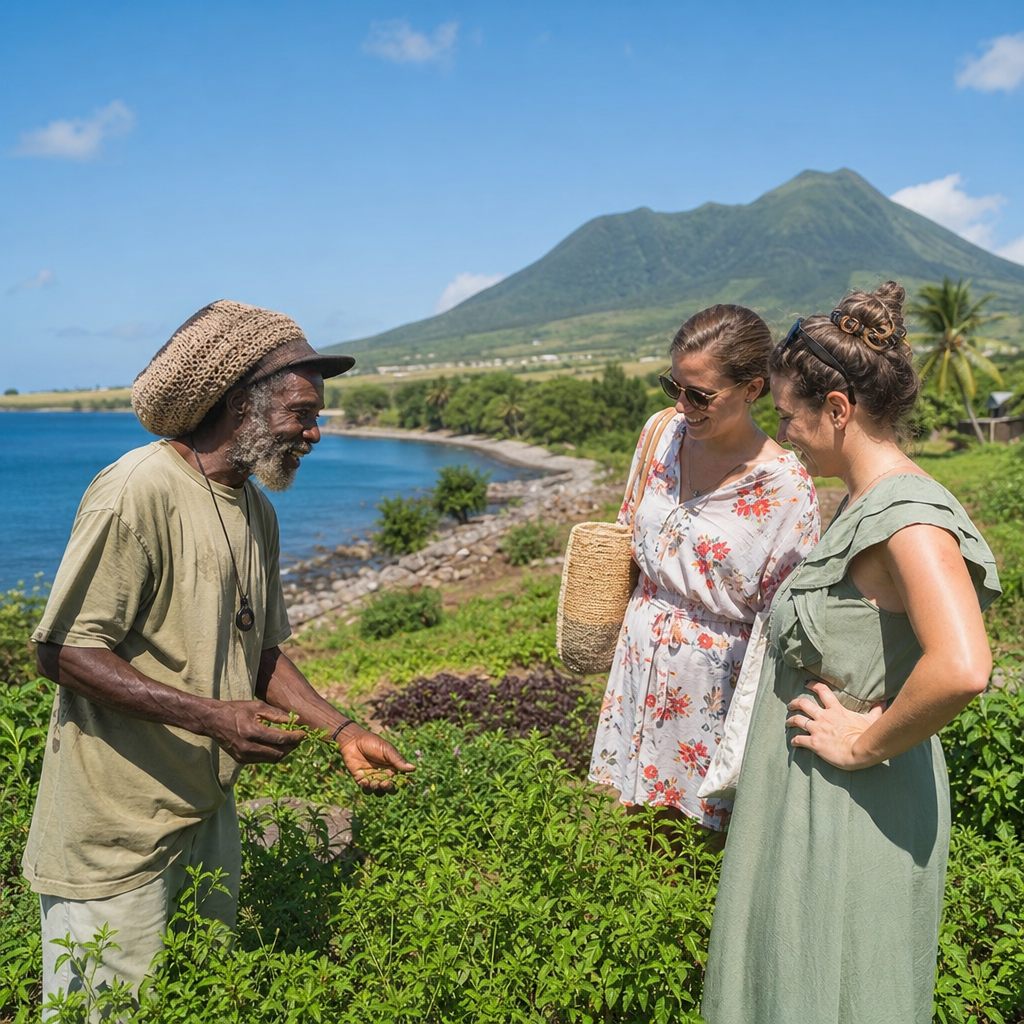
Saint Kitts’ artisanal chocolate industry tells a larger story about local life, agriculture, tourism, and entrepreneurship on a small Caribbean island. More than a souvenir, locally made chocolate connects visitors and residents to the land, especially the cocoa-growing heritage shared across the wider region. When people search for Saint Kitts artisanal chocolate, they usually want to know what makes it local, where the beans come from, how the chocolate is produced, and why it matters to the island economy. The answers lie in a mix of small-batch craftsmanship, Caribbean farming traditions, and a tourism market that increasingly values authentic experiences.
Artisanal chocolate generally refers to chocolate made in relatively small volumes with close attention to sourcing, roasting, grinding, tempering, and flavor development. In the Caribbean context, the term often overlaps with bean-to-bar or maker-produced chocolate, though not every local producer controls every stage from farm to finished bar. In Saint Kitts, that distinction matters because the island’s chocolate identity includes farmers, hospitality businesses, tour operators, retailers, chefs, and specialty makers, not only standalone factories. I have seen this pattern across island economies: the strongest food industries are rarely built by one company alone. They grow through linked experiences, from farm visits and hotel tastings to gift shops and local storytelling.
This matters because artisanal chocolate can support several priorities at once. It helps diversify an economy often reliant on tourism, creates higher-value uses for agricultural land, encourages preservation of culinary heritage, and gives travelers something more memorable than imported sweets. It also fits the modern visitor expectation that a destination should be tasted, not just seen. For Saint Kitts, chocolate sits naturally beside rum, cane history, tropical fruit, and plantation landscapes. As a hub within the broader Local Life and Experiences topic, this article explains the industry from multiple angles so readers can understand the product, the process, the business model, and the visitor experience in one place.
What Makes Saint Kitts Chocolate Local and Distinctive
Local chocolate is not defined only by geography. It is defined by how much of the value chain remains rooted in the island. A bar can feel genuinely Kittitian when local people are involved in ingredient sourcing, recipe design, hand-finishing, packaging, retail, education, or tasting experiences. Even when cocoa is supplemented by regional sourcing because of limited production volumes, the final product can still represent Saint Kitts if the making, interpretation, and economic benefit stay local. This is common in small-island food industries, where scale constraints require practical sourcing decisions.
The flavor profile also contributes to local distinction. Caribbean cocoa is known for notes that can range from red fruit and citrus to nuts, spice, molasses, and deep roasted richness, depending on genetics and post-harvest handling. Saint Kitts producers and culinary businesses often pair chocolate with island ingredients such as sea salt, coconut, local rum, brown sugar, ginger, tamarind, or tropical fruit. That approach turns chocolate into a platform for expressing place. A plain dark bar may communicate roast and bean character, while a filled bonbon or dessert can showcase the island pantry more directly.
Another local marker is the way chocolate is sold and experienced. In Saint Kitts, artisanal chocolate often appears in settings tied to the visitor economy: plantation inns, heritage properties, boutique shops, tasting rooms, markets, and culinary tours. This gives the product a narrative layer that mass-market chocolate lacks. Buyers are not just purchasing cocoa solids, sugar, and cocoa butter. They are buying a story about land use, craftsmanship, and Caribbean hospitality. That narrative has real commercial value, especially in destinations where small-batch goods compete against cheaper imports.
From Cocoa Tree to Finished Bar
Understanding Saint Kitts’ artisanal chocolate requires understanding the production chain. Cocoa begins as pods growing on Theobroma cacao trees. After harvest, pods are cut open and the beans, covered in sweet pulp, are removed for fermentation. Fermentation typically lasts several days and is essential because it develops the flavor precursors that later roasting will transform into recognizable chocolate notes. Poor fermentation produces flat or harsh chocolate. Good fermentation creates complexity.
After fermentation comes drying, usually in the sun or through carefully controlled mechanical methods. Beans must be dried to a stable moisture level to prevent mold and quality loss. They are then sorted, roasted, cracked, and winnowed to separate shells from nibs. The nibs are ground into cocoa mass, refined with sugar and sometimes additional cocoa butter, and conched to smooth texture and refine flavor. Finally, the chocolate is tempered so the cocoa butter forms stable crystals, giving finished bars gloss, snap, and resistance to bloom. Any serious discussion of artisanal chocolate should include tempering because it is one of the clearest signs of technical skill.
In practice, not every Saint Kitts business performs all these stages on-site. Some specialize in confectionery using couverture made elsewhere; others may roast and mold small batches locally; some focus on chocolate experiences rather than manufacturing. That does not weaken the industry. It reflects the operational reality of small islands, where equipment costs, bean availability, labor specialization, and energy prices shape what is viable. The important point is that each stage where value is added locally strengthens the island’s food economy and creates more reasons for visitors to engage.
Why Small-Batch Production Matters Economically
Small-batch chocolate is economically significant precisely because it does not compete on commodity volume. It competes on margin, uniqueness, and experience. A standard imported candy bar sold in a convenience store offers little local multiplier effect. A handcrafted Saint Kitts chocolate bar or truffle box sold through a hotel boutique, farm tour, or airport gift shop can support makers, graphic designers, hospitality staff, guides, and retailers at the same time. That layered value is one reason destination food products matter disproportionately in tourism-driven economies.
I have worked with tourism content long enough to see a consistent pattern: visitors spend more confidently on items that combine quality with a place-based story. Chocolate does this well because it is portable, giftable, and familiar enough to feel safe, yet nuanced enough to feel premium. A traveler may hesitate before buying a large piece of local art, but a box of expertly made truffles flavored with island rum or spices is an easy decision. For businesses, that makes artisanal chocolate a smart category for upselling, seasonal packaging, and event tie-ins.
There are also agricultural benefits. Even modest demand for cocoa-related products can encourage interest in heritage crops, mixed farming, agro-tourism, and post-harvest training. While Saint Kitts is not a global cocoa giant, niche production can still matter locally. High-value specialty goods are often more realistic for islands than large-scale commodity export. The premium comes from craftsmanship and origin identity, not tonnage. That is the same logic behind specialty coffee, estate rum, and boutique hot sauce brands across the Caribbean.
How Chocolate Connects to Tourism and Local Experiences
For many travelers, artisanal chocolate becomes an entry point into Saint Kitts itself. A tasting can lead to questions about plantation history, regional agriculture, rum production, tropical ecology, and modern entrepreneurship. This is why chocolate works so well inside a Local Life and Experiences content hub: it touches food, heritage, shopping, tours, and hospitality at once. A single chocolate-focused outing can combine scenic landscapes, cultural interpretation, and sensory learning.
Hotels and heritage properties are especially important in this ecosystem. They have built-in foot traffic, gift retail space, event programming, and staff who can explain the product. A chocolate afternoon tea, a dessert pairing dinner, or a maker demonstration gives guests a reason to stay on property while still feeling connected to local culture. Cruise visitors also respond well to chocolate because it fits short itineraries. A tasting session or boutique stop can deliver a complete experience in under an hour.
Chocolate tourism works best when it is interactive. Travelers remember sampling roasted nibs, comparing dark chocolate percentages, or learning why fermentation affects acidity far more than they remember a shelf display. This is where local guides and makers add real value. Their explanations turn a sweet product into a meaningful cultural experience. In practical terms, that stronger memory increases the chance of social sharing, repeat purchase, and word-of-mouth recommendation.
Common Products, Formats, and Buying Occasions
Saint Kitts’ artisanal chocolate scene is broader than bars alone. Small makers and hospitality outlets can package chocolate in multiple formats depending on equipment, seasonality, and visitor demand. Each format serves a different buying moment, from quick souvenirs to premium gifts.
| Product format | Typical features | Best use case |
|---|---|---|
| Dark chocolate bars | Single-origin or regionally sourced, varying cocoa percentages | Classic souvenir and tasting comparison |
| Truffles and bonbons | Filled centers using rum, fruit, spice, or caramel | Premium gifting and hotel retail |
| Chocolate bark | Topped with coconut, nuts, sea salt, or dried fruit | Impulse purchase and local ingredient showcase |
| Hot chocolate mixes | Shaved chocolate or cocoa blends for beverages | Take-home comfort product |
| Desserts and pastries | Cakes, tortes, mousses, cookies, and plated sweets | Restaurant menus and special events |
Seasonality matters. Holiday periods, weddings, conferences, and cruise peaks create demand for elegant boxed assortments, welcome gifts, and event favors. Restaurants may feature chocolate desserts year-round, but retail bars often sell best when paired with destination branding and clear origin information. Packaging should protect against Caribbean heat and humidity, which means good foil, stable boxes, and storage discipline are not optional. In tropical climates, logistics are part of product quality.
For shoppers, the best buying occasions are simple: gifts, edible souvenirs, in-room treats, celebratory desserts, and tasting flights. Businesses that understand these moments can merchandise effectively. A bar with concise notes on cocoa percentage, flavor profile, and local inspiration usually outsells a vague package. Clarity helps both first-time tourists and serious chocolate buyers.
Challenges Facing the Industry
Artisanal chocolate in Saint Kitts faces real constraints. Cocoa supply can be limited, especially if local cultivation is small or inconsistent. Specialized machinery for refining, conching, and tempering is expensive to import and maintain. Electricity costs can be high, climate control is essential, and packaging materials may need to be sourced internationally. These are not minor issues. They directly affect margins, production consistency, and the ability to scale.
There is also the market education challenge. Not every visitor immediately understands why a handcrafted bar costs more than a supermarket brand. Makers and retailers must explain flavor, labor, ingredient quality, and origin. Tastings help bridge that gap. Once customers taste a well-made dark chocolate with balanced bitterness, developed fruit notes, and a clean finish, the premium is easier to justify. Without that education, artisanal products risk being judged by commodity expectations.
Regulation and food safety matter too. Chocolate businesses must manage labeling, allergen disclosure, shelf stability, sanitation, and storage. If a product blooms, melts, or absorbs odors because of poor handling, trust drops quickly. Consistency is critical because repeat purchases depend on reliability as much as charm. The strongest local brands are usually the ones that combine creativity with disciplined production standards.
The Future of Saint Kitts’ Chocolate Sector
The future of Saint Kitts’ artisanal chocolate industry is promising if growth stays focused on quality and collaboration. The island does not need to become a mass producer to succeed. It needs a recognizable reputation for thoughtful, well-made chocolate experiences tied to local identity. That can include more partnerships between farmers, chefs, hotels, retailers, and tour operators. It can also include educational tastings, pairing events, and stronger storytelling around cocoa, Caribbean flavors, and small-batch production.
Digital visibility will matter more as travelers research food experiences before arrival. Businesses that clearly explain sourcing, production style, flavor notes, and where to buy will capture more interest. Good photography, online menus, and simple visitor information are practical advantages, not marketing extras. So is cross-promotion among local businesses. A restaurant dessert, a boutique shelf, and a heritage tour should reinforce each other rather than operate in isolation.
For readers exploring Local Life and Experiences in Saint Kitts, artisanal chocolate is one of the most accessible ways to understand the island through taste. It brings together agriculture, heritage, craftsmanship, and hospitality in a form that is easy to enjoy and easy to share. Seek out local bars, truffles, desserts, and tastings, ask where the flavors come from, and support the businesses keeping this sweet local industry growing.
Frequently Asked Questions
What makes Saint Kitts’ artisanal chocolate truly local?
Saint Kitts’ artisanal chocolate is considered local because it is closely tied to the island’s people, agricultural traditions, and small-scale business culture rather than simply being packaged for tourists. In many cases, the chocolate is made by local producers who focus on hands-on methods, limited batches, and recipes that reflect Caribbean flavor preferences and regional cocoa heritage. The “local” aspect also comes from the broader production story: sourcing cocoa from within Saint Kitts when available, working with nearby Caribbean-grown beans, and transforming those ingredients into products that are shaped by Kittitian identity. That can include everything from roasting and blending choices to the use of island-inspired flavors such as sea salt, spices, tropical fruit, or rum-infused notes.
What sets artisanal chocolate apart from mass-market chocolate is the emphasis on origin, craftsmanship, and community value. Instead of treating chocolate as a generic sweet, local makers often present it as a product of place. Visitors who buy artisanal chocolate in Saint Kitts are not just purchasing candy; they are supporting a small local industry that connects food production, heritage, and entrepreneurship. For residents, it can also represent pride in creating something of high quality from Caribbean agricultural resources. That is why Saint Kitts’ artisanal chocolate matters beyond taste alone: it reflects the island’s ability to turn local culture and regional farming traditions into a distinctive product with economic and cultural significance.
Where do the cocoa beans used in Saint Kitts’ artisanal chocolate come from?
The answer depends on the individual maker, but the beans typically come from a combination of local and regional sources. Saint Kitts is not one of the Caribbean’s largest cocoa producers, so artisanal chocolate businesses may work with whatever local supply is available while also sourcing beans from nearby Caribbean islands or other trusted cacao-growing areas in the region. This regional approach is still very much aligned with the identity of Saint Kitts’ artisanal chocolate because it reflects a shared Caribbean cocoa tradition. Rather than relying entirely on anonymous global commodity cocoa, many small producers seek out beans with a known origin, better flavor characteristics, and stronger ties to farmers.
For consumers, bean sourcing matters because it affects flavor, quality, and the story behind the finished bar. Cocoa grown in the Caribbean can carry distinctive tasting notes shaped by climate, soil, bean variety, and post-harvest handling. A producer who knows where the beans come from can make more intentional decisions about roasting and processing, which often leads to more nuanced chocolate. It also supports a more transparent supply chain. Whether the beans are grown on Saint Kitts itself or sourced from neighboring Caribbean producers, the emphasis is usually on quality, traceability, and keeping value connected to the region. That makes the final product more meaningful for people who want to experience something rooted in local agriculture rather than a generic imported sweet.
How is artisanal chocolate made in Saint Kitts?
Artisanal chocolate production in Saint Kitts generally follows the same core stages used by craft chocolate makers worldwide, but on a smaller and more personal scale. It begins with cocoa beans, which are first fermented and dried after harvest if the maker is involved at the farm level or purchased in that prepared state from growers. The beans are then sorted, roasted, cracked, and winnowed to separate the edible cocoa nibs from the shells. After that, the nibs are ground into a cocoa mass and refined with ingredients such as sugar, and sometimes milk or flavor additions, depending on the style of chocolate being produced. The chocolate may then be conched to improve texture and flavor development before being tempered and molded into bars, truffles, or other finished products.
What makes the process artisanal is not just the scale, but the amount of attention given at each step. Small producers can make careful adjustments based on the characteristics of a particular bean origin or flavor profile. A slightly different roast can bring out fruitiness, nuttiness, or deeper cocoa notes. Tempering must be done correctly to produce the glossy finish and crisp snap that people expect from quality chocolate. Packaging is also often more thoughtful, highlighting origin, ingredients, and the island connection. In Saint Kitts, this production process can become part of the visitor experience as well, especially when chocolate is presented through tastings, workshops, or retail spaces that explain how beans become finished chocolate. That educational element helps people appreciate the labor and skill behind every piece.
Why is artisanal chocolate important to Saint Kitts beyond tourism?
Although artisanal chocolate is certainly appealing to visitors, its importance goes well beyond the souvenir market. For Saint Kitts, chocolate can support local entrepreneurship by creating opportunities for small manufacturers, retailers, hospitality partnerships, tour operators, and specialty food businesses. It also reinforces the value of agriculture at a time when many small islands are trying to balance tourism growth with stronger local production. Even when cocoa is sourced regionally, the act of making chocolate on the island keeps more of the creative and economic value in Saint Kitts through processing, branding, sales, and storytelling.
There is also a cultural dimension. Artisanal chocolate helps connect present-day island life with the wider history of Caribbean agriculture, trade, and food traditions. It gives residents and visitors a way to engage with the land through taste, while encouraging conversations about crops, craftsmanship, and sustainability. For younger entrepreneurs, it can demonstrate that agriculture-related industries do not have to stop at raw production; they can extend into value-added products with premium appeal. That matters for economic resilience on a small island, where diversification is especially important. In this sense, Saint Kitts’ artisanal chocolate industry is not only about indulgence. It is part of a broader movement toward local identity, small-business development, and deeper appreciation for how food products can reflect community and place.
Where can visitors find and experience artisanal chocolate in Saint Kitts?
Visitors can usually find Saint Kitts’ artisanal chocolate in places that highlight local products and authentic island experiences. That may include specialty gift shops, hotel boutiques, local markets, food-focused retail spaces, and businesses that produce chocolate directly. In some cases, chocolate appears as part of the wider culinary and tourism scene, such as dessert menus, tasting events, or collaborations with other local producers. Because artisanal chocolate is often made in smaller batches, availability may be more limited than mass-produced brands, which is part of its appeal. Buying directly from the maker, when possible, is often the best way to learn about the product’s ingredients, sourcing, and production methods.
For travelers who want more than a simple purchase, the best experience comes from seeking out opportunities to hear the story behind the chocolate. Tastings, maker-led demonstrations, and locally guided food experiences can reveal how cocoa connects to Saint Kitts’ economy, identity, and regional heritage. Asking where the beans come from, how the chocolate is made, and what flavors are inspired by the island can turn a small purchase into a more meaningful cultural encounter. That is one reason artisanal chocolate stands out in Saint Kitts: it offers visitors something tangible, flavorful, and connected to local life. Rather than being just another packaged souvenir, it can serve as an introduction to the island’s creativity, agricultural connections, and growing culture of small-scale premium food production.