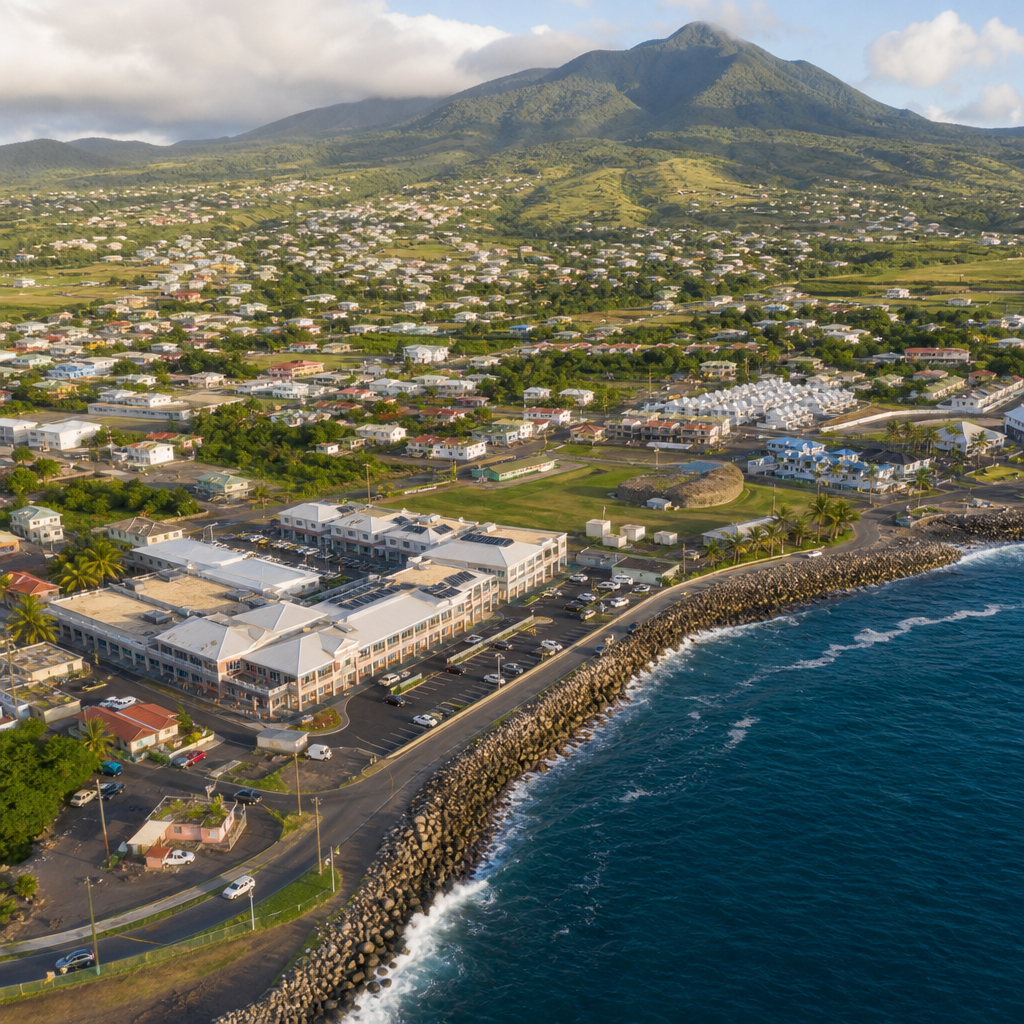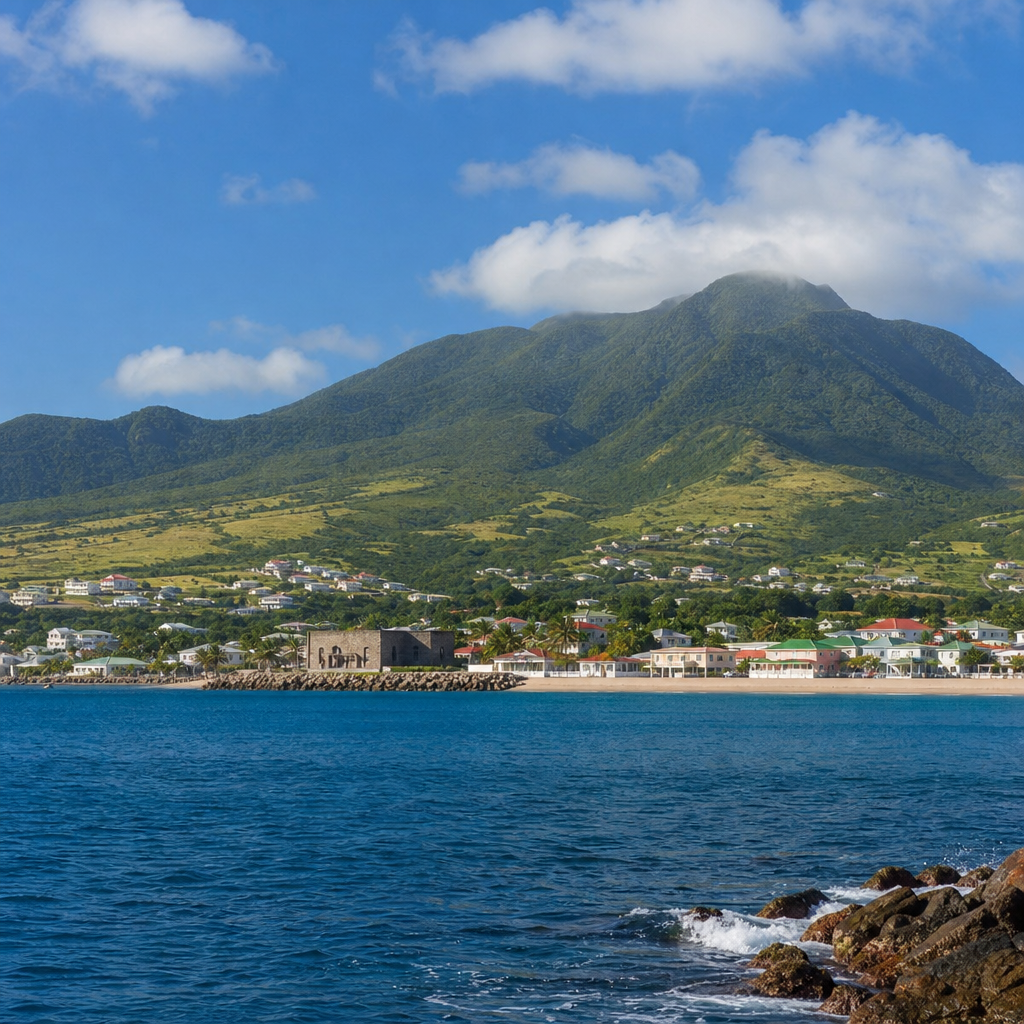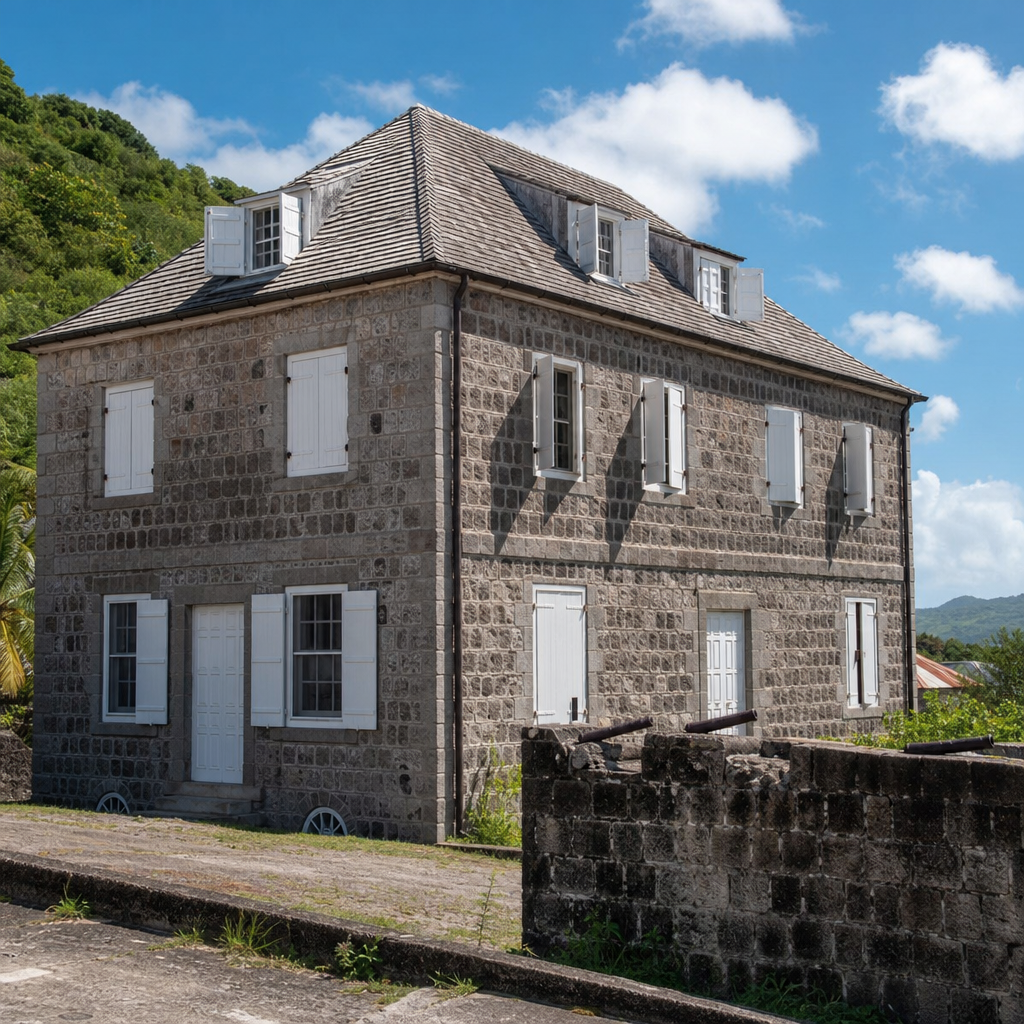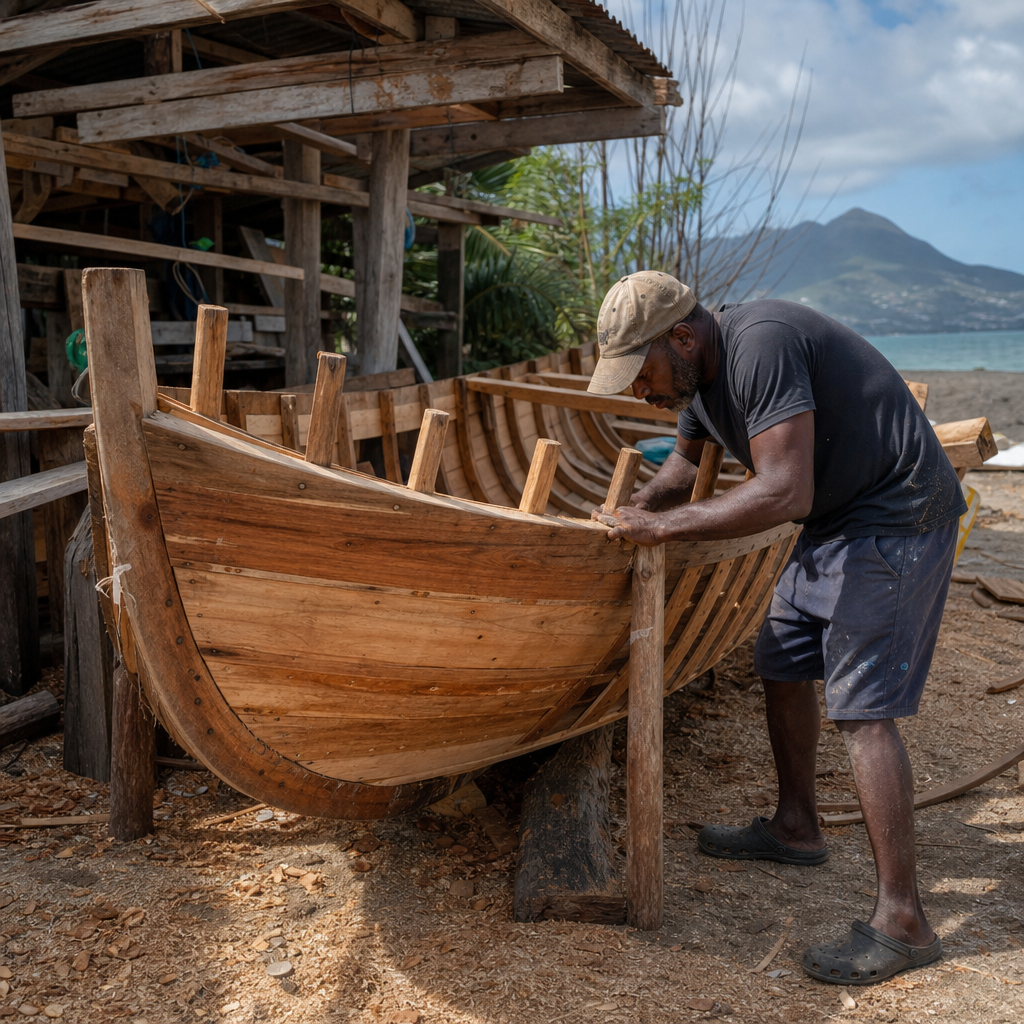
Traditional Saint Kitts boat building is a living maritime heritage that connects craft, commerce, fishing, and community memory across generations. On an island where the sea has always been road, pantry, workplace, and frontier, wooden boat construction developed as a practical response to local waters and as a cultural expression shaped by African, British, and wider Caribbean influences. In Saint Kitts, traditional boat building usually refers to the hand-crafted construction of fishing boats, sailing craft, and small working vessels built from timber by local artisans using proven proportions, inherited techniques, and deep knowledge of weather, currents, and coastal use. The subject matters because these boats were never mere objects. They supported food security, coastal trade, inter-island movement, and livelihoods long before fiberglass hulls and imported engines became common.
When I have spoken with boat users and craftspeople across the eastern Caribbean, the same pattern appears repeatedly: people describe a boat not just by length or beam, but by how it rides a chop, how it lands on a beach, and whether it can bring a crew home safely when a squall comes over the Atlantic. That practical, experience-based judgment is the heart of traditional Saint Kitts boat building. The craft combines design choices such as hull shape, keel depth, and planking method with local realities including timber availability, launch sites, fishing grounds, and the need for easy repair. In plain terms, a well-built Kittitian boat had to be strong, economical, seaworthy, and adaptable.
As a hub within Local Life and Experiences, this article covers the miscellaneous dimensions of the topic comprehensively, from history and materials to construction methods, community meaning, present-day threats, and the best related themes for deeper reading. It also answers common questions directly: what makes these boats distinctive, who built them, which woods were used, how were they launched, and why preservation now matters. Understanding traditional Saint Kitts boat building helps explain broader island life. It reveals how ordinary working knowledge becomes heritage, how coastal communities transmit skills without formal schools, and how a handmade vessel can hold stories about migration, resilience, economy, and identity that no museum label can fully capture.
Historical roots of boat building in Saint Kitts
Boat building in Saint Kitts grew from necessity. The island’s plantation economy centered sugar for centuries, yet daily survival and local exchange depended heavily on the coast. Fishermen required reliable small craft to reach reef and offshore grounds, transport catches, and move gear. Before modern roads and regular mechanized transport, small boats also linked bays, estates, and neighboring islands. Builders adapted techniques seen across the Leeward Islands, producing forms suited to rougher Atlantic swells on one side and more sheltered Caribbean waters on the other.
The historical lineage is layered. Indigenous Caribbean peoples used dugout canoes long before European colonization, establishing a deep precedent for marine movement in island space. Later, African-descended workers, free black mariners, and mixed coastal communities carried practical woodworking knowledge into locally distinct boat traditions. British colonial influence introduced new fastenings, sail plans, and vessel concepts, but local builders did not simply copy imported designs. They modified them. A hull that works in a British harbor may fail on a coral-fringed beach landing, so Kittitian construction evolved through trial, observation, and repeated use.
By the nineteenth and early twentieth centuries, small-scale builders were supplying fishing boats, sail-powered workboats, and utility craft that could be maintained close to home. This was not industrial shipbuilding. It was a workshop-and-shoreline tradition, often organized around a master builder whose reputation rested on finished boats in the water rather than on written plans. Oral transmission was central. Measurements could be taken from memory, from battens, or from a trusted eye trained over decades.
What defines a traditional Kittitian boat
A traditional Saint Kitts boat is best understood through function. Most were compact working craft designed for fishing, transport, and general coastal use. Builders prioritized a hull that balanced load capacity with seaworthiness and manageable draft. Many boats featured a relatively sharp bow for cutting through chop, a broad enough beam for stability, and sturdy framing to withstand repeated hauling, beaching, and patch repairs. The exact form varied by builder and by intended work, but utility was always visible in the lines.
Construction methods commonly relied on keel-based wooden framing, planked sides, internal ribs or frames, and heavy use of hand tools. In many Caribbean islands, builders used carvel or clinker-inspired approaches depending on inherited practice and available expertise, though local adaptation often blurred strict textbook categories. In Saint Kitts, the aim was not formal purity; it was a sound boat. Seams had to be tight, weight had to be manageable, and the vessel needed to remain repairable with local labor and materials.
Another defining feature was flexibility. A boat might begin life under sail, later receive an outboard, and then be modified again as fishing methods changed. That evolutionary quality is a hallmark of vernacular marine design worldwide. Traditional does not mean frozen in time. It means rooted in inherited principles while responding to changing tools, markets, and weather patterns.
Materials, tools, and the building process
Timber selection was one of the most important decisions in traditional Saint Kitts boat building. Builders favored woods that offered the right mix of strength, bendability, resistance to rot, and availability. Across the eastern Caribbean, cedar, pine, mahoe, and other local or regionally traded species were used depending on what could be sourced consistently. The best builders knew that not every plank should come from the same stock. Keels, frames, planks, thwarts, and stem pieces each demanded different qualities.
Seasoning mattered. Fresh-cut timber can shrink, twist, or split, so experienced builders often stored wood to dry before shaping critical parts. They judged a board by grain, weight, and response under the adze or plane. The toolkit was straightforward but demanding: adzes, handsaws, augers, hammers, chisels, measuring sticks, caulking irons, and later circular saws or portable power tools where available. Even with modern assistance, fairing a hull still depended on a practiced eye.
The process usually followed a clear sequence. The keel and stem established the backbone. Frames defined the shape. Planking enclosed the hull. Seams were caulked with suitable fibers and sealed with compounds or paint systems intended to reduce leaks and marine degradation. Interior fittings, seats, mast steps, or engine supports came later. Builders then tested balance, trim, and launching behavior. A traditional boat was proven in use, not on paper.
| Stage | Main task | Why it mattered |
|---|---|---|
| Design and layout | Set length, beam, depth, and intended purpose | Determined stability, carrying capacity, and sea handling |
| Keel and stem | Build the structural backbone | Controlled alignment and overall strength |
| Framing | Install ribs or frames to shape the hull | Created form and supported planking |
| Planking | Fasten hull boards along the frame | Formed the watertight outer skin |
| Caulking and sealing | Close seams and protect timber | Reduced leaks and slowed rot |
| Fitting out | Add thwarts, storage, mast step, or engine mount | Made the boat usable for fishing or transport |
| Launch and trials | Test trim, handling, and loading | Confirmed performance in real conditions |
Boat builders, fishing communities, and local life
Traditional boat building in Saint Kitts was embedded in community relationships. A builder rarely worked in isolation from the people who would use the vessel. Fishermen discussed where they launched, what fish they targeted, how many traps or nets they carried, and whether they needed room for handlines, ice boxes, or extra crew. The resulting boat was highly local. It reflected Black Rocks versus Old Road, inshore potting versus offshore trolling, and one family’s budget versus another’s ambitions.
That closeness gave builders social authority. A respected builder earned trust because his boats had reputations. People knew which hull ran dry, which one rode softly in quartering seas, and which one could take a beating on a beach. Payment terms might include phased installments, labor exchange, or community help with launch day. In many islands, new boats were social events, and Saint Kitts shared that wider regional culture of communal hauling, blessing, naming, and public appraisal.
The craft also supported related trades. Carpenters, painters, hardware sellers, mechanics, net makers, and fish vendors all benefited from a functioning small-boat economy. This is why the heritage question is bigger than nostalgia. When traditional boat building declines, an entire coastal knowledge system becomes fragile.
Change, decline, and preservation efforts
The biggest challenge to traditional Saint Kitts boat building has been material and market change. Fiberglass boats spread across the Caribbean in the late twentieth century because they reduced maintenance, could be produced faster, and often came ready for outboard use. Imported boats also affected local demand. For many working fishers, lower upkeep and easier procurement were rational choices. Wood requires constant attention: recaulked seams, paint, dry storage when possible, and skilled repair. When timber prices rise and master builders age, the economics become difficult.
There are also environmental pressures. Suitable local hardwoods are not always easy to source legally or affordably. Coastal development can reduce working waterfront space for building and beach launching. Stronger storms and changing sea conditions increase risk for small-boat operators. Heritage preservation therefore cannot rely only on sentiment. It needs practical support such as documentation projects, apprenticeships, marine heritage exhibits, oral history recording, and cultural tourism that respects working communities rather than romanticizing them.
Regional models show what works. UNESCO’s broader safeguarding approach for intangible cultural heritage emphasizes transmission, community participation, and living practice rather than static display. Maritime museums and heritage trusts in other islands have used builder interviews, measured drawings, and demonstration workshops to keep knowledge visible. For Saint Kitts, the strongest strategy is linking schools, heritage organizations, fishers, and tourism planners so that boat building is seen as both cultural knowledge and economic history. If you are exploring Local Life and Experiences, this topic connects naturally with articles on Saint Kitts fishing traditions, coastal village culture, island festivals, local crafts, and historic livelihoods. Reading those related pages together gives a fuller view of how the sea shaped daily life.
Why this maritime heritage still matters today
Traditional Saint Kitts boat building still matters because it teaches durable lessons about design, sustainability, and identity. These boats were built for specific waters by people who understood those waters intimately. That local intelligence remains valuable in an era of standardized imports. It also preserves language, measurement habits, repair methods, and occupational pride that would otherwise disappear. Heritage at its best is not decorative. It is a record of how communities solved real problems with limited resources and considerable skill.
For residents, preserving this tradition strengthens cultural continuity. For visitors, it offers a more accurate and grounded understanding of Saint Kitts than resort imagery alone. For educators and researchers, it provides evidence of vernacular engineering, labor history, and inter-island exchange. The key takeaway is simple: traditional Saint Kitts boat building is not a minor curiosity within miscellaneous local life. It is a central maritime story that helps explain work, food, movement, and memory on the island.
If you want to understand Saint Kitts more deeply, start with its shoreline communities and the boats they built. Explore related local history, talk with fishers and craftspeople, and support heritage initiatives that document living knowledge before it is lost. Every preserved story, tool, and hull line helps keep this maritime heritage afloat for the next generation.
Frequently Asked Questions
What makes traditional Saint Kitts boat building an important part of the island’s maritime heritage?
Traditional Saint Kitts boat building is important because it represents far more than the making of wooden fishing vessels. It is a living record of how coastal communities adapted to island life, earned a livelihood, moved people and goods, and passed down practical knowledge from one generation to the next. For centuries, the sea around Saint Kitts functioned as a roadway, a source of food, a workplace, and a boundary to be navigated. In that setting, boat building became essential to everyday survival and economic life, especially for fishing families and coastal tradesmen.
The heritage value also comes from the way the craft reflects the island’s layered history. Traditional builders drew on skills shaped by African craftsmanship, British colonial influence, and broader Caribbean maritime practices, then refined those influences to suit local waters, weather patterns, fishing needs, and available materials. The result was not a generic boat type, but a distinctly local tradition rooted in experience, observation, and community memory. Every design choice, from hull shape to timber selection, carried lessons learned over years of working in the Caribbean Sea.
Just as important, boat building in Saint Kitts has long been social and cultural as well as technical. Knowledge was often shared through apprenticeship, family ties, and hands-on work rather than formal plans or written manuals. That means the craft preserved stories, language, values, and problem-solving methods alongside physical techniques. When people talk about traditional Saint Kitts boat building as heritage, they are recognizing a complete cultural practice: the tools, the skills, the labor, the fishing economy, and the communities that depended on these vessels.
How were traditional fishing boats in Saint Kitts typically designed and built?
Traditional fishing boats in Saint Kitts were typically built by hand using practical methods based on experience, local conditions, and the intended use of the vessel. Builders usually began with a clear sense of what the boat needed to do. A craft meant for nearshore fishing, carrying gear, or working in changing sea conditions had to be stable, durable, and efficient. Rather than relying only on standardized blueprints, many builders worked from memory, measurement systems learned through practice, and an experienced eye for balance and proportion.
The construction process often started with selecting suitable timber and laying out the keel or main structural base of the boat. From there, frames or ribs would be shaped and fixed into position to establish the vessel’s form. Planking was then attached carefully along the sides, with close attention paid to curvature, strength, and tight joins. Traditional builders needed a strong understanding of how wood behaves in heat, moisture, and salt conditions, because the sea quickly exposed any weakness in materials or workmanship. Seams had to be sealed properly, surfaces finished for protection, and the final structure tested for both performance and safety.
Design choices were closely tied to the realities of local maritime life. A boat needed to manage choppy water, launch and land effectively, carry nets or traps, and remain repairable with available tools and materials. Builders often incorporated features that reflected hard-earned local knowledge rather than decorative preference. The finished vessel was therefore both functional and personal: a working craft shaped by the builder’s skill, the fisherman’s needs, and the marine environment of Saint Kitts. This practical, handcrafted approach is one reason traditional boats remain so respected within the island’s maritime heritage.
What materials and skills were most important in traditional Saint Kitts boat building?
Materials and skills were equally important in traditional Saint Kitts boat building, because the quality of a vessel depended not only on what it was made from but also on how well each part was shaped, fitted, and finished. Wood was central to the tradition, and builders needed timber that offered the right balance of strength, workability, and resistance to the harsh coastal environment. The choice of wood mattered greatly, since boats had to endure sun, salt, moisture, marine wear, and repeated use in demanding fishing conditions. Builders also relied on fastenings, sealants, protective coatings, and simple but effective hand tools to complete the craft.
The skills involved went well beyond carpentry in the ordinary sense. A traditional boat builder needed to understand hull form, weight distribution, buoyancy, and how a vessel would behave at sea. Measuring and cutting had to be precise, but so did judgment. Builders often adjusted pieces by eye, corrected for the natural irregularities of timber, and adapted the design during construction when needed. Steam bending or carefully shaping wood for ribs and planks required patience and experience, while sealing seams and protecting the finished hull demanded knowledge of durability and maintenance.
Another critical skill was the ability to translate local maritime knowledge into construction decisions. Builders knew what kinds of boats performed best in local currents, winds, and fishing grounds. They understood how fishermen loaded gear, how often repairs would be needed, and what structural features made a craft dependable over time. In that sense, traditional Saint Kitts boat building depended on craftsmanship, seamanship, and environmental knowledge all at once. The skill set was broad, deeply practical, and usually learned through observation, repetition, and years of close involvement with coastal life.
How did traditional boat building support fishing, trade, and community life in Saint Kitts?
Traditional boat building supported fishing, trade, and community life by providing the vessels that made coastal and nearshore activity possible. For fishermen, a well-built wooden boat was essential equipment. It allowed access to fishing grounds, carried nets, traps, lines, and catches, and created the foundation for household income and food security. In an island environment, the reliability of a boat could directly affect whether families were fed and whether local markets were supplied. Because of that, boat builders held an important place in the wider economic life of coastal communities.
Beyond fishing, boats also played a role in local movement, transport, and exchange. Historically, small craft helped connect people, communities, and points along the coast, especially in periods when land transport was less developed or less convenient. Boats could move goods, support inter-island contact, and strengthen everyday ties between maritime workers and shore-based communities. Even when a vessel was built primarily for fishing, it existed within a wider network of labor, trade, repair, and social cooperation.
Community life was shaped by the craft as well. Boat yards and shorefront workspaces were places where knowledge was shared, younger generations learned by watching and assisting, and practical wisdom was woven into community identity. Launching a new boat, maintaining an older one, or repairing damage after rough weather often involved collective effort and local pride. In this way, traditional Saint Kitts boat building helped sustain not just an industry, but a social world. It linked craftsmen, fishermen, families, and neighbors through a shared dependence on the sea and on the skills required to live with it.
Why is it important to preserve and document traditional boat building in Saint Kitts today?
Preserving and documenting traditional boat building in Saint Kitts is important because this knowledge is both culturally significant and vulnerable to loss. As fiberglass vessels, imported designs, and modern manufacturing methods become more common, fewer people may learn the traditional skills required to build wooden boats by hand. When older builders retire or pass away without fully transferring their knowledge, techniques that were refined over generations can disappear quickly. That includes not only construction methods, but also local terminology, material knowledge, design logic, and the oral histories tied to the craft.
Documentation matters because traditional boat building is a form of intangible cultural heritage. It lives in practice, memory, and skilled labor rather than in monuments alone. Recording interviews with builders, photographing construction stages, mapping historic boat yards, and preserving examples of traditional vessels can help future generations understand how the craft functioned within Saint Kitts society. This kind of preservation also supports education, museum interpretation, heritage tourism, and community pride by showing how maritime traditions shaped the island’s development.
Preservation is also valuable because traditional boat building continues to offer lessons that remain relevant. It demonstrates sustainable repair-minded craftsmanship, a close understanding of local marine conditions, and a model of community-based skill transmission that modern societies often struggle to maintain. Protecting this heritage does not mean freezing it in time. Instead, it means recognizing its value, supporting the people who still carry the knowledge, and ensuring the story of Saint Kitts maritime life remains connected to the hands, tools, and boats that helped build it.