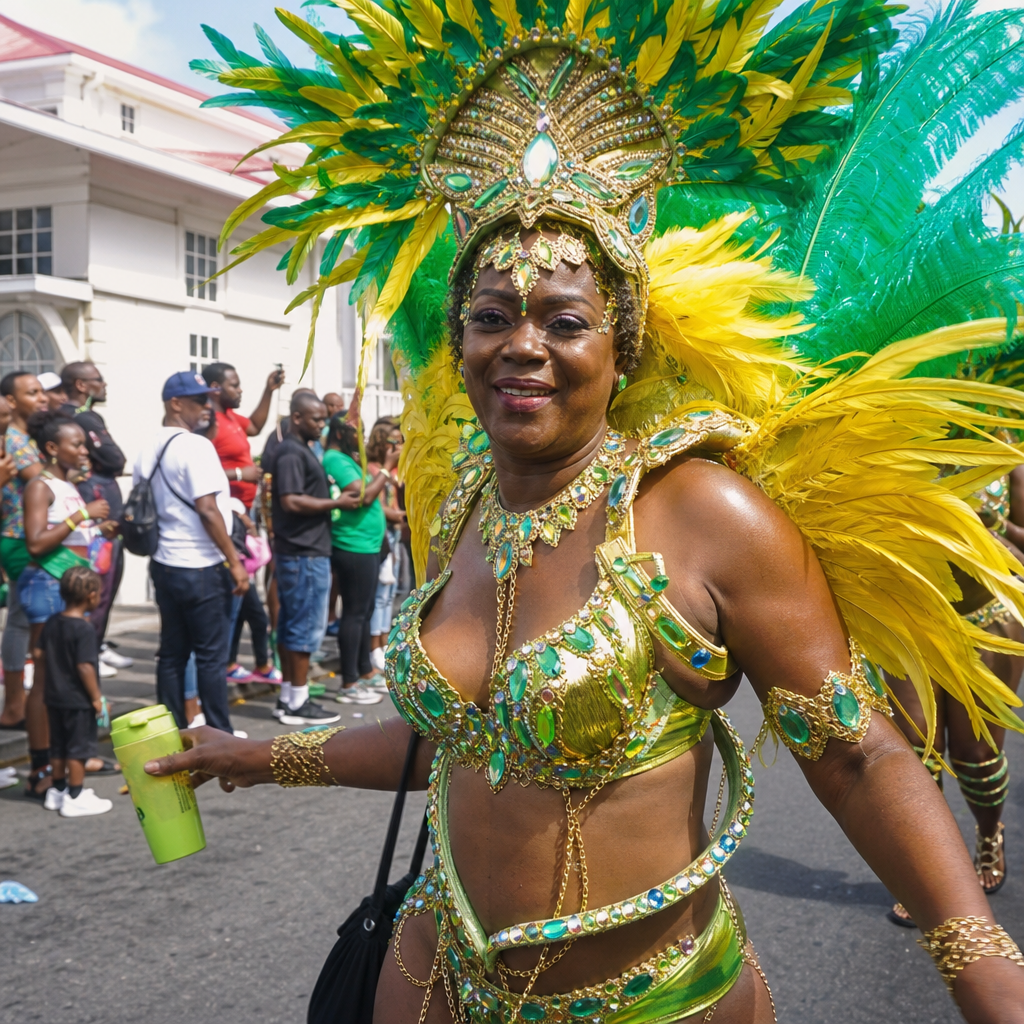
Nevis’ Spring Harvest Festival is more than a seasonal celebration; it is one of the clearest windows into how community life works on this small Caribbean island. For residents, farmers, cooks, musicians, and returning families, the festival marks the shift from dry months into a period of renewed growth, shared labor, and public joy. For visitors exploring Local Life and Experiences in Nevis, it offers a practical introduction to the island’s food traditions, social customs, village networks, and creative spirit in one setting.
The phrase spring harvest festival can mean different things in different places, so it helps to define it in the Nevisian context. On Nevis, spring is not about cold weather lifting in the way it is in Europe or North America. Instead, it refers to a seasonal rhythm shaped by tropical agriculture, market cycles, school calendars, church events, and village gatherings. A spring harvest festival brings together fresh produce, home cooking, local crafts, music, dance, and community fundraising. It is part food fair, part cultural showcase, part agricultural marketplace, and part family reunion.
I have covered and planned community events across Caribbean destinations, and festivals that endure always share one trait: they are built around local participation rather than staged only for outsiders. That is exactly why Nevis’ Spring Harvest Festival matters. It strengthens ties between generations, gives growers and small vendors direct access to buyers, and preserves customs that can easily fade when imported entertainment dominates public attention. It also helps travelers understand that Nevis is not only beaches and heritage hotels. It is an island of working farms, church halls, school grounds, roadside stalls, and neighborhoods where people still know who planted the yams, baked the coconut tarts, or led the string band.
As a hub within the broader Local Life and Experiences topic, this guide covers the festival comprehensively and points to the many themes connected to it: agriculture, food, music, family life, artisan work, village identity, seasonal travel, and respectful participation. If you want one event that links everyday Nevisian life into a single public gathering, this is it.
What Nevis’ Spring Harvest Festival Celebrates
At its core, Nevis’ Spring Harvest Festival celebrates abundance, but not in an abstract sense. It honors the actual output of land and labor: vegetables from small plots, fruit from backyard trees, herbs from kitchen gardens, cassava breads, goat water, mango chutneys, tamarind balls, fresh juices, and handmade goods that turn local materials into practical products. In festival terms, harvest means the visible results of months of planting, tending, cooking, preserving, and organizing.
The event also celebrates continuity. Nevis has a long agricultural history shaped by plantation economies, post-emancipation village life, and the persistence of small-scale farming. While tourism is now a major pillar of the island economy, local food production still carries cultural weight. A harvest festival reminds younger residents that farming is not a relic. It remains tied to nutrition, entrepreneurship, land stewardship, and identity. Schools often use these occasions to involve children in produce displays, essay contests, dance performances, or youth entrepreneurship stalls, linking tradition to modern education.
Another important element is reciprocity. Community festivals in Nevis often support churches, schools, sports clubs, health initiatives, or village improvements. Entry fees, raffle tickets, food sales, and sponsorships help circulate money locally. This matters because small islands feel the effects of economic leakage quickly. When a festival sources ingredients, labor, music, tents, and transport from within the community, the financial benefit multiplies beyond the event itself.
What You Will Typically Find at the Festival
Although programming varies by organizer and year, most versions of a Nevis spring harvest gathering include a familiar set of features. Produce displays usually anchor the event. Farmers bring baskets or table presentations of sweet potatoes, yams, pumpkins, hot peppers, tomatoes, leafy greens, plantains, and seasonal fruit. Judges may assess size, quality, presentation, or variety, especially if the event includes an agricultural competition.
Food is the strongest draw for many attendees. Expect dishes that reflect home kitchens rather than standardized resort menus. You may find goat water, pelau, conch rice, saltfish preparations, johnny cakes, provision dishes, callaloo, black pudding, and desserts like guava cheese, coconut drops, and bread pudding. Drinks often include sorrel when available, ginger beer, mauby, passion fruit juice, and fresh cane or fruit blends. The appeal is not novelty. It is authenticity, generous portions, and recipes people recognize from family tables.
Music and performance create the festival’s social rhythm. A village festival may feature steelpan, string band music, drumming, school choirs, folk dance troupes, gospel segments, and local DJs later in the day. On Nevis, live performance is rarely separate from community identity; people know the singers, the youth dance group, the MC, and the elder who always tells stories between acts. That familiarity changes the atmosphere from spectator event to communal participation.
Craft vendors are another key part of the experience. Depending on the scale of the festival, stalls may offer straw work, jewelry, pottery, soaps, preserves, hot sauces, baked goods, wood carvings, and sewn goods. These are not just souvenirs. They often represent side businesses that supplement household income. Buying from these vendors supports the exact local economy visitors often say they want to engage.
How the Festival Reflects Everyday Nevisian Life
The easiest mistake visitors make is to see a festival as a performance detached from ordinary life. In Nevis, the opposite is usually true. The festival condenses normal relationships and routines into a public celebration. The woman selling tamarind stew may also be the person who caters baptisms. The farmer presenting the largest pumpkin may supply a local restaurant. The church youth group serving lunch may be fundraising for school expenses or travel. What appears festive is grounded in familiar systems of mutual support.
This is why the event belongs naturally within Local Life and Experiences. It is a useful hub for understanding village culture, foodways, intergenerational exchange, and small-business entrepreneurship. If you are building an itinerary around authentic Nevis experiences, the spring harvest festival connects directly to related activities such as visiting local markets, eating at family-run cookshops, attending village events, learning about traditional agriculture, and buying island-made products.
It also reveals the island’s social geography. Nevis is compact, but communities have distinct identities. Festival attendance often draws people from across parishes, plus members of the diaspora returning home or timing visits around family occasions. That mix creates an atmosphere where local pride is visible. You hear it in greetings, food debates, friendly judging of produce, and stories about who still grows the best dasheen or bakes the best coconut tart.
Who Participates and Why It Matters
The strength of Nevis’ Spring Harvest Festival lies in its range of participants. Farmers attend for recognition, sales, and community standing. Home cooks attend to showcase skill and earn income. Schools participate to teach children about agriculture, heritage, and teamwork. Churches and civic groups use the event for fundraising. Musicians gain a local stage. Families attend because the festival is a low-barrier social event where multiple generations can spend the day together.
From an economic standpoint, this mixed participation matters more than headline visitor numbers. On small islands, broad-based local events create distributed value. A single festival can generate income for produce growers, rental companies, taxi operators, seamstresses, graphic designers, bakers, beverage suppliers, and sound technicians. It can also strengthen informal business networks that lead to catering jobs, wholesale produce sales, or future event bookings.
| Festival Element | Who Benefits | Why It Matters |
|---|---|---|
| Produce stalls | Farmers and gardeners | Creates direct sales and public recognition for local agriculture |
| Food booths | Home cooks, caterers, youth groups | Turns culinary skill into income and supports fundraising |
| Live performances | Musicians, schools, dance groups | Preserves performance traditions and gives artists visibility |
| Craft vendors | Artisans and microbusiness owners | Expands the market for locally made goods beyond souvenir shops |
| Community attendance | Families, churches, civic groups | Builds social cohesion and keeps spending inside the island economy |
There is also a cultural preservation function that should not be understated. Festivals keep practical knowledge visible. Children can see how produce is identified, how traditional dishes are prepared, how local herbs are used, and how older performers command a stage without elaborate production. That visibility is one reason community gatherings remain relevant even as digital entertainment becomes dominant.
Best Ways for Visitors to Experience the Festival Respectfully
If you are visiting Nevis during the festival, the best approach is simple: arrive curious, patient, and ready to engage on local terms. Start by asking vendors about what they make or grow. Nevisians are often generous with explanation when the interest is genuine. If you do not know a dish, ask what is in it, how spicy it is, and whether it is typically eaten at home or mainly at events. Those conversations often lead to the most memorable moments.
Cash is usually useful, especially for smaller stalls, though digital payment options are expanding in parts of the Caribbean. Bring small bills, expect lines at peak lunch hours, and do not assume resort-style pacing. Community festivals run on live logistics: weather changes, delayed performances, popular dishes selling out, and spontaneous schedule shifts. Flexibility is part of the experience, not a flaw.
Dress comfortably and respectfully. A harvest festival is social but usually family-oriented, often with church or school involvement. Lightweight clothing, sun protection, and practical footwear are wiser than beachwear. If you plan to take photographs, ask when focusing on vendors, children, or close portraits. Buying something before taking extended photos of a stall is a courteous practice I recommend at any community event.
Most importantly, spend intentionally. Buy the local juice, try the seasonal plate, pick up the pepper sauce, and support the craft table that may not get tourist foot traffic outside festival day. If you want your trip to benefit local people directly, this is one of the clearest opportunities to do it.
Planning Your Visit Around the Festival
Because community event calendars can shift, verify dates through official tourism channels, local social media pages, village organizations, or your accommodation host before planning around the festival. On small islands, timing may change due to weather, logistics, school schedules, or overlapping public events. The most reliable strategy is to confirm close to your travel dates rather than relying on older listings.
Transportation is usually straightforward, but advance planning still helps. If you are staying near Charlestown or at one of the larger hotels, ask about taxi arrangements and return timing, especially if the event continues into evening performances. Rental cars offer flexibility, though parking near community grounds can become crowded. Arriving earlier generally means easier access, shorter food lines, and better chances of trying specialty items before they sell out.
Visitors often ask how much time to set aside. For a meaningful experience, plan for at least half a day. That allows time to browse produce and crafts, eat more than one dish, watch performances, and talk with residents rather than rushing through. If you are building a wider Nevis itinerary, the festival pairs well with market visits, historical touring, scenic driving through villages, and meals at local restaurants that use island-grown ingredients.
Why This Festival Is an Essential Miscellaneous Hub Topic
Some subjects resist neat categorization, and that is exactly why Nevis’ Spring Harvest Festival fits a Miscellaneous hub so well. It crosses food, music, crafts, agriculture, heritage, family recreation, local commerce, and seasonal travel without belonging to only one. In content planning terms, it is a natural gateway page because it introduces many strands of island life that deserve their own deeper articles while still standing alone as a useful guide.
For readers exploring Local Life and Experiences, the festival answers a practical question: where can I see multiple dimensions of Nevisian culture in one place? The answer is here. A spring harvest gathering gives you direct contact with local producers, traditional cooking, school and church participation, village social dynamics, and small-business creativity. Few single events deliver that breadth as efficiently.
The broader benefit is perspective. Travelers who attend only polished, visitor-facing experiences can leave with an incomplete understanding of Nevis. Those who include a community event gain context that makes the rest of the island more legible. The roadside fruit stand, the village bakery, the weekend market, the church fundraiser, and the family-run restaurant all make more sense after you have seen how the community gathers to celebrate its own work, talent, and traditions.
Nevis’ Spring Harvest Festival remains valuable because it is rooted in participation, not spectacle. It shows how agriculture feeds culture, how culture supports livelihoods, and how public celebration strengthens community ties. If you want to understand Nevis beyond postcard scenery, add this festival to your plans and use it as your starting point for exploring the island’s everyday life.
Frequently Asked Questions
What is Nevis’ Spring Harvest Festival, and why is it important to the island?
Nevis’ Spring Harvest Festival is a seasonal community celebration that brings together many of the island’s most important traditions in one public setting. At its heart, the festival recognizes the transition from the drier part of the year into a season associated with renewed growth, fresh produce, shared work, and social reconnection. While it is enjoyable for visitors, its real significance lies in what it means to residents: it reflects how village life, family ties, farming practices, cooking traditions, and local music continue to shape everyday life on Nevis.
The festival matters because it is not only about entertainment or a harvest display. It is a living expression of community structure on a small Caribbean island. Farmers showcase what they have grown, cooks prepare dishes that connect people to long-standing food customs, musicians create a soundtrack rooted in local culture, and returning family members often use the occasion to reconnect with home. In that way, the festival becomes both a celebration and a social meeting point. It shows how practical needs such as agriculture and food preparation are closely tied to identity, memory, and belonging on Nevis.
What can visitors expect to see and experience at the Spring Harvest Festival?
Visitors can expect a vibrant mix of food, music, agricultural displays, and community interaction. One of the most memorable aspects is the chance to see local produce and seasonal ingredients presented with pride, often by the people who grew them. Rather than feeling like a purely commercial event, the festival typically reflects the personal relationships behind what is on display. Produce, prepared foods, handmade items, and culinary demonstrations can all help visitors understand how the island’s resources are used and celebrated.
Beyond the food, the atmosphere is usually highly social and welcoming. Music and performance are often central to the experience, giving visitors insight into how celebration works in Nevisian public life. You may also notice how naturally different generations mix at the event, from elders sharing knowledge to children participating in activities and families gathering as a group. For travelers interested in Local Life and Experiences in Nevis, this is especially valuable because the festival offers more than sightseeing. It provides a direct, practical introduction to customs, rhythms, and everyday values that are harder to understand through resorts or beaches alone.
How does the festival reflect Nevisian food traditions and agricultural life?
The Spring Harvest Festival offers one of the clearest examples of how food and agriculture remain central to Nevisian culture. On a small island, farming is not simply an economic activity; it is closely connected to household routines, seasonal knowledge, and community cooperation. The festival highlights this connection by placing growers and cooks at the center of the celebration. Visitors can often see how seasonal ingredients are transformed into familiar dishes, preserves, drinks, and shared meals that reflect both practicality and creativity.
What makes this especially meaningful is the way food is presented as cultural knowledge. Recipes are not just meals; they often carry family history, village identity, and lessons passed down over generations. The same is true of agricultural practices. Even when modern life changes how people buy, sell, and prepare food, the festival reveals that local produce and shared culinary traditions still matter deeply. It also reminds visitors that Nevisian food culture is shaped by climate, land use, and collective effort. In short, the festival does not separate agriculture from celebration. It shows that growing, preparing, and sharing food are all part of the same social fabric.
Is the Spring Harvest Festival a good event for travelers who want an authentic local experience?
Yes, it is one of the strongest choices for travelers seeking an authentic introduction to Nevis beyond the usual tourist highlights. The festival brings people together in a setting where local priorities are easy to observe: community participation, seasonal food, public celebration, and the visible importance of family and village networks. Because the event is rooted in the island’s own calendar and customs, it offers a more grounded experience than activities designed mainly for outside audiences.
That said, authenticity comes not only from attending but from paying attention to how the event functions. Travelers who take time to speak with vendors, ask respectful questions, try local foods, and observe how residents interact will gain a much deeper understanding of Nevisian life. The festival is especially useful for visitors who want context. It helps explain how social bonds are maintained, why seasonal cycles still matter, and how celebration can also be a form of community continuity. For many people, that makes the experience more memorable and more meaningful than simply watching performances from the sidelines.
How should visitors participate respectfully in Nevis’ Spring Harvest Festival?
The best approach is to attend with curiosity, patience, and respect for the fact that this is a community-centered event first and a visitor experience second. Engage warmly with the people you meet, support local vendors when possible, and show genuine interest in the foods, crafts, and traditions being presented. Asking thoughtful questions is usually appreciated, especially when it comes from real interest rather than treating the festival as a spectacle. Buying local products, tasting traditional dishes, and listening closely to the stories behind them are all good ways to participate meaningfully.
It is also important to be mindful of local etiquette. Avoid interrupting performances or crowding displays for photos, and always be considerate when photographing people, especially families, elders, or children. Dress comfortably but appropriately for a public community gathering, and remember that the event may move at a pace shaped more by social connection than by a strict schedule. Visitors who approach the festival with openness and courtesy often find that Nevisians are generous in sharing knowledge and conversation. Respectful participation turns the festival from a simple outing into a richer cultural exchange, giving visitors a clearer sense of how community life is lived and celebrated on the island.