March is one of the best months to explore Saint Kitts’ diverse marine life, because calmer seas, strong visibility, and warm water combine to make snorkeling easy, rewarding, and surprisingly varied for beginners and experienced travelers alike. For anyone planning a nature-focused trip, a snorkeler’s guide for March must do more than list beaches. It should explain what lives in these waters, where different habitats are found, how seasonal conditions affect sightings, and how to snorkel responsibly so reefs, seagrass beds, and marine animals remain healthy. I have spent time surveying nearshore Caribbean sites in conditions much like those around Saint Kitts, and the same pattern holds here: the best experience comes from matching the right site, tide, and weather window to the marine life you hope to see.
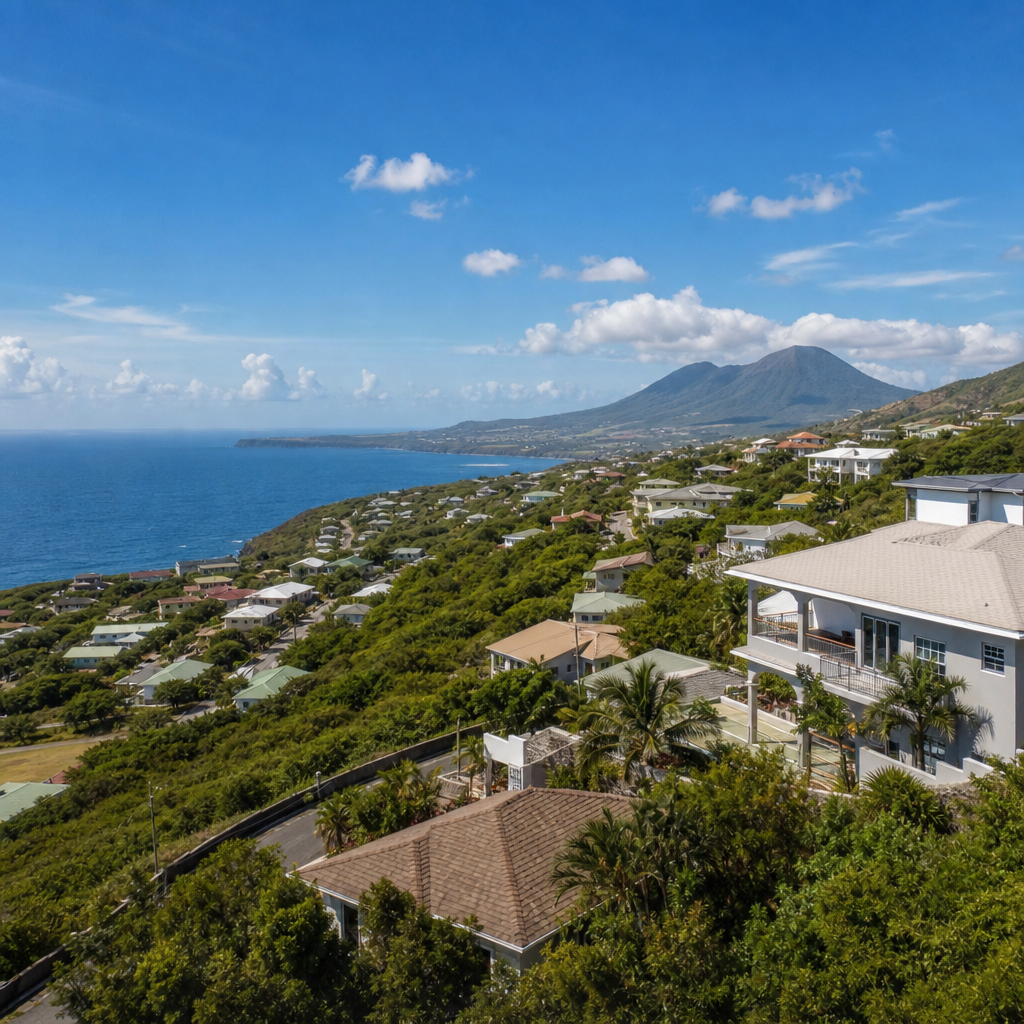
Saint Kitts sits in the northeastern Caribbean, with Atlantic exposure on one side and calmer Caribbean waters on the other. That geography creates a useful mix of environments within a compact island: fringing reefs, rocky shorelines, volcanic black-sand bays, seagrass meadows, and patches of sandy bottom that attract different species. Marine life in this context means the full community a snorkeler can observe from the surface or in shallow water, including reef fish, corals, sponges, sea turtles, rays, crustaceans, mollusks, and occasional pelagic visitors. March matters because it falls within the drier season, when rainfall and runoff are often lower than in wetter months, improving clarity at many sites. Water temperatures commonly sit around 26 to 27 degrees Celsius, comfortable for long sessions with a rash guard or light exposure protection.
This hub article covers the miscellaneous side of nature and wildlife around Saint Kitts by connecting habitats, species, seasonality, safety, and site selection into one practical resource. If you want a quick answer, here it is: snorkel the calmer Caribbean coast in the morning, look for seagrass near sandy bays if you want turtles, choose reef edges for angelfish and parrotfish, and avoid touching anything, especially coral, urchins, and unknown invertebrates. The real value, however, is in understanding why those choices work. Once you know how the island’s marine habitats function in March, you can plan each outing with far better odds of seeing healthy reef scenes rather than just swimming over empty-looking water.
What Marine Life You Can Expect to See in March
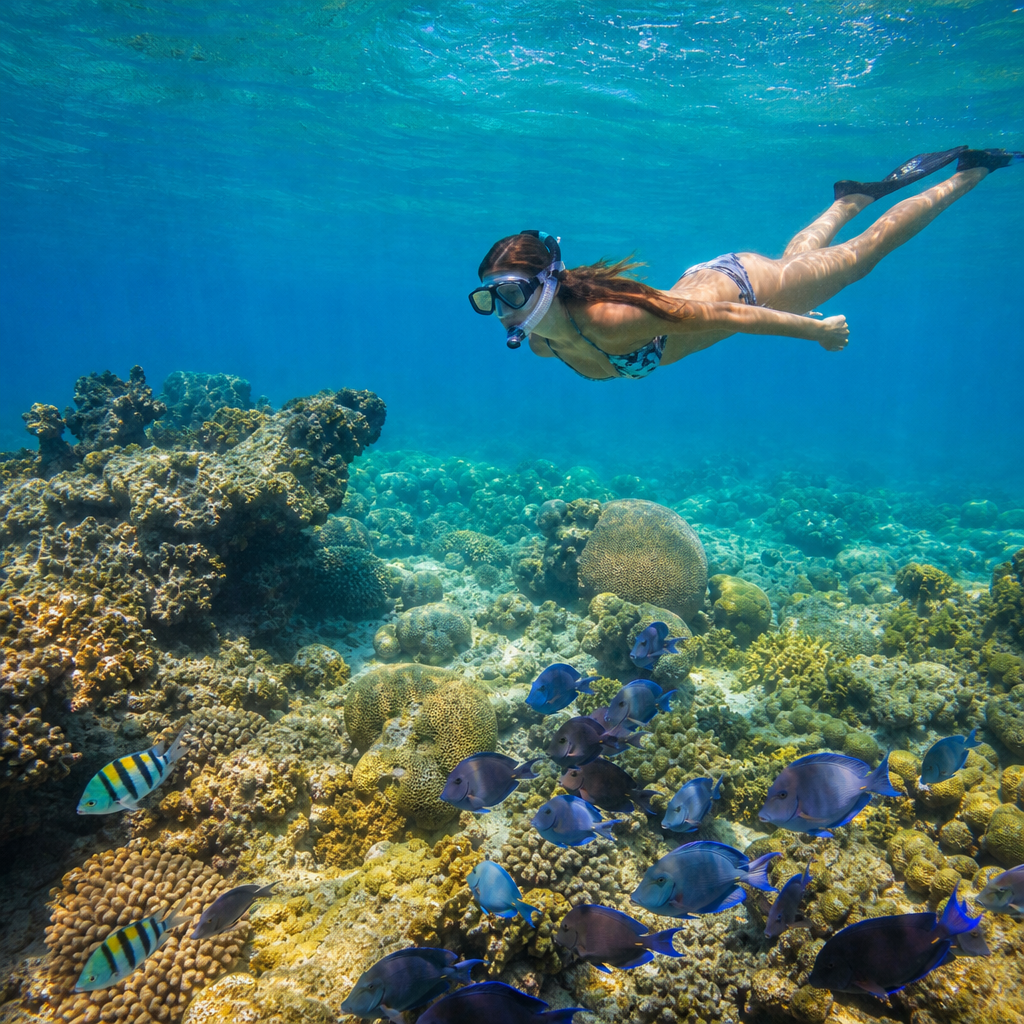
Saint Kitts supports the classic western Atlantic and Caribbean shallow-water community, but the diversity becomes clearer when you stop thinking only about coral. On a single snorkel you may pass over staghorn or brain coral structures, purple sea fans, barrel sponges, schools of blue tang and creole wrasse, grazing stoplight parrotfish, and small sergeant majors defending eggs near rocks. In sandy channels, southern stingrays may rest under a dusting of sediment. Around reef crevices, you might spot trumpetfish hanging head-down, spotted moray eels peering out, or cleaner gobies working station on larger fish. Hawksbill turtles often forage around reefs and sponges, while green turtles are more likely around seagrass meadows.
March conditions can improve fish-watching because visibility is often better in the morning before wind and boat traffic roughen the surface. Good visibility does not guarantee more animals, but it dramatically increases how much you can actually detect from the surface. Many first-time snorkelers miss biodiversity because they look only straight down and swim too fast. Slow movement reveals juvenile fish sheltering in branching coral, Christmas tree worms retracting into coral heads, and tiny damselfish territories that make a reef feel animated instead of static. If you carry a simple fish card or know a few target species, your observations become much richer.
Best Snorkeling Habitats Around Saint Kitts
The island’s marine life is easiest to understand through habitat zones. Fringing reefs provide the highest concentration of obvious visual life, especially where hard coral, soft coral, and sponge cover create shelter and feeding space. Rocky shorelines are productive for blennies, juvenile wrasses, urchins, and octopus, though entry can be more difficult. Seagrass beds are essential nurseries and feeding grounds; they may look plain from shore, yet they often hold conch, sea stars, juvenile fish, and turtles. Sandy flats seem empty at first glance, but they are where rays, garden eels in some regions, and burrowing organisms can be found.
On Saint Kitts, the Caribbean side is usually the better choice for casual snorkeling because it is often more protected than the Atlantic side. White House Bay and other leeward sites are frequently recommended because they combine accessible water with coral growth and fish life. Frigate Bay can offer easy entry in favorable conditions, especially for travelers staying nearby, though marine density varies by exact spot. South Friars Bay is another common starting point for visitors who want calmer water and straightforward logistics. The Atlantic coast can be dramatic and beautiful, but wave energy and surge often make it less suitable for relaxed wildlife viewing from the surface.
| Habitat | What You May See | Best For | March Notes |
|---|---|---|---|
| Fringing reef | Parrotfish, angelfish, sea fans, sponges, morays | Overall diversity | Strong morning visibility on calm days |
| Seagrass bed | Green turtles, juvenile fish, conch, rays | Turtle watching | Look near sandy bays with low boat traffic |
| Rocky shoreline | Blennies, urchins, octopus, crabs | Macro-style observation | Best with gentle surge and careful entry |
| Sandy patch | Southern stingrays, buried invertebrates | Ray sightings | Shuffle carefully and keep distance |
Where to Snorkel and How to Match the Site to Your Goal
If your goal is to see a wide range of reef fish, choose a site with mixed hard structure, patch reefs, and nearby sand channels. White House Bay stands out because volcanic rock and reef habitat create visual contrast and good fish territory. If your goal is simply a safe, enjoyable first snorkel, pick a beach with gentle entry, limited surf, and easy support nearby, such as parts of South Friars Bay. If you are specifically hoping for turtles, focus less on famous reef names and more on quiet seagrass areas near sheltered bays. That small change in strategy often makes the difference between an average outing and a memorable one.
Boat snorkel trips can expand your options by reaching less accessible sites with better structure away from busy beaches. Operators familiar with current, visibility, and recent wildlife activity can choose locations more intelligently than a visitor relying only on map pins. Still, shore snorkeling has advantages. You can enter early, avoid rushed schedules, and spend longer studying one habitat. In my experience, some of the best wildlife observations happen during slow, repeat visits to the same cove, because patterns emerge: where parrotfish graze at first light, where juvenile grunts school under ledges, and where turtles surface predictably along a seagrass line.
Reading March Conditions: Visibility, Wind, and Water Movement
March usually rewards early risers. Trade winds can increase through the day, and even a moderate onshore breeze can reduce comfort and surface visibility by creating chop. A site that looks disappointing at noon may have been clear and glassy at 8 a.m. Before entering, study the water for three minutes. Check whether you can see bottom detail near shore, whether sediment is being stirred up, and whether surge is pushing water strongly against rocks. These simple observations often matter more than a generic beach recommendation.
Rainfall is often lower in March than during wetter periods, which can reduce runoff from land. Less runoff generally means less suspended sediment and better light penetration, especially near developed coastlines and stream outlets. However, conditions are never guaranteed. A windy week can make exposed sites poor even in a normally favorable month. This is why flexible planning matters. Build your itinerary around two or three possible snorkeling windows instead of one fixed outing, and keep one sheltered site in reserve if the first choice turns rough.
Snorkeling Gear That Works Best in Saint Kitts
A well-fitted mask is more important than any other piece of equipment. Leaks cause constant clearing, which distracts from wildlife watching and increases fatigue. Fins help in current and let you move efficiently over longer reef sections, but they should be compact enough for easy travel and controlled kicking in shallow areas. In Saint Kitts, a rash guard is usually more useful than a thick wetsuit in March, offering sun protection without overheating. Many snorkelers underestimate reflected UV exposure on the water and end the day burned despite spending much of it face-down.
Use defog sparingly, carry a brightly colored surface marker if you are away from swimming zones, and consider a compact underwater slate or fish identification card. If you wear sunscreen, choose a reef-conscious mineral formulation and apply it well before entering the water. Better yet, rely primarily on physical sun protection. Avoid full-face snorkel masks unless they come from a reputable manufacturer and fit you exceptionally well; traditional mask-and-snorkel setups remain the more dependable option for comfort, safety, and easy clearing.
Responsible Wildlife Viewing and Reef Protection
The rule is simple: look, float, and leave no trace. Corals are living animals, not rocks, and even brief contact from hands, fins, or knees can break tissue or spread stress. Never stand on reef, chase turtles, block an animal’s path to the surface, or attempt to feed fish. Feeding changes behavior, concentrates animals unnaturally, and can increase aggression or dependency. Sea turtles in particular should be given space; if one changes direction because of you, you are too close.
Responsible snorkeling also means controlling buoyancy at the surface. Many accidental reef impacts happen when people are adjusting masks while kicking vertically. Inflate a snorkel vest if needed, stay horizontal, and keep fin strokes small in shallow water. Do not collect shells occupied by living animals, and avoid handling sea stars or other delicate invertebrates for photos. Saint Kitts’ appeal depends on the integrity of these habitats, and the cumulative effect of small disturbances from many visitors is real.
Safety, Marine Hazards, and Local Practical Tips
Most snorkeling risks in Saint Kitts are manageable with planning. The biggest issues are not sharks or dramatic wildlife encounters, but sun exposure, dehydration, surge near rocks, boat traffic, and overconfidence in unfamiliar water. Snorkel with a buddy, use a dive flag where appropriate, and stay out of channels used by fast boats. If entry involves rocks, watch one full set of waves before stepping in. Sea urchins are common around rocky sections, so water shoes can help during entry, though they are not a substitute for careful footing.
Jellyfish and fire coral can occasionally cause stings, and lionfish may be present under ledges, so maintain a no-touch policy with all marine life. If you are visiting by cruise ship, be realistic about time. Choose one site you can reach comfortably and enjoy properly rather than trying to force multiple stops. A relaxed ninety-minute snorkel during the best morning conditions is far more productive than rushing between beaches. Ask local operators or accommodation staff about same-day water clarity, because island conditions can vary significantly by coast and wind direction.
Building a Better Nature and Wildlife Itinerary
As a hub within the broader nature and wildlife topic, marine snorkeling in Saint Kitts connects naturally with coastal birding, beach ecology, volcanic landscapes, and conservation-focused excursions. A strong itinerary might pair an early snorkel on the Caribbean side with a later visit to a black-sand beach, salt pond, or scenic lookout that helps explain how the island’s geology shapes coastal habitats. The more you understand the land-sea connection, the more meaningful the underwater experience becomes. Reef health is influenced by runoff, anchoring, fishing pressure, and shoreline development, not just by what happens below the surface.
For March travelers, the main takeaway is practical and encouraging: Saint Kitts offers accessible, varied, and genuinely rewarding snorkeling if you choose sheltered sites, go early, bring proper gear, and focus on habitat as much as headline species. Expect reef fish, sponges, coral structure, and a realistic chance of turtles, with the exact mix depending on whether you are over reef, rock, seagrass, or sand. Respect wildlife, stay aware of wind and visibility, and use this guide as your starting point for exploring the island’s wider nature and wildlife network. Plan one smart morning snorkel, and Saint Kitts will likely earn a second.
Frequently Asked Questions
Why is March considered one of the best months for snorkeling in Saint Kitts?
March is widely regarded as one of the most reliable months for snorkeling in Saint Kitts because the island often experiences a very favorable combination of calm sea conditions, excellent underwater visibility, and comfortably warm water. For snorkelers, that matters a great deal. Calmer water means easier surface swimming, less wave chop, and a better chance of spotting fish, coral formations, and seagrass habitats without constantly fighting surge. Strong visibility allows you to see more detail from the surface, which is especially helpful for beginners who may not want to dive below the top of the water to enjoy what is below them.
Another advantage of March is that marine life can be observed across several habitat types in a single trip. Reefs, rocky shorelines, sandy bottoms, and seagrass beds can all be active, creating a varied snorkeling experience rather than a one-note one. You may see schools of reef fish near coral heads, juvenile fish sheltering in shallower areas, and species that move between reef and grass habitats throughout the day. Because conditions are often more stable than in rougher or rainier parts of the year, these areas are generally easier to access and interpret, making March an excellent time for both wildlife viewing and learning how Saint Kitts’ nearshore ecosystems connect.
For travelers building a nature-focused itinerary, March also offers a practical benefit: snorkeling is more consistently enjoyable for a wider range of experience levels. Beginners often feel more confident in gentler water, while experienced snorkelers appreciate the chance to cover more coastline and spend longer observing marine behavior. In short, March is not just “good beach weather.” It is a month when the environmental conditions align in a way that makes Saint Kitts’ marine diversity especially visible and rewarding.
What kinds of marine life can snorkelers expect to see around Saint Kitts in March?
Snorkelers in Saint Kitts during March can expect a surprisingly rich mix of tropical marine life, especially when exploring healthy reef zones, rocky coves, and seagrass edges. Common sightings often include colorful reef fish such as blue tangs, sergeant majors, parrotfish, wrasses, grunts, and butterflyfish. These species are frequently seen moving in and around coral structures, feeding on algae, grazing over reef surfaces, or sheltering near crevices. Angelfish and damselfish may also be present in good numbers, adding to the visual diversity that makes Caribbean snorkeling so memorable.
Beyond the obvious reef fish, March can also be rewarding for snorkelers interested in habitat-specific wildlife. In seagrass beds and sandy channels, you may encounter southern stingrays resting on the bottom, juvenile fish using the grass as a nursery area, and in some locations, sea turtles passing through or feeding nearby. Around rocky areas and coral patches, watch carefully for creatures that are easier to miss at first glance, such as sea urchins, sea cucumbers, crabs, lobsters tucked under ledges, and occasionally moray eels peering from holes. The variety is part of what makes Saint Kitts special: even a relatively short snorkel can reveal several layers of marine life if you slow down and look closely.
It is also important to understand that wildlife sightings are shaped by time of day, water clarity, and your ability to observe quietly. Larger or more cautious animals may keep their distance if there is heavy splashing or boat traffic. Fish behavior can change with sunlight and tides, and some species are more active along reef edges than in exposed shallows. That means a productive March snorkel is not only about going to a popular beach; it is about recognizing where different animals are most likely to be and giving yourself time to watch rather than simply swim past. Patience often reveals the most interesting marine life.
Where are the best types of snorkeling habitats in Saint Kitts, and why do they matter?
One of the most useful things a snorkeler can understand about Saint Kitts is that the island’s marine life is distributed across different habitats, and each one offers a different experience. Coral reef areas are often the main draw because they support the highest concentration of visible fish and the greatest structural complexity. Reef environments tend to attract species that feed, hide, and patrol around coral heads, sponges, and crevices. If your goal is to see colorful tropical fish and classic Caribbean underwater scenery, reef habitat is usually your priority.
Rocky shorelines and protected coves are also important, especially for snorkelers who enjoy exploring natural contour and looking for hidden marine life. These areas often create shelter for smaller fish, invertebrates, and species that use cracks and ledges for protection. Depending on water movement and bottom composition, rocky habitats can be excellent for seeing a wider range of behavior, from fish feeding near algae-covered stone to crustaceans and eels occupying shaded spaces. These sites can be especially interesting for return visitors who want more than the standard postcard reef view.
Seagrass beds and sandy-bottom transition zones matter just as much, even though they are sometimes overlooked. Seagrass functions as a nursery habitat for juvenile fish and can attract rays, turtles, and species that move between feeding and sheltering areas. Sandy stretches may seem quiet at first, but they often support camouflaged life and provide a contrast that helps snorkelers understand how the whole coastal ecosystem fits together. The best snorkeling trips in Saint Kitts often combine more than one habitat, because that is when you begin to see the full diversity of marine life rather than just a single slice of it.
How do March conditions affect wildlife sightings and the overall snorkeling experience?
March conditions can have a major influence on both what you see and how easily you see it. When visibility is strong, the underwater landscape appears more open, fish are easier to identify from the surface, and snorkelers can safely scan wider areas before moving. This is especially useful in Saint Kitts, where marine life may be spread across reef patches, grass beds, and rocky contours rather than concentrated in one obvious location. Good visibility also improves your chances of noticing animals that blend into the environment, such as rays on sand or turtles moving along deeper edges.
Calmer seas are equally important because they reduce surface distortion. Even a reef with abundant marine life can be difficult to appreciate when wind and chop constantly break your line of sight. In March, gentler conditions often make it easier to float, observe, and conserve energy. Beginners benefit because they can spend more attention on looking for wildlife instead of managing waves, while experienced snorkelers can cover more ground efficiently and spend longer in the water. Warm temperatures add another layer of comfort, allowing many visitors to snorkel for extended periods without becoming chilled too quickly.
That said, conditions are never identical every day, and local variation still matters. Some coastlines may be more protected than others depending on wind direction, and the best site in the morning may not be the best one later in the day. Wildlife activity can also shift with sunlight, current, and disturbance. A beach with good visibility but heavy human activity may produce fewer memorable sightings than a quieter cove with slightly less dramatic scenery. In March, the overall odds are favorable, but the most rewarding snorkeling still comes from choosing sheltered areas, entering the water at the right time, and adapting to the day’s actual conditions rather than relying only on general expectations.
How can snorkelers explore Saint Kitts responsibly and safely while protecting marine life?
Responsible snorkeling in Saint Kitts starts with a simple principle: enjoy the marine environment without disturbing it. That means never standing on coral, never touching sea turtles or fish, and avoiding contact with the seabed unless absolutely necessary for safety. Coral is alive and extremely vulnerable to breakage, even from what seems like minor contact. Stirring up sand can also reduce visibility and stress nearby habitats. Good buoyancy, slow fin movements, and deliberate body control make a big difference, especially in shallow areas where reefs and seagrass beds are close to the surface.
Snorkelers should also think carefully about equipment and personal habits. A well-fitting mask, comfortable fins, and a flotation aid for less confident swimmers can improve both safety and environmental behavior by reducing panic and unnecessary kicking. If you use sunscreen, choosing reef-conscious options is a smart step, particularly when spending long periods in the water. Entering from sandy patches rather than directly over coral, keeping a respectful distance from wildlife, and avoiding chasing animals for photos all help preserve natural behavior. The goal is not only to see marine life, but to observe it in a way that leaves the habitat unchanged for future visitors and for the animals that depend on it.
Safety is just as important as conservation. Always assess water conditions before entering, especially around rocks, boat areas, or reef edges where currents and surge may be stronger than they appear from shore. Snorkel with a partner whenever possible, use a surface marker or bright gear if boats may be nearby, and know your limits in terms of stamina and swimming ability. March is often forgiving, but no season removes the need for caution. The most successful snorkelers in Saint Kitts are usually the ones who combine curiosity with patience, preparation, and respect for the ecosystem. That approach leads to better sightings, safer outings, and a more meaningful connection with the island’s diverse marine