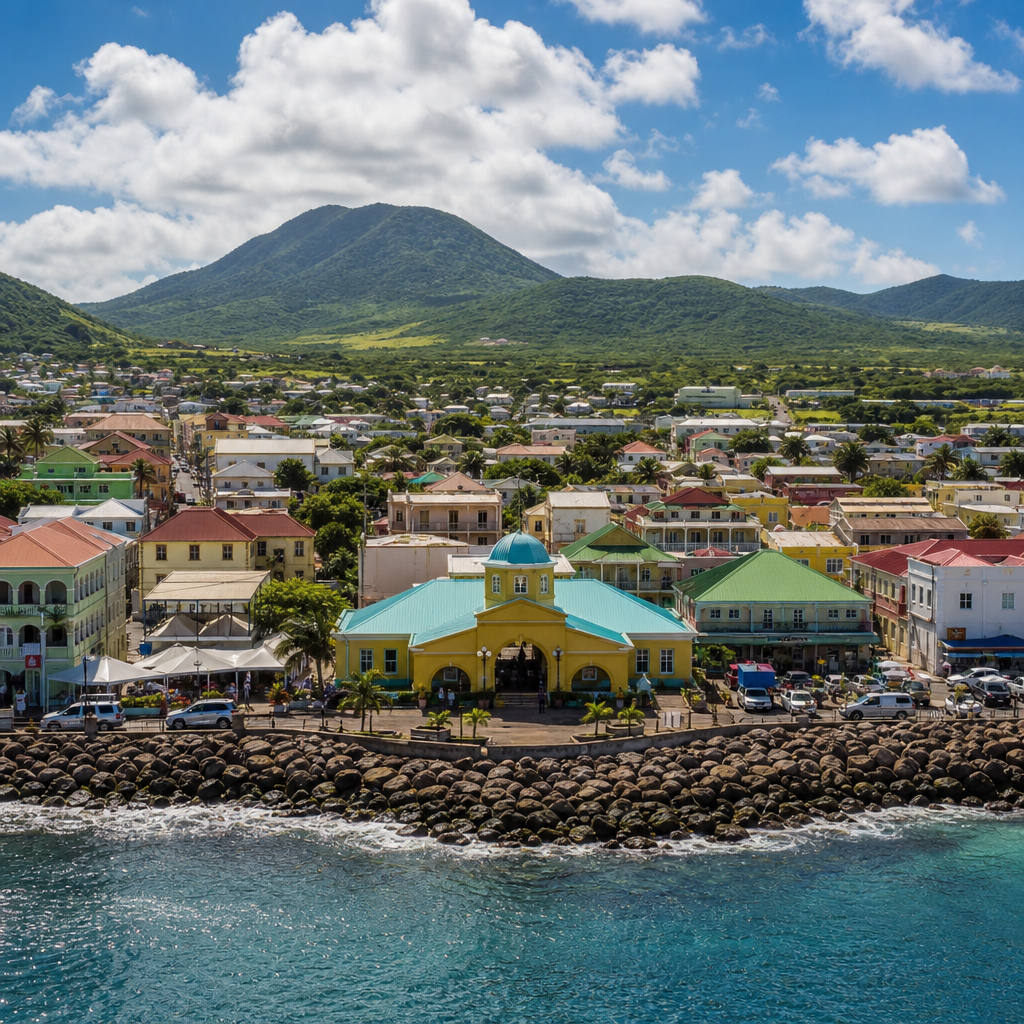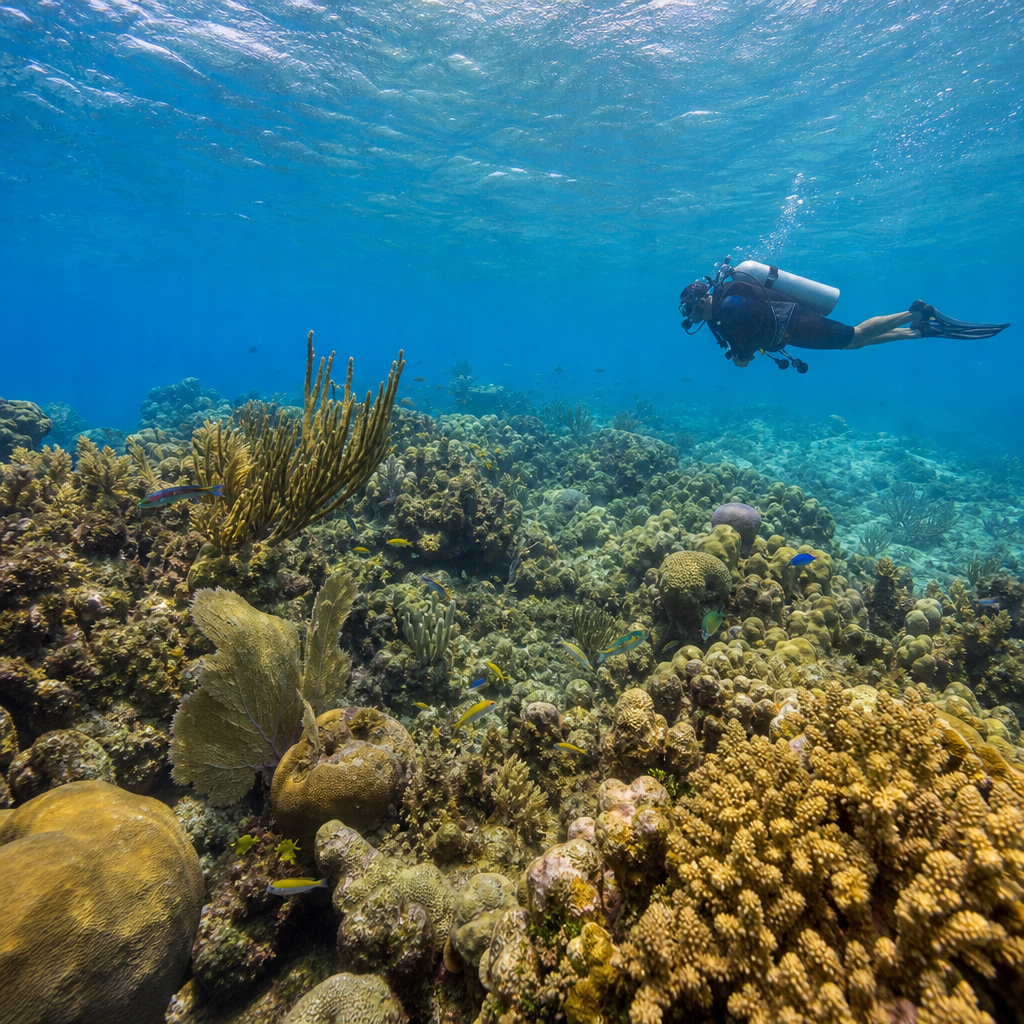
Reef conservation in Saint Kitts matters because the island’s coral ecosystems support fisheries, tourism, shoreline protection, and marine biodiversity in one tightly connected system. In practical terms, a reef is not just a scenic dive site; it is a living structure built by coral polyps, algae, sponges, and countless reef-associated species that create habitat, buffer wave energy, and sustain local livelihoods. Around Saint Kitts, fringing reefs, patch reefs, seagrass beds, and nearby mangroves function as a linked coastal network, so damage in one area quickly affects the others. I have seen this connection firsthand while reviewing Caribbean reef management plans and speaking with operators who depend on healthy snorkel sites to keep visitors coming back. When coral cover declines, fish abundance often falls, beaches can become more vulnerable to erosion, and tourism businesses feel the loss almost immediately.
Saint Kitts faces the same core pressures affecting reefs across the wider Caribbean, but local geography and development patterns shape how those pressures play out. Ocean warming drives coral bleaching, disease outbreaks reduce reef resilience, and stronger storms can break already stressed coral colonies. On land, sediment runoff, untreated wastewater, plastic pollution, and poorly managed coastal construction can smother reefs or fuel algal growth that competes with corals. Unsustainable fishing practices add another layer of strain by removing herbivorous fish that normally help keep algae in check. Conservation, then, means more than declaring a protected area on a map. It requires science-based monitoring, water-quality management, community participation, enforcement, restoration where appropriate, and long-term political commitment. As a hub page within Nature and Wildlife, this guide brings those moving parts together and explains how reef conservation in Saint Kitts works, why it matters, and where future protection efforts should focus.
Why Saint Kitts reefs are ecologically and economically important
Coral reefs around Saint Kitts support a high concentration of marine life relative to their physical footprint. Reef structures provide shelter, feeding grounds, nursery habitat, and breeding areas for reef fish, lobsters, sea urchins, crustaceans, sea turtles, and invertebrates. Many commercially important species spend part of their life cycle in nearby seagrass beds or mangroves before moving onto the reef, which is why reef conservation cannot be separated from broader coastal habitat protection. This nursery function is essential for local fisheries. If juvenile fish lose shelter because seagrass is degraded or corals collapse, future adult populations usually shrink. That pattern has been documented repeatedly across the Caribbean and remains one of the clearest reasons to protect interconnected habitats rather than individual sites in isolation.
The economic case is just as strong. Tourism in Saint Kitts depends heavily on natural assets, and healthy underwater habitats increase the value of diving, snorkeling, boating, and coastal recreation. Reefs also act as natural breakwaters by reducing wave energy before it reaches shore. Research published by organizations such as the U.S. National Oceanic and Atmospheric Administration and The Nature Conservancy has shown that coral reefs can significantly lower coastal flood risk and storm damage costs. For a small island state, that protective service is not abstract. It affects infrastructure resilience, beach stability, insurance exposure, and recovery costs after extreme weather. When policymakers invest in reef conservation, they are not only protecting biodiversity; they are reducing long-term economic risk. That is why reef management belongs in tourism strategy, fisheries policy, climate adaptation planning, and watershed management at the same time.
Main threats to underwater habitats in Saint Kitts
The most severe long-term threat is rising sea temperature. Corals live in partnership with symbiotic algae called zooxanthellae, which provide much of the coral’s energy through photosynthesis. When water becomes too warm, that relationship breaks down and corals expel the algae, turning white in a bleaching event. Bleached corals are not always dead, but they are stressed and more vulnerable to disease and mortality. In the Caribbean, repeated marine heatwaves have reduced recovery time between events, making it harder for reefs to regain coral cover. Saint Kitts is part of that regional pattern. Warmer seas, combined with ocean acidification, lower the reef’s ability to calcify and rebuild after disturbance.
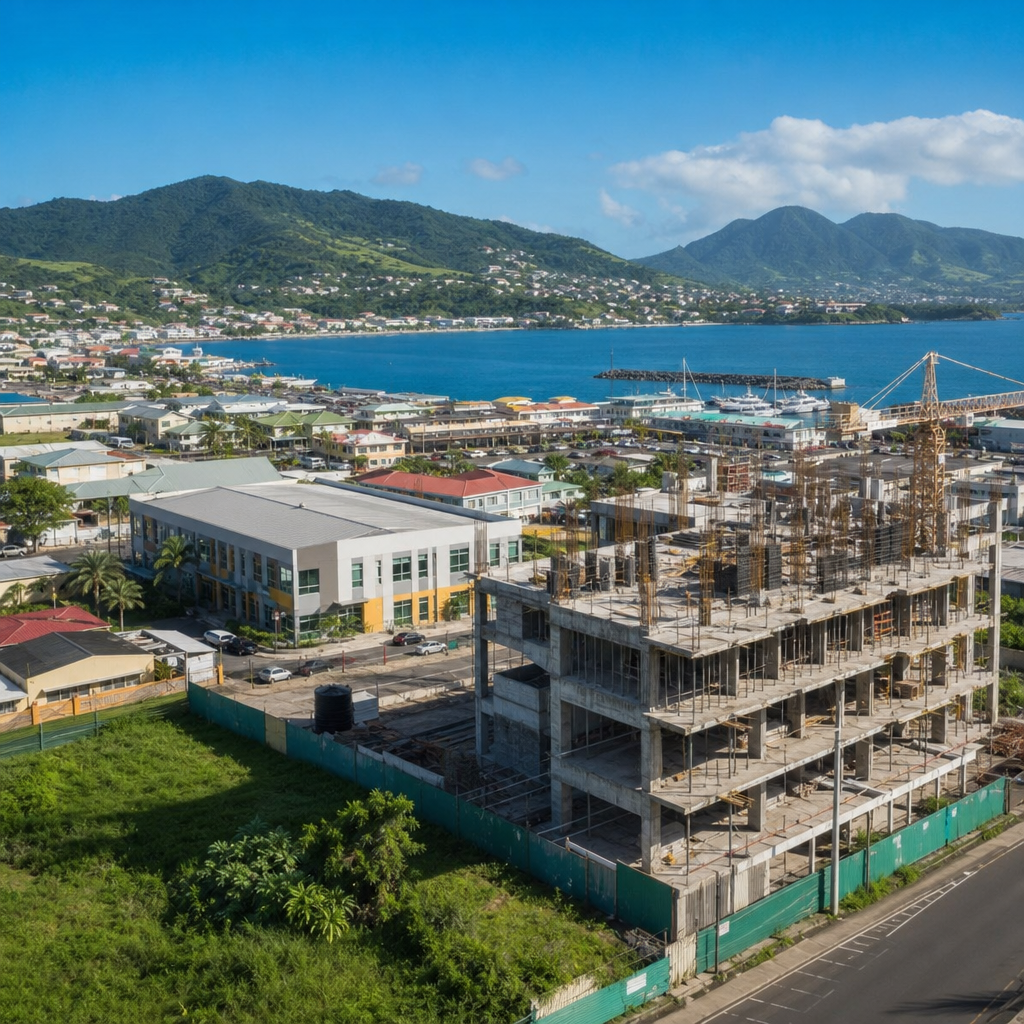
Local stressors amplify climate impacts. Sediment runoff from land clearing, road works, and poorly controlled construction reduces light penetration and can settle directly on coral tissue. Excess nutrients from sewage or agricultural runoff can trigger algal blooms that outcompete coral larvae for space. Plastic debris and marine litter can physically damage coral and introduce pathogens. Fishing pressure matters too, especially when herbivorous fish such as parrotfish decline, because algae then spread more aggressively across reef surfaces. Anchoring on sensitive areas, careless snorkeling or diving, and unregulated coastal activity can create cumulative damage that is easy to overlook in small increments but substantial over time. Effective reef conservation in Saint Kitts therefore starts with a clear principle: global climate threats are real, but local management still determines whether reefs remain resilient enough to survive them.
How marine protected areas and regulation support conservation
Marine protected areas are among the most visible tools in reef conservation, but their success depends on design and enforcement rather than designation alone. In Saint Kitts, protected zones can reduce direct pressure on coral habitats by limiting extractive use, anchoring, and destructive activities in ecologically important areas. Well-managed marine zones also help preserve spawning sites, protect nursery grounds, and improve fish biomass over time, especially when no-take rules are clear and consistently enforced. The strongest protected areas are built around habitat mapping and ecological data, not arbitrary boundaries. Managers need to know where coral cover is highest, where fish spawning aggregations occur, and which nearshore areas receive the heaviest human pressure before regulations can be targeted effectively.
Rules work best when they are practical for users and backed by visible compliance systems. That means marker buoys instead of vague boundaries, mooring systems that prevent anchor damage, patrol coordination, and public communication that explains not just what is prohibited but why. I have found that local operators usually support sensible restrictions when they can see direct benefits for site quality and visitor satisfaction. Fisher engagement matters for the same reason. Regulations imposed without consultation often fail, while co-management approaches create better reporting, stronger legitimacy, and higher adherence. Protected areas are not a standalone solution, yet they remain central because they give managers a framework for controlling immediate pressures while broader climate and land-based pollution measures are developed.
| Conservation tool | Primary purpose | Example of practical impact in Saint Kitts |
|---|---|---|
| Marine protected zones | Reduce fishing and habitat disturbance | Higher fish biomass and safer coral recovery in sensitive reef areas |
| Mooring buoys | Prevent anchor damage | Dive and tour boats avoid dropping anchors directly onto coral colonies |
| Water-quality controls | Limit sediment and nutrient pollution | Cleaner nearshore water improves coral health and seagrass condition |
| Reef monitoring | Track coral cover, bleaching, and disease | Managers can respond faster to deterioration and target restoration |
| Community education | Change behavior and build support | Visitors and residents reduce littering, touching coral, and harmful fishing practices |
Restoration, monitoring, and science-based reef management
Reef restoration gets attention because it is visible and hopeful, but it should be understood correctly. Coral nurseries, fragment propagation, and outplanting can help recover specific sites, preserve genetic diversity, and engage volunteers or tourism stakeholders. However, restoration is not a substitute for reducing heat stress, pollution, or overfishing. If poor water quality and chronic disturbance remain unchanged, outplanted corals will struggle for the same reasons wild colonies did. The best restoration programs in the Caribbean select resilient species, track survival rates carefully, and pair fieldwork with clear site management. In Saint Kitts, restoration has the greatest value when used strategically: repairing damaged patches, supporting education, and complementing larger ecosystem protections.
Monitoring is the foundation that makes all of this credible. Managers need repeated measurements of live coral cover, macroalgae abundance, reef fish populations, water clarity, disease prevalence, and bleaching severity. Standardized methods such as belt transects, photo quadrats, and fish counts allow comparisons over time. Regional programs like the Atlantic and Gulf Rapid Reef Assessment framework and Reef Check have helped create common indicators that local teams can adapt. Good monitoring does more than produce reports. It shows whether a management action is working, whether a reef is recovering after a storm, and whether a site should be prioritized for stricter controls. In my experience, the most useful reef data are not always the most complex; they are the data collected consistently enough to guide real decisions year after year.
Communities, tourism operators, and fishers as conservation partners
Reef protection in Saint Kitts succeeds when local people are treated as partners rather than passive audiences. Fishers know seasonal patterns, habitat shifts, and species behavior that formal surveys can miss. Dive operators notice changes in water clarity, coral color, and visitor pressure at popular sites long before annual reports are published. Coastal communities directly experience the costs of reef decline through weaker catches, reduced tourism demand, and more exposed shorelines. Conservation programs that include these groups early tend to produce better outcomes because they align rules with lived realities. Practical examples include voluntary codes for snorkel tours, agreed no-anchor areas, catch restrictions for vulnerable species, and reporting systems for coral bleaching or disease outbreaks.
Education also matters, but effective education is specific and behavior-based. Telling visitors that reefs are fragile is less useful than instructing them never to stand on coral, wear reef-safe sun protection where possible, secure equipment, and maintain buoyancy control. For residents, the message is often about watershed-to-reef links: litter thrown into a ghaut, poorly managed hillside clearing, or wastewater leakage eventually affects marine habitats. Schools, hotels, marinas, and tour companies can all reinforce those connections. The broader benefit is cultural as well as ecological. When reefs are framed as part of Saint Kitts’s national heritage and economic security, conservation stops looking like a niche environmental issue and becomes a shared public responsibility.
What a comprehensive reef conservation strategy should include
A durable strategy for protecting underwater habitats in Saint Kitts needs to integrate land, sea, science, and governance. First, it should strengthen watershed management through erosion control, better drainage planning, wastewater treatment, and construction standards that reduce sediment runoff into bays. Second, it should expand habitat mapping and regular reef assessment so authorities know which areas are resilient, degraded, or highly exposed. Third, fisheries management should protect herbivores and spawning stocks while improving compliance through licensing, clear seasonal rules, and community engagement. Fourth, marine spatial planning should separate high-value conservation zones from heavy-use recreation or development areas. Finally, climate adaptation must be built in from the start, including heat-stress response planning, post-storm assessments, and prioritization of sites with the strongest natural recovery potential.
This hub article points toward the full scope of reef conservation in Saint Kitts: coral ecology, fish habitat, seagrass and mangrove links, marine protected areas, pollution control, tourism practices, restoration, monitoring, and climate resilience. The central lesson is simple. Reefs survive when local damage is reduced enough for natural recovery processes to work, and they decline when preventable stress piles onto unavoidable climate pressure. Saint Kitts has every reason to protect these underwater habitats aggressively, because the payoff reaches biodiversity, food security, coastal defense, and visitor economy at once. If you are building out your Nature and Wildlife research or planning a visit, use this page as the starting point and explore each connected subtopic with conservation outcomes in mind.
Frequently Asked Questions
Why is reef conservation in Saint Kitts so important?
Reef conservation in Saint Kitts is important because coral ecosystems support several essential functions at the same time. Healthy reefs provide habitat for fish, lobster, conch, sea turtles, and many other marine species that local fisheries and marine food webs depend on. They also help sustain tourism by attracting divers, snorkelers, boaters, and travelers who come to experience clear water, colorful reef life, and coastal scenery. Just as importantly, reefs act as natural barriers that reduce wave energy, helping protect shorelines, beaches, and coastal infrastructure from erosion and storm impacts.
In Saint Kitts, reefs are part of a connected coastal system rather than isolated underwater attractions. Fringing reefs, patch reefs, seagrass beds, and nearby mangroves work together to support biodiversity and water quality. Juvenile fish often use mangroves and seagrass as nursery habitat before moving onto reefs, while healthy reef structures create shelter and feeding grounds for adult populations. When one part of this system is damaged, the effects can spread across the entire coastal environment. That is why reef conservation is not only about protecting coral itself; it is about protecting livelihoods, food security, tourism value, and the long-term resilience of the island’s marine ecosystems.
What threats do coral reefs in Saint Kitts face?
Coral reefs around Saint Kitts face a mix of local and global pressures, and these threats often reinforce one another. Climate change is one of the most serious challenges because warmer ocean temperatures can trigger coral bleaching, a stress response in which corals expel the algae that help feed them and give them color. If high temperatures persist, bleached corals can weaken and die. Ocean acidification is another major concern, as it reduces the ability of corals and other calcifying organisms to build and maintain their skeletons.
Local stressors also play a major role. Sediment runoff from land development, poorly managed drainage, and erosion can cloud the water and smother corals, limiting the sunlight they need to survive. Nutrient pollution from wastewater or agricultural runoff can fuel algal growth, which competes with corals for space and light. Physical damage from anchors, careless boating, trampling, and unsustainable fishing practices can break fragile reef structures that may take years or even decades to recover. Overfishing can remove key herbivorous fish that normally keep algae in check, making it harder for corals to compete and recover after disturbances. In practice, reef decline usually results from several of these pressures happening together, which is why conservation in Saint Kitts must address both marine protection and land-based management.
How do reefs, seagrass beds, and mangroves work together in Saint Kitts?
Reefs, seagrass beds, and mangroves form an interconnected coastal network that supports marine life at different stages and in different ways. Mangroves provide sheltered, shallow-water habitat where juvenile fish, crustaceans, and other organisms can grow with some protection from predators and rough conditions. Seagrass beds offer additional nursery areas, feeding grounds, and sediment stabilization, helping keep coastal waters clearer. Coral reefs then provide the complex three-dimensional habitat that many adult fish and invertebrates need for shelter, feeding, and reproduction.
This connection matters greatly in Saint Kitts because the health of one habitat often depends on the condition of the others. Mangroves can trap sediments and help reduce the amount of land-based runoff reaching reefs. Seagrass beds can slow water movement, capture particles, and improve water clarity. Reefs in turn reduce wave energy, creating calmer conditions that benefit adjacent coastal habitats. If mangroves are removed or seagrass beds are damaged, more sediment and pollution can reach coral areas, and fewer juvenile fish may survive to replenish reef populations. Understanding this relationship is central to effective reef conservation, because protecting coral alone is not enough if the linked habitats that support reef resilience are left vulnerable.
What conservation actions are most effective for protecting underwater habitats in Saint Kitts?
The most effective conservation actions combine habitat protection, better coastal management, community involvement, and long-term monitoring. Marine protected areas can help reduce direct pressure on reefs by limiting damaging activities in sensitive zones and allowing fish populations and coral communities time to recover. Sustainable fisheries management is also essential, particularly measures that protect herbivorous fish and prevent destructive practices that weaken reef balance. Mooring buoys can reduce anchor damage in popular boating and dive areas, while responsible tourism standards can minimize physical impacts from snorkeling, diving, and marine recreation.
Beyond the water, strong land-based management is equally important. Controlling erosion, improving wastewater systems, reducing runoff, and managing coastal development more carefully can significantly improve water quality for reefs. Restoration may also play a role in some locations, including coral nurseries, outplanting efforts, and habitat rehabilitation, though restoration works best when underlying threats are already being addressed. Public education and local stewardship are especially valuable in Saint Kitts, where fishers, tour operators, residents, schools, and visitors all influence reef health through everyday decisions. The most durable results usually come from integrated conservation strategies that protect habitats, reduce pollution, support sustainable use, and build shared responsibility for the marine environment.
How can residents and visitors help conserve Saint Kitts’ coral reefs?
Residents and visitors can make a meaningful difference by adopting simple but consistent reef-safe behaviors. In the water, people should avoid touching, standing on, or collecting coral, since even brief contact can damage delicate living tissue or break reef structures. Divers and snorkelers should maintain good buoyancy control, keep fins away from the bottom, and follow guides who use responsible reef practices. Boaters can help by using moorings where available instead of dropping anchors on coral or seagrass. Choosing operators that prioritize marine conservation, education, and compliance with best practices also supports a healthier tourism economy.
On land, individuals can reduce pollution that eventually reaches the sea by disposing of waste properly, limiting single-use plastics, conserving water, and supporting better sewage and drainage practices. Residents can participate in beach cleanups, citizen science programs, and community conservation initiatives, while visitors can support businesses that value sustainability and local environmental protection. People can also be more mindful about seafood choices by favoring sustainably harvested species and respecting local fishing regulations. Perhaps most importantly, everyone can help by understanding that reefs are living infrastructure, not just scenic backdrops. In Saint Kitts, protecting underwater habitats means protecting biodiversity, coastal resilience, cultural value, and the long-term health of communities that depend on the sea.