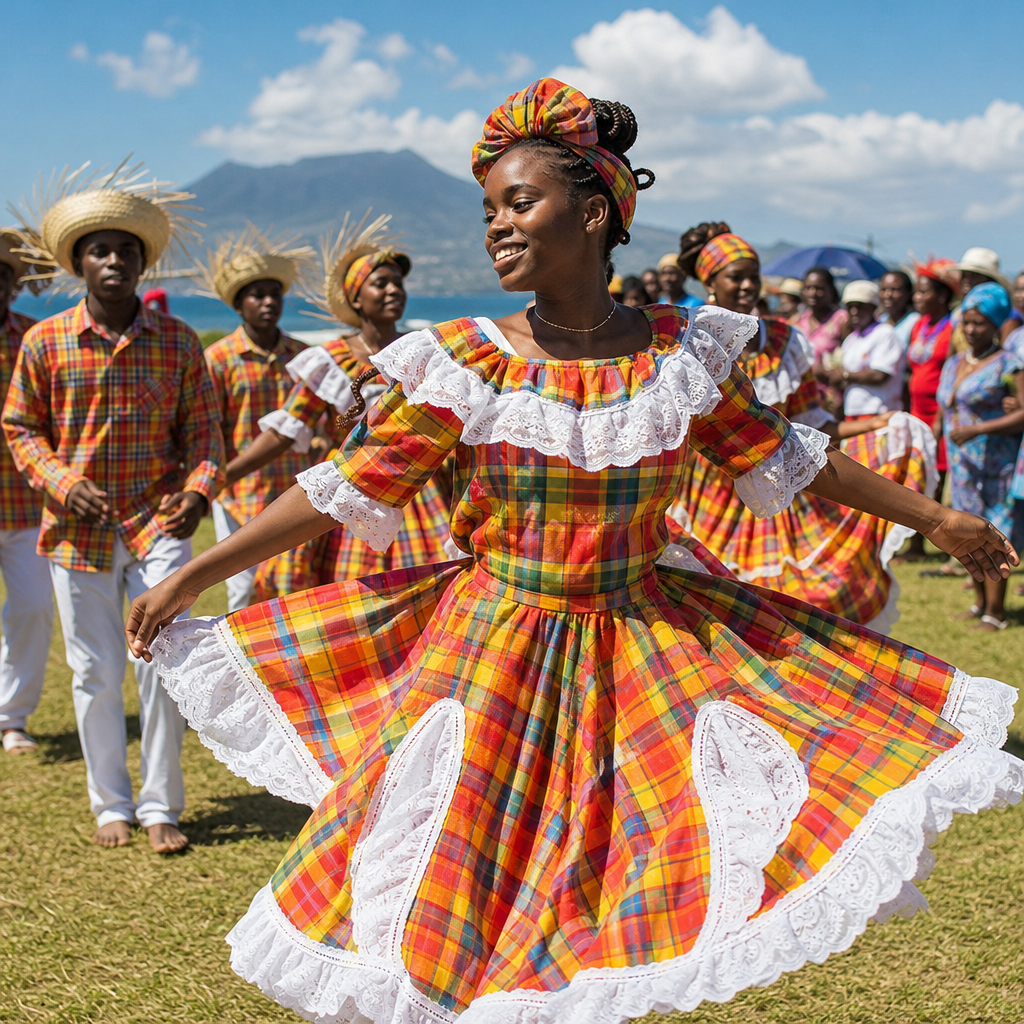
Emancipation Day in Saint Kitts is more than a public holiday; it is a national act of remembrance, cultural affirmation, and historical truth-telling rooted in the end of chattel slavery in the British Caribbean. In Saint Kitts, the observance connects families, schools, churches, artists, and civic leaders to the long struggle that led from plantation bondage to freedom on 1 August 1834, followed by the coercive apprenticeship period that ended in 1838. To understand the meaning of Emancipation Day, it helps to define three connected ideas clearly: slavery, emancipation, and heritage. Slavery in Saint Kitts was the system that treated Africans and their descendants as property for labor on sugar estates. Emancipation was the legal ending of that system under British law. Heritage is the living memory carried through language, music, food, spirituality, names, and community practices. Together, these terms explain why the holiday matters today.
I have seen that the strongest Emancipation Day events are not limited to one ceremony or one speech. They combine historical education with public ritual: wreath laying, church services, drumming, lectures, school performances, freedom walks, and family gatherings. The day matters because Saint Kitts was one of the earliest and most intensively cultivated sugar colonies in the English Caribbean, and that prosperity was built on enslaved African labor. Any honest discussion of local life and experiences must therefore place Emancipation Day near the center of national identity. It is not a niche heritage topic. It is a framework for understanding land ownership, class formation, religion, migration, folklore, and the cultural resilience that shaped modern Kittitian society.
As a hub article for miscellaneous local life and experiences, this page also serves a practical purpose. Readers often want direct answers to basic questions: What happened on Emancipation Day in Saint Kitts? Why is 1 August significant? How is the holiday celebrated now? What should residents, diaspora visitors, students, or travelers know before attending events? The short answer is this: Emancipation Day marks the legal end of slavery in the British West Indies, honors the ancestors who endured and resisted enslavement, and invites the public to reflect on freedom not as a finished achievement but as an ongoing responsibility. That balance of memory, celebration, and civic reflection is what gives the observance its lasting meaning.
The historical roots of Emancipation Day in Saint Kitts
Saint Kitts, also called Saint Christopher, became a crucial English colony in the seventeenth century and later a major sugar producer. By the eighteenth century, plantation wealth depended on a brutal labor regime enforced against enslaved Africans. Historical records from the wider British Caribbean consistently show that sugar profits, imperial trade, and colonial infrastructure were tied directly to this system. In Saint Kitts, estates organized life through cane cultivation, milling, boiling houses, and export networks, while enslaved people bore the physical and psychological costs. Families were separated, movement was controlled, punishment was institutionalized, and African cultural practices were often suppressed, though never erased.
The legal turning point came with the Slavery Abolition Act of 1833, which took effect on 1 August 1834 across most of the British Empire. Yet freedom was limited at first. Many formerly enslaved people entered apprenticeship, a transitional labor system that kept them bound to plantations for a fixed period. In practice, apprenticeship preserved planter power and delayed full freedom. Across the British Caribbean, resistance to apprenticeship was strong, and abolitionists criticized it as slavery by another name. Full emancipation arrived in 1838. That is why careful public history in Saint Kitts often distinguishes between the 1834 abolition date and the 1838 end of apprenticeship. Both dates matter for understanding what freedom actually meant on the ground.
Another key point is that emancipation did not emerge solely from parliamentary goodwill. Enslaved people resisted constantly through rebellion, work slowdowns, sabotage, escape, mutual aid, religious organization, and the retention of African knowledge systems. Caribbean emancipation history must always credit these acts of resistance. In Saint Kitts and neighboring islands, the pressure created by rebellion, abolitionist campaigning, changing economics, and humanitarian critique converged. The holiday therefore commemorates both a legal event and a human struggle. That distinction is essential because it moves the story away from passive liberation and toward active survival, courage, and agency.
What Emancipation Day means in contemporary Kittitian life
Today, Emancipation Day in Saint Kitts carries layered meanings. At the civic level, it affirms that the nation acknowledges the truth of its plantation past. At the cultural level, it honors the creativity through which African-descended people transformed pain into enduring forms of expression. At the personal level, it invites descendants to ask where their families fit within the larger story of labor, faith, migration, and community formation. In schools, the holiday creates space to teach students that freedom was contested, incomplete, and shaped by ordinary people as much as by lawmakers. In churches and community groups, it often becomes a moment for prayer, gratitude, and reflection on justice.
In my experience, the most meaningful observances are the ones that link remembrance to present-day realities. When speakers connect emancipation to education access, economic opportunity, historical preservation, and respect for cultural traditions, audiences respond more deeply. The holiday is not only about what ended; it is about what had to be rebuilt afterward. Formerly enslaved communities had to create family stability under hostile conditions, negotiate wages, establish villages, support schools, and form institutions that could protect dignity. Understanding that post-emancipation labor and adaptation helps explain why the holiday feels solemn and celebratory at once.
Emancipation Day also matters because it strengthens belonging. For residents, it reinforces that local identity is not abstract branding; it is tied to the lives of ancestors whose labor shaped the island’s landscape. For members of the diaspora, it offers a return point, a date on the calendar that reconnects them to family memory and national history. For visitors, it provides context that no beach itinerary can supply on its own. Anyone hoping to understand Saint Kitts beyond tourism must understand emancipation, sugar, and the African roots of public culture.
How Saint Kitts commemorates the day
Commemorations vary by year, but several patterns appear regularly in Saint Kitts and across the wider Caribbean. Official ceremonies may include addresses from government leaders, libations, cultural showcases, and moments of silence. Community organizations often stage reenactments, poetry readings, drumming presentations, and educational forums. Churches may hold thanksgiving services that frame freedom as both spiritual and social deliverance. Schools sometimes organize assemblies where students recite speeches, perform songs, or present short historical sketches about slavery, resistance, and emancipation.
Public memory is strongest when observances are participatory. A freedom walk, for example, physically connects people to landscapes once organized by plantation labor. Museum exhibits and heritage tours can show how old estates, mills, and village sites fit into the emancipation story. Oral history sessions with elders add another dimension, especially when they discuss proverbs, foodways, surnames, and stories passed down through generations. These practices matter because history becomes more durable when people can hear it, see it, and move through it together rather than absorb it only from a textbook.
| Activity | Purpose | What participants gain |
|---|---|---|
| Ceremonial gathering | Public recognition of emancipation and ancestors | Shared national memory and civic reflection |
| Lecture or panel discussion | Explain historical facts and modern relevance | Clear context on slavery, apprenticeship, and freedom |
| Cultural performance | Highlight African-rooted expression through music, dance, and spoken word | Emotional connection and cultural pride |
| Heritage tour | Link physical sites to historical events | Stronger understanding of place and continuity |
| School program | Teach younger generations in accessible form | Historical literacy and identity formation |
Visitors attending these events should expect a tone that is respectful first and festive second. Bright clothing, African-inspired dress, and national colors may appear, but the day is not simply a carnival atmosphere. It is a remembrance occasion. Listening carefully, supporting local historians and artists, and approaching ceremonies with humility are basic signs of respect. If photography is allowed, it should never interrupt prayer, performance, or speeches. That etiquette helps preserve the seriousness of the observance.
The link between emancipation, culture, and everyday heritage
One of the clearest ways to understand Emancipation Day is to trace its connection to ordinary cultural life. Food, language rhythms, folklore, gospel traditions, drumming patterns, herbal knowledge, and communal child-rearing practices all carry the imprint of African survival in the Caribbean. In Saint Kitts, emancipation remembrance often renews attention to those inheritances. A freedom celebration that includes drumming and spoken word is not adding entertainment to history; it is demonstrating how culture itself became a vehicle of endurance.
This is also why the holiday belongs within a broader local life and experiences hub. Many topics that seem miscellaneous at first glance—village fairs, oral storytelling, traditional dishes, market culture, church anniversaries, national heroes observances, family reunions, and school heritage projects—connect back to emancipation in some way. After slavery, communities created social forms that could hold people together despite economic hardship and unequal access to land. If you are exploring Kittitian life comprehensively, Emancipation Day provides an interpretive key for reading these traditions more accurately.
There is also a regional dimension. Saint Kitts shares the 1 August emancipation commemoration with several other Caribbean territories, but each island expresses it through its own history and institutions. That combination of shared date and local specificity is important. It means Saint Kitts participates in a wider Black Atlantic memory while preserving its own voice. Good heritage programming makes this clear by naming local estates, local churches, local educators, and local artists rather than relying only on generic regional language.
Why historical accuracy and preservation matter
Emancipation Day can lose power if it is reduced to symbolism without scholarship. Accurate timelines, documented estate histories, archival research, and preservation of sites are essential. In practical terms, that means supporting museums, school curricula, genealogy efforts, and the protection of landmarks linked to plantation history. It also means using careful language. Slavery was not merely hard labor; it was a legal regime of ownership and violence. Emancipation was not instant equality; it was the beginning of a new struggle over wages, land, mobility, and representation.
Organizations such as UNESCO have helped normalize the idea that slavery heritage is world heritage, not only local memory. That broader recognition supports efforts to conserve forts, estates, burial grounds, and documentary records across the Caribbean. In Saint Kitts, heritage professionals and educators have an opportunity to connect Emancipation Day to year-round learning, especially through walking tours, public lectures, and digital archives. The strongest communities do not remember history once a year and forget it afterward. They build systems that keep memory accessible, verifiable, and useful.
For readers looking to go further, the best next step is simple: attend an Emancipation Day event in Saint Kitts, then deepen the experience with local museums, historical societies, and community storytelling projects. Doing so turns a date on the calendar into genuine understanding. Emancipation Day teaches that freedom has a history, culture has roots, and national identity becomes stronger when it tells the truth about its foundations. Explore the observance with respect, ask informed questions, and let the history reshape how you see Saint Kitts.
Frequently Asked Questions
What does Emancipation Day in Saint Kitts commemorate?
Emancipation Day in Saint Kitts commemorates the end of chattel slavery in the British Caribbean and honors the freedom formally proclaimed on 1 August 1834. For people in Saint Kitts, however, the day is not understood as a simple moment when oppression ended overnight. It is remembered as part of a longer and more difficult transition from plantation slavery to freedom, including the apprenticeship system that followed emancipation and continued until 1838. That period forced many formerly enslaved people to keep laboring under restrictive conditions, which is why the observance is often framed as both a celebration and a sober historical remembrance.
The day carries deep national meaning because it recognizes the endurance, resistance, and humanity of enslaved Africans and their descendants who helped shape Saint Kitts under conditions of extreme violence and exploitation. Emancipation Day is therefore about more than legal change. It is about truth-telling, public memory, and acknowledging the people whose labor built the island’s plantation economy while they were denied basic rights and freedoms. In modern Saint Kitts, the holiday invites reflection on what freedom meant in the nineteenth century and what it should mean today in social, cultural, and civic life.
Why is Emancipation Day considered so important in Saint Kitts beyond being a public holiday?
Emancipation Day holds a special place in Saint Kitts because it functions as a national act of remembrance rather than only a date on the calendar. It gives the country a dedicated moment to confront the realities of slavery, colonialism, racial hierarchy, and economic injustice that shaped the island’s past. Public holidays often provide rest or recreation, but Emancipation Day also asks people to remember whose suffering made wealth possible and whose struggle made freedom inevitable. That moral and historical dimension gives the observance unusual depth.
It is also important because it strengthens cultural identity and intergenerational understanding. Families, schools, churches, artists, historians, and civic leaders often use the occasion to revisit ancestral stories, traditional practices, and the wider Caribbean freedom struggle. Through lectures, church services, performances, community events, and school activities, the day connects younger generations to history in a personal and meaningful way. In that sense, Emancipation Day helps preserve collective memory while also encouraging national pride rooted in honesty rather than myth.
Just as importantly, the holiday creates space to discuss unfinished questions about equality, justice, land, labor, and belonging. The legacy of slavery does not disappear simply because emancipation was declared in 1834. Its effects can still be seen in institutions, social attitudes, and economic structures. Emancipation Day matters because it encourages Saint Kitts to celebrate freedom while continuing to ask what genuine liberation requires in the present.
What happened after 1 August 1834, and why is the apprenticeship period important to understanding emancipation?
Although 1 August 1834 marked the formal abolition of slavery in the British Caribbean, freedom was limited by the introduction of the apprenticeship system. Under apprenticeship, formerly enslaved people were no longer legally classified as slaves, but many were still compelled to work for their former enslavers for a set number of years under state-backed restrictions. In practice, this meant that the plantation order was not dismantled immediately. Coercion, surveillance, and unequal power relations remained deeply embedded in everyday life.
This period is crucial to understanding Emancipation Day in Saint Kitts because it reveals that emancipation was contested, partial, and uneven. The apprenticeship system was designed in part to protect planter interests and preserve plantation productivity rather than to guarantee full freedom and dignity for the newly emancipated. Formerly enslaved people continued to resist these limitations, and their determination helped expose the injustice of the system. Apprenticeship was eventually ended in 1838, earlier than originally intended in some cases, because of pressure, criticism, and the obvious contradiction between the language of freedom and the reality of forced labor.
Remembering apprenticeship prevents the history of emancipation from being oversimplified. It reminds people in Saint Kitts that liberation was not handed down generously from above, but fought for through resilience, persistence, and collective struggle. That understanding deepens the meaning of the holiday by showing that freedom was a process, not a single event, and that the road from bondage to autonomy was difficult and incomplete.
How do people in Saint Kitts typically observe Emancipation Day?
In Saint Kitts, Emancipation Day is often observed through a mix of ceremony, education, spirituality, and cultural expression. Public commemorations may include speeches by national leaders, wreath-laying ceremonies, historical presentations, and community gatherings that focus on the significance of 1 August and the wider emancipation story. Schools may organize lessons, readings, dramatic reenactments, and heritage activities that help students understand both the brutality of slavery and the importance of freedom. These educational efforts are central to the observance because they ensure that the day remains grounded in historical knowledge rather than becoming purely symbolic.
Churches and faith communities also play an important role. Services of thanksgiving, prayer, and remembrance may honor the ancestors who endured enslavement and affirm the spiritual dimensions of survival and hope. For many people, this religious element adds emotional and moral weight to the day, linking historical suffering with perseverance, faith, and communal healing.
Cultural performance is another powerful feature of the observance. Music, dance, poetry, drumming, storytelling, and traditional dress can all serve as forms of remembrance and affirmation. These expressions do more than entertain. They reclaim African-descended cultural presence and celebrate the creativity of a people who maintained identity under oppressive systems. In this way, Emancipation Day in Saint Kitts becomes both reflective and forward-looking: it honors the past, celebrates survival, and strengthens the cultural confidence of the nation.
What is the lasting meaning of Emancipation Day for Saint Kitts today?
The lasting meaning of Emancipation Day in Saint Kitts lies in its power to connect history, identity, and responsibility. It is a reminder that the freedoms many people now take for granted emerged from generations of suffering, resistance, and courage. By honoring emancipation, the nation acknowledges the foundational role of enslaved Africans and their descendants in building Saint Kitts, not only through labor but through endurance, community formation, and cultural legacy. This recognition is essential to any honest understanding of national history.
At the same time, the holiday speaks directly to the present. Emancipation Day encourages citizens to ask whether the society that followed slavery has fully lived up to the promise of freedom. Questions of social justice, economic opportunity, historical memory, and cultural respect remain relevant. The observance therefore serves as a call to continue building a country that reflects dignity, equity, and inclusion. It invites people to think about freedom not merely as the absence of legal bondage, but as the presence of real opportunity, self-determination, and mutual respect.
For Saint Kitts, then, Emancipation Day is both memorial and mandate. It remembers a defining rupture with slavery while challenging each generation to preserve the truth of that history and extend the meaning of freedom in everyday life. That is why the day remains so powerful: it honors the ancestors, educates the living, and shapes the moral imagination of the nation.