Saint Kitts’ event planning industry is a practical entry point for investors, operators, and local entrepreneurs who want exposure to tourism, hospitality, creative services, and small business growth in one market. In simple terms, event planning covers the design, coordination, marketing, logistics, and delivery of weddings, conferences, festivals, corporate retreats, private celebrations, sports events, and public gatherings. In Saint Kitts, the sector matters because events convert visitor interest into direct spending on venues, rooms, food, transport, entertainment, décor, photography, security, and staffing. After working with Caribbean market analyses and destination service providers, I have seen that event businesses often succeed not by chasing scale first, but by building reliable supplier networks and packaging services around traveler expectations. Saint Kitts has several advantages: an established tourism base, cruise traffic, airlift links, recognizable resort inventory, and a brand associated with warm weather, beaches, culture, and upscale leisure. Those strengths create business opportunities far beyond traditional wedding planning.
For business and investment opportunities, this miscellaneous hub matters because event planning connects many smaller niches that are easy to overlook when people focus only on hotels or real estate. A destination wedding planner may feed work to florists, audiovisual firms, caterers, transportation providers, tent suppliers, local artisans, and digital marketers. A conference organizer can generate weekday occupancy for hotels and restaurants outside peak leisure periods. A festival producer can increase spend in transportation, retail, and attractions while strengthening the island’s identity. The result is a service economy multiplier. Investors evaluating Saint Kitts should therefore view the event planning industry as an ecosystem rather than a single company type. The best opportunities usually sit where coordination problems exist: vendor aggregation, guest management, compliance, technology, specialty rentals, destination marketing, and premium experiences. This article explains where those openings are, how the market works, and what practical models can turn demand into profitable, resilient businesses.
Why Saint Kitts is a viable event planning market
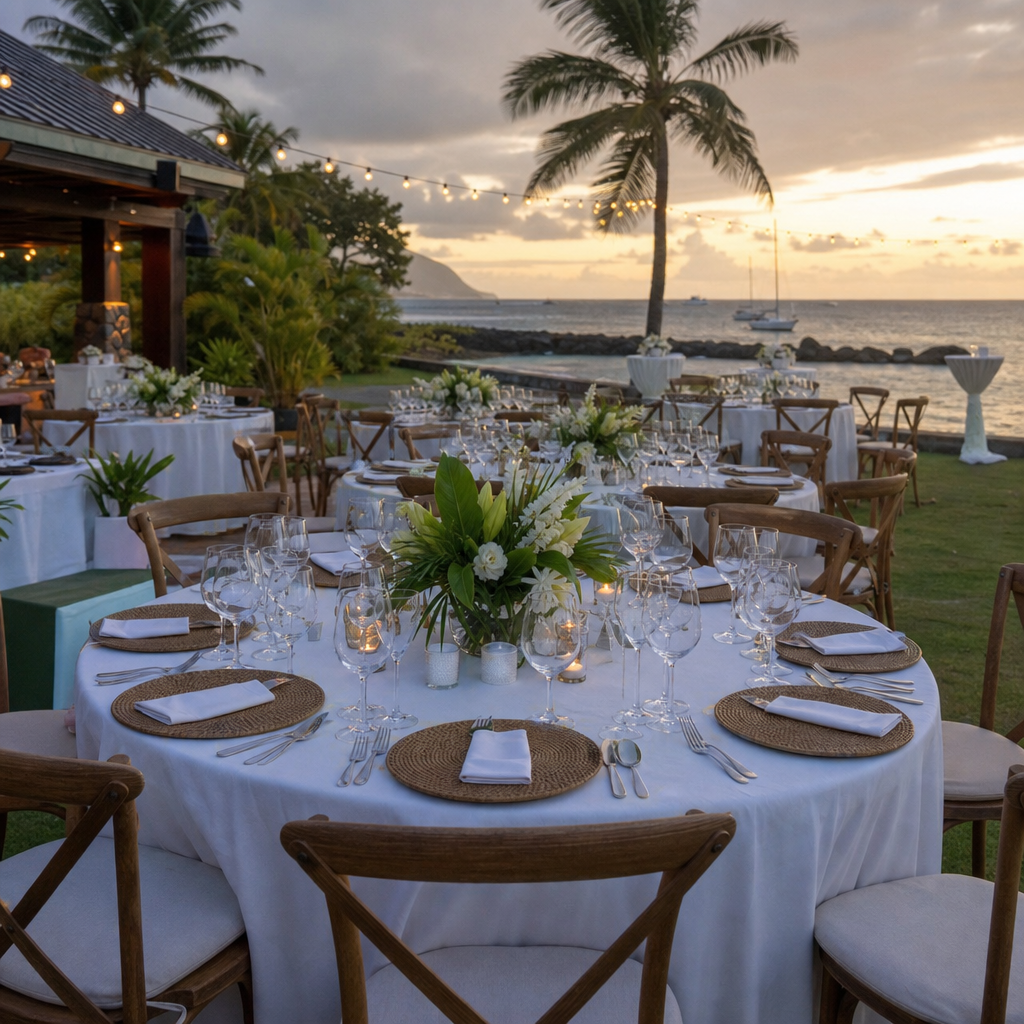
Saint Kitts is viable because it combines tourism demand with manageable geographic scale. The island can host events that feel exclusive without requiring the massive infrastructure of a large city. That positioning is valuable for destination weddings, executive retreats, incentive travel, wellness weekends, alumni gatherings, yacht-linked social events, and intimate luxury celebrations. Venues range from beachfront resorts to historic estates and open-air sites, allowing planners to sell differentiated experiences instead of commodity packages. In my experience, clients booking Caribbean events prioritize three things: ease of travel, confidence in execution, and scenery that justifies the trip. Saint Kitts can satisfy all three when local operators package the experience clearly.
Accessibility is not only about flights. It includes airport transfers, guest communication, room block handling, weather contingency planning, and local transportation scheduling. Event companies that solve these details create value quickly. The market is also supported by nearby feeder demand from North America, the wider Caribbean, and diaspora communities seeking meaningful celebrations at home or in an ancestral destination. Corporate demand may be smaller than in convention-heavy markets, but that can be an advantage: Saint Kitts can focus on high-margin, curated events rather than competing on volume alone. Smaller islands often win when they market intimacy, service quality, and authenticity.
Seasonality should be understood realistically. Peak visitor periods can support premium pricing, while shoulder periods create opportunities for conferences, social groups, and special-interest gatherings that use discounted room inventory. Cruise calls may not translate directly into full-scale event bookings, but they raise destination awareness and can support portside activations, short-format corporate receptions, and supplier visibility. For investors, the lesson is straightforward: demand exists across multiple event categories, but revenue is strongest when products align with the island’s strengths rather than copying large-market event models.
Core business opportunities across the event planning value chain
The strongest opportunities are often service-based and asset-light. Full-service event planning remains an obvious model, but it is only one layer. There is room for destination management companies that specialize in itinerary design, airport meet-and-greet operations, excursions, and on-island guest services. There is room for niche agencies focused only on weddings, only on corporate offsites, or only on luxury private events. There is also room for specialist providers in design, florals, rentals, staging, sound, lighting, video production, and digital guest management. In small island markets, specialists can outperform generalists when they become the trusted supplier for planners, hotels, and overseas agencies.
Technology-enabled coordination is another clear opening. Many Caribbean event businesses still rely heavily on email threads, spreadsheets, and manual confirmations. A company that offers client portals, automated timelines, budget dashboards, digital seating plans, RSVP tracking, and vendor workflow management can gain an operational advantage. Tools such as Tripleseat, HoneyBook, Cvent, Social Tables, and Canva are already widely understood by international clients. Businesses in Saint Kitts that integrate similar systems into their service model look more credible to overseas buyers and reduce costly mistakes.
Specialty rentals are especially promising because they solve a recurring bottleneck. Premium furniture, tents, dance floors, lighting rigs, portable bars, custom signage, tabletop inventory, and climate-control equipment can be rented repeatedly across weddings, festivals, and corporate events. Photography and videography remain strong revenue categories, especially where drone footage, same-day edits, and social media content packages are offered. Another overlooked area is guest experience curation: welcome gifts, local product hampers, cultural performances, rum tastings, farm-to-table dinners, and heritage tours. These products increase per-guest spend while differentiating Saint Kitts from generic sun-and-sand destinations.
| Opportunity | Primary Customers | Why It Works in Saint Kitts | Main Challenge |
|---|---|---|---|
| Destination wedding planning | Couples, families, overseas agents | Scenic venues, resort inventory, emotional appeal | Vendor consistency and weather backup plans |
| Corporate retreat management | SMEs, executive teams, incentive groups | Exclusive feel, short travel windows, high-margin packages | Limited large-scale meeting demand |
| Specialty rentals | Planners, hotels, private hosts | Repeat use across multiple event types | Import costs and maintenance |
| AV and hybrid production | Conferences, launches, government events | Professional gap in many island markets | Technical staffing and equipment redundancy |
| Guest experience curation | Luxury travelers, wedding groups, retreat attendees | Strong cultural and tourism cross-sell potential | Training and quality control |
High-potential event niches investors should watch
Destination weddings are the most visible niche, but they are not the only one worth pursuing. Weddings work because they combine emotional urgency with high average spend. Couples often book multi-day experiences rather than a single ceremony, creating demand for rehearsal dinners, beach parties, excursions, brunches, and farewell events. However, the market is competitive, so operators need a clear angle: luxury design, elopements, multicultural ceremonies, legal paperwork assistance, or all-inclusive coordination.
Corporate retreats and incentive travel may offer even better margins. Companies increasingly want smaller, relationship-focused gatherings rather than formal convention experiences. Saint Kitts can attract leadership retreats, board meetings, founder summits, and client appreciation trips if planners bundle accommodation, meeting space, wellness sessions, team-building, and island activities. I have seen buyers respond well when proposals include concrete operating details such as transfer times, Wi-Fi reliability, backup power arrangements, and wet-weather alternatives. Those specifics convert interest into bookings.
Cultural and public events also deserve attention. Music festivals, culinary weekends, heritage showcases, and sports tourism events can create broad economic spillovers while strengthening destination branding. A well-run food and rum festival, for example, supports chefs, bartenders, farmers, transport firms, entertainers, and media partners. Wellness retreats are another growth niche, particularly among North American travelers seeking yoga, spa treatments, nutrition programming, and outdoor activities in warm climates. Finally, diaspora-focused family reunions, milestone birthdays, and anniversary travel are valuable because they blend personal connection with group spending. The common pattern across all these niches is simple: businesses that package logistics and local authenticity together capture the highest value.
Operational realities: regulations, suppliers, staffing, and risk
A profitable event planning business depends on execution discipline. Operators need to understand local licensing requirements, public event permissions, alcohol service rules, music rights where applicable, health and safety expectations, and venue contracts. For investors entering Saint Kitts, due diligence should include conversations with legal counsel, hospitality managers, insurers, and local authorities. Contracts must define payment schedules, cancellation terms, force majeure clauses, weather contingencies, and vendor responsibilities. On islands exposed to tropical weather, risk planning is not optional. Backup tents, alternate indoor spaces, generator access, transport contingencies, and clear communication trees are core operating requirements.
Supplier management is equally important. Because island markets can have narrower vendor pools, event companies must map capacity carefully: how many decorators, caterers, DJs, photographers, drivers, or security teams are available on the same weekend? Where will additional inventory come from if two large weddings overlap? The strongest operators maintain preferred vendor lists, service-level agreements, and detailed run-of-show documents. They also carry contingency stock for essentials such as linens, batteries, radios, signage materials, and extension cables.
Staffing is a strategic issue. Great planners are not just creative; they are project managers. They need negotiation skills, timeline control, client communication discipline, and the ability to lead vendors calmly under pressure. Training local teams in banquet operations, guest services, AV basics, and event safety can raise service quality across the market. Insurance is another non-negotiable area, including general liability, equipment cover, vehicle cover where relevant, and worker protections. The businesses that endure in Saint Kitts will be the ones that treat event planning as an operations business first and a glamour business second.
Marketing strategy and scalable business models
Marketing an event planning business in Saint Kitts requires proof, not promises. Buyers want to see venue imagery, transparent packages, sample timelines, real budgets, testimonials, and fast answers to practical questions. A strong website should target specific search intent such as Saint Kitts destination wedding planner, corporate retreat planning in Saint Kitts, event rentals in Saint Kitts, and luxury Caribbean event services. Case studies work especially well because they show how an event moved from concept to execution. Before-and-after layouts, rain-plan examples, and supplier coordination stories build trust faster than generic brand language.
Partnerships can scale demand efficiently. Hotels, villas, travel advisors, photographers, and overseas wedding planners can all become referral channels. Airlines and tourism promotion bodies can also support visibility when events align with destination priorities. Social platforms matter, but they should showcase competence as much as beauty: setup videos, logistics checklists, and behind-the-scenes problem solving often outperform polished images alone because they reveal reliability. Email nurturing is useful for long lead-time bookings such as weddings and retreats, where clients compare destinations over months rather than days.
Several business models fit Saint Kitts. A boutique planner can stay lean and premium, taking fewer events at higher margins. A rental business can build recurring revenue through inventory utilization. A destination management company can combine event planning with tours and transport. A hybrid agency can earn from planning fees, vendor commissions where disclosed, design services, and markup on managed production. The scalable path depends on capital, supplier access, and target clientele. For most entrants, the winning formula is narrow positioning, disciplined operations, and a network that turns one event into multiple referral streams.
Saint Kitts’ event planning industry offers real business opportunities because it sits at the intersection of tourism demand, hospitality infrastructure, and experience-led spending. The market is attractive not only for wedding planners, but also for rental firms, AV producers, guest experience curators, destination managers, marketers, and investors building service platforms around events. The key lesson is that success comes from solving coordination problems better than competitors. Clients will pay for certainty, responsive communication, and local knowledge that removes friction from travel and on-island execution.
Investors and entrepreneurs should approach this sector with clear eyes. Saint Kitts is not a volume-driven convention market, and the island’s size means supplier capacity, weather, import costs, and staffing quality must be managed carefully. Yet those same constraints create openings for well-run businesses with process discipline, strong partnerships, and differentiated service. If you want a miscellaneous hub within business and investment opportunities that leads to multiple adjacent plays, event planning is exactly that kind of gateway sector. Study the niches, validate vendor capacity, build operational safeguards, and launch with a focused offer that matches the island’s strengths. The opportunity is strongest for businesses prepared to execute consistently and grow through reputation. Start by mapping one niche, one customer profile, and one dependable local network.
Frequently Asked Questions
Why is Saint Kitts’ event planning industry considered a strong business opportunity?
Saint Kitts’ event planning industry stands out because it sits at the intersection of several revenue-generating sectors at once, including tourism, hospitality, transportation, entertainment, food services, creative production, and small business development. In practice, one successful event often activates an entire local supply chain. A destination wedding, for example, can generate business not only for the planner, but also for hotels, villas, caterers, florists, decorators, photographers, musicians, transportation providers, beauty professionals, rental companies, and tour operators. That multiplier effect is what makes the industry commercially attractive.
Another reason the sector is compelling is that Saint Kitts already has natural ingredients that support event demand: scenic venues, a recognizable Caribbean brand, strong appeal for weddings and private celebrations, cruise and leisure tourism traffic, and growing interest in business retreats and cultural experiences. Investors and entrepreneurs are not building demand from zero. Instead, they are entering a market where visitors already arrive seeking memorable experiences, and where events can be packaged into the broader tourism offering.
From a business perspective, event planning also offers flexibility in how companies enter the market. Some operators focus on full-service planning, while others specialize in a niche such as wedding coordination, corporate event logistics, festival management, event marketing, décor, audiovisual production, or guest experiences. This allows both small local entrepreneurs and larger investors to position themselves according to budget, expertise, and target clientele. In short, Saint Kitts’ event planning industry is attractive because it converts visitor interest into structured commercial activity and gives businesses multiple ways to participate profitably.
What types of events create the best commercial potential in Saint Kitts?
The strongest commercial opportunities usually come from event categories that combine visitor spending with high service demand. Weddings are often at the top of the list because they typically involve premium budgets, multiple vendors, extended guest stays, and strong demand for personalized experiences. A destination wedding in Saint Kitts can include accommodations, transportation, welcome events, excursions, catering, styling, entertainment, and post-wedding activities, creating several revenue layers instead of a single transaction.
Corporate retreats and conferences are another high-potential segment. Businesses increasingly look for destinations that offer both professional meeting space and leisure appeal, and Saint Kitts is well positioned to deliver that balance. Companies may book meeting facilities, hotel blocks, local transportation, team-building activities, branded event production, and food and beverage services. These events can also support repeat business, since a well-executed corporate experience often leads to annual returns, referrals, or expanded programs.
Festivals, sports events, and public gatherings also deserve serious attention because they can stimulate broader destination traffic and community spending. These events may require more coordination with public agencies, sponsors, and logistics partners, but they can have major economic impact through ticket sales, vendor activity, media exposure, and longer visitor stays. Private celebrations such as anniversaries, birthdays, family reunions, and luxury social gatherings should not be overlooked either, especially in a destination known for scenic and upscale experiences. The best commercial potential often comes from a balanced portfolio: high-margin private events, stable corporate work, and selective large-scale public events that expand brand visibility.
What are the main business models available to investors and local entrepreneurs in this sector?
There are several viable business models in Saint Kitts’ event planning industry, and the right choice depends on capital, expertise, risk tolerance, and market access. The most obvious model is a full-service event planning company that manages concept development, budgeting, vendor coordination, scheduling, guest management, marketing, on-site execution, and post-event review. This model can command strong fees because it solves complex problems for clients and becomes the central coordinator of the entire event ecosystem.
A second model is specialization. Instead of handling every aspect of an event, a company can focus on one high-demand service such as décor and design, catering coordination, destination wedding planning, conference logistics, audiovisual production, entertainment booking, event staffing, or digital promotion. Specialized firms can grow faster if they develop a reputation for excellence in one category and become the go-to partner for planners, hotels, and tourism operators.
Another strong option is a venue-linked or hospitality-integrated model. Hotels, villas, restaurants, and tourism properties can expand into event services directly or create strategic partnerships with planners to capture more value per guest. For example, a boutique hotel can package accommodation, ceremony setup, reception space, and curated local experiences into a turnkey offering. Investors may also consider rental businesses that supply tents, furniture, staging, lighting, sound systems, linens, or luxury event accessories. These asset-backed models can benefit from repeated use across multiple clients and event types.
For local entrepreneurs, there is also room for lower-capital entry through coordination, styling, content creation, guest concierge services, transportation management, or event-related digital services. Many successful event businesses begin with a narrow service and expand as demand grows. The key is to choose a model that fits actual market needs and then build strong relationships with hotels, vendors, tourism stakeholders, and repeat clients.
What factors determine success in Saint Kitts’ event planning market?
Success in Saint Kitts’ event planning market depends on much more than creativity. The businesses that perform best usually combine operational discipline, local relationship-building, service quality, and a strong understanding of visitor expectations. Event planning is fundamentally a coordination business, so reliability matters as much as visual appeal. Clients want confidence that timelines will be met, vendors will show up, guests will be transported smoothly, and contingency plans will be in place if weather, shipping delays, or scheduling issues arise.
Local knowledge is especially important in an island environment. Operators who understand venue limitations, seasonal demand, permitting needs, transportation timing, customs considerations for imported items, and local vendor capacity are in a stronger position than those relying only on generic event experience. That knowledge allows planners to budget accurately, avoid disruptions, and create practical event designs that can actually be executed on the ground.
Brand positioning is another major success factor. Some companies win by targeting luxury weddings, while others focus on efficient corporate events, cultural programming, or community-based celebrations. Clear positioning helps a business market itself effectively and attract the right clients. Strong visual presentation, testimonials, strategic partnerships, and a professional online presence are increasingly essential, especially for destination-focused events where clients may choose providers remotely.
Finally, long-term success often comes from building a dependable local network. In Saint Kitts, relationships with venues, caterers, entertainers, photographers, decorators, transportation providers, and tourism officials can directly influence service quality and profitability. The companies that thrive are usually those that can consistently deliver smooth experiences, adapt to changing client needs, and turn one event into a pipeline of referrals, repeat bookings, and cross-sector partnerships.
What challenges should businesses anticipate before entering Saint Kitts’ event planning industry?
Like any opportunity tied to tourism and service delivery, Saint Kitts’ event planning industry comes with practical challenges that businesses should assess carefully. One of the most important is scale. Saint Kitts is not an unlimited-volume market, so companies need realistic expectations about demand, pricing, and seasonality. A business may see periods of strong activity around weddings, festivals, holiday travel, and peak tourism months, but must still manage quieter periods with disciplined cash flow planning and diversified services.
Logistics can also be complex. Event businesses may face shipping delays, limited local inventory for specialized items, weather-related disruptions, and occasional constraints in staffing or vendor capacity during busy periods. This means that planning companies need strong backup systems, flexible sourcing strategies, and clear communication with clients about timelines and contingency options. Businesses that underestimate island logistics often run into margin pressure or service problems.
Another challenge is maintaining quality standards while scaling. In a destination market, reputation travels quickly. One poorly executed event can affect referrals and partner trust, while one excellent event can generate substantial word-of-mouth growth. For that reason, training, process management, and careful vendor selection are critical. Compliance issues, permits, insurance, safety requirements, and public-event approvals may also become more important depending on the type and size of event being offered.
That said, these challenges do not weaken the opportunity; they define the need for professional operators. Businesses that enter the market with realistic cost models, reliable local partnerships, strong execution systems, and a clear target segment are often better positioned to succeed than competitors trying to improvise. In Saint Kitts, the opportunity belongs to companies that understand both the upside of destination-driven events and the operational discipline required to deliver them consistently.