Saint Kitts’ local choirs turn the holiday season into a shared civic ritual, filling churches, school halls, village squares, and hotel courtyards with music that blends faith, family, heritage, and celebration. In Saint Kitts, holiday choral singing is more than seasonal entertainment: it is a living community practice that connects generations, supports local institutions, and preserves the island’s distinct cultural voice. When people speak about “local choirs,” they usually mean church choirs, school ensembles, community choruses, youth groups, and ad hoc Christmas singing circles that rehearse through Advent and perform at concerts, services, charity events, and neighborhood gatherings. “Holiday season” on the island generally spans the lead-up to Christmas, Christmas Day, Old Year’s festivities, and New Year observances, often overlapping with broader festival activity and family reunions. This matters because choirs create one of the most accessible cultural experiences in Saint Kitts: residents can join, volunteer, attend, donate, or simply listen. Over the years, I have seen small congregational choirs deliver performances as moving as any formal concert, precisely because the power comes from participation and place. For visitors and returning nationals, these performances also offer a direct way to experience local life beyond beaches and cruise itineraries. Understanding Saint Kitts’ holiday choirs means understanding how music works on the island: communally, spiritually, and with deep pride.
The Role of Choirs in Saint Kitts’ Holiday Culture
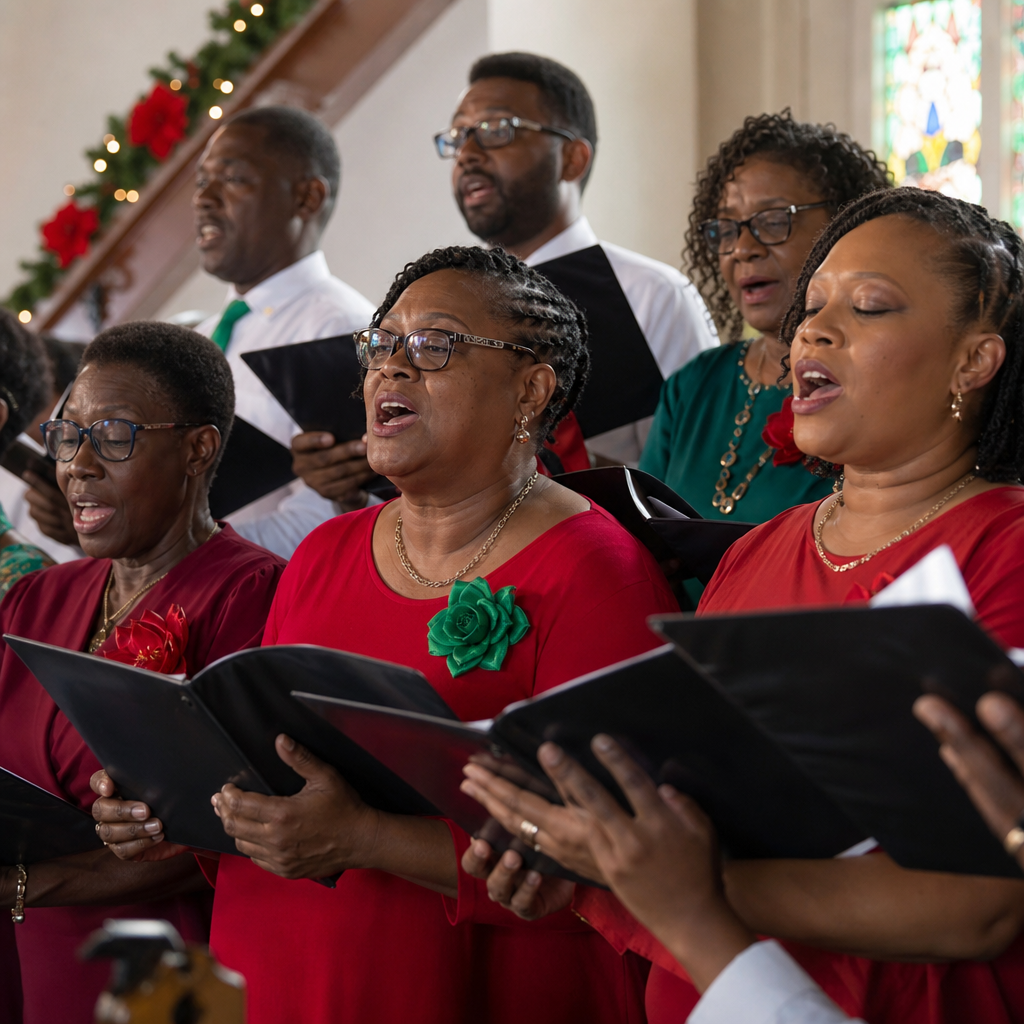
Choirs occupy a central place in Saint Kitts’ Christmas season because they sit at the intersection of worship, education, and community identity. Many of the island’s strongest ensembles are rooted in churches, including Anglican, Methodist, Roman Catholic, Moravian, Pentecostal, and other congregations where choral traditions have long shaped holiday observances. These groups typically perform carols, anthems, scripture-based works, and locally adapted arrangements during Lessons and Carols services, midnight Mass, watchnight programs, and seasonal concerts. In practical terms, that means a choir is often responsible for setting the tone of a major holiday event. A well-prepared opening hymn, a disciplined descant on “Silent Night,” or a spirited Caribbean-inflected arrangement of a familiar carol can transform a service from routine to unforgettable.
School and youth choirs are equally important. They train young singers in part work, diction, breath control, and ensemble discipline while giving families a reason to gather around achievement rather than consumption. In Saint Kitts, where schools and churches remain anchors of community life, December concerts often become informal reunions. Grandparents hear children sing; former members return from overseas and sit in the audience; teachers and choir directors are publicly recognized for work that is often underfunded and time intensive. That social function is not incidental. It is one reason choir culture survives even when rehearsal spaces are limited, transport is difficult, or singers juggle jobs, studies, and family responsibilities.
Holiday choirs also serve a broader representative role within local life and experiences. They appear at lighting ceremonies, tourism receptions, charity drives, senior home visits, and civic commemorations. Because of that range, they become a natural hub for miscellaneous seasonal culture: they intersect with food fairs, nativity productions, steelpan appearances, dance items, and community fundraising. If a visitor wants one activity that reveals how Saint Kitts organizes celebration at the local level, attending a Christmas choir concert is one of the best answers.
What Makes a Kittitian Holiday Choir Sound Distinct
Saint Kitts’ choirs do not simply reproduce imported Christmas music; they interpret it through local musical habits, vocal color, and performance context. Standard carols such as “O Come, All Ye Faithful,” “Joy to the World,” and “Hark! The Herald Angels Sing” remain staples, but they are often sung with rhythmic vitality, stronger congregational participation, and a warmer blend than listeners may expect from formal cathedral traditions. Directors may incorporate syncopated accompaniment, hand percussion, or gospel phrasing without losing reverence. The result is recognizably Caribbean yet still rooted in established choral practice.
Language and diction matter as well. Even when the repertoire is English-language and familiar across the Commonwealth, pronunciation patterns, speech rhythms, and call-and-response instincts shape the final sound. In some community settings, a choir may move fluidly from a classical anthem to a gospel chorus to a local favorite that everyone knows by memory. That programming choice reflects audience expectations on the island: people value musical quality, but they also want emotional immediacy and relevance.
Another distinctive feature is venue acoustics. I have heard the same choir sound restrained in a school auditorium and then bloom in a stone church with high ceilings and hard surfaces. In Saint Kitts, many memorable holiday performances depend as much on place as repertoire. A candlelit sanctuary in Basseterre, a village church decorated with poinsettias, or an open-air evening program under holiday lights changes how harmony lands with an audience. These environmental factors are part of the experience, not background details.
Where Local Choirs Perform During the Season
The island’s holiday choral calendar usually unfolds across several types of venues, each with its own audience and purpose. Churches remain the core setting because Christmas on Saint Kitts still carries a strong liturgical dimension. Services of Nine Lessons and Carols, Advent worship, Christmas morning celebrations, and Old Year’s night programs all rely on choir participation. In these settings, the choir is not an add-on; it supports the theology, pacing, and emotional structure of the service.
Community centers and school auditoriums provide a second performance circuit. These concerts tend to be more mixed in format, with soloists, drama pieces, instrumental interludes, and choir selections sharing the program. Such events often raise funds for uniforms, music purchases, scholarships, church repairs, or local outreach. Hotels and tourism spaces form a third circuit, especially where visitors are seeking seasonal cultural programming. A resort choir performance may be shorter and more audience-friendly, but it still gives local singers paid or semi-formal visibility.
Public spaces matter too. Tree lighting ceremonies, Independence-related carryover events, charity launches, and town square gatherings frequently include choral items. These appearances are valuable because they take the music beyond regular churchgoers. Someone who would never attend a formal concert might stop to hear a youth choir at a community event and become interested enough to attend a later service or support the group. That is how local choir ecosystems grow.
| Venue type | Typical holiday use | Why it matters |
|---|---|---|
| Churches | Carol services, Mass, watchnight, Advent concerts | Preserves sacred tradition and draws multigenerational audiences |
| Schools | Student showcases, prize-giving season concerts | Develops young talent and strengthens family participation |
| Community halls | Fundraisers, combined choir programs, charity events | Broadens access beyond one congregation or neighborhood |
| Hotels and resorts | Guest entertainment, cultural showcases | Creates income opportunities and exposes visitors to local music |
| Public squares | Tree lightings, civic ceremonies, outreach singing | Makes choral music visible in everyday island life |
Who Participates and How Choirs Are Organized
Most holiday choirs in Saint Kitts operate through commitment rather than abundance. Directors recruit singers from congregations, schools, neighborhoods, and families, then build workable ensembles around the voices available. A choir may have strong sopranos but only a few tenors; another may depend on dedicated altos who have sung the same annual repertoire for years. Rehearsals often increase in frequency from late November through Christmas week, and accompanists may be asked to support multiple groups at once. In smaller communities, the same experienced musician might direct one choir, play for another, and advise a school ensemble in the same month.
This structure rewards adaptability. Repertoire is chosen not only for beauty but for feasibility: Can the choir learn it quickly? Does the keyboard reduction work if no instrumental ensemble is available? Will the bass line hold if two members are absent because of work? These are practical questions every local director knows well. Strong choirs succeed because their leadership understands both musicianship and logistics.
Participation also extends beyond singers. Parents handle transport and refreshments. Tailors adjust robes or coordinated attire. Sound technicians set microphones for community concerts. Clergy, teachers, and committee members shape schedules and publicity. On Saint Kitts, a holiday choir performance is usually the visible tip of a much larger volunteer effort. Recognizing that collective labor is essential to understanding why the tradition remains resilient.
Repertoire, Training, and the Balance Between Tradition and Innovation
The most effective Kittitian holiday choirs balance beloved standards with fresh material. Audiences expect familiar carols, and they should; shared repertoire is one of the reasons seasonal concerts feel communal. But the strongest programs usually add contrast through gospel selections, contemporary Christian pieces, African diasporic spirituals, or regional arrangements with Caribbean rhythmic character. This mix keeps concerts engaging while respecting audience memory.
Training standards vary, but successful directors consistently focus on blend, entries, dynamics, and text clarity. Even amateur choirs improve quickly when rehearsal time is used well. I have watched ensembles gain confidence simply by drilling cutoffs, vowel matching, and staggered breathing rather than endlessly singing pieces from top to bottom. In church spaces especially, clear consonants and controlled volume matter because excessive force can muddy the acoustic. The best holiday choirs sound expressive, not loud for its own sake.
Innovation has limits, and wise leaders know them. Over-arranging every carol can alienate audiences who came to sing along or reflect. At the same time, refusing any local adaptation makes a program feel detached from place. The balance is straightforward: preserve the songs people cherish, then frame them with arrangements and complementary pieces that sound authentically of Saint Kitts today.
Why These Choirs Matter to Community, Identity, and the Visitor Experience
Holiday choirs strengthen community life because they create disciplined, intergenerational spaces built around contribution. A teenager singing second soprano beside a retired teacher is participating in a form of social continuity that many societies struggle to maintain. Choirs also model cooperation across class, age, and parish lines. In combined concerts, singers from different denominations or neighborhoods share a stage and a seasonal purpose. That has civic value beyond music.
For cultural identity, choirs help Saint Kitts maintain continuity with both British-influenced choral heritage and Caribbean expressive practice. The island’s holiday sound is not an imitation of elsewhere; it is a local synthesis shaped by history, faith, education, and community memory. Visitors notice this quickly when they attend a live performance rather than a packaged entertainment show. They hear how the audience responds, which songs trigger recognition, and how the conductor manages both formality and warmth.
That makes choir events especially useful within the broader local life and experiences category. They connect naturally to dining, village visits, heritage churches, family travel, and end-of-year festivals. A traveler can attend a concert, support a fundraiser, speak with residents afterward, and leave with a more grounded sense of the island than any generic holiday brochure can provide. For locals, the value is even simpler: choirs help people feel that Christmas belongs to them, not just to commerce.
How to Support and Experience Saint Kitts’ Holiday Choir Scene
The easiest way to support local choirs in Saint Kitts is to attend performances early and often. Many concerts are modestly priced or donation based, and ticket revenue directly funds sheet music, accompaniment, attire, transport, and youth development. Churches usually publish seasonal programs through parish notices and social media, while schools and community groups often promote events on noticeboards, radio, and Facebook pages. If you are visiting, ask hotel staff, taxi drivers, or local hosts which carol services or Christmas concerts are worth attending; recommendations are usually specific and reliable.
Support can also be practical. Donate to music ministries, sponsor refreshments after a youth concert, hire local choirs for seasonal events, or share event information with family and friends. If you have musical training, some groups welcome workshops in vocal technique, conducting, or keyboard accompaniment. The most respectful approach, however, is to show up as an attentive audience member and value the work on its own terms. Not every choir aims for conservatory polish. Many aim for service, community uplift, and faithful expression, and those goals deserve equal respect.
Saint Kitts’ local choirs make the holiday season audible in a way few institutions can. They preserve sacred traditions, train young singers, animate public events, and give residents and visitors a genuine encounter with island culture. From church sanctuaries to school stages and public squares, these ensembles prove that holiday music is strongest when it is shared. If you want to experience the heart of Saint Kitts during Christmas, put a local choir performance on your calendar, listen closely, and support the voices keeping the season alive.
Frequently Asked Questions
What makes Saint Kitts’ local choirs such an important part of the holiday season?
In Saint Kitts, local choirs do far more than perform Christmas music. They help shape the emotional and cultural atmosphere of the season by turning holiday gatherings into shared community experiences. Whether singing in churches, school auditoriums, village squares, community centers, or hotel courtyards, these groups bring people together across age, denomination, and neighborhood lines. Their performances often mark the rhythm of December itself, from carol services and Sunday worship to community concerts and seasonal fundraisers.
What makes them especially meaningful is the way they combine devotion, family tradition, and public celebration. A local choir may include grandparents, parents, teenagers, and children all participating in the same musical tradition, either as singers, accompanists, organizers, or loyal audience members. That multigenerational involvement gives holiday choral singing a deeper role than entertainment alone. It becomes a living civic ritual, one that strengthens belonging, encourages volunteerism, and keeps treasured customs active year after year.
Local choirs also reflect the island’s identity in a very direct way. Their holiday repertoire often blends familiar hymns and carols with interpretations shaped by Kittitian musical sensibilities, speech rhythms, and community values. As a result, audiences are not simply hearing seasonal songs; they are hearing Saint Kitts express the season in its own voice. That is why these choirs remain central to how many people on the island experience Christmas and the wider holiday period.
Where do local choir performances usually take place in Saint Kitts during the holidays?
Holiday choir performances in Saint Kitts take place in a wide variety of settings, and that diversity is part of what makes the tradition so visible and accessible. Churches are among the most important venues, especially for Advent services, Christmas concerts, watch-night programs, and special worship events. Many church choirs are at the heart of the season’s musical life, presenting both sacred pieces and well-loved congregational favorites in spaces that naturally suit choral sound and seasonal reflection.
Beyond churches, school halls and auditoriums often host holiday presentations featuring student choirs, alumni groups, teachers, and community ensembles. These programs can serve both artistic and educational purposes, giving younger singers performance experience while introducing audiences to the island’s next generation of musical talent. Village squares and public gathering areas also become performance spaces, particularly when communities organize open-air celebrations, tree-lighting events, or seasonal cultural programs. In these settings, choral music feels especially communal, as passersby, families, and visitors can join in the festive atmosphere.
Hotel courtyards and tourism-oriented venues may also feature local choirs during the holiday period, offering residents and guests alike a chance to hear seasonal music in a welcoming environment. These performances can play an important cultural role by presenting Saint Kitts’ holiday traditions to visitors in an authentic, community-rooted way. Altogether, the range of venues shows that holiday choir singing is not confined to a single institution. It moves fluidly through sacred, educational, civic, and hospitality spaces, reinforcing the idea that the season belongs to the whole community.
Who is usually included in “local choirs” in Saint Kitts?
When people in Saint Kitts refer to “local choirs,” they are usually speaking first about church choirs, which have long been central to community worship and seasonal observance. These ensembles often carry a deep sense of continuity, with members who have sung together for years and younger participants gradually learning traditions from older voices. Church choirs are especially prominent during the holidays because Christmas music naturally overlaps with liturgy, devotion, and the island’s long-standing Christian observances.
At the same time, the term is broader than church-based singing alone. It can also include school choirs, youth groups, community choruses, neighborhood ensembles, and special seasonal collaborations formed for concerts or charity events. In some cases, individuals who sing regularly in churches may also take part in civic performances or mixed community programs, creating a strong overlap between religious and secular settings. This flexibility helps explain why holiday choir culture in Saint Kitts feels both familiar and expansive: many singers belong to more than one musical circle.
Another important point is that local choirs often reflect the social fabric of the island itself. They bring together people from different age groups, occupations, and communities, united by a shared commitment to music and service. Some groups are highly formal, with structured rehearsals and established repertoires, while others are more informal and community-driven. Either way, they contribute to the same larger tradition: using song to celebrate the season, affirm heritage, and strengthen communal ties. So while church choirs may be the best-known example, the phrase “local choirs” in Saint Kitts usually encompasses a much wider network of singers and ensembles.
How do Saint Kitts’ holiday choirs help preserve culture and strengthen community life?
Saint Kitts’ holiday choirs preserve culture by keeping musical practices alive in real, participatory settings rather than treating them as museum pieces. Every rehearsal, service, and seasonal concert becomes a form of transmission, passing songs, harmonies, pronunciation patterns, performance habits, and community expectations from one generation to the next. Younger singers learn not only what to sing, but how and why the music matters. They absorb the customs surrounding holiday performances, including preparation, dress, reverence, audience participation, and the social importance of showing up for one another.
These choirs also strengthen community life because they create regular opportunities for cooperation and mutual support. A holiday program usually involves much more than the singers on stage. It may require musicians, directors, clergy, teachers, event organizers, decorators, sound technicians, transportation helpers, and families who encourage participation behind the scenes. This collaborative structure reinforces the kind of local interdependence that is vital in island communities. Choirs often become gathering points where service, talent, discipline, and fellowship meet.
In many cases, holiday choir events also support institutions that matter deeply to local people, including churches, schools, and community organizations. Concerts may raise funds, increase visibility, or simply renew public appreciation for these institutions during a season associated with generosity and reflection. Just as importantly, the performances offer a space where shared values can be expressed openly through music: gratitude, remembrance, hope, faith, and communal joy. That is why choral singing during the holidays is so powerful in Saint Kitts. It does not just entertain an audience for an evening; it actively helps maintain the island’s social and cultural bonds.
What can visitors expect when attending a local holiday choir event in Saint Kitts?
Visitors attending a local holiday choir event in Saint Kitts can expect an experience that feels warm, communal, and rooted in local tradition. These performances are often marked by a strong sense of welcome, with audiences that include families, neighbors, church members, students, and returning residents all sharing the same space. The atmosphere may range from reverent and reflective in a church setting to festive and lively in an outdoor or civic venue, but in either case the music is typically presented with sincerity and pride.
Musically, visitors are likely to hear a blend of beloved Christmas carols, sacred hymns, choral arrangements, and seasonal selections shaped by the island’s own performance culture. Some programs are formal and carefully staged, while others feel more intimate and community-led. Audience participation is often part of the charm, especially when familiar songs invite quiet singing along, responsive energy, or visible emotional connection. Even when the repertoire includes globally recognized holiday music, the delivery often carries a local character that reflects Saint Kitts’ heritage and communal spirit.
Perhaps most importantly, visitors should expect these events to function as expressions of community life rather than tourist spectacles. While some performances may be accessible to travelers through hotels or public celebrations, the heart of the tradition lies in the local people who sustain it. Attending respectfully, listening attentively, and appreciating the role the choir plays in island life will deepen the experience. For many visitors, a holiday choir performance becomes one of the most memorable ways to understand Saint Kitts during the festive season, because it reveals the island not just in scenery or celebration, but in shared song.