Nevis’ efforts in preserving marine life show how a small Caribbean island can protect biodiversity while supporting tourism, fishing, and community livelihoods. Marine life preservation includes safeguarding coral reefs, seagrass beds, mangroves, sea turtles, reef fish, seabirds, and the water quality that keeps these ecosystems functioning. On Nevis, those systems are tightly linked. Healthy reefs reduce wave energy and help protect the shoreline. Seagrass meadows stabilize sediment and provide nursery habitat for juvenile fish and conch. Mangroves trap runoff, shelter young marine species, and buffer storm surge. Because Nevis depends on coastal beauty, nearshore fisheries, and visitor experiences such as snorkeling, diving, sailing, and beach recreation, protecting marine habitats is not a niche environmental issue. It is a practical economic strategy and a resilience strategy.
From my work reviewing island conservation programs and coastal management plans, the strongest marine protection efforts are never just about banning harmful behavior. They combine regulation, monitoring, education, restoration, and local buy-in. Nevis has been moving in that direction through marine managed areas, sea turtle protection, reef conservation, fisheries oversight, and cleaner tourism practices. The island is part of the Federation of Saint Kitts and Nevis, so some legal and policy tools operate at the federal level, while implementation often depends on local agencies, community groups, dive operators, fishers, and schools. That shared structure matters because marine ecosystems ignore administrative boundaries. Fish move, larvae disperse, currents carry sediment, and pollution travels.
This hub article explains the main components of Nevis’ marine conservation approach, why they matter, what challenges remain, and how sustainable tourism connects to every part of the picture. It also serves as a guide to the wider miscellaneous issues that shape marine outcomes, from anchoring practices and wastewater management to climate adaptation and citizen science. If you want to understand how Nevis preserves marine life in practical terms, start with the habitats, then look at the policies and people protecting them.
Why Nevis’ marine ecosystems matter
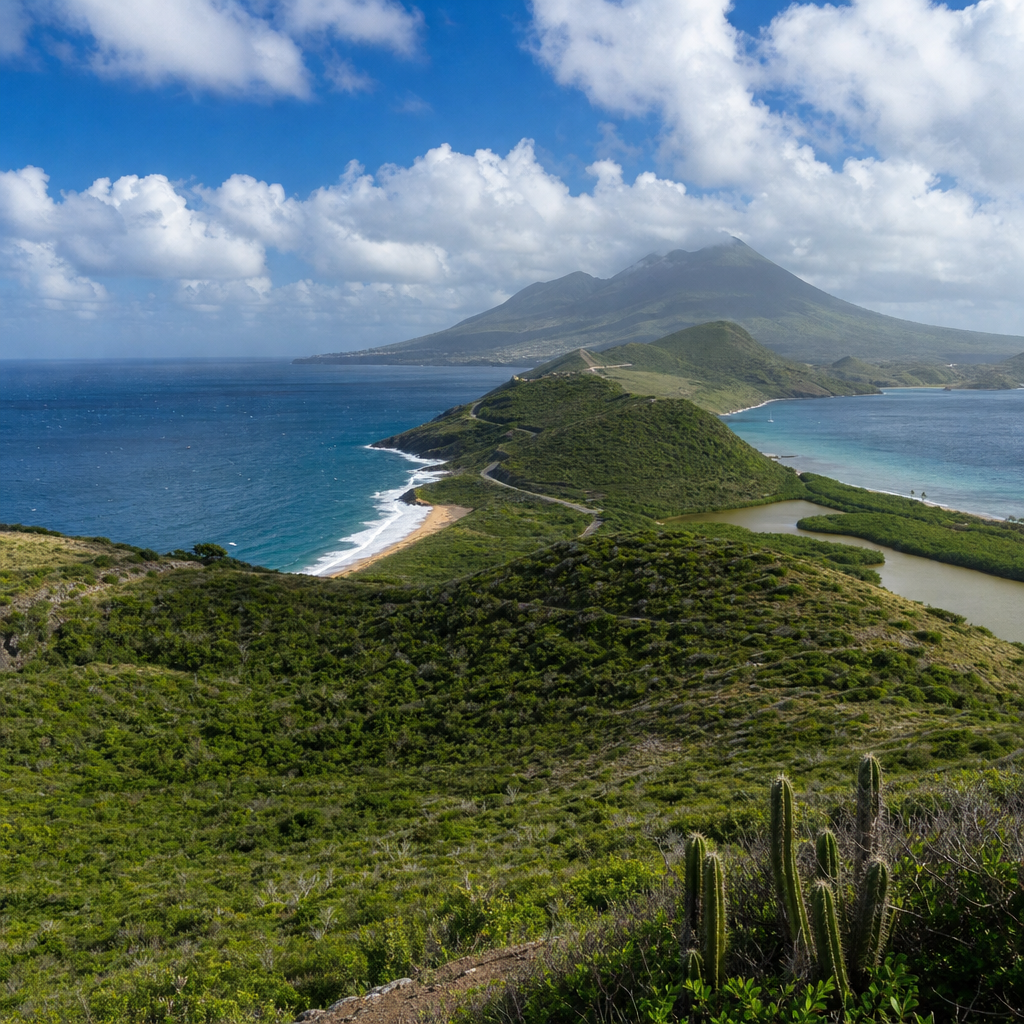
Nevis sits within the Lesser Antilles, where volcanic islands create a mix of reef slopes, sandy bays, rocky shores, and sheltered coastal habitats. That diversity supports parrotfish, angelfish, grunts, snappers, lobsters, sea fans, hard corals, hawksbill turtles, green turtles, and migratory species that use wider Caribbean routes. Coral reefs are especially important because they are both habitat and infrastructure. The National Oceanic and Atmospheric Administration has long documented that reefs provide nursery grounds, tourism value, and shoreline protection. In practical terms, a damaged reef means fewer fish, more coastal erosion, and a weaker visitor economy.
Seagrass beds and mangroves are just as critical, though they often receive less public attention than reefs. Seagrass stores carbon, improves water clarity by trapping particles, and supports juvenile fish and invertebrates. Mangroves filter land-based runoff and create a transition zone where many species feed and shelter. When these habitats are fragmented by dredging, careless boat traffic, or coastal construction, the impacts cascade outward. Reef health declines because more sediment reaches coral colonies. Fish recruitment falls because nursery habitat shrinks. Beaches can also suffer when natural coastal processes are interrupted.
For Nevis, marine conservation matters because the island’s brand is inseparable from environmental quality. Visitors choose Caribbean destinations for clear water, living reefs, abundant wildlife, and attractive beaches. If those assets deteriorate, tourism shifts from a renewable economic engine to a short-term extraction model. That is why preserving marine life is central to sustainable tourism rather than separate from it.
Protected areas, rules, and enforcement
One of the clearest ways Nevis preserves marine life is through protected and managed coastal spaces. Marine protected areas can range from fully protected no-take zones to multiple-use areas where fishing, diving, and boating continue under rules. The exact effectiveness depends less on the legal label and more on boundaries, enforcement, and community compliance. In the Caribbean, many protected areas exist on paper but fail because vessels anchor on reefs, illegal fishing continues, or monitoring is too weak to detect change.
On Nevis, progress has come from pairing official protections with practical controls. These include designated mooring sites to reduce anchor damage, coastal planning limits in sensitive zones, and fisheries rules intended to prevent overharvesting. Mooring systems matter more than many visitors realize. A single dropped anchor can break coral colonies that took decades to grow. Repeated anchoring creates visible scars, crushes seagrass, and destabilizes habitat used by juvenile fish. Installing and maintaining moorings is therefore a low-cost, high-impact conservation measure.
Enforcement remains the hard part. Small islands often face limited staffing, constrained patrol budgets, and competing priorities after storms or economic disruptions. Effective marine enforcement usually relies on layered oversight: fisheries officers, coast guard support, port controls, reporting by dive operators, and public awareness that makes violations socially unacceptable. Where this works, compliance rises because users know the rules and believe they will be applied consistently.
| Marine conservation tool | How it protects wildlife | Why it matters for tourism |
|---|---|---|
| Mooring buoys | Prevent anchors from crushing coral and seagrass | Keeps dive and snorkel sites healthy and visually attractive |
| Fishing restrictions | Reduce pressure on breeding fish, lobster, and conch | Supports reef balance and better wildlife sightings |
| Coastal setbacks | Limit erosion, runoff, and habitat disturbance | Protects beaches and water clarity |
| Protected nesting areas | Safeguard sea turtles, eggs, and hatchlings | Creates responsible wildlife tourism opportunities |
| Water quality controls | Cut sewage and nutrient pollution that harms reefs | Improves swimmer safety and reef condition |
Coral reef conservation and restoration
Coral reef conservation on Nevis requires both protection and active intervention. Caribbean reefs have faced decades of stress from warming seas, coral bleaching, stony coral tissue loss disease, storm damage, nutrient pollution, and the long-term decline of herbivores that keep algae in check. When I assess reef programs, I look first for basic management discipline: no anchoring on coral, controlled diver behavior, wastewater oversight, and sediment control from construction. Without those fundamentals, restoration projects become cosmetic.
Reef restoration can include coral nurseries, fragment propagation, and outplanting resilient coral species onto degraded substrate. These methods are now widely used across the Caribbean by groups working with species such as elkhorn and staghorn coral. Restoration is valuable, but it is not a shortcut. Survival rates depend on site selection, water quality, storm exposure, disease pressure, and long-term maintenance. The best programs use restoration to complement habitat protection, not replace it.
Nevis benefits when dive operators, hotels, and conservation groups help monitor reefs. Divers can report bleaching, invasive lionfish sightings, storm breakage, or physical damage from vessels. Standardized methods such as photo transects, benthic cover surveys, and fish counts allow managers to track trends over time. If coral cover is falling while macroalgae rises, that points to nutrient issues, low herbivore abundance, or both. If a site recovers after mooring installation and stricter visitor controls, managers can show measurable results, which helps justify further investment.
Sea turtles, fisheries, and species protection
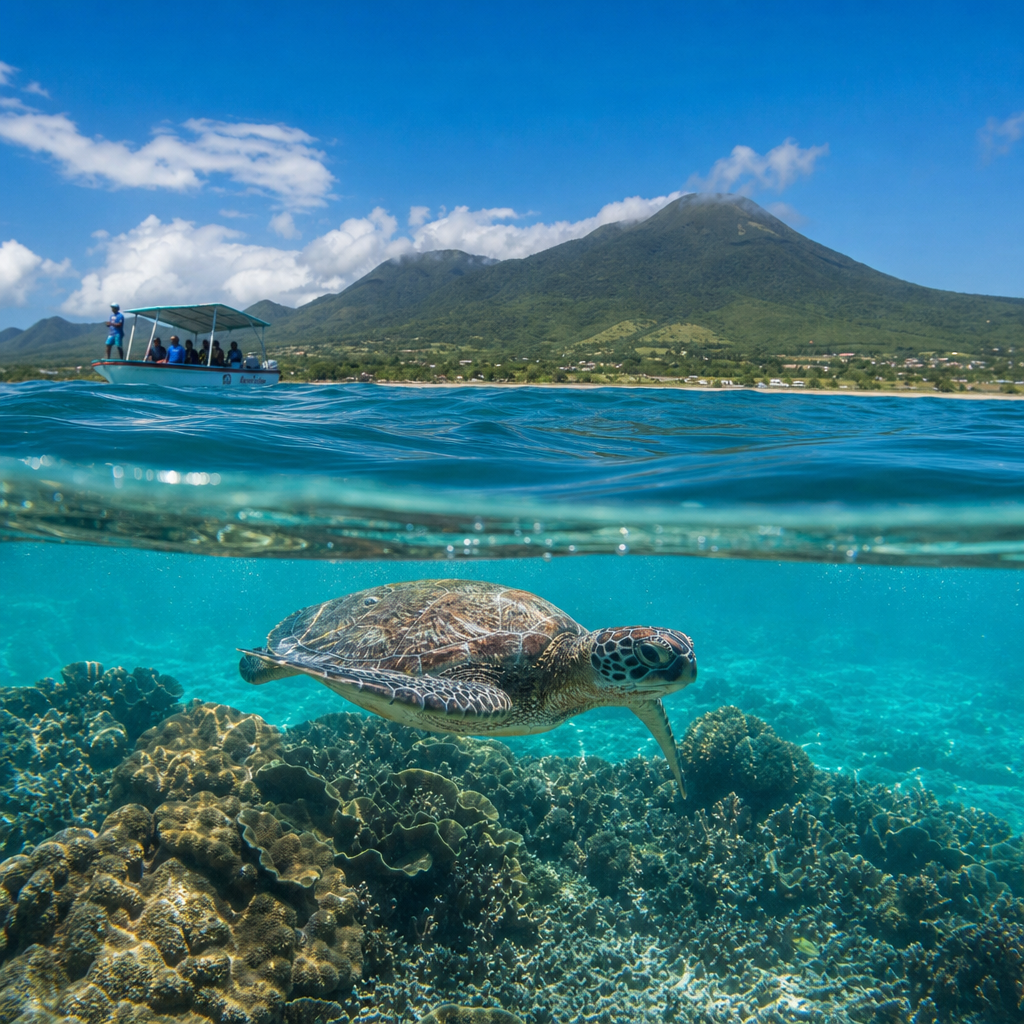
Sea turtles are among the most visible symbols of marine conservation in Nevis. Hawksbill, green, and leatherback turtles use Caribbean waters and beaches during different life stages, and each faces distinct risks. Nesting females are vulnerable to beachfront lighting, beach furniture, dogs, poaching, and human disturbance. Hatchlings can become disoriented by artificial light and crawl inland instead of toward the sea. Adults and juveniles face threats from entanglement, vessel strikes, ghost gear, and plastic ingestion.
Protecting turtles requires very practical steps. Nesting beaches need patrols during season, lighting management, public signage, and relocation protocols only when nests are genuinely at risk. Hotels and villas near nesting zones can use turtle-friendly amber lighting, shielded fixtures, and beach management policies that remove obstacles at night. These are not symbolic changes. They directly affect hatchling survival.
Fisheries management is equally important because marine life preservation fails if food webs are stripped of key species. Reef fish such as parrotfish perform ecosystem services by grazing algae that compete with coral. In many Caribbean locations, overfishing of herbivores has accelerated reef decline. Lobster and conch fisheries also need seasonal controls, minimum size limits, and enforcement against taking egg-bearing females or juveniles. Responsible fisheries are compatible with sustainable tourism because they keep local seafood available without degrading the habitats visitors come to see.
Lionfish control deserves mention as well. This invasive predator has spread across the region and consumes juvenile reef fish at high rates. Organized removals by trained divers can reduce local pressure on reefs, especially around popular dive sites. Lionfish culling is not a complete solution, but it is one of the few direct interventions that can show fast ecological benefits when conducted consistently.
Pollution, coastal development, and water quality
Many marine conservation problems on islands begin on land. Sediment from construction, untreated or poorly treated wastewater, stormwater runoff, fuel spills, and plastic debris all reduce marine ecosystem health. Coral reefs are highly sensitive to turbidity and nutrient loading. When excess nitrogen and phosphorus enter coastal water, algae can proliferate, oxygen conditions can worsen, and disease susceptibility may rise. Visitors may see the result as cloudy water or seaweed growth, but the underlying issue is usually infrastructure and land-use management.
On Nevis, controlling runoff and wastewater is essential because tourism development often concentrates near the coast. Good practice includes erosion and sediment control plans for construction sites, vegetated buffers, functioning sewage systems, regular septic maintenance where centralized treatment is absent, and setbacks that reduce pressure on dunes, wetlands, and nearshore habitats. These measures sound technical, yet they translate directly into cleaner bays and healthier reefs.
Plastic pollution is another persistent issue. Single-use bottles, food packaging, fishing line, and abandoned gear can entangle wildlife or break down into smaller fragments that enter food webs. Community cleanups help, but prevention matters more. Hotels, beach bars, tour operators, and event planners can switch to refill systems, reusable service ware, and proper waste sorting. Ports and marinas need adequate waste reception facilities so vessels are not tempted to dispose of garbage improperly. When waste policy aligns with tourism operations, marine litter declines noticeably.
Community engagement, science, and sustainable tourism
The most durable marine conservation on Nevis depends on residents seeing clear value in it. Community engagement is not an optional add-on; it is the operating system behind compliance and long-term care. Fishers have local knowledge about spawning seasons, habitat shifts, and storm impacts. Dive guides notice reef changes before most officials do. Teachers and students can support beach monitoring, turtle watches, and citizen science projects that build a conservation ethic early.
Education works best when it is specific. Telling visitors to “protect the ocean” is weak guidance. Telling snorkelers not to stand on coral, not to chase turtles, to use reef-safer sun protection habits, and to avoid touching wildlife changes behavior. Telling boat captains where moorings are located and why anchoring scars take years to heal improves compliance. In my experience, people follow marine rules more consistently when they understand the mechanism of harm, not just the prohibition.
Sustainable tourism businesses can become active conservation partners. Dive shops can brief guests on reef etiquette, collect monitoring data, and participate in lionfish removals. Hotels can fund beach cleanups, install water refill stations, reduce beachfront lighting during turtle season, and landscape with native plants that limit runoff. Restaurants can source seafood more responsibly and explain why seasonal availability supports reef health. These actions strengthen the destination itself, which is why marine stewardship should be treated as a core tourism standard rather than a marketing extra.
Climate change adds urgency to every marine management decision on Nevis. Warmer seas intensify bleaching risk, stronger storms damage coastal habitats, and sea level rise threatens beaches and wetlands. Local action cannot stop ocean warming, but it can improve ecosystem resilience. Reefs recover better when water quality is good, herbivorous fish remain abundant, and physical damage is minimized. Beaches support turtle nesting better when lighting is controlled and hard shoreline structures do not squeeze the upper shore. The practical lesson is clear: resilience comes from reducing local stressors now.
The path forward for Nevis’ marine life
Nevis’ efforts in preserving marine life are most effective when they connect habitat protection, species management, pollution control, and responsible tourism into one coherent system. The island already has the core ingredients: globally valuable Caribbean ecosystems, a tourism economy that depends on environmental quality, and a scale where community partnerships can make visible differences. The next gains will come from consistency. Protected areas need monitoring that shows whether fish biomass, coral cover, and water clarity are improving. Coastal development needs firm standards that are enforced before damage occurs. Tourism operators need incentives and expectations that reward low-impact practices.
The central takeaway is simple. Marine conservation on Nevis is not about choosing between nature and economic growth. It is about protecting the natural infrastructure that makes economic activity possible in the first place. Coral reefs, seagrass beds, mangroves, turtle nesting beaches, and clean coastal water support fisheries, reduce erosion, attract visitors, and strengthen resilience to storms and climate stress. When any one of those assets is neglected, the costs spread quickly across the island.
For readers exploring sustainable tourism in Nevis, use this page as your hub for the wider miscellaneous topics that influence marine outcomes, including reef-safe visitor behavior, waste reduction, coastal planning, responsible boating, and community-led conservation. Support businesses that follow marine protection standards, ask how tours minimize wildlife disturbance, and choose travel habits that leave reefs and beaches better, not worse. Protecting marine life in Nevis is an ongoing shared task, and informed choices are part of the solution.
Frequently Asked Questions
Why is preserving marine life so important for Nevis?
Preserving marine life is essential for Nevis because the island’s reefs, seagrass beds, mangroves, coastal waters, and wildlife all support one another and directly influence daily life on land. Coral reefs help absorb wave energy, which reduces shoreline erosion and offers natural protection during storms. Seagrass meadows trap and stabilize sediment, improve water clarity, and serve as important nursery habitat for juvenile fish and invertebrates. Mangroves provide additional shelter for marine species, filter runoff, and help protect the coast from flooding and erosion. When these habitats remain healthy, they support stronger fish populations, cleaner water, and more resilient coastlines.
Marine conservation also matters economically and socially. Tourism in Nevis depends heavily on beautiful beaches, clear water, snorkeling and diving sites, and the overall appeal of a healthy coastal environment. Fishing communities benefit when fish nurseries, spawning grounds, and food webs remain intact. In that sense, protecting marine biodiversity is not separate from protecting livelihoods; it is a practical investment in the island’s long-term stability. For a small island like Nevis, marine preservation is not just an environmental goal. It is part of safeguarding food security, tourism revenue, coastal protection, and community well-being all at once.
What kinds of marine ecosystems and species are Nevis’ conservation efforts focused on?
Nevis’ marine preservation efforts typically focus on the interconnected habitats that keep coastal ecosystems productive and resilient. Coral reefs are a major priority because they provide habitat for reef fish, support marine food chains, and act as a natural buffer against wave action. Seagrass beds are equally important because they improve water quality, anchor sediments, and create feeding and nursery grounds for fish, turtles, and other species. Mangrove areas, where present and protected, are valued for their role in shoreline stabilization, biodiversity support, and filtering pollutants before they reach offshore habitats.
Conservation attention also extends to the species that rely on those ecosystems. Sea turtles are among the most recognized priorities because they depend on healthy coastal waters for feeding and safe beaches for nesting. Reef fish are important both ecologically and economically, especially where fishing and tourism overlap. Seabirds can also serve as indicators of marine health because they rely on productive coastal and offshore food webs. Beyond individual species, efforts often target overall water quality, since polluted or sediment-laden water can weaken coral reefs, smother seagrass, and disrupt the balance of the entire marine environment. In practice, effective preservation on Nevis means protecting habitats, species, and the environmental conditions that allow them to thrive together.
How can Nevis protect marine life while still supporting tourism and fishing?
Nevis can support tourism and fishing alongside marine conservation by managing natural resources in ways that keep ecosystems productive rather than overused. Sustainable tourism depends on maintaining the very assets visitors come to enjoy: healthy reefs, abundant marine life, attractive beaches, and clean coastal waters. This can involve responsible boating practices, proper anchoring or mooring systems to avoid reef damage, limits on harmful coastal development, improved wastewater management, and education for visitors about respectful wildlife interactions. When tourism is planned carefully, it can become a source of support for conservation through park fees, local guide services, and community awareness.
Fishing can also remain viable when guided by science-based and community-supported management. Protecting nursery habitats such as seagrass beds and mangroves helps replenish fish populations over time. Seasonal protections, gear restrictions, catch limits, and no-take or managed marine zones can reduce pressure on vulnerable species while allowing fish stocks to recover. In many island settings, the most successful approach is not choosing conservation over livelihoods, but recognizing that long-term livelihoods depend on functioning ecosystems. If reefs decline, if water quality worsens, or if juvenile fish habitats are lost, both tourism and fishing suffer. Nevis’ challenge and opportunity lie in balancing use with stewardship so the marine environment continues to provide benefits year after year.
What are the biggest threats to marine life around Nevis?
Marine life around Nevis faces a combination of local and global pressures. One major local threat is declining water quality caused by runoff, sedimentation, pollution, and inadequate waste or wastewater management. When excess sediment or contaminants enter coastal waters, coral reefs can become stressed, seagrass beds may be smothered, and the clarity of the water can decline. Coastal development, if not carefully managed, can intensify these problems by disturbing shorelines, increasing erosion, and removing natural buffers that help filter runoff before it reaches the sea.
Other threats include overfishing, habitat disturbance, and damage from careless boating or anchoring. Removing too many fish, especially key reef species, can disrupt ecological balance and weaken reef resilience. Disturbance to turtle nesting beaches or nearshore habitats can also affect important wildlife populations. At the same time, broader climate-related challenges add serious pressure. Rising sea temperatures can contribute to coral bleaching, while stronger storms and sea-level rise can damage coastal ecosystems and increase erosion. Ocean changes linked to climate stress make it even more important for Nevis to reduce local impacts wherever possible. Healthy, well-managed ecosystems are generally better able to withstand environmental shocks, so addressing both immediate local threats and long-term climate risks is central to successful marine preservation.
How can local communities and visitors help preserve marine life in Nevis?
Community involvement is one of the most important factors in successful marine conservation on Nevis. Local residents, fishers, tourism operators, business owners, and educators all play a role in protecting coastal ecosystems. Communities can support preservation by participating in beach and coastal cleanups, reporting illegal dumping or harmful activities, respecting protected areas, and supporting policies that improve water quality and habitat management. Fishers can contribute valuable local knowledge about seasonal changes, species behavior, and habitat conditions, which can strengthen marine planning and enforcement. Schools and community groups can also help build long-term stewardship by teaching why coral reefs, seagrass meadows, mangroves, turtles, and fish populations matter to the island’s future.
Visitors can help by making environmentally responsible choices during their stay. That includes avoiding litter, not touching or standing on coral, choosing tour operators that follow sustainable practices, respecting wildlife from a distance, and supporting businesses that value conservation. Even simple actions such as using designated moorings, reducing single-use plastics, and being mindful of sunscreen and waste disposal can lessen cumulative harm to fragile marine environments. Conservation works best when people understand that small daily decisions add up. In Nevis, protecting marine life is not only the responsibility of government agencies or environmental groups. It is a shared effort that depends on residents and guests treating the island’s coastal ecosystems as living systems that deserve care, respect, and long-term protection.