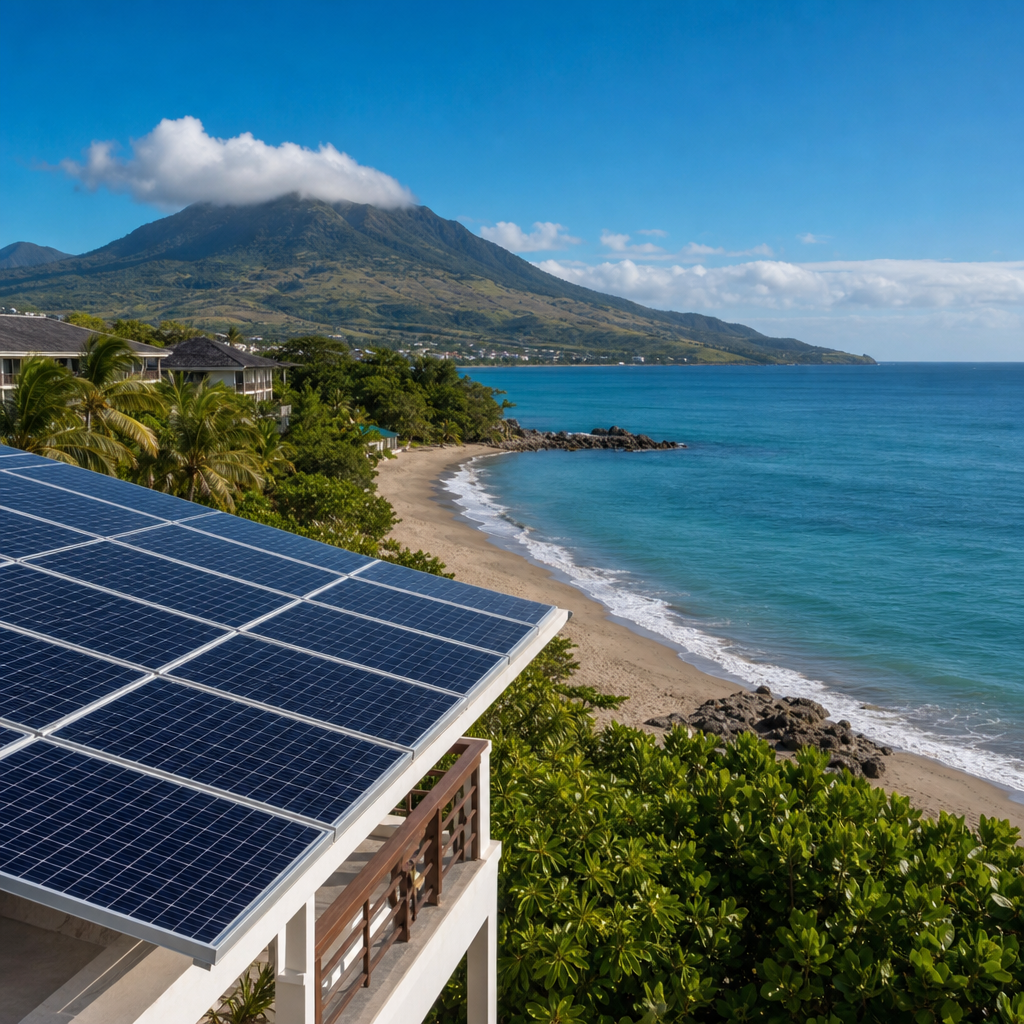
Eco-friendly lodging options in Nevis range from solar-powered boutique inns to low-impact villas set in restored tropical gardens, giving travelers a practical way to enjoy the island while reducing waste, conserving water, and supporting local communities. In sustainable tourism, lodging matters because accommodation often shapes a visitor’s energy use, water consumption, transportation patterns, and spending more than any single activity. Nevis, the smaller sister island of St. Kitts in the Federation of Saint Kitts and Nevis, is especially relevant here: it is compact, biodiversity-rich, dependent on imported goods, and vulnerable to climate pressures such as stronger storms, heat, and coastal change. Those conditions make responsible hospitality more than a marketing angle. It is an operating necessity.
When I assess sustainable stays in Caribbean destinations, I look beyond “green” labels on websites. Real eco-friendly lodging includes measurable practices: efficient air-conditioning, linen reuse policies that are actually followed, refillable bath amenities, rainwater harvesting where practical, native landscaping, composting or food-waste reduction, local hiring, and building design that uses shade and cross-ventilation to lower power demand. On Nevis, the best properties usually combine several of these features rather than relying on one visible gesture such as banning plastic straws. That distinction matters for travelers comparing hotels, guesthouses, villas, and plantation-style inns across the island.
This hub article explains what eco-friendly lodging means in Nevis, how to evaluate different property types, what amenities and standards to look for, and which practical tradeoffs to expect. It also serves travelers planning a broader sustainable tourism itinerary, because the right base can reduce taxi miles, make lower-impact dining easier, and connect visitors to local guides, farms, heritage sites, and marine experiences. If your goal is to travel responsibly without sacrificing comfort, understanding Nevis lodging options is the most useful place to start.
What eco-friendly lodging means on Nevis
Eco-friendly lodging in Nevis means accommodation that reduces environmental impact while strengthening the island’s economy and culture. In plain terms, a sustainable property uses fewer imported resources, produces less waste, manages water carefully, respects coastal and hillside ecosystems, and keeps more tourism revenue on the island through local employment and sourcing. Because Nevis is small, the effects are visible. A hotel that replaces single-use plastics with refill stations immediately cuts disposal pressure. A villa that relies on natural airflow and shaded verandas lowers electricity demand on an island grid where energy costs are high. A guesthouse that buys produce from local farms supports agricultural livelihoods and shortens supply chains.
Travelers should also understand what eco-friendly lodging does not automatically mean. It does not always mean rustic, off-grid, or cheaper. Some of Nevis’s most responsible stays are upscale properties that invest heavily in efficient systems, durable materials, staff training, and landscape management. Others are modest inns where sustainability shows up in simple operational choices such as low-flow fixtures, reusable service ware, and fewer daily housekeeping cycles. The common thread is intentional management. If a property cannot explain its conservation practices, sourcing policies, or community ties, its environmental claims are usually superficial.
For Nevis specifically, the strongest indicators are practical ones: orientation that catches trade winds, extensive use of mature trees for cooling, protection of historic structures instead of unnecessary new construction, and proximity to beaches, Charlestown, or trailheads that reduces car dependence. These details matter more than decorative signs about saving the planet.
Types of sustainable places to stay
Nevis offers several lodging formats, and each can be sustainable if managed well. Boutique hotels are often the easiest choice for travelers who want comfort with clear environmental practices. Smaller room counts make it simpler to control laundry loads, track water use, and personalize guest education. Plantation inns and heritage properties can also be strong options because adaptive reuse preserves existing buildings, reduces demolition waste, and maintains cultural character. When restored properly, thick stone walls, high ceilings, and deep galleries can perform better thermally than poorly designed new construction.
Private villas and rental cottages appeal to families and longer-stay visitors. Their sustainability depends heavily on management. A well-run villa may use solar hot water, occupancy sensors, native gardens, and bulk toiletries, while a poorly run one may encourage excessive air-conditioning, pool overuse, and high linen turnover. Ask who maintains the property, whether recycling is available, and whether housekeeping is scheduled sensibly rather than automatically every day.
Guesthouses and small local inns can deliver the highest community benefit because spending stays close to resident owners, neighborhood restaurants, drivers, and guides. These properties may not advertise sustainability in technical language, yet they often operate with lower material intensity by default: fewer packaged amenities, simpler breakfasts built around local fruit, and less overbuilt infrastructure. The best option depends on your priorities, but in Nevis, smaller scale often aligns naturally with lower impact.
| Property type | Main sustainability strengths | Typical tradeoffs | Best for |
|---|---|---|---|
| Boutique hotel | Efficient operations, refill stations, trained staff, easier reporting | Higher nightly rates in peak season | Couples and short stays |
| Heritage inn | Adaptive reuse, cultural preservation, climate-responsive architecture | Older layouts, fewer standardized amenities | Travelers who value place and history |
| Villa or cottage | Long-stay efficiency, kitchen access, privacy, lower service frequency | Variable management standards, car use may increase | Families and remote workers |
| Guesthouse | Local ownership, low resource intensity, neighborhood spending | Fewer luxury features, less formal certification | Independent travelers |
How to evaluate a property before booking
The fastest way to identify genuine eco-friendly lodging in Nevis is to test the property’s claims against operational details. Start with energy. Does the accommodation mention inverter air-conditioning, solar water heating, LED lighting, occupancy controls, or architecture designed for passive cooling? In the Caribbean, these are meaningful indicators because air-conditioning and hot water usually drive a large share of electricity use. Next, check water management. Nevis experiences periodic pressure on water resources, so look for low-flow fixtures, drought-tolerant planting, towel and linen reuse, and pools managed responsibly rather than extravagantly.
Waste is another reliable filter. Serious operators can usually state whether they provide refillable amenity dispensers, filtered drinking water stations, reusable bottles, composting, or supplier take-back programs for glass and packaging. Food sourcing also tells you a great deal. Menus that feature local fish in season, island-grown herbs, mango, breadfruit, or farm produce are better signs than generic references to “fresh cuisine.” For social impact, ask where staff are recruited, whether guides and taxi providers are local, and whether the property recommends independent Nevisian businesses.
I also advise travelers to read recent reviews with a sustainability lens rather than looking only at ratings. Guests often reveal the truth unintentionally: comments about constant towel replacement, excessive packaging, noisy diesel generators, or long mandatory taxi transfers are useful signals. If you are comparing two otherwise similar stays, choose the one that explains its practices specifically. Precision usually reflects real management discipline.
Notable sustainability features found in Nevis accommodations
Across Nevis, several lodging features deserve special attention because they fit the island’s climate and infrastructure. Shade-first design is one of them. Buildings surrounded by mature palms, fruit trees, and broad verandas stay cooler and require less mechanical cooling during the day. Cross-ventilation is another. Louvred windows, screened openings, and high ceilings can make a room comfortable without running air-conditioning constantly, especially in shoulder seasons. These are not nostalgic design touches; they are functional strategies with measurable energy benefits.
Water conservation is equally important. Properties with low-flow showerheads, dual-flush toilets, and irrigation systems timed for early morning generally operate more responsibly than lush grounds maintained with heavy daytime watering. Some accommodations use captured rainwater for gardens, which is sensible on an island where imported infrastructure costs are high. In-room refill systems for drinking water can also eliminate dozens of plastic bottles per guest over a week-long stay.
Landscape choices matter more than many travelers realize. Native or climate-adapted planting reduces irrigation demand, supports birds and pollinators, and limits the need for chemical inputs. Near the coast, good operators avoid lighting that spills excessively onto beaches and can disrupt sea turtle activity. On hillside properties, erosion control through terracing, ground cover, and careful path design protects both viewsheds and nearshore waters. If a hotel talks about these details, it usually understands the island as an ecosystem rather than just a backdrop.
Location, transport, and the hidden footprint of your stay
A sustainable lodging decision in Nevis is not only about what happens inside the room. Location can either shrink or expand your overall travel footprint. If you stay near Pinney’s Beach, Charlestown, or a cluster of restaurants and shops, you may walk more and rely less on taxis. If you choose a secluded hillside villa for privacy and views, the tradeoff may be more frequent vehicle trips for meals, groceries, and excursions. Neither choice is wrong, but the environmental math changes quickly on a small island where most visitors depend on road transport.
Ask the property how guests typically get around. Some accommodations can arrange airport or ferry transfers efficiently, help combine excursions, or connect visitors with bicycle rentals where practical. Others are better suited to travelers already planning to rent a car for hiking, beach hopping, or working remotely. From a sustainability perspective, the best lodging is often the one that matches your intended movement pattern. A centrally located inn may outperform a technically greener villa if it eliminates ten separate taxi rides over four days.
There is also a quality-of-experience benefit. Staying closer to everyday island life usually makes it easier to support neighborhood bakeries, roadside fruit vendors, independent cafés, and local museums. That keeps spending distributed rather than concentrated entirely within one resort compound. On Nevis, where scale is intimate, those choices have immediate community effects.
Community impact, food systems, and cultural preservation
Eco-friendly lodging options in Nevis should be judged partly by who benefits economically. Properties that hire Nevisian staff across front office, housekeeping, landscaping, culinary, and maintenance roles create a broader local multiplier than operations dependent on imported labor and imported supplies. The same principle applies to food. Hotels and inns that buy from island growers and fishers help sustain agricultural knowledge, reduce transport emissions, and give guests a more accurate sense of place. A breakfast featuring local papaya, coconut bake, bush tea, or breadfruit tells a more sustainable story than a buffet built around heavily imported packaged goods.
Cultural preservation is another overlooked dimension. Nevis has a strong historical identity shaped by plantation-era architecture, Afro-Caribbean heritage, and maritime traditions. Lodgings that restore old structures, interpret local history carefully, and recommend community-based experiences preserve value that cannot be replicated by generic luxury design. I have seen travelers remember a heritage veranda, a local storyteller, or a village cooking lesson long after they forget thread counts and welcome drinks. That matters because meaningful travel experiences often reduce the urge for resource-heavy novelty.
Look for signs of thoughtful community integration: partnerships with local guides for rainforest hikes, support for craft markets, donations tied to schools or heritage groups, and menus that credit nearby farms. These are practical markers of responsible tourism, not public-relations extras.
Common tradeoffs and how to choose well
No accommodation is impact-free, and responsible travel in Nevis involves tradeoffs. Air-conditioning, pools, laundry, airport transfers, and imported building materials all carry environmental costs. Even the best eco-friendly lodging options in Nevis operate within island constraints such as limited recycling markets, high utility costs, and exposure to storms that require durable, sometimes resource-intensive construction. The goal is not perfection. It is choosing a stay that manages unavoidable impacts intelligently and transparently.
Travelers can improve outcomes by matching expectations to context. If you want luxury, select a property that explains how it delivers comfort efficiently through design, maintenance, and sourcing. If your priority is the lowest footprint, consider a small inn or guesthouse with natural ventilation, simple amenities, and a walkable location. For families, a villa with a kitchen can reduce restaurant trips and food waste, but only if you shop thoughtfully and avoid overusing energy-intensive cooling.
Before booking, ask direct questions: How often is linen changed? Are toiletries refillable? Is water filtered on site? Are staff local? Can the property arrange low-impact activities? Clear answers are usually a strong sign. Then support the effort during your stay by reusing towels, turning off cooling when out, carrying a refill bottle, and spending money with nearby businesses. Choose your base carefully, then travel lightly once you arrive. That approach makes Nevis more rewarding for you and more resilient for the island.
Frequently Asked Questions
What kinds of eco-friendly lodging options can travelers find in Nevis?
Travelers looking for eco-friendly lodging in Nevis can choose from several property styles, including solar-powered boutique inns, small guesthouses that use water-saving systems, and low-impact villas designed to blend into restored tropical landscapes. Many of these accommodations focus on practical sustainability rather than marketing buzzwords, which means guests may notice features such as energy-efficient lighting, natural ventilation, refillable bath amenities, recycling programs, composting, and landscaping with native plants that require less irrigation. In a destination like Nevis, where the island’s natural beauty is central to the visitor experience, these details matter because they reduce the pressure lodging can place on local resources.
Some properties also take a broader approach by sourcing food locally, hiring Nevisian staff, supporting nearby farmers and fishers, and helping preserve heritage buildings or gardens instead of relying only on new construction. That makes eco-conscious lodging in Nevis appealing not just for travelers who want a lower-impact stay, but also for those who want a more authentic connection to the island. Rather than isolating guests from the destination, these accommodations often encourage slower travel, closer ties to the community, and a stronger appreciation for the environment that makes Nevis unique.
Why does choosing sustainable accommodation matter so much when visiting Nevis?
Accommodation often has a bigger environmental footprint than travelers realize, especially on small islands where natural resources are limited and infrastructure must serve both residents and visitors. In Nevis, a hotel, inn, or villa can influence how much electricity is used for air conditioning and lighting, how much water is consumed for showers, pools, and laundry, and how much waste is generated through packaging, disposable products, and food service. Because of that, choosing a sustainable place to stay is one of the most effective decisions a traveler can make if they want to reduce the overall impact of their trip.
It also matters economically and socially. Eco-friendly lodging in Nevis often keeps more tourism spending connected to the local economy through local employment, island-based suppliers, neighborhood restaurants, and community partnerships. When a property is committed to sustainability, it is more likely to think carefully about transportation, purchasing, land use, and cultural preservation. That means your booking can support cleaner operations, resource conservation, and more resilient local livelihoods at the same time. For visitors, the benefit is practical as well: sustainable properties often provide a quieter, more thoughtful, and more place-based experience than generic resort stays.
How can I tell whether a lodging property in Nevis is genuinely eco-friendly?
A genuinely eco-friendly property in Nevis should be able to explain its sustainability practices clearly and specifically. Look for evidence of concrete actions such as solar energy use, low-flow faucets and showers, linen and towel reuse programs, refillable toiletries, recycling and composting systems, and building designs that maximize shade and airflow to reduce dependence on air conditioning. It is also a good sign when a property talks openly about conserving water, managing waste responsibly, reducing single-use plastics, and protecting surrounding gardens, beaches, or wildlife habitats. Specific examples are far more meaningful than vague claims that a hotel is “green” or “earth-friendly.”
You can also assess authenticity by looking beyond the room itself. Check whether the property hires locally, recommends local guides and restaurants, buys seasonal island-grown produce, or participates in community and conservation efforts. Reviews can be useful too, especially when past guests mention refill stations, thoughtful housekeeping policies, natural landscaping, or educational efforts about island conservation. In short, the best eco-friendly lodging in Nevis usually shows sustainability in daily operations, guest experience, and local relationships, not just in promotional language.
What sustainable features should guests prioritize when booking eco-friendly lodging in Nevis?
The most important features to prioritize are the ones that directly affect resource use on an island: energy, water, waste, and transportation. Energy-efficient systems, including solar power, LED lighting, smart cooling, and architecture designed for cross-ventilation, can significantly lower a property’s environmental impact. Water-saving measures are equally important because freshwater resources on islands can be especially sensitive. Look for accommodations that use low-flow fixtures, efficient laundry practices, drought-conscious landscaping, and guest reminders that encourage responsible water use without sacrificing comfort.
Waste reduction is another major factor. Strong eco-friendly properties in Nevis often avoid single-use plastics, provide filtered water or refill stations, use bulk dispensers for toiletries, and separate recyclables or organic waste. Transportation also deserves attention because where you stay can shape how often you need taxis or rental cars. Lodging near beaches, dining, or local attractions may reduce unnecessary vehicle use. Finally, many travelers now prioritize community impact alongside environmental performance, so it is worth choosing places that employ local staff, preserve existing structures or gardens, and direct guests toward locally owned businesses. Together, these features create a stay that is not only lower-impact but also more connected to Nevis itself.
How can travelers make their stay in eco-friendly lodging in Nevis even more sustainable?
Choosing the right property is an excellent start, but guest behavior still makes a meaningful difference. Travelers can reduce their impact by being mindful with air conditioning, turning off lights and fans when leaving the room, limiting towel and linen changes, taking shorter showers, and carrying a reusable water bottle, tote bag, and travel utensils when possible. These small actions support the property’s sustainability efforts and are especially valuable on a small island where energy production, waste management, and water supply can be more constrained than on the mainland.
Guests can also make their wider travel patterns more sustainable by eating at locally owned restaurants, booking island-based guides, buying locally made products, and choosing activities that respect Nevis’s landscapes and marine environments. Walking or combining outings to reduce transport use can help as well, depending on where you stay. Just as importantly, travelers should treat eco-friendly lodging as part of a broader mindset rather than a single booking category. When you support accommodations that conserve resources and strengthen local communities, then reinforce those values through your own choices, your trip to Nevis becomes more responsible, more meaningful, and often more memorable too.