Sustainable business practices in Saint Kitts’ tourism industry are no longer a niche concern; they are a core operating requirement for hotels, tour companies, restaurants, transport providers, cruise partners, and destination managers that want to protect the island’s long-term value. In practical terms, sustainable tourism means running profitable visitor businesses while reducing environmental harm, supporting local livelihoods, preserving cultural heritage, and strengthening resilience to climate and market shocks. For Saint Kitts, that definition matters because tourism depends directly on healthy beaches, clean coastal waters, intact landscapes, reliable infrastructure, community support, and a distinctive sense of place that cannot be imported or cheaply replicated.
I have worked on tourism content and destination business analysis long enough to see a consistent pattern across island economies: when sustainability is treated as a marketing slogan, costs rise and visitor trust falls; when it is built into procurement, energy use, staffing, waste management, and community partnerships, margins often improve alongside reputation. Saint Kitts sits at an important point in that curve. The island has valuable natural assets, a growing hospitality base, cruise traffic, yachting activity, heritage sites, and a culinary identity tied to local agriculture and fisheries. At the same time, it faces familiar small-island pressures, including imported fuel dependence, waste disposal constraints, coral and shoreline stress, freshwater management challenges, and exposure to hurricanes and extreme rainfall.
A strong sustainable tourism strategy in Saint Kitts therefore begins with business practices, not broad promises. Operators need measurable policies on energy efficiency, water conservation, waste reduction, local sourcing, labor standards, biodiversity protection, and visitor education. They also need alignment with recognized frameworks and tools, such as GSTC-aligned criteria, Green Key style hotel benchmarks, utility monitoring systems, food safety protocols, and environmental management plans used in coastal and marine settings. This hub article explains the key areas that make up sustainable business practices in Saint Kitts’ tourism industry, shows how they work in plain terms, and highlights the tradeoffs business owners should understand before investing time and capital.
Energy, water, and waste management form the operational foundation
For most tourism businesses in Saint Kitts, the fastest sustainability gains come from utility and waste systems. Electricity on Caribbean islands is typically expensive because of imported fuel exposure, so energy efficiency is both a sustainability priority and a financial control measure. In hotels, practical upgrades include variable refrigerant flow air-conditioning, occupancy sensors, LED retrofits, solar water heating, smart thermostats, heat recovery for laundry operations, and submetering by department. A midsize property that tracks kilowatt-hours per occupied room can usually identify avoidable waste within one quarter, especially from cooling systems, kitchen refrigeration, pool pumps, and lighting in low-use areas.
Water management is equally important. Tourism businesses can reduce demand with low-flow fixtures, linen and towel reuse programs, leak detection, irrigation scheduling, rainwater capture for nonpotable uses where feasible, and drought-tolerant landscaping. On islands, one hidden issue is not just total consumption but peak demand during high occupancy periods, when local systems are under the most pressure. I have seen hotels cut water use materially simply by auditing old valves, replacing worn toilets, and measuring laundry volumes properly instead of relying on staff estimates. The key is to monitor liters per guest night and react quickly when the number drifts upward.
Waste management requires more than visible recycling bins. In Saint Kitts, tourism businesses need a full waste stream review: glass, cardboard, plastics, food waste, used cooking oil, hazardous cleaning chemicals, e-waste, and landscaping debris. Food waste is often the biggest overlooked category. Buffet design, portion control, prep forecasting, and donation or composting partnerships can reduce disposal costs and purchasing waste at the same time. Cruise-linked visitor peaks also create packaging surges for vendors near port areas, making supplier coordination essential.
| Practice area | Common action in Saint Kitts tourism businesses | Main business benefit | Typical limitation |
|---|---|---|---|
| Energy | LED lighting, HVAC optimization, solar water heating | Lower utility bills and improved comfort | Upfront capital cost |
| Water | Low-flow fixtures, leak monitoring, linen reuse | Reduced consumption and operating risk | Requires staff follow-through |
| Waste | Source separation, food waste tracking, supplier packaging reduction | Lower disposal volume and cleaner brand image | Recycling markets may be limited |
| Procurement | Buying local produce, seafood, crafts, and services | Stronger local economic impact | Seasonality and variable supply |
Local sourcing, jobs, and community value keep tourism benefits on island
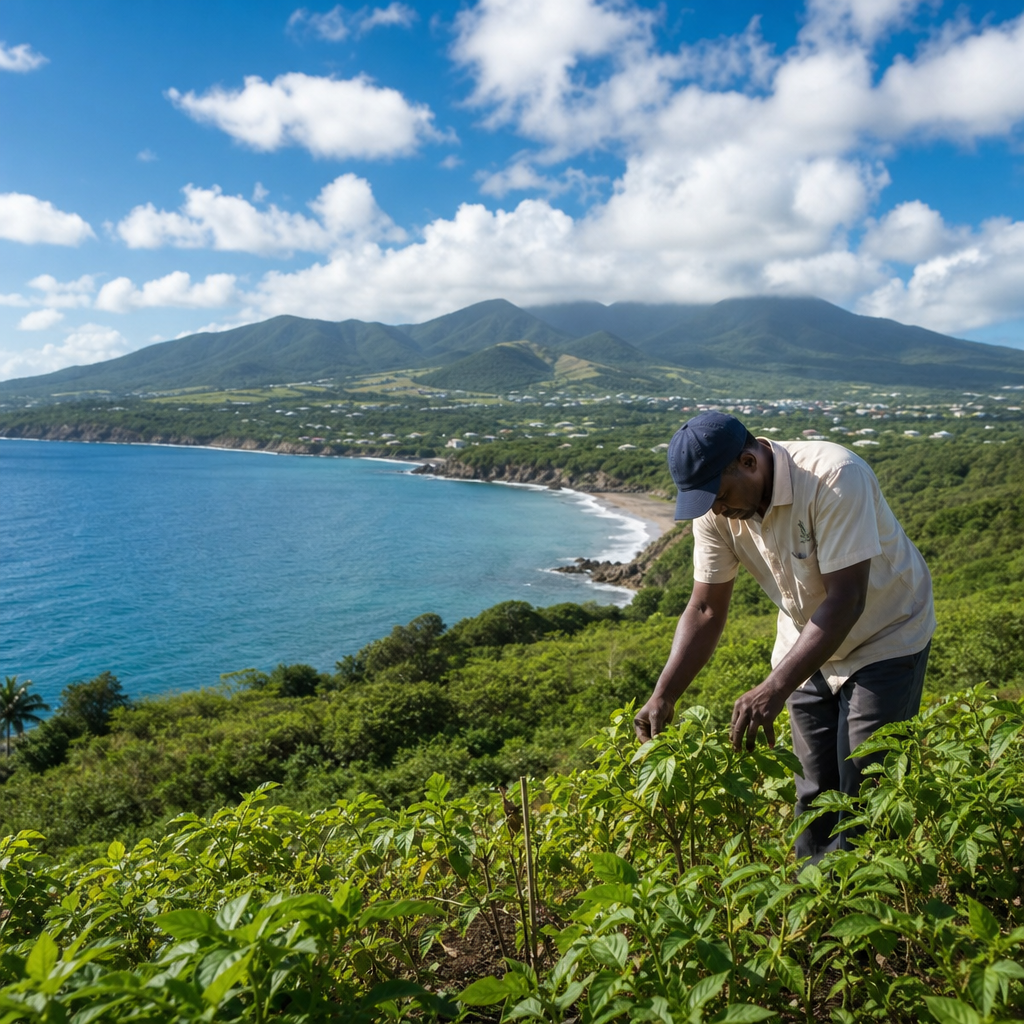
Sustainable tourism in Saint Kitts is not only about cutting resource use. It is also about reducing economic leakage so more visitor spending stays within the domestic economy. Leakage happens when hotels import food, furniture, amenities, labor, management services, or excursion products that could reasonably be sourced locally or regionally. Some imports are unavoidable, especially specialized equipment and certain branded goods, but many are habit rather than necessity. Stronger local procurement can include bread and baked goods from island producers, seasonal fruit and vegetables, local fish bought within sustainable catch limits, cultural performers, maintenance contractors, taxi operators, and locally made spa or gift items.
Employment quality matters just as much as employment quantity. Tourism businesses that invest in training, fair scheduling, transparent tips and service charge policies, occupational safety, and supervisory development tend to retain staff longer and deliver better guest experiences. In my experience, one of the most practical sustainability decisions a property can make is to build a skills ladder for local employees rather than importing midlevel management too quickly. Front office staff can become revenue supervisors, housekeepers can move into quality assurance, and line cooks can advance into procurement-aware kitchen leadership if training is structured.
Community value also depends on whether residents feel tourism improves daily life. Businesses can help by supporting public beach cleanliness, sponsoring heritage events, contributing to school or hospitality training programs, and designing tours that respect neighborhood rhythms instead of overwhelming them. In Saint Kitts, where community identity and historical memory are strong, operators who collaborate with local historians, artists, and farmers usually create more distinctive experiences than those relying on generic Caribbean imagery. That distinction matters commercially because travelers increasingly pay for authenticity, not standardization.
Protecting coastal, marine, and heritage assets is a direct business necessity
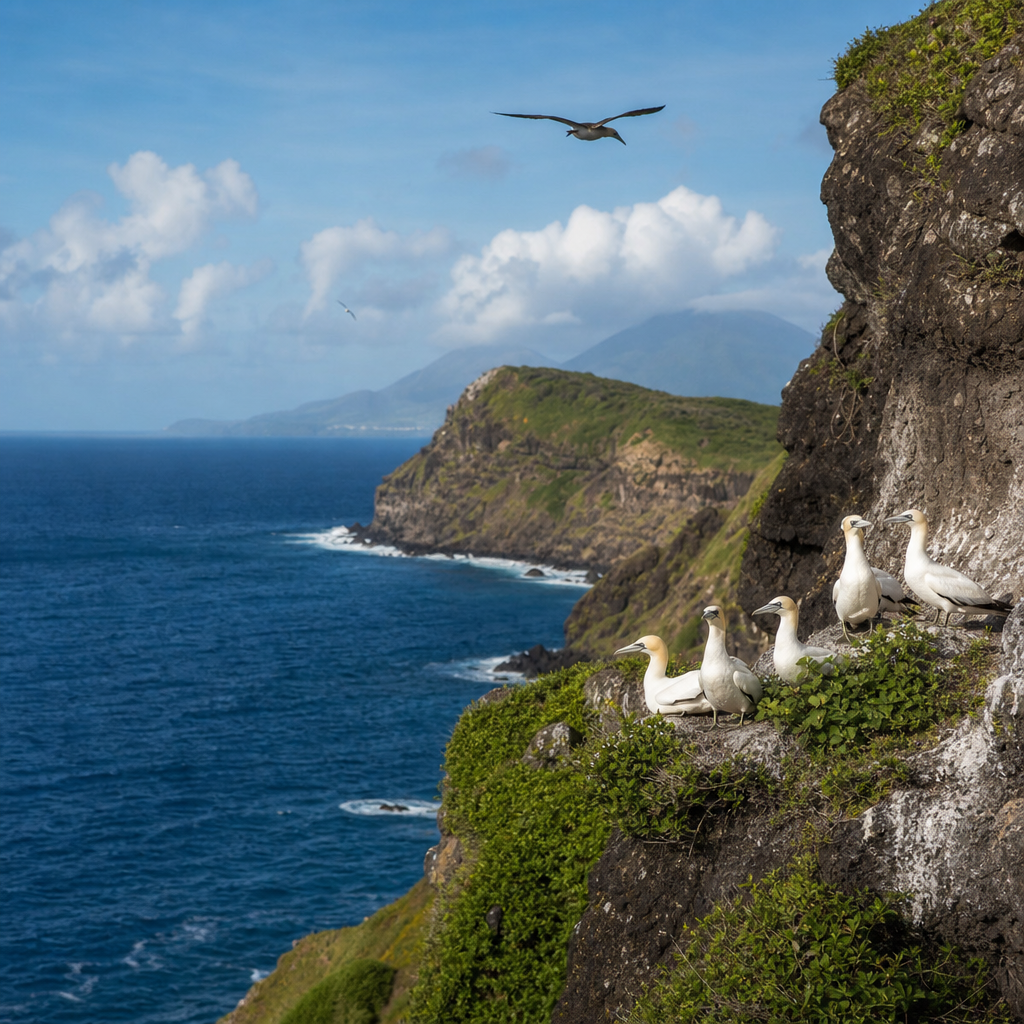
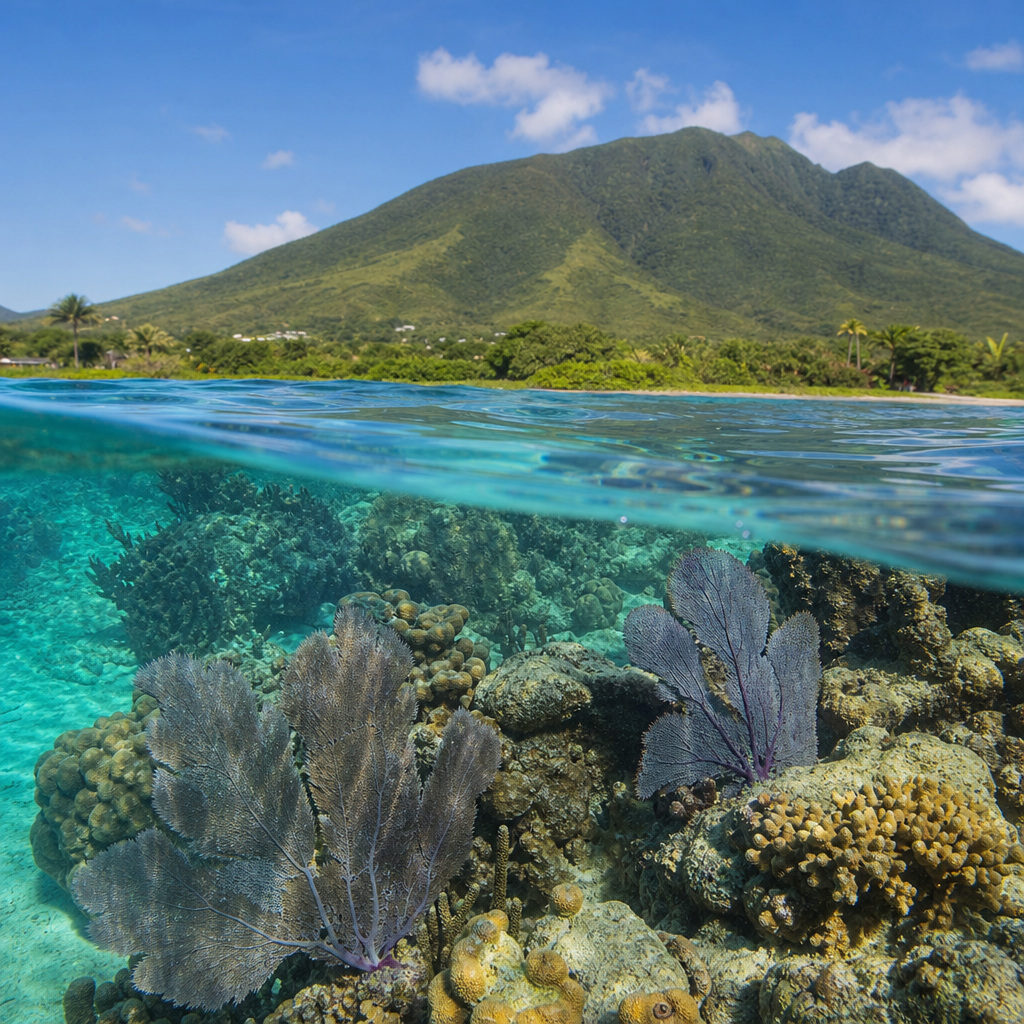
Saint Kitts’ tourism appeal rests on environmental and cultural assets that are vulnerable to cumulative damage. Beaches can erode, reefs can decline under sedimentation and poor boating practices, wildlife can be disturbed by uncontrolled visitation, and heritage spaces can be degraded by overcrowding or insensitive commercialization. Sustainable business practice therefore requires impact prevention at the attraction level. For marine tour operators, that means using mooring buoys instead of anchoring on reef areas, briefing guests before snorkeling, limiting wildlife interaction, maintaining engines to reduce fuel leakage, and selecting sunscreen messaging that protects marine ecosystems.
Land-based businesses face similar responsibilities. Resorts and villas near the coast need stormwater controls, native planting buffers, and careful management of lighting that affects seabirds or turtle nesting areas where relevant. Hiking and adventure operators should use marked routes, cap group sizes when trail erosion becomes visible, and train guides in both first aid and interpretation. Interpretation is not a cosmetic extra; when visitors understand why a landscape or historic site matters, compliance improves and satisfaction usually rises.
Heritage management deserves special attention in Saint Kitts because the destination’s story includes plantation history, emancipation, architecture, rail heritage, religion, and community traditions. Businesses often miss an opportunity when they treat heritage as a backdrop rather than a product that must be curated carefully. Good practice includes paying guides fairly, citing historical sources accurately, avoiding simplistic narratives, and ensuring that local communities are not excluded from the economic value created by their own cultural assets. When heritage is commercialized without respect, reputational damage follows quickly.
Transport, cruise activity, and visitor flow shape the island’s sustainability profile
Transport is one of the hardest sustainability issues in island tourism because aviation emissions are structurally significant and mostly outside the control of local businesses. Even so, operators in Saint Kitts can improve what happens on island. Hotels can coordinate shared airport transfers, encourage low-idling vehicle policies, install EV charging where the grid and fleet market make sense, and partner with tour providers that maintain vehicles properly. Proper maintenance is not a minor detail; poorly tuned engines increase fuel use, noise, and local air pollution while degrading the guest experience.
Cruise tourism adds another layer. Cruise calls can deliver strong retail and excursion demand in short windows, but they also create crowding, transport pressure, and waste spikes. Sustainable practice means managing dispersal, timing, and carrying capacity. Excursion providers should avoid selling identical tours to too many passengers at once, while port-area businesses need staffing plans that prevent service collapse on heavy ship days. Destination managers and businesses benefit from analyzing spend per passenger against infrastructure strain, because volume alone is a poor success metric.
Visitor flow management matters inland too. If one beach, viewpoint, or heritage site absorbs most demand, environmental stress and resident frustration rise while other businesses remain underused. Smart operators spread benefits by packaging lesser-known experiences: farm visits, village food tours, craft workshops, rail-linked storytelling, birding, and wellness activities outside peak hours. That approach improves resilience because the destination becomes less dependent on one location, one segment, or one itinerary pattern.
Measurement, certification, and governance turn good intentions into results
The difference between a sincere sustainability program and a weak one is measurement. Every tourism business in Saint Kitts should know a core set of indicators: energy use per occupied room or per cover served, water use per guest night, waste volume by stream, percentage of local procurement spend, staff turnover, training hours, guest satisfaction by sustainability-related category, and incident reporting for environmental or safety issues. Without baselines, managers cannot tell whether a new chiller, compost system, or sourcing policy is delivering value.
Certification can help, but only if a business is ready for the discipline it requires. Properties often pursue labels before fixing underlying data gaps, which creates frustration. A better sequence is to conduct an internal audit, assign responsibility by department, document standard operating procedures, and then benchmark against recognized criteria. GSTC-aligned destination principles, Green Key style accommodation standards, Blue Flag concepts for beaches and marinas, HACCP in food operations, and ISO-inspired management habits all provide useful structure even when a business does not immediately seek formal certification.
Governance is the final piece. Sustainability fails when it sits only with marketing or one enthusiastic manager. It works when procurement, engineering, housekeeping, food and beverage, HR, finance, and guest services all own defined responsibilities. I have seen small hotels outperform larger ones simply because the general manager reviewed utility dashboards weekly, the chef tracked food loss daily, and supervisors understood why each metric mattered. In Saint Kitts, that disciplined approach is especially valuable because resource costs are high and operational inefficiencies become expensive quickly.
Sustainable business practices in Saint Kitts’ tourism industry succeed when they are treated as a practical management system that protects the island while improving performance. The essentials are clear: reduce energy, water, and waste; buy more intelligently from local suppliers; create better jobs and stronger community relationships; protect marine, coastal, and heritage assets; manage transport and visitor flow carefully; and measure everything that matters. None of these actions is theoretical. They affect utility bills, staffing stability, guest satisfaction, brand trust, and the long-term competitiveness of the destination.
The main benefit is durability. A tourism business that uses fewer imported inputs, wastes less, trains local staff well, and protects the assets visitors come to enjoy is better positioned for cost shocks, climate pressure, and changing traveler expectations. Saint Kitts does not need sustainability theater. It needs consistent, well-run operations that respect the island’s limits and strengths. If you manage, advise, or invest in tourism here, start with an audit of one property or one service line, set measurable targets, and build outward from there. That is how sustainable tourism becomes real economic strategy.
Frequently Asked Questions
What do sustainable business practices mean for tourism businesses in Saint Kitts?
Sustainable business practices in Saint Kitts’ tourism industry refer to operating in ways that keep businesses profitable while also protecting the island’s natural ecosystems, supporting local communities, and preserving cultural identity. For hotels, restaurants, tour operators, transport providers, and cruise-linked businesses, this means looking beyond short-term visitor numbers and focusing on how daily decisions affect beaches, reefs, water supplies, energy use, waste generation, and neighborhood livelihoods. Sustainability is not limited to environmental initiatives such as reducing plastic use or conserving electricity. It also includes hiring and training local staff, purchasing from local farmers and fishers when possible, promoting Kittitian history and traditions respectfully, and ensuring that tourism revenue circulates within the domestic economy.
In practice, sustainable tourism in Saint Kitts often involves concrete operational changes. A hotel may install water-saving fixtures, improve energy efficiency through LED lighting and solar systems, and reduce food waste through better inventory planning. A tour company may redesign excursions to limit damage to sensitive habitats, educate guests about responsible behavior, and partner with local guides who bring authentic cultural knowledge to the visitor experience. Restaurants may feature locally grown produce and seasonal menus that reduce reliance on imported goods. These are not symbolic gestures; they directly affect cost control, brand reputation, customer trust, and long-term business viability in a destination where natural beauty and cultural richness are central to the tourism product.
For Saint Kitts specifically, sustainable practices also support resilience. Tourism businesses on small islands face heightened exposure to climate risks, resource constraints, and shifting traveler expectations. Companies that manage water carefully, diversify supply chains, invest in local talent, and prepare for disruptions are better positioned to remain competitive. In that sense, sustainability is best understood as a practical operating model that helps protect the destination while strengthening the business itself.
Why is sustainability especially important for the long-term success of Saint Kitts’ tourism industry?
Sustainability is especially important in Saint Kitts because the tourism sector depends directly on the quality of the island’s environment, communities, and cultural appeal. Visitors are drawn to clean beaches, healthy marine ecosystems, scenic landscapes, welcoming local experiences, and a sense of place that feels genuine rather than overdeveloped or generic. If tourism growth leads to pollution, overcrowding, habitat damage, rising waste, water stress, or the erosion of local character, the destination becomes less attractive over time. That creates a cycle where businesses may experience higher operating pressures and weaker visitor satisfaction, even if arrival numbers remain strong in the short term.
There is also a clear economic argument. Sustainable practices can reduce utility costs, improve operational efficiency, and lower exposure to supply disruptions. Energy management, waste reduction, preventive maintenance, and local sourcing are often financially smart decisions in island economies where imported goods and fuel can be expensive. At the same time, many travelers, travel advisors, and corporate booking partners increasingly consider environmental and social performance when choosing accommodations, excursions, and event destinations. Businesses that can demonstrate responsible practices are often better placed to attract higher-value guests and build stronger loyalty.
Saint Kitts must also think about resilience in the face of climate change and global market shifts. Coastal erosion, extreme weather events, changing consumer expectations, and pressure on infrastructure all affect the tourism economy. Sustainable businesses are more likely to plan for these realities by strengthening buildings and systems, conserving resources, diversifying local partnerships, and creating operating models that can adapt. In other words, sustainability is not just about protecting the island for ethical reasons, although that matters deeply. It is also about preserving the competitiveness, credibility, and revenue-generating capacity of Saint Kitts as a tourism destination for decades to come.
What are the most effective sustainable actions hotels, tour operators, and restaurants in Saint Kitts can implement?
The most effective actions are the ones that are measurable, consistent, and integrated into normal business operations. For hotels, some of the highest-impact steps include reducing energy use through efficient air-conditioning systems, smart room controls, LED lighting, and renewable energy where feasible. Water conservation is equally important, especially through low-flow fixtures, linen and towel reuse programs, leak detection, irrigation controls, and staff training on resource management. Waste reduction should cover food waste tracking, refillable amenities, elimination of unnecessary single-use plastics, recycling systems, and better procurement planning. Hotels can also make a major difference through local employment, professional development, and purchasing relationships with Saint Kitts-based producers and service providers.
Tour operators have strong influence over how visitors interact with the island. Effective sustainable actions include setting group-size limits for nature-based experiences, training guides in environmental interpretation, following route and access protocols that minimize habitat disturbance, and educating guests about reef-safe, litter-free, and culturally respectful behavior. Transport providers can improve efficiency through maintenance, route planning, cleaner vehicle choices where possible, and reduced idling. Excursion businesses can also amplify local economic benefits by featuring community-based experiences, local storytellers, artisans, and food producers rather than offering tourism products that disconnect spending from the destination.
For restaurants, sustainability often starts with sourcing and kitchen management. Menus that use more local and seasonal ingredients can reduce import dependence and support farmers and fishers on the island. Better portion planning, food storage, and inventory controls can significantly cut waste. Composting or food diversion programs may also be worthwhile depending on available infrastructure. Front-of-house decisions matter too, including reducing disposable packaging, using reusable service items, and communicating clearly with guests about the business’s values. Across all segments, the key is to avoid isolated one-time initiatives and instead build a system with goals, staff accountability, supplier standards, guest communication, and regular performance reviews.
How can tourism businesses in Saint Kitts support local communities and cultural heritage through sustainability?
Supporting local communities and cultural heritage is a central part of sustainability because tourism succeeds best when the people of Saint Kitts see meaningful value from the industry and when visitors encounter experiences that reflect the island’s real identity. Businesses can begin by prioritizing local hiring at all levels, not only in entry-level roles but also in supervisory, technical, and management positions. Training, apprenticeships, and clear advancement pathways help build local capacity and keep more tourism income within the country. Fair wages, safe working conditions, and dependable scheduling are also important because community support for tourism depends heavily on whether jobs are genuinely beneficial.
Procurement is another powerful lever. Hotels, restaurants, and attractions can strengthen community outcomes by buying from local farmers, fishers, entertainers, craft producers, transport providers, and service firms whenever quality, reliability, and scale align. That creates multiplier effects across the economy and reduces leakage, where tourism revenue leaves the island too quickly. Businesses can further support communities by partnering with schools, cultural groups, environmental organizations, and neighborhood initiatives. Sponsoring heritage events, supporting youth training programs, or collaborating on community tourism experiences can deepen the connection between business growth and public benefit.
Preserving cultural heritage also requires care in how experiences are designed and marketed. Tourism businesses should present Kittitian history, music, food, architecture, festivals, and storytelling authentically and respectfully, rather than packaging culture in a superficial way. Local voices should be included in interpreting heritage sites and traditions. When businesses help visitors understand the significance of local customs and historical places, they increase appreciation while reducing the risk of cultural dilution. The most successful sustainable tourism brands in Saint Kitts tend to be those that do not treat community engagement as an optional public relations activity, but as a core business responsibility that strengthens guest experience, destination integrity, and long-term social license to operate.
How can a tourism business in Saint Kitts measure and improve its sustainability performance over time?
Measurement is essential because sustainability only becomes credible when a business can track results, identify gaps, and make informed improvements. A tourism business in Saint Kitts should begin by establishing a practical baseline across a few core categories: energy use, water consumption, waste generation, local purchasing, employee training, and community engagement. Hotels may track electricity per occupied room, water per guest night, and food waste per cover served. Tour operators may monitor fuel use, average group sizes, route compliance, guest education practices, and the percentage of tours delivered with local guides. Restaurants may focus on food waste volumes, local ingredient spend, packaging reduction, and utility consumption. The exact metrics can vary, but the principle is the same: choose indicators that reflect real operational impact.
Once baseline data is in place, the business should set realistic targets and assign responsibility. That might include reducing electricity use by a specific percentage over 12 months, increasing local sourcing, eliminating certain single-use items, or improving staff sustainability training completion rates. Staff involvement matters greatly because frontline teams often see waste, inefficiencies, and customer behavior patterns more clearly than management alone. Regular review meetings, simple reporting dashboards, and supplier conversations can help turn sustainability from a policy statement into an active management process.
Improvement also depends on transparency and adaptation. Businesses should communicate their goals honestly, avoid exaggerated claims, and explain both progress and challenges. Guest feedback can be useful, especially when it concerns comfort, service quality, and perceptions of authenticity. Over time, companies may pursue recognized sustainability standards, certifications, or destination-led initiatives if those frameworks fit their scale and market. What matters most is consistency: measuring what counts, acting on the findings, and refining operations year after year. In Saint Kitts’ tourism industry, that disciplined approach helps businesses protect the destination