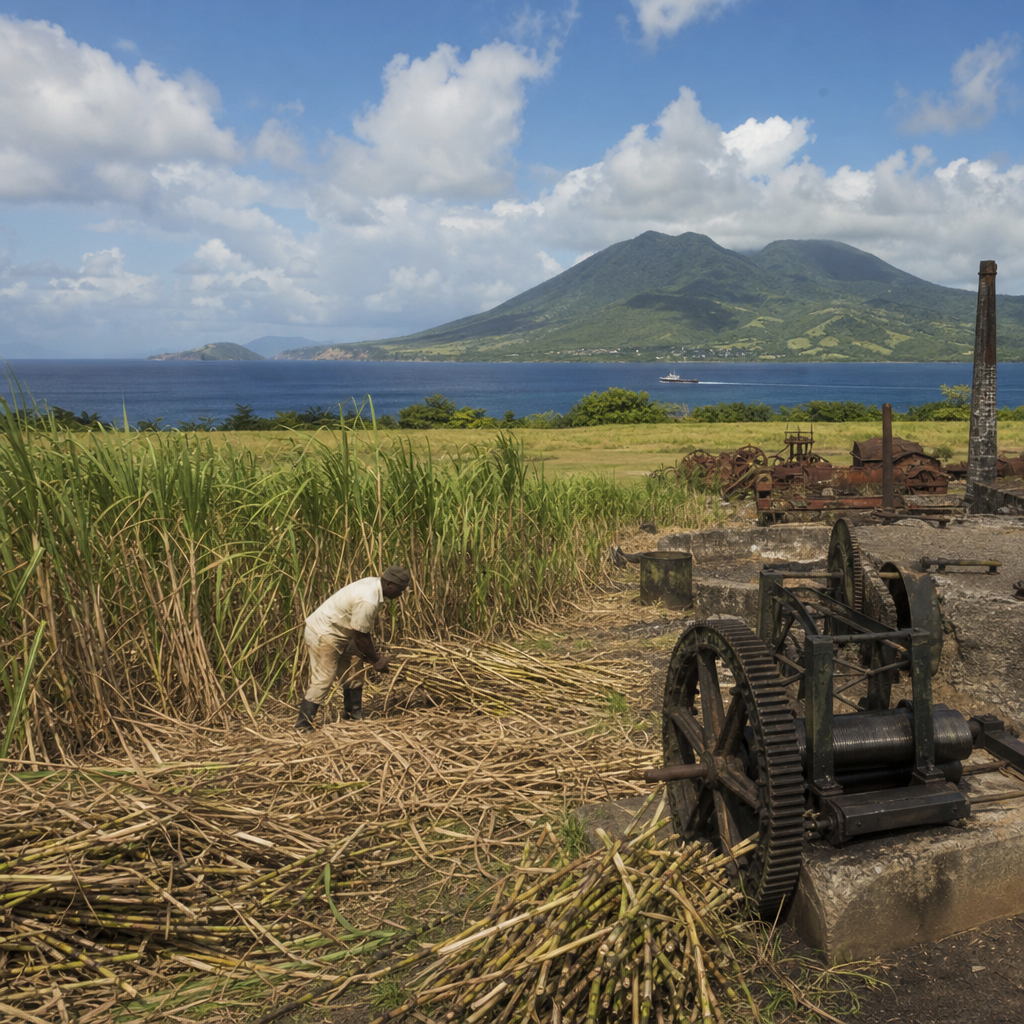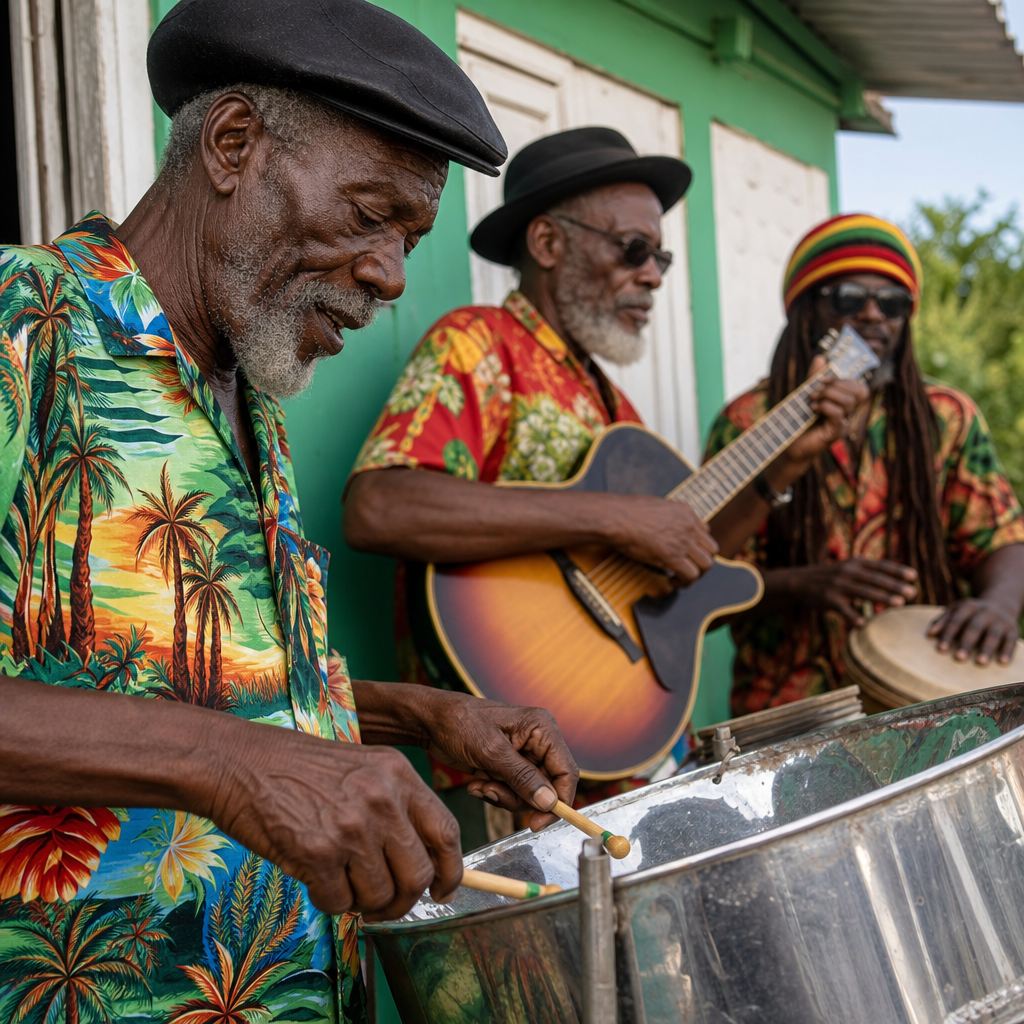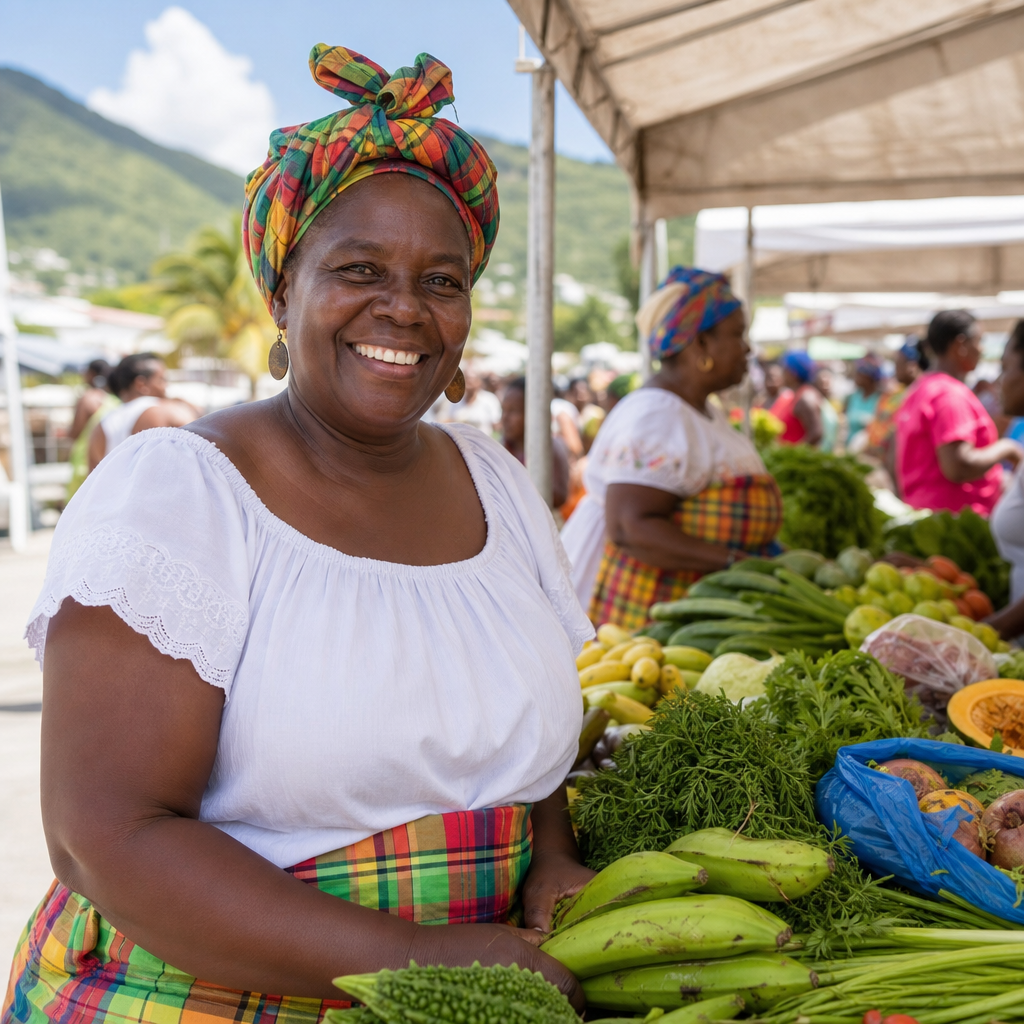
Women of Nevis have shaped the island’s social fabric, economy, culture, and public life for generations, often through work that is deeply visible and quietly foundational at the same time. In Nevis, a small Caribbean island in the Federation of Saint Kitts and Nevis, women have long carried overlapping responsibilities as farmers, market vendors, teachers, entrepreneurs, civil servants, artists, caregivers, church leaders, and elected officials. Their contributions are not limited to one sector. They reach across households, villages, tourism, education, heritage preservation, health, and national development, making any honest picture of local life incomplete without them at the center.
Understanding the roles of women in Nevis starts with understanding the island itself. Nevis is compact, community-oriented, and historically shaped by plantation agriculture, African heritage, British colonial administration, migration, and modern tourism. In a place where families often know one another across generations, social contribution is rarely abstract. It appears in schools that function well because women lead classrooms and parent groups, in small businesses that survive because women manage inventory and customer trust carefully, and in cultural events that continue because women organize costumes, food, music, and youth participation. When people ask what keeps a small island resilient, the answer in Nevis is often women’s labor, planning, and social leadership.
The term “roles and contributions” should be taken broadly. A role is not only a formal job title. It can be the responsibility of preserving oral history, mentoring young people, sustaining family networks through migration, or volunteering in church and community groups. A contribution is not only measured in wages or public awards. It is also measured in continuity: keeping traditions alive, supporting local food systems, helping neighbors during illness, and creating the conditions that allow children and businesses to thrive. From my work examining Caribbean community economies, I have repeatedly seen that on islands like Nevis, women’s unpaid and undercounted work often supports the paid economy more than official numbers show.
This matters because discussions of development can become too narrow. If attention stays only on tourism receipts, infrastructure projects, or election cycles, it misses who actually holds communities together day by day. On Nevis, women are central to practical problem-solving. They navigate high import costs, limited land, changing employment patterns, hurricane preparedness, elder care, and the expectations placed on families in a small society. They also help define what local life feels like: hospitable, connected, disciplined, creative, and resilient. A hub article on this subject therefore needs to look beyond a single biography or profession and instead map the full range of how women influence Nevisian life.
Historical foundations of women’s work in Nevis
Women’s contributions in Nevis cannot be understood without history. During the plantation era, African and Afro-descended women labored under brutal systems that demanded agricultural work while also expecting domestic production and childrearing. After emancipation in 1834, women continued to work in provision grounds, domestic service, petty trade, and household economies that helped families survive in conditions of limited land access and unequal wealth. Across the Caribbean, historians have shown that women’s market activity was crucial to post-emancipation survival, and Nevis followed that pattern. Selling produce, prepared food, craft items, and household goods gave women a degree of economic agency even when formal opportunities were restricted.
That historical pattern still matters today. Many older Nevisians remember mothers and grandmothers who stretched very limited cash through gardening, sewing, preserving food, raising livestock, and rotating support through kinship networks. This was economic management in the fullest sense, not merely “helping out.” It trained generations of women to treat resourcefulness as a necessity. It also produced an ethic of reliability that still defines respected female leadership on the island. When a woman is described locally as “strong” or “hardworking,” people often mean she can manage both family obligations and public responsibilities without letting either collapse.
Family, caregiving, and community stability
One of the most important roles women play in Nevis is also the least likely to appear in a budget statement: sustaining family life. Women organize school attendance, meals, health appointments, elder support, church participation, and the countless logistical tasks that make households function. In a small-island setting, this work has public consequences. Children who arrive prepared for school, older relatives who remain integrated in community life, and family members who receive emotional support during unemployment or illness all contribute to broader social stability. Care work is therefore not separate from development. It is one of its core inputs.
Nevisian women also serve as community anchors beyond their own households. They lead church auxiliaries, funeral committees, parent-teacher groups, sports fundraisers, village events, and mutual aid efforts when families face hardship. After storms or family emergencies, it is often women who coordinate meals, transport, clothing, and communication. I have seen this pattern across Eastern Caribbean communities: women frequently become the first operational network people rely on before official systems fully respond. Their effectiveness comes from trust, local knowledge, and the ability to mobilize relationships quickly.
Education, youth development, and professional leadership
Education is one of the clearest areas where women in Nevis influence long-term outcomes. Women have long served as teachers, principals, early childhood practitioners, administrators, and informal tutors within families. Their work shapes literacy, discipline, confidence, and social mobility. On small islands, schools are more than academic institutions. They are community centers where values, civic habits, and aspirations are reinforced. Female educators often carry that wider role, guiding students while also mediating between parents, ministries, and social expectations.
Their influence extends into youth development outside the classroom. Women coach cultural groups, supervise pageants, mentor young entrepreneurs, support after-school activities, and encourage participation in music, dance, debate, and community service. This matters in practical terms. Young people need visible examples of disciplined adulthood that are rooted in local reality, not only imported media images. When girls in Nevis see women leading schools, businesses, clinics, and public offices, leadership becomes normal rather than exceptional. When boys are raised by women who model accountability and public service, that shapes the standards they carry into adult life.
Women in the Nevis economy: formal and informal contributions
Women contribute to the Nevis economy through both formal employment and informal enterprise. In formal sectors, they work in public administration, education, health services, finance, retail, hospitality, and legal support. In informal and microenterprise spaces, they run food businesses, guest services, craft production, beauty services, event planning, transportation support, and home-based retail operations. On an island where business scale is often small, reputation matters as much as capital. Many female entrepreneurs build durable customer bases through consistency, personal service, and community trust.
Tourism offers a strong example. Visitors often experience Nevis through female labor first: hotel staff, restaurant managers, servers, housekeepers, spa workers, artisans, and cultural presenters. Yet the value women create in tourism goes beyond service delivery. They also protect the island’s reputation by transmitting warmth, professionalism, and local knowledge. A well-run guesthouse breakfast, a carefully managed boutique, or a heritage craft demonstration may seem modest compared with large resort investment, but these experiences are exactly what shape visitor memory and repeat travel.
| Area | Typical roles women hold | Why the contribution matters |
|---|---|---|
| Household and care | Caregivers, family managers, elder support coordinators | Stabilizes families, education outcomes, and community wellbeing |
| Education | Teachers, principals, administrators, mentors | Builds human capital and supports social mobility |
| Tourism and services | Hospitality staff, entrepreneurs, cultural hosts | Shapes visitor experience and local income |
| Small business | Vendors, salon owners, caterers, shop operators | Creates flexible income and circulates money locally |
| Public life | Civil servants, advocates, elected leaders | Influences policy, service delivery, and representation |
Informal work deserves special attention because it is commonly underestimated. A woman selling lunches, managing hair appointments, baking for events, or sourcing imported goods for neighbors may be operating a real business with cash-flow discipline, supplier management, and customer retention strategies. These activities often provide flexible income that helps families absorb economic shocks. They also keep money circulating within villages instead of flowing entirely to external chains. For a sub-pillar on local life and experiences, this everyday entrepreneurship is essential because it reveals how the island actually functions at ground level.
Cultural preservation, faith, and social identity
Women in Nevis are major custodians of culture. They preserve recipes, dialect expressions, family stories, church traditions, celebratory customs, and practical knowledge that younger generations might otherwise lose. In festival preparation, women often handle the invisible work that makes public culture possible: sewing, cooking, fundraising, coordinating rehearsals, organizing children, and maintaining standards. This labor rarely receives the same attention as headline performers, but without it many events would not happen at all.
Faith communities are another major arena of female contribution. Churches remain influential in Nevisian life, and women often sustain them through administration, music, outreach, teaching, visitation, and charitable work. Their involvement supports not only worship but also welfare. Churches frequently help families facing illness, bereavement, or financial strain, and women are commonly the people who organize that response. In practical terms, they turn moral values into social action.
Cultural preservation is also economic. Heritage tourism depends on authentic stories, foodways, music, and community memory. Women who teach traditional cooking, guide young people in performance, or maintain family histories help protect the island’s distinct identity in a global tourism market where sameness is a risk. Nevis benefits when local culture is not reduced to decoration but remains lived, transmitted, and respected.
Public service, advocacy, and changing leadership
Women’s leadership in Nevis has expanded in public service and civic advocacy. They serve in government departments, nonprofit organizations, schools, health systems, and elected or appointed roles where policy decisions affect daily life. On small islands, effective governance depends heavily on people who understand communities at close range. Women often bring that grounded understanding because they are already managing the practical intersection of family needs, public services, and local expectations.
Advocacy has also become increasingly important. Issues such as domestic violence, economic access, youth opportunity, reproductive health, and gender equity require institutions that listen carefully and respond consistently. Women in professional and voluntary spaces help push these conversations forward, often balancing diplomacy with persistence in societies where everyone is socially connected. Change on a small island is rarely driven by loud abstraction. It usually comes through trusted individuals who keep showing up, building coalitions, and turning concern into policy or program design.
There are still constraints. Women may face uneven access to capital, concentrated care burdens, occupational segregation, or cultural expectations that undervalue ambition when it conflicts with family roles. Migration also creates pressures, as skilled women may leave for education or work abroad while still supporting relatives at home. Yet even within these constraints, Nevisian women continue to expand what leadership looks like, proving that influence can be administrative, entrepreneurial, cultural, and deeply local all at once.
Why women’s contributions define local life in Nevis
If this hub article has one central point, it is that women’s contributions are not a side topic within Nevisian society. They are a primary structure of it. Women connect home life to public life, paid work to unpaid labor, and heritage to future development. They teach, heal, organize, sell, lead, preserve, and improvise. They keep institutions human and communities functional. For residents, their work is woven into daily experience. For visitors trying to understand Nevis beyond scenery, women’s roles offer one of the clearest windows into how the island truly lives.
The most useful way to appreciate women of Nevis is to notice both the formal and informal dimensions of contribution. Look at who leads classrooms, welcomes guests, runs market stalls, coordinates church outreach, supports elders, preserves recipes, and mentors children. Those patterns reveal the island’s real operating system. They also show why policy, business investment, and community planning work best when women’s labor is recognized rather than treated as background.
As you explore more of Nevis under Local Life and Experiences, use this page as a starting point for deeper stories about family life, entrepreneurship, heritage, food, festivals, education, and community leadership. The women of Nevis are central to all of them. Pay attention to their work, learn their stories, and support the spaces where their contributions continue to shape the island’s future.
Frequently Asked Questions
What roles have women traditionally played in Nevisian society?
Women in Nevis have traditionally occupied a wide range of roles that have been central to the island’s stability and development. Within families and communities, they have long served as caregivers, organizers, and providers, often balancing domestic responsibilities with income-generating work. In rural areas especially, women have participated in farming, food preparation, livestock care, and the sale of produce, helping households remain resilient in changing economic conditions. Their work in markets and informal trade has also been important, connecting local production to everyday consumption and sustaining the circulation of goods within the island.
Beyond the household economy, women have been deeply involved in education, religion, and community leadership. Many have worked as teachers, church workers, health aides, and civil servants, shaping the values, routines, and institutions that define daily life in Nevis. These roles may not always have been publicly celebrated in the same way as formal political or commercial leadership, but they have been foundational. In practice, women have helped preserve family networks, transfer cultural knowledge, maintain community cohesion, and support the island through social and economic transitions. Their traditional roles were never narrow; they were broad, adaptive, and essential to Nevisian life.
How have women contributed to the economy of Nevis?
Women have made substantial contributions to the Nevisian economy in both visible and less visible ways. Historically, their labor has been critical in agriculture, small-scale commerce, hospitality, and domestic enterprise. Women have worked in fields and kitchen gardens, sold fruits, vegetables, prepared foods, and handmade goods, and operated market stalls and small businesses that support local livelihoods. These activities have helped families diversify income and have strengthened the island’s internal economy by keeping production, exchange, and service rooted in the community.
In modern Nevis, women continue to contribute across a wider professional landscape. They are active as entrepreneurs, managers, teachers, healthcare workers, financial professionals, public servants, and tourism-sector employees. Many women run businesses in retail, beauty, food service, event planning, and other service industries that are important to local employment and economic activity. Just as importantly, women’s unpaid labor has supported the economy in ways that are often overlooked. By caring for children, elders, and households, women create the social conditions that allow communities and workplaces to function. Their economic contribution, therefore, is not limited to wages or business ownership; it also includes the everyday labor that sustains human well-being and social continuity in Nevis.
In what ways have women shaped the culture and identity of Nevis?
Women have played a major role in shaping the culture and identity of Nevis by preserving traditions, passing down stories, and sustaining the practices that give the island its distinctive character. Through cooking, music, dress, religious life, and family customs, women have often been the ones to carry cultural knowledge from one generation to the next. They have maintained recipes, celebrations, oral histories, and moral values that help define what it means to belong to Nevisian society. In homes, churches, schools, and public gatherings, women have often acted as cultural anchors, ensuring that heritage remains active rather than simply remembered.
Women have also influenced culture through artistic and public expression. As writers, performers, crafters, organizers, and educators, they have helped shape how Nevis tells its own story. Their influence can be seen in community festivals, school programs, church events, and everyday social life, where traditions are constantly renewed. This contribution matters because culture is not only about art or ceremony; it is also about identity, memory, values, and belonging. By nurturing these elements in both formal and informal spaces, women have helped create the social fabric that holds Nevis together and gives the island a strong sense of continuity across generations.
Have women in Nevis influenced public life and leadership?
Yes, women in Nevis have influenced public life and leadership in meaningful and lasting ways. Their leadership has taken many forms, from elected office and civil service to school administration, church leadership, advocacy, and grassroots organizing. While the paths to formal power have not always been easy, women have consistently shaped public priorities through their service, expertise, and community engagement. In local institutions, they have contributed to policy implementation, education, health, social welfare, and civic development, often bringing practical insight rooted in lived experience and close community ties.
It is also important to recognize that leadership is not limited to official titles. Many women in Nevis have led by organizing charitable efforts, mentoring young people, coordinating church and community activities, and responding to local needs with consistency and care. This type of leadership can be quieter than electoral politics, but it is often just as influential. It helps solve immediate problems, strengthens trust, and builds the social networks that make communities more resilient. Taken together, women’s participation in public life has expanded the island’s leadership base and helped ensure that development is shaped by a broader range of voices and experiences.
Why is it important to recognize the contributions of women in Nevis today?
Recognizing the contributions of women in Nevis is important because it provides a fuller, more accurate understanding of how the island has developed over time. Too often, the work that sustains families, communities, and local economies is taken for granted when it is carried out consistently and without fanfare. By acknowledging women’s roles in agriculture, education, entrepreneurship, caregiving, culture, and governance, we gain a clearer picture of the forces that have shaped Nevisian society. This recognition is not just about celebrating the past; it is also about identifying the real foundations of social and economic progress.
There is also a forward-looking reason to highlight women’s contributions. When societies recognize the value of women’s labor, leadership, and creativity, they are better positioned to support inclusion, opportunity, and intergenerational progress. For younger people in Nevis, especially girls and young women, visible acknowledgment of female contribution can affirm possibility, ambition, and belonging. It can also encourage institutions to invest more intentionally in education, business development, representation, and community support. In that sense, recognition is not merely symbolic. It helps shape public memory, social priorities, and the future direction of the island.