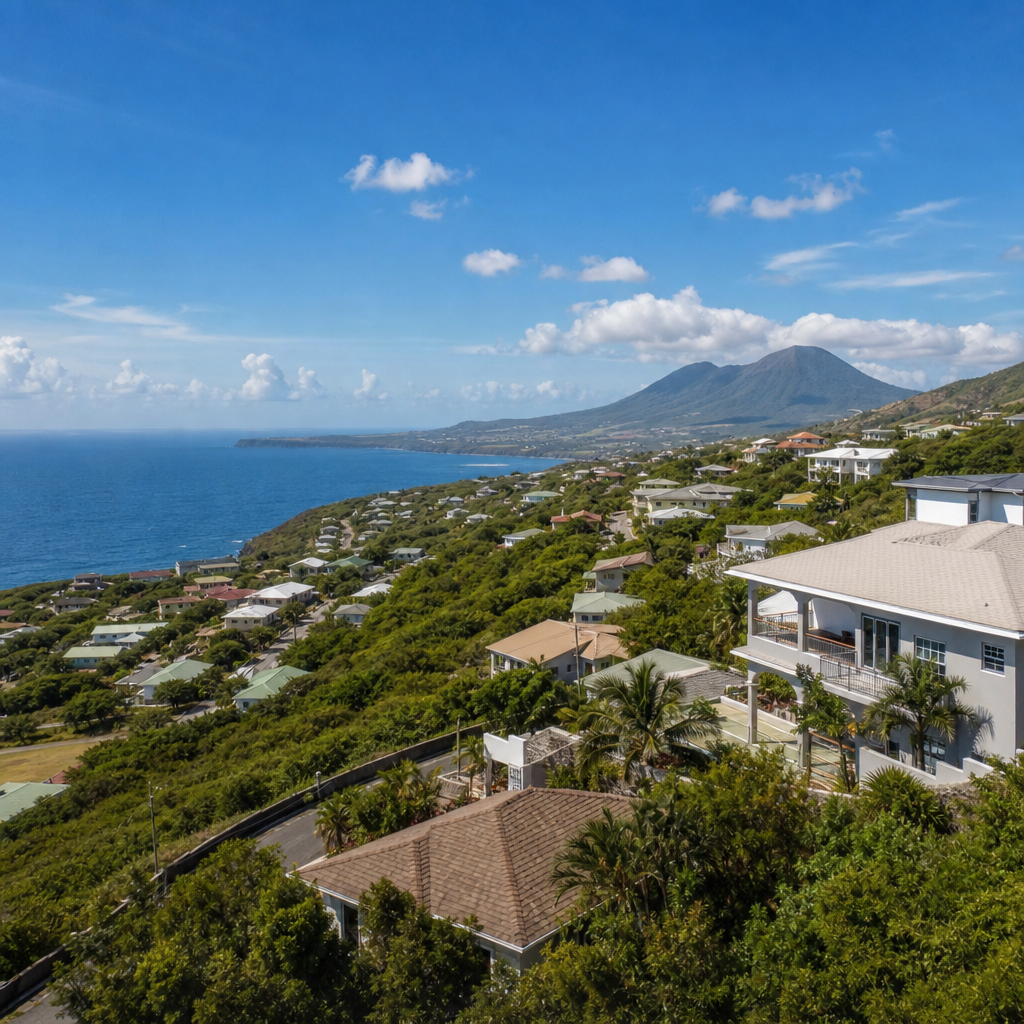
Across Nevis, backyard gardens are more than pleasant patches of green; they are working landscapes that supply food, preserve heritage, and express the island’s deep sense of self-reliance. In villages, hillside homes, and coastal communities, residents grow seasoning peppers, thyme, tomatoes, callaloo, pigeon peas, and fruit trees in spaces shaped by family habits and local climate. When people speak about a productive yard on Nevis, they are usually describing a small-scale mixed garden designed for daily use, not a decorative plot. Produce is picked close to the kitchen, compost is often made on site, and planting decisions reflect rain patterns, soil type, and household needs.
This matters because backyard gardening touches several parts of Nevisian life at once. It supports food security on an island that depends heavily on imported goods, lowers grocery spending, and keeps familiar ingredients available for home cooking. It also protects practical knowledge that is easy to undervalue until it disappears: when to plant sweet potato slips, how to space okra in dry weather, which banana variety handles wind better, and why rosemary near a path tends to thrive. I have seen the strongest gardens succeed not because they are large, but because they are carefully managed, observed daily, and adapted to local conditions.
As a hub within Local Life and Experiences, this article looks at backyard gardens as a gateway to broader “Miscellaneous” aspects of island living: family routines, neighborhood exchange, cooking traditions, informal commerce, environmental care, and community pride. It also answers practical questions visitors, new residents, and curious readers often ask. What grows well on Nevis? Why do backyard gardens remain important in a tourism economy? How do these spaces connect to identity? The short answer is that they blend usefulness with meaning. A Nevis backyard garden produces food, but it also produces continuity, generosity, and a visible standard of care that many households still value.
Why Backyard Gardens Still Matter on Nevis
Backyard gardens remain relevant because they solve everyday problems with local resources. On a small Caribbean island, imported produce can be expensive, inconsistent in quality, and vulnerable to shipping delays. A household that grows lettuce, scallion, cucumber, eggplant, and herbs in its yard reduces dependence on outside supply chains. Even modest harvests matter. A few pepper plants can flavor meals for months, and one healthy breadfruit tree can contribute heavily to seasonal cooking. During periods of high food prices, these gardens shift from helpful to essential.
They also support resilience. Nevis has a tropical climate with wet and dry periods, intense sun, salt exposure in some areas, and occasional storm risk. Gardeners who work in those conditions develop practical systems: mulching to retain moisture, staking to protect young plants, and selecting crops that tolerate heat. This habit of adaptation is a quiet but important part of local life. It means household food production is not based on ideal conditions; it is based on experience, observation, and adjustment. That mindset carries into other parts of community living.
There is also a cultural reason these gardens endure. For many families, gardening is inherited practice rather than a trend. Older relatives pass down cuttings, seed-saving habits, and advice on pest control long before those lessons are written anywhere. In that way, a backyard becomes a place where memory is made useful. The garden is not isolated from daily life; it sits beside washing lines, water drums, sheds, and outdoor cooking spaces. That integration is exactly why it remains meaningful.
What People Commonly Grow in Nevisian Backyard Gardens
The most common crops in Nevisian backyard gardens are the ones households actually cook with every week. Herbs and seasonings come first because they deliver high value in small spaces. Thyme, parsley, chive, celery, seasoning pepper, hot pepper, and basil are practical choices for a kitchen garden. Leafy greens such as callaloo and lettuce are popular because they mature quickly. Fruit-bearing vegetables including tomato, cucumber, sweet pepper, pumpkin, and eggplant appear often where there is enough sun and water. Root crops like sweet potato, yam, and cassava need more room, but many larger yards accommodate them.
Fruit trees are another defining feature. Mango, banana, plantain, breadfruit, soursop, guava, sugar apple, coconut, and citrus all appear in home landscapes, though exact success varies by elevation, drainage, and wind exposure. Tree crops require patience, but they reward households with seasonal abundance and shade. One of the clearest differences between a tourist’s view of tropical planting and a resident’s view is purpose. On Nevis, a mango tree is not only attractive; it is a food source, a gift source, and often a marker of family continuity.
| Crop | Why It Is Popular | Typical Use at Home |
|---|---|---|
| Thyme | Heat tolerant, compact, harvested often | Soups, stews, meat seasoning |
| Seasoning pepper | High flavor, steady yield in small space | Rice dishes, sauces, everyday cooking |
| Callaloo | Fast growing and dependable | Steamed sides, breakfast dishes, soups |
| Tomato | Versatile crop with strong household demand | Salads, stews, sauces |
| Sweet potato | Efficient ground cover and useful staple | Boiled meals, roasting, side dishes |
| Breadfruit | Heavy seasonal production from one tree | Roasted, boiled, chips, paired with fish |
Gardeners also mix ornamental and edible plants in ways outsiders may not expect. Aloe, lemongrass, marigold, and flowering shrubs may sit beside peppers and spinach. This is not accidental. Many households use plants for cooking, shade, medicine, fragrance, privacy, and appearance all at once. The result is a layered garden system that reflects utility more than strict design categories.
How Backyard Gardens Shape Daily Life and Community Ties
On Nevis, backyard gardening is tied to routine. Watering often happens early in the morning or late in the afternoon to reduce evaporation. Weeding is done in short, regular bursts rather than as an occasional major task. Kitchen scraps may be set aside for compost, and ripe fruit is checked before birds or bats get to it. These habits create a rhythm that blends household management with land stewardship. A garden is not a separate hobby for many residents; it is part of the day’s practical work.
The social impact is easy to miss unless you spend time around it. Produce moves between households constantly. Someone with extra avocado, mango, or cucumber gives some to a neighbor; another person shares pigeon peas, cuttings, or a tray of seedlings. This informal exchange strengthens relationships without becoming formal trade. It is one of the reasons backyard gardens generate pride. They allow people to provide, share, and contribute visibly. A well-kept yard signals discipline and generosity as much as agricultural skill.
Backyard gardens also support food culture. Local dishes depend on fresh ingredients that lose quality quickly after harvest. Herbs are strongest when picked the same day. Callaloo is better when cooked fresh. Green figs, breadfruit, and pumpkin often move directly from yard to pot. That freshness changes taste, cost, and menu choices. Families with productive gardens cook differently because they can. A home that has thyme, peppers, chive, and tomatoes close at hand is far more likely to prepare meals around what is available, not only what was bought.
Techniques That Work in Nevis Conditions
Successful backyard gardening on Nevis depends less on expensive equipment than on matching methods to climate. Water management is the first priority. Dry spells can stress shallow-rooted crops quickly, so mulching with grass clippings, leaves, or coconut husk helps retain moisture and reduce soil temperature. Many gardeners also use buckets, drums, or simple hose systems rather than overhead irrigation on timers. The principle is straightforward: water deeply, protect the soil surface, and avoid waste.
Soil improvement matters just as much. Some areas have richer loam, while others are stonier or more prone to drying out. Compost improves structure, supports microbial life, and increases water retention. In small home plots, adding compost around demanding crops like tomato, cucumber, and leafy greens can make a visible difference in vigor and yield. Raised beds help where drainage is poor, while contour planting can reduce runoff on slopes. These are practical responses to site conditions, not fashionable add-ons.
Pest management is usually most effective when it is simple and consistent. Hand-picking caterpillars, spacing plants for airflow, rotating crops, and removing diseased leaves early often prevent larger losses. Gardeners may use neem-based products, soap sprays, or physical barriers, but the real advantage comes from frequent observation. A person who walks through the yard every day catches trouble while it is still manageable. That is one lesson I have seen repeated across productive gardens: attention beats complexity.
Economic Value Beyond the Harvest Basket
Backyard gardens create value in ways that are not always counted. The direct savings are obvious. If a family regularly harvests herbs, greens, fruit, and a few staple vegetables, weekly grocery costs fall. On islands where transport and import fees influence retail prices, replacing even a small portion of purchased produce has measurable value over a year. A mature garden can also smooth budget pressure by supplying ingredients during weeks when prices rise or income fluctuates.
There is a small-scale income side as well. Some households sell bunches of herbs, surplus fruit, seedlings, pepper sauce ingredients, or seasonal produce from the gate or within their village network. This is not industrial agriculture, but it is meaningful household enterprise. It turns gardening knowledge into flexible earning power with low overhead. Retirees, part-time workers, and multigenerational households often benefit most because they can spread labor across the week and harvest according to demand.
The economic effect extends into tourism and local identity. Visitors increasingly value experiences that feel grounded in place rather than generic. A destination known for active home gardens projects authenticity, resourcefulness, and connection to food. Restaurants that source herbs or fruit locally benefit from that reputation too, even when supply is informal. In this sense, backyard gardens support the wider image of Nevis as a place where local life remains visible and not fully hidden behind resort walls.
Challenges Gardeners Face and How They Adapt
Backyard gardening on Nevis is rewarding, but it is not effortless. Water access can be inconsistent or costly during dry periods, and strong sun can scorch tender crops. Heavy rain, when it arrives, may create erosion, fungal pressure, or nutrient leaching. Wind can snap young banana plants or damage trellised crops. Wildlife and pests also take their share. Monkeys, insects, birds, and roaming animals can turn an attractive garden into a contest over timing and protection.
Space is another real constraint. Not every household has a broad yard, and not every resident has time for a mixed planting system. That is why container gardening, vertical supports, and crop selection matter. A small paved area can still support herbs, peppers, cherry tomatoes, and leafy greens in buckets or planters. In larger family compounds, the challenge may be the opposite: too many mature trees creating shade where sun-loving vegetables struggle. Good gardeners accept these limits and design around them rather than forcing the wrong crops into the wrong site.
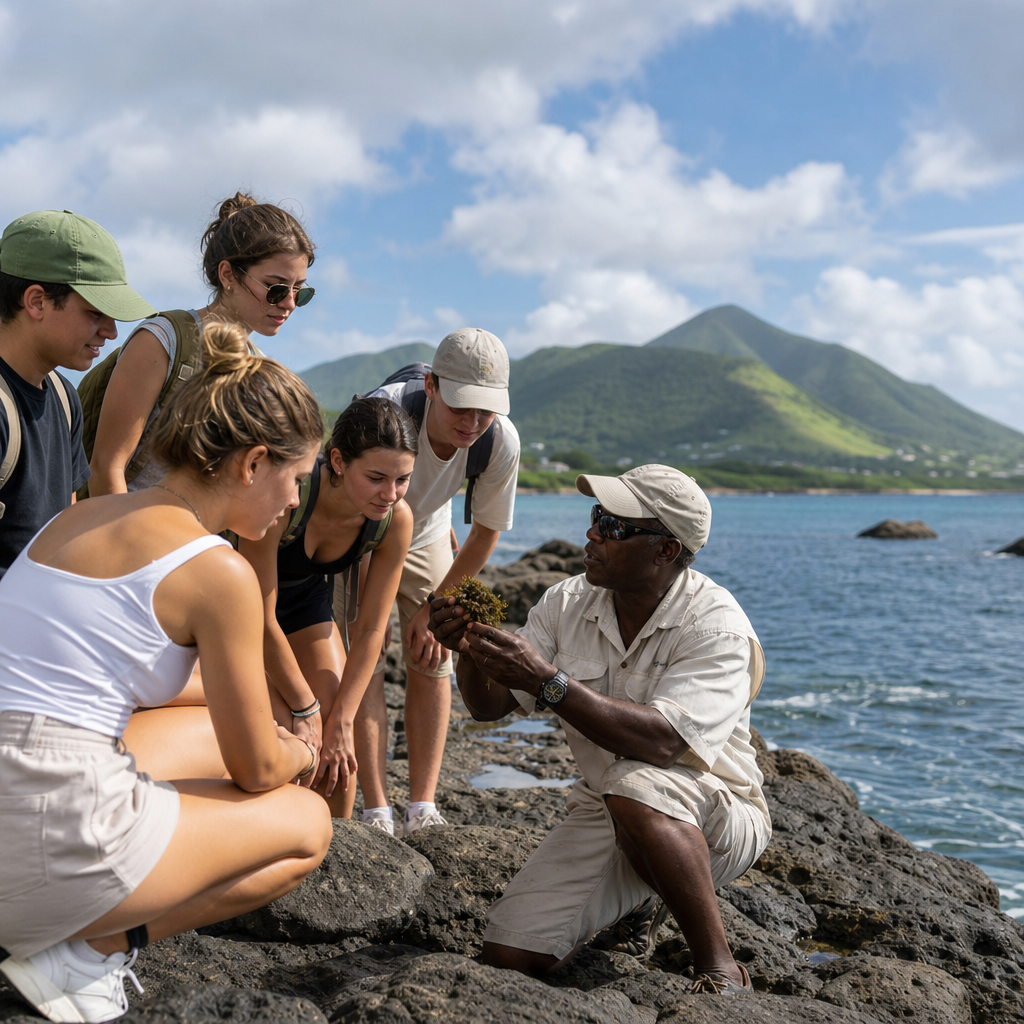
Knowledge gaps can be a barrier for younger residents who did not grow up gardening regularly. The solution is not nostalgia; it is transfer of practical skill. Community demonstrations, school projects, church fairs, and family mentoring all help. The most durable gardening culture is one that makes growing food visible, achievable, and worth copying. When people see a neighbor succeed with a small, neat, productive plot, the idea becomes realistic instead of idealized.
Why These Gardens Deserve Attention in Local Life and Experiences
As a hub topic within Miscellaneous local life, backyard gardens deserve attention because they connect many parts of Nevis that are often discussed separately. They relate to food, family, climate adaptation, self-provisioning, village relationships, property use, health, and memory. They also reveal what everyday sustainability looks like when it is driven by necessity and habit rather than branding. A yard with fruit trees, herbs, compost, and rain-conscious planting is a practical local system, not a lifestyle slogan.
For readers exploring Nevis beyond its beaches and hotels, these gardens offer a more accurate picture of the island’s lived character. They show how households maintain dignity, flavor, and resilience in ordinary ways. For residents and members of the diaspora, they represent continuity: familiar crops, familiar smells after rain, familiar methods of sharing. For policymakers and community groups, they point toward useful support areas, including water efficiency, seedling access, school gardening, and local produce networks.
Nevis’ backyard gardens are a source of pride because they demonstrate care, competence, and connection to place. They are a source of produce because they turn small parcels of land into steady household value. Together, those two roles explain their lasting importance. If you want to understand local life on Nevis, pay attention to what grows behind the house, who tends it, and how the harvest moves through the community. Then explore the related stories in this hub and see how everyday island experiences fit together.
Frequently Asked Questions
Why are backyard gardens so important in Nevis?
Backyard gardens in Nevis matter because they do much more than beautify a property. They serve as practical food-producing spaces that help households maintain a steady supply of fresh ingredients such as seasoning peppers, thyme, tomatoes, callaloo, pigeon peas, and fruit. In many communities, these gardens reduce the need to buy every item from a shop and make it easier for families to cook with produce harvested just steps from the kitchen. That direct connection between the yard and the table is one of the clearest examples of self-reliance on the island.
They are also important because they carry cultural memory. Garden layouts, crop choices, and planting habits are often shaped by family knowledge passed from one generation to the next. A productive yard may reflect what grandparents grew, how parents managed dry spells, and which crops perform best in a particular village or on a certain hillside. In that way, a backyard garden is not simply a collection of plants. It is a living expression of Nevisian identity, practical wisdom, and pride in making good use of available land.
What does a typical productive backyard garden in Nevis look like?
A productive backyard garden in Nevis is usually a mixed-use space rather than a single-crop plot. Instead of long formal rows devoted to only one plant, many yards combine herbs, vegetables, peas, and fruit trees in a way that reflects everyday household needs. You might see thyme and seasoning peppers near the house for easy access, tomatoes and callaloo in sunnier sections, pigeon peas along the edge, and fruit trees creating shade and structure around the property. This layered approach makes efficient use of limited space and supports year-round usefulness.
The design is often shaped by slope, soil, rainfall patterns, sunlight, and family routine. In hillside areas, gardeners may plant according to drainage and wind exposure, while in flatter village or coastal areas they may focus on moisture retention and protection from heat. What stands out is the practical intelligence behind the arrangement. A Nevis backyard garden is commonly organized around what the family cooks, what the climate allows, and what can be maintained consistently. That is why these gardens feel both personal and highly functional: they are tailored landscapes built around daily life.
Which crops are commonly grown in Nevis backyard gardens, and why?
Many backyard gardens in Nevis feature crops that are deeply useful in local cooking and well suited to the island’s growing conditions. Seasoning peppers and thyme are common because they are essential flavor builders in many meals and can be harvested regularly in small amounts. Tomatoes are popular for their versatility, while callaloo provides a dependable leafy green that fits naturally into home cooking. Pigeon peas are valued because they are hardy, familiar, and productive, and fruit trees add longer-term value by supplying seasonal harvests while also helping define the yard’s structure.
These crops are common not just because people like them, but because they fit the logic of a working garden. Households tend to grow what they use often, what performs reliably, and what offers a good return from a modest amount of space. A mixed garden with herbs, vegetables, peas, and fruit spreads risk and improves resilience. If one crop slows down due to weather or pests, others may still thrive. That balance is one reason Nevis backyard gardens remain so practical and so respected across different communities on the island.
How do Nevis gardeners adapt backyard gardens to local climate and limited space?
Gardeners in Nevis are skilled at reading their environment and adjusting accordingly. Local climate, sun exposure, slope, wind, and rainfall all influence where crops are placed and how they are managed. In a small space, that often means choosing a mixed planting style that lets different crops share the yard efficiently. Herbs may be placed where they are easy to reach, vegetables in the brightest areas, and trees where they provide shade without overwhelming smaller plants. The goal is not simply to grow as much as possible, but to create a balanced system that works with the site rather than against it.
Adaptation also involves routine observation. Gardeners notice which corners stay dry, which sections drain quickly after rain, and which crops tolerate heat or exposure best. Over time, these observations shape a yard that feels finely tuned to its setting. Even a modest garden can become highly productive when crops are matched carefully to microclimates within the property. This ability to respond to local conditions is one of the defining strengths of Nevis backyard gardening and a major reason these spaces continue to produce reliably despite changing weather patterns and the limitations of small household plots.
How do backyard gardens reflect pride, heritage, and self-reliance in Nevis?
Backyard gardens reflect pride in Nevis because they show care, discipline, and a strong connection to home. A well-kept productive yard signals more than gardening skill. It suggests that a family values fresh food, respects the land available to them, and takes satisfaction in maintaining a space that is both beautiful and useful. On an island where community identity remains deeply rooted, the condition of a garden can say a great deal about household habits, resourcefulness, and commitment to tradition.
They also reflect heritage and self-reliance in a very direct way. The crops people choose, the methods they use, and the reasons they continue gardening are often tied to memory and example. Children grow up seeing elders plant, harvest, save seed, and use what the yard provides. That continuity reinforces the idea that food security and cultural continuity can begin at home. In Nevis, a backyard garden is not only a source of produce. It is a working symbol of independence, inherited knowledge, and everyday pride in being able to nourish a family from the land around them.