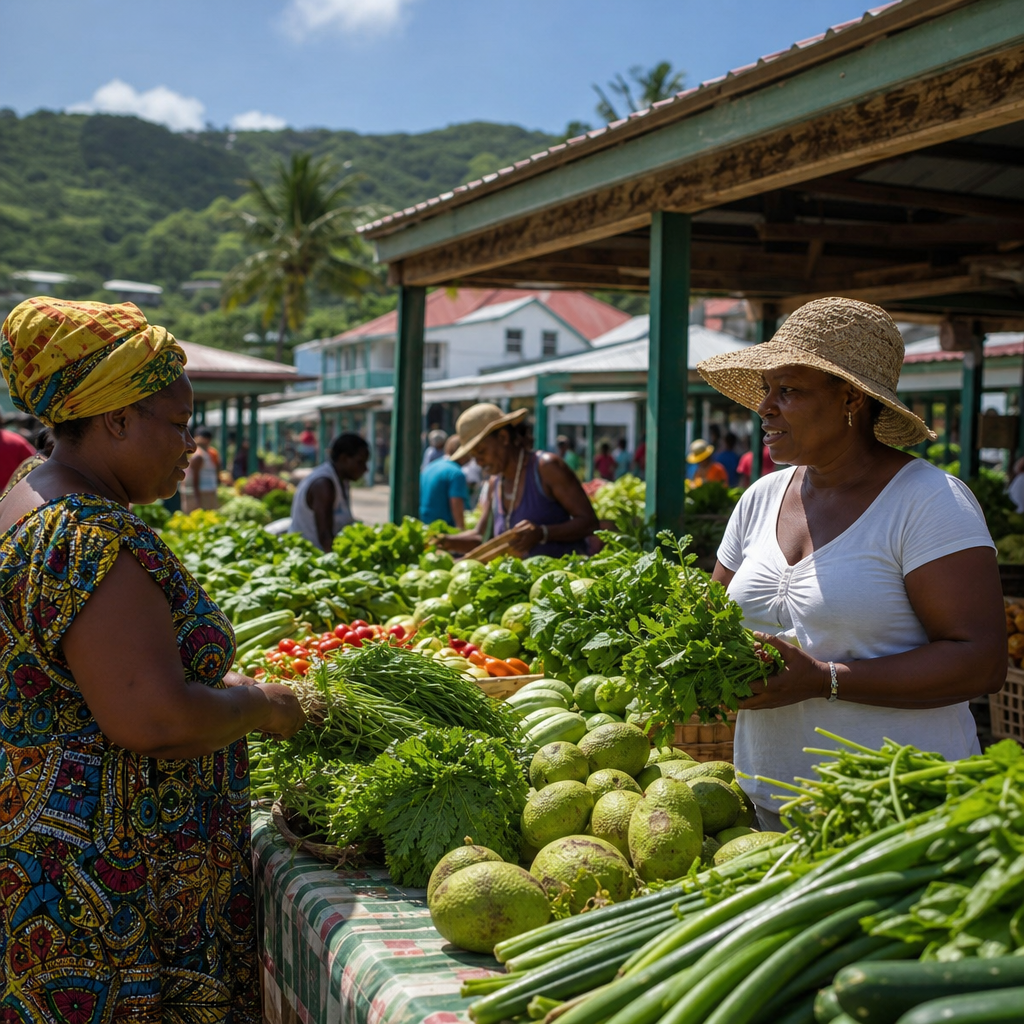
Promoting local economies through eco-friendly marketplaces has become one of the most practical ways Nevis can strengthen sustainable tourism while protecting the island’s character. In Nevis, an eco-friendly marketplace is more than a place to buy fruit, crafts, or prepared food. It is a trading system shaped by low-waste practices, local sourcing, cultural preservation, and fair income distribution. When designed well, these marketplaces connect farmers, fishers, artists, guesthouse owners, taxi operators, and visitors in a single local value chain. That matters because small islands are especially vulnerable to import dependence, waste management pressure, energy costs, and tourism leakage, the problem of visitor spending leaving the destination instead of supporting residents.
I have worked on tourism content and destination strategy long enough to see the same pattern repeatedly: visitors say they want authentic experiences, but local businesses often struggle to capture enough of that demand. Eco-friendly marketplaces close that gap. They give travelers an easy, visible place to spend directly with local vendors. They also make sustainability tangible. A reusable packaging policy, seasonal produce stall, composting station, or artisan booth built from reclaimed wood is easier for visitors to understand than an abstract policy statement. In Nevis, where heritage, agriculture, and marine resources are central to identity, these spaces can translate sustainability into daily economic activity.
This topic matters for another reason. Sustainable tourism is frequently discussed in terms of hotels, beaches, and nature attractions, yet marketplaces are where the local economy becomes visible. A visitor who buys tamarind jam made on the island, breadfruit chips from a neighborhood producer, or pottery inspired by Nevisian history contributes to jobs that are difficult to outsource. The multiplier effect is real. Money spent with a market vendor can circulate to farmers, transport providers, packaging suppliers, and family employees. In a place like Nevis, that circulation supports resilience, entrepreneurship, and community pride while reducing the environmental burden associated with long supply chains and disposable retail models.
As a hub article within sustainable tourism, this guide covers the full miscellaneous landscape around Nevis’ eco-friendly marketplaces: what they are, why they work, what products and practices belong in them, how they support communities, what standards improve credibility, and where challenges remain. The central idea is straightforward. If Nevis wants tourism growth that does not erode local identity, it needs more visitor spending to stay on the island, and eco-friendly marketplaces are one of the clearest tools available.
What Eco-Friendly Marketplaces Mean in Nevis
An eco-friendly marketplace in Nevis combines two goals that are often treated separately: commercial opportunity and environmental responsibility. In practical terms, that means stalls and shops that prioritize local production, reduce waste, limit single-use plastics, encourage refill or reuse systems, and showcase goods with a clear connection to Nevisian land, sea, and culture. These markets may be weekly farmers markets, craft collectives, food halls featuring local ingredients, roadside produce points, or event-based pop-up markets linked to festivals and cruise traffic. The format matters less than the operating principles behind it.
On Nevis, those principles should be grounded in the island’s realities. Space is limited. Import costs are high. Waste disposal is expensive. Agriculture remains culturally important even when tourism dominates the conversation. A well-run market can answer all four pressures at once. It gives growers a retail outlet with better margins than wholesale channels. It creates demand for seasonal produce, which lowers dependence on imported foods. It can favor durable service ware, bulk purchasing, and compostable packaging. And it gives tourists a reason to engage beyond resort boundaries. I have seen destinations make major gains simply by creating market environments where local producers are easy to find, easy to trust, and easy to pay.
Authenticity is essential here. A market cannot claim to promote Nevis’ local economy if imported souvenir stock dominates the stalls or if environmental messaging is superficial. Visitors quickly notice the difference between handmade goods with a maker story and generic products that could have come from any port. The strongest eco-friendly marketplaces curate for place. That may include medicinal herbs grown locally, batik textiles, island preserves, woodwork from responsibly sourced material, or prepared foods built around breadfruit, cassava, coconut, seafood, and tropical fruit. The goal is not to exclude all imports; it is to ensure the market’s identity and revenue stream remain rooted in Nevis.
How Marketplaces Strengthen the Local Economy
Eco-friendly marketplaces support local economies because they shorten the distance between producer and buyer. In conventional tourism supply chains, a large share of spending goes to imported inventory, overseas booking platforms, foreign-owned operators, and packaged excursions. By contrast, a visitor spending fifty dollars at a local market may divide that money among a farmer, a spice blender, a baker, and a craft artist within the same day. Economists describe this as local economic retention. Destination planners often call it reducing leakage. Either way, the effect is measurable: more income remains with residents, and small businesses have a stronger base for reinvestment.
These markets also lower barriers to entry for entrepreneurs. Opening a full retail store in a small-island economy can be expensive because of rent, utilities, fit-out costs, and inventory risk. A market stall, shared booth, or cooperative kiosk is more accessible. It allows people to test products, gather customer feedback, and build a brand before taking on larger overhead. I have seen this model work especially well for value-added agricultural products. A grower who sells raw mangoes earns one level of return; the same grower selling dried mango, chutney, or juice often earns more because processing adds value and extends shelf life.
Employment benefits extend beyond the vendor. Market days require setup crews, signage, cleaning, security, entertainers, drivers, packaging suppliers, and digital payment support. If the marketplace becomes a reliable visitor stop, nearby businesses benefit too. Cafes see more foot traffic. Tour guides gain a story-rich stop that complements heritage tours. Taxi drivers can sell a destination experience rather than a simple transfer. That ecosystem approach is why marketplaces are so important within sustainable tourism strategy. They are not side attractions. They are practical engines of distributed income, especially in destinations where many microbusinesses need visibility but cannot afford independent marketing at scale.
| Marketplace Feature | Economic Benefit | Environmental Benefit | Visitor Benefit |
|---|---|---|---|
| Local produce stalls | Higher margins for farmers | Fewer food miles | Fresh, seasonal food |
| Artisan craft booths | Income for makers and families | Supports low-volume handmade production | Authentic souvenirs with a story |
| Reusable or compostable packaging | Lower long-term waste handling costs | Less landfill pressure | Clear visible sustainability practices |
| Shared market space | Lower startup costs for vendors | Efficient use of infrastructure | Convenient one-stop experience |
| Live demonstrations and tastings | Higher conversion and upselling | Encourages appreciation of local materials | Memorable educational experience |
What Products and Experiences Belong in These Markets
The best eco-friendly marketplaces in Nevis focus on products that express local knowledge and local resources responsibly. Fresh produce is the obvious starting point, but the strongest markets go beyond raw ingredients. They feature sauces, teas, soaps, baked goods, preserves, infused oils, natural body products, and handmade housewares with transparent sourcing. If a visitor can learn who made the item, where the ingredients came from, and how the purchase supports the island, the product is far more valuable than a generic souvenir. Storytelling is not decoration in this setting; it is part of the product itself.
Food is especially powerful because it links agriculture, health, heritage, and tourism in one purchase. A market that highlights breadfruit flour, soursop drinks, local honey, fresh herbs, and traditional cooking methods creates demand for crops that fit local conditions. Vendors can also reduce waste through smart menu design. Overripe fruit can become jam or juice. Imperfect produce can be used in prepared meals. Coconut husk, glass bottles, and fabric scraps can be repurposed by nearby artisans. Circularity works best when producers, processors, and sellers operate in proximity, which is exactly what a marketplace enables.
Experiences belong in the mix as much as products. Cooking demos, craft workshops, drumming performances, medicinal plant talks, and mini farm-to-table tastings turn a market into an anchor attraction rather than a quick shopping stop. In my experience, visitors spend more and stay longer when they can watch cassava bread being prepared or hear an artisan explain the symbolism behind a design. Those moments justify premium pricing because they deliver meaning, not just merchandise. For Nevis, that is a strategic advantage. The island does not need to compete on volume. It can compete on quality, traceability, and cultural depth.
Standards, Operations, and Trust Signals That Matter
For an eco-friendly marketplace to earn loyalty, it needs operational discipline. Sustainability claims must be visible and verifiable. Clear vendor criteria help: minimum local content thresholds, restrictions on single-use plastics, responsible seafood sourcing guidance, proper labeling for food products, and waste sorting requirements. Food safety and traceability are nonnegotiable. Vendors selling jams, sauces, or baked goods should follow recognized handling standards and label ingredients accurately. Payment systems matter too. Many travelers expect card acceptance or mobile payment options, and markets that rely only on cash can lose sales.
Signage is another trust signal often overlooked. Good signs answer practical visitor questions immediately: Is this product made in Nevis? What material is it made from? Is the packaging reusable or compostable? Are ingredients seasonal? Does this purchase support a cooperative, family farm, or community project? In destinations where I have advised market operators, the simple addition of producer profiles and origin markers consistently improved buyer confidence. People spend more freely when authenticity is easy to verify. Labels such as “grown in Nevis,” “made by hand,” or “produced from reclaimed material” work best when backed by consistent standards rather than casual claims.
Waste management should be designed into the marketplace, not added later. That means refill water stations, separated bins, vendor guidance on packaging, and collection plans for organics where composting is possible. Energy use also deserves attention. Shade structures, natural ventilation, LED lighting, and low-energy refrigeration can reduce operating costs in warm climates. Accessibility matters as well. If local residents, older shoppers, and families cannot navigate the space comfortably, the market will struggle to become a true community asset. The strongest marketplaces are clean, legible, welcoming, and operationally boring in the best sense: they function smoothly enough that vendors can focus on selling and visitors can focus on learning.
Challenges Nevis Must Manage Carefully
Eco-friendly marketplaces are not automatically successful. The first challenge is consistency of supply. Tourism demand can be steady, but small producers often face weather disruption, seasonal variation, labor shortages, and limited storage. A market cannot build visitor trust if key categories are frequently absent. The answer is not to abandon local sourcing; it is to organize it better through vendor coordination, crop planning, shared cold storage where feasible, and realistic merchandising that celebrates seasonality instead of promising year-round sameness. Visitors usually accept seasonal variation when it is explained clearly.
The second challenge is price perception. Handmade, local, low-waste goods often cost more than imported mass-produced alternatives. Some visitors understand that immediately; others compare a handcrafted Nevisian item to a factory-made souvenir and hesitate. Vendors need help communicating value. Demonstrations, ingredient transparency, maker stories, and quality presentation all justify price in concrete terms. The third challenge is governance. Without curation, a market can drift toward imported stock, inconsistent standards, and visual clutter. Strong management is essential. That includes vendor selection, stall design guidelines, training, dispute resolution, and periodic review of environmental practices.
Finally, there is the risk of treating markets only as tourist products. If residents feel priced out or culturally sidelined, the marketplace loses credibility and long-term stability. Local participation must remain central. That means practical pricing on staple goods, events timed for residents as well as visitors, and product categories that serve daily life rather than only souvenir demand. In successful island markets, locals and tourists shop side by side. That mix is healthy because it creates year-round relevance and keeps the space grounded in real community use instead of seasonal performance.
Why This Hub Matters for Sustainable Tourism in Nevis
Nevis’ eco-friendly marketplaces deserve attention because they sit at the intersection of sustainability, entrepreneurship, culture, and visitor experience. They help residents earn more from what the island already does well: growing food, making distinctive products, and sharing heritage in direct, personal ways. They also give travelers a concrete method for spending responsibly. Instead of wondering how to support the local economy, visitors can buy from a farmer, eat food grown nearby, or choose a handcrafted item whose origin is clear. That simplicity is powerful, and it turns broad sustainability goals into visible daily practice.
As the hub for miscellaneous coverage within this sustainable tourism area, this page establishes the core logic for every related article: local sourcing reduces leakage, thoughtful market design reduces waste, and authentic vendor experiences increase the value of tourism without requiring large-scale development. The best marketplace is not the biggest one. It is the one that keeps money circulating locally, maintains credible environmental standards, and reflects Nevis as it actually lives and works. That combination is rare, but it is achievable with consistent management and community buy-in.
The main takeaway is clear. If Nevis wants tourism that strengthens rather than dilutes local identity, eco-friendly marketplaces should be treated as essential infrastructure, not optional extras. They create income, visibility, and resilience in one place. For destination leaders, business owners, and travelers alike, the next step is simple: support marketplaces that prioritize local producers, low-waste operations, and genuine Nevisian character, then use them as a model for wider sustainable tourism growth across the island.
Frequently Asked Questions
What makes a marketplace in Nevis “eco-friendly” rather than just local?
An eco-friendly marketplace in Nevis goes beyond simply selling products from nearby farms or makers. It is built around practices that reduce waste, conserve resources, and keep more value circulating within the island’s economy. That includes using reusable, compostable, or minimal packaging, encouraging customers to bring their own bags and containers, and prioritizing goods that are grown, caught, made, or prepared in Nevis whenever possible. It also means organizing stalls and transport in ways that lower fuel use, handling food waste responsibly, and avoiding the kind of imported, disposable-heavy retail model that can strain local infrastructure.
Just as important, an eco-friendly marketplace protects Nevis’ cultural and environmental character. Vendors are not only selling produce, seafood, preserves, spices, crafts, and prepared foods; they are sharing traditions, local knowledge, and stories tied to the island’s identity. When shoppers can meet the farmer, fisher, artisan, or cook directly, the marketplace becomes a community-based system rather than a generic commercial space. That direct connection supports transparency, builds trust, and helps residents and visitors understand why local, low-waste purchasing matters. In short, “eco-friendly” in Nevis means environmental responsibility, cultural preservation, and economic fairness working together.
How do eco-friendly marketplaces help strengthen Nevis’ local economy?
Eco-friendly marketplaces strengthen Nevis’ local economy by keeping spending closer to the people who produce real value on the island. When residents, hotels, restaurants, and visitors buy directly from local farmers, fishers, food vendors, and artisans, more of the purchase price stays in Nevis instead of leaving through imported goods or outside ownership structures. That creates a multiplier effect: a farmer who earns more at market can hire help, buy supplies locally, invest in better production methods, and support other Nevisian businesses. The same is true for craft makers, bakers, and small food producers whose sales generate household income and long-term business stability.
These marketplaces also create more resilient economic relationships. Rather than depending heavily on a narrow tourism model, Nevis can support interconnected sectors that reinforce one another. Guesthouses can source fresh ingredients locally, artisans can sell directly to travelers, and community events can draw both residents and visitors into the same commercial spaces. This broadens opportunity, especially for small-scale entrepreneurs who may not have access to large storefronts or export networks. In practical terms, eco-friendly marketplaces help diversify income, increase visibility for local products, and make the island’s economy less vulnerable by rooting commerce in local production, local talent, and local demand.
Why are eco-friendly marketplaces important for sustainable tourism in Nevis?
Eco-friendly marketplaces are important for sustainable tourism because they offer visitors a more authentic and lower-impact way to experience Nevis. Many travelers increasingly want to support destinations that protect their environment and benefit local communities, not just provide scenic attractions. A well-run marketplace allows them to do exactly that. Instead of spending only in imported retail environments or isolated resort systems, visitors can buy seasonal produce, handmade goods, local meals, herbal products, and cultural items directly from Nevisian vendors. That creates a tourism experience that feels rooted in place and contributes more meaningfully to the island’s economy.
From a sustainability perspective, these marketplaces also reduce some of the hidden costs associated with tourism. Local sourcing can shorten supply chains, reduce packaging waste, and lower transportation emissions compared with dependence on imported consumer goods. At the same time, marketplaces help preserve the distinct character that makes Nevis attractive in the first place. Travelers remember the people they meet, the foods they taste, and the traditions they encounter. When tourism spending supports those experiences, it reinforces the value of protecting farmland, fisheries, culinary traditions, and local craftsmanship. That is the core of sustainable tourism: creating visitor experiences that strengthen, rather than dilute, the community and environment that define the destination.
What kinds of products and businesses typically thrive in Nevis’ eco-friendly marketplaces?
Eco-friendly marketplaces in Nevis can support a wide range of products and businesses, especially those tied to local resources, skills, and traditions. Fresh fruits and vegetables, herbs, root crops, spices, honey, jams, baked goods, fresh juices, and prepared local dishes are natural fits because they can be sourced and sold with relatively low waste and strong community demand. Fishers and small food producers can also benefit when markets provide reliable, visible spaces to sell directly. These products appeal to residents looking for freshness and value, as well as visitors who want an authentic taste of the island.
Beyond food, artisan enterprises often thrive in this setting. Handmade jewelry, woven items, pottery, natural body products, textiles, woodwork, and culturally inspired souvenirs tend to perform well when customers can meet the maker and understand the story behind the product. Eco-friendly marketplaces can also create opportunities for microbusinesses such as refill stations, composting services, reusable container suppliers, and small hospitality vendors that emphasize local sourcing. The key is that the marketplace supports businesses aligned with sustainability, creativity, and community value. When managed thoughtfully, it becomes a launch point for entrepreneurship and a practical way to showcase the best of Nevisian production.
What can communities and organizers do to make eco-friendly marketplaces successful in Nevis over the long term?
Long-term success depends on treating the marketplace as essential community infrastructure, not just an occasional event. Organizers need clear standards for waste reduction, vendor quality, local sourcing, and fair participation so the market remains credible and useful. That may include guidelines on reusable packaging, sorting waste, composting food scraps, limiting single-use plastics, and giving priority to genuine local producers. Reliable scheduling, visible locations, clean facilities, shade, water access, and straightforward stall fees also matter because they make it easier for vendors to participate consistently and for customers to build shopping habits around the market.
Just as crucial is building strong links between the marketplace and the wider Nevis economy. Partnerships with schools, restaurants, hotels, community groups, and tourism operators can expand demand for local goods and introduce more people to sustainable purchasing. Training in pricing, branding, food safety, display, digital promotion, and basic business management can help small vendors grow without losing their local identity. Promotion should highlight both the economic and environmental value of the market so residents and visitors understand that each purchase supports livelihoods, reduces waste, and preserves culture. When communities invest in good management, education, and collaboration, eco-friendly marketplaces can become durable engines of local prosperity and a defining part of Nevis’ sustainable future.