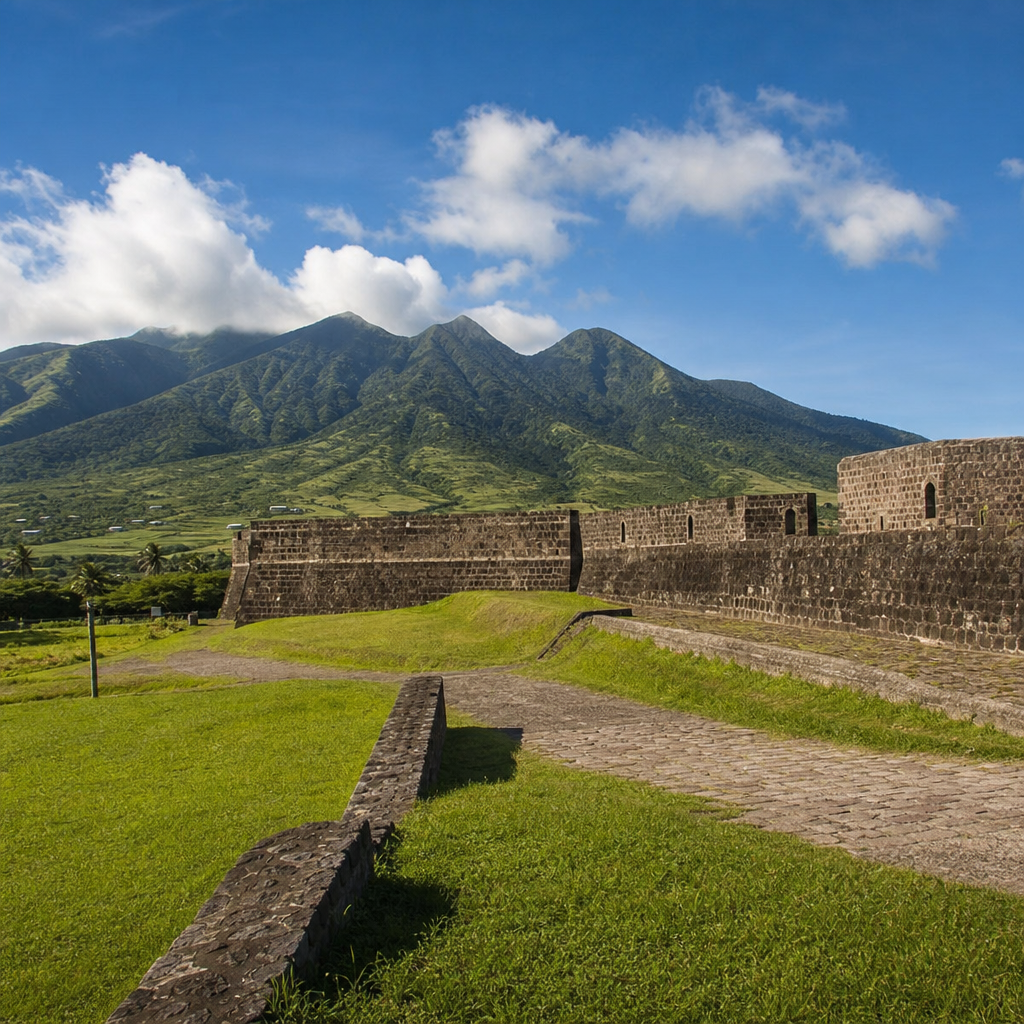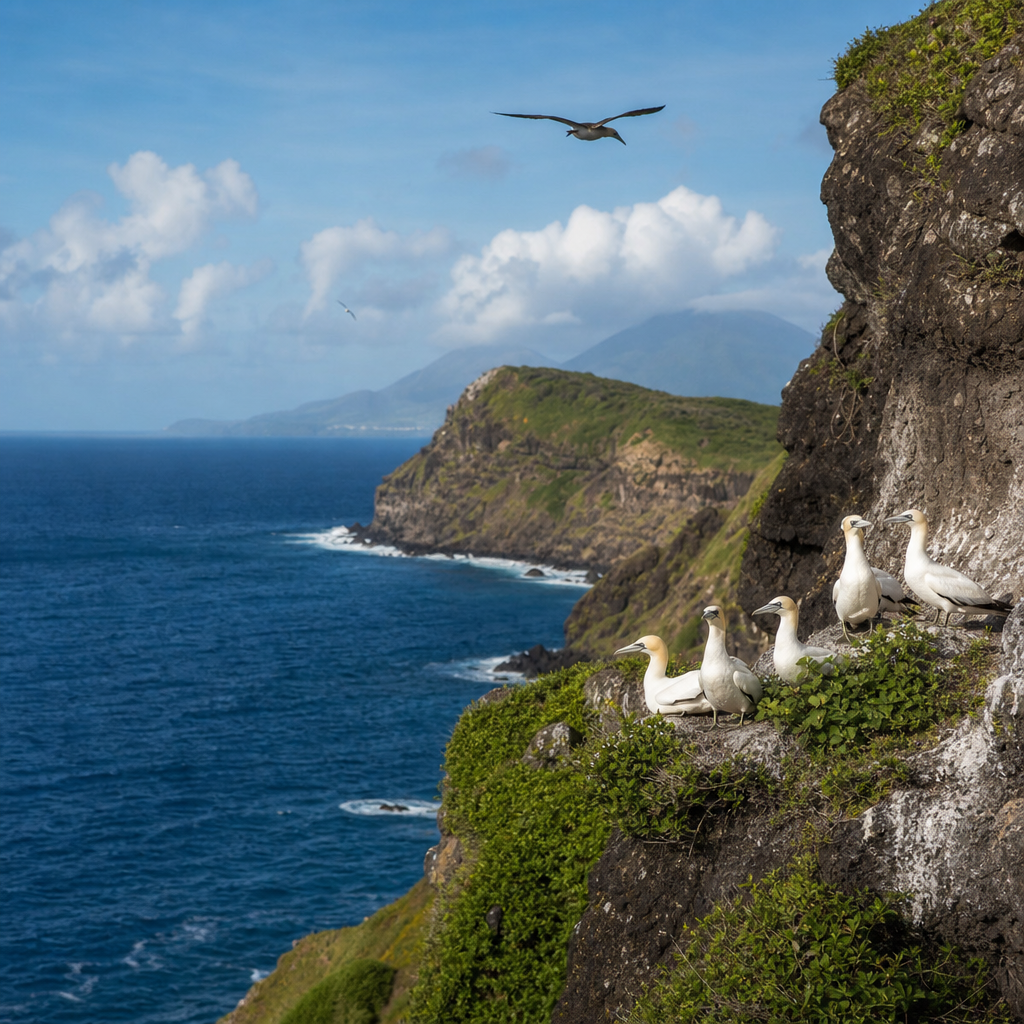
The coastal cliffs of Saint Kitts are one of the island’s most rewarding landscapes, combining dramatic geology, thriving seabird habitat, and panoramic views that explain why the federation remains a standout destination in the eastern Caribbean. On a relatively small volcanic island, these sea-facing escarpments create abrupt transitions between dry coastal scrub, pounding Atlantic surf, and elevated lookouts where visitors can scan for nesting birds, passing frigatebirds, and seasonal marine life below. For travelers interested in nature and wildlife, the cliffs are more than a scenic stop. They function as a compact field guide to island ecology, showing how wind exposure, salt spray, erosion, and human land use shape habitats in visible ways.
When people search for the best coastal cliffs in Saint Kitts, they are usually asking several practical questions at once: where to go, what birds to expect, when conditions are best, and how to explore safely without disturbing wildlife. From years of reading Caribbean site management plans and walking exposed coastlines on similar volcanic islands, I can say the value of a cliff landscape is rarely just in the view. The real appeal comes from how many natural processes can be observed in one place. On Saint Kitts, that includes seabird movement along updrafts, wave energy carving lava-derived rock, and sharp contrasts between the greener interior slopes and drier coastal margins. That combination makes this subject a useful hub within the broader Nature and Wildlife topic, especially for readers planning related trips to beaches, rainforest trails, marine reserves, and birding sites.
Saint Kitts, formally Saint Christopher Island, is part of the Lesser Antilles and is defined by volcanic origins, a central mountain range, and a coast that shifts quickly from sandy bays to rugged headlands. Coastal cliffs form where resistant rock meets constant marine erosion, often creating ledges, crevices, and inaccessible shelves that birds use for roosting and nesting. Seabirds, in simple terms, are bird species that spend much of their lives feeding over saltwater and rely on coastal habitats for nesting, resting, or soaring on marine winds. Scenic views in this context are not just aesthetic. They are indicators of elevation, exposure, and habitat diversity, all of which influence what wildlife people may see. Understanding those terms helps visitors appreciate why these cliff zones deserve careful attention rather than a quick roadside photo.
Why the coastal cliffs matter for wildlife and landscape
The coastal cliffs of Saint Kitts matter because they concentrate ecological value in a narrow band of land. Cliffs provide nesting and roosting refuge that is harder for predators and people to access than beaches or low coastal flats. They also generate rising air currents that large birds exploit efficiently. Magnificent frigatebirds, brown pelicans, terns, and tropicbirds can often be identified as much by their flight behavior as by their shape. Frigatebirds, for example, use thermals and slope lift to stay aloft with minimal flapping, while pelicans are more often seen gliding low or diving near productive waters. Even when a cliff face itself has limited vegetation, the adjoining scrub and grassland often support insects, lizards, and small prey species that feed a wider coastal food web.
From a scenic perspective, Saint Kitts offers exceptional visual compression. In a short span, a visitor can look inland to forested volcanic slopes, outward to the Atlantic or Caribbean Sea, and downward to wave-cut rock platforms or surge channels. This matters for interpretation because topography tells the story of the island’s formation. The same volcanic forces that created Mount Liamuiga and the island’s ridges also produced coastal rock structures later shaped by surf, rainfall, and salt weathering. On clear days, elevated points can frame neighboring islands such as Nevis, Sint Eustatius, and Saint Barthélemy, adding regional context. Scenic value and ecological value reinforce each other here; the places that offer the widest views are often the same places that reveal bird movement, current lines offshore, and habitat boundaries on land.
Where to experience Saint Kitts cliff scenery
Travelers do not need a single famous overlook to appreciate the island’s cliff landscapes, because the best experience comes from treating the coast as a network of habitats rather than one landmark. Areas around the Southeast Peninsula are especially useful for this, with elevated road sections, rocky coves, dry scrub, and open sea exposure creating repeated opportunities for wildlife watching. The peninsula’s narrower profile means visitors can often compare the calmer Caribbean side with the rougher Atlantic-facing side within the same outing. That contrast is valuable for understanding how wave exposure influences bird use, shoreline shape, and vegetation density.
Other rewarding zones include headlands near Black Rocks, where volcanic formations and surf energy create a more austere, geological feel, and selected points along the north and northeast coast where trade winds and open water increase the likelihood of seeing active seabird flight. Access varies, and not every photogenic edge is safe or permitted, so the most reliable approach is to combine official viewpoints, established roadsides, and guided nature excursions. Local guides often know where birds are commuting, which cliff sections catch the morning light, and how weather affects visibility. That local knowledge is important on Saint Kitts, where conditions can shift quickly between bright sun, squalls, and strong gusts.
| Coastal area | Main appeal | Likely wildlife interest | Best use for visitors |
|---|---|---|---|
| Southeast Peninsula | Broad sea views, exposed ridges, contrasting shorelines | Frigatebirds, pelicans, terns, shorebirds | Scenic driving, birdwatching, sunrise and late afternoon stops |
| Black Rocks area | Dramatic volcanic coastline and wave action | Seabirds in transit, occasional coastal waders | Geology-focused sightseeing and photography |
| Northeast headlands | Open Atlantic exposure and strong winds | Soaring seabirds, seasonal migrants | Wildlife observation from secure viewpoints |
| Selected southern coves | Mixed cliff, beach, and scrub habitat | Terns, pelicans, reptiles, marine sightings offshore | Combined nature stops during island touring |
Seabirds and other wildlife to watch for
The most memorable wildlife around Saint Kitts coastal cliffs is usually avian. Magnificent frigatebirds are often the signature species because they are conspicuous, elegant, and strongly tied to windy coastal airspace. Their long wings and forked tails make them easy to pick out even at distance. Brown pelicans are another regular highlight, especially where nearshore fish schools attract feeding activity. Depending on season and location, visitors may also see terns, gulls in smaller numbers, and migratory shorebirds using adjacent flats or rocky margins. In the wider Saint Kitts and Nevis area, birders also watch for species such as the brown booby and red-billed tropicbird, though sightings are less predictable from casual roadside observation and depend on local conditions.
Good seabird watching depends on method, not luck alone. Arrive early when light is softer and heat shimmer is reduced, use binoculars in the 8×42 or 10×42 range, and spend time scanning flight paths instead of staring only at the cliff edge. I have found that many first-time observers miss the main show because they focus on where birds might perch rather than where they travel. On active days, birds will work the wind line just off the cliff, circle over rising air, then drift toward feeding grounds. Offshore, keep an eye out for turtle heads at the surface or brief flashes that suggest predatory fish pushing bait upward. Even when mammals are absent, bird behavior can reveal marine productivity below.
Terrestrial wildlife deserves attention too. Dry coastal vegetation on Saint Kitts can support reptiles, insects, and hardy plant communities adapted to salinity and drought stress. These species may seem secondary compared with seabirds, but they are part of the same story. Cliff-top scrub stabilizes soil, offers shelter, and influences runoff into the marine environment. If visitors treat the area as only a lookout, they miss how interconnected the system is. Wildlife watching here is best approached as layered observation: sky, cliff face, nearshore water, and vegetation each provide different clues.
Best times to visit, weather patterns, and photography conditions
The best time to visit Saint Kitts coastal cliffs for clear views and bird activity is usually the drier season, generally from December through April, when skies are often brighter, humidity can be lower, and sea conditions are more readable from shore. That said, wildlife does not disappear outside that window. The wetter months can bring greener landscapes, dramatic cloud formations, and migratory movement, but they also increase the chance of sudden showers, slippery ground, and reduced visibility. Trade winds are a defining factor year-round. They can make the cliffs feel cooler and more comfortable, yet they also create exposure that demands caution around edges and elevated paths.
For photography, early morning and late afternoon are consistently superior to midday. Low-angle light reveals rock texture, separates birds from the background, and produces more depth in sea color. Sunrise is especially strong on Atlantic-facing viewpoints, while sunset tones can work beautifully on western exposures when haze is limited. A practical setup includes a mid-range zoom for landscapes, a telephoto for birds, lens cloths for salt spray, and a strap or harness because gusts can destabilize gear. Smartphone photography works well for wide scenic shots, but bird detail usually requires optical reach. If the goal is publication-quality wildlife imagery, patience and repeated short sessions outperform one rushed island circuit.
How to explore responsibly and safely
Responsible exploration is essential on any cliff coast, and Saint Kitts is no exception. The first rule is simple: stay back from unstable edges. Volcanic and sedimentary coastal rock can look solid while undercutting or crumbling beneath thin surface layers. Strong gusts, loose gravel, and sudden distraction from birds or phones increase the risk. Wear shoes with real grip, avoid climbing down unofficial paths, and never assume a photo spot used by someone else is safe. If waves are surging against rock platforms below, conditions can change in seconds. Rogue sets and slippery algae make low coastal ledges particularly hazardous.
Wildlife ethics matter just as much as personal safety. Nesting and roosting birds should not be flushed for a closer look or a better image. Disturbance forces birds to waste energy, exposes eggs or chicks, and can lead to site abandonment in heavily pressured areas. Use binoculars, keep voices low, and choose established vantage points whenever possible. Leave no litter, including fruit peels and tissue, because waste changes animal behavior and degrades fragile sites. Visitors traveling with drones should be especially cautious; in many wildlife-sensitive places, drones are inappropriate or restricted because they stress birds and invade the experience of others. The best field practice is simple observation with minimal interference.
Building a Nature and Wildlife itinerary around the cliffs
As a hub topic within Saint Kitts Nature and Wildlife travel, the coastal cliffs connect naturally with several related experiences. A strong itinerary might pair a cliff morning with a rainforest walk in the central highlands, showing the island’s shift from dry, salty exposure to humid broadleaf habitat in a single day. Another logical pairing is a beach and marine excursion, where cliff-top observation of seabirds is followed by snorkeling or a boat trip that reveals the nearshore environment from sea level. History also fits well. Brimstone Hill Fortress National Park adds cultural depth while providing elevated landscape interpretation and long-distance views that complement the rawer feel of the coast.
For readers using this page as a hub for miscellaneous wildlife planning, the key idea is range. Saint Kitts is compact enough that cliffs, wetlands, scenic roads, gardens, volcanic viewpoints, and offshore experiences can be combined without exhausting transfers. That flexibility helps different kinds of travelers. Birders can build dawn and dusk sessions around midday cultural stops. Families can use cliff viewpoints as short, high-impact nature breaks between beach time and dining. Photographers can revisit the same headland in different light instead of racing to cover the entire island. The benefit of the coastal cliffs is not only what they offer directly, but how well they anchor broader exploration across the island’s habitats.
The coastal cliffs of Saint Kitts deliver exactly what many nature travelers hope to find in the Caribbean but do not always encounter in one place: striking scenery, visible ecological processes, and accessible wildlife watching that rewards both casual visitors and serious observers. They show the island at its most elemental, where volcanic landforms meet persistent surf and seabirds turn wind into motion. For anyone building a Saint Kitts Nature and Wildlife itinerary, these cliff landscapes deserve a central place because they connect geology, birdlife, photography, and outdoor recreation in a single setting.
The main takeaway is straightforward. If you want to understand Saint Kitts beyond beaches and resort views, spend time on its coastal headlands and cliffs. Go in good light, bring binoculars, use established viewpoints, and give wildlife plenty of space. You will come away with more than dramatic photos. You will gain a clearer sense of how this island works as a living system, from dry scrub at your feet to seabirds riding the updrafts offshore. Use this hub as your starting point, then map out related stops across the island’s wider network of wildlife sites, scenic routes, and coastal experiences.
Frequently Asked Questions
What makes the coastal cliffs of Saint Kitts so special compared with other Caribbean landscapes?
The coastal cliffs of Saint Kitts stand out because they bring several defining Caribbean experiences together in one setting: volcanic landforms, open Atlantic drama, rich birdlife, and wide-angle island views. On many islands, beaches dominate the conversation, but Saint Kitts offers a more rugged and geologically expressive coastline in places where steep escarpments meet powerful surf. These cliffs reveal the island’s volcanic origins in a very visible way, with elevated edges, weathered rock faces, and abrupt drops that create a striking contrast between land and sea.
They are also ecologically important. The transition from dry coastal vegetation to exposed cliff habitat and offshore air currents creates ideal conditions for seabirds to travel, feed, and in some areas nest nearby. For visitors, that means the experience is not just scenic but active and layered. You are not simply looking at a pretty horizon; you are watching wind, water, geology, and wildlife interact in real time. Add in viewpoints that can stretch across the ocean, neighboring islands, and rolling interior slopes, and the cliffs become one of the most rewarding places on Saint Kitts for travelers who want more than a standard beach day.
What kinds of seabirds can visitors expect to see around the cliffs?
The coastal cliffs of Saint Kitts can be excellent places to observe seabirds, especially when conditions are clear and winds encourage birds to glide along the shoreline. One of the most memorable species visitors may spot is the frigatebird, known for its long wings, forked tail, and almost effortless soaring style. Frigatebirds often patrol coastal updrafts and can appear to hang in the air as they ride the currents above the sea-facing slopes.
Depending on the season, time of day, and exact location, visitors may also encounter terns, tropicbirds, gull-like coastal species, and other marine-associated birds moving between feeding grounds and resting sites. Some birds may be seen circling offshore, while others pass directly along the cliff line where rising air helps them conserve energy. The cliffs are especially appealing to birdwatchers because the height advantage makes scanning easier, allowing people to look both out to sea and down toward the waterline.
It is important to remember that bird activity changes with weather, migration timing, and local nesting patterns. Early morning and late afternoon are often productive periods for observation, as the light is softer and bird movement can be easier to track. Bringing binoculars greatly improves the experience, and patient watching usually reveals more than a quick stop for photos. Even casual visitors often come away impressed by how dynamic the airspace above the cliffs can be.
When is the best time to visit the coastal cliffs of Saint Kitts for views and wildlife watching?
The best time to visit depends on what you hope to prioritize, but in general, dry and clear days offer the most satisfying combination of scenery, comfort, and visibility. During brighter weather, the cliffs provide expansive views over the Atlantic, and the contrast between blue water, dark volcanic rock, and dry coastal vegetation is especially dramatic. These are also the conditions that make it easier to scan for distant birds and any seasonal marine life offshore.
For many visitors, early morning is one of the best windows for exploration. Temperatures are usually more comfortable, the light is excellent for photography, and the atmosphere can feel calmer before midday heat intensifies. Late afternoon is another strong option, particularly for panoramic views and bird activity, as changing light gives the cliffs more depth and texture. The lower sun angle can also make the sea surface easier to read when looking for movement offshore.
If wildlife is your main interest, flexibility helps. Seabird visibility can improve on breezier days when air currents support gliding birds along the cliff edge, but safety should always come first in exposed areas. Seasonal conditions may also influence what is seen offshore, including marine life movements at certain times of year. In short, aim for clear weather, bring time and patience, and avoid treating the cliffs as a rushed roadside stop. The landscape rewards visitors who slow down and observe.
Are the coastal cliffs of Saint Kitts suitable for casual visitors, or are they better for experienced hikers and birders?
The coastal cliffs can appeal to a wide range of visitors, but the experience varies by access point and terrain. Some lookout areas and cliffside viewpoints may be appropriate for casual sightseers who simply want dramatic scenery, fresh ocean air, and a chance to take photographs. These locations can provide a memorable visit without requiring advanced hiking ability, especially when reached by road or short walks over manageable ground.
That said, not every cliff area is equally easy or safe to explore. Volcanic islands often have uneven surfaces, loose rock, scrub-covered paths, and exposed edges, so some parts of the coastline are better suited to travelers who are comfortable walking on rough terrain. Birders and nature-focused visitors may also prefer quieter, less developed spots where patience and a willingness to stand, scan, and move slowly are part of the experience. For them, the cliffs offer a deeper reward because the setting is as much about observation as it is about scenery.
The best approach is to match the outing to your comfort level. Wear sturdy shoes, carry water, protect yourself from sun and wind, and avoid venturing too close to unstable edges. Families, photographers, casual nature lovers, and experienced birdwatchers can all enjoy the cliffs, but it helps to choose a location and route that fit your abilities and expectations. With sensible preparation, the area can be both accessible and memorable.
What should visitors bring and keep in mind when exploring Saint Kitts’ coastal cliffs?
A little preparation goes a long way on Saint Kitts’ coastal cliffs because these landscapes are beautiful, exposed, and sometimes deceptively rugged. Essentials include sturdy footwear with good grip, water, sun protection, and lightweight clothing suited to heat and wind. A hat and sunglasses are especially useful because cliff viewpoints often have minimal shade and strong reflected light from the sea. If birdwatching is part of the plan, binoculars are one of the most valuable items you can bring, and a camera with a zoom lens can help capture both seabirds and distant coastal details.
Visitors should also keep safety front of mind. Cliff environments can change quickly with wind, wave conditions, and footing underfoot. Stay well back from edges, avoid climbing on unstable rock, and be cautious after rain, when surfaces may be slick. Because the scenery is so compelling, it is easy to become distracted while taking photos or scanning the horizon, so it helps to stop in secure positions before focusing on wildlife or views.
Just as important is respecting the habitat. Seabirds are sensitive to disturbance, especially near resting or nesting areas, so visitors should avoid loud behavior, not approach wildlife too closely, and leave the area exactly as they found it. Taking time to observe responsibly not only protects the ecosystem but also usually leads to a better experience. The cliffs of Saint Kitts are most rewarding when approached with curiosity, patience, and care for the landscape that makes them so exceptional.