Nestled in the Caribbean, the island of Nevis offers more than just breathtaking landscapes and serene beaches. It holds a rich tapestry of history and culture that’s been slowly unveiled over the years through various archaeological explorations. The tantalizing pieces of a past long gone and stories waiting to be told have gradually come into focus, thanks to diligent work by archaeologists and historians. From ancient Indian settlements to colonial artifacts, each discovery adds to the complex mosaic that is Nevis’s past.
The journey of uncovering Nevis’s historical secrets began decades ago, stirring the curiosity of both locals and scholars. The archaeological findings on this island are not just remnants of bygone eras; they are keys that unlock fascinating narratives of human resilience, cultural exchange, and evolution. Delve deeper with us into the intriguing discoveries in Nevis and explore what these relics tell us about the rich cultural heritage of this unique Caribbean paradise.
A Glimpse into Pre-Columbian Nevis
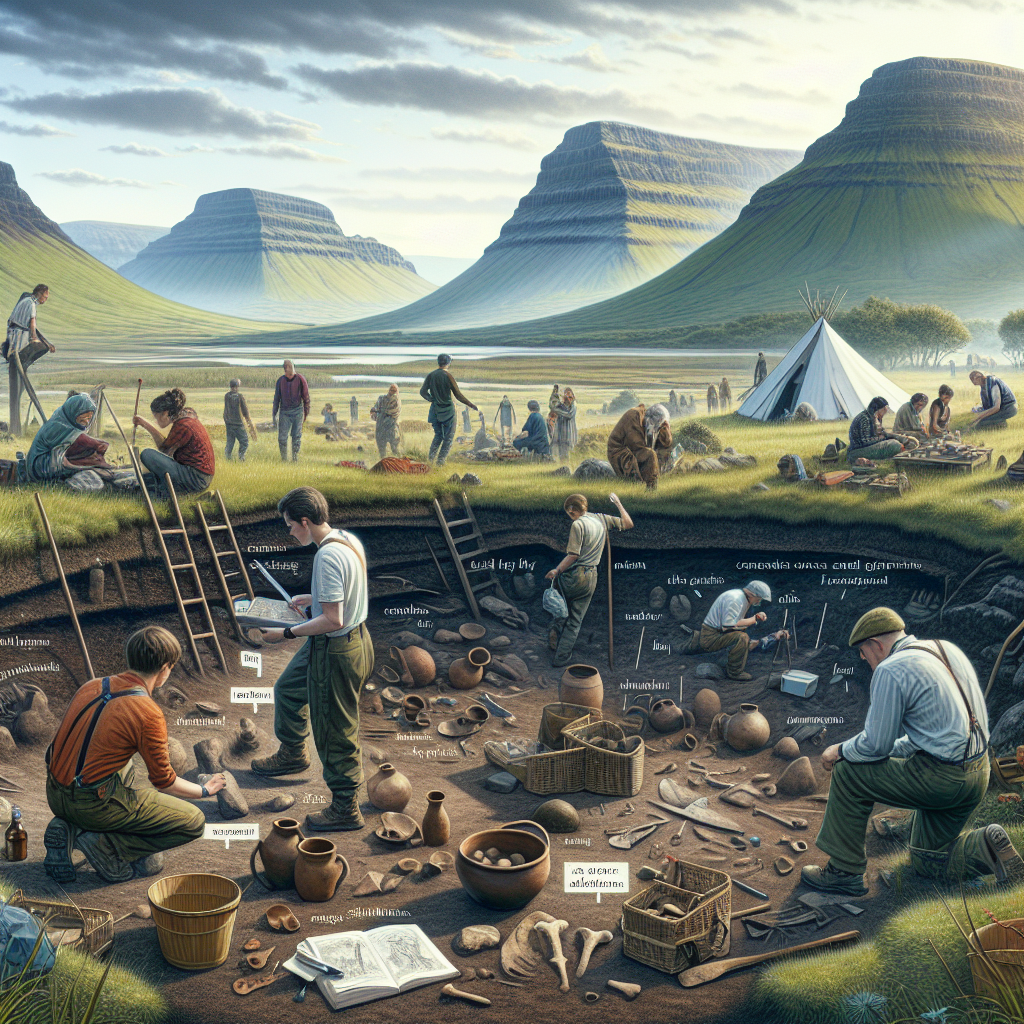
Long before the arrival of Europeans, Nevis was home to indigenous peoples often referred to as the Arawaks and Caribs. Archaeological evidence, including pottery shards, tools, and remnants of ancient structures, tells us that these early inhabitants had a structured society with complex systems of trade and beliefs.
Sites such as Indian Castle and Coconut Walk are treasure troves of artifacts that paint a vivid picture of pre-Columbian life. The discovery of ancient ceramic pieces and tools made from conch shells and stone provide insight into the everyday lives of these early settlers. Intriguing findings like ceremonial items give hints about their spiritual practices and social organization. These pieces offer a peek into how these communities interacted with their environment, utilized natural resources, and left an indelible mark on Nevis’s historical landscape.
The Impact of European Colonization
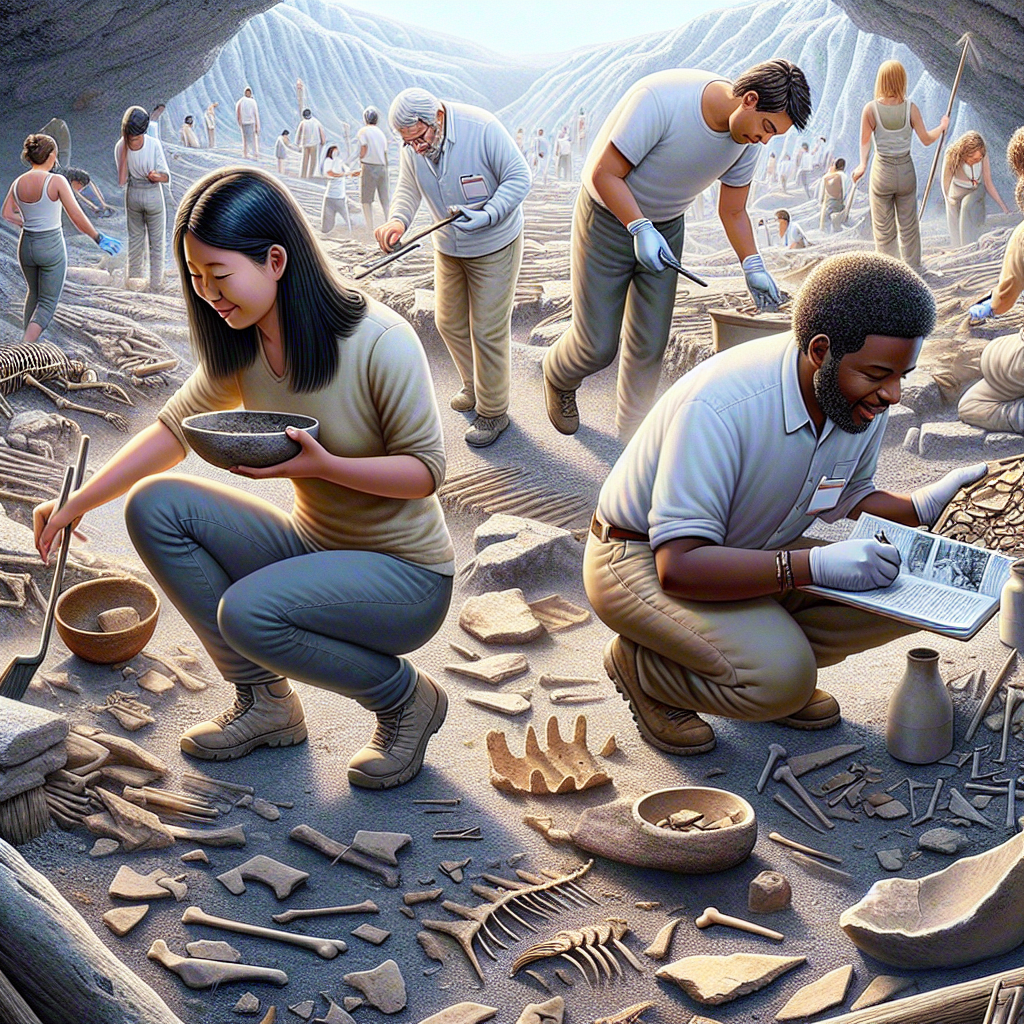
The colonization period marked a significant transformation for Nevis, characterized by the arrival of European settlers primarily from Spain, Britain, and France. Archaeological investigations in the form of excavations at historic sites such as Fort Charles have uncovered military artifacts, building foundations, and personal items that provide a glimpse into this tumultuous era.
These excavations reveal the strategic importance of Nevis during the colonial period. Military structures, fortifications, and even remnants of early European settlements offer a detailed view of life during these centuries. The artifacts discovered, including cannons, coins, and household items, shed light on the interactions between the colonizers and the indigenous populations, as well as the day-to-day challenges faced in these newly established colonies.
Plantation Economy and Slavery
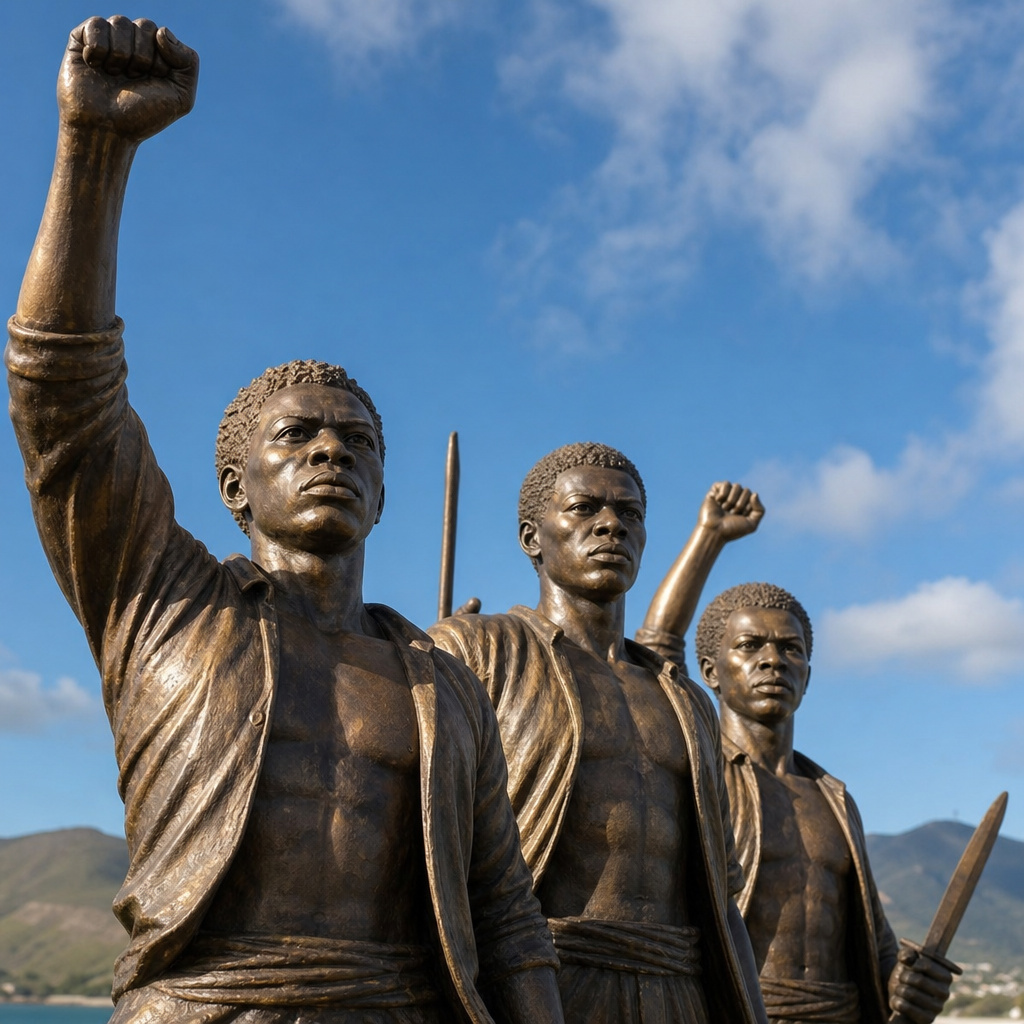
The advent of European colonization brought significant changes, including the rise of the plantation economy. Sugar, cotton, and indigo plantations became the backbone of Nevis’s economy, largely sustained by the labor of enslaved Africans. Archaeological sites such as New River Estate and Eden Brown Estate offer a poignant reminder of this chapter in Nevis’s history.
Excavations of these plantation sites have uncovered the foundations of plantation houses, sugar mills, and slave quarters. These relics are a somber reminder of the island’s slave-driven economy. Items such as shackles, currency, and personal belongings of enslaved individuals give an insight into their lives and struggles. The physical evidence unearthed at these sites serves as a crucial tool in educating future generations about the brutal realities of slavery and the significant contributions of African descendants to Nevis’s cultural heritage.
Post-Emancipation Era
The abolition of slavery in the 19th century was a turning point in Nevis’s history, reshaping its socio-economic landscape. The post-emancipation period heralded a new era of transformation and adaptation, visible through various archaeological finds. Village sites that sprung up in the aftermath of emancipation have been explored, revealing a new way of life for freed slaves and their descendants.
Artefacts from this period, such as household items, farming tools, and structural remains, tell stories of resilience and the quest for a livelihood independent of the plantation system. These discoveries highlight the resourcefulness and adaptability of Nevisians in the face of new economic and social challenges. By examining these post-emancipation sites, archaeologists can understand better how these communities managed to build new lives for themselves and their descendants.
Preservation and Continuation of Heritage
The rich archaeological heritage of Nevis is not only about uncovering the past but ensuring that it is preserved for future generations. Preserving and studying these archaeological sites provides essential insights into the island’s history and helps to maintain a sense of identity and cultural continuity for its current inhabitants.
Various initiatives are in place to protect these vital historical treasures. Organizations and local authorities are working together to promote awareness and fund conservation projects. An example is the Nevis Historical and Conservation Society, which plays a pivotal role in safeguarding Nevis’s archaeological and historical sites. Through education, outreach programs, and sustainable tourism initiatives, the society ensures that the island’s historical narrative continues to resonate with both locals and visitors.
Conclusion
The archaeological discoveries in Nevis are like pieces of a giant historical puzzle, each adding something unique to the bigger picture of the island’s past. These finds reveal a timeline marked by indigenous settlements, European colonization, slavery, emancipation, and the everlasting spirit of resilience and adaptation that defines Nevisian culture today.
As we uncover and study these archaeological treasures, we gain a deeper appreciation of the complex history that shapes Nevis. Each artifact tells a story, and together they narrate the journey of the people who have called this island home over the centuries. Whether you’re a history enthusiast, a curious traveler, or a local wanting to connect with your roots, the archaeological heritage of Nevis offers a captivating window into the past.
By investing in the preservation and study of these invaluable remnants, Nevis continues to honor its rich history, ensuring that the narratives of its predecessors inspire future generations. It’s a journey of discovery that both residents and visitors can partake in, weaving a richer, more inclusive tapestry of Nevisian culture and history.