Nevis’ plantation homes are among the clearest surviving records of the island’s colonial past, telling stories of wealth, labor, architecture, agriculture, and adaptation that still shape local identity today. In the broadest sense, plantation homes are the main residences built on large agricultural estates, usually associated in Nevis with sugar production from the seventeenth through nineteenth centuries. Yet on Nevis, these homes are more than old houses. They are cultural landmarks that reveal how land was organized, how trade connected the island to Europe and the wider Caribbean, how enslaved Africans and later wage laborers sustained the economy, and how communities transformed these spaces after emancipation and economic decline. I have walked several of these properties and studied how visitors respond to them: they do not remember only stone walls or verandas, but the contrast between beauty and the hard systems that financed it. That tension is why plantation homes matter. They offer a direct, physical way to understand Nevisian history beyond dates and textbooks, and they serve as a hub topic because nearly every related subject in the island’s culture and history—sugar, slavery, architecture, genealogy, tourism, religion, landscape, and heritage conservation—intersects here.
What Plantation Homes Reveal About Nevisian History
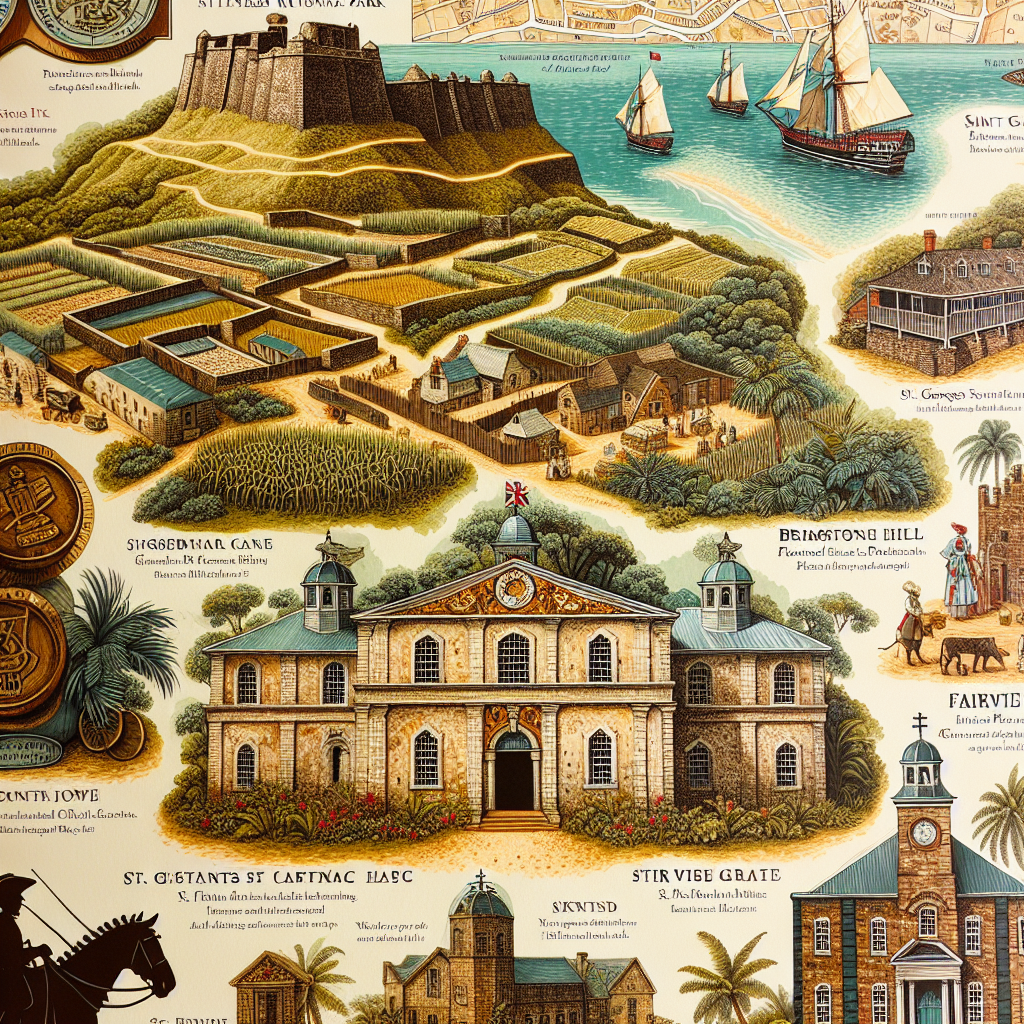
To understand Nevis’ plantation homes, start with the rise of sugar. By the late seventeenth century, sugar had become the economic engine of many Eastern Caribbean colonies, and Nevis was no exception. Plantation estates were not isolated farms. They were integrated business units that included cane fields, boiling houses, curing houses, mills, cisterns, kitchens, stables, workers’ quarters, and the great house itself. The plantation home functioned as the estate’s administrative and social center. From there, owners, attorneys, or managers supervised production, tracked exports, hosted merchants, and enforced a strict hierarchy of race, class, and labor.
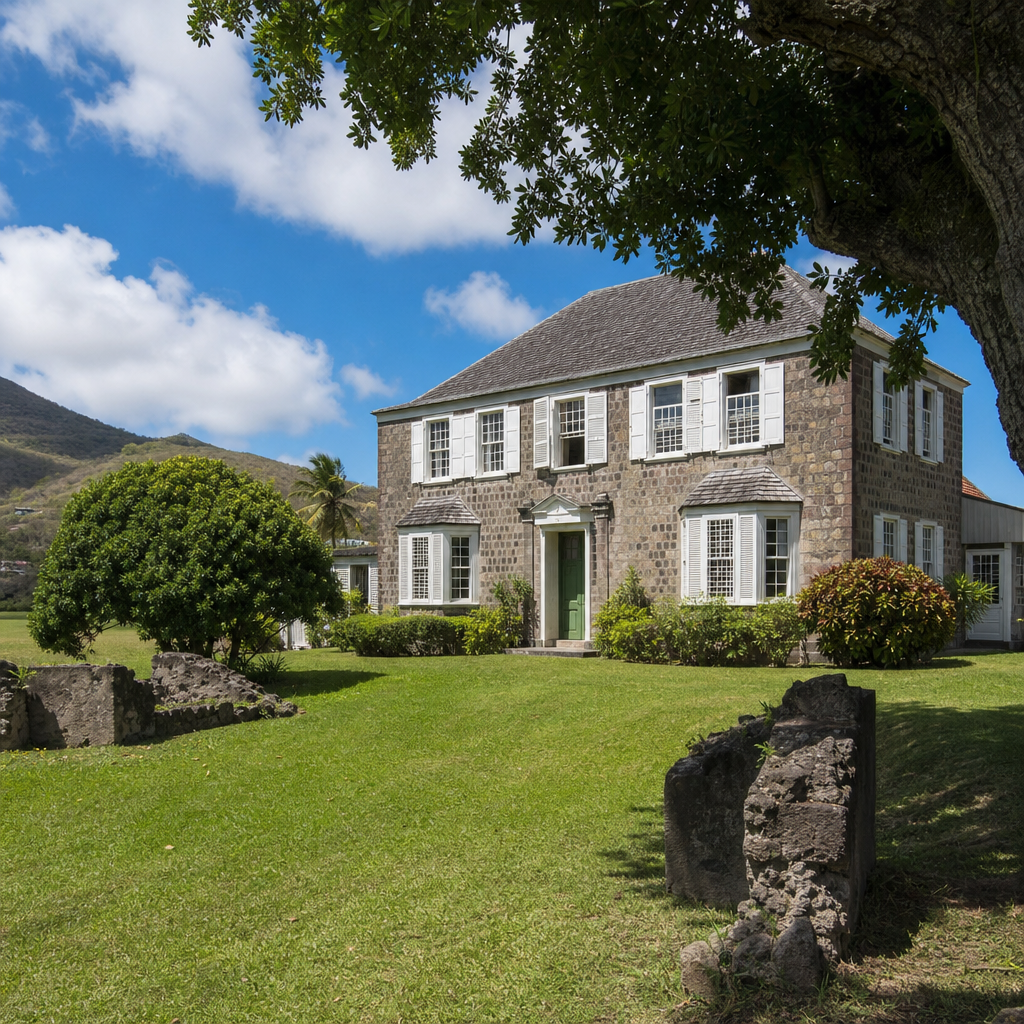
The homes therefore reveal more than lifestyle. Their locations often reflect strategic planning: elevated sites for breezes, wide visibility over fields, and some separation from the industrial noise and heat of sugar works. Their materials also tell a story. On Nevis, builders frequently used volcanic stone, lime mortar, timber framing, and clay roof tiles where available. Thick masonry walls helped moderate temperature, while galleries and deep verandas addressed sun and rain. After repeated exposure to hurricanes, earthquakes, and tropical humidity, only a fraction survived intact, but even ruins retain important evidence of engineering and adaptation.
These estates also illuminate the island’s human geography. Nevis was tied to Atlantic systems of trade and coercion. Imported goods, enslaved labor, and exported sugar all moved through plantation networks. The home at the center of an estate was therefore linked to distant markets in Britain as surely as to local provision grounds. When travelers look at a restored dining room or a formal staircase, the historical reading must remain complete: such features were funded by plantation profits extracted from brutal labor regimes. Any serious interpretation of Nevis’ plantation homes has to keep architecture and human cost in the same frame.
Architecture, Climate, and Estate Design
One reason plantation homes fascinate historians and travelers is that they show how Caribbean architecture evolved under pressure from climate, materials, and social expectations. On Nevis, estate houses often combined British Georgian influences with practical West Indian modifications. Symmetry, proportion, and formal room arrangements reflected metropolitan taste, but the island environment demanded local solutions. Large shuttered windows promoted cross-ventilation. Covered porches reduced heat gain. Raised foundations helped with drainage and airflow. Separate service buildings reduced fire risk in an age of open-flame cooking.
I have found that visitors often assume these homes were simply imported European models transplanted into the tropics. In reality, they were hybrid structures. Builders had to respond to salt air, termites, heavy rain, seismic activity, and storms. The result was a regional building language that was elegant but utilitarian. A plantation home in Nevis might present a stately façade while relying on pragmatic details such as thick walls, cistern systems, stone outbuildings, and durable local finishes. Those features now help conservationists identify what is original, what was rebuilt, and what was modified for later hotel or residential use.
Estate design also reflected social order. The great house was usually positioned to command the landscape visually and symbolically. Work areas lay below or at some distance, though not so far that oversight became difficult. Gardens, carriage approaches, and boundary walls reinforced status. Even where only foundations remain, archaeologists can infer movement patterns and labor organization from site layout. This makes plantation homes valuable not just for architectural history but for landscape history, a field that studies how power is expressed through space.
| Feature | Purpose on Nevis Estates | What It Reveals Today |
|---|---|---|
| Deep verandas or galleries | Shade, cooling, outdoor living | Climate adaptation and social display |
| Stone walls with lime mortar | Durability and thermal stability | Local materials and construction methods |
| Shuttered windows | Ventilation and storm protection | Balance between comfort and resilience |
| Detached kitchens | Reduce heat and fire risk | Practical estate planning |
| Elevated siting | Breezes, views, oversight | Status and managerial control |
Notable Plantation Sites and Surviving Great Houses
Several Nevis estates help bring this history into focus. The best-known example for many international visitors is Montpelier, a former sugar plantation whose historic structures have been adapted for hospitality. Its enduring stonework and estate setting demonstrate how plantation properties can be repurposed without erasing their origins, provided interpretation remains honest. The site is also linked in popular memory to Admiral Horatio Nelson’s marriage on Nevis, a reminder that plantation landscapes were connected to larger imperial narratives.
Another major property is Golden Rock, also a former plantation site that today blends heritage landscape with tourism use. While many guests experience it as a serene retreat, historians read the terrain differently as well: terracing, masonry, and surviving estate elements point to a productive sugar past. Nisbet Plantation, associated with one of the island’s established estate families, is similarly significant because it shows how former plantation grounds can enter the modern visitor economy while still carrying visible traces of their original function. New River, though more often discussed for its windmill and sugar works, belongs in the same conversation because plantation homes cannot be understood apart from the industrial complexes that sustained them.
Some homes survive as ruins rather than restored lodgings, and those sites are just as important. In fact, ruins often preserve authenticity in a rawer form. Roofless walls, broken steps, and overgrown courtyards can reveal construction phases, storm damage, abandonment patterns, and rebuilding episodes that later renovations may conceal. For researchers, these places are archives in stone. For families tracing ancestry, they are emotional landscapes that connect surnames, oral history, and estate records. For cultural travelers, they answer a common question directly: what did plantation life on Nevis actually look like? The answer is not one mansion, but a network of homes and service spaces spread across the island, each reflecting a slightly different chapter of ownership, labor, and decline.
Labor, Enslavement, and the Lives Behind the Walls
No article about Nevis’ plantation homes is complete without centering the people whose forced labor made these estates possible. The elegance of a great house was inseparable from the violence of plantation slavery. Enslaved Africans and Afro-Caribbean people cleared land, planted and cut cane, operated mills, fed boilers, maintained buildings, cooked meals, raised children, cared for animals, and performed countless domestic and agricultural tasks under coercive conditions. The plantation home was both a residence and a command center within that system.
When interpreting these sites, I always advise against focusing only on owners, furniture, or imported ceramics. The deeper historical value lies in reconstructing daily life across the whole estate. Where were enslaved workers housed? How was water collected? What foods were grown in provision grounds? Which paths connected the great house to the boiling house, to burial grounds, to villages that formed later? These questions turn a static ruin into a lived historical landscape. They also align with current best practice in Caribbean heritage interpretation, which emphasizes inclusive storytelling rather than nostalgic estate tourism.
After emancipation in the British Caribbean in the 1830s, plantation homes did not simply lose meaning. Many became symbols of a changing order. Some remained occupied by estate managers or owners during a long decline in sugar profitability. Others were subdivided, abandoned, reused, or absorbed into new forms of landholding. The social memory of these homes therefore includes slavery, freedom, migration, and adaptation. That layered memory is essential to the Culture and History hub because it connects plantation studies to family history, church records, local place names, and post-emancipation village formation across Nevis.
From Sugar Estates to Heritage Tourism
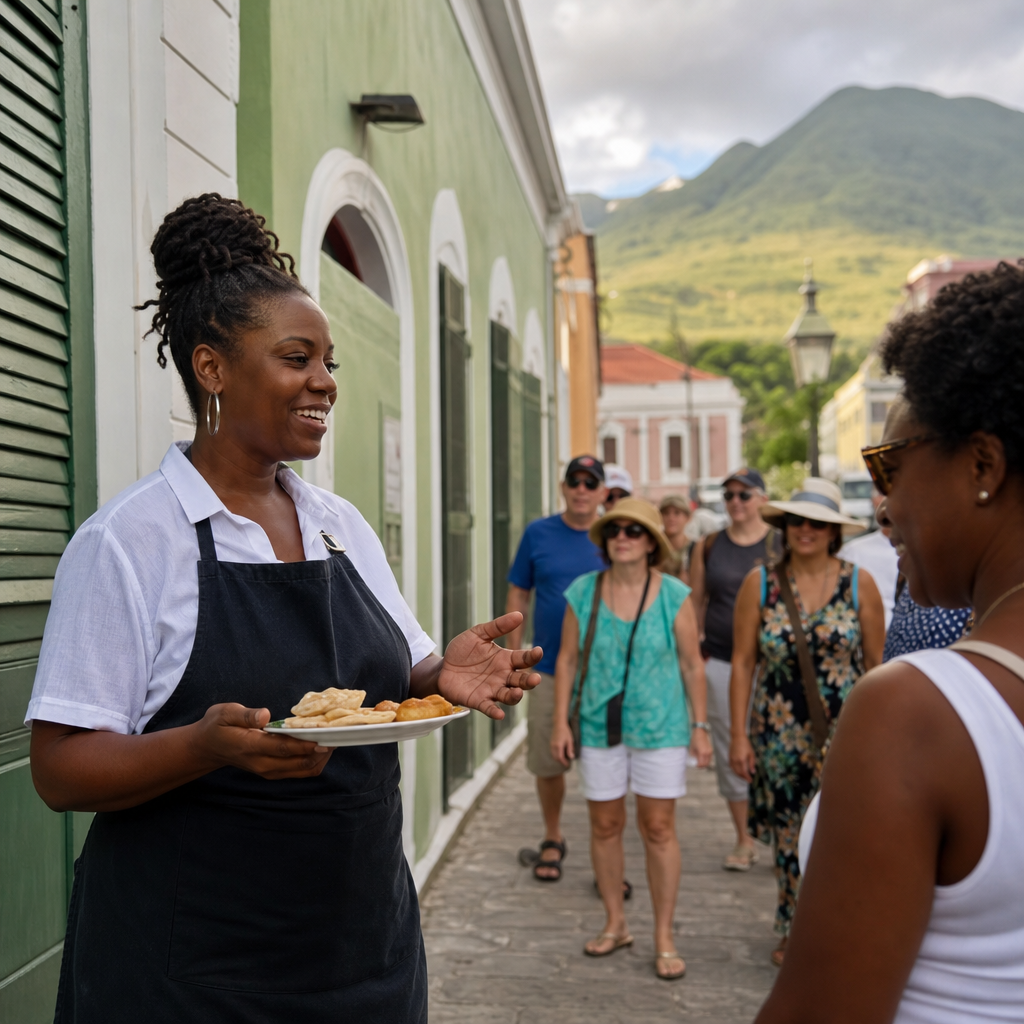
Today, many people first encounter Nevis’ plantation homes through tourism, especially boutique hotels, guided heritage tours, landscape photography, weddings, or culinary events. This modern use creates opportunity and risk. The opportunity is clear: adaptive reuse can fund preservation. Maintaining a stone estate house in a tropical climate is expensive. Roofs fail, mortar decays, timber rots, and vegetation damages masonry quickly. Income from hospitality can support stabilization, archival research, landscaping, and interpretation that would otherwise be financially difficult.
The risk is equally clear. If a plantation home is marketed only as romantic luxury, the history becomes distorted. Good heritage practice requires balance. Visitors should learn about architecture and gardens, but also about cane cultivation, the Atlantic economy, enslavement, emancipation, and the labor that sustained elite lifestyles. The strongest examples in the Caribbean do this by integrating plaques, trained guides, archival photographs, museum rooms, or partnerships with local historians. Nevis has room to expand this approach further, especially by connecting plantation homes with nearby churches, cemeteries, mills, and village histories.
For a sub-pillar hub page, this matters because plantation homes are not a niche subject. They anchor multiple related articles: sugar production, slavery and emancipation, historic inns, genealogy resources, archaeology, architecture, famous estates, and preservation policy. A traveler may arrive searching for historic hotels on Nevis and leave wanting to understand why those properties exist. A student may begin with colonial architecture and then move into the economics of Caribbean sugar. Plantation homes are effective entry points because they are tangible, memorable, and layered with evidence.
Preservation Challenges and Why They Matter Now
Preserving Nevis’ plantation homes is difficult because the threats are constant and cumulative. Hurricanes can strip roofs and destabilize walls in hours. Earthquakes, a real concern in the Eastern Caribbean, can crack masonry that already suffers from age and moisture. Tropical vegetation grows into joints and foundations. Salt-laden air accelerates corrosion of metal fixings. Poor repairs using hard modern cement instead of compatible lime mortar can trap moisture and damage historic stone. In my experience, the worst deterioration often comes not from one dramatic event but from years of deferred maintenance.
Sound preservation depends on documentation first. Measured drawings, condition surveys, historic photographs, title records, and oral histories all help establish what a building was, how it changed, and what interventions are appropriate. International conservation principles, including the idea of minimum necessary intervention and material compatibility, are highly relevant on Nevis. So is local knowledge. Craftspeople who understand traditional masonry, timber joinery, limewash, and drainage are indispensable. A restored plantation home should not look newly manufactured; it should retain evidence of age while remaining structurally safe.
Why does this matter now? Because once these buildings collapse, the island loses more than attractive landmarks. It loses educational infrastructure, tourism assets, genealogical reference points, and irreplaceable evidence of how Nevisians lived and labored across centuries. Preservation also supports community identity. When a former estate is interpreted responsibly, it can become a place for school visits, public history, family research, and honest conversation about the past. That is the real benefit of protecting plantation homes: they help Nevis face history in a form people can see, walk through, question, and remember.
Nevis’ plantation homes are windows into a bygone era because they compress the island’s major historical themes into visible, accessible places. They show how sugar built fortunes, how architecture adapted to Caribbean conditions, how estates organized land and labor, and how the legacies of slavery still shape heritage interpretation today. They also demonstrate that history is not frozen. Former plantation properties now function as ruins, homes, hotels, gardens, and research sites, each carrying different parts of the same story. For anyone exploring Nevis under the wider Culture and History topic, these homes are essential starting points because they connect so many related subjects in one landscape.
The key takeaway is simple: look beyond the façade. A veranda, staircase, or stone wall is meaningful, but only when read alongside the labor systems, trade networks, family histories, and environmental realities that produced it. That fuller reading turns plantation homes from scenic backdrops into serious historical sources. It also encourages better travel choices, stronger preservation efforts, and more truthful storytelling about the island’s past.
If you are building a deeper understanding of Nevis, use plantation homes as your hub. Visit the estates, ask who built them, trace the sugar economy, seek out local guides, and explore the connected stories of emancipation, architecture, archaeology, and memory across the island.
Frequently Asked Questions
What are Nevis’ plantation homes, and why are they so important to understanding the island’s history?
Nevis’ plantation homes were the principal residences built on large agricultural estates, most often tied to the sugar economy that dominated the island from the seventeenth through the nineteenth centuries. At a basic level, they were domestic buildings for estate owners, managers, or prominent families. In a deeper historical sense, however, they are some of the island’s most revealing physical records. These homes help explain how wealth was created, how land was organized, how labor systems operated, and how colonial society was structured.
What makes them especially important on Nevis is that they do not stand only as symbols of elegance or status. They are also entry points into the full plantation world that surrounded them: fields of cane, boiling houses, mills, storage areas, service yards, roads, and the lives of the enslaved and later free laborers whose work sustained the estates. In that way, plantation homes are not isolated architectural curiosities. They are cultural landmarks that connect architecture, agriculture, social hierarchy, and the realities of colonial power.
For historians, preservationists, and visitors alike, these homes matter because they condense several layers of Nevisian history into one visible place. A single surviving house can reveal how families lived, what building materials were available, how estates responded to storms and earthquakes, and how colonial prosperity was tied to human exploitation. That combination of beauty, endurance, and difficult truth is exactly why plantation homes remain so significant to understanding Nevis today.
What architectural features make plantation homes on Nevis distinctive?
Plantation homes on Nevis reflect a blend of British colonial design ideals and practical Caribbean adaptation. Many were built to project stability, order, and status, but they also had to function in a tropical climate shaped by heat, humidity, hurricanes, and seismic activity. As a result, their architecture often combines formality with environmental intelligence. You may see thick masonry walls, raised foundations, broad verandas or galleries, high ceilings, large shuttered windows, and carefully planned airflow meant to keep interiors cooler before modern ventilation existed.
Materials and layout also tell an important story. Stone was frequently used because it offered durability and some protection against fire and storms, while timber elements could be incorporated for flexibility and ease of repair. Roof forms, room placement, and window orientation were often designed with cross-breezes in mind. In some cases, the homes were sited to overlook the estate, a choice that was both practical and symbolic. From these elevated or strategically placed positions, owners could gain relief from the heat while also visually asserting control over the surrounding land.
Another distinctive feature is how these houses evolved over time. They were rarely static buildings. As fortunes rose or fell, wings were added, interiors were modified, and repairs were made after natural disasters or economic decline. This means that a plantation home on Nevis may preserve several historical phases at once, rather than a single frozen moment. That layered character is part of what makes them so valuable: they show not only colonial design preferences, but also adaptation, survival, and changing uses across generations.
How do Nevis’ plantation homes reflect both wealth and the harsh realities of plantation labor?
One of the most important things to understand is that plantation homes embody a profound historical contradiction. On one hand, they were built to express wealth, refinement, and permanence. Their scale, materials, furnishings, and placement on the landscape were often meant to communicate success in a competitive plantation economy. For estate-owning families, the house could serve as a statement of prestige, education, taste, and connection to the wider Atlantic colonial world.
On the other hand, that wealth did not exist in isolation. It was created through plantation agriculture, especially sugar production, which depended for generations on the forced labor of enslaved Africans and their descendants. Even after emancipation, plantation systems continued to shape labor, opportunity, and land access. So while the main house may appear graceful or impressive, it cannot be separated from the labor regimes, social inequality, and violence that made estate life possible. This is why responsible interpretation of plantation homes must go beyond architecture and aesthetics alone.
In practical terms, these homes help modern audiences see how colonial power was organized. They stood at the center of estates where decisions about production, discipline, trade, and daily management were made. Their relationship to mills, boiling houses, fields, and laboring communities is essential to their meaning. When viewed honestly, plantation homes become more than monuments to elite life. They become sites for understanding the full human story of Nevis: prosperity and exploitation, resilience and injustice, inheritance and memory. That fuller perspective is crucial if these places are to be understood with historical integrity.
How have Nevis’ plantation homes survived over time, and what challenges do they face today?
The survival of plantation homes on Nevis is remarkable when you consider the island’s environmental and historical conditions. Over the centuries, these buildings have faced hurricanes, earthquakes, humidity, vegetation growth, changing ownership, economic decline, and shifts in land use. Some endured because they were solidly constructed with durable stone and adaptive design features. Others survived because families, caretakers, or later owners invested in repairs and recognized their long-term value. In some cases, continued occupation or adaptive reuse helped prevent complete abandonment.
Even so, survival does not always mean pristine preservation. Many plantation homes bear visible signs of age, alteration, and partial ruin. That, too, is part of their history. A weathered wall, altered roofline, or repaired gallery can reveal changing circumstances over generations. Rather than diminishing their significance, those marks often show how the buildings were continually adapted to new economic realities and local needs. Preservation on Nevis is therefore not just about restoring a house to one idealized period, but about understanding the many lives it has had.
Today, the challenges are substantial. Exposure to salt air, heavy rains, storms, insects, and tropical wear steadily threatens historic fabric. Restoration can be expensive, and it requires specialized knowledge to maintain authenticity while ensuring safety and usability. There is also the interpretive challenge of presenting these homes accurately: preserving architectural beauty without romanticizing the plantation system. The most successful preservation efforts are those that combine structural conservation with honest storytelling, community engagement, and respect for the complex legacy these sites represent.
Why do plantation homes still matter in Nevisian culture and heritage tourism today?
Plantation homes still matter because they continue to shape how Nevis understands itself and how it presents its history to the wider world. They are among the island’s most visible reminders of the colonial era, and they offer a tangible way to connect present-day communities with the landscapes, economies, and social structures that influenced generations of Nevisians. For local heritage, these homes can serve as anchors of memory, prompting discussions about ancestry, land, labor, architecture, and identity.
In tourism, plantation homes often attract interest because they are visually compelling and historically rich. Visitors are drawn to their scenic settings, craftsmanship, and age, but the real value of these sites lies in interpretation. When presented thoughtfully, they can help travelers understand that Nevis’ history is not simply picturesque or nostalgic. It is layered and complex, shaped by global trade, empire, slavery, emancipation, and cultural endurance. That kind of deeper interpretation turns a visit into something more meaningful than sightseeing.
For Nevis today, the continued relevance of plantation homes lies in their ability to foster education, reflection, and preservation. They can support cultural tourism, encourage investment in historic conservation, and create opportunities to tell fuller stories about the island’s past. Most importantly, they remind both residents and visitors that history lives in places as well as in books. A plantation home on Nevis is not just an old estate house. It is a window into a bygone era that still influences the island’s cultural landscape, public memory, and sense of place.