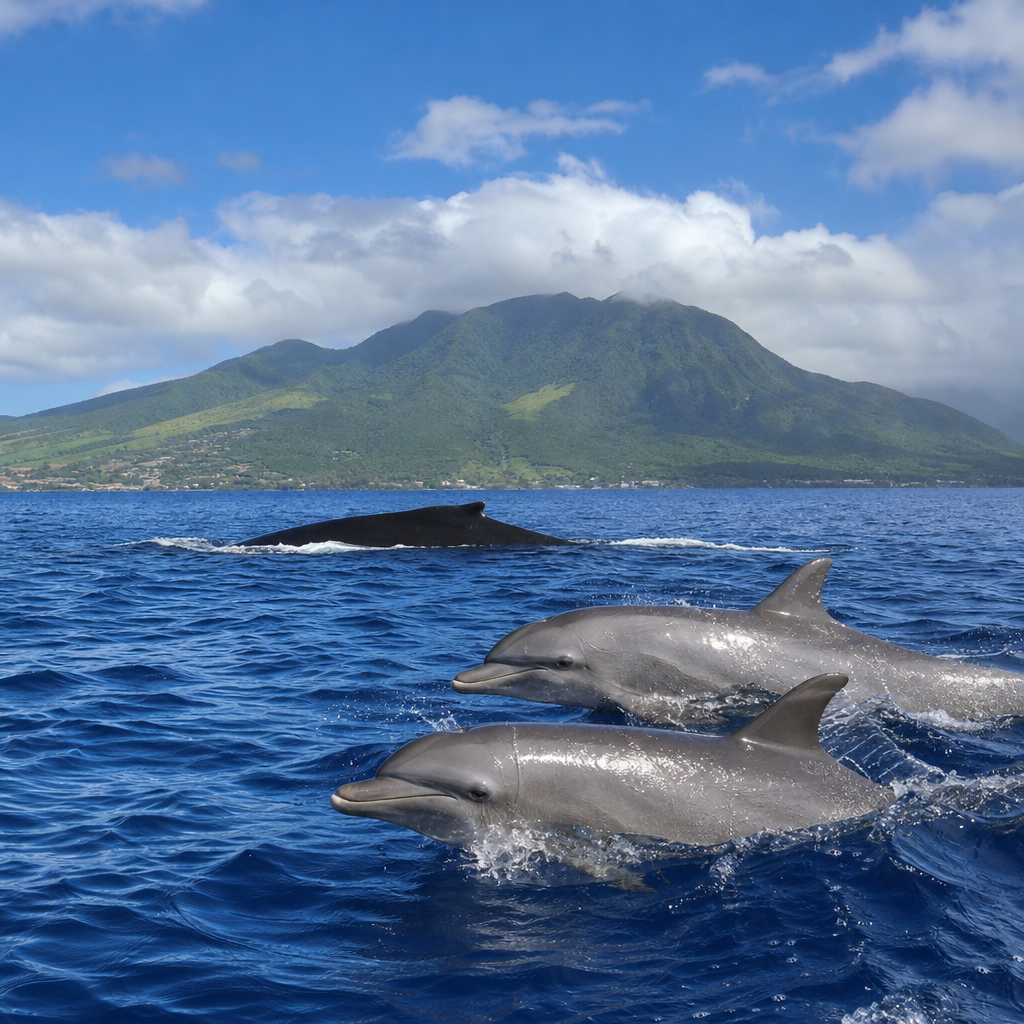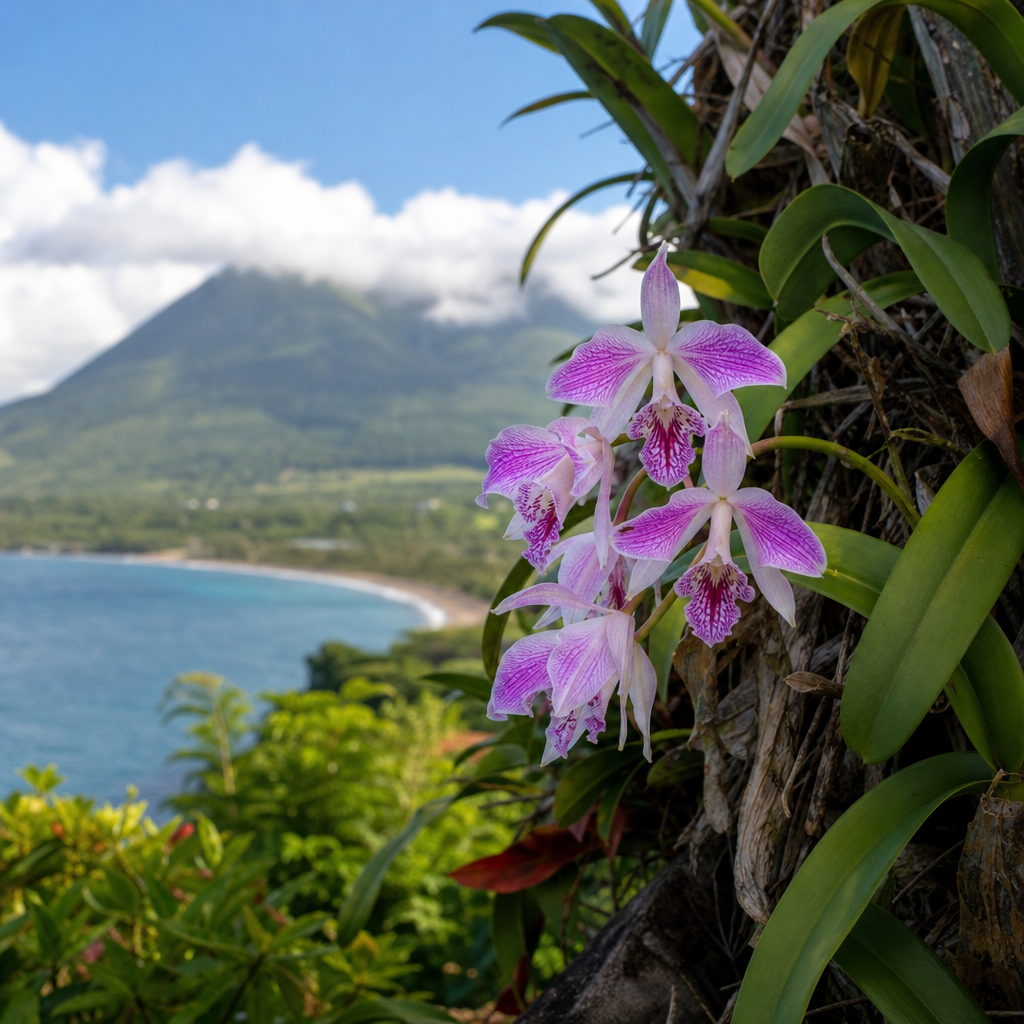
Nevis’ wellness tourism blends restorative travel with practical health benefits, making the small Caribbean island a compelling destination for visitors who want more than beaches and sightseeing. Wellness tourism means travel designed to support physical, mental, or emotional well-being through experiences such as spa therapies, movement practices, nutritious food, sleep-focused lodging, nature immersion, and stress reduction. On Nevis, that concept takes a distinctive shape because the island combines low-density development, volcanic landscapes, warm climate, and a cultural rhythm that naturally slows people down. I have worked on wellness-focused travel content and itinerary planning long enough to see the difference between destinations that simply market relaxation and places that genuinely help people reset. Nevis belongs in the second group because its scale, environment, and hospitality model support healthier habits without forcing a rigid retreat structure.
The island matters within the broader health and wellness travel market because travelers increasingly want flexible, evidence-aligned experiences rather than one-size-fits-all packages. Global Wellness Institute reporting has consistently shown wellness tourism as a multitrillion-dollar segment, and Caribbean destinations have benefited from travelers seeking open-air activities, privacy, and easier recovery from work-related burnout. Nevis fits that demand especially well. It offers walking trails, thermal history tied to volcanic geology, fresh local produce, quiet boutique accommodations, ocean access, and a setting where digital overload naturally decreases. For travelers researching healthy Caribbean vacations, spa holidays, mindful travel, or restorative island escapes, Nevis answers a practical question: where can you combine leisure with measurable improvements in sleep, stress, movement, and mood? This hub article explores the full picture, from spa and fitness options to food, sustainability, cultural grounding, and planning considerations.
Why Nevis Works as a Wellness Destination
Nevis works as a wellness destination because its physical scale removes friction that often undermines healthy travel. The island is roughly 36 square miles, so guests can move from mountain trail to beachfront yoga deck to farm-to-table lunch without spending half the day in traffic. That convenience matters. In larger destinations, ambitious wellness itineraries often collapse under transfers, crowded schedules, and overstimulation. On Nevis, the environment supports consistency. You can wake early, walk in cooler morning air, eat breakfast made with tropical fruit, spend midday in shaded rest, then return outdoors for swimming or a sunset meditation session. Those rhythms are realistic, not aspirational.
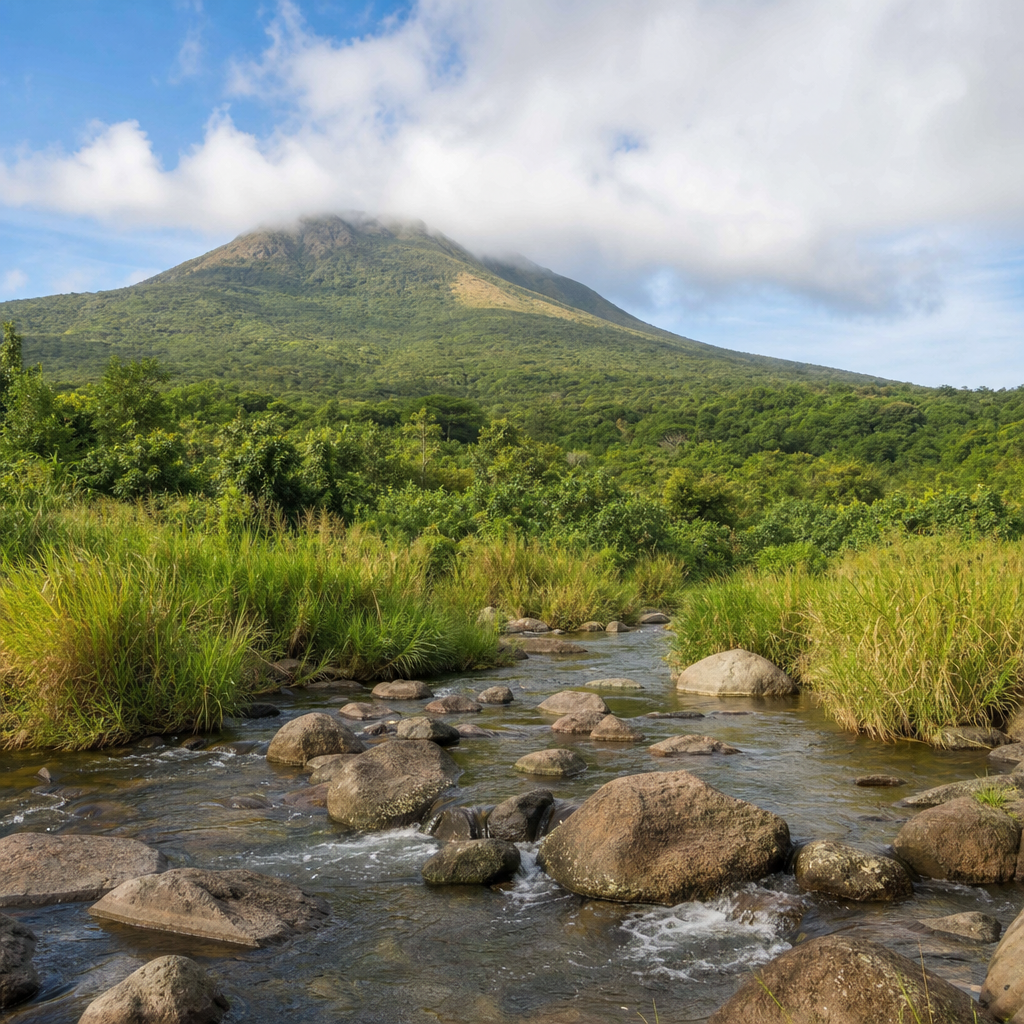
Climate and topography also shape the island’s wellness appeal. Nevis Peak, the dormant volcano at the center of the island, creates varied microenvironments, including lush forested areas that feel markedly different from the coast. Exposure to green space has been associated in public health literature with lower stress and improved mood, and travelers often feel that effect immediately when they move inland. Along the coast, the Caribbean setting offers another wellness advantage: gentle swimming, visual calm, and natural opportunities for light activity. Unlike destinations dominated by nightlife or high-volume cruise traffic, Nevis remains relatively subdued. That quieter baseline can help visitors recover from chronic sensory overload, one of the least discussed but most common drivers of travel fatigue.
Another reason Nevis stands out is that luxury and authenticity are not mutually exclusive there. High-end resorts coexist with village life, local history, and agricultural traditions. Wellness travelers increasingly reject sterile, generic experiences. They want quality treatments and beautiful rooms, but they also want local relevance. On Nevis, a spa day can sit alongside heritage exploration, fresh seafood, bush tea traditions, and conversations with guides who understand the island beyond brochure language. That mix gives wellness travel depth. It becomes not only about feeling pampered, but about reconnecting with place, routine, and perspective.
Spa, Recovery, and Restorative Treatments
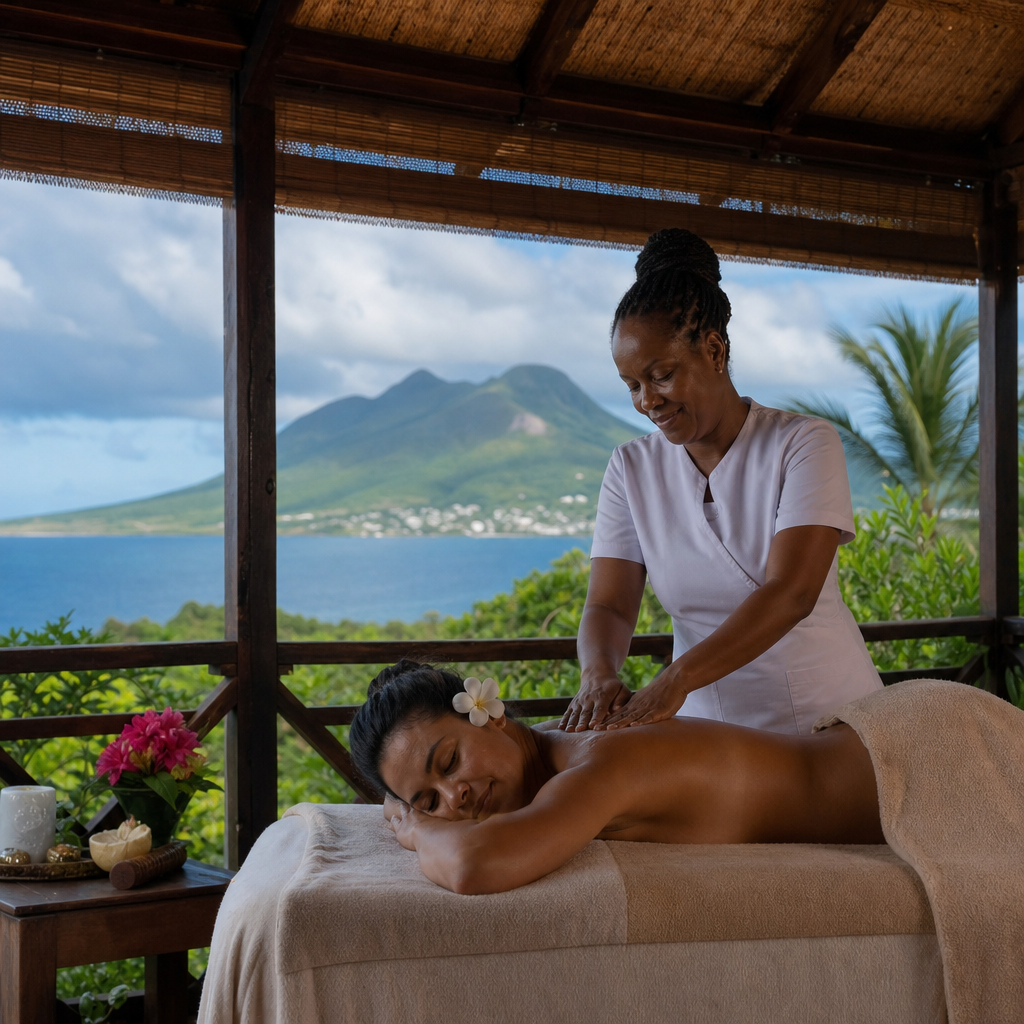
Spa experiences remain one of the main entry points into wellness tourism on Nevis, and the island’s best properties understand that travelers want recovery, not just indulgence. Treatments typically include deep-tissue massage, aromatherapy, body scrubs, facials, hydrotherapy-inspired rituals, and couples packages, but the strongest programs go further by linking treatments to sleep quality, stress reduction, and muscular recovery. In my experience reviewing resort wellness offerings, the difference comes down to whether the spa menu is organized around outcomes. Nevis performs well here because top properties often build treatment recommendations around what guests actually need after flights, sedentary work, sun exposure, or physical activity.
For example, a traveler arriving with neck tension from long-haul flying benefits more from a targeted therapeutic massage and hydration-focused facial than from a generic signature ritual. A hiker preparing for a Nevis Peak ascent may prefer mobility work, lower-body recovery massage, and guided stretching. Someone on a burnout-recovery trip may need quieter spaces, shorter treatment windows, and options designed to improve sleep. These are not abstract distinctions. They affect how a person feels the next day and whether the trip produces lasting benefit. Resorts on Nevis that provide consultation-led spa experiences are better aligned with modern wellness expectations than those that simply list treatments by duration and price.
Rest itself is also part of the treatment landscape. Wellness tourism is not only active self-improvement. Quality sleep, reduced noise exposure, slower evenings, and uninterrupted downtime are legitimate health assets. Nevis has a structural advantage here because many accommodations are low-rise and spread out, with fewer urban disturbances. Travelers who normally wake to traffic, alarms, and dense city noise often notice deeper sleep within a night or two. That may sound simple, but sleep restoration can reset appetite regulation, mood, exercise tolerance, and resilience. In practical terms, Nevis supports recovery because it gives visitors something many luxury destinations do not: room to be still.
Movement, Nature, and Active Wellness
Active wellness on Nevis is broad enough to serve both committed fitness travelers and people who simply want to move more than they do at home. Walking is the most accessible starting point. Beach walks, garden paths, and short scenic routes around the island encourage low-impact activity that can improve circulation and energy without requiring equipment or expertise. Many visitors also build movement into sightseeing, which is often more sustainable than trying to maintain a strict gym routine on vacation. Instead of forcing a full training program, they swim, paddle, hike, stretch, and explore.
Nevis Peak is the island’s signature challenge and a strong example of wellness tourism with real physical substance. The hike is steep, humid, and demanding, especially near the summit, where roots, mud, and rope-assisted sections can test balance and stamina. It is not a casual walk. Travelers considering it should use a qualified local guide, wear proper footwear, and assess their fitness honestly. Yet for appropriate participants, the hike delivers exactly what many wellness travelers seek: effort, immersion, and perspective. Completing it can create a stronger sense of confidence and mental reset than any passive treatment. It also demonstrates an important truth about wellness travel: not every healthy experience is gentle.
Water-based activity expands the options. Swimming, stand-up paddleboarding, snorkeling, and light sea kayaking support mobility and cardiovascular health while keeping exertion enjoyable in tropical heat. Yoga and breathwork sessions on open-air decks or beaches add another layer by balancing physical movement with parasympathetic recovery. A well-designed Nevis wellness itinerary alternates challenge and restoration rather than overloading one side.
| Wellness activity | Primary benefit | Best for |
|---|---|---|
| Beach walking | Low-impact circulation and stress relief | All fitness levels |
| Nevis Peak hike | Endurance, confidence, nature immersion | Experienced active travelers |
| Swimming | Joint-friendly cardio and cooling recovery | Most visitors |
| Yoga | Mobility, breath control, nervous system regulation | Stress management and flexibility |
| Paddleboarding | Core engagement and balance | Travelers wanting light challenge |
This variety matters because wellness is adherence-driven. People benefit most when activities feel realistic and enjoyable. Nevis offers enough range to let travelers choose movement that suits their energy, age, and goals.
Nutrition, Local Food, and Healthy Eating on the Island
Healthy travel often fails at the dining table, where oversized portions, excess alcohol, and convenience food undo the benefits of a beautiful setting. Nevis has the advantage of local ingredients that naturally support better eating without making meals feel restrictive. Fresh fish, lobster in season, mango, papaya, breadfruit, coconut, leafy vegetables, sweet potato, herbs, and tropical juices can all fit easily into a wellness-oriented trip. The best restaurants and hotels understand that wellness dining is not synonymous with bland food. It means balanced meals, ingredient quality, thoughtful preparation, and enough flexibility for different dietary needs.
Breakfast is a simple example. On Nevis, a traveler can choose fresh fruit, eggs, local vegetables, yogurt, and lighter starches rather than defaulting to pastries and processed buffet items. At lunch, grilled fish with salad or ground provisions offers sustained energy for afternoon activity. Dinner can remain satisfying while avoiding the heavy, late-night pattern that often disrupts sleep on vacation. Travelers with specific goals, such as reducing alcohol intake or stabilizing blood sugar, usually find it easier to stay on track when the destination itself encourages slower dining and earlier evenings.
Local food culture also contributes to wellness when approached respectfully. Traditional dishes can be rich, but they also reflect agricultural history, seasonality, and community. Visitors do not need to choose between authenticity and health. They can enjoy local cuisine in moderation, ask about preparation methods, and balance celebratory meals with lighter ones. Hydration is equally important in the Caribbean climate. Heat, humidity, alcohol, and activity can produce mild dehydration quickly, leading to fatigue and headaches that travelers misinterpret as jet lag or overexertion. The practical wellness approach on Nevis is straightforward: eat fresh, moderate indulgence, and drink more water than you think you need.
Mental Wellness, Digital Detox, and the Value of Slower Travel
Mental wellness is one of Nevis’ strongest but least quantifiable advantages. Many travelers arrive carrying cognitive fatigue: too many notifications, fragmented attention, poor boundaries, and chronic urgency. Nevis counters that pattern because it is not engineered around constant stimulation. You can fill your schedule if you want, but you do not have to. That distinction matters. Real restoration often begins when people stop optimizing every hour and allow unstructured time back into the day.
Digital detox on Nevis does not require a dramatic no-phone pledge. A more realistic approach is to reduce unnecessary input. Leave devices in the room for breakfast, walk without headphones, read in the afternoon, and set limited windows for checking messages. In my experience, travelers who take this lighter approach are more likely to sustain it than those who attempt total disconnection and then rebound into anxiety. The island’s pace supports those incremental changes. There are enough sensory rewards already present, from sea views to birdsong to evening breezes, that screens become easier to put down.
Slower travel also improves memory formation and emotional value. When visitors spend longer in fewer places, they tend to remember details more vividly and report less end-of-trip exhaustion. Nevis rewards that style. Instead of rushing through island-hopping checklists, travelers can repeat healthy routines for several days: morning movement, a nourishing meal, one meaningful outing, one restorative treatment, early sleep. That repetition is powerful because it allows the body to believe the change is real. Wellness tourism succeeds when people leave not only relaxed, but reminded of habits they can continue at home.
Planning a Wellness Trip to Nevis: Practical Considerations
The most effective Nevis wellness trip starts with matching the itinerary to the traveler, not the trend. Couples seeking reconnection usually do better with spacious schedules, spa appointments, and scenic dining than with overly ambitious adventure plans. Solo travelers may benefit from guided hikes, yoga classes, and properties with communal wellness programming that creates gentle social contact. Older travelers or those managing chronic conditions should prioritize shade, hydration, accessible accommodations, and realistic activity loads, especially in warmer months. There is no single correct Nevis wellness itinerary. The right plan is the one you can follow comfortably.
Season, budget, and logistics matter as well. Travelers generally reach Nevis by flying into nearby St. Kitts and transferring by water taxi or ferry, so arrival day should be kept light. Jet lag, heat, and transit can make a packed first day counterproductive. A smarter sequence is hydration, an easy meal, and early sleep, followed by treatments or activity on day two. Travel insurance is sensible, especially for hiking or water excursions. So is pre-booking high-demand spa times and private guides. Wellness travelers often underestimate how quickly the best slots disappear at smaller island properties.
It is also worth recognizing the limits of wellness tourism. Nevis can support better rest, movement, and stress reduction, but it is not a medical cure-all. Travelers with significant health concerns should view the island as a supportive environment, not a replacement for clinical care. The strongest outcomes come when visitors use the trip to practice sustainable habits they can carry home. If Nevis helps someone sleep seven hours, walk daily, eat more simply, and reduce screen time, that is already a meaningful result. To explore this miscellaneous hub fully, use it as your starting point for deeper guides on spas, healthy dining, nature activities, mindful itineraries, and restorative Caribbean travel planning.
Nevis’ wellness tourism stands out because it combines credible health-supporting experiences with the pleasures people actually want from a Caribbean vacation. The island makes room for spa recovery, active challenge, nourishing food, better sleep, quiet reflection, and slower routines without feeling clinical or overprogrammed. That balance is the core benefit. Travelers do not have to choose between enjoyment and well-being; on Nevis, the two reinforce each other. A morning hike can sharpen appetite for a fresh lunch. A massage can improve sleep. A quieter evening can make the next day’s swim or yoga session feel easier. Wellness becomes practical, not performative.
As a hub within health and wellness travel, this topic also opens pathways into more specific planning. Some readers will want luxury spa comparisons. Others will want hiking guides, nutrition-focused dining recommendations, or strategies for building a stress-reduction itinerary. Nevis can support all of those interests because its wellness appeal is not based on one attraction. It comes from the way landscape, hospitality, food, and pace work together. That integrated quality is what turns a relaxing break into a restorative one.
If you are considering a health-focused Caribbean trip, put Nevis on your shortlist and plan with intention. Choose a few goals, leave room in the schedule, and use the island’s natural rhythm to reset habits that matter long after the flight home.
Frequently Asked Questions
What makes Nevis a strong destination for wellness tourism?
Nevis stands out in wellness tourism because it offers more than a typical tropical vacation. The island combines a calm physical environment, a slower pace of life, and access to restorative experiences that support both relaxation and practical health goals. Wellness tourism is not simply about pampering. It involves travel choices that help improve physical, mental, and emotional well-being through activities such as massage therapy, yoga, nutritious dining, time in nature, better sleep, and stress reduction. Nevis is especially well suited to this type of travel because it is small, uncrowded, and naturally peaceful, which can make it easier for visitors to disconnect from overstimulation and focus on recovery and balance.
Another major advantage is how seamlessly wellness experiences can fit into a broader trip. Visitors can spend time on quiet beaches, walk scenic trails, enjoy spa treatments, eat fresh local foods, and participate in movement practices without needing to follow a rigid retreat schedule. That flexibility appeals to travelers who want health benefits without sacrificing enjoyment or cultural exploration. In this way, Nevis supports a more realistic and sustainable version of wellness travel, one that feels restorative rather than performative. For many travelers, the island’s appeal lies in its ability to make healthy choices feel natural, accessible, and enjoyable.
What kinds of wellness experiences can travelers expect on Nevis?
Travelers on Nevis can expect a broad mix of wellness experiences that support rest, movement, nourishment, and stress relief. Spa services are often a central feature, including massage, body treatments, and therapies designed to ease tension and promote relaxation. These services can be especially valuable for travelers looking to recover from long periods of work-related stress, physical fatigue, or the overstimulation that often comes with daily life. In addition to spa offerings, many wellness-focused visitors seek out yoga, stretching, meditation, and other gentle movement practices that help restore mobility and calm the nervous system.
Nature also plays a major role in the wellness experience on Nevis. Time outdoors can include beach walks, hikes, light exercise in scenic surroundings, and moments of quiet reflection with fewer crowds than on larger islands. This matters because wellness is not limited to formal treatments. Exposure to natural settings, fresh air, and slower daily rhythms can help lower stress and improve mood. Food is another important part of the picture. Travelers interested in health-conscious experiences often look for meals built around fresh ingredients, balanced nutrition, and lighter preparations that support energy and digestion. Sleep quality may improve as well when lodging emphasizes comfort, quiet, and a more restful environment. Taken together, these elements create a well-rounded wellness travel experience rather than a single isolated activity.
How does wellness tourism on Nevis benefit physical and mental health?
Wellness tourism on Nevis can support physical and mental health in several practical ways. Physically, travelers may benefit from increased movement through walking, swimming, hiking, stretching, or participating in fitness and yoga sessions. Even modest daily activity in a pleasant setting can improve circulation, reduce stiffness, and support better energy levels. Spa therapies may help relieve muscle tension, promote relaxation, and encourage a stronger sense of bodily recovery, especially for people who spend much of their routine life sitting, commuting, or managing chronic stress. Nutritious meals and better hydration during a wellness-oriented stay can also contribute to feeling more balanced and revitalized.
Mental and emotional benefits are often just as important. A destination like Nevis can help reduce the mental clutter that accumulates from constant digital engagement, packed schedules, and urban overstimulation. Quiet surroundings, ocean views, natural landscapes, and opportunities for intentional rest can support lower stress levels and improved emotional regulation. Many travelers find that simply being in an environment that encourages slower mornings, better sleep, and fewer demands can lead to improved mood, clearer thinking, and a stronger sense of calm. While a short trip is not a substitute for ongoing medical or mental health care, it can provide meaningful restorative value and help visitors return home feeling more grounded, rested, and motivated to maintain healthier routines.
Is Nevis wellness tourism only for luxury travelers or dedicated retreat participants?
No, wellness tourism on Nevis is not limited to luxury travelers or people attending structured retreats. While upscale resorts and premium spa experiences can certainly be part of the island’s wellness appeal, the broader concept is much more inclusive. Wellness travel is really about making choices that support well-being, and many of those choices do not require an expensive package or a highly specialized itinerary. A traveler can build a wellness-focused trip by prioritizing restful accommodations, healthy meals, time outdoors, gentle exercise, and moments of quiet reflection. On Nevis, the island’s natural atmosphere makes that approach especially realistic.
This flexibility is one of the reasons wellness tourism continues to grow. Some visitors may want a full-service experience with treatments, fitness classes, and guided relaxation, while others may prefer a simpler trip centered on beach walks, fresh food, quality sleep, and reduced stress. Both approaches can still fit within the wellness category. The key difference is intention. If the trip is designed to improve how someone feels physically, mentally, or emotionally, it aligns with the goals of wellness tourism. Nevis works well for a wide range of travelers because the island itself contributes to the experience through its peaceful setting, manageable scale, and restorative pace.
How can travelers plan a wellness-focused trip to Nevis successfully?
Planning a successful wellness-focused trip to Nevis starts with identifying what kind of restoration you actually need. Some travelers want deep rest and stress relief, while others are looking for movement, healthier routines, better sleep, or a more balanced vacation overall. Once that goal is clear, it becomes easier to choose the right accommodations, activities, and pace. Look for lodging that emphasizes comfort, quiet, and easy access to nature. Consider whether spa treatments, yoga sessions, walking routes, or healthy dining options are available nearby. It is also wise to avoid overscheduling. One of the most effective parts of wellness travel is leaving room for recovery, spontaneity, and unstructured downtime.
Travelers should also think realistically about how to carry the benefits of the trip home. A wellness visit to Nevis is most valuable when it inspires sustainable habits rather than functioning as a brief escape with no lasting impact. That might mean using the trip to reset sleep patterns, reintroduce daily movement, reduce screen time, or become more intentional about stress management. Packing comfortable clothing, staying hydrated, setting boundaries around work communication, and choosing activities that genuinely feel restorative can all improve the experience. In practical terms, the best wellness itinerary on Nevis is not the busiest one. It is the one that helps you return feeling healthier, calmer, and more connected to what your body and mind actually need.