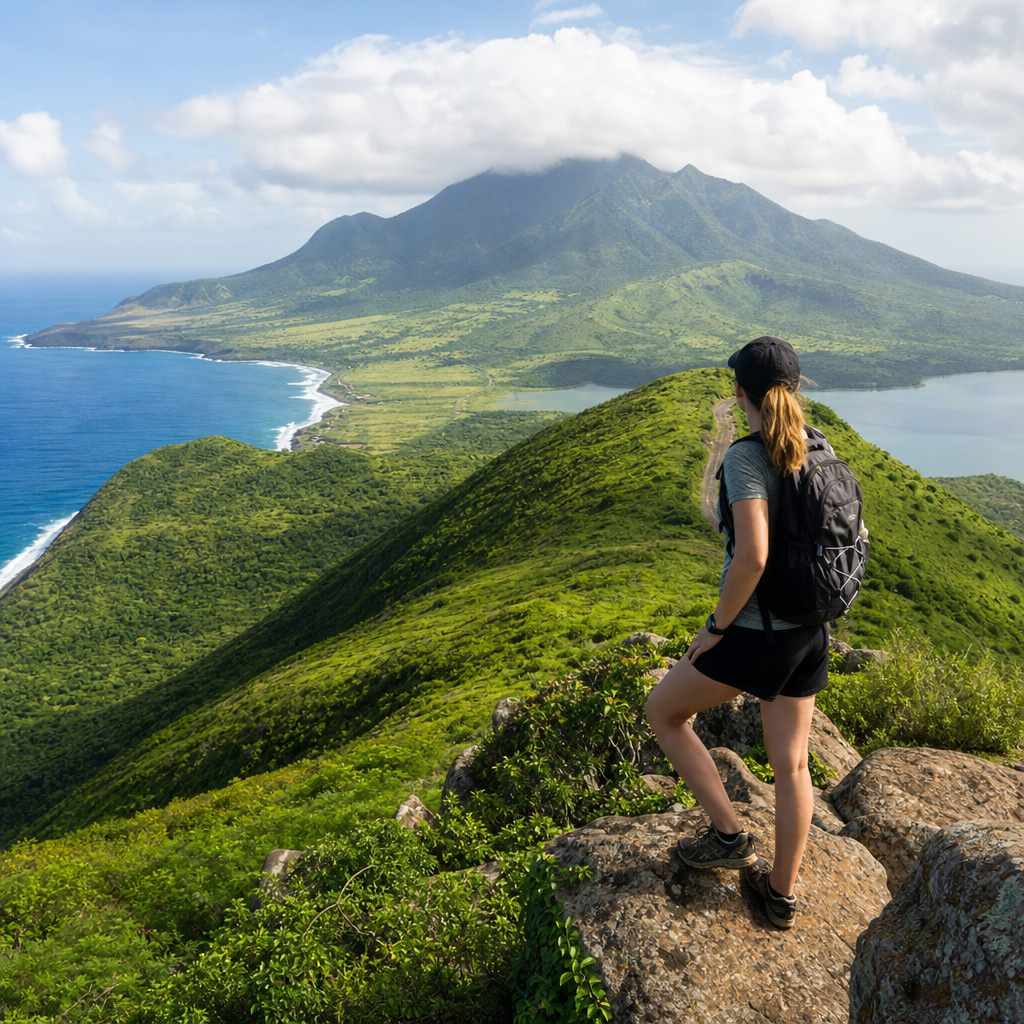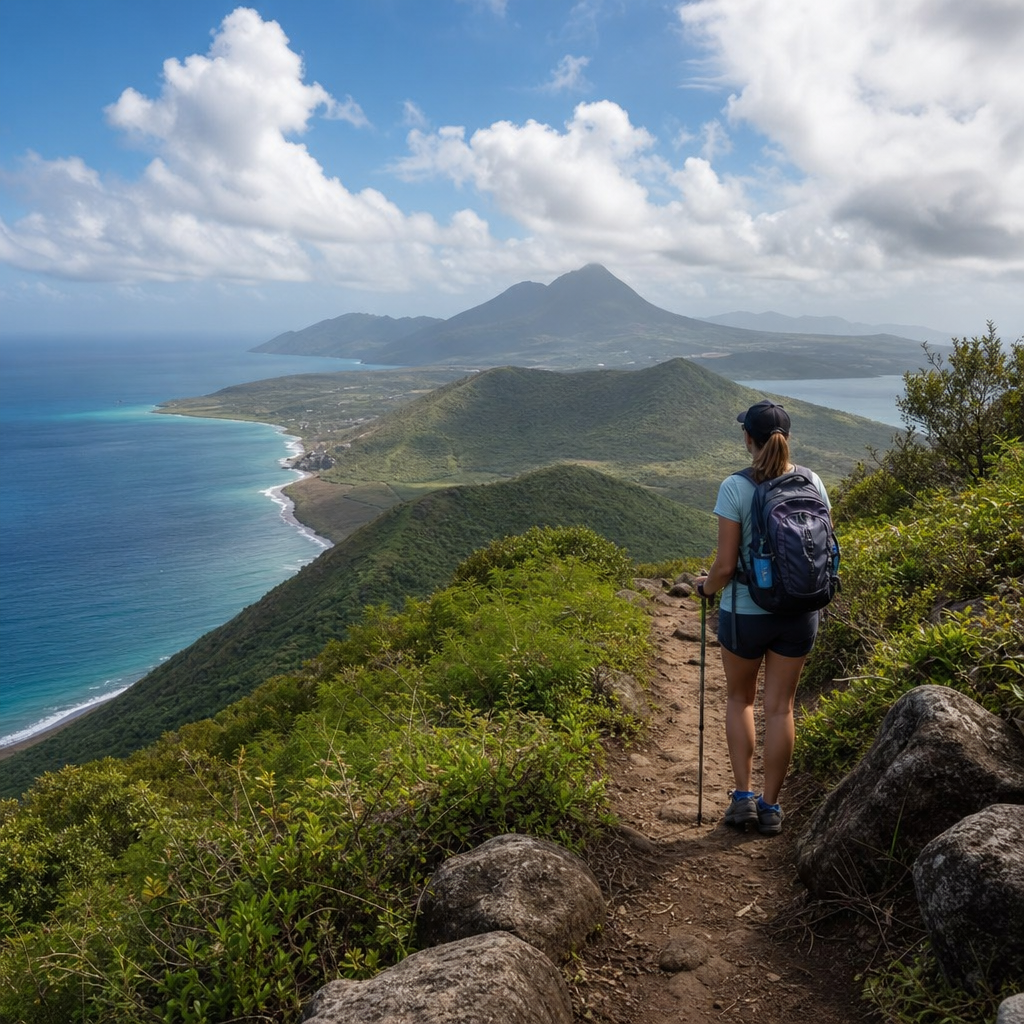
Hiking safety in Saint Kitts starts with understanding the island’s terrain, weather, and trail conditions before you lace up your boots. Saint Kitts is compact, volcanic, and intensely green, which makes it appealing to nature enthusiasts but also creates real risks that casual visitors often underestimate. In practical terms, hiking safety means reducing preventable hazards through planning, route selection, proper gear, and sound judgment on the trail. On Saint Kitts, that includes preparing for steep rainforest slopes, muddy footing, sudden tropical showers, high humidity, dense vegetation, biting insects, and limited signage outside popular routes. I have planned and reviewed Caribbean hiking itineraries for travelers who assumed a short island hike would be easy, only to discover that heat stress and navigation errors can turn a half day outing into a serious problem. That gap between expectation and reality is why this topic matters.
For readers exploring the broader Nature and Wildlife landscape, this guide serves as a hub for the miscellaneous essentials that connect every outdoor experience on the island. Whether you want to hike Mount Liamuiga, walk old sugar estate trails, explore rainforest paths near Romney Manor, or join a guided eco-tour that combines birdwatching with light trekking, the same fundamentals apply. Saint Kitts offers rich biodiversity, from vervet monkeys and migratory birds to giant tree ferns and wet forest species, yet enjoying that environment responsibly depends on choices made before the first step. Safe hiking also protects local ecosystems: staying on established trails limits erosion, reduces disturbance to wildlife, and lowers the chance that rescue resources will be needed in sensitive areas.
The most useful way to approach hiking safety in Saint Kitts is to think in layers. First, assess the hike itself: distance, elevation gain, remoteness, and whether a trained local guide is advisable. Second, assess the day’s conditions: rainfall, temperature, visibility, and trail reports from guides or hotel staff. Third, assess your own readiness: fitness, hydration, footwear, medications, and confidence on uneven terrain. When those layers line up, hiking here is deeply rewarding. You can move from coastal views to cloud-wrapped forest in a single outing, hear bananaquits and thrashers in the canopy, and reach volcanic lookouts that explain the island’s geology better than any brochure. The aim of this article is simple: give you a complete, practical framework for hiking Saint Kitts safely while making the most of its natural beauty.
Know Saint Kitts Terrain, Climate, and Trail Reality
The biggest mistake hikers make in Saint Kitts is treating the island like a flat beach destination with a few casual nature walks. Much of the interior is mountainous, and trails can be narrow, root-laced, slick, and surprisingly steep. Mount Liamuiga, the island’s best-known hike, rises to about 1,156 meters and is often marketed as a must-do adventure. It is rewarding, but it is not a stroll. Even fit hikers deal with muddy sections, scrambling points, and changing visibility near the summit. Lesser-known routes can be harder to follow because they receive less maintenance and may cross private land, old estate tracks, or overgrown forest edges.
Climate adds another layer of complexity. Saint Kitts stays warm year-round, with daytime temperatures commonly in the upper 20s to low 30s Celsius at lower elevations. Humidity is the hidden challenge. In my experience, travelers who are comfortable walking in dry heat often struggle more in the island’s moist air because sweat evaporates slowly and exertion feels heavier. Rain can arrive quickly, especially in upland rainforest zones, transforming firm dirt into slick clay. A trail that seems manageable at 9 a.m. may be much more hazardous by noon after a passing shower.
Trail infrastructure is variable. Some routes used by established tour operators are well understood locally even if they are not formally marked to the standard hikers may expect in North America or Europe. Others have sparse signage, multiple branching paths, or natural obstacles such as fallen limbs and washouts. Cell coverage can also become unreliable in forested or elevated areas. That means your safest assumption is not that the trail will guide you, but that you must bring your own navigation plan and enough margin for delays.
Choose the Right Hike and Decide When to Hire a Guide
The right hike is the one that matches your ability, time window, and comfort level with tropical terrain. If you are new to Saint Kitts, guided hiking is the best starting point, particularly for Mount Liamuiga or any inland rainforest route. Local guides understand access points, weather shifts, muddy choke points, and safe turnaround decisions. They also know how to pace groups in humidity and where hikers commonly slip or lose the path. A good guide is not just a navigator but a risk manager.
Self-guided hiking works best on shorter, clearer routes near known attractions, provided you verify current conditions. Ask your hotel, guesthouse host, or tourism operator specific questions: Was there heavy rain recently? Is the trail overgrown? Are there any access restrictions? Vague reassurance is less useful than practical detail. If staff have not been on the trail recently, look for a guide service that has.
Timing matters as much as route choice. Start early to reduce heat exposure and allow extra daylight for delays. In the Caribbean, afternoon weather can become less predictable, and late finishes increase navigation risk. Cruise passengers should be especially conservative. If your return-to-port deadline is fixed, choose a route with a large time buffer rather than trying to squeeze in an ambitious summit.
| Hike Type | Best For | Main Risks | Recommended Approach |
|---|---|---|---|
| Short estate or garden trails | Beginners, families | Heat, insects, slippery patches | Self-guided with water and offline map |
| Rainforest day hikes | Active travelers | Navigation errors, mud, sudden rain | Prefer local guide, early start |
| Mount Liamuiga summit hike | Fit hikers seeking challenge | Steep sections, fatigue, poor visibility | Strongly advised with certified local guide |
| Remote mixed-use trails | Experienced hikers | Overgrowth, junction confusion, limited signal | Guide or detailed route plan with turnaround time |
Pack for Heat, Rain, Mud, and Emergencies
Proper gear on Saint Kitts is less about carrying bulky equipment and more about bringing the right basics for a wet tropical hike. Footwear is the first priority. Wear trail shoes or hiking boots with dependable grip; smooth-soled sneakers are a common cause of slips on muddy descents. Clothing should be lightweight, breathable, and quick-drying. Cotton performs poorly because it holds moisture and increases chafing. A light rain shell is useful even on bright mornings because weather can shift fast at elevation.
Hydration is critical. Carry more water than you think you need, and add electrolytes for longer or steeper hikes. General outdoor guidance such as the American College of Sports Medicine’s hydration principles supports replacing both fluid and sodium during sustained exertion in heat. On Saint Kitts, that matters because sweating is constant even when you do not feel dramatically hot. I advise hikers to begin hydrated, sip steadily, and avoid waiting for thirst as the only signal.
Your daypack should also include high-energy snacks, a small first-aid kit, insect repellent, sunscreen, a hat, a fully charged phone, and an offline map through tools like Google Maps, Maps.me, or AllTrails where coverage exists. A whistle is lightweight and useful if you need to attract attention. If you take prescription medication, carry it on your person, not left in a vehicle. Trekking poles can help on steep, muddy routes, though some hikers prefer hands free movement where scrambling is involved. The point is not to overpack but to carry enough to manage an unexpected delay safely.
Prevent the Most Common Hiking Problems
Most hiking incidents in Saint Kitts are not dramatic wilderness rescues. They are preventable issues such as dehydration, heat exhaustion, slips, muscle cramps, poor pacing, and hikers getting turned around after underestimating the route. Prevention starts with pace. In tropical conditions, the right speed often feels slower than travelers expect. If conversation becomes difficult early in the climb, back off. Overheating compounds quickly in humidity.
Watch for warning signs of heat illness: headache, nausea, unusual fatigue, dizziness, chills, or confusion. If those appear, stop in shade, cool down, drink fluids with electrolytes, and reassess honestly. Pushing upward because the summit seems close is a frequent bad decision. Turnaround discipline is one of the best safety skills a hiker can have.
Foot placement deserves constant attention. Wet roots, loose stones, and clay-like mud create classic slip hazards. Shorter steps improve traction, especially on descents. Keep three points of contact where scrambling is required, and do not grab vegetation blindly; thorny plants, unstable branches, or hidden insects can make that risky. If a section looks beyond your comfort level, ask a guide for an alternate technique or turn back. There is no benefit in proving toughness on unfamiliar ground.
Navigation errors usually begin small. A missed junction, an animal path mistaken for a trail, or confidence that the route “must keep going” can put hikers far off line. If the trail suddenly becomes indistinct, stop immediately instead of continuing downhill or deeper into brush. Check your map, retrace to the last confirmed point, and use time limits. Wandering while hoping the path will reappear is how minor confusion becomes an emergency.
Respect Wildlife, Vegetation, and Local Conditions
Saint Kitts is not known for large dangerous wildlife, but the absence of big predators does not mean the environment is risk free. Vervet monkeys are common and entertaining to observe, yet they should never be fed or approached closely. Feeding wildlife changes behavior, increases conflict near trailheads, and can encourage animals to snatch food or bags. Insects are a more practical concern. Mosquitoes and biting flies can be persistent, especially in still, damp areas, so repellent and covering exposed skin at dawn or after rain are sensible precautions.
Plants and trail-side conditions deserve equal respect. Dense tropical growth can hide sharp stems, stinging insects, and unstable ground. Stay on established paths to reduce both personal risk and environmental damage. Cutting switchbacks accelerates erosion, particularly on wet volcanic soils. Litter control matters too. Organic waste such as fruit peels is often dismissed as harmless, but it attracts animals and alters visitor impact patterns.
Local conditions also include people, land use, and access norms. Some trails pass near farms, former estates, or privately managed lands. Use only recognized entry points and ask permission where required. A local guide can help avoid misunderstandings and ensure your route remains open to future visitors. Responsible hiking supports both conservation and community goodwill, which are essential to preserving Saint Kitts’ nature experiences.
What to Do if Plans Change or Something Goes Wrong
If weather deteriorates, someone in your group slows dramatically, or the route takes longer than expected, simplify the decision: turn back early. In mountain safety, conservative choices compound in your favor. Waiting too long reduces daylight, increases fatigue, and narrows options. Before starting, tell someone your route, expected return time, and who is with you. That basic step remains one of the most effective protections for self-guided hikers.
If you become lost, stop moving, assess the last known point, and avoid splitting up the group. Use your phone to check offline mapping, listen for roads or voices only if nearby, and conserve battery by lowering screen brightness. If injury prevents walking, move only enough to reach a safer nearby spot, provide first aid, and use a whistle or phone if service is available. For guided hikes, defer to the guide’s emergency process; reputable operators build turnaround times, communication plans, and evacuation judgment into the outing.
The broader lesson is that hiking safety in Saint Kitts is not restrictive; it is enabling. Good preparation lets you focus on the island’s real rewards: cloud forest air, volcanic views, coastal panoramas, and close contact with living Caribbean ecology. Choose routes honestly, start early, carry the right gear, and respect conditions on the ground. If you are building your Saint Kitts Nature and Wildlife itinerary, use this hub as your baseline for every trail-related decision, then book the hike that fits your ability and the day’s weather. Safer choices lead to better adventures, and better adventures are the ones you can fully enjoy and confidently recommend.
Frequently Asked Questions
What makes hiking in Saint Kitts different from hiking in other Caribbean destinations?
Saint Kitts may look small on a map, but its hiking environment is more demanding than many visitors expect. The island is volcanic, steep, humid, and densely vegetated, which means trails can shift quickly from straightforward walking paths to muddy, root-covered, slippery terrain. In some areas, thick rainforest canopy can reduce visibility and make it easier to lose the route, especially after rain or in less maintained sections. Unlike beach-focused excursions, hiking here often involves elevation gain, uneven footing, and remote stretches where help may not be immediately available.
Another important difference is the weather. Conditions in Saint Kitts can change rapidly, and a trail that feels manageable in the morning can become far more difficult after a sudden downpour. Rain can make rocks slick, create runoff on steeper sections, and increase the chance of slips and falls. Heat and humidity also take a toll, especially on travelers who are not acclimated to tropical conditions. That is why hiking safety on Saint Kitts begins with realistic expectations: treat the island’s trails with the same respect you would give a more mountainous destination, even if the distance looks short.
Do I need a guide for hiking in Saint Kitts, or can I safely hike on my own?
Whether you need a guide depends on the trail, your experience level, and how comfortable you are with tropical terrain, but for many visitors, hiring a local guide is one of the smartest safety decisions you can make. Guided hikes are especially useful for routes that pass through rainforest, climb higher elevations, or involve less clearly marked paths. A knowledgeable guide can help you stay on route, manage pace, identify hazards, and make better decisions if weather or trail conditions change. They also bring local knowledge that maps and travel blogs often cannot provide, including which trails are currently muddy, overgrown, washed out, or temporarily unsafe.
Independent hiking may be reasonable on well-known, easier routes if you are properly prepared, have reliable route information, and understand your limits. If you choose to hike without a guide, avoid isolated or unfamiliar trails, let someone know exactly where you are going and when you expect to return, carry a fully charged phone, and turn back early if conditions deteriorate. Solo hikers should be especially cautious, because even a minor ankle injury or navigation mistake can become a bigger problem in hot, humid, uneven terrain. In general, casual visitors, first-time hikers on the island, and anyone attempting a more strenuous route will usually be safer with a guide.
What should I bring for a safe hike in Saint Kitts?
Start with sturdy footwear that has good traction. Many of Saint Kitts’ trails are muddy, rocky, or covered with exposed roots, and ordinary sneakers often do not provide enough grip or support. Lightweight hiking shoes or boots are usually the best choice. Clothing should be breathable and appropriate for heat and humidity, but it should also offer some protection from sun, insects, and brush. Many hikers do well with moisture-wicking layers, a hat, and light long sleeves or long pants, especially on more overgrown routes.
Water is one of the most important items to carry. In tropical conditions, dehydration can happen faster than many travelers expect, particularly on uphill sections. Bring more water than you think you will need, and do not rely on finding safe drinking water along the trail. It is also wise to pack snacks, sunscreen, insect repellent, a basic first-aid kit, and a small waterproof bag or dry pouch for valuables and electronics. A fully charged phone can be useful for communication and navigation, but it should not be your only safety tool if battery life is uncertain or signal is weak.
For longer or more demanding hikes, add a printed route reference or offline map, a flashlight or headlamp in case of delay, and a light rain layer. Trekking poles can also help with balance on steep or slippery descents. The goal is not to overpack, but to carry what you need to handle the most common problems on Saint Kitts trails: heat, rain, poor footing, minor injuries, and unexpected delays.
How can I prepare for Saint Kitts weather and trail conditions before a hike?
The best preparation starts before you leave your accommodation. Check the local forecast, but do not stop there. Tropical weather can be highly localized, so it is also helpful to ask a local guide, hotel staff member, or tour operator about recent conditions on the specific trail you plan to use. A route that was easy a few days ago may now be muddy, overgrown, or more difficult because of recent rain. If there has been heavy rainfall, expect slick surfaces, reduced traction, and slower progress.
It is also important to start early. Morning hikes are generally safer because temperatures are lower, thunderstorms are less likely, and you have more daylight if the hike takes longer than expected. Build extra time into your plan instead of assuming you will move at your usual pace. On Saint Kitts, steep grades, humidity, and uneven terrain can slow hikers down significantly. Choosing the right route matters just as much as checking the weather, so match the trail to your fitness level and experience rather than selecting a hike based only on views or popularity.
Finally, prepare with a clear turnaround mindset. If clouds build rapidly, the trail becomes more slippery than expected, or anyone in your group is overheating or struggling, turning back is a smart decision, not a failure. Safe hiking on Saint Kitts depends on flexibility and judgment as much as physical preparation.
What are the most common hiking risks in Saint Kitts, and how can I avoid them?
The most common risks are slips and falls, dehydration, heat exhaustion, getting lost, and underestimating the difficulty of the terrain. Slips and falls are especially common on wet mud, rocks, and exposed roots, so proper footwear, careful pacing, and attention to footing are essential. Avoid rushing, especially on descents, and use extra caution after rain. Dehydration and heat-related problems are also major concerns because the island’s humidity can make exertion feel harder and cause hikers to lose fluids quickly. Drink water regularly, take breaks in shaded areas when possible, and watch for warning signs such as dizziness, headache, nausea, unusual fatigue, or confusion.
Navigation issues are another preventable problem. Dense vegetation and informal trail sections can make routes less obvious than expected, particularly for first-time visitors. Stay on established paths, avoid improvising shortcuts, and do not continue if you are unsure of the route. Hiking with a guide or with someone familiar with the area significantly reduces this risk. It is also wise to keep your group together rather than allowing people to spread out too far, especially in forested sections.
One more common hazard is poor decision-making driven by overconfidence. Some travelers assume that because Saint Kitts is a small island, hikes will be easy and close to help. In reality, tropical terrain can become serious very quickly when weather shifts, footing worsens, or someone is not physically prepared. The safest approach is simple: choose an appropriate trail, carry the right gear, respect the conditions, and turn back before a manageable situation becomes an emergency.