Cooking with spices in Nevis starts with the trade winds, the market tables, and the practical habits of home cooks who season food for balance rather than heat alone. In Nevis, spices are not an afterthought. They are part of daily local life, tied to farming, fishing, family kitchens, and the island’s long history of African, British, Indian, and wider Caribbean influence. A local approach means understanding how seasoning is built in layers, when fresh herbs matter more than dried powders, and why certain combinations appear again and again in stews, rice dishes, soups, grilled seafood, and baked goods. It also means knowing the difference between spices, herbs, seasonings, and marinades, because island cooks use these terms with practical precision. Spices usually refer to dried seeds, bark, roots, and pods such as nutmeg, cinnamon, clove, allspice, turmeric, and ginger. Herbs include thyme, chive, parsley, basil, and celery leaf. Seasoning can mean the dry blend itself or the full act of salting, marinating, and flavoring a dish before it reaches the fire.
This matters because visitors often assume Caribbean cooking depends mainly on chile heat or premixed powders, yet Nevisian food is more nuanced. The core goal is depth, aroma, and harmony with fresh ingredients such as goat, chicken, breadfruit, green fig, pumpkin, saltfish, lobster, snapper, and pigeon peas. I have cooked in island kitchens where one small spoon of freshly grated nutmeg changed an entire pot of callaloo soup, and where a handful of thyme and spring onion mattered more than any bottled sauce. For a hub article under Local Life and Experiences, the best way to understand miscellaneous food culture in Nevis is to see spices as a bridge between agriculture, history, health beliefs, hospitality, and everyday technique. Once you know the island pantry, you can read any Nevis recipe more clearly, shop local markets with confidence, and taste the logic behind dishes that define home cooking.
The Nevis spice pantry: what locals actually use
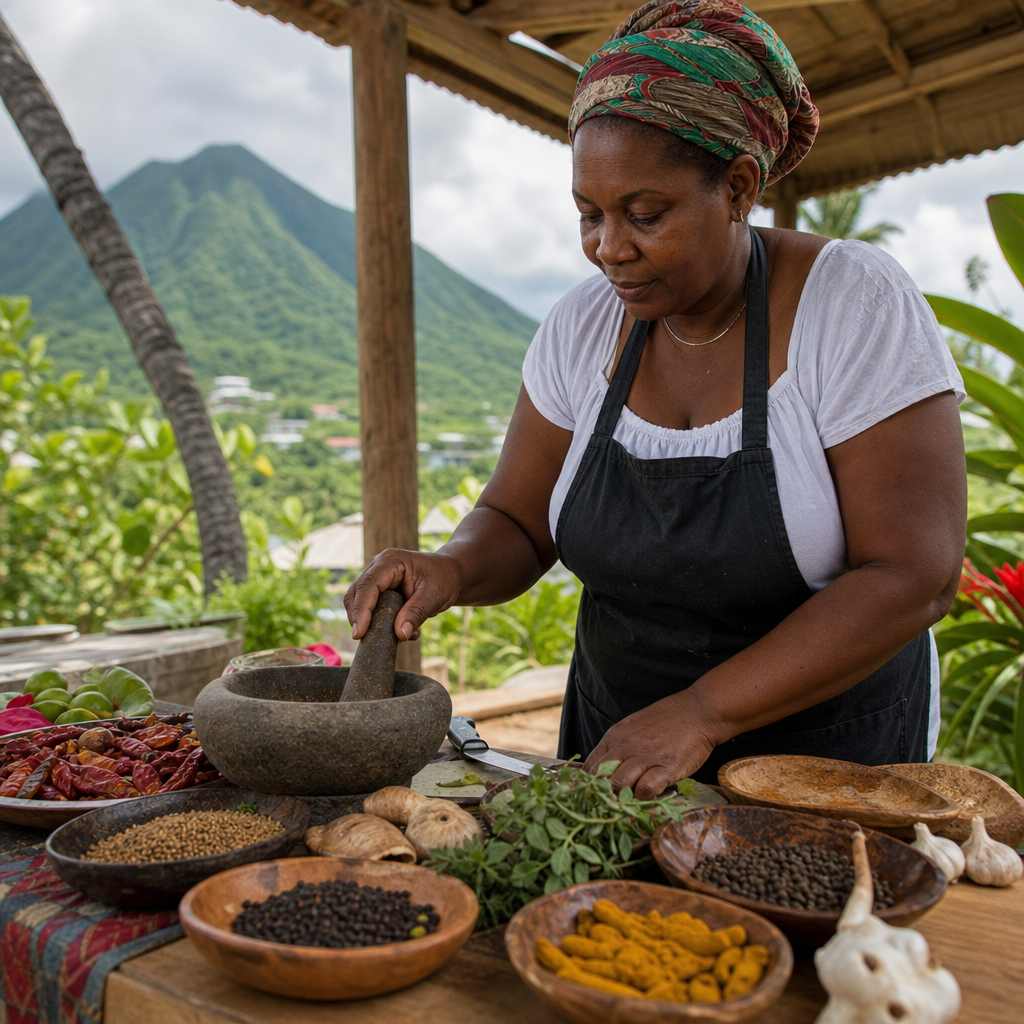
The essential spice pantry in Nevis combines imported staples with ingredients grown in home gardens and on neighboring islands. Nutmeg is one of the most recognizable flavors in the Eastern Caribbean, used in drinks, cakes, porridges, custards, and occasionally savory dishes. Cinnamon and clove appear in baked goods, Christmas beverages, stewed fruits, and spiced syrups. Allspice, though more strongly associated with Jamaica, is also used for depth in marinades and meat rubs. Ginger is both fresh and dried, valued for teas, sauces, desserts, and fish preparations. Turmeric appears in some home kitchens for color and earthiness, especially where Indian culinary influence has touched family cooking. Black pepper, paprika, cumin, and curry powder are common, but they are usually used in moderation rather than as dominant notes.
Fresh seasonings shape the island flavor profile even more. Thyme is foundational. Scotch bonnet provides heat and fruitiness, but many cooks add the whole pepper to perfume a pot instead of chopping it finely. Garlic, onion, spring onion, celery, sweet pepper, and parsley build the green seasoning base used across the region. In Nevis, that base often goes onto chicken, fish, goat water, rice, and lentils hours before cooking. Bay leaf, pimento, and a little browning sauce may join the mix depending on the dish. In practical terms, the local pantry is less about owning dozens of jars and more about keeping a few strong, versatile seasonings fresh and ready. That is why market shopping matters. A cook who buys thyme, scallion, and ginger the same morning will almost always produce a brighter meal than someone depending on an old cabinet of dried powders.
How flavor is built in a Nevis kitchen
Local cooks in Nevis rarely rely on one-step seasoning. Flavor is built in stages, and each stage has a distinct purpose. First comes cleaning and prep: fish may be washed with lime, meat trimmed, and vegetables cut according to how quickly they soften. Second comes marinating, usually with salt, black pepper, garlic, thyme, onion, hot pepper, and sometimes a prepared green seasoning. This step penetrates the ingredient and sets the foundation. Third comes blooming or frying aromatics in oil, butter, or rendered fat. When onion, garlic, ginger, curry powder, or tomato paste hits the pot, fat carries those flavor compounds more effectively than water alone. Fourth comes simmering. Soups, stews, peas, and braises need time for spices to integrate. Finally, fresh adjustments are made at the end: chopped herbs, a squeeze of citrus, or a final touch of pepper sauce.
This sequence explains why copied recipes often disappoint cooks outside the island. If a recipe only lists ingredients without timing, people may add thyme, garlic, and pepper all at once and miss the layered effect. I have seen this with goat water, the famous spicy soup associated with nearby Montserrat but also familiar in Nevisian food culture. The best versions do not taste simply peppery. They taste rounded because the meat is seasoned ahead, the aromatics are cooked properly, and the broth is allowed to concentrate slowly. The same principle applies to curry chicken, stewed saltfish, or coconut rice. Local technique is not complicated, but it is deliberate. When you understand the order of seasoning, the food begins to taste like the island rather than just a collection of tropical ingredients.
Signature spice pairings in everyday dishes
Several pairings define the local approach. Thyme and garlic form the backbone of savory cooking. Ginger and cinnamon anchor many sweet preparations, from banana bread to spiced tea. Nutmeg and milk appear in porridges, punches, and custards. Scotch bonnet and onion support fish and shellfish, especially when balanced with lime and herbs. Curry powder, turmeric, cumin, and garlic combine in Caribbean curries, but Nevisian cooks usually mellow those flavors with potato, pumpkin, or coconut milk so the blend supports the main ingredient instead of masking it.
| Dish | Typical spice combination | Why it works |
|---|---|---|
| Stewed chicken | Thyme, garlic, black pepper, paprika, onion, browning | Creates savory depth, color, and a balanced herbal finish |
| Curry goat or chicken | Curry powder, turmeric, cumin, garlic, ginger, hot pepper | Builds warmth and complexity while standing up to slow cooking |
| Grilled fish | Lime, thyme, scallion, Scotch bonnet, black pepper | Keeps seafood bright, fresh, and lightly fiery |
| Pumpkin soup | Nutmeg, ginger, onion, thyme, black pepper | Balances sweetness with earthiness and aromatic lift |
| Sweet bread and cakes | Nutmeg, cinnamon, vanilla, clove | Delivers the warm fragrance linked to holiday baking |
These combinations show that local spice use is situational. Nutmeg is not for everything. Curry powder is not a shortcut for every stew. Even hot pepper is often restrained. The goal is fit. Fish needs brightness, goat can carry stronger earthy notes, and sweets benefit from warm aromatics that complement tropical fruit. Once home cooks understand these pairings, it becomes easier to improvise with confidence.
Markets, gardens, and the role of freshness
To cook with spices in Nevis like a local, you have to think beyond the supermarket shelf. Freshness is one of the biggest determinants of flavor. At public markets and roadside stalls, small bundles of thyme, scallion, parsley, and seasoning peppers are sold quickly and used quickly. Home gardens often supply chive, basil, rosemary, mint, lemongrass, and aloe alongside fruit trees and vegetables. This short path from soil to pot explains why simple dishes can taste unusually vivid on the island. A tomato stew made with just-picked thyme and onion carries a very different aroma from one made with dried herbs that have sat open for months.
There is also a practical economic reason for this emphasis. Island households traditionally stretch ingredients and avoid waste. Fresh herbs can season several meals, and whole spices such as nutmeg, cinnamon sticks, and cloves hold quality longer than preground blends in a humid climate. Humidity matters more than many visitors realize. In Nevis, dried spices can clump, lose potency, or absorb kitchen moisture if they are not stored in sealed containers away from heat. Experienced cooks compensate by buying smaller amounts more often, grating nutmeg fresh, toasting certain spices before grinding, and relying on hardy herbs that can be clipped as needed. If you are building a local-style pantry, freshness is not an aesthetic preference. It is the core rule that makes every other technique work.
Cultural roots behind the spice cabinet
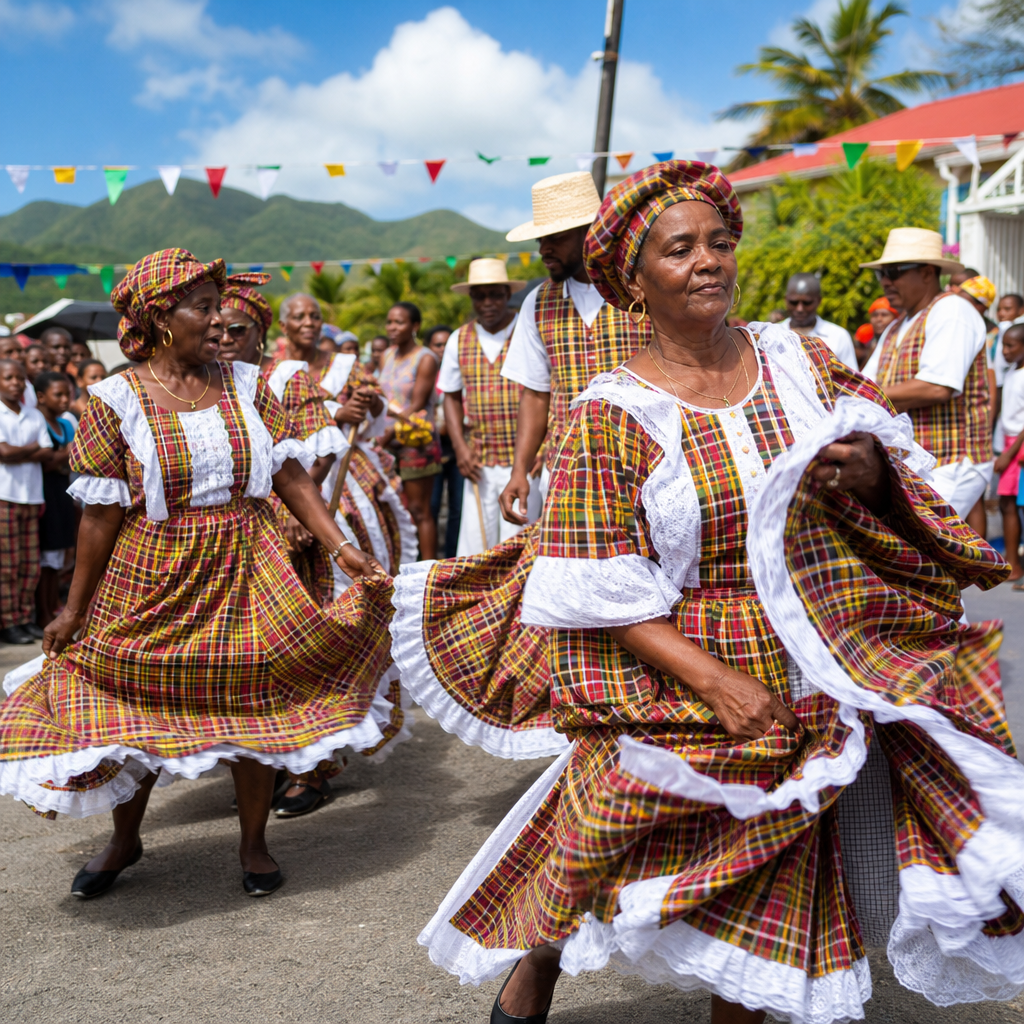
The spice logic of Nevis reflects centuries of movement and exchange. African foodways shaped the use of one-pot cooking, okra, leafy greens, root crops, and layered seasoning. British colonial influence contributed baking traditions, puddings, and certain meat preparations. Indian indentured labor across the Caribbean expanded the reach of curry blends, turmeric, cumin, and spice-forward rice dishes, even where those flavors were adapted to local ingredients. Trade across the Lesser Antilles spread nutmeg, cinnamon, clove, and rum-based preservation methods. Over time, island families turned those influences into something distinctly their own.
You can taste this history in both festive and everyday food. Christmas black cake may carry dark fruit, bitters, browning, cinnamon, and nutmeg in proportions that vary by household. Sunday lunch may feature rice and peas, stewed meat, seasoned vegetables, and a hot sauce made with fresh peppers and vinegar. Tea culture also reveals the island pantry. Ginger tea, lemongrass tea, and bay leaf tea are prepared not only for taste but also for comfort and traditional wellness beliefs. In many kitchens where I have worked, an older relative may prescribe ginger for a chill, mint for digestion, or cinnamon in porridge for warmth. Whether or not every claim is clinically proven, the culinary role is real: spices are part of nourishment, memory, and household care, not just restaurant flavoring.
Common mistakes visitors make when cooking Caribbean food
The most common mistake is overspicing. Many people assume island food must be aggressively hot or intensely seasoned, so they add too much curry powder, too much dried thyme, or chopped Scotch bonnet with all the seeds. The result is harsh rather than authentic. Another mistake is using old spices. Ground cinnamon that smells dusty or paprika that has faded in color will not produce the fragrant depth expected in Nevisian cooking. A third error is skipping marination time. Even twenty to thirty minutes improves chicken or fish, while tougher meats benefit from several hours. Finally, many cooks neglect acid. Lime, lemon, or a little vinegar can sharpen and balance rich food, especially seafood and fried dishes.
There are also technique errors. Curry powder should usually be cooked briefly in oil to remove its raw taste. Nutmeg should be used sparingly; fresh grating is more potent than bottled powder. Saltfish should be soaked and tasted before seasoning because its salt level varies widely. Fresh thyme stems can stay in long-simmered dishes, but woody rosemary is better used more carefully. These details sound small, yet they determine whether a meal tastes grounded and local or merely improvised. When in doubt, start lighter than you think, taste as you go, and let herbs do more of the work.
How to bring a Nevis spice approach into your own kitchen
Start with a short, high-quality list: whole nutmeg, cinnamon, black pepper, ginger, curry powder, thyme, garlic, onion, scallion, parsley, and Scotch bonnet or another fruity hot pepper. Add allspice, clove, paprika, cumin, and bay leaf as your repertoire expands. Make one jar of green seasoning each week by blending scallion, thyme, garlic, onion, parsley, sweet pepper, and a little oil or vinegar. Use it on chicken, fish, beans, and vegetables. Build your meals in layers: season first, sauté aromatics second, simmer patiently, then finish with fresh herbs or citrus. Pair seasoning to the ingredient instead of chasing maximum intensity.
Most importantly, cook repeatedly and pay attention to aroma at each stage. That is how local cooks learn. A pot tells you when garlic is about to burn, when curry has opened up in oil, and when nutmeg has become enough. Cooking with spices in Nevis is ultimately about judgment rooted in place: respecting fresh produce, seasoning with purpose, and letting food taste like itself at its best. Explore related pieces in this Local Life and Experiences hub, try one market-driven spice combination this week, and build your pantry the way island households do—simple, fresh, and ready for real meals.
Frequently Asked Questions
What makes the local approach to cooking with spices in Nevis different from simply making food spicy?
In Nevis, cooking with spices is much more about balance, depth, and timing than about adding heat for its own sake. Local cooks often build flavor in layers, beginning with a base of fresh ingredients such as onion, garlic, scallion, thyme, and peppers, then adding ground spices or seasoning blends in a way that supports the main ingredient rather than overpowering it. Heat has its place, especially from hot peppers, but it is usually treated as one part of a wider flavor structure that includes earthiness, brightness, sweetness, savoriness, and aroma.
This approach reflects daily island life and the practical habits of home kitchens. Fish, goat, chicken, root crops, rice, beans, and stews all call for different seasoning strategies. A local cook may use nutmeg, black pepper, clove, allspice, ginger, curry powder, or fresh herbs depending on the dish, but the goal is usually to bring out the natural taste of the food while creating a full, rounded result. In that sense, Nevisian spice use is intuitive and respectful. It draws from African, British, Indian, and Caribbean traditions, yet it remains grounded in what is fresh, available, and suitable for the meal at hand.
Which spices and herbs are most commonly used in Nevisian home cooking?
Nevisian cooking commonly relies on a mix of fresh herbs, fresh aromatics, and dry spices that work together in everyday dishes. Fresh thyme is one of the most important seasonings in many kitchens, often used in soups, stews, rice dishes, and marinades. Scallion, parsley, onion, garlic, and hot pepper also appear frequently and are often treated as essential flavor builders rather than optional garnishes. These ingredients help create the foundation of many savory dishes before any powdered spice is added.
Among dry spices, black pepper, allspice, ginger, nutmeg, clove, and curry powder are especially familiar. Nutmeg has a strong connection to the wider Eastern Caribbean and is valued for its warm, slightly sweet depth. Allspice and clove may be used more carefully because of their strength, while ginger can bring both warmth and freshness depending on the form used. Curry powder, often adapted to local taste, is common in curried goat, chicken, vegetables, and seafood preparations. The key point is that these spices are rarely used in isolation. A home cook in Nevis typically combines them thoughtfully, adjusting for the protein, cooking method, and desired finish.
How do local cooks in Nevis build seasoning in layers?
Layering seasoning is one of the clearest signs of a local, experienced approach. Rather than adding everything at the end, Nevisian cooks often begin by seasoning ingredients early, especially meats and fish. A marinade or rub may include garlic, thyme, black pepper, onion, scallion, and a touch of spice, allowing the flavor to settle into the food before cooking begins. This first step creates a base that is more integrated and less surface-level than last-minute seasoning.
The second layer often comes during cooking itself. As the dish develops, additional ingredients such as curry powder, ginger, allspice, or fresh herbs may be added to the pot, pan, or stew in stages. This helps the flavors bloom properly and prevents delicate notes from disappearing. A final layer may come near the end with fresh thyme, chopped herbs, a little pepper sauce, or a finishing adjustment of salt and spice. The result is food that tastes complete and well-structured. Nothing feels one-dimensional because the seasoning has been built gradually, with attention to how heat, moisture, and time affect each ingredient.
When should you use fresh herbs instead of dried spices in Nevis-style cooking?
Fresh herbs are especially important when you want brightness, fragrance, and a sense of immediacy in a dish. In Nevis-style cooking, fresh thyme, scallion, parsley, celery, and fresh pepper often do work that dried powders cannot fully replace. They give soups, stews, fish dishes, and rice preparations a lively, garden-like quality that feels central to home cooking on the island. Fresh herbs are often added at the start for depth, but they may also be added closer to the end for aroma and lift.
Dried spices are typically used when you want warmth, concentration, and longer-cooked flavor. Nutmeg, clove, black pepper, curry powder, and ground ginger can deepen a dish and hold up well during simmering, braising, or roasting. The most effective local approach is not choosing one over the other in every case, but knowing what each contributes. Fresh herbs shape the personality of a dish, while dried spices help define its backbone. A good cook in Nevis understands that a fish broth may need the freshness of thyme and scallion, while a goat stew may benefit from both fresh seasoning and the lasting depth of dry spice.
What is the best way for a beginner to cook with spices like a local in Nevis?
The best place to start is by focusing on restraint, balance, and familiarity with ingredients rather than trying to use many spices at once. Begin with a simple seasoning base of onion, garlic, scallion, thyme, black pepper, and a little hot pepper if desired. Use that base on chicken, fish, beans, or vegetables and pay attention to how the flavors change with marinating, sautéing, or simmering. This teaches an important local lesson: good seasoning is often about getting the basics right and understanding how ingredients behave together.
From there, add one or two dry spices with purpose rather than guessing. Try curry powder for a stew, nutmeg in a savory rice dish or soup, or a small amount of allspice in a braise. Taste as you cook and think in terms of what the dish needs more of: warmth, freshness, aroma, or heat. Also remember that Nevisian cooking is shaped by context. The same cook may season fish differently from goat, and a weekday meal differently from a special family gathering. Cooking like a local means being attentive, adaptable, and respectful of the ingredient in front of you. Over time, that instinct becomes more important than any fixed recipe.