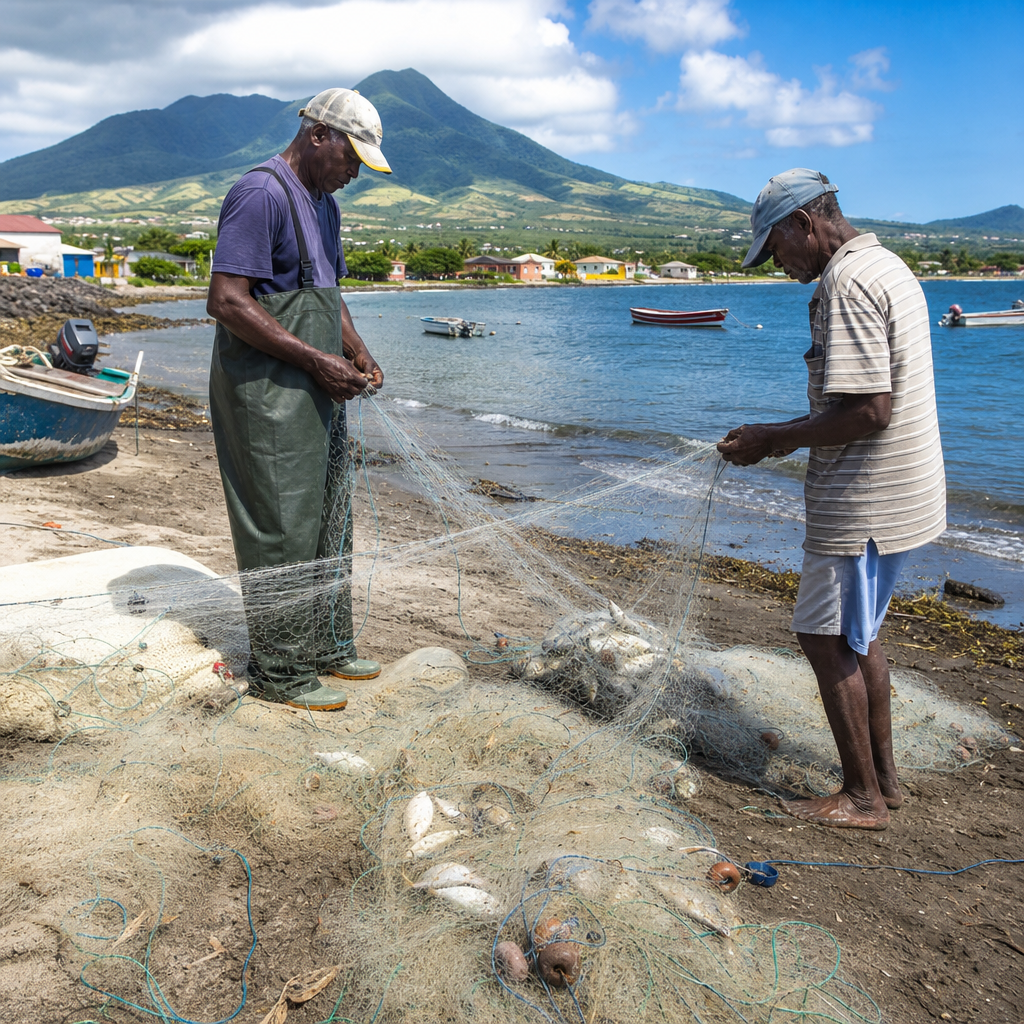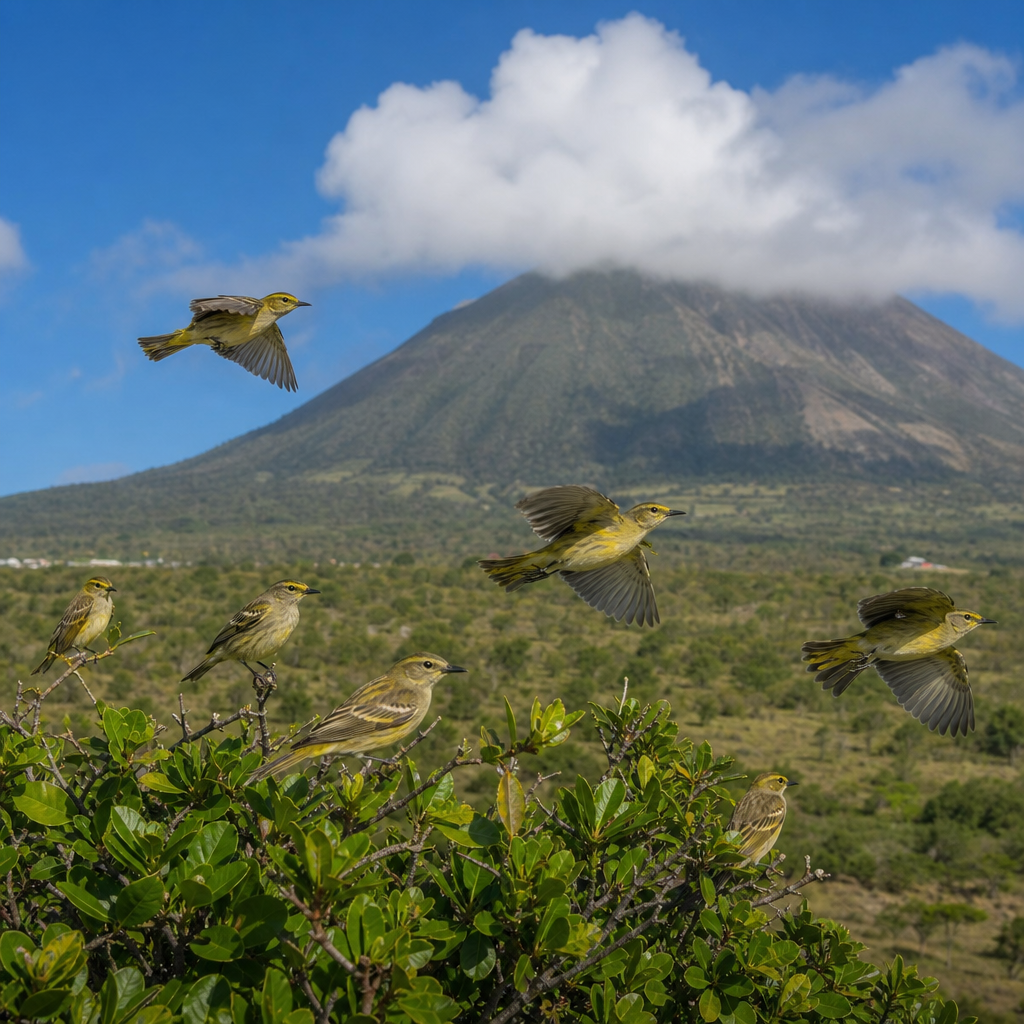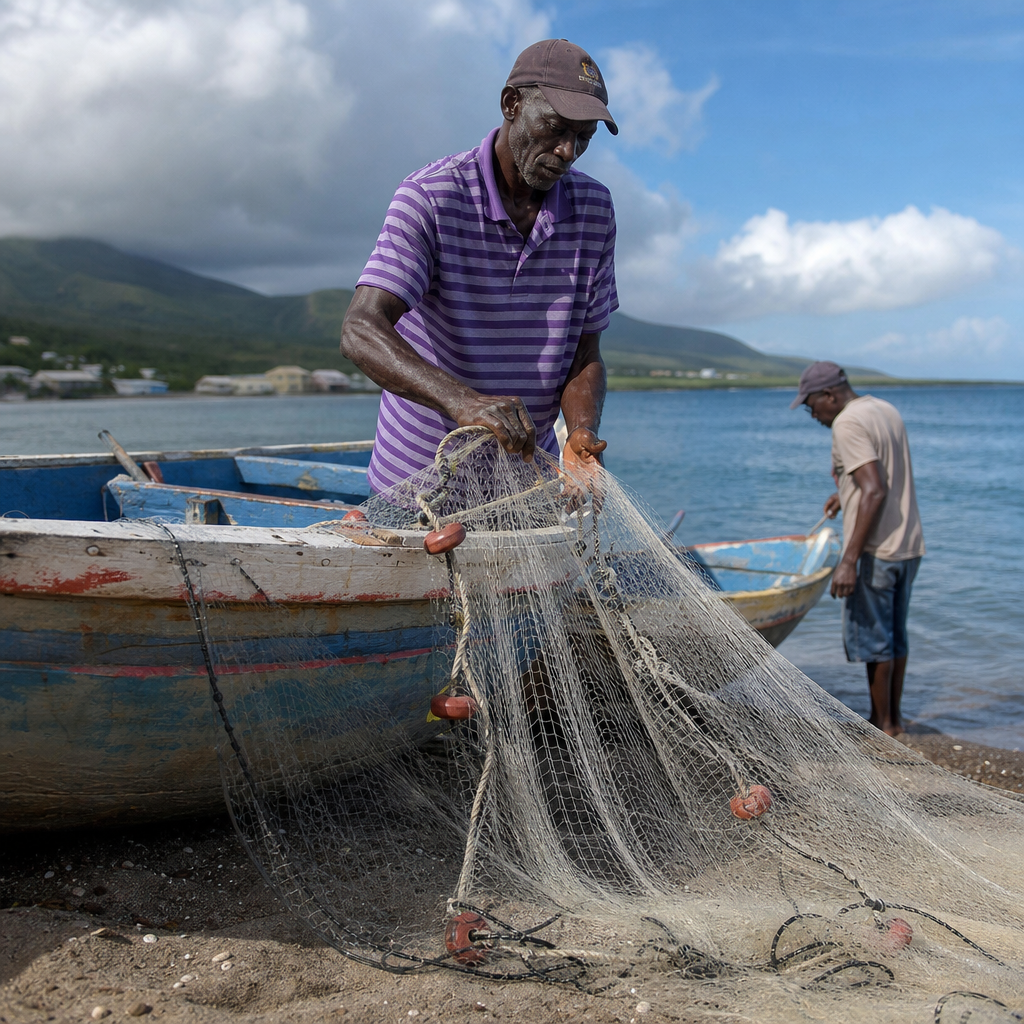
Saint Kitts’ traditional seafood harvesting is a living system of coastal knowledge shaped by reefs, weather, family labor, and the island’s long relationship with the Caribbean Sea. On Saint Kitts, seafood harvesting refers to the small-scale methods local fishers and shoreline gatherers use to catch, collect, and preserve marine foods, including reef fish, lobster, conch, crab, and seasonal pelagic species. Traditional does not mean frozen in time. In practice, it describes methods passed down over generations: wooden skiffs launched from village beaches, handlines worked over reef edges, fish pots set with care, and an eye for tides, moon phases, and water color that no app fully replaces. I have spent time with fishers across the eastern Caribbean, and Saint Kitts stands out because the island’s compact coastline concentrates many distinct practices into a small geographic area.
This topic matters because seafood harvesting on Saint Kitts connects daily meals, local income, tourism, environmental pressure, and cultural identity. A plate of stewed saltfish, grilled snapper, curried conch, or lobster served in a beach bar starts with decisions made before dawn by people reading wind direction and current lines. Traditional harvesting also explains how communities such as Old Road, Dieppe Bay, Sandy Point, and Basseterre’s landing areas developed around access to productive waters. For visitors interested in local life and experiences, understanding these methods gives context to fish markets, seaside cooking, village festivals, and the rhythm of working coasts. For residents and researchers, it reveals how practical knowledge adapts under modern constraints such as fuel prices, marine regulations, reef decline, and changing storm seasons. That mix of continuity and adaptation is the real story.
Saint Kitts sits where Atlantic exposure meets Caribbean leeward waters, so harvesting strategies differ by coast. The rougher Atlantic side can be less forgiving, with stronger swell and more caution around reefs, while the Caribbean side often supports easier nearshore launches and more regular landings for small craft. Fishers classify grounds by bottom type, depth, current, and target species rather than by neat map labels. They know where parrotfish graze, where snapper hold near drop-offs, where lobster shelter in crevices, and when migratory fish move within reach. The result is a practical marine geography that shapes what gets harvested, how gear is chosen, and when a trip is worth the fuel and risk.
As a hub article under Local Life and Experiences, this guide covers the broad miscellaneous landscape of Saint Kitts’ traditional seafood harvesting: the species most often taken, the classic methods, the social role of landing sites and markets, the rules that now govern customary practices, and the pressures likely to define the future. It also serves as a foundation for more focused pages on fish markets, coastal cooking, village livelihoods, marine conservation, and seasonal fishing patterns. If you want the clearest answer to how traditional seafood harvesting works on Saint Kitts, start with this principle: it is small-scale, highly place-based, and dependent on judgment built from repeated observation of the sea.
Core Species and Seasonal Patterns
The traditional harvest on Saint Kitts is diverse because local fishers do not rely on one species year-round. Reef-associated fish commonly include snapper, grouper, grunt, jack, doctor fish, triggerfish, and parrotfish, though exact catch composition shifts by habitat and regulation. Offshore and nearshore pelagic species can include mahi-mahi, tuna, wahoo, and kingfish when conditions allow. Shellfish and invertebrates matter too. Caribbean spiny lobster has long been a valued catch, and queen conch historically supported both home consumption and local sale where stocks and regulations permit. Crabs, especially in mangrove or estuarine settings where available, have also been part of household harvesting traditions.
Seasonality governs effort. Fishers often plan around calmer periods, moon phases, water clarity, and known migration windows rather than a rigid calendar alone. Around the wider eastern Caribbean, wahoo and mahi can peak when offshore currents and bait activity align, while lobster availability follows legal seasons designed to protect breeding stocks. Reef fishing can be more consistent but still changes after heavy rain, rough seas, or prolonged swell that muddies water and alters fish behavior. In practical terms, a skilled Saint Kitts fisher asks three questions before leaving shore: what species are realistically available now, which grounds can be worked safely today, and will the expected price justify the trip?
Traditional Methods Used Along the Coast
Handlining remains one of the clearest examples of traditional harvesting on Saint Kitts. A handline is simple: line, hook, weight, bait, and experienced hands. Yet simple gear demands expert control. Fishers adjust depth by feel, detect subtle strikes without a rod, and respond instantly to prevent fish from reefing the line in rocks or coral. Handlining is effective from small boats over reef edges and slopes, and it works because fishers know exactly where bottom structure changes. I have watched veteran fishers identify a productive ledge from shoreline alignment and water tone alone, then set a drift so precisely that younger crew members treated it like magic. It was not magic; it was accumulated pattern recognition.
Fish pots are another longstanding method. These traps, traditionally made from wood and wire and now often using more durable materials, are baited and placed on known grounds for reef species. Pot fishing allows fishers to spread effort over time instead of depending only on a single active trip. However, it requires investment, maintenance, and exact knowledge of bottom conditions so gear is not lost in rough weather or snagged beyond recovery. Spearfishing has also existed in the region, though current rules, safety concerns, and ecological effects shape where and whether it is practiced. Shore gathering for shellfish or crabs, when legal and sustainable, represents the most intimate form of harvesting because it relies on tidal timing and direct reading of coastal habitat.
| Method | Typical Target | Why Fishers Use It | Main Limitation |
|---|---|---|---|
| Handline | Snapper, grouper, jack | Low cost, precise over reef edges, flexible by depth | Labor intensive and weather dependent |
| Fish pot | Reef fish | Continues fishing between trips, useful on known grounds | Gear loss, bycatch risk, ongoing maintenance |
| Lobster diving or collection | Spiny lobster | High market value, targeted harvest | Seasonal restrictions and safety demands |
| Conch gathering | Queen conch | Traditional household and market use | Stock pressure and legal limits |
Boat design and launch style are part of the method itself. Small open skiffs with outboard engines dominate much of contemporary small-scale fishing, but the logic behind them is traditional: low draft, quick launch, easy beach landing, and enough range for nearshore and moderate offshore trips. In earlier periods, sail and oar mattered more; now fuel has replaced part of that labor, but not the need for seamanship. A fisher still has to judge squalls, mechanical reliability, sea state near headlands, and the safest return point if conditions change. On islands like Saint Kitts, where weather can harden quickly, practical seamanship is inseparable from harvesting skill.
Landing Sites, Markets, and Household Foodways
Traditional seafood harvesting is never only about the catch at sea; it is also about what happens when the boat returns. Landing sites on Saint Kitts function as workspaces, sales points, and social hubs. Fish may be cleaned on site, sold whole to regular customers, supplied to restaurants, or divided among family and crew. In many Caribbean communities, an informal network still matters as much as a formal market stall. People know which fisher usually brings good snapper, who sells lobster in season, and when a shoreline landing is likely after calm weather. That direct relationship between harvester and buyer keeps local seafood embedded in community life.
Household foodways preserve the value of less glamorous species and variable landings. A strong local seafood culture does not depend only on premium fish. Smaller reef fish may be fried whole, stronger-flavored species may be stewed with herbs and peppers, and catches too abundant for immediate sale can be shared, iced, salted, or cooked the same day. Saltfish itself reflects a broader Caribbean preservation tradition, even when imported cod rather than local catch became the staple in many homes. The point is that harvesting and cooking traditions are linked. Fishers target species not just for market price, but for what local households know how to use well.
Knowledge Passed Between Generations
What makes seafood harvesting traditional on Saint Kitts is the transfer of judgment, not just the age of the gear. Young fishers learn by joining trips, helping mend pots, cleaning fish, and listening to older relatives explain currents, landmarks, bait choice, and safety. Many of the lessons are highly specific: where the swell bends around a point after a northerly wind, how moon brightness changes night activity, why one patch of broken bottom holds fish after rain while another goes dead, or when it is wiser to stay ashore despite a seemingly calm beach. This kind of knowledge is empirical and repeatedly tested. It deserves to be treated as a serious body of expertise.
Modern tools have entered the picture. GPS, mobile phones, sonar, ice chests, and improved outboards make work more efficient and safer. But technology does not erase the traditional foundation. A GPS mark is only useful if someone first knew the ground was worth marking. Sonar can show depth and structure, but it cannot fully replace memory of how fish use a place over seasons. In my experience, the most effective small-scale fishers are not those who choose between old and new methods. They blend both. They use electronics to save time and fuel while still relying on inherited local knowledge to decide where to fish, what to target, and when to stop.
Regulation, Sustainability, and Real Tradeoffs
Traditional harvesting on Saint Kitts now operates within a stronger conservation framework than in the past, and that change is necessary. Caribbean fisheries face well-documented pressure from overfishing, habitat loss, coastal development, pollution, and climate stress. Coral reefs that support juvenile fish and lobster are sensitive to warming, storm damage, and sediment runoff. Conch and lobster are especially vulnerable when harvested below legal size or during breeding periods. For that reason, fisheries authorities across the region, including Saint Kitts and Nevis, use tools such as closed seasons, size limits, licensing, and gear rules. These measures can feel restrictive to fishers, but biologically they are essential if local harvests are to remain possible.
The tradeoffs are real. A closed lobster season protects the stock, yet it removes income from fishers who depend on that high-value catch. Gear restrictions can reduce habitat damage or juvenile bycatch, but compliance costs money. Tourism increases seafood demand, which can improve prices, but it can also push harvest pressure onto the very reefs visitors come to enjoy. The most credible path forward is co-management: rules informed by science and local observation together. Fishers often notice stock changes before data sets are published. When regulators ignore that experience, enforcement suffers. When communities are involved in setting practical rules, sustainability becomes more than a slogan.
What Visitors and Residents Should Understand
For anyone exploring Local Life and Experiences on Saint Kitts, traditional seafood harvesting should be approached with respect rather than as a postcard scene. Buying in-season seafood, asking where fish was landed, and choosing vendors who follow legal harvest periods are simple ways to support the island’s working coast. Visitors should not assume every marine delicacy is always appropriate to order. If lobster or conch is out of season or subject to local limits, the responsible choice is to select another species. Residents can strengthen the system by valuing local landings, supporting fishers who handle catch well, and paying attention to how marine rules affect both ecology and livelihoods.
The key takeaway is straightforward. Saint Kitts’ traditional seafood harvesting endures because it is adaptive, local, and deeply tied to community memory. It includes handlines over reef ledges, pots on known grounds, seasonal harvesting of lobster and conch, direct sales at landing sites, and cooking traditions that make full use of the catch. It also faces hard constraints from reef decline, weather volatility, and modern market pressure. If you want to understand coastal life on Saint Kitts, start with the people who work the sea and the knowledge they carry. Then explore the related articles in this hub to learn how markets, cuisine, conservation, and village culture connect to every fish brought ashore.
Frequently Asked Questions
What does traditional seafood harvesting mean on Saint Kitts?
On Saint Kitts, traditional seafood harvesting refers to the small-scale, locally rooted ways people catch, gather, and handle seafood along the coast and nearshore waters. It includes fishing reef areas for species that live around coral and rock, collecting lobster and conch, trapping or hand-catching crab, and targeting seasonal pelagic fish when conditions are right. What makes it traditional is not simply age, but continuity. These methods have been passed through families and fishing communities over generations, shaped by practical experience, local ecology, and the daily realities of island life.
Just as important, traditional harvesting on Saint Kitts is a knowledge system. Fishers read water color, currents, reef structure, moon phases, wind direction, and seasonal movement to decide where and when to go. They also know which coastal areas produce certain species, how weather affects catch success, and how to avoid waste by preserving or selling seafood quickly. In that sense, traditional harvesting is both cultural and highly adaptive. It changes over time, but it remains grounded in local skill, family labor, and a long relationship with the Caribbean Sea.
Which types of seafood are commonly harvested using traditional methods in Saint Kitts?
Traditional seafood harvesting in Saint Kitts typically focuses on a range of marine foods that are accessible in coastal, reef, and nearshore environments. Reef fish are among the most familiar, with local fishers targeting species associated with coral formations, rocky bottoms, and sheltered marine habitat. Lobster and conch are also important, especially because they have long been valued for both household use and sale. Crab is another part of the traditional harvest, particularly in shoreline or mangrove-linked environments where local gatherers know how to locate them efficiently.
Beyond those species, Saint Kitts fishers also pay close attention to seasonal pelagic fish. These are fish that move through open water rather than remaining closely tied to the reef, and their arrival often depends on migration patterns, bait presence, sea conditions, and the time of year. Traditional harvesters understand that not every species is available in every season, so timing matters. This seasonal awareness helps shape fishing effort, choice of gear, and household expectations. The overall result is a diverse harvesting tradition that responds to the island’s different marine zones rather than relying on a single catch.
How do local knowledge and weather conditions influence seafood harvesting on Saint Kitts?
Local knowledge and weather are central to traditional seafood harvesting on Saint Kitts. Fishers do not work against the sea; they work with it. Wind strength, swell direction, rainfall, tides, cloud cover, and water clarity all affect where seafood can be found and whether it is safe or worthwhile to go out. A skilled harvester knows that rough seas can make reef fishing difficult, reduce visibility for gathering, and change how fish behave. Calm days may open access to coastal spots that are too dangerous at other times, while certain currents can bring bait fish closer and increase chances of catching larger species.
This knowledge is usually built from repeated observation over many years. Families and experienced fishers learn to connect environmental signals with likely outcomes, such as when lobster are easier to locate, when conch grounds are most productive, or when pelagic species may pass within reach. Traditional harvesting depends on that fine-grained understanding of place. It is not random or purely labor-based. It is strategic, seasonal, and deeply informed by memory. On an island like Saint Kitts, where marine conditions can shift quickly, this ability to interpret weather and sea patterns is one of the most valuable skills a harvester can possess.
Why is family labor so important in Saint Kitts’ traditional seafood harvesting?
Family labor plays a major role because traditional seafood harvesting is rarely limited to the moment of capture. It often involves preparation, travel, gear handling, sorting, cleaning, preserving, selling, and sharing the catch. In Saint Kitts, these activities have historically been spread across households and kin networks, with different family members contributing in practical ways. One person may know the fishing grounds, another may help mend gear, another may process the seafood after landing, and others may handle transport, cooking, or market sales. This makes harvesting a community-based livelihood practice, not just an individual task.
Family involvement also helps preserve knowledge. Skills are often learned by watching, assisting, and gradually taking on more responsibility over time. Younger generations may absorb lessons about safe sea conditions, species behavior, respectful harvesting, and proper handling simply by participating alongside older relatives. That passing down of experience is one reason the system remains alive even as technology and markets change. In many coastal traditions, including those on Saint Kitts, the strength of the harvest depends not only on marine resources but on the social networks that organize labor, transmit expertise, and keep local food practices connected to everyday life.
How has Saint Kitts’ traditional seafood harvesting changed over time while still remaining traditional?
Traditional does not mean unchanged, and that is especially true in Saint Kitts. Over time, fishers and shoreline gatherers have adapted to new materials, changing access to gear, shifts in seafood demand, environmental pressures, and evolving regulations. Boats, storage methods, and market connections may differ from those used by earlier generations, yet the harvesting system can still be considered traditional if it continues to rely on local knowledge, small-scale practice, and inherited understanding of the sea. The tradition survives not by remaining frozen, but by adjusting without losing its cultural foundation.
That balance between continuity and change is what makes Saint Kitts’ seafood harvesting so important. Fishers may incorporate newer tools or modified techniques, but they still depend on reading reefs, recognizing seasons, understanding weather, and drawing on family-based experience. They still work within the rhythms of the island’s coastal environment and respond to what the sea is offering at a given time. In other words, the heart of the tradition lies in its relationship to place. As long as harvesting remains rooted in the island’s ecological knowledge, household labor, and long-standing ties to the Caribbean Sea, it continues to be a living tradition rather than a museum piece.