Celebrating Earth Hour in Saint Kitts is more than turning off lights for sixty minutes; it is a practical way for residents, businesses, and visitors to connect sustainable tourism with everyday action on an island where energy use, waste management, water protection, and biodiversity all shape the visitor experience. Earth Hour began as a World Wide Fund for Nature initiative, but in destinations like Saint Kitts it has evolved into a broader community moment that links climate awareness, cultural pride, and local stewardship. When people search for eco-friendly activities in Saint Kitts, they usually want ideas that are enjoyable, realistic, and clearly beneficial to the island. This guide answers that need by explaining what Earth Hour means locally, why it matters to tourism, and how to plan meaningful low-impact activities before, during, and after the event.
Saint Kitts has a strong case for making Earth Hour visible. As a small Caribbean island, it faces many of the same pressures seen across the region: imported fossil fuels, vulnerable coastal ecosystems, limited landfill space, and the need to balance economic growth with environmental resilience. Tourism is central to the economy, so sustainable tourism is not a branding exercise; it directly affects beaches, hiking trails, historic sites, marine habitats, and community quality of life. In my experience working on destination content and sustainable travel planning, the most effective Earth Hour activities are the ones that feel local rather than generic. A candlelit dinner that serves imported disposable-heavy catering teaches very little. A guided night walk that highlights native species, energy conservation, and local food systems creates lasting value.
Key terms help frame the topic. Eco-friendly activities are experiences designed to reduce environmental impact while supporting conservation, local livelihoods, and cultural understanding. Sustainable tourism means travel and hospitality practices that protect natural and social resources so the destination remains healthy over time. A hub article on miscellaneous Earth Hour ideas needs to connect homes, hotels, schools, tour operators, restaurants, and community groups because real progress comes from coordinated behavior, not isolated gestures. Whether someone is a cruise visitor in Basseterre, a family in Frigate Bay, or a hotel manager near South Peninsula, the goal is the same: use Earth Hour as an entry point to smarter energy use, lower waste, and deeper appreciation of Saint Kitts.
This article serves as a broad resource for that mission. It covers practical activities, planning approaches, business participation, family-friendly ideas, and ways to extend Earth Hour into year-round habits. It also points naturally toward related sustainable tourism topics such as reef-safe recreation, community-based tours, local food experiences, zero-waste travel habits, and responsible transport choices. If you are building an Earth Hour plan in Saint Kitts, start with the principle that the best activity is one that fits the island’s ecology, supports local people, and can be repeated long after the lights come back on.
Why Earth Hour Matters in Saint Kitts
Earth Hour matters in Saint Kitts because island systems are interconnected and resource constraints are visible. Electricity generation in many Caribbean destinations has historically depended heavily on imported petroleum products, which makes energy expensive and carbon intensive. When hotels, households, and public venues reduce unnecessary lighting and cooling even briefly, the symbolic effect is obvious, but the educational effect is more important. People see how much power they routinely consume and begin asking better questions about LED retrofits, efficient air-conditioning settings, occupancy sensors, insulation, and solar potential. In hospitality settings, those questions lead directly to operating savings and stronger environmental performance.
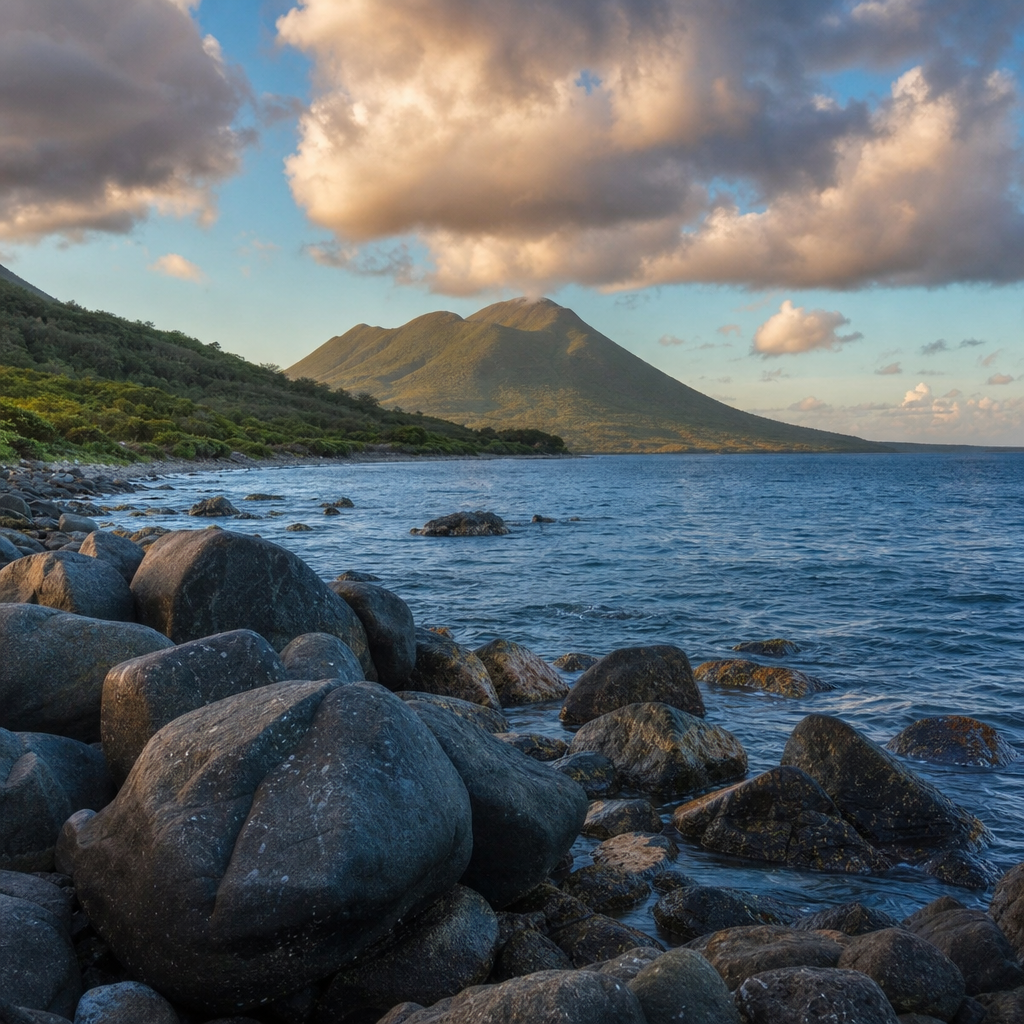
The event also matters because tourism can either deepen environmental pressure or fund protection. Saint Kitts offers rainforest hikes, volcanic landscapes, coastal views, and marine experiences that depend on healthy ecosystems. If Earth Hour programming includes beach cleanups, reef-safe snorkeling education, heritage walks, or talks on watershed protection, visitors understand that sustainability is tied to the actual places they came to enjoy. That connection is essential. Travelers are far more likely to adopt responsible behavior when they see how litter, runoff, single-use plastics, and excessive fuel consumption affect local beaches, monkeys, seabirds, coral communities, and public spaces.
There is also a community value. Earth Hour creates a low-cost platform for schools, churches, neighborhood groups, and tourism businesses to collaborate. I have found that the strongest destination campaigns use the hour itself as a centerpiece, then build surrounding activities that include education, local culture, and measurable commitments. In Saint Kitts, that can mean pairing lights-off participation with a pledge wall, local artisan market, composting demonstration, or hotel sustainability tour. The event becomes credible when people leave with one clear next step.
Eco-Friendly Activities for Families, Visitors, and Communities
The most effective Earth Hour activities in Saint Kitts are simple to join, culturally relevant, and easy to explain. Families can host a no-electricity game night using board games, storytelling, or oral history sessions that draw on Kittitian traditions. This works well because it cuts energy use while emphasizing connection rather than sacrifice. For visitors staying in villas or hotels, an unplugged balcony gathering with local fruit juices, reusable tableware, and a short discussion about the island’s wildlife can turn a symbolic hour into a memorable travel experience.
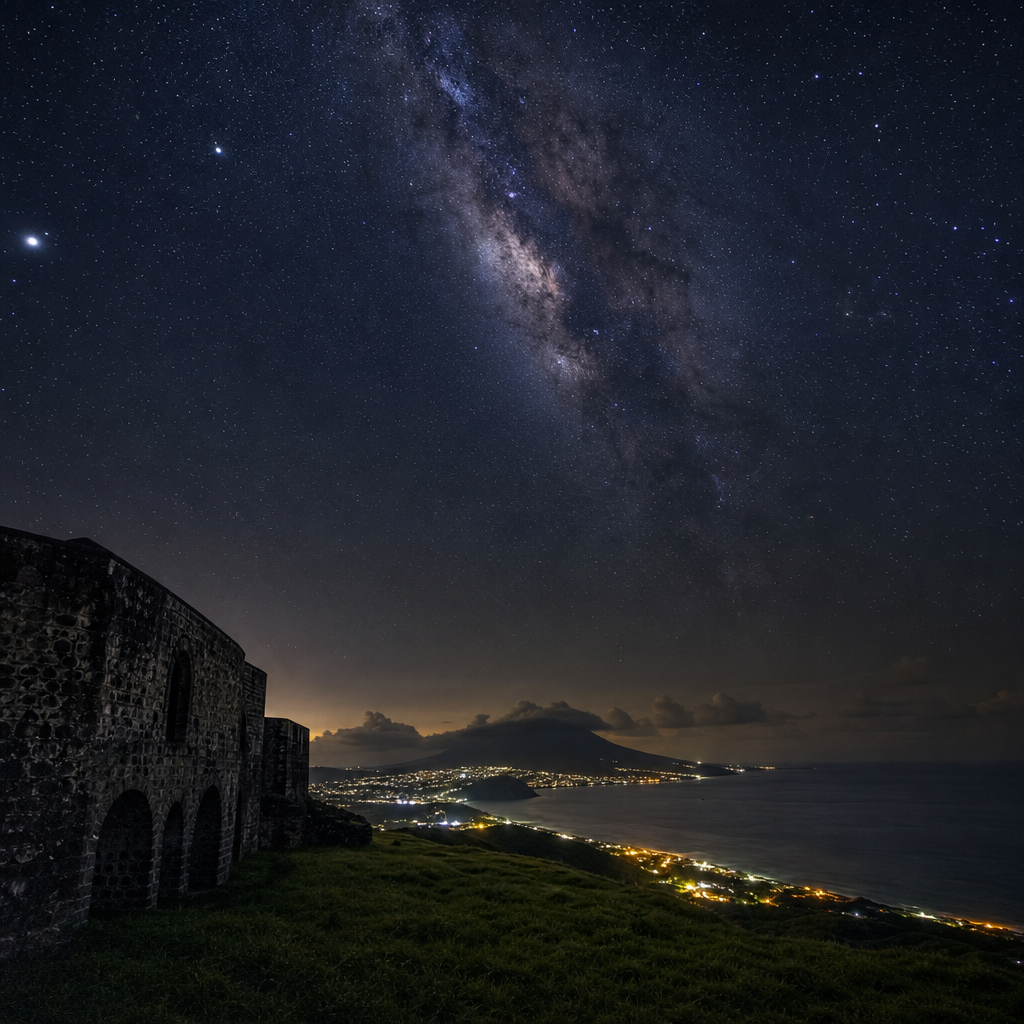
Outdoor activities are especially suited to Saint Kitts. A guided sunset walk in areas with safe access lets participants observe how reduced artificial lighting changes the atmosphere and reveals the night sky. On clear evenings, stargazing is a natural fit because it requires minimal equipment and highlights the value of dark skies. Organizers can add interpretation about migratory birds, coastal orientation for some species, and the broader problem of light pollution. Even basic explanation makes the event educational rather than decorative.
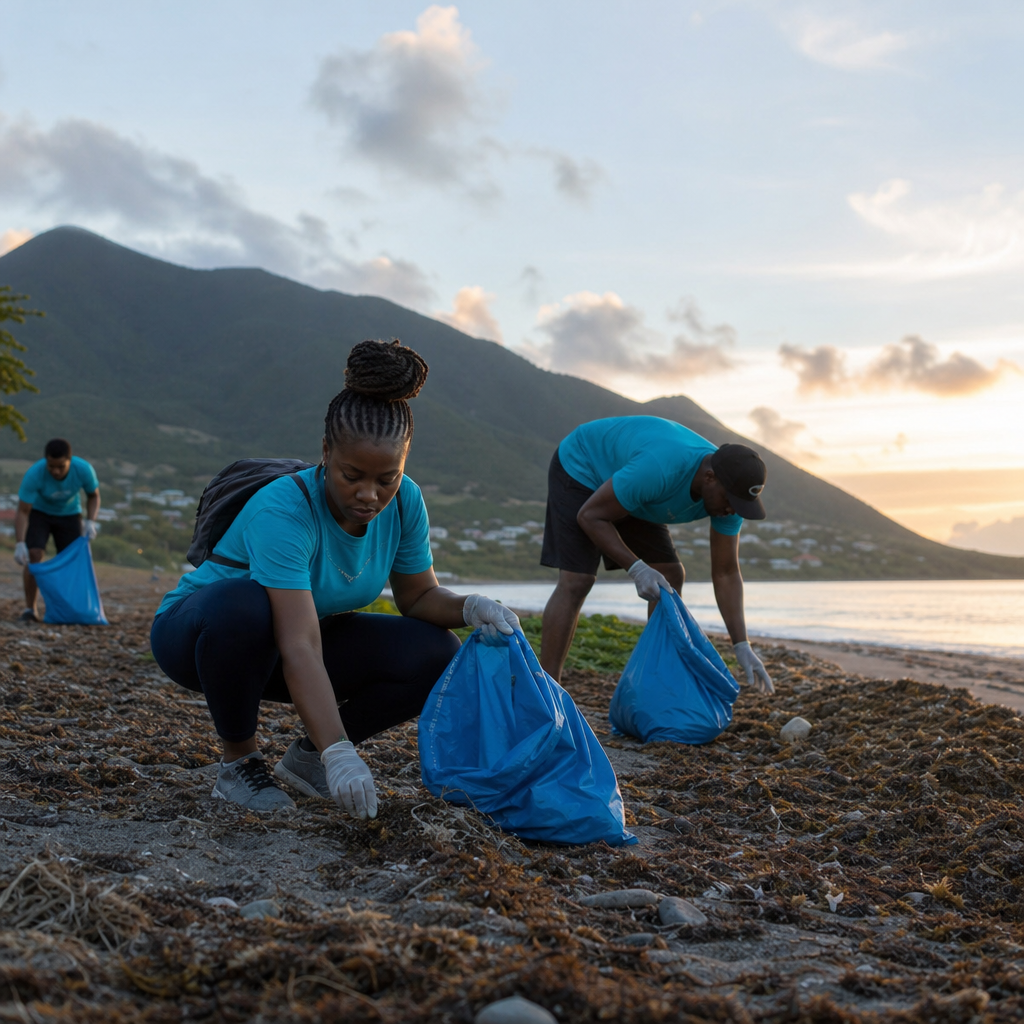
Another strong option is a community cleanup scheduled before Earth Hour. Beach, roadside, and neighborhood cleanups have immediate visual results and address one of the most visible challenges in island destinations: improperly managed waste. The key is to do them correctly. Use gloves, reusable collection sacks where possible, separate recyclables if a suitable stream exists, and record the most common litter types. That data helps local groups target future reduction efforts, especially around beverage containers, takeaway packaging, and single-use plastics.
For schools and youth groups, eco-scavenger hunts can work if they focus on observation instead of collecting natural items. Children can identify native plants, spot pollinators, note water-saving fixtures, or find examples of reusable materials. The activity can end with a short pledge to conserve water, avoid littering, and switch off unused appliances. In practice, children often become the strongest messengers in their households, especially when the actions are specific and easy to monitor.
How Tourism Businesses Can Participate Meaningfully
Hotels, restaurants, tour companies, and attractions in Saint Kitts have an opportunity to make Earth Hour visible without turning it into empty marketing. The first step is operational honesty. If a property asks guests to support Earth Hour while overcooling common spaces, offering bottled water by default, and using inefficient lighting, the message collapses. Businesses should treat the event as a public checkpoint for practices already underway or about to begin. Good examples include replacing halogen bulbs with LEDs, installing low-flow fixtures, improving linen reuse communication, sourcing more produce locally, and training staff to identify avoidable energy waste.
Guest-facing programming should be practical. A restaurant can offer an Earth Hour menu built around local ingredients such as breadfruit, plantain, seasonal vegetables, and responsibly sourced seafood, served with minimal disposable packaging and clear notes about food miles and waste reduction. A hotel can host a short back-of-house sustainability tour showing laundry efficiency measures, solar water heating, rainwater capture where available, or composting partnerships. Tour operators can run small-group evening nature walks instead of high-consumption entertainment.
Measurement matters because it builds trust. Businesses should compare one week of energy or water use before and after an Earth Hour campaign, track participation rates, and share results in plain language. Even modest data points are useful when they are real. For instance, a 60-room hotel might report that an LED conversion in corridors reduced electricity use for those fixtures significantly and improved lamp life, reducing maintenance frequency. A dive operator might show that switching from disposable to refillable water systems cut plastic bottle purchases by a clear percentage over a quarter.
| Business Type | Practical Earth Hour Activity | Longer-Term Sustainability Benefit |
|---|---|---|
| Hotel | Lights-off common area event with staff-led conservation talk | Higher guest awareness and stronger uptake of towel and linen reuse |
| Restaurant | Locally sourced candlelit menu with no single-use service items | Lower packaging waste and stronger support for local farmers |
| Tour Operator | Sunset nature walk or heritage walk instead of fuel-intensive entertainment | Lower emissions per guest and richer destination education |
| Attraction | Interpretive session on wildlife, water, or waste management | Better visitor behavior and stronger conservation messaging |
Low-Impact Experiences That Showcase the Island
Saint Kitts has distinctive landscapes and heritage assets that make Earth Hour programming more compelling than a standard lights-off campaign. Brimstone Hill Fortress National Park, Basseterre’s historic core, village communities, scenic railway viewpoints, and coastal areas all provide settings where sustainability can be linked to history and place. An evening heritage walk, for example, can explore how earlier generations lived with fewer energy-intensive systems, relied on ventilation and shade, used local materials, and organized community life differently. This is not nostalgia; it is a reminder that climate-smart design often has deep local roots.
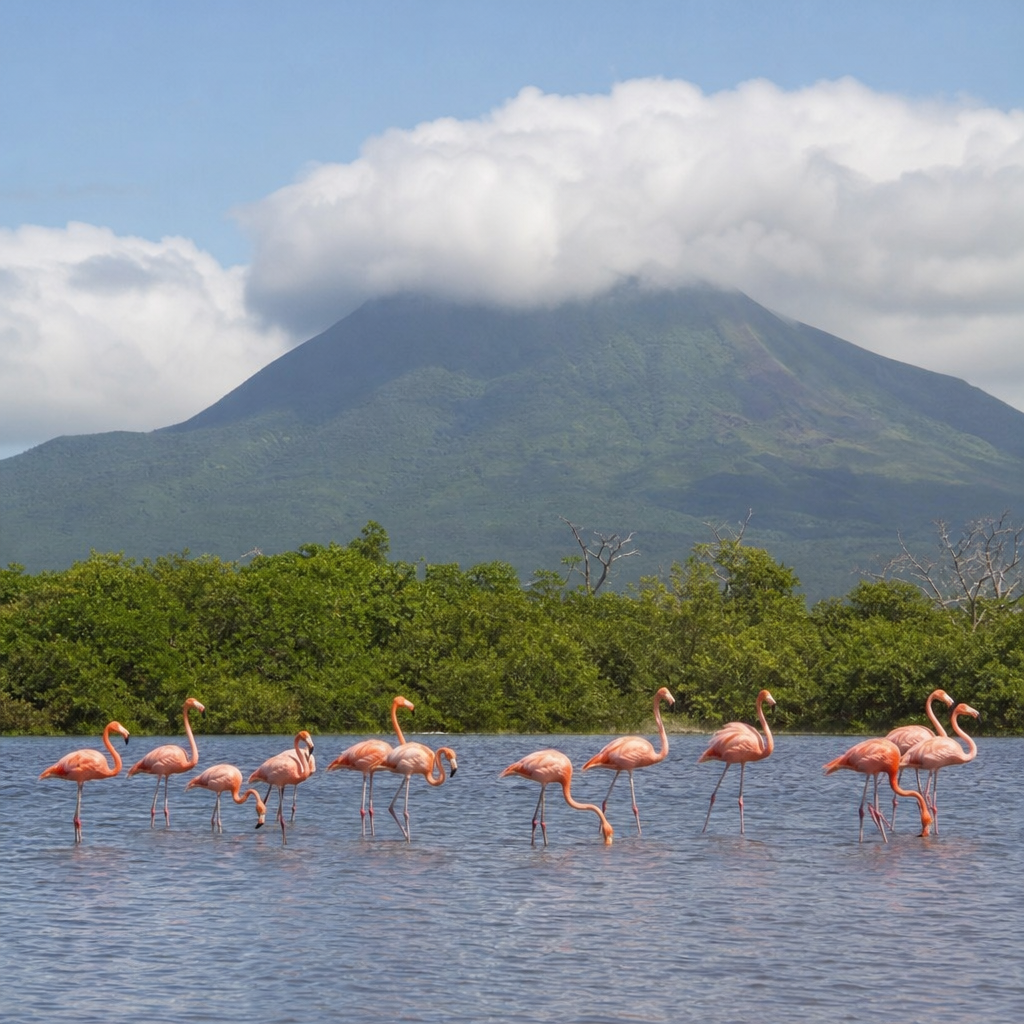
Nature-based activities should prioritize low disturbance. Quiet coastal walks, birdwatching from appropriate distances, and guided discussions about native and introduced species fit well. Saint Kitts is known for green vervet monkeys, but responsible interpretation should stress not feeding wildlife and avoiding behavior that normalizes harmful human-animal interactions. If marine elements are included, organizers should emphasize daytime preparation for reef-safe conduct: no standing on coral, no touching marine life, proper fin control, and the use of reef-safer sun protection according to current ingredient guidance and local operator standards.
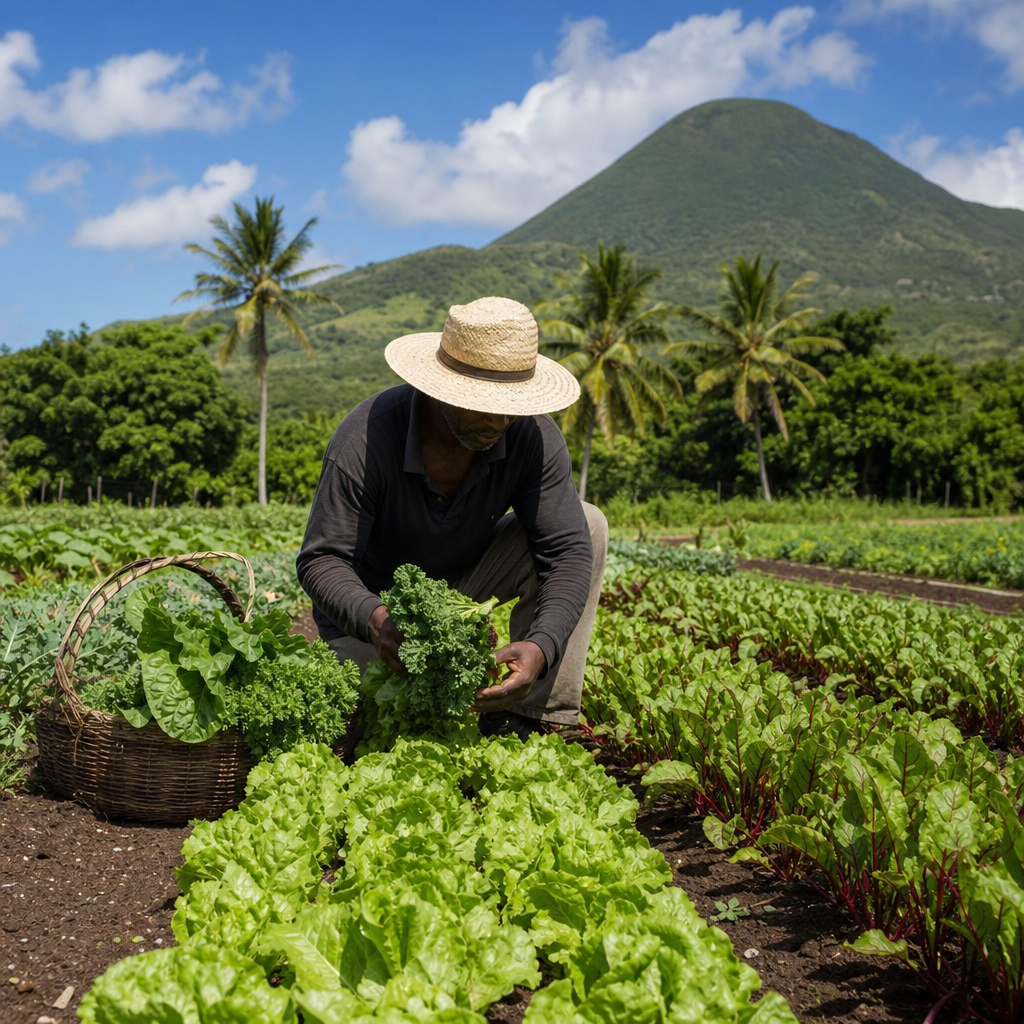
Food is another underused Earth Hour tool. Farm-to-table dinners, local tea tastings, and cooking demonstrations with lower-waste preparation methods connect environmental action to everyday choices. In my experience, guests remember sustainability most clearly when they can taste it and repeat it. A chef explaining why seasonal produce reduces spoilage and transport inputs will often have more influence than a printed sustainability card left in a room. Composting food scraps, right-sizing portions, and using refillable water service are concrete measures that visitors understand immediately.
Planning an Earth Hour Event That Actually Works
Successful Earth Hour events in Saint Kitts require planning for safety, weather, accessibility, and follow-through. Start with a clear objective: education, behavior change, fundraising, or community engagement. Then choose one primary audience such as families, school groups, hotel guests, or local businesses. Trying to do everything at once usually produces a weak program. The strongest events I have seen use a simple sequence: one short educational introduction, one enjoyable shared activity, and one specific pledge or next action.
Logistics matter. If lights are reduced, pathways must remain safe and emergency procedures cannot be compromised. Hotels and venues should keep essential lighting for stairs, exits, and operational safety. Battery lanterns or solar-charged lights can help in outdoor spaces without undermining the purpose of the event. Weather backup plans are essential, especially for outdoor programs during variable conditions. Organizers should also communicate transport options, encourage carpooling where practical, and minimize printed materials by using QR-based schedules and signage.
Partnerships make Earth Hour stronger. Schools can collaborate with environmental clubs, tourism associations, local government departments, and hospitality businesses. A dive shop may provide marine conservation expertise, while a restaurant contributes local food and a community group leads cleanup coordination. Shared planning reduces duplication and creates a more credible destination-wide message. If the event includes fundraising, transparency is critical. State exactly where funds go, whether for tree planting, school environmental materials, habitat restoration, or community waste bins, and report results later.
Accessibility should be designed in from the start. Not every participant can hike or stand for long periods, so include seated talks, courtyard gatherings, storytelling circles, or accessible viewing points. Earth Hour should feel inclusive, not niche. The wider the participation, the more useful it becomes as a gateway into sustainable tourism practices across the island.
Turning One Hour Into Year-Round Sustainable Tourism Habits
The biggest mistake is treating Earth Hour as a one-night performance. Its real value in Saint Kitts is as a launch point for habits that improve tourism and community life all year. For residents, that may mean replacing old bulbs with LEDs, line-drying when possible, reducing air-conditioner use through better temperature settings and maintenance, carrying reusable bottles and bags, and supporting businesses that reduce waste. For visitors, it means booking operators with visible environmental standards, respecting trails and beaches, conserving water in accommodations, and choosing local products over imported convenience items.
Businesses should convert Earth Hour enthusiasm into a simple annual action plan. Set targets for energy, water, waste, sourcing, and staff engagement. Use recognized frameworks where relevant, such as utility benchmarking, waste audits, preventive maintenance schedules, and supplier reviews. Small properties do not need complex certification to improve; they need consistent measurement and honest communication. Larger properties may benefit from formal programs, but the principle is the same: define a baseline, make changes, and publish progress.
As a hub within the broader sustainable tourism topic, this Earth Hour guide connects naturally to related areas readers should explore next: responsible beach use, community-led cultural experiences, eco-conscious accommodations, low-impact transportation, marine conservation, plastic reduction, local food systems, and green event planning. Together, those subjects form the practical toolkit for enjoying Saint Kitts without undermining the very landscapes and communities that make the island valuable.
Earth Hour gives Saint Kitts a focused moment to show that sustainability can be visible, social, and locally grounded. The most effective eco-friendly activities are not the flashiest ones; they are the ones people can understand, join, and continue. A stargazing walk, a cleanup, a locally sourced dinner, a youth pledge, or a hotel conservation briefing may seem modest, but each creates a direct link between tourism and stewardship. That link is the real benefit. It helps residents protect local resources, helps businesses operate more efficiently, and helps visitors become partners rather than passive consumers. If you are planning to celebrate Earth Hour in Saint Kitts, choose one activity that fits your setting, do it well, measure the result, and use it as the first step toward more sustainable travel and living on the island.
Frequently Asked Questions
What does Earth Hour mean in Saint Kitts beyond simply switching off the lights?
In Saint Kitts, Earth Hour represents much more than a symbolic sixty-minute blackout. While turning off non-essential lights remains the most visible part of the event, the deeper meaning is about helping residents, businesses, and visitors think more carefully about how daily choices affect the island’s environment. On a small island, issues such as electricity use, water conservation, waste disposal, coastal health, and biodiversity are closely connected to community well-being and the tourism experience. Earth Hour creates a shared moment to reflect on those connections and turn awareness into practical action.
For many people in Saint Kitts, Earth Hour is also a chance to celebrate local culture while supporting sustainability. Families may gather outdoors, community groups may host low-energy events, and tourism businesses may use the occasion to highlight responsible practices such as reducing plastic use, sourcing local food, or encouraging guests to respect beaches and marine habitats. In that sense, Earth Hour becomes both a global environmental observance and a local call to protect the natural beauty and resources that make Saint Kitts distinctive. The strongest message is that sustainability is not limited to one hour; it is a year-round commitment shaped by everyday habits.
What are some eco-friendly activities people can do in Saint Kitts during Earth Hour?
There are many meaningful and enjoyable ways to celebrate Earth Hour in Saint Kitts without relying on electricity-heavy entertainment. One of the best options is to spend the hour outdoors, whether that means having a candlelit family dinner, taking a quiet evening walk, stargazing, or gathering with friends on a veranda to appreciate the natural sounds of the island. These simple activities reinforce the idea that connection, reflection, and enjoyment do not need to depend on high energy use.
Community-centered activities also work especially well. Residents and visitors can join or organize beach cleanups, neighborhood litter collections, or small educational talks about marine protection, recycling, and water conservation earlier in the day, followed by an Earth Hour lights-off gathering in the evening. Businesses in hospitality and tourism can host low-impact experiences such as local storytelling, acoustic music, farm-to-table dinners featuring Saint Kitts-grown ingredients, or guided discussions about sustainable travel. Families with children might use the hour for hands-on learning, such as talking about wildlife, making crafts from reused materials, or planning household changes that reduce waste and conserve energy.
Another valuable approach is to use Earth Hour as a starting point for longer-term action. People can review how much single-use plastic they consume, identify ways to save electricity at home or in guest accommodations, support local conservation groups, or choose transportation options with a lower environmental impact. The most effective Earth Hour activities are the ones that inspire practical change long after the lights come back on.
How can tourists celebrate Earth Hour responsibly while visiting Saint Kitts?
Visitors can participate responsibly in Earth Hour by treating it as an opportunity to engage respectfully with the island’s environmental priorities rather than as a one-time novelty. A good first step is to follow the lead of accommodations or local organizers that are already promoting sustainable practices. Many hotels, villas, and guesthouses may dim lights, reduce non-essential energy use, or create low-impact evening experiences. Guests can support those efforts by limiting air-conditioning use when possible, unplugging devices, conserving water, and participating in any educational or community events connected to the occasion.
Responsible participation also means being mindful of the places that visitors enjoy most. Beaches, trails, reefs, and historic outdoor spaces are part of the island’s appeal, but they are also sensitive environments. During Earth Hour and throughout a stay, tourists should avoid littering, refrain from disturbing wildlife, use reef-safe sun protection when relevant, and choose reusable bottles and bags instead of disposable items. Dining at restaurants that use local ingredients, booking tours with environmentally conscious operators, and purchasing from local artisans and producers are additional ways to align travel spending with sustainable development.
Perhaps most importantly, tourists should understand that Earth Hour in Saint Kitts reflects local realities. Energy and waste systems on islands can face unique pressures, so even small acts of conservation matter. Visitors who approach Earth Hour with humility and curiosity can leave with a richer understanding of the island and contribute positively to the destination rather than simply consuming it.
Why is sustainability especially important for an island destination like Saint Kitts?
Sustainability matters deeply in Saint Kitts because island environments often experience the effects of resource use more directly and more visibly than larger mainland destinations. Energy production, freshwater availability, waste management, coastal protection, and ecosystem health all have immediate implications for everyday life and for the tourism sector. When resources are limited and natural areas are central to the economy, environmental stewardship becomes both a practical necessity and a long-term investment in resilience.
Tourism is closely tied to the island’s landscapes and seascapes, from beaches and scenic viewpoints to biodiversity and cultural heritage sites. If marine ecosystems are damaged, if litter and pollution increase, or if infrastructure strains local resources, the visitor experience can decline along with community quality of life. Earth Hour helps highlight that sustainability is not an abstract global slogan in Saint Kitts; it affects how communities manage development, how businesses operate, and how future generations will experience the island. Protecting the environment supports public health, economic stability, and cultural continuity at the same time.
Saint Kitts also benefits when sustainability is understood as shared responsibility. Government agencies, tourism operators, local residents, schools, community groups, and visitors all have a role to play. Earth Hour offers a highly visible reminder that climate awareness and conservation are strongest when they move from public messaging into collective action, from efficient lighting and water-saving habits to habitat protection and responsible tourism planning.
How can residents and businesses in Saint Kitts turn Earth Hour into lasting environmental action?
The most effective way to extend Earth Hour beyond a single evening is to treat it as a checkpoint for measurable changes. For households, that can mean adopting simple but consistent practices such as replacing inefficient bulbs, reducing standby power use, improving ventilation to lower cooling demands, fixing leaks, collecting recyclables where systems allow, composting organic waste, and cutting back on single-use plastics. Families can also use Earth Hour as a moment to set shared goals, such as lowering monthly electricity consumption or organizing regular neighborhood cleanups.
For businesses, especially those in tourism and hospitality, Earth Hour can serve as a public demonstration of environmental leadership. Hotels, restaurants, tour operators, and retailers can review their operations for opportunities to reduce energy use, manage waste more effectively, conserve water, and source more goods locally. Staff education is critical, because sustainability works best when employees understand both the environmental reasons and the customer-service benefits behind these actions. Clear communication with guests also helps, especially when businesses explain why certain practices, such as towel reuse programs or reduced plastic packaging, matter on an island like Saint Kitts.
Long-term progress often comes from combining visible gestures with systems change. A candlelit Earth Hour event may inspire attention, but real impact grows from policies, partnerships, and accountability. Businesses can collaborate with schools, environmental organizations, and community groups; sponsor conservation or cleanup projects; and track reductions in energy, water, and waste over time. Residents can support those efforts by choosing businesses that demonstrate genuine commitment. In this way, Earth Hour becomes not just a celebration, but a catalyst for a more sustainable future in Saint Kitts.