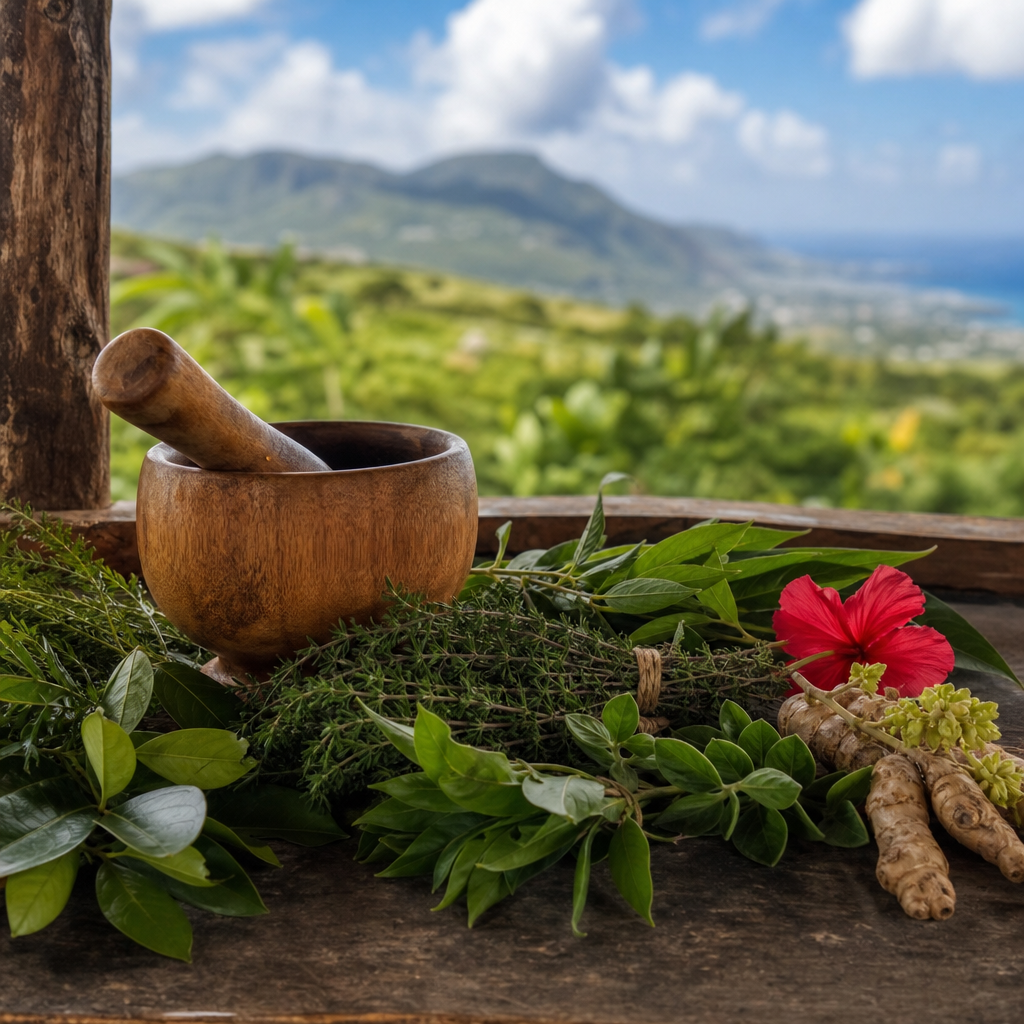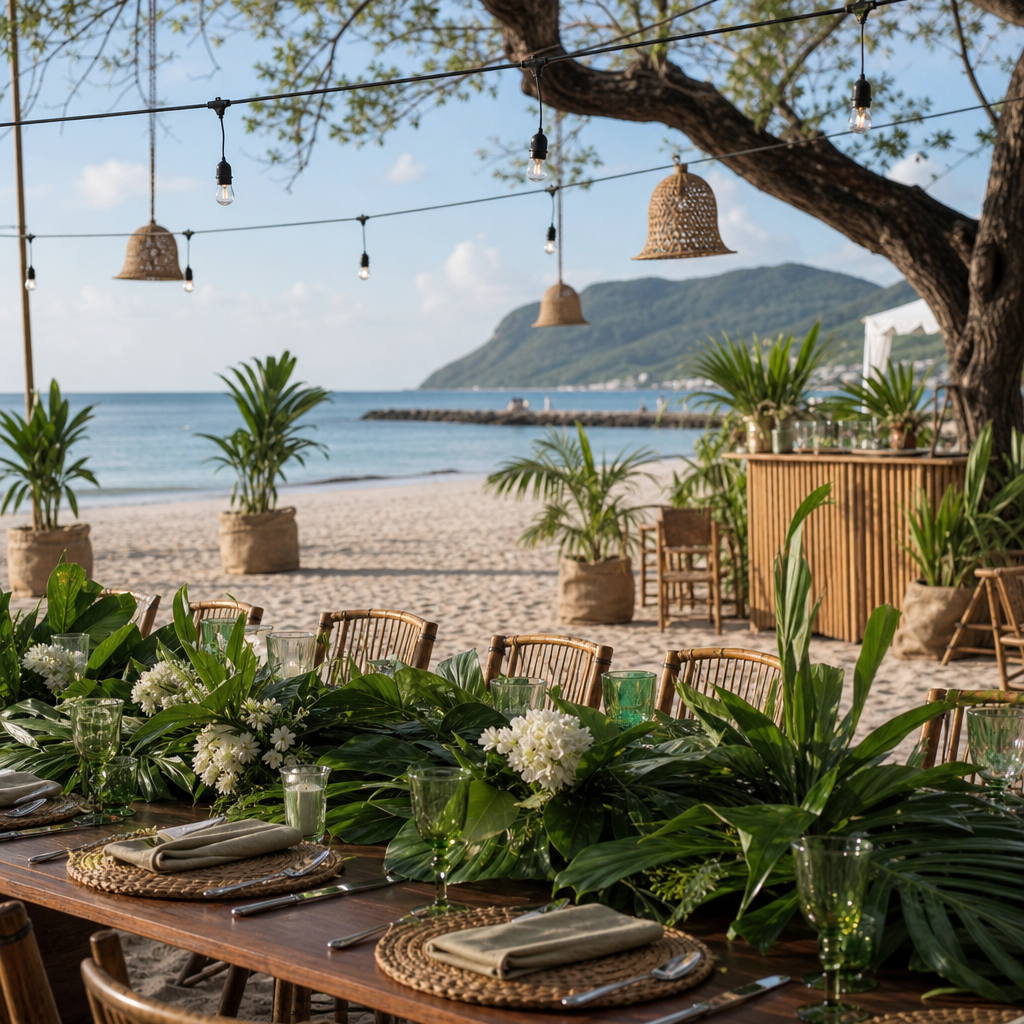
Eco-friendly celebrations in Nevis show how a small Caribbean island can host memorable weddings, festivals, conferences, and community gatherings while protecting the landscapes and cultural traditions that make the destination special. In practical terms, green events reduce waste, conserve water and energy, favor local sourcing, and limit emissions without stripping away the sense of joy people expect from a celebration. On Nevis, that matters because the island’s appeal depends on healthy beaches, coral reefs, clean streets, productive farms, and a close-knit community that feels the impact of tourism directly. After working on sustainable destination content and reviewing how Caribbean properties, planners, and public agencies manage events, I have found that Nevis stands out when sustainability is treated not as decoration but as operations: purchasing, logistics, catering, transport, staffing, and visitor education. This hub article explains how eco-friendly celebrations in Nevis work, why they matter to travelers and local businesses, and which event choices create the biggest environmental and social benefits across the island’s wider sustainable tourism ecosystem.
What Green Events Mean in Nevis
Green events in Nevis are celebrations designed to lower environmental impact and increase local benefit at every stage of planning and delivery. That includes venue selection, supplier standards, food sourcing, transportation, décor, power use, waste management, guest communication, and post-event cleanup. On an island setting, these choices are not abstract. A single event can generate large volumes of imported packaging, disposable tableware, food waste, diesel use, and laundry demand. It can also create the opposite outcome by using reusable serviceware, refill water stations, digital invitations, seasonal menus, shared transport, and locally made décor.
Nevis is particularly well suited to this model because its tourism identity is already tied to nature, heritage, and slower, place-based travel. Visitors come for volcanic landscapes, historic estates, reef-rich waters, village character, and a calmer pace than many high-density resort destinations. That gives planners a strong foundation. An eco-friendly celebration in Nevis does not need to invent authenticity; it needs to organize around what the island already does well. A beachfront ceremony powered by careful logistics, a farm-to-table reception, or a cultural event that supports artisans and musicians can feel elevated while still reducing strain on infrastructure and ecosystems.
The core principle is simple: the most sustainable event is one that fits Nevis instead of forcing Nevis to fit the event. That means scaling guest numbers to venue capacity, planning around weather and water availability, respecting marine and coastal zones, and building procurement lists around island businesses first. It also means understanding tradeoffs. Imported specialty flowers may look dramatic, but tropical foliage and potted plants often have lower transport emissions and less waste. Individually bottled water is convenient, but refill stations and branded reusable bottles are better long-term choices for both cost and litter prevention.
Why Eco-Friendly Celebrations Matter for Sustainable Tourism
Eco-friendly celebrations matter because events concentrate tourism impacts in a short timeframe. A wedding weekend, corporate retreat, music gathering, or holiday festival can boost local revenue fast, but unmanaged events can also overload waste systems, increase traffic, create noise conflict, and pressure sensitive coastal areas. Sustainable tourism on Nevis depends on balancing visitor spending with destination stewardship. Green events help maintain that balance by channeling demand into practices that preserve the island’s tourism assets instead of degrading them.
There is also a business reason. Travelers increasingly look for responsible destinations and measurable sustainability practices, especially in weddings, incentive travel, and small-group luxury tourism. Hospitality brands worldwide now publish sustainability reports, phase out single-use plastics, track food waste, and audit supply chains. Event planners who work in Nevis can align with these expectations by building packages around local catering, low-waste setups, and conservation-friendly activities. That gives the island a competitive advantage against destinations that market nature but fail to protect it operationally.
Community benefit is equally important. When event spending reaches Nevisian farmers, fishers, drivers, florists, musicians, rental companies, and cultural practitioners, tourism revenue circulates more widely. A green event is not only about emissions and recycling; it is also about economic resilience. In my experience, the strongest sustainable event programs are the ones that connect environmental goals with local procurement targets. That approach turns a celebration into a platform for small business growth and cultural continuity rather than an isolated visitor transaction.
Venue Selection, Capacity, and Site Stewardship
The venue is the biggest sustainability decision because it determines transport patterns, energy demand, generator use, water consumption, and waste handling options. In Nevis, eco-friendly venue selection starts with matching event size to infrastructure. A scenic location may look perfect in photographs, but if it requires heavy temporary buildout, long vehicle shuttles, or portable power and sanitation units, its environmental cost rises quickly. Venues with existing kitchens, restrooms, shaded areas, and established service access usually perform better than fragile or remote sites.
Hotels, heritage properties, and managed beachfront locations can support green events when they have clear operating procedures. Planners should ask specific questions: Is there on-site recycling or compost separation? Are refill stations available? Does the venue use energy-efficient lighting? Can service staff work with reusable tableware? How is wastewater handled? What is the storm contingency plan during hurricane season or heavy rain? Serious sustainability planning relies on these operational details, not generic claims.
Site stewardship also means respecting the island’s natural systems. Coastal dunes, turtle nesting zones, nearshore reefs, and hillside vegetation should never be treated as blank event backdrops. Temporary structures must avoid damaging root systems and compacting vulnerable ground. Lighting near beaches should be controlled to reduce wildlife disturbance. Amplified sound should be limited where it may affect neighbors or natural areas. The best events leave a site looking as if nothing happened except a successful gathering and income earned by local suppliers.
Low-Waste Catering, Local Food, and Smarter Procurement
Food and beverage service creates some of the most visible event impacts, but it also offers the clearest sustainability wins. In Nevis, local sourcing can reduce freight emissions, support agriculture, and improve guest experience at the same time. Menus built around seasonal produce, island herbs, fresh fruit, locally inspired sauces, and responsibly sourced seafood are more connected to place than imported banquet standards. Guests remember flavor and story, not how far a luxury ingredient traveled in cold storage.
Waste prevention begins with menu design and service style. Overproduction is common at celebrations because hosts fear running short. Experienced caterers use guest counts, RSVP confirmation windows, and portion modeling to avoid excess. Plated meals often produce less food waste than oversized buffets, although well-managed buffets can work when replenished in smaller batches. Beverage programs should prioritize bulk dispensers, glassware, and reusable service items rather than cans, plastic cups, and miniature bottles.
Procurement should extend beyond food. Décor, linens, furniture rentals, signage, gift bags, and welcome materials all shape an event’s footprint. Renting is usually better than buying one-time-use items. Natural fiber linens, reusable centerpieces, and digital schedules reduce waste without lowering quality. If favors are used, practical locally made products outperform branded trinkets that guests leave behind. Good examples include Nevisian preserves, soaps, spices, or artisan goods that support small producers.
| Event Element | Conventional Choice | Greener Nevis Option | Main Benefit |
|---|---|---|---|
| Drinking water | Single-use plastic bottles | Refill stations with reusable bottles | Less plastic waste and lower purchasing cost |
| Floral décor | Imported cut flowers | Local foliage, potted plants, reusable arrangements | Lower transport impact and less disposal |
| Guest favors | Mass-produced souvenirs | Locally made edible or practical gifts | Supports local business and reduces waste |
| Catering style | Large buffet with excess volume | Plated service or controlled small-batch buffet | Less food waste |
| Event materials | Printed programs and signs | Digital itineraries and reusable signage | Lower paper use and easier updates |
Energy, Water, Transport, and Waste Operations
Behind every polished event is a set of utility decisions that determine whether sustainability claims are credible. On Nevis, energy management matters because islands often face higher utility costs and infrastructure limits than mainland destinations. Daytime scheduling can reduce lighting demand. Natural ventilation and shaded layouts can lessen air-conditioning needs. LED lighting, efficient refrigeration, and careful equipment scheduling lower electricity use. If backup generation is necessary, planners should minimize run time through load planning rather than defaulting to oversized diesel dependence.
Water stewardship is just as important. Catering, guest rooms, floral prep, dishwashing, and linen service all consume water. Venues can reduce pressure through efficient fixtures, responsible laundry policies, and reusable serviceware managed with commercial washing rather than large volumes of disposables. During event planning, ask suppliers how they control leaks, rinse cycles, and cleanup procedures. These details sound small, but island sustainability depends on operational discipline.
Transportation often becomes the largest emissions source for any celebration, especially for destination weddings and conferences. International flights are hard to eliminate, so local planning should focus on what can be controlled: consolidated airport transfers, shared shuttles, walkable lodging clusters, coordinated activity schedules, and reduced vehicle idling. Encouraging guests to stay near the main venue can significantly cut transport demand. Boat excursions and scenic tours should use licensed operators that follow marine protection rules and avoid wildlife disturbance.
Waste operations need a written plan. At minimum, that means clearly labeled collection points, staff training, back-of-house sorting, and a hauler or facility arrangement for recyclables where available. Composting can be valuable for food scraps if local systems exist. If not, prevention becomes even more important. The cleanest waste stream is the one never created. I have seen events improve results dramatically simply by assigning one coordinator to monitor bins, supplier packaging, and cleanup compliance throughout the day.
Culture, Community Partnerships, and the Hub Role of This Topic
Nevis’ green events are strongest when they celebrate culture with the same care used to protect nature. Sustainability is incomplete if an event reduces plastic but sidelines local identity. Community-rooted programming adds value while keeping spending on island. Steelpan performances, local choirs, heritage storytelling, craft demonstrations, and menus that explain ingredients from Nevisian farms all deepen the guest experience. These are not extras; they are the content that turns a generic event into a meaningful one.
As a hub within the broader sustainable tourism topic, this page connects the miscellaneous but essential parts of event sustainability that other articles can explore in depth. Those include eco-conscious weddings, sustainable conference planning, beach ceremony guidelines, local food sourcing, responsible marine excursions, zero-waste festival operations, and green vendor selection. Together, these subtopics show that event sustainability is interdisciplinary. A planner cannot make progress through décor choices alone. Real gains come from integrating hospitality operations, environmental management, transportation, and community partnership.
For businesses on Nevis, the practical next step is to document standards and communicate them clearly. Create preferred vendor lists, define reusable inventory, publish waste and water practices, and brief guests before arrival. For travelers, ask direct questions and reward suppliers who provide specific answers. Eco-friendly celebrations in Nevis succeed when expectations are shared early and measured honestly. The result is a better event and a stronger destination: one where memorable gatherings help sustain the island people came to enjoy. If you are planning a celebration, start with local partners, set measurable goals, and build your event around what Nevis can protect and proudly provide.
Frequently Asked Questions
What makes an event in Nevis truly eco-friendly?
An eco-friendly event in Nevis is one that delivers a memorable guest experience while actively reducing harm to the island’s natural and cultural environment. In practice, that means looking at every part of the celebration—from venue choice and transportation to catering, décor, energy use, and waste disposal—and making decisions that lower resource consumption and pollution. A green wedding, festival, conference, or community gathering on Nevis typically prioritizes reusable or compostable serviceware, minimizes single-use plastics, sources food and flowers locally, and selects venues that already work in harmony with the landscape rather than requiring heavy temporary infrastructure.
What makes this especially important in Nevis is that the island’s beauty is not just a backdrop; it is part of the event itself. Beaches, gardens, historic estates, village spaces, and seaside settings all depend on healthy ecosystems and responsible stewardship. A truly sustainable event also respects local traditions by working with Nevisian vendors, musicians, chefs, artisans, and organizers who understand how to celebrate without unnecessary excess. The goal is not to make events feel restricted or austere. It is to create occasions that are joyful, polished, and immersive while preserving the very qualities that make Nevis such a special destination.
How can weddings and private celebrations in Nevis reduce waste without sacrificing style?
Reducing waste does not mean giving up elegance. In Nevis, many of the most stylish eco-conscious celebrations achieve their look through thoughtful planning rather than disposable extras. Couples and hosts can start by choosing durable items over one-time-use products, such as real glassware, metal cutlery, cloth napkins, and reusable signage. Décor can be designed around natural textures, locally grown flowers, potted plants, candles, lanterns, and rented furnishings instead of imported plastic accents or highly packaged materials. Digital invitations, online RSVPs, and streamlined printed materials also cut down on paper waste while keeping the event refined and modern.
Catering is another major opportunity. Menus built around local seafood, seasonal produce, island-grown ingredients, and realistic guest counts help reduce overordering and food waste. Leftover planning matters too, whether that means arranging responsible redistribution where feasible or coordinating composting for organic scraps. Welcome gifts and favors can also be reimagined in sustainable ways, with useful locally made items such as handmade soaps, preserves, crafts, or edible treats replacing novelty products that are often discarded. The result is often a more distinctive celebration—one that feels rooted in place, beautifully curated, and far more meaningful than a generic event built around convenience and excess.
Why is local sourcing so important for green events on Nevis?
Local sourcing is one of the most effective ways to make events in Nevis more sustainable because it supports both environmental goals and the island economy. When planners work with local farmers, fishers, caterers, florists, rental companies, artists, and entertainers, they reduce the emissions associated with shipping goods long distances. Fewer imported materials often means less packaging waste, less refrigeration and transport demand, and fewer supply chain complications. This is particularly valuable on an island, where imported products can carry a larger environmental footprint due to air and sea freight logistics.
Just as importantly, local sourcing strengthens authenticity. Guests do not travel to Nevis for a celebration that could happen anywhere else. They come for the island’s warmth, flavor, rhythm, and sense of place. A menu built around local ingredients, music performed by regional talent, and décor inspired by Nevisian craftsmanship can make an event feel more memorable and culturally connected. It also keeps spending within the community, helping sustain small businesses and traditional skills. In that sense, local sourcing is not simply an eco-friendly checkbox; it is a practical and values-driven approach that helps celebrations reflect the character of Nevis while contributing to its long-term resilience.
What are the best ways to conserve water and energy at events in Nevis?
Water and energy conservation are essential considerations for green events on Nevis, especially because island resources are finite and high-demand gatherings can place extra pressure on local systems. One of the smartest first steps is selecting a venue that already incorporates efficient operations, such as LED lighting, natural ventilation, energy-conscious cooling, and water-saving fixtures. Outdoor or semi-open-air venues can also reduce electricity use when they are timed to take advantage of daylight, sea breezes, and cooler evening temperatures. Event schedules matter: a well-planned timeline can lower lighting and cooling needs without affecting guest comfort.
On the water side, conservation can be supported by practical service decisions. Refillable water stations, clearly marked reusable bottles or glasses, and thoughtful catering operations can reduce both bottled water waste and unnecessary consumption. Restroom planning, kitchen coordination, and floral preparation should all be handled with efficiency in mind. Generators, if needed, should be used strategically and only when necessary, with equipment sized properly for the event rather than overpowered by default. These measures may seem small individually, but together they significantly reduce an event’s environmental footprint. Most importantly, they show that hospitality and resource awareness can work together seamlessly when sustainability is built into the planning process from the start.
Can large festivals, conferences, and community events in Nevis still be sustainable?
Yes—large events can absolutely be sustainable in Nevis, but they require early coordination, clear standards, and strong cooperation among organizers, vendors, venues, and attendees. Scale increases the challenge, yet it also increases the impact of good planning. For festivals and conferences, sustainability often begins with transportation strategy, including shuttle coordination, walkable venue layouts, and scheduling that reduces unnecessary vehicle movement. It also depends on waste systems that are easy for guests to follow, with clearly labeled stations for recycling, composting, and landfill items, plus staff or volunteers who can guide proper disposal during busy periods.
Food and beverage operations, exhibitor rules, and procurement policies also play a major role. Organizers can require vendors to avoid single-use plastics, use recyclable or compostable packaging where reusables are not feasible, and source products locally whenever possible. Printed materials can be reduced through digital programs, QR codes, and event apps. For community gatherings, sustainability should also include protection of public spaces, post-event cleanup plans, and measures that prevent damage to beaches, heritage areas, and green spaces. The broader point is that sustainable large-scale events are not about perfection; they are about systems that reduce impact in measurable ways while preserving community spirit. On Nevis, that approach helps ensure that major celebrations remain vibrant, welcoming, and compatible with the island’s environmental and cultural future.