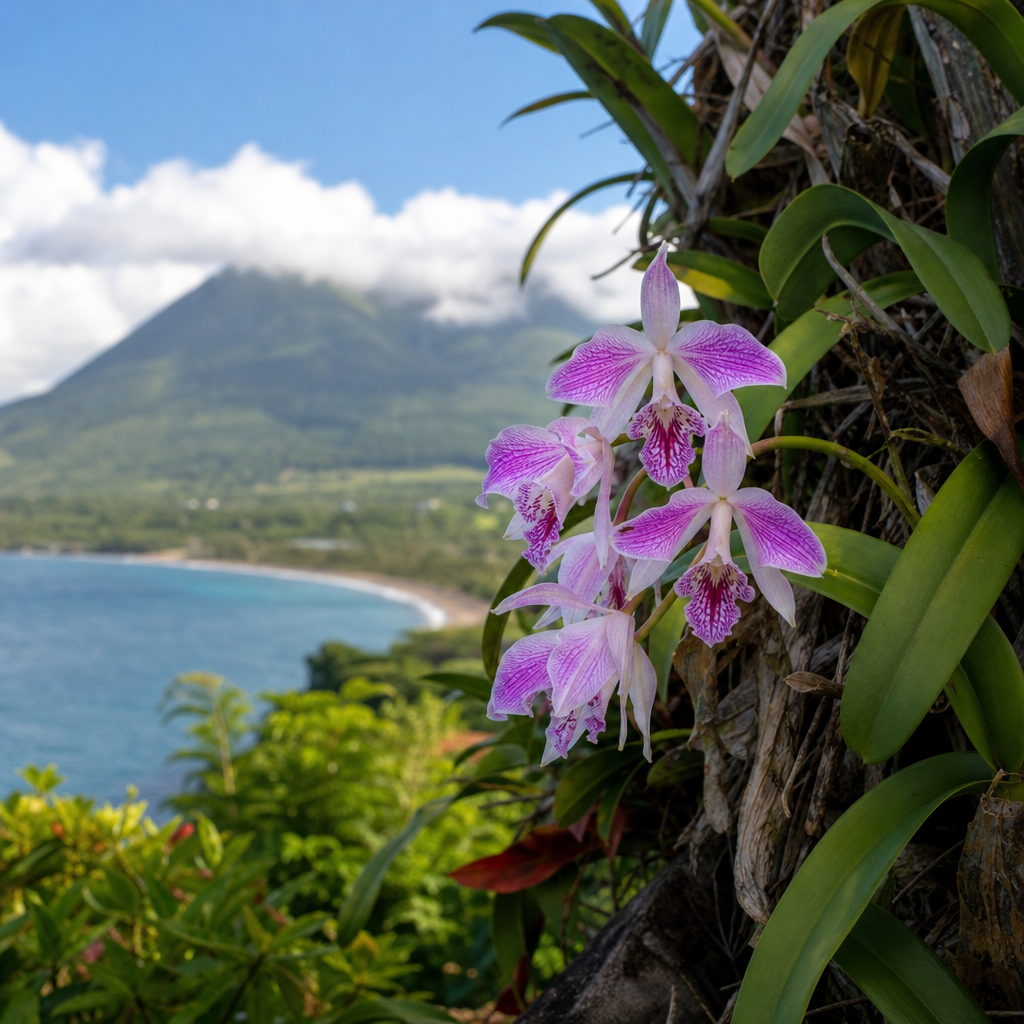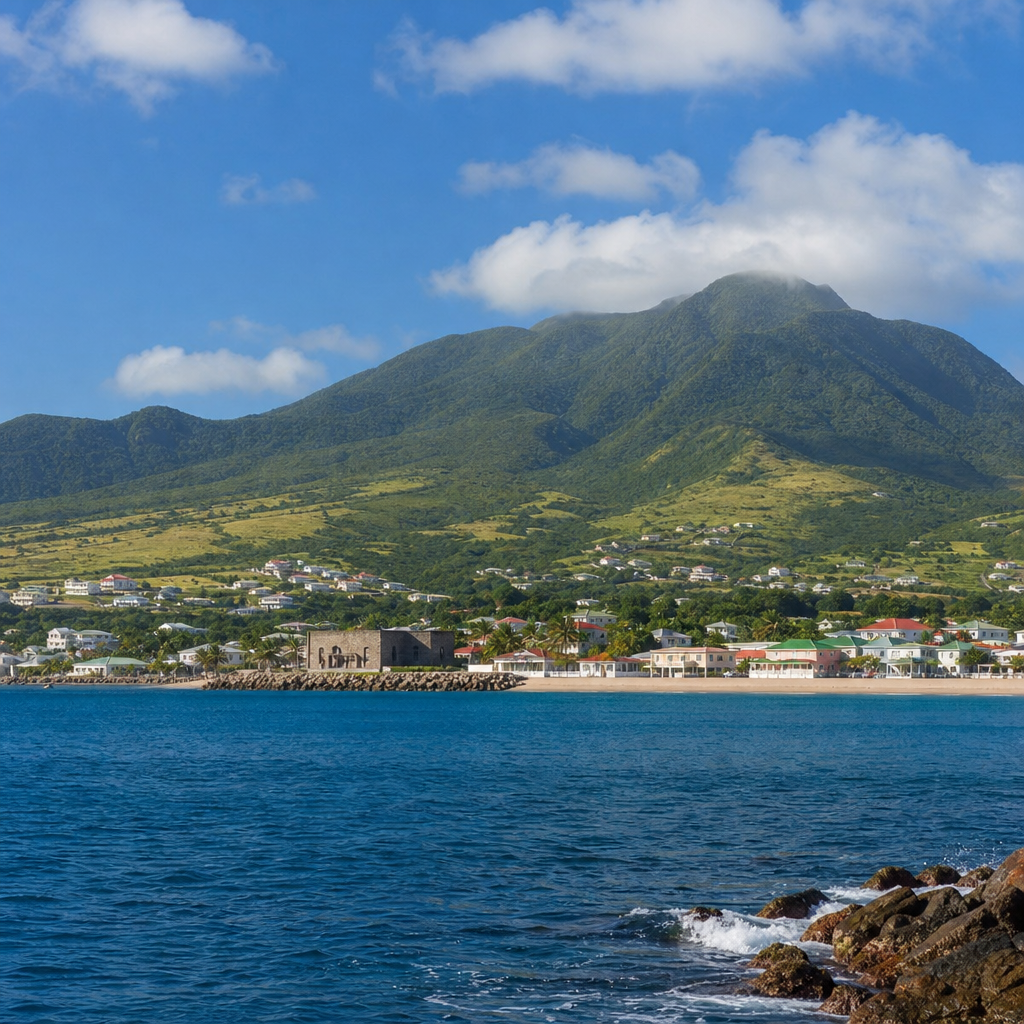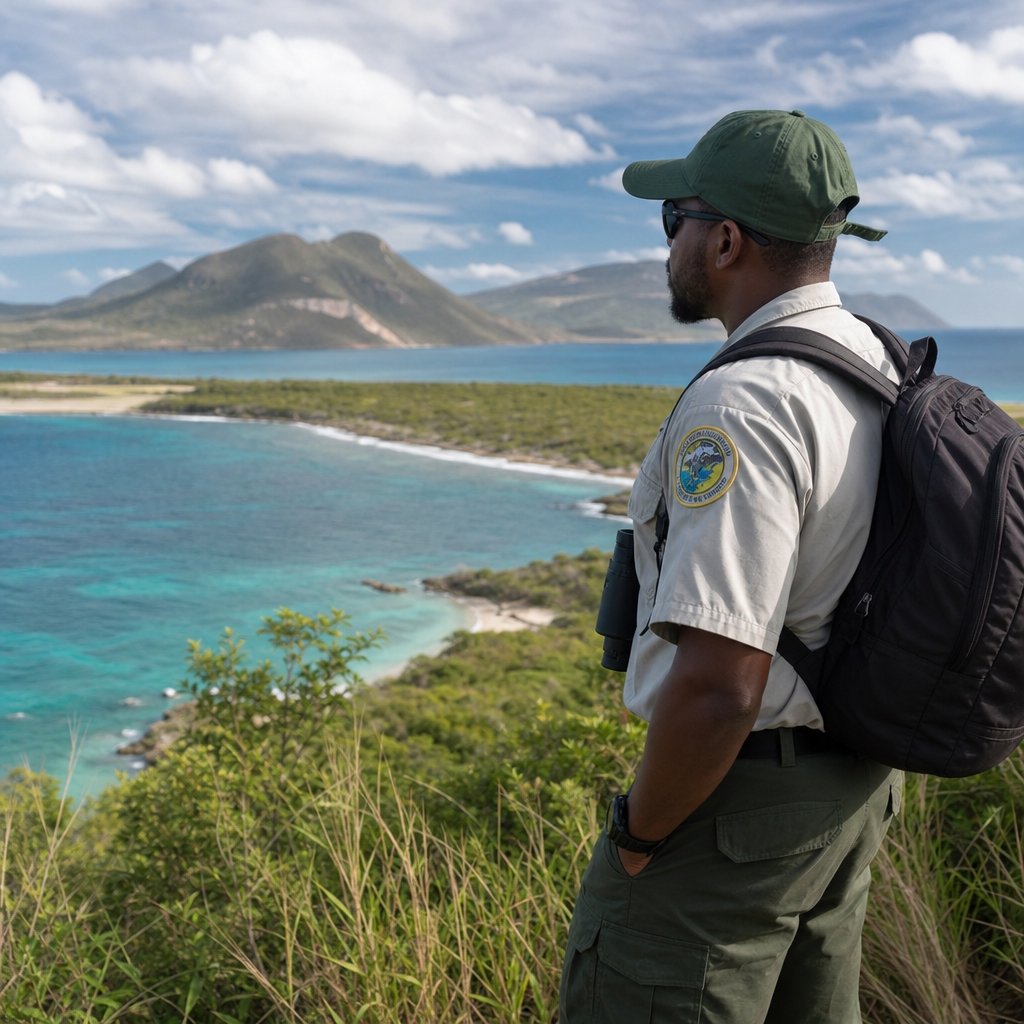
Saint Kitts reveals its wild character most clearly through the work of its park rangers, the professionals who protect trails, forests, coastlines, and historic landscapes while helping residents and visitors experience them responsibly. A day with a Saint Kitts park ranger shows that conservation is not an abstract idea. It is early-morning trail checks after rain, patient conversations with hikers, reports on invasive species, and practical decisions about erosion, litter, fire risk, and visitor safety. In Saint Kitts, where natural beauty underpins daily life and tourism alike, rangers are guardians of nature, cultural interpreters, emergency responders, and frontline observers of environmental change.
For readers exploring local life and experiences in Saint Kitts, this subject matters because park rangers sit at the meeting point of community, ecology, recreation, and heritage. They protect places such as rainforest paths, volcanic slopes, coastal viewpoints, and public green spaces that define how the island is lived in, not just photographed. The term park ranger can include staff working in protected areas, forestry and environmental units, heritage landscapes, marine-adjacent recreation zones, and community-managed sites. Their duties may vary by agency and location, but the core mission is consistent: conserve resources, reduce risk, educate the public, and keep access sustainable. From my work covering Caribbean destination management and protected-area operations, I have seen that islands depend on this role more than many travelers realize.
Saint Kitts faces a set of pressures that makes ranger work especially important. Heavy rainfall can damage trails in a single afternoon. Cruise arrivals and resort growth can increase foot traffic in sensitive areas. Non-native species can spread quickly on islands. Illegal dumping, off-trail walking, and careless fire use can create outsized damage in compact ecosystems. At the same time, local families want safe places to walk, schools need outdoor learning sites, and visitors increasingly seek guided nature experiences rather than passive sightseeing. A skilled ranger balances these demands every day. Understanding that balance gives a clearer picture of modern island stewardship and helps readers appreciate the systems that keep natural areas open, resilient, and welcoming.
Starting Before Sunrise: Patrols, Weather, and Safety Checks
A ranger’s day often starts before most people are awake because the first job is to understand site conditions before visitors arrive. On Saint Kitts, that can mean checking overnight rainfall totals, looking at trail surfaces, and reviewing any reports from the previous shift or nearby communities. In upland areas around the central mountain range, wet ground can quickly turn steep sections slick. Fallen branches, washouts, and blocked drains are not minor inconveniences; they are safety hazards that can lead to injuries and long-term trail degradation if ignored. Rangers therefore begin with a simple question: is the area safe and manageable today?
In practice, morning patrols combine observation with routine maintenance. A ranger may clear small debris, inspect signage, test handrails or steps, and note any damage needing a larger crew. On islands, humidity and salt exposure shorten the life of outdoor infrastructure, so regular inspection is essential. Rangers also monitor access points for litter, signs of unauthorized vehicle entry, and evidence that people camped or cooked where they should not. If weather conditions are poor, they may temporarily close sections of trail. That decision can disappoint visitors, but it protects both people and habitat. Preventive closure is almost always better than rescue, soil collapse, or vegetation loss.
What a Saint Kitts Park Ranger Actually Does All Day
The public often imagines a ranger as someone who simply walks through the forest, but the role is far broader. On Saint Kitts, the work combines land management, public service, field data collection, and compliance support. A ranger may guide a school group in the morning, document erosion by midday, coordinate with maintenance staff after lunch, and speak with tour operators before the afternoon ends. Good rangers move constantly between education and enforcement, always adjusting their tone to the situation while keeping the same standards for safety and conservation.
Daily tasks usually include visitor contact, trail monitoring, habitat observation, incident logging, and light site maintenance. Many rangers also help track bird activity, report illegal plant removal, identify emerging invasive species issues, and relay concerns to environmental authorities or heritage managers. Because Saint Kitts blends ecological and historical landscapes, rangers may also explain the significance of old estate ruins, stoneworks, or military viewpoints near natural areas. That interpretive role matters. Visitors behave better when they understand why a place is important, and local children gain a stronger sense of belonging when they hear their island’s natural and cultural stories told together.
| Time of Day | Typical Ranger Task | Why It Matters |
|---|---|---|
| 6:00-8:00 a.m. | Weather review, gate checks, trail patrol | Identifies hazards before public access begins |
| 8:00-11:00 a.m. | Visitor guidance, school or tour engagement | Improves safety and reduces off-trail damage |
| 11:00 a.m.-1:00 p.m. | Maintenance notes, erosion and wildlife observations | Supports long-term conservation planning |
| 1:00-3:00 p.m. | Agency coordination, incident reporting, signage checks | Creates an accountability record for management |
| 3:00-5:00 p.m. | Closing patrol, litter inspection, final advisories | Leaves sites secure and ready for the next day |
This rhythm varies by season. During wetter months, trail integrity takes priority. During peak visitor periods, education and crowd management become more prominent. On event days or public holidays, rangers may spend more time at entrances and scenic points where congestion, parking conflicts, and waste tend to increase. The common thread is constant situational judgment. Ranger work is not repetitive box-ticking; it is applied environmental management in real time.
Conservation in Action: Protecting Forests, Wildlife, and Water
Saint Kitts is known for beaches, but its interior ecosystems are just as important. The island’s forests help stabilize slopes, protect water catchments, moderate runoff, and support biodiversity. Rangers play a practical role in all of that by noticing early signs of damage that others miss. A muddy shortcut across a switchback may seem minor to a hiker, yet it can start a channel that accelerates erosion during the next storm. A pile of food scraps left near a lookout can alter animal behavior. A single invasive vine or insect outbreak, if left unreported, can spread through a vulnerable area. Rangers are the first layer of detection and response.
Wildlife protection on a small island often depends less on dramatic rescues and more on quiet consistency. Rangers document nesting activity, discourage harassment of animals, remind visitors not to feed wildlife, and protect habitat quality by keeping people on designated paths. They may also report injured animals to the appropriate specialists. In coastal or mangrove-adjacent settings, they help reduce trampling and litter that can harm birds, crabs, and marine life. This work connects directly to broader environmental resilience. Healthy vegetation reduces runoff into nearshore waters, which in turn supports better coastal conditions. Conservation on Saint Kitts is therefore interconnected from ridge to reef.
Education, Community Trust, and the Visitor Experience
The best Saint Kitts park rangers are excellent communicators. They know that most rule-breaking is not malicious; it starts with people being uninformed, distracted, or overly confident. A ranger who explains why a trail is closed, why loud music disturbs wildlife, or why litter attracts pests can prevent repeated problems. Clear explanation is more effective than vague warnings. Over years of field reporting, I have seen the same pattern across protected areas: when staff speak with authority and respect, compliance rises and confrontations fall.
Education also strengthens local pride. School visits, community cleanups, and guided walks turn protected areas into shared assets rather than restricted spaces. On Saint Kitts, where many families have deep connections to land, farming history, and village traditions, that relationship matters. Rangers help younger residents understand native plants, watershed protection, and responsible recreation in familiar, local terms. For visitors, the same guidance transforms a simple walk into a meaningful encounter with the island. They learn how volcanic terrain shapes trails, why certain trees thrive in humid elevations, and how human use must fit ecological limits. That kind of interpretation improves visitor satisfaction while reducing harmful behavior.
The Hardest Parts of the Job
Ranger work carries visible and invisible pressures. The visible ones include heat, humidity, steep terrain, insects, sudden weather changes, and the physical demands of patrolling and maintenance. The less visible challenges are just as serious: limited budgets, aging infrastructure, public resistance to restrictions, and the constant need to do more with small teams. Many Caribbean protected areas operate under resource constraints, which means rangers often improvise, prioritize sharply, and depend on partnerships with other departments, tour operators, schools, and volunteers.
Enforcement can be especially difficult on an island where social ties are close. Warning someone about illegal dumping, unauthorized entry, or fire use is rarely just a technical act. It may involve tact, documentation, and follow-up with agencies that have overlapping responsibilities. Rangers also face rising climate pressure. More intense rainfall can damage access routes and increase landslide risk. Hotter conditions can affect both visitor health and habitat stress. These are not future concerns. They are current operating realities, and they change how rangers plan patrols, maintenance, and public messaging.
Why This Role Matters to Local Life and Experiences in Saint Kitts
As a hub topic within local life and experiences, park ranger work opens the door to many related Saint Kitts stories: hiking culture, family recreation, heritage landscapes, environmental education, village access to green spaces, volunteer cleanups, birdwatching, and sustainable tourism practices. Rangers connect all of them. They make it possible for a resident to enjoy a safe morning walk, for a teacher to run an outdoor lesson, for a guide to lead guests responsibly, and for a traveler to understand the island beyond the resort corridor. Their work supports the lived experience of place.
That practical value is economic as well as cultural. Nature-based tourism depends on maintained access, accurate information, and public confidence. A scenic trail with poor signage, unmanaged erosion, or frequent litter will not hold its reputation for long. By contrast, well-managed sites generate repeat visits, stronger word of mouth, and more respectful use. The ranger’s contribution is often invisible precisely because success looks ordinary: trails open, hazards managed, visitors informed, and landscapes still healthy enough to enjoy. Recognizing that labor changes how people engage with Saint Kitts. It encourages slower, more responsible travel and deeper local appreciation.
A day with a Saint Kitts park ranger reveals a profession built on vigilance, judgment, and service. These guardians of nature do far more than patrol scenic spots. They protect watersheds, maintain trails, reduce risk, educate the public, document environmental change, and preserve the connection between landscape and community. Their work supports local life in direct ways, from safer recreation to stronger environmental awareness, and it strengthens the visitor experience by adding context, care, and accountability to every natural site.
The central lesson is simple: healthy public landscapes do not stay healthy by accident. They remain usable and beautiful because trained people notice problems early, explain rules clearly, and act consistently in the field. In Saint Kitts, that role is especially important because the island’s ecosystems are compact, heavily valued, and sensitive to misuse. Every closed shortcut prevented, every visitor redirected, every drainage issue logged, and every child taught to respect the forest contributes to long-term resilience.
If you live on Saint Kitts or plan to visit, treat rangers as allies in experiencing the island well. Follow posted guidance, stay on marked paths, pack out waste, ask questions, and support community conservation efforts where possible. The better the public understands ranger work, the stronger Saint Kitts’ natural spaces will remain for residents, students, guides, and future travelers.
Frequently Asked Questions
What does a typical day look like for a park ranger in Saint Kitts?
A typical day for a park ranger in Saint Kitts starts early, often before visitor traffic builds and while trail, weather, and wildlife conditions are easiest to assess. Rangers may begin with trail inspections after overnight rain, checking for fallen branches, slippery sections, drainage problems, washouts, and signs of erosion. In a landscape where mountain forests, coastal habitats, and historic areas all need attention, the work changes quickly from one hour to the next. A ranger might clear minor obstructions, document larger hazards for follow-up crews, inspect signage, and note whether sensitive areas are showing signs of overuse.
Beyond trail checks, much of the day involves public contact and field observation. Rangers answer questions from hikers, guide visitors on safe and respectful behavior, explain why certain paths are closed, and help people understand the importance of staying on marked routes. They also monitor litter, fire risk, illegal dumping, off-trail movement, and invasive species activity. Administrative tasks are part of the job as well, including writing reports, logging maintenance needs, documenting environmental changes, and coordinating with conservation teams, local authorities, or community groups. What makes the role so important is that it combines education, protection, safety, and hands-on stewardship in real time.
Why are park rangers so important to conservation in Saint Kitts?
Park rangers are essential because they turn conservation from a broad goal into daily action. Saint Kitts contains ecosystems and landscapes that are both beautiful and vulnerable, including forested uplands, scenic trails, coastal zones, and historically significant sites. These places can be affected by erosion, storm damage, invasive species, careless visitor behavior, and the cumulative pressure of regular use. Rangers are often the first people to detect these issues. Their routine observations help identify small problems before they become expensive or irreversible ones.
They are also critical because conservation depends as much on people as it does on protected land. Rangers help residents and visitors understand how to enjoy natural spaces responsibly, whether that means packing out litter, respecting wildlife, avoiding fire hazards, or staying off unstable sections of trail. Their presence reduces damage, improves safety, and builds public awareness. In practical terms, they serve as monitors, educators, responders, and caretakers all at once. Without that steady human presence, even well-known natural areas can decline quickly under environmental pressure and unmanaged visitation.
What kinds of environmental problems do Saint Kitts park rangers deal with most often?
Some of the most common challenges rangers face are trail erosion, storm-related damage, litter, habitat disturbance, invasive species, and fire risk. Heavy rain can quickly change trail conditions, creating muddy slopes, exposed roots, blocked drainage channels, or unstable footing that can threaten both visitors and the surrounding environment. Rangers assess these conditions, mark hazards, recommend temporary closures when needed, and report areas that require repair. In coastal and lower-use areas, they may also monitor dumping, unauthorized access, or signs that vegetation is being damaged by repeated foot traffic.
Invasive species are another ongoing concern because they can disrupt native habitats and put pressure on local biodiversity. Rangers are often responsible for spotting unusual plant spread, pest activity, or changes in habitat condition and relaying that information to the appropriate environmental teams. Fire risk is especially serious during dry periods, when one careless act can threaten large sections of landscape. Rangers also deal with the less dramatic but equally important issue of visitor impact, such as trail widening, noise, feeding wildlife, or leaving trash behind. Their job is not simply to react to problems but to prevent them through observation, education, and early intervention.
How do park rangers balance protecting nature with helping visitors enjoy it?
The balance comes from active management rather than leaving nature open without guidance. Park rangers in Saint Kitts are not there to keep people away from meaningful outdoor experiences; they are there to make those experiences safer, more informed, and less damaging. They help visitors understand why rules exist, whether those rules involve staying on designated trails, avoiding sensitive areas, respecting temporary closures, or not leaving food and waste behind. When people know the reason behind a restriction, they are usually more willing to cooperate.
Rangers also improve the visitor experience by sharing local knowledge. They can point out the best routes for current conditions, explain natural features people might otherwise overlook, and advise on weather, terrain, and safety. This guidance helps visitors feel more confident while reducing the risk of accidents and environmental harm. In that sense, protection and access are not opposites. Well-managed access often leads to better conservation outcomes because visitors are more likely to behave responsibly when they understand the landscape and see that it is being actively cared for. Rangers make that connection visible every day.
What can visitors do to support the work of park rangers in Saint Kitts?
Visitors can make a real difference by treating protected areas as living environments rather than just sightseeing spots. The most helpful actions are simple but important: stay on marked trails, carry out all trash, follow posted signs, respect closures, avoid disturbing wildlife, and do not remove plants, rocks, or other natural materials. If conditions are wet or unstable, listen to ranger guidance about route changes or restricted access. These steps reduce erosion, prevent habitat damage, and make it easier for rangers to focus on long-term protection instead of avoidable cleanup and enforcement.
It also helps to approach the experience with patience and awareness. If a ranger explains a rule, asks you to change course, or points out a safety concern, that advice usually comes from direct knowledge of current field conditions. Visitors can also support ranger efforts by reporting hazards, suspicious activity, or significant litter problems when they see them. Choosing responsible tour operators, preparing properly for hikes, and sharing good outdoor practices with others all contribute to a stronger culture of conservation. In the end, supporting park rangers means recognizing that every respectful choice helps protect Saint Kitts’ forests, trails, coastlines, and historic landscapes for the next visitor and for future generations.