Nevis rewards travelers who slow down, look past the famous beach bars, and pay attention to the ordinary places where island life actually happens. When people ask me for the best kept secrets of Nevis, they usually expect a list of hidden coves or a single insider restaurant, but the real answer is broader. A local’s perspective includes landscapes, customs, quiet routines, and small businesses that rarely make glossy brochures yet define the island’s character. This guide to the best kept secrets of Nevis serves as a practical hub for the miscellaneous side of local life and experiences, connecting the overlooked details that help visitors understand the island beyond the resort gates.
Nevis is the smaller sister island in the Federation of Saint Kitts and Nevis, sitting in the Leeward Islands of the Eastern Caribbean. Its appeal lies in contrast. It has world-class hotels and a deeply rooted village culture. It welcomes day-trippers from St. Kitts yet still feels intimate, especially once you leave Charlestown and the main coastal road. The phrase best kept secrets does not mean places no one knows. On a small island, secrets are often public knowledge among residents but invisible to visitors because they are unmarked, understated, or easy to dismiss. A village rum shop, a roadside fruit stand, an old estate path, or a community event can reveal more about Nevis than any packaged excursion.
That distinction matters because travel on Nevis is changing. More people arrive by ferry, more villas are marketed online, and more restaurants target short-stay guests. None of that is inherently negative, but it can narrow the experience if visitors only consume a polished version of the island. In my experience working around Caribbean travel content and speaking with residents, the most memorable days on Nevis begin when someone asks a practical question: where do locals eat after church, which beach is best in the late afternoon, where can you buy tamarind balls, or how do you spend a rainy hour in Charlestown? Answering those questions reveals the Nevis that residents recognize immediately.
This article covers that wider map. It explains where local culture is easiest to see, which low-key places deserve time, how food, history, music, and nature overlap, and why respectful curiosity leads to better travel decisions. Use it as a starting point for deeper exploration within the Local Life and Experiences topic. If you want the best kept secrets of Nevis, think less about exclusivity and more about context. The island’s hidden value is not locked away. It is sitting in plain sight, waiting for visitors who know how to notice it.
Charlestown and the Everyday Heart of the Island
Charlestown is often treated as a stopover rather than a destination, which is one reason it remains one of the best kept secrets of Nevis. The capital is compact, walkable, and historically dense. Georgian-style buildings, civic landmarks, small shops, churches, and government offices sit close together, giving the town a rhythm that feels lived-in rather than staged. Spend an hour here in the morning and you will see school traffic, banking errands, fishermen talking near the waterfront, and market interactions that reveal more about daily life than any panoramic viewpoint. The quieter pace is the attraction.
Start with the Charlestown Market area, especially when vendors are selling seasonal produce, herbs, coconuts, and prepared snacks. This is where visitors can understand what grows locally and what people actually buy for home cooking. You may find breadfruit, green figs, sorrel products, sugar cake, guava cheese, or homemade pepper sauces depending on timing. Nearby, the Alexander Hamilton Museum attracts historical interest, but the real local insight comes from walking the surrounding streets and noticing the scale of the town, the preserved stonework, and the mix of commerce and community institutions. Charlestown does not need spectacle to be meaningful.
Another underappreciated feature is how useful the town is on a mixed-weather day. If the afternoon turns rainy, Charlestown still offers cafés, artisan shops, museums, and easy people-watching from a sheltered veranda. Visitors who only chase sunshine often miss this. On Nevis, adapting to the day is part of traveling well. The capital gives you a grounded backup plan that still feels distinctly local.
Food Secrets: Where Flavor Lives Beyond the Resort Menu
Some of the best kept secrets of Nevis are edible. Resort dining can be excellent, but it usually presents a curated version of Caribbean food. To understand Nevisian flavor, look for places where menus change with catch, season, and supply. Local cooks build meals around goat water, saltfish, Johnny cakes, coconut dumplings, green banana, stewed chicken, fresh mahi-mahi, lobster when legal and available, and sides that reflect both African and British colonial influence. The island’s food identity is practical, deeply seasoned, and tied to community gatherings.
Roadside grills and village eateries often deliver the strongest sense of place. A simple lunch of grilled fish, rice and peas, steamed vegetables, and plantain can tell you more than an elaborate tasting menu because it reflects ingredients residents trust. Weekend barbecues are especially important. On Friday and Saturday evenings, local spots may serve chicken, pork, or fish with music playing and families dropping in casually. These are not hidden because they are exclusive. They are hidden because many visitors never leave the established dining circuit.
Bakery culture also deserves attention. Fresh bread, patties, coconut tarts, and sweet buns from a local bakery can shape an entire morning on Nevis. So can fruit bought directly from a stand: mango in season, soursop, starfruit, tamarind, or sugar apples. If you want a reliable local tip, ask what is in season and where people buy it. That question nearly always leads to a better meal. Food secrets on Nevis are less about a single famous dish and more about understanding when and where everyday island eating happens.
Beaches, Bathing Spots, and Quiet Coastal Corners
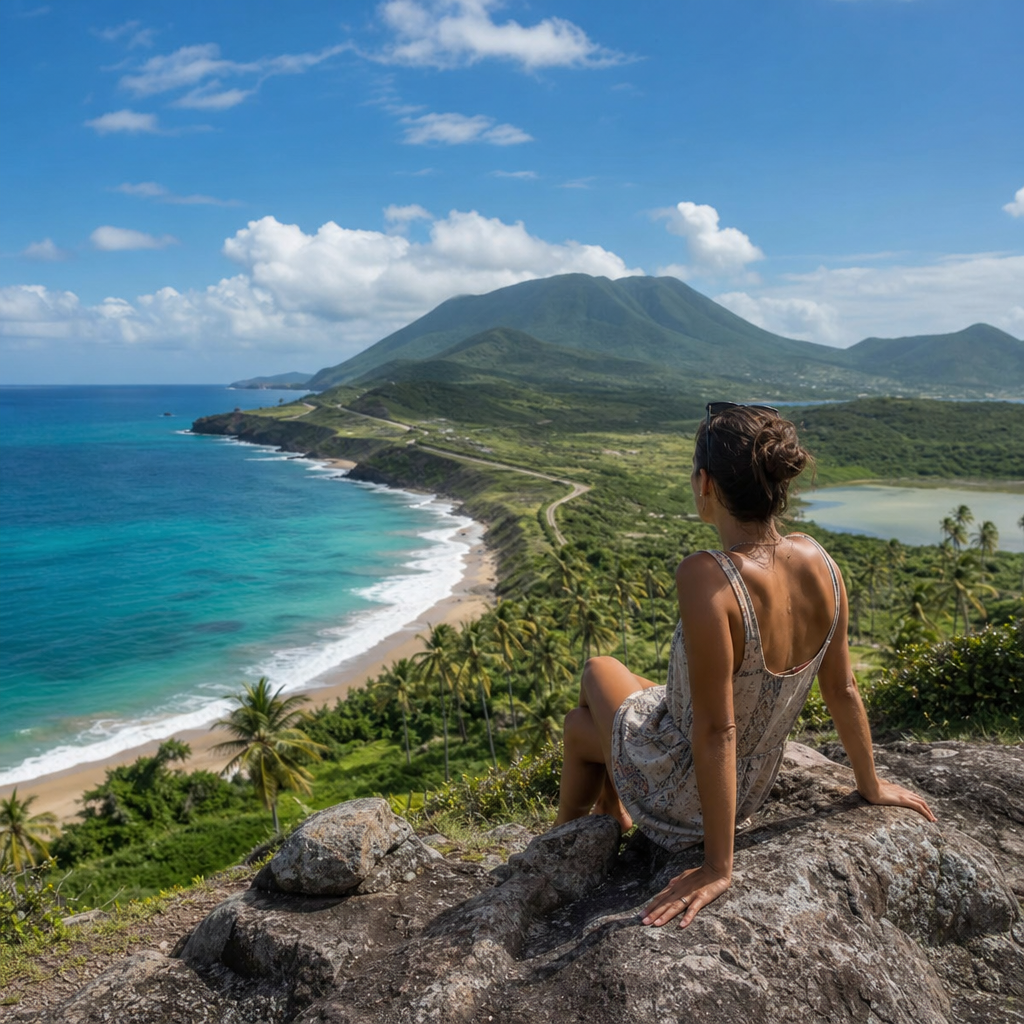
Nevis is known for long stretches of sand such as Pinney’s Beach, yet some of its best coastal experiences are quieter and more situational than headline-worthy. The best kept secrets of Nevis include knowing which beach fits which mood. Pinney’s has broad appeal, calm water in many areas, and access to bars and restaurants, but locals often value timing over location. Early morning offers softer light, fewer crowds, and cooler walking conditions. Late afternoon can bring the most pleasant sea breeze and views toward St. Kitts.
Oualie Beach remains a useful option for travelers who want an easiergoing atmosphere and water activity access without as much scene. Lovers Beach has long been discussed as a more secluded area, though conditions and access can vary, and travelers should always check local guidance before heading out. More important than chasing a remote label is understanding safety. Currents, seaweed, and weather can change quickly. A beach is only a secret worth keeping if it is treated with respect.
Small coastal pull-offs can be just as rewarding as named beaches. On Nevis, a brief stop to watch fishermen, spot pelicans diving, or photograph the volcanic slope of Nevis Peak meeting the sea can become a highlight. The coastline works best when approached as a series of lived spaces, not only sunbathing zones. That is how residents often see it.
Nature Inland: Trails, Estates, and the Slower Green Interior
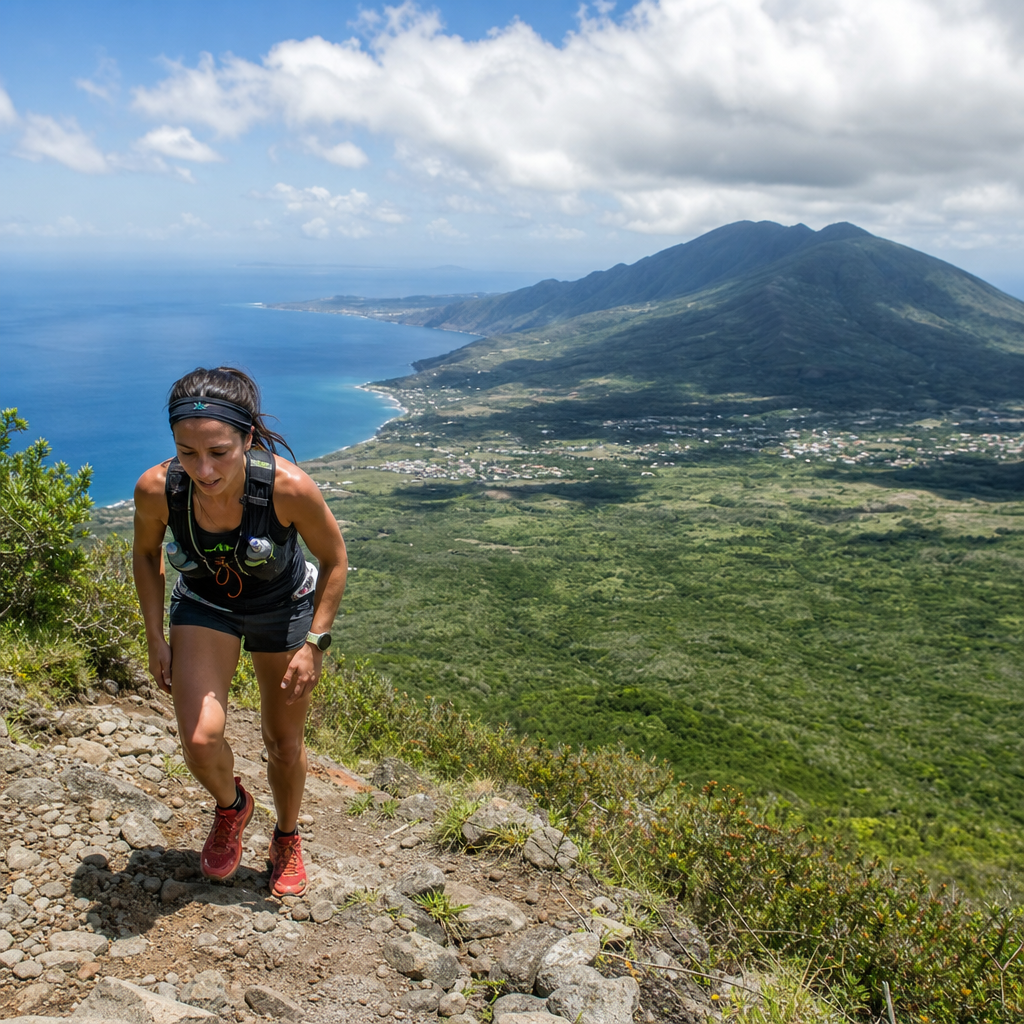
Many visitors associate Nevis with beaches, but the island’s interior holds some of the strongest local secrets. Nevis Peak dominates the landscape, and its slopes shape rainfall, vegetation, and temperature across the island. Hiking the peak is a serious undertaking that requires a guide because the trail is steep, muddy, root-heavy, and often slippery. It is rewarding, but it is not casual sightseeing. For many travelers, the smarter inland secret is to explore lower-elevation estate roads, garden properties, and heritage landscapes that reveal how sugar shaped Nevisian settlement patterns.
Old estates are scattered across the island, and even where ruins are modest, the settings are rich with meaning. Stone walls, old mills, and overgrown grounds point to the plantation economy that defined Nevis for centuries. Botanical spaces and hotel grounds sometimes preserve this history in ways visitors can access more easily than remote sites. The island’s flora also deserves notice: flamboyant trees, bougainvillea, mango, coconut, tamarind, and lush mountain vegetation create a layered environment that changes with elevation. Birdlife can be rewarding too, especially in quieter morning hours.
| Experience | What Makes It Special | Best Advice |
|---|---|---|
| Charlestown walk | Everyday town life, architecture, markets | Go in the morning and explore on foot |
| Village food stop | Authentic home-style flavors and local interaction | Ask what is fresh or seasonal that day |
| Pinney’s at sunset | Wide beach, breeze, social atmosphere | Arrive late afternoon for the best light |
| Estate road exploration | History, scenery, fewer crowds | Use a driver or local guide for context |
| Community event | Music, conversation, real cultural access | Dress simply and observe local etiquette |
If you are choosing between a strenuous hike and a heritage drive, the right answer depends on your goals. The peak delivers adventure and bragging rights. The estates and interior roads offer context, photography, and a more accessible understanding of Nevis. Both matter, but only one fits most itineraries comfortably.
Music, Conversation, and the Social Places Visitors Overlook
A local’s perspective on the best kept secrets of Nevis must include social spaces. Island culture is not only seen; it is heard and shared. Some of the most revealing moments happen in places that would never appear on a list of luxury attractions: a bar with cricket on television, a roadside cook-up with soca in the background, a church event, or a village gathering where everyone seems to know three generations of the same family. These spaces teach visitors how Nevis actually sounds and moves.
Live music appears in both polished and informal settings. Hotels may host bands for dinner service, but smaller venues often create the more memorable atmosphere because the audience includes residents, returning nationals, and workers unwinding after the week. You will hear calypso, soca, reggae, gospel influences, and regional mixes that reflect wider Caribbean listening habits. During festival periods, especially around Culturama, the island’s energy shifts dramatically. Costumes, pageantry, street activity, and music make clear that culture here is active, not preserved behind glass.
Conversation is another local asset that visitors underestimate. Nevisians are often warm, but they also value courtesy and mutual respect. A rushed transaction may stay a transaction; a patient question can open a story about family land, fishing changes, hurricane memory, or how a village has evolved. The secret is not to force intimacy. It is to create room for it by slowing down.
Practical Local Knowledge That Improves the Trip
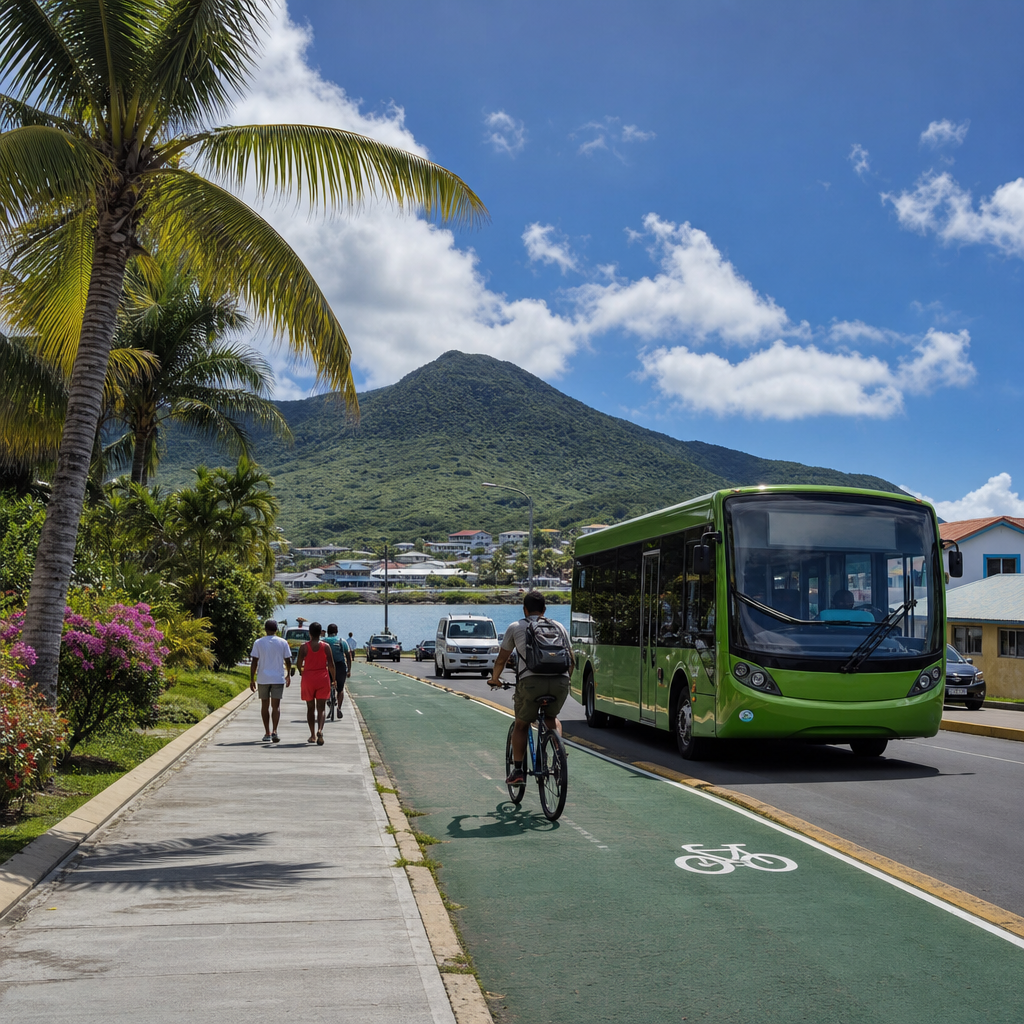
The most useful best kept secrets of Nevis are often practical. Renting a car gives flexibility, but the island’s narrow roads, occasional potholes, and left-side driving can challenge nervous drivers. Hiring a taxi driver for a half-day tour often produces better local knowledge, especially if you ask for ordinary stops rather than only scenic overlooks. Cash is still helpful for small purchases, though cards are accepted in many established businesses. Sunday hours can be limited. Ferry schedules matter if you are moving between St. Kitts and Nevis, and weather can affect the feel of a crossing.
Visitors should also understand pace. Service can be excellent on Nevis, but it is not always rushed, and that difference is cultural rather than careless. Build extra time into meals, transport, and spontaneous detours. Dress standards are another area where basic awareness helps. Beachwear belongs at the beach, while town, churches, and community events call for more covered, respectful clothing. Greeting people before asking for information is a small courtesy that goes a long way.
Finally, support local business deliberately. Buy from artisans, eat at independently run restaurants, book local guides, and tip fairly when service merits it. If travelers want the best kept secrets of Nevis to remain vibrant, local spending has to reach the people who sustain those experiences.
How to Explore Nevis Responsibly and Find More Hidden Layers
The best kept secrets of Nevis are not a checklist to conquer. They are an invitation to engage responsibly with a small island that balances tourism with community life. Respect private property, ask before photographing people, avoid littering beaches and roadside areas, and do not treat every unmarked road as a playground. On islands with limited land and tight social networks, inconsiderate behavior is noticed quickly. Respect is not just ethical; it leads to better access and better recommendations.
A good strategy is to build each day around one anchor and one open window. Visit a museum, beach, or estate in the morning, then leave the afternoon flexible for a bakery stop, a roadside conversation, or a tip from someone you met earlier. That is how hidden layers emerge naturally. You may hear about a better sunset point, a local lunch special, or a village event that never appears online. Those moments are usually the stories people remember longest.
Nevis rewards visitors who travel attentively. Its secrets are not flashy. They are the market stall with the ripest fruit, the town street with the most history, the beach reached at the right hour, the cook who seasons fish perfectly, and the resident who points you toward a place you would have missed alone. Explore the island with curiosity, spend locally, and let this hub guide your next steps into the richer, more personal side of Nevis.
Frequently Asked Questions
What does a local really mean by the “best kept secrets” of Nevis?
From a local perspective, the best kept secrets of Nevis are not just a handful of hidden places pinned on a map. They are the habits, spaces, and everyday experiences that reveal how the island actually lives. Visitors often arrive expecting a dramatic secret beach, a little-known lookout, or one restaurant that only insiders know about. Those things can exist, but they are only part of the story. The deeper secrets of Nevis are found in village life, roadside conversations, unhurried mornings, family-run businesses, small churches, old estate landscapes, and the quiet ways people move through the island day to day.
Nevis rewards attention more than speed. If you only chase major attractions, you may miss the baker opening early, the fruit vendor who knows what is in season, the shaded road lined with stone walls, or the small beach where locals stop at sunset without making a production of it. A local’s answer is broader because island character is broader. It includes the rhythm of the place: when people gather, how they greet one another, where they go for simple food, and which corners feel meaningful without needing to be promoted. In that sense, the best kept secrets of Nevis are really about learning to notice what residents already value rather than trying to “unlock” the island as if it were hiding from you.
How can travelers experience the more authentic side of Nevis without feeling intrusive?
The best approach is to move with humility, patience, and genuine curiosity. Nevis is not a theme park version of the Caribbean, and the more authentic side of the island comes into view when travelers stop treating every encounter like a checklist item. Start by slowing your schedule down. Leave room for unplanned stops, local recommendations, and ordinary moments. Shop at small businesses, talk respectfully with vendors, and ask questions in a way that invites conversation rather than performance. People usually respond warmly when they feel that your interest is sincere.
It also helps to remember that everyday places are not attractions just because they are new to you. Residential villages, neighborhood shops, local gathering spots, and community events should be approached with awareness and respect. Dress appropriately, greet people politely, and do not assume every scene needs to be photographed. On Nevis, courtesy matters. A simple greeting before asking for directions or information goes a long way. If you are invited into a conversation, listen more than you speak. If a local points you toward a food stand, a beach, or a walking route, treat that recommendation with appreciation rather than entitlement.
Authentic travel on Nevis also means supporting the island in practical ways. Eat at family-run establishments, hire knowledgeable local guides, buy crafts or produce from local sellers, and learn a little about the island’s history beyond the resort setting. The goal is not to “find secrets” in a way that extracts value from the place, but to participate in island life respectfully enough that its quieter, more meaningful details naturally reveal themselves.
Are the best hidden experiences on Nevis more about nature, food, or culture?
The honest answer is all three, because on Nevis they overlap constantly. Nature is a huge part of the island’s quiet appeal, but not only in the obvious postcard sense. Yes, there are beautiful beaches, green hillsides, and memorable coastal views. But some of the most rewarding natural experiences are subtler: a less crowded stretch of shore in the early morning, the shifting light on Nevis Peak, back roads bordered by old trees, or the feeling of walking through an area where the landscape still reflects the island’s agricultural and colonial past. These are not always marketed as must-see sights, yet they often leave the strongest impression.
Food is another major piece of the island’s hidden character. Nevis is full of modest places serving dishes that say more about the island than any polished menu ever could. Roadside grills, village cookshops, rum bars, and small local eateries often provide the most memorable meals because they reflect what people actually eat and enjoy. Fresh fish, hearty sides, seasonal fruit, and straightforward preparation can teach you a lot about local life. A meal in one of these places is not just about flavor; it is about pace, conversation, and community.
Culture ties everything together. The island’s personality is visible in music, storytelling, local gatherings, historic sites, and the social ease of day-to-day interactions. Even architecture, old plantation remains, village layouts, and churchyards can reveal layers of Nevisian identity. So if you are looking for the “best” hidden experiences, do not separate nature, food, and culture too strictly. On Nevis, a quiet beach stop can lead to a local lunch, which can lead to a conversation, which can lead to a richer understanding of the island. That combination is often the real secret.
What kinds of places should visitors pay attention to if they want to get beyond the usual tourist path?
Visitors who want a fuller picture of Nevis should pay attention to the ordinary places that hold the island together. That includes village bakeries, produce stands, roadside bars, small groceries, local restaurants, community spaces, and historical areas that are easy to pass by if you are only focused on the main resort corridor. These places may not look dramatic in photos, but they often contain the most direct connection to the island’s everyday identity. A small shop where residents stop in the morning can tell you as much about Nevis as a famous viewpoint.
Roads and routes also matter. Some of the island’s quiet character is best understood from the in-between spaces: the drive between villages, the turnoff that leads to a less-publicized beach, the lane with old stonework and flowering trees, or the viewpoint that appears without signage or fanfare. Travelers who notice these transitional spaces often come away with a more textured understanding of Nevis. They begin to see the island not just as a collection of attractions, but as a lived-in landscape.
Historic spaces deserve attention as well. Nevis has layers of history that show up in plantation remnants, churches, cemeteries, public buildings, and preserved sites that speak to both hardship and resilience. These are not background scenery; they are essential to understanding the island’s character. Finally, pay attention to where locals actually spend time. Not in a way that invades privacy, but in a way that helps you identify which places feel genuinely rooted in community. Often the least flashy stop is the one that gives you the clearest sense of where you are.
What is the biggest mistake people make when searching for hidden gems in Nevis?
The biggest mistake is treating Nevis like a puzzle to solve quickly instead of a place to experience slowly. Many travelers arrive wanting a list of secret spots they can check off in a day or two, as though the island’s most meaningful places are simply hidden from search engines. That mindset can lead people to overlook the very things that make Nevis special. If you are always chasing the next “undiscovered” cove or trying to collect insider tips as trophies, you may miss the softer, richer details that are right in front of you.
Another common mistake is assuming that hidden gems have to be dramatic or exclusive. On Nevis, some of the most memorable experiences are deeply unglamorous in the best possible way: a quiet lunch at a local spot, a peaceful roadside view, a conversation with someone who has lived on the island for decades, or a beach moment with no crowd and no soundtrack but the wind. These are not always the scenes people brag about first, but they are often the ones they remember longest.
Finally, visitors sometimes make the mistake of pursuing local knowledge without local respect. Not every place needs to be geotagged, broadcast, or turned into content. Part of understanding Nevis from a local’s perspective is recognizing that value does not always come from exposure. Some places matter because they remain calm, familiar, and community-centered. If you approach the island with patience, courtesy, and a willingness to appreciate simple things, Nevis tends to reveal far more than it does to people who arrive demanding secrets on command.