Birdwatching in Nevis reaches a special peak in autumn, when the island’s resident species are joined by waves of migrants moving through the eastern Caribbean on journeys that connect North America, Central America, and South America. For visitors and local naturalists alike, this season turns a small volcanic island into a dynamic observation point where shorebirds, warblers, herons, raptors, and occasional rarities can appear in a single morning. In practical terms, autumn migration in Nevis usually spans late August through November, with September and October often delivering the greatest variety as weather systems, food availability, and geography shape each day’s sightings.
Birdwatching, at its core, is the observation and identification of birds by sight and sound, but on Nevis it also becomes a way to read habitats. A salt pond holding a few inches of water may attract peeps and plovers after rain, while flowering trees in the foothills can suddenly host American Redstarts, Cape May Warblers, and Northern Parulas feeding before continuing south. Understanding autumn migrants means knowing the difference between resident birds that breed on the island and passage migrants that stop briefly to rest and refuel. It also means appreciating how wetlands, coastal edges, dry scrub, and montane forest each support different species at different stages of migration.
This matters because Nevis sits within a broader flyway where even small habitat patches can be disproportionately important. I have spent enough dawns scanning the ponds near Newcastle and the edges of Pinney’s Beach to know that a seemingly ordinary site can produce an unexpected Lesser Yellowlegs, a flock of Black-bellied Plovers, or a Merlin streaking through shorebird flocks. For travelers planning a wildlife-focused trip, birdwatching in Nevis offers more than a checklist. It provides a structured way to explore the island’s landscapes, understand seasonal ecology, and support conservation by valuing habitats that are often overlooked beside beaches and resorts.
As a hub within the wider Nature and Wildlife topic, this guide covers the essential miscellaneous ground that connects more specialized articles: when to go, where to look, what species to expect, how weather affects movement, what gear helps most, and how to bird responsibly. If you want a practical overview of the autumn migrants of Nevis, this page is designed to answer the key questions clearly and comprehensively.
Why autumn migration in Nevis is so productive
Autumn is productive because Nevis lies along a migration corridor used by many birds leaving North America after the breeding season. Some species cross broad stretches of ocean, while others island-hop through the Caribbean. Weather plays a major role. Cold fronts moving south, tropical waves, and localized storms can concentrate birds in coastal habitats, especially after overnight flights. On calm mornings after rain, ponds and wet fields often hold the highest numbers because migrants need fresh water, invertebrates, and safe open ground.
The island’s scale is an advantage for observers. Nevis is compact enough that birders can check multiple habitats in one day without long drives. A typical autumn circuit may begin at a wetland at first light for shorebirds, continue to scrub and gardens for songbirds, then move upslope to forest edge for pigeons, flycatchers, and raptors. Because migration is episodic rather than constant, repeat visits matter. One morning can seem quiet, and the next can produce ten new species following a weather change overnight.
Another reason the season stands out is the contrast between resident and migrant communities. Resident birds such as the Bananaquit, Lesser Antillean Bullfinch, Caribbean Elaenia, Zenaida Dove, and Green-throated Carib create a reliable baseline. Migrants add surprise and identification challenge. That mix is especially rewarding for newer birders because there is always something to watch, even on slower passage days.
Best birding habitats and hotspots on the island
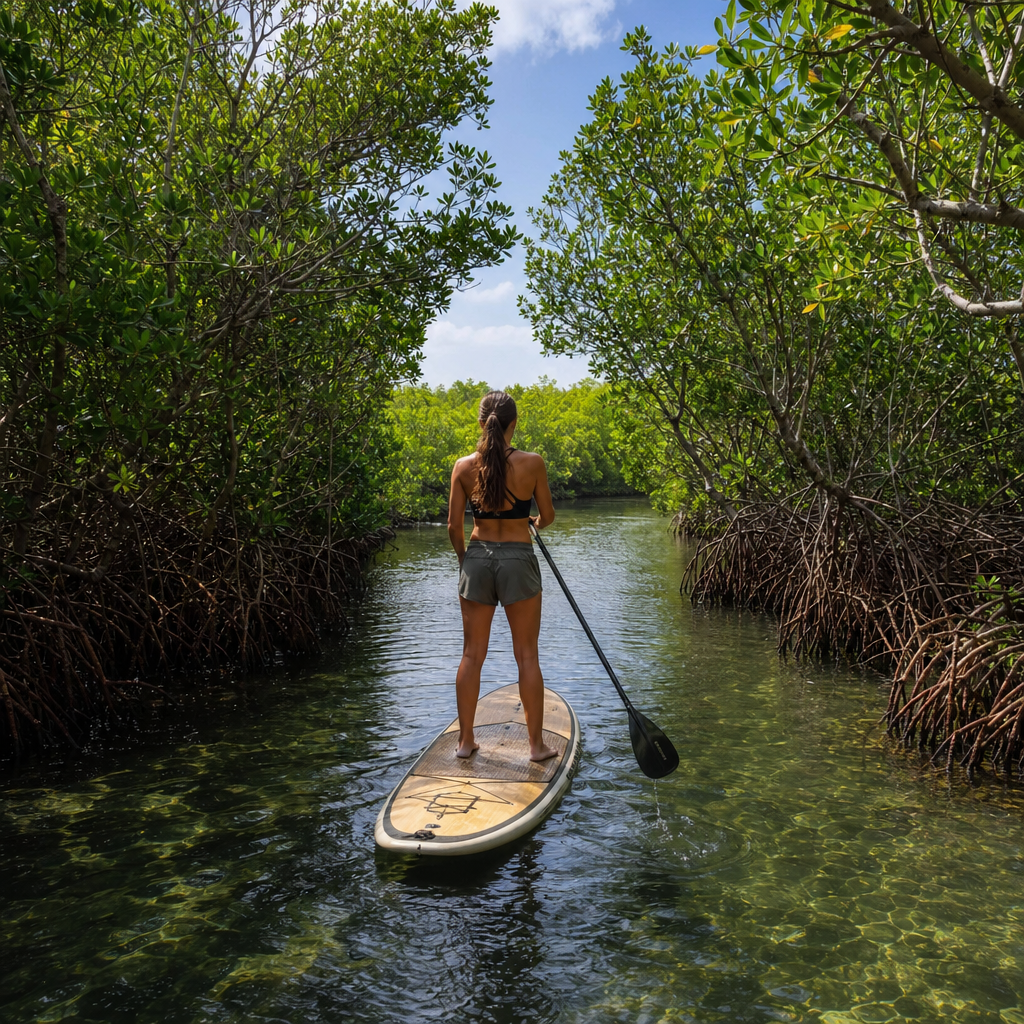
The best habitats for autumn migrants in Nevis are wetlands, coastal flats, scrubland, gardens, and forest edge. Wetlands deserve first priority because they concentrate birds in visible spaces. Seasonal ponds, salt ponds, mangrove-fringed margins, and muddy edges can hold Semipalmated Sandpipers, Least Sandpipers, Stilt Sandpipers, Spotted Sandpipers, Greater and Lesser Yellowlegs, Black-necked Stilts, and occasional Pectoral Sandpipers. Egrets and herons often patrol the same sites, and Ospreys may hunt nearby.
Coastal areas, including beaches and rocky shorelines, are useful for terns, gulls, plovers, and passing seabirds. Brown Pelicans are conspicuous year-round, but autumn can add Royal Terns, Sandwich Terns, Sanderlings, Ruddy Turnstones, and transient gulls depending on conditions. Early morning light is usually best, especially before beach activity increases.
Dry scrub and hotel gardens are underrated migrant traps. Flowering and fruiting plants attract insects, and insects attract warblers, vireos, and flycatchers. I have repeatedly found American Redstarts in low seaside vegetation and Black-and-white Warblers moving along tree trunks in landscaped grounds. Migrants often use any patch with shelter and food, not only pristine habitat.
Higher elevations and forest edge on the slopes of Nevis Peak can produce a different set of birds. These areas are better for canopy feeding species, resident doves and hummingbirds, and occasional raptors using thermals later in the morning. The habitat is denser, so listening becomes as important as scanning.
What autumn migrants you are most likely to see
The following groups account for most autumn migrant sightings in Nevis and provide a practical starting point for identification and trip planning.
| Group | Typical species in autumn | Where to look | Key identification clues |
|---|---|---|---|
| Shorebirds | Semipalmated Sandpiper, Least Sandpiper, Lesser Yellowlegs, Black-bellied Plover, Spotted Sandpiper | Salt ponds, mud edges, wet pasture, beach margins | Leg color, bill length, feeding style, size relative to nearby birds |
| Wading birds | Great Egret, Snowy Egret, Little Blue Heron, Green Heron | Ponds, mangroves, drainage channels | Neck posture, bill shape, leg color, active versus patient hunting |
| Songbirds | American Redstart, Northern Parula, Prairie Warbler, Black-and-white Warbler | Gardens, scrub, forest edge | Constant movement, tail flicking, wing bars, feeding height |
| Raptors | Osprey, Merlin, Peregrine Falcon | Coast, wetlands, open ridges | Flight silhouette, hunting behavior, speed, wing shape |
| Seabirds and terns | Royal Tern, Sandwich Tern, Brown Noddy, Magnificent Frigatebird | Shorelines, bays, offshore viewpoints | Bill size, forked tail, buoyant flight, plunge-diving patterns |
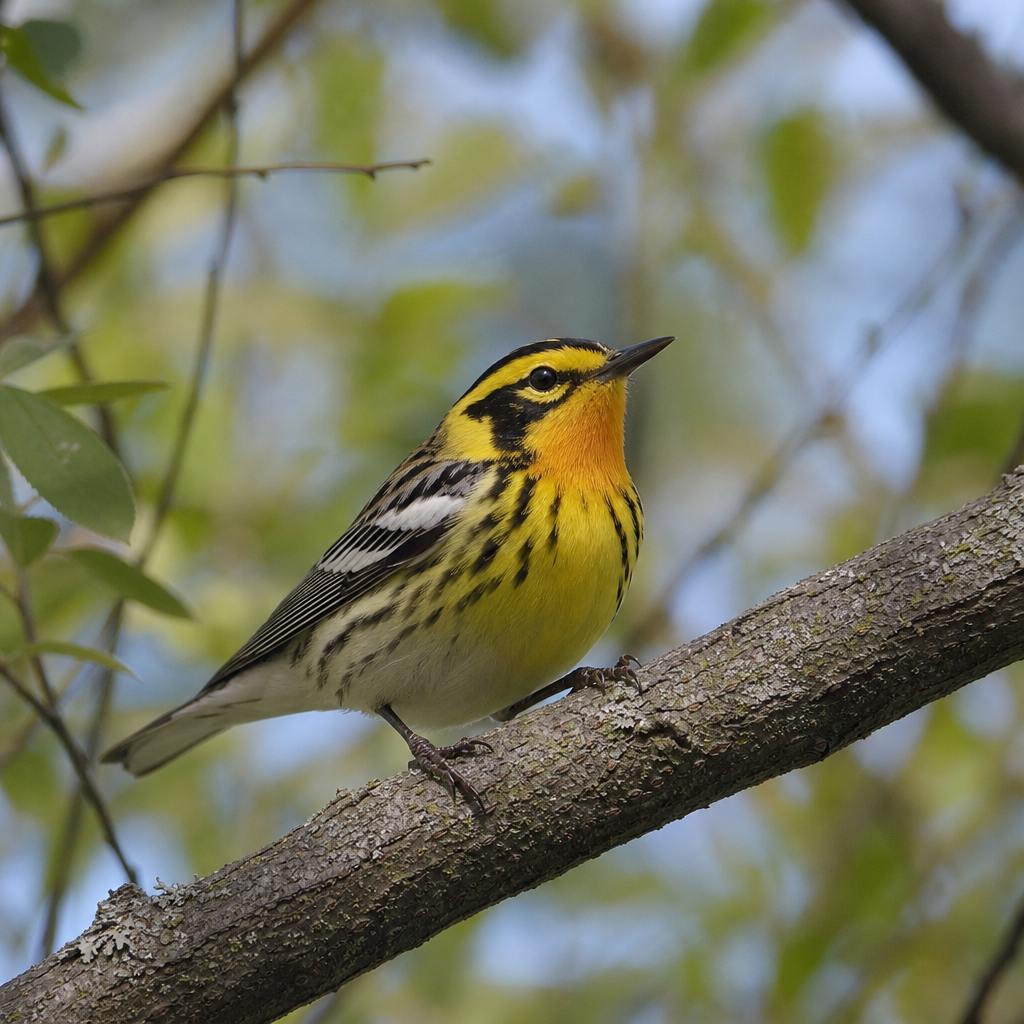
Warblers are among the most appealing autumn migrants because they bring color and movement to otherwise quiet vegetation. American Redstart is often the easiest to notice, with frequent tail-fanning and active sallies after insects. Northern Parula can appear higher in foliage and gives a sharp call that helps with detection. Prairie Warbler favors more open scrub and can remain surprisingly exposed.
Shorebirds require more patience, but they reward careful study. Small differences matter: a Least Sandpiper’s yellowish legs, a Semipalmated Sandpiper’s straighter bill, or a Lesser Yellowlegs’ proportions when compared with nearby species. If you are new to shorebird identification, photograph flocks and review them later. This is one of the most effective ways to learn.
Timing, weather, and daily strategy for better sightings
The best time of day for birdwatching in Nevis is early morning, especially from sunrise through about 9:30 a.m. Birds are more active, temperatures are lower, and light is softer for identification. Wetlands should usually be checked first because water levels, tide effects, and disturbance can change quickly. After that, move to shaded gardens or scrub for songbirds. If the day is bright and windy, raptors may become more visible later as air currents strengthen.
Month by month, September and October often offer the strongest mix of passage migrants, while November can still be excellent for lingering shorebirds and wintering individuals. Heavy rain can improve pond habitat by creating shallow feeding areas, but very high water may reduce exposed mud and make some sites less attractive. Strong winds from storms can also produce unusual sightings by displacing birds off their usual routes.
A good field strategy is to revisit the same sites across several days instead of constantly chasing new locations. Migration is fluid. A pond that held only egrets yesterday may host sandpipers and yellowlegs today. Keeping notes on wind direction, rainfall, and water depth quickly reveals patterns. In my experience, the observers who see the most in Nevis are not always those covering the greatest distance; they are the ones who learn how local conditions alter habitat value.
Equipment, identification skills, and ethical birding
You do not need elaborate gear to enjoy autumn migrants in Nevis, but a few tools make a major difference. A binocular in the 8×42 or 10×42 range is ideal for general use, balancing brightness, field of view, and portability. A spotting scope is extremely useful at ponds and shorelines, where distant shorebirds can otherwise remain unidentified. Lightweight neutral-colored clothing, water, sun protection, and insect repellent are practical essentials in the island climate.
For identification, use a field guide that covers Caribbean birds and migratory North American species, or a reputable app such as Merlin Bird ID for quick reference. eBird is especially valuable for checking recent sightings, understanding seasonal abundance, and recording your own observations. Consistent data submission helps build a clearer picture of migration on islands that may be underrepresented in broader datasets.
Ethical birding is not optional. Keep a respectful distance from roosting and feeding birds, avoid flushing shorebird flocks repeatedly, and stay out of sensitive wetland edges when birds are close to shore. Playback of bird calls should be used sparingly, if at all, because migrants need energy for feeding and recovery. On private land, ask permission before entering. These basic practices protect the very experience people come to enjoy.
How this hub connects Nevis birdwatching beyond one season
Although autumn migrants are the focus here, this miscellaneous hub also helps frame the broader birdwatching story in Nevis. The same wetlands that attract passage shorebirds in October can support herons and resident species year-round. The same gardens hosting warblers in migration may be reliable places for hummingbirds, bananaquits, and bullfinches in other months. Learning the island in autumn creates a foundation for future articles on resident birds, coastal wildlife, forest ecology, photography, and conservation.
That wider context matters because effective wildlife travel is cumulative. Birders who understand habitat, timing, and species behavior become better observers across all of Nevis’s natural environments. They also tend to value local conservation more deeply, because they can see how water management, coastal development, invasive predators, and disturbance influence what appears in the field. A small island makes these connections visible in a way larger destinations often do not.
Birdwatching in Nevis during autumn offers a rare combination of accessibility, variety, and ecological meaning. In one trip, you can watch a resident hummingbird at breakfast, study migrant sandpipers at a pond before lunch, and scan the coast for terns and Ospreys by late afternoon. The key takeaways are straightforward: prioritize wetlands and coastal edges, go early, revisit sites after weather changes, learn the common migrant groups first, and bird responsibly so resting birds can feed undisturbed.
As the central guide for this miscellaneous branch of Nature and Wildlife, this page gives you the framework needed to explore Nevis with more confidence and better results. Use it as your starting point, then build outward into more specialized habitat and species guides. Pack your binoculars, check recent conditions, and spend a few autumn mornings in the field. Nevis is small, but during migration it can feel remarkably expansive.
Frequently Asked Questions
Why is autumn such an important season for birdwatching in Nevis?
Autumn is one of the most rewarding times to go birdwatching in Nevis because the island becomes part of a much larger migratory story unfolding across the Americas. As birds move south from North America toward wintering grounds in Central America, South America, and the wider Caribbean, Nevis serves as a useful stopover and observation point in the eastern Caribbean. That means birders are not only seeing the island’s resident species, but also a changing cast of migrants that can include shorebirds, warblers, herons, flycatchers, raptors, and the occasional scarce or unexpected visitor. On a small island, this concentration of movement can make bird activity feel especially vivid, with different habitats producing different species over the course of a single morning.
What makes this season particularly exciting is the element of variety and timing. Migration is dynamic, so the birds present one week may differ from those seen the next, especially after weather shifts, passing systems, or favorable winds. In practical terms, birdwatchers in Nevis can experience a blend of coastal birding, wetland observation, and inland watching without covering great distances. That combination gives autumn a sense of momentum and discovery that is difficult to match at other times of year. For visiting birders, it offers the chance to see familiar migratory species in a new Caribbean setting; for local naturalists, it is a season that reveals just how internationally connected Nevis is within the Atlantic flyway system.
What kinds of migrant birds can birdwatchers expect to see in Nevis during autumn?
Autumn migrants in Nevis can be surprisingly diverse, especially when observers pay attention to multiple habitats. Along the coast, mudflats, ponds, and shoreline areas may attract shorebirds such as sandpipers, plovers, yellowlegs, and other waders stopping to rest and feed. Wetlands and pond margins can also produce herons, egrets, and other water-associated birds, some of them local and some moving through. Overhead, raptors may appear on passage, while open country, gardens, and wooded edges can host small landbirds such as warblers, vireos, or flycatchers. Even a brief outing can move from seabirds and shorebirds to songbirds in scrub or forest edge, which is part of what makes birding in Nevis so appealing during migration season.
It is also important to understand that migration in the Caribbean often brings a mix of expected species and occasional surprises. Some birds pass through in obvious numbers, while others appear singly, quietly feeding in a hedgerow or resting in a coastal thicket. Because Nevis is a relatively compact island, a bird that seems rare in one setting may suddenly turn up in another, and weather conditions can influence what gets grounded or diverted. Experienced birders therefore stay alert for both common migrants and rarities. The thrill of autumn birdwatching in Nevis lies not just in checking off species, but in watching an island habitat briefly host birds undertaking remarkable intercontinental journeys.
Where are the best places in Nevis to look for autumn migrants?
The best places to look for autumn migrants in Nevis are habitats that offer food, shelter, and visibility. Coastal wetlands, ponds, salt ponds, and shoreline flats are especially productive for shorebirds, herons, and other waterbirds. Any area with shallow water, exposed mud, or grassy edges can become a feeding stop for migrants. Beaches and rocky coastal sections can also be worth scanning, especially early in the day when bird activity is often strongest and light is more favorable for viewing. Inland, fields, scrub, estate lands, forest edge, and garden habitats may hold migrating songbirds that drop in to refuel, particularly after nights of active migration.
One of the advantages of birdwatching in Nevis is that the island’s compact size allows observers to sample several habitat types without spending the entire day in transit. A well-planned morning might begin at a wetland for waders and herons, continue through open country for flycatchers and raptors, and end in shaded vegetation where warblers and other small migrants are feeding. Elevated viewpoints can also be useful for watching birds moving overhead or for scanning broader landscapes after weather changes. The most successful approach is usually to combine habitat diversity with patience: spend enough time in each location to let the birds reveal themselves, and revisit promising sites because migration conditions can change very quickly.
When during the autumn season and time of day is bird activity usually best?
In general, bird activity in Nevis during autumn migration is often best from early morning through mid-morning, when temperatures are cooler, light is softer, and many birds are actively feeding after overnight travel. This is especially true for songbirds in wooded edges, gardens, and scrub habitats, as well as for shorebirds using wetlands and coastal flats before daytime disturbance increases. Early starts also improve the chances of hearing calls, seeing movement in the canopy or hedgerows, and observing more natural feeding behavior. Late afternoon can be productive as well, particularly near wetlands and roosting areas, but mornings are typically the most consistently rewarding for general migration birding.
Across the broader autumn period, peak interest usually comes as migratory pulses move through the region, though exact timing can vary from year to year based on species, weather, and wider migration patterns. Rather than thinking of autumn as one fixed window, it is more accurate to view it as a season of rolling opportunity. Different groups of birds may appear at different times, and some species remain only briefly while others linger. Weather can be a major factor: rain bands, wind shifts, and passing systems may concentrate birds in sheltered habitats or cause unexpected arrivals. For that reason, repeat visits are often more productive than a single outing. Birders who go out several times across the season usually get a fuller picture of Nevis as a migration stopover.
What should visitors bring and how can they birdwatch responsibly during autumn migration in Nevis?
For a successful birdwatching outing in Nevis, visitors should bring binoculars, a field guide or bird identification app, water, sun protection, sturdy footwear, and if possible a camera or spotting scope for wetland and coastal viewing. Lightweight clothing suited to tropical conditions is important, but so is planning for changing weather, since autumn can bring showers and shifting skies. A notebook or phone for recording sightings can be especially useful during migration, when unusual species or noteworthy numbers may appear. If you are serious about documenting birds, it helps to note habitat, behavior, and time of day, not just the species itself. These details can make your observations more valuable for personal records and for broader local knowledge of migration patterns.
Responsible birdwatching is just as important as good preparation. Migrants are often tired and focused on feeding, so observers should avoid flushing birds repeatedly, approaching too closely, or using excessive playback. Staying on established paths where possible, keeping a respectful distance from wetlands and nesting areas, and minimizing noise all help reduce stress on birds. It is also wise to respect private property and seek local guidance when accessing lesser-known sites. In a place like Nevis, where habitats can be sensitive and birding locations may overlap with working landscapes or community spaces, courteous behavior supports both conservation and good relationships. The best birdwatchers leave minimal disturbance, contribute careful observations, and appreciate that autumn migrants are temporary guests relying on the island during a demanding phase of their journey.