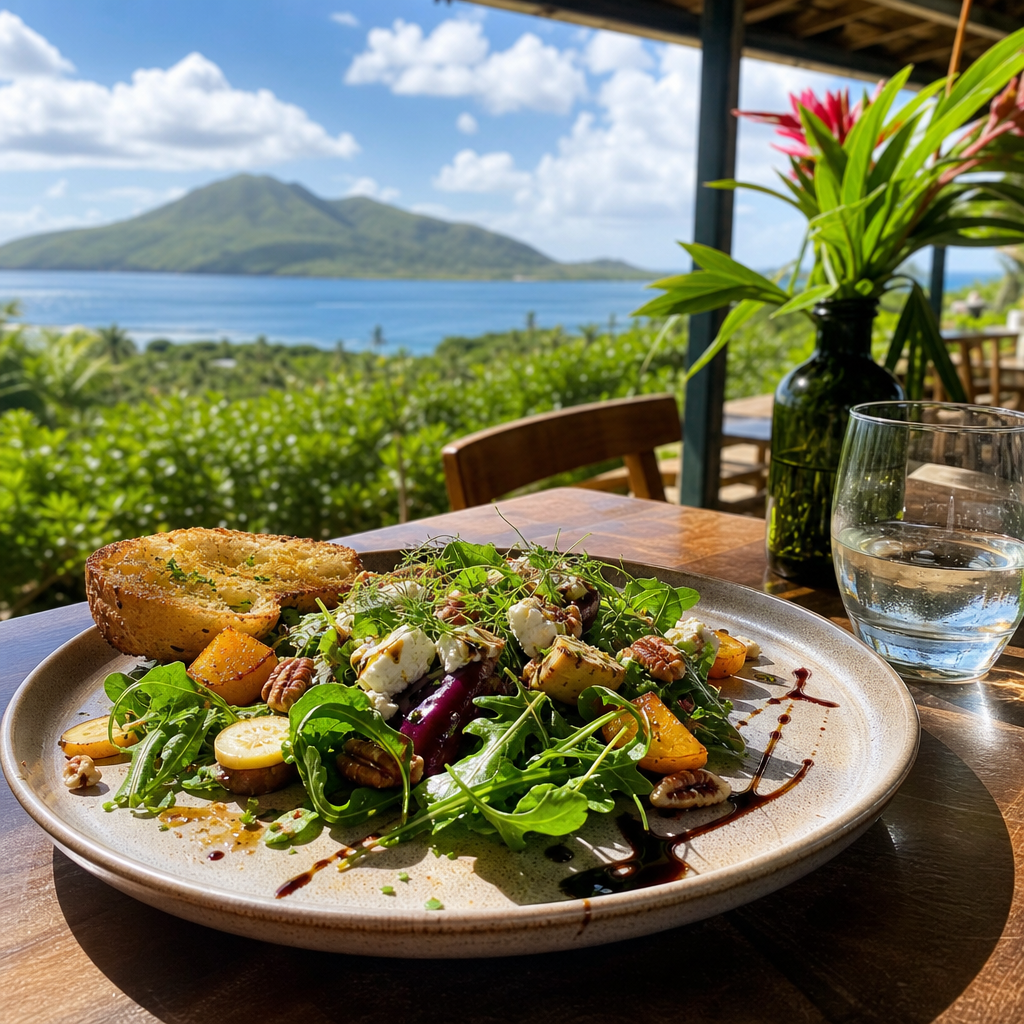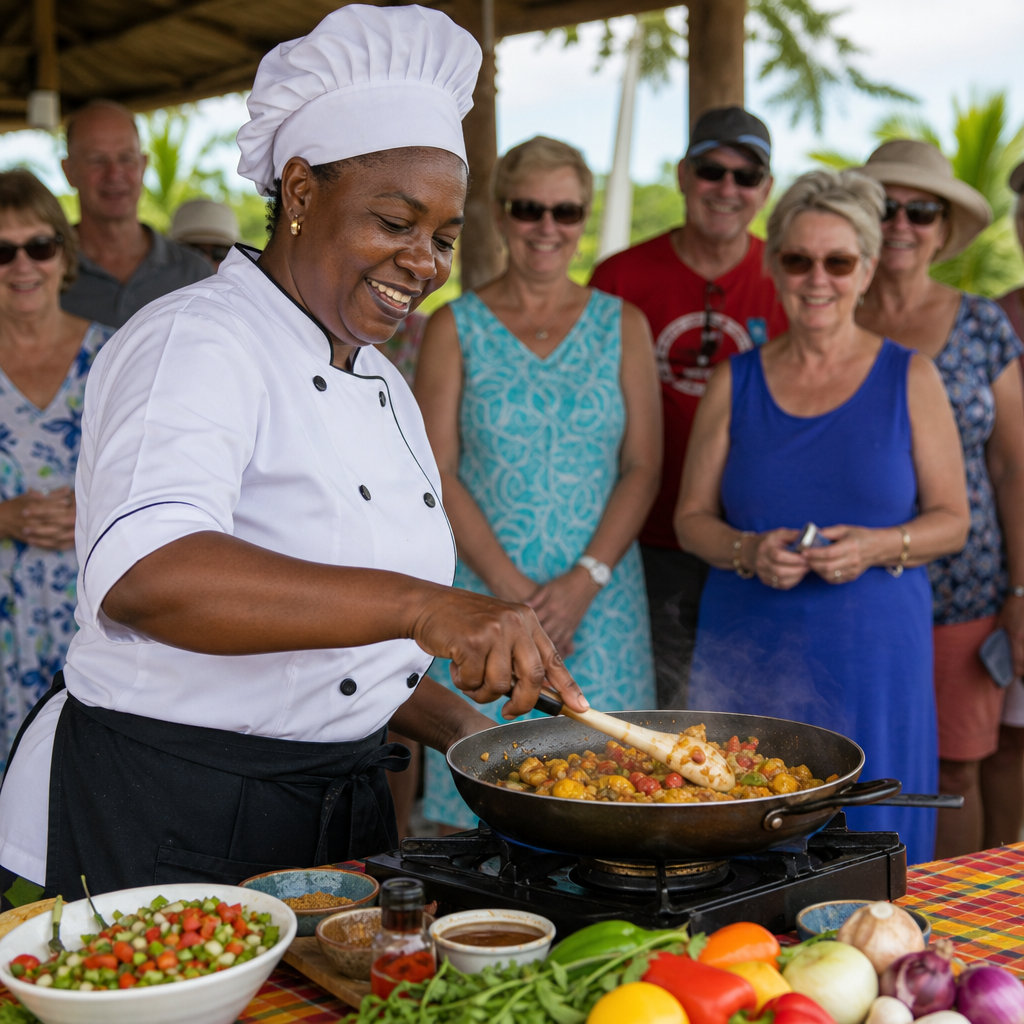
Nevis’ culinary adventure scene rewards curious travelers with bold spice blends, garden-fresh produce, and cooking demonstrations that turn a meal into a cultural lesson. On this small Caribbean island, food is not a side activity tucked between beach time and hiking; it is one of the clearest ways to understand local history, family traditions, and the blend of African, British, French, and wider Caribbean influences that shaped daily life. When people search for spicy food in Nevis, they are usually asking several questions at once: what dishes are truly local, how hot is the heat level, where can they taste authentic flavors, and are cooking classes worth booking. The answer is yes on all counts, provided you know what to look for. In practical terms, Nevisian cooking centers on seasoning rather than pure fire. Scotch bonnet peppers bring heat, but equally important are thyme, scallion, onion, garlic, ginger, cloves, nutmeg, cinnamon, and fresh herbs. Seafood, goat, chicken, root vegetables, breadfruit, mango, coconut, tamarind, and plantain appear constantly. Cooking demonstrations matter because they show the technique behind these flavors: how green seasoning is built, why stews are layered slowly, when pepper sauce is added, and how charcoal, cast iron, or open-flame grilling change taste. I have found that travelers who watch a local cook make goat water, fish broth, pepper pot, or grilled lobster leave with a deeper appreciation than those who only order from a menu, because the explanation of ingredients, timing, and custom turns a plate into a story.
For an island known for tranquility, Nevis offers a surprisingly rich food trail, especially for visitors willing to go beyond resort dining. The culinary appeal lies in its scale. Farms, roadside stalls, family-run restaurants, beach shacks, and hotel kitchens sit close enough together that one day can include a market visit, a rum tasting, a cooking demonstration, and a sunset seafood dinner. This article serves as a hub for Nevis food experiences within the broader Adventure and Activities category, with a focus on the miscellaneous experiences that tie everything together: spicy local dishes, hands-on classes, market encounters, heritage techniques, and practical planning. If you want one clear takeaway, it is this: the best culinary adventure in Nevis comes from pairing tasting with participation.
What Makes Nevisian Food Distinct
Nevisian cuisine stands apart because it balances Caribbean intensity with a restrained, deliberate use of heat. Visitors sometimes expect every dish to be aggressively spicy, but local cooks usually build flavor first and let diners add extra pepper sauce at the table. That approach makes traditional food accessible while preserving the island’s preference for deep seasoning. Goat water, the national dish of nearby Montserrat but also familiar and appreciated across the Leeward Islands, appears on menus and at special gatherings in versions that highlight browned meat, bread, cloves, thyme, and pepper. Fish broth combines the day’s catch with provisions such as yam, dasheen, or plantain, producing a comforting bowl that can still carry a lively Scotch bonnet kick. Saltfish, stewed chicken, curried goat, conch when available, lobster in season, and fried snapper are staples that reflect both local waters and regional trade patterns.
Spices are central to this identity. Grenada may market itself as the Spice Isle, but Nevis makes strong use of nutmeg, cinnamon, mace, and allspice in savory and sweet cooking. A proper marinade often starts with green seasoning, a blended mixture of herbs and aromatics common across the eastern Caribbean. In cooking demonstrations, this is usually the first lesson because it explains why dishes taste layered instead of simply hot. Another defining feature is the use of provisions: breadfruit roasted over flame, sweet potato mashed with butter, boiled green banana, cassava, and coconut dumplings. These ingredients connect Nevisian food to farming traditions and to the practical, filling meals that sustained working households. For travelers, understanding these basics makes restaurant menus easier to read and helps distinguish truly local cooking from generic tropical fare.
Signature Spicy Dishes to Try
If you want a focused tasting list, start with dishes that show how Nevis handles heat differently across cooking methods. A peppery fish broth is ideal for lunch because it reveals the island’s preference for clean, savory spice. The broth is often seasoned with thyme, celery, onion, garlic, and hot pepper, but the fish remains the star. For dinner, grilled lobster or whole snapper with a spicy creole sauce demonstrates how tomato, pepper, and citrus can sharpen seafood without burying it. Curried goat offers another angle. The heat is usually rounder and slower, built through curry powder, fresh herbs, and chile rather than a single blast of capsaicin. At beach bars and roadside grills, jerk chicken or jerk pork may appear, though the style is typically gentler than heavily smoked Jamaican versions.
Do not overlook condiments and side items. Locally made pepper sauces range from vinegary and bright to thick and fruit-forward, sometimes using mango, tamarind, papaya, or mustard. A simple plate of johnnycakes and saltfish can become far more exciting with the right sauce. Tamarind balls, ginger drinks, and sorrel can also carry spice in a different sense, leaning on warming ingredients rather than chile heat. In my experience, the best strategy is to ask two questions wherever you eat: what is made in-house, and what locals order repeatedly. Those questions often lead to off-menu specials or the day’s freshest pot. Travelers who chase only the hottest dish miss the point. The real adventure is tasting how Nevis layers spice across broths, marinades, grills, stews, and sauces.
Why Cooking Demonstrations Are Worth Booking
Cooking demonstrations in Nevis are valuable because they compress history, technique, and hospitality into a single experience. A strong demonstration usually begins with ingredient selection: fresh herbs clipped from a garden, fish purchased that morning, ripe mangoes chosen by smell rather than appearance, and peppers handled with obvious respect. From there, the instructor explains sequence. Browning sugar for stew color, sautéing aromatics before adding stock, resting marinated meat long enough for salt and acid to work, and controlling heat so coconut milk does not split are all small decisions that determine whether a dish tastes flat or complete. Watching these steps once can improve your cooking at home more than reading several recipes.
These sessions also answer practical traveler questions. Is the class suitable for beginners? Usually yes, because the format is often demonstration first, participation second. Will it be too spicy? Not if the instructor is experienced; most will separate the chile component so everyone can adjust heat. Is it family-friendly? Often, especially when classes include fruit juices, coconut preparation, or simple dough work that children can join. The best demonstrations go beyond recipe cards and explain context: why Sunday meals differ from weekday meals, how Carnival and Christmas affect menus, why imported ingredients changed some household cooking, and how hotel kitchens adapt local dishes for international guests. That broader explanation is what makes a Nevis cooking class part of the island’s adventure offerings rather than just another tourist activity.
Where to Find the Best Food Experiences
Nevis does not require a rigid tasting itinerary, but it helps to group experiences by setting. Charlestown is the logical starting point for local eateries, bakery stops, and market interactions. Here, you can sample everyday flavors and see how residents shop for produce, herbs, and fish. Resort restaurants offer polished versions of Nevisian dishes and are often the easiest places to book formal cooking demonstrations, chef-led tastings, or rum pairings. Beach venues along Pinney’s Beach are ideal for grilled seafood, spicy sauces, and relaxed lunches with a stronger social atmosphere. Village events, seasonal festivals, and pop-up food gatherings can be even better because they showcase home-style cooking at scale.
When I plan a food-focused day on Nevis, I balance one structured experience with one informal one. For example, a morning cooking lesson at a hotel or guesthouse kitchen pairs well with an afternoon stop at a roadside grill where you can compare a chef’s refined plating with a cook’s direct, smoky execution. Ask accommodation staff about community events, farm visits, or special dinner nights featuring local cuisine. Smaller islands run on personal recommendations, and the best leads often come from drivers, shop owners, or hosts rather than advertisements.
| Experience | Best Place to Look | What You Learn | Ideal Traveler |
|---|---|---|---|
| Cooking demonstration | Hotels, villas, guesthouses, private chefs | Technique, ingredient use, recipe structure | First-time visitors, families, food enthusiasts |
| Spicy seafood meal | Beach bars, grill shacks, waterfront restaurants | Sauces, grilling styles, local catch seasonality | Couples, casual diners, lunch seekers |
| Market visit | Charlestown and village produce points | Local ingredients, seasonality, buying customs | Self-caterers, photographers, curious travelers |
| Festival food tasting | Holiday events, cultural celebrations, community fairs | Heritage dishes, crowd favorites, social context | Repeat visitors, culture-focused travelers |
Ingredients, Techniques, and Flavor Lessons
The fastest way to understand Nevisian cooking is to learn the building blocks. Green seasoning is one. It commonly includes scallion, thyme, parsley, celery, onion, garlic, and pepper, blended into a paste or rough marinade. Browning is another key method. Cooks may brown meat in oil or caramelize sugar to create color and a faint bittersweet depth in stews. Slow simmering matters for goat, oxtail, and broth-based dishes because collagen and bone need time to release body into the liquid. Coconut appears in desserts, drinks, and savory preparations, but it must be managed carefully; boil it too hard and the flavor can become heavy rather than silky.
Heat control deserves special attention. Scotch bonnet peppers can exceed 100,000 Scoville heat units, yet experienced cooks rarely use them carelessly. They may add a whole pepper to perfume a pot, then remove it before serving, or mince only a small amount into sauce for targeted heat. Acid is equally important. Lime, tamarind, vinegar, and tomato keep spicy dishes from feeling dull. Smoke from charcoal or grill grates adds another layer, especially with seafood and jerk-style meats. In demonstrations, I always pay attention to what is added last. Fresh herbs, citrus juice, pepper sauce, and chopped scallion often finish a dish, lifting flavor after the heavier cooking is done. That final step is why restaurant versions can taste brighter than home attempts that simmer everything together from the start.
How to Plan Your Culinary Adventure in Nevis
Good planning improves the experience because food activities depend on timing, seasonality, and transportation. If your priority is seafood, ask about lobster season and daily catch availability before choosing a restaurant. If you want a cooking demonstration, book at least several days ahead, especially in peak travel periods when chefs split time between classes and dinner service. Morning sessions are often best because ingredients are freshest, kitchens are cooler, and market visits can be included. Travelers staying in villas should ask whether a private chef can combine a class with dinner; that arrangement often provides the most personalized instruction.
Dietary needs are manageable if communicated early. Vegetarian visitors can focus on provisions, coconut-based dishes, fresh fruit, callaloo, rice and peas, and pepper sauces without meat. Gluten-free travelers generally do well with grilled fish, stews without flour thickening, and many provision-based sides, though sauces and marinades should still be checked. Budget matters too. A roadside lunch may cost a fraction of a resort tasting menu while delivering stronger local character. The smartest approach is not choosing one over the other, but using both. Include at least one market stop, one casual meal, and one guided cooking or tasting session. That combination gives you range, context, and a much clearer sense of how Nevis actually eats.
The Broader Value of Food as Adventure
Food experiences in Nevis do more than satisfy appetite. They connect travelers to agriculture, fishing, migration, celebration, and memory. A bowl of broth reveals what grows locally and what families consider restorative. A pepper sauce tasting shows how cooks personalize heat. A demonstration on breadfruit or coconut opens a window into ingredients that once formed the backbone of daily meals. Even rum and spice pairings tell a historical story about trade, plantation economies, and the movement of crops and techniques across the Caribbean. That is why culinary experiences belong firmly within adventure travel. They require curiosity, reward attention, and often leave visitors with practical skills they can carry home.
They also support local businesses in a direct way. Family restaurants, market vendors, fishermen, farmers, and independent chefs benefit when visitors seek out authentic food rather than remaining inside all-inclusive patterns. For repeat travelers, this creates a different relationship with the island. Instead of asking what landmark to see next, you start asking which cook is making the best fish broth this week or where mango season is peaking. That shift turns Nevis from a backdrop into a lived place with recognizable flavors and people.
Nevis’ culinary adventure is best approached as a series of connected experiences: taste the spicy dishes, watch how they are built, ask questions, and compare formal dining with local everyday cooking. The island’s food is memorable not because every plate is fiery, but because seasoning is intentional, ingredients are fresh, and the people preparing them usually have a story worth hearing. If you want the most rewarding version of this experience, prioritize cooking demonstrations alongside restaurant meals. You will leave knowing not just what Nevis tastes like, but why it tastes that way.
For travelers planning Adventure and Activities in Nevis, use this hub as your starting point for the miscellaneous food experiences that complete the island’s broader appeal. Build an itinerary that includes a market visit, a beach seafood stop, and at least one hands-on or chef-led session. Then follow the flavors. The quickest way to understand Nevis is still the oldest one: sit down, taste carefully, and learn from the cook.
Frequently Asked Questions
What kinds of spicy foods should travelers expect to find in Nevis?
Travelers exploring Nevis should expect a style of spice that is flavorful, layered, and closely tied to local ingredients rather than heat for heat’s sake. Many dishes feature Scotch bonnet peppers, fresh herbs, onion, garlic, thyme, scallions, ginger, and seasoning blends that build warmth and depth. You may come across spicy stews, pepper sauces, grilled seafood with fiery marinades, curried dishes, and richly seasoned meats that reflect the island’s African, British, French, and wider Caribbean culinary influences. Even familiar staples such as rice, fish, chicken, goat, and vegetables often take on a distinctly Nevisian identity through the use of fresh peppers and homemade seasoning pastes.
At the same time, spicy food in Nevis is not one-note. One meal may deliver a gentle back-of-the-throat warmth, while another may bring a sharper pepper kick balanced by sweetness from fruit, coconut, or slow-cooked onions. Local cooks often treat spice as part of a complete flavor profile, combining heat with acidity, smokiness, and herbal freshness. This means visitors can enjoy everything from approachable, mildly spiced dishes to more intense preparations, depending on where they dine and who is cooking. For curious food lovers, that range is part of the adventure and a key reason Nevis stands out as a destination for authentic Caribbean cuisine.
Are cooking demonstrations in Nevis worth attending for visitors who are not experienced cooks?
Yes, absolutely. Cooking demonstrations in Nevis are often designed as cultural experiences first and cooking lessons second, which makes them enjoyable even for visitors with very little kitchen experience. Rather than expecting participants to master advanced culinary techniques, many demonstrations introduce the story behind the food: why certain ingredients are used, how recipes were passed through families, and how historical influences shaped what appears on the plate today. You are not just watching someone prepare a meal; you are seeing how local identity is expressed through seasoning methods, produce choices, and traditional approaches to cooking fish, meats, vegetables, and sauces.
For non-cooks, these demonstrations are especially valuable because they turn abstract travel ideas into something tangible and memorable. It is one thing to read that Nevisian cuisine uses fresh herbs and hot peppers, and another to smell thyme being chopped, watch a pepper sauce come together, or hear a host explain how a recipe was prepared by parents and grandparents. Many sessions are interactive but approachable, with plenty of tasting, conversation, and step-by-step explanations. Visitors leave with a stronger understanding of the island’s culture, practical tips for recreating some flavors at home, and a much deeper appreciation for the meal they are about to enjoy.
How spicy is the food in Nevis, and can visitors ask for milder options?
Food in Nevis can range from mildly seasoned to very hot, so it is best not to assume every dish carries the same level of heat. In many kitchens, the cook carefully balances pepper with herbs, aromatics, and slow-cooked flavor, so a dish may be spicy without feeling overwhelming. Some recipes include peppers cooked directly into the dish, while others are served with hot sauces or pepper condiments on the side, allowing diners to adjust the heat to their own comfort level. This flexibility is one reason the island’s cuisine appeals to both serious spice lovers and travelers who prefer something gentler.
Yes, visitors can usually request milder options, and doing so politely is a normal part of dining. If you are sensitive to heat, it helps to ask whether a dish is already cooked spicy or if the spice can be reduced during preparation. In cooking demonstrations, hosts are often happy to explain how to manage heat by changing the amount of pepper, removing seeds, or using the pepper more for aroma than intensity. On the other hand, if you are seeking a more authentic fiery experience, many cooks will gladly point you toward the dishes and condiments that deliver the boldest kick. Clear communication goes a long way, and Nevisian hospitality generally makes it easy for visitors to find the right balance.
What will travelers learn about Nevisian culture through spicy food and cooking demonstrations?
Travelers will learn that food in Nevis is deeply connected to history, resilience, and everyday community life. The island’s cuisine reflects a long blend of influences, including African culinary traditions, European colonial legacies, and broader Caribbean exchanges that shaped ingredients, cooking methods, and flavor combinations. Through spicy foods and live demonstrations, visitors begin to understand how practical cooking traditions evolved around what could be grown locally, what could be fished nearby, and how families made nourishing meals from fresh produce, herbs, root vegetables, and preserved techniques. A seasoning mix or pepper sauce is not just a condiment; it can represent generations of adaptation and pride.
Cooking demonstrations also reveal the social side of Nevisian food culture. Hosts often explain where ingredients are sourced, how certain dishes are tied to celebrations or Sunday meals, and why cooking remains such an important expression of family and hospitality. Travelers may hear stories about backyard gardens, local markets, traditional seasoning methods, or the personal touches that distinguish one cook’s recipe from another. These details make the experience richer than a standard meal because they show how cuisine functions as living heritage. In that sense, spicy food in Nevis becomes a lens through which visitors can better understand the island’s people, history, and values.
How can visitors make the most of a culinary adventure focused on spicy food in Nevis?
The best approach is to treat Nevisian food as something to explore actively rather than passively. Try a range of dishes instead of ordering only what seems familiar, and ask questions about ingredients, pepper levels, and regional or family variations. Visit restaurants that highlight local cuisine, seek out opportunities to sample fresh seafood and market produce, and choose at least one cooking demonstration where you can see how seasonings and sauces are built from scratch. Paying attention to preparation methods will help you notice the difference between grilled, stewed, curried, and roasted dishes, each of which can express spice in a different way.
It also helps to be open-minded and engaged. Taste pepper sauces carefully, compare milder dishes with hotter ones, and notice how spice interacts with fruit, starches, and herbs. If you attend a demonstration, take note of ingredient combinations, ask about substitutions, and learn how local cooks balance heat with flavor. Many visitors find that the most memorable culinary moments come from conversation: speaking with chefs, home cooks, or guides who explain why a certain dish matters and how it fits into Nevisian life. By combining tasting, learning, and cultural curiosity, travelers can turn a simple meal into one of the most rewarding parts of their time on the island.