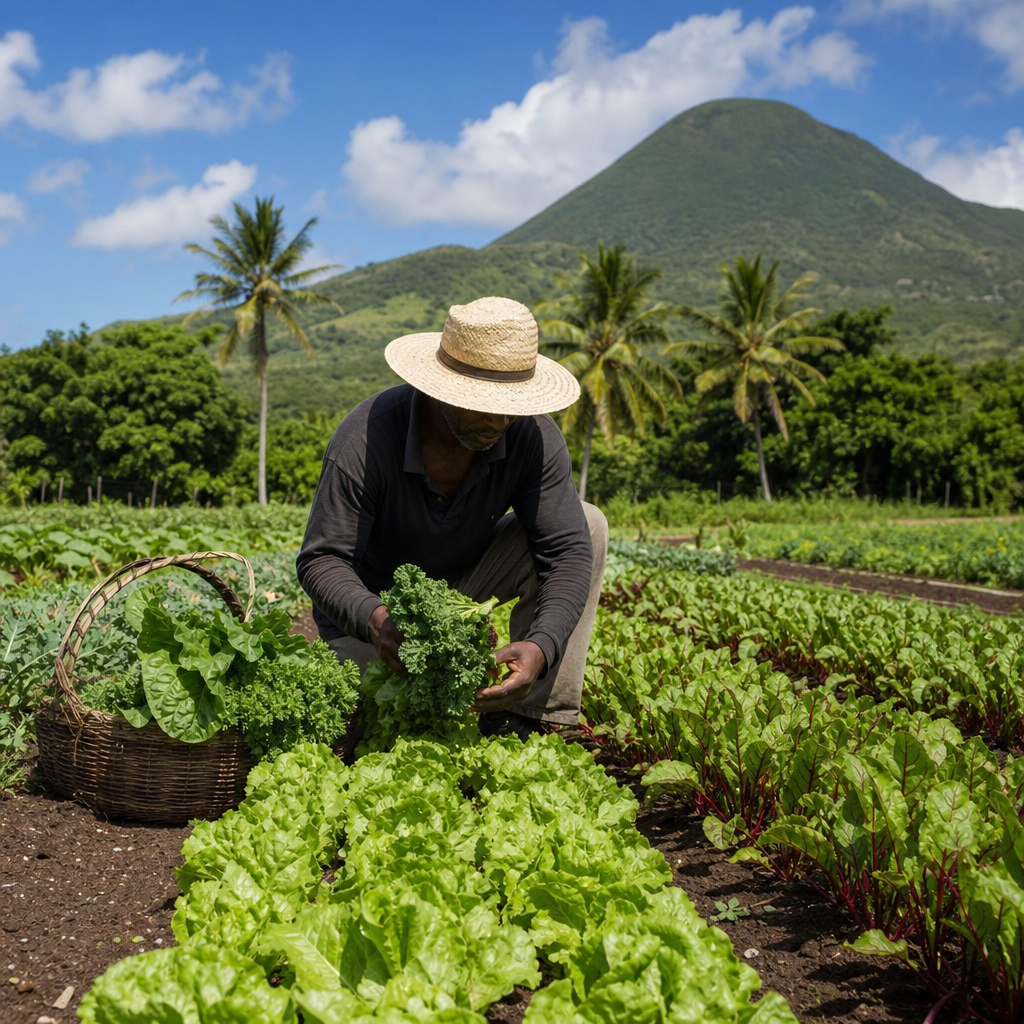
Saint Kitts rewards travelers who slow down and let a guide translate the island’s forests, shoreline, volcanic slopes, and historic estates into a living story of Caribbean nature. Exploring the natural heritage of Saint Kitts through guided tours means more than booking a scenic outing: it means understanding how rainforest ecosystems, coastal wetlands, coral-fringed waters, agricultural landscapes, and conservation efforts fit together on one compact Eastern Caribbean island. As a hub within the broader nature and wildlife landscape, this guide covers the miscellaneous experiences that connect land, sea, history, and local knowledge. I have found that visitors often arrive expecting beaches and cruise-port highlights, then leave most impressed by the island’s layered ecology and the guides who make it intelligible. That matters because Saint Kitts is small enough to explore efficiently, yet diverse enough that choosing the right tours can shape the entire trip, especially for families, photographers, birders, hikers, and travelers who want context rather than just transportation.
Natural heritage refers to the landscapes, species, geological features, and ecological relationships that define a place, along with the community practices that help protect them. On Saint Kitts, that includes the central volcanic mountains, remnants of sugar-era estates reclaimed by vegetation, offshore reefs and seagrass beds, black-sand and golden beaches, mangrove areas, and habitats for monkeys, seabirds, reptiles, fish, and migratory species. Guided tours matter because many of these features are easy to overlook without interpretation. A road transfer may pass a ghaut, a dry forest patch, or a coastal salt pond without explanation; a skilled guide can explain rainfall gradients, endemic plants, colonial land use, and why vervet monkeys thrive near old plantations. Good guiding also improves safety. Trails can be steep, humidity can be intense, surf conditions can shift, and marine habitats require respectful behavior. For travelers planning a complete nature-focused itinerary, a hub article like this helps identify which kinds of guided tours belong together and what each experience adds.
Why Guided Nature Tours Add Real Value in Saint Kitts
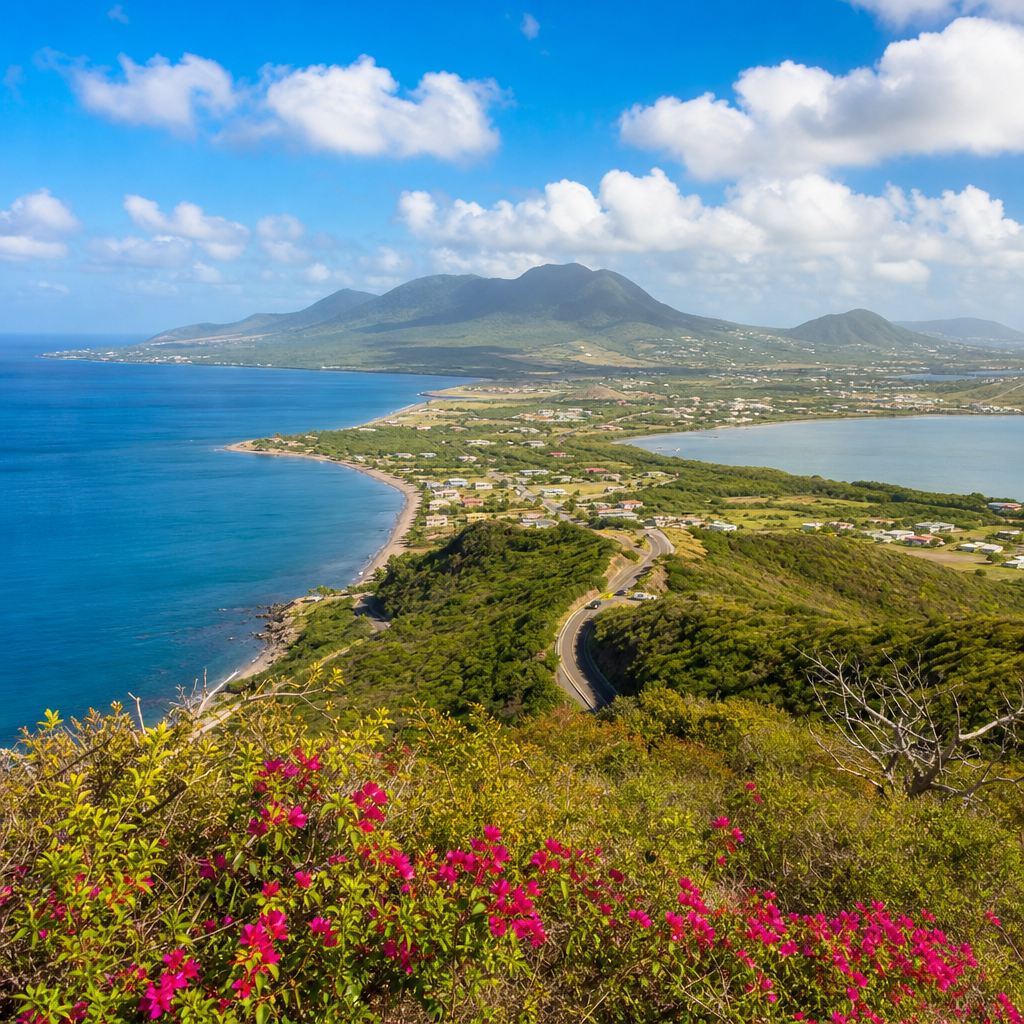
A guided nature tour in Saint Kitts turns scenery into understanding. The island’s topography rises quickly from the coast toward Mount Liamuiga, a stratovolcano whose forested upper slopes support cooler, wetter habitats than the lowlands. Without a guide, travelers see “green hills.” With a guide, they learn how volcanic soils support agriculture, how cloud moisture changes vegetation structure, and how abandoned cane lands have transitioned into mixed secondary growth. In my experience reviewing island excursions, the best operators do not rush from lookout to lookout. They explain the relationship between ecology and livelihoods, point out medicinal plants, identify bird calls, and time stops around changing light or weather. This makes the outing richer for first-time visitors and repeat travelers alike.
Guided tours also solve practical issues. Trailheads are not always obvious, public interpretation signage is limited compared with larger national park systems, and many of the most memorable experiences depend on local timing. A birding guide may know when shorebirds feed around a pond. A marine guide may choose a calmer leeward site for snorkeling if Atlantic conditions are rough. A heritage guide may link a botanical stop with nearby ruins so the visitor understands how former estates now function as wildlife corridors. This local judgment is the difference between a generic excursion and a genuinely instructive one.
Rainforest, Volcano, and Mountain Excursions
The signature inland experience is a guided hike into the rainforest and, for fit travelers, up Mount Liamuiga. These tours usually begin in mid-elevation communities or former estate areas and proceed through farmland, dense tropical vegetation, and increasingly rugged terrain. Guides typically discuss heliconia, tree ferns, towering gommier and other broadleaf species, while also pointing out signs of erosion, storm damage, and regrowth. On challenging summit hikes, ropes may be used on steep sections, and sturdy footwear is essential. What makes these tours important within Saint Kitts natural heritage is not only the dramatic crater view, but the ecological gradient. Visitors encounter how temperature, moisture, and wind exposure influence plant communities over a relatively short horizontal distance.
Not every traveler needs the full summit trek. Shorter rainforest walks, interpretive garden tours, and scenic drives into the central hills provide gentler access while still revealing the island’s interior biodiversity. Families or older travelers often benefit more from a moderate forest excursion with time for explanation than from an exhausting climb. If your broader interest is wildlife, ask whether the guide can tailor the route for birding, monkey sightings, or photography. Specialized guides are often better than large mixed-interest groups because they pace the outing around observation rather than volume.
Coastal Ecology, Birdwatching, and Wetland Discovery
Saint Kitts is often marketed for beaches, but its coastal ecosystems deserve equal attention. Guided tours around salt ponds, mangrove-fringed edges, rocky points, and quieter bays reveal a side of the island many beachgoers miss. Birdwatchers may see herons, egrets, pelicans, frigatebirds, shorebirds, and seasonal migrants depending on habitat and time of year. Even when species lists vary, the educational value remains high because guides can explain how saline wetlands function, why some ponds fluctuate dramatically in size, and how development pressure affects nesting or feeding areas. These tours are especially useful early in the morning, when heat is lower and bird activity is stronger.
Coastal interpretation often blends natural history with geology. On the Atlantic side, stronger wave action and exposure create a different shoreline feel from the calmer Caribbean side. A strong guide explains why one coast may support easier swimming while the other offers more dramatic surf, seabird observation, or striking rock formations. This contrast helps travelers understand the island as an ecological system rather than a collection of isolated attractions. For photographers, late afternoon coastal tours can be excellent because the low sun adds texture to headlands, old stonework, and tidal features.
Marine Tours: Snorkeling, Reef Life, and Responsible Wildlife Viewing
Guided marine tours are among the best ways to experience Saint Kitts natural heritage because the coastal shelf holds coral communities, reef fish, sea fans, and seagrass habitats that are invisible from shore. Good snorkeling and boat operators give a proper safety briefing, fit equipment correctly, and explain what guests are seeing underwater rather than treating the reef as a backdrop for selfies. Expect discussion of parrotfish, sergeant majors, brain coral, sea urchins, and the role herbivorous fish play in reef resilience. On catamaran trips, the educational component varies widely, so travelers who care about ecology should choose operators that include natural interpretation, not only open bar service and music.
Responsible wildlife viewing standards matter in marine settings. Guides should discourage standing on coral, chasing turtles, collecting shells, or feeding fish. If conditions are poor, a trustworthy operator changes the site or scales back the plan. That honesty protects both guests and habitats. For families, beginner snorkelers, or older travelers, the best experience is usually a calm, supervised shallow-water site with clear explanation, not the most ambitious itinerary. If the trip includes neighboring waters near Nevis, ask in advance how much actual in-water time and ecological interpretation are included so expectations match the advertised route.
| Tour type | Best for | Typical duration | What to ask before booking |
|---|---|---|---|
| Rainforest hike | Walkers, photographers, birders | 2 to 4 hours | Elevation gain, guide ratio, rain plan |
| Mount Liamuiga summit | Fit hikers | 5 to 7 hours | Difficulty, footwear, rope sections, transport |
| Coastal birding tour | Birders, quiet observers | 2 to 3 hours | Target habitats, early start, optics provided |
| Snorkeling eco-tour | Families, marine life enthusiasts | 3 to 5 hours | Reef briefing, current strength, equipment quality |
| Scenic rail and estate tour | History and landscape travelers | 3 hours | Interpretation depth, stops, accessibility |
Estate Landscapes, Scenic Rail, and the Nature-History Connection
Some of the most useful guided tours in Saint Kitts are the ones that do not fit neatly into “hike” or “boat trip.” Estate visits, scenic rail experiences, and plantation landscape tours reveal how human history shaped present-day habitats. The St. Kitts Scenic Railway, built on former sugar lines, is a practical example. While many visitors treat it as a leisurely sightseeing ride, it also provides a broad view of coastal geography, village patterns, dry forest stretches, grazing land, and old estate zones that have reverted to mixed vegetation. With good narration, travelers can understand how the decline of the sugar industry changed land use and opened space for ecological recovery in some areas.
Former plantation estates often include gardens, mature trees, stone structures, and surrounding habitats that attract birds and monkeys. A knowledgeable guide can connect cane cultivation, water management, labor history, and modern tourism with the visible landscape. This matters because natural heritage in Saint Kitts is inseparable from cultural heritage. The island’s biodiversity today exists partly within altered landscapes, not only in untouched wilderness. Travelers who appreciate this complexity usually come away with a more accurate view of Caribbean nature: beautiful, resilient, and deeply shaped by centuries of agriculture and settlement.
Wildlife Encounters, Monkeys, and Ethical Expectations
Vervet monkeys are among the most recognized animals in Saint Kitts, and many visitors want a guided tour that includes sightings. Guides often know where monkeys are likely to appear near roadsides, fruiting trees, or estate grounds. Still, travelers should approach these encounters carefully. Monkeys are habituated in some areas, but they are not props. Ethical guides avoid aggressive baiting, discourage touching, and explain the complicated status of vervets as both beloved icons and agricultural pests. That nuance is valuable. Wildlife tourism should not flatten real management issues into cute photo opportunities.
Other wildlife deserves attention too. Reptiles, land crabs, bats, butterflies, and common tropical birds may not be as marketable as monkeys, yet they often tell a more complete ecological story. A strong miscellaneous nature hub should encourage visitors to ask guides about overlooked species and seasonal behavior. If a tour promises guaranteed wildlife, be cautious. In responsible guiding, observation is maximized through habitat knowledge and timing, but never absolutely guaranteed.
How to Choose the Right Guided Tour and Prepare Well
The best guided tours in Saint Kitts match the traveler’s goals, fitness, and curiosity level. Start by deciding whether you want immersion, sampling, or interpretation. Immersion means a focused activity such as a summit hike or dedicated birding excursion. Sampling means combining moderate stops across viewpoints, gardens, and coastal sites. Interpretation means choosing the guide with the strongest subject knowledge even if the route seems less dramatic. Read operator descriptions closely. Look for signs of quality such as small-group limits, named naturalist guides, realistic physical ratings, safety policies, and specific habitats mentioned in the itinerary. Vague language usually signals a generic island tour rather than a true natural heritage experience.
Preparation is straightforward but important. Carry water, reef-safe sun protection, insect repellent when appropriate, and closed-toe shoes for inland trails. For birding or photography, bring binoculars or a telephoto lens, though some specialist guides may supply optics. Cruise visitors should verify port timing and return buffers. Independent travelers should ask whether hotel pickup is included, since distances are short but transport logistics can still affect the day. Most of all, communicate your interests before departure. When guides know you care about botany, conservation, or birds rather than shopping stops, they can usually adapt the experience.
Building a Complete Nature-Focused Saint Kitts Itinerary
The strongest way to explore the natural heritage of Saint Kitts is to combine tour types over several days. A moderate rainforest walk introduces the interior. A coastal or wetland outing broadens the habitat picture. A marine tour reveals what the shoreline conceals. An estate or scenic rail experience ties ecology to history. This layered approach is ideal for a sub-pillar hub because it helps travelers move from isolated excursions to a coherent understanding of the island. It also creates natural pathways to more specialized planning, such as birdwatching guides, hiking deep dives, marine life articles, or family-friendly nature activities.
Season, weather, and energy level should shape the order. Put the hardest hike early in the trip when legs are fresh. Schedule birding at dawn, snorkeling during calmer water windows, and scenic or heritage touring for the warmest midday hours. Keep at least one flexible half-day in case rain shifts trail conditions. Saint Kitts is compact, but treating it casually can lead to repetitive sightseeing. Treating it as an interconnected natural system delivers a far better result.
Guided tours make Saint Kitts more legible, more memorable, and more responsible to explore. They help visitors understand why the island’s volcanic interior, wetlands, reefs, estate lands, and wildlife belong to one shared story instead of separate attractions. The key takeaway is simple: the best nature experiences here are not always the most advertised ones, but the ones led by guides who can interpret place, adapt to conditions, and connect ecology with history. Whether you choose a rainforest hike, a coastal birding session, a reef-focused snorkel, or a scenic heritage tour, prioritize expertise, small-group attention, and ethical practice. Use this hub as your starting point, then build outward into the specific Saint Kitts nature and wildlife experiences that match your interests. Plan two or three complementary guided tours, ask better questions before booking, and you will see far more than the average visitor ever does.
Frequently Asked Questions
What can travelers expect from guided nature tours in Saint Kitts?
Guided nature tours in Saint Kitts typically offer far more than a simple sightseeing experience. Travelers can expect a layered introduction to the island’s natural heritage, where forests, volcanic terrain, beaches, wetlands, and former plantation lands are explained as parts of one connected landscape. A knowledgeable guide helps interpret what might otherwise be missed, such as how the island’s volcanic origins shaped its steep interior, why certain tree and bird species thrive in the rainforest, and how coastal ecosystems support marine life offshore. Instead of just walking a trail or boarding a boat, visitors gain a deeper understanding of how Saint Kitts functions as a living Caribbean environment.
Many tours focus on specific ecosystems or themes. Rainforest hikes often highlight tropical vegetation, medicinal plants, local wildlife, and the role of cloud moisture in sustaining inland habitats. Coastal and marine excursions may explore mangroves, rocky shorelines, coral habitats, and seabird activity, while historical estate tours often connect agriculture, land use, and biodiversity. Guides frequently blend environmental interpretation with local history, explaining how sugar cultivation, settlement patterns, and modern conservation efforts have influenced the island’s natural character.
Travelers should also expect a more personal and informed pace than they might find on self-guided outings. Good guides adapt to the group’s interests and physical ability, answer questions in real time, and add context that transforms scenery into story. In Saint Kitts, that might mean identifying endemic or migratory birds, explaining the ecological importance of ghauts and coastal ponds, or describing how nearby waters fit into broader Eastern Caribbean marine systems. For visitors who want to appreciate the island beyond postcard views, guided tours provide structure, safety, and meaningful insight.
Why is Saint Kitts especially well suited for exploring natural heritage through guided tours?
Saint Kitts is especially well suited to guided exploration because it packs remarkable ecological variety into a relatively small island. Within a short distance, visitors can move from black-sand and golden beaches to volcanic slopes, rainforest-covered highlands, dry coastal areas, historic agricultural landscapes, and marine environments edged by coral. This compact geography makes it possible to understand the relationship between habitats in a way that is harder to grasp in larger destinations. Guided tours help connect those dots, showing how mountain watersheds influence the coast, how former estates shaped the land, and how conservation priorities vary from one environment to another.
The island’s volcanic identity is another important reason. Saint Kitts is dominated by dramatic interior elevations, including Mount Liamuiga, and these upland areas are central to both biodiversity and landscape character. Guides can explain how volcanic soils support lush vegetation, how elevation changes affect temperature and plant communities, and why the island’s interior remains so important for watershed protection and habitat preservation. Without that interpretation, many travelers would simply see “beautiful scenery” without understanding the environmental processes behind it.
Saint Kitts also has a strong interplay between natural and cultural heritage. Old estates, rail routes, village landscapes, and coastal settlements reveal how people have depended on and reshaped the land over time. Guided tours are particularly valuable here because they place conservation in context, showing that natural heritage is not separate from local history but deeply intertwined with it. For travelers interested in the wider Eastern Caribbean, Saint Kitts serves as an accessible example of how island ecosystems, tourism, agriculture, and preservation can coexist in a dynamic, evolving environment.
What types of landscapes and ecosystems are commonly included on Saint Kitts guided tours?
Saint Kitts guided tours often showcase a wide range of landscapes, which is one of the island’s greatest strengths for nature-focused travelers. Inland tours commonly feature rainforest and moist forest zones, where towering trees, dense undergrowth, vines, and epiphytes create a rich tropical setting. These areas are especially appealing to visitors interested in birdlife, plant diversity, and the island’s volcanic topography. Depending on the route, guides may point out native species, seasonal changes in vegetation, and the role these upland forests play in catching rainfall and protecting water resources.
Coastal ecosystems are another major focus. Visitors may encounter bays, cliffs, salt ponds, mangrove areas, sandy beaches, and sheltered marine edges that support fish, crabs, shorebirds, and juvenile sea life. On boat tours or shoreline walks, guides often explain how coral-fringed waters help buffer the coast, why wetlands matter for biodiversity, and how human activity can affect these fragile systems. Snorkeling excursions may add another layer by introducing reef fish, sea grasses, and coral communities, helping travelers appreciate that Saint Kitts’ natural heritage extends well below the waterline.
Agricultural and estate landscapes also appear frequently in guided experiences, especially for travelers interested in how ecology and history overlap. Former sugar estates, cultivated valleys, and open countryside reveal how the island’s economy once depended heavily on plantation agriculture and how that legacy still shapes land use today. These tours may explore secondary growth, rewilding, grazing land, fruit trees, and the gradual ecological recovery of areas no longer under intensive cultivation. Together, these different environments give visitors a broad and realistic picture of Saint Kitts as a mosaic of natural and human-influenced landscapes.
Are guided tours in Saint Kitts a good way to learn about conservation and responsible travel?
Yes, guided tours are one of the best ways to learn about conservation and practice responsible travel in Saint Kitts. A well-informed guide can explain not only what visitors are seeing, but also why certain habitats are vulnerable and how tourism can either support or damage them. This includes discussions about erosion on hiking routes, reef sensitivity, the importance of keeping distance from wildlife, and the need to avoid littering or removing natural materials. Rather than treating conservation as an abstract topic, guided tours make it immediate and visible.
Many tours naturally introduce key conservation themes such as watershed protection, habitat fragmentation, coastal resilience, reef health, and the balance between tourism development and environmental stewardship. In Saint Kitts, these issues are especially important because island ecosystems are interconnected and relatively compact. Damage to one area can have wider effects, whether through sediment runoff into coastal waters, pressure on wetlands, or disturbance to breeding and feeding areas for birds and marine life. Guides help visitors understand these relationships in practical terms, which often leads to more respectful travel behavior.
Responsible travelers also benefit from the local knowledge that guides provide. They can recommend low-impact ways to explore, advise on proper footwear and trail etiquette, explain why marked routes matter, and encourage support for community-based operators who value environmental protection. Choosing guided tours led by reputable local experts often means contributing more directly to the island economy while gaining a more accurate understanding of conservation realities on the ground. For many visitors, this turns a memorable excursion into a more thoughtful and informed connection with Saint Kitts.
How should visitors choose the best guided tour for experiencing the natural heritage of Saint Kitts?
The best guided tour depends on what aspect of Saint Kitts most interests the traveler, along with fitness level, available time, and preferred pace. Visitors who enjoy hiking and ecology may prefer rainforest or volcano-slope tours, where guides can interpret forest structure, geology, birdlife, and panoramic transitions from inland peaks to the sea. Those more interested in marine environments may choose snorkeling, catamaran, or coastal ecology tours that focus on coral ecosystems, shoreline features, and the island’s relationship with the Caribbean Sea. Travelers who want a broader perspective often do well with mixed heritage tours that combine natural scenery with estate history and rural landscapes.
It is also important to evaluate the guide, not just the itinerary. Strong operators clearly describe the educational value of the tour, group size, physical demands, and environmental practices. Look for guides who demonstrate local expertise, emphasize safety, and explain the island’s ecology rather than simply transporting visitors to scenic spots. Reviews can help reveal whether a tour is informative, respectful of the environment, and well organized. In a destination like Saint Kitts, where interpretation adds enormous value, the quality of the guide often matters more than the length of the excursion.
Practical planning makes a difference as well. Visitors should ask about weather conditions, terrain, sun exposure, water access, and what to bring, such as sturdy shoes, reef-safe sunscreen, insect repellent, and drinking water. Morning departures are often ideal for hiking and wildlife observation, while marine conditions may shape the timing of coastal trips. Above all, travelers should choose a tour that matches their curiosity. The most rewarding experiences in Saint Kitts usually come when visitors slow down, ask questions, and allow a knowledgeable guide to reveal how the island’s forests, slopes, wetlands, waters, and historic lands fit together as one natural heritage story.