Celebrating National Heroes Day in Saint Kitts means stepping into a public tradition that blends history, civic pride, education, and everyday community life. Observed each year on September 16, National Heroes Day honors the people whose work shaped Saint Kitts and Nevis, especially those formally designated as national heroes. For residents, returning nationals, students, and visitors exploring local life and experiences, the day is more than a holiday on the calendar. It is a living lesson in identity. It explains how the federation remembers leadership, values sacrifice, and connects past struggles to present opportunities.
In practical terms, National Heroes Day includes official ceremonies, church services, school activities, media features, cultural performances, and conversations at home about the country’s journey. The term national hero refers to an individual officially recognized by the state for extraordinary service to nation building. In Saint Kitts and Nevis, the most widely referenced honorees include Sir Robert Llewellyn Bradshaw, Sir Caleb Azariah Paul Southwell, and The Right Excellent and Right Honourable Sir Joseph Nathaniel France. Their names appear on public buildings, in school lessons, and in speeches because their contributions affected labor rights, political development, social welfare, and self-government.
This matters because national commemorations do important civic work. They help younger generations understand why institutions exist, why voting rights and labor protections cannot be taken for granted, and why local history deserves the same attention people often give to larger regional powers. Having covered and attended Caribbean civic observances, I have seen that the strongest ones succeed when they connect formal ceremony with ordinary memory. In Saint Kitts, National Heroes Day does exactly that. It gives people a clear moment to ask who built the country, what they stood for, and how those ideals should guide public life now.
As a hub within the broader Local Life and Experiences topic, this guide covers the miscellaneous elements people usually search for but rarely find in one place: the history behind the holiday, who is honored, what happens during the day, where visitors fit in, how schools and communities participate, and what customs shape the atmosphere. If you want a grounded overview of National Heroes Day in Saint Kitts, this article brings those pieces together in plain terms.
What National Heroes Day Represents in Saint Kitts
National Heroes Day in Saint Kitts is a state observance centered on remembrance, recognition, and national education. It is not a generic independence celebration, although it overlaps with the broader story of political maturity in Saint Kitts and Nevis. Its central purpose is to honor distinguished citizens whose public service fundamentally changed the country. That distinction matters. Independence Day celebrates sovereignty. National Heroes Day focuses on the individuals whose leadership helped make social and political advancement possible.
The observance also reflects Caribbean commemorative practice more broadly. Across the region, national hero designations usually recognize leaders associated with labor reform, anti-colonial struggle, public health, constitutional progress, or educational uplift. In Saint Kitts, those themes are visible in the lives of the honored figures. Sir Robert Bradshaw is remembered for labor organization and political leadership. Sir Caleb Southwell is associated with public service and constitutional development. Sir Joseph France is known for social welfare, medicine, and advocacy for working people. When their legacies are discussed together, the holiday tells a coherent story about how a small island society built institutions under difficult conditions.
For locals, this day represents respect, but also accountability. Public speeches often use the memory of national heroes to measure current leadership. That is one reason the holiday remains relevant. It is not just about statues, portraits, or official wreaths. It invites a direct question: are present-day institutions serving citizens with the same seriousness these leaders demanded?
The National Heroes and Why Their Legacies Endure
Understanding National Heroes Day starts with understanding the people being honored. The lives most commonly highlighted in Saint Kitts and Nevis public memory are not symbolic in a vague sense. Their achievements can be traced through policy, infrastructure, health care, labor conditions, and constitutional change.
Sir Robert Llewellyn Bradshaw, the federation’s first Premier and later first Chief Minister of Saint Kitts-Nevis-Anguilla, remains one of the most consequential political figures in modern Kittitian history. He was deeply tied to the labor movement and the Saint Kitts-Nevis Trades and Labour Union. In a sugar-based economy marked by colonial hierarchies and worker hardship, labor representation mattered materially. Better wages, stronger bargaining power, and broader political participation were not abstract ideals. They affected housing, food security, and social dignity. Bradshaw’s influence extended beyond labor into state formation, making him central to the story of nation building.
Sir Caleb Azariah Paul Southwell is often remembered as a respected administrator, legislator, and statesman whose service spanned local government and national politics. His career reflected stability, duty, and institutional development. In practical terms, figures like Southwell helped translate political aspiration into functioning governance. That work is less dramatic than protest politics, but equally essential. Countries are not built by rhetoric alone; they are built by durable institutions, administrative competence, and constitutional continuity.
Sir Joseph Nathaniel France occupies a distinctive place because his contribution bridged medicine, public service, and social advocacy. Trained as a physician, he understood inequality not only from debate chambers but from direct contact with patients and communities. In many Caribbean societies, doctors who entered public life became influential because they saw firsthand how poverty, sanitation, labor conditions, and inadequate access to care shaped national wellbeing. France’s legacy endures for that reason. He connected health with justice.
These names endure because their impact remains visible. Schools teach them, roads and public institutions carry their names, and their life stories still provide useful frameworks for discussing leadership. The national hero title is not mere ceremony. It is a formal statement that the country’s progress is inseparable from their service.
How the Holiday Is Observed Across the Island
In Saint Kitts, National Heroes Day is usually marked through a combination of official state protocol and community participation. The exact program can vary by year, but several patterns are consistent. Government-led ceremonies often include the laying of wreaths, military or police honors, national anthems, formal addresses, and tributes delivered by public officials, educators, or clergy. These events tend to be respectful and structured, emphasizing dignity over spectacle.
Church services are also common because civic observance in the Eastern Caribbean often intersects with religious life. Thanksgiving services, memorial reflections, and sermons on service and sacrifice help frame the day morally as well as politically. Schools may organize assemblies, essay competitions, dramatic readings, poster projects, or history presentations in the days surrounding the holiday. Radio and television stations often air special programming, including interviews with historians, archival features, and recorded speeches.
Families experience the day in quieter ways too. Older relatives tell younger ones what they remember about labor struggles, political campaigns, or changes in village life over the decades. That intergenerational exchange is one of the strongest parts of the observance because it turns public history into lived memory. A holiday becomes meaningful when people can connect national narratives to the story of a parent, teacher, union organizer, nurse, or civil servant they actually knew.
| Common observance | What it involves | Why it matters |
|---|---|---|
| Official ceremonies | Wreath laying, speeches, uniformed honors, anthem | Creates formal national recognition and public record |
| Church services | Prayers, sermons, thanksgiving, memorial reflection | Links civic duty with shared moral values |
| School programs | Assemblies, essays, performances, history lessons | Passes knowledge to younger generations |
| Media coverage | Interviews, archival stories, commentary, documentaries | Expands access beyond those attending in person |
| Family discussions | Personal memories and local stories shared at home | Turns state history into community memory |
Why the Day Matters to Local Life and Experiences
For anyone trying to understand local life in Saint Kitts, National Heroes Day offers a direct window into how the island defines respectability, service, and public contribution. Many travel guides focus on beaches, cruises, and scenic rail tours. Those experiences matter, but they do not explain how people understand their own society. National Heroes Day does. It shows which historical struggles remain emotionally important and which public values are still taught as national ideals.
One of the clearest lessons is the importance of labor history. Saint Kitts was shaped for centuries by plantation economics, especially sugar. That legacy influenced class relations, political organizing, land use, migration, and public policy. When people honor leaders tied to labor and social reform, they are also acknowledging the lived experience of workers whose effort sustained the economy under unequal conditions. The holiday therefore helps explain why social mobility, education, fair treatment, and state responsibility remain prominent themes in public discourse.
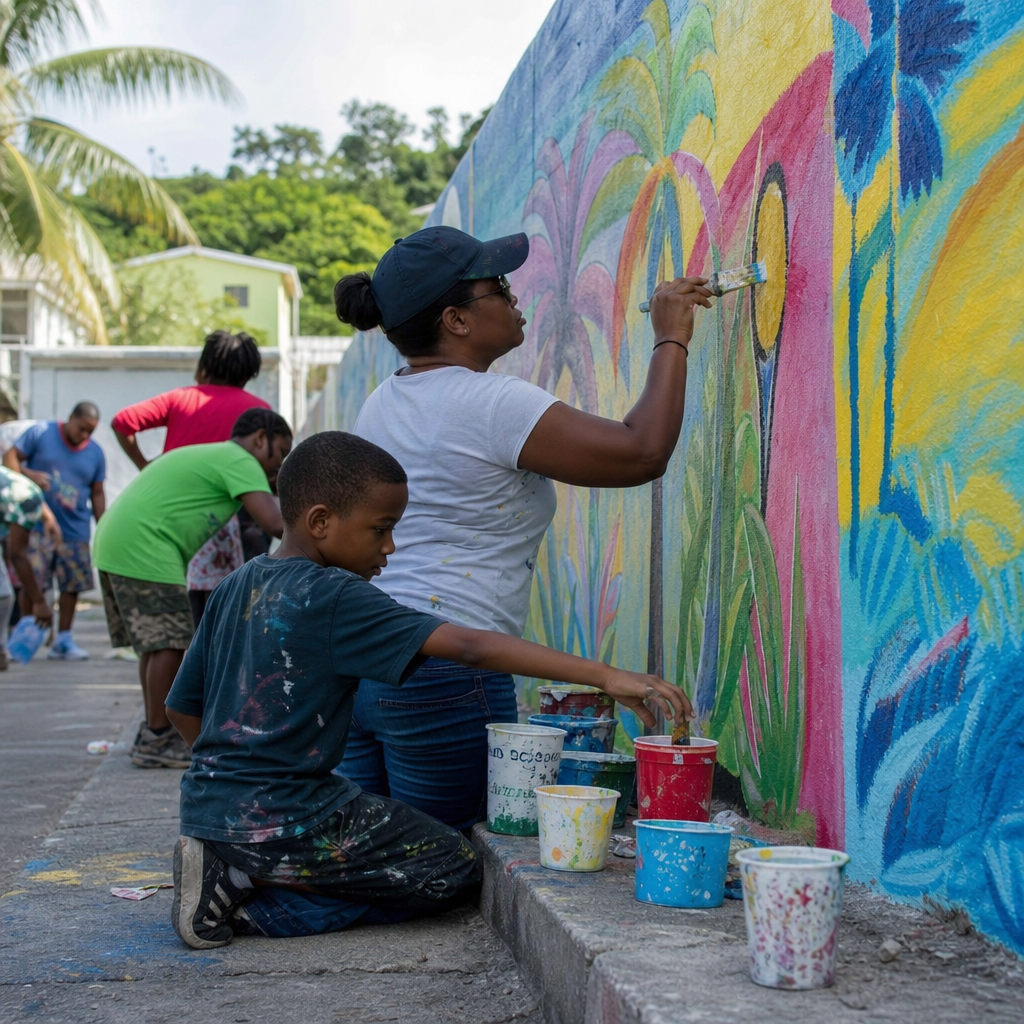
It also reveals how small-island societies preserve memory. In larger countries, historical commemoration can feel distant from daily life. In Saint Kitts, scale works differently. Public landmarks, schools, and family histories are close enough to make national history personal. A student may attend a school named after a national figure, hear a grandparent discuss a political rally, and then watch a televised state ceremony all within the same week. That density gives commemorative days unusual force.
For visitors and diaspora audiences, the holiday can correct shallow assumptions. Saint Kitts is not only a destination; it is a polity with a layered historical consciousness. Paying attention to National Heroes Day is one of the fastest ways to see that depth.
What Visitors, New Residents, and the Diaspora Should Know
If you are visiting Saint Kitts around September 16, National Heroes Day is worth experiencing respectfully. The first thing to understand is tone. This is not carnival. It is commemorative, patriotic, and educational. Dress modestly for official events, arrive on time if attending a ceremony, and treat speeches and moments of recognition with the same seriousness locals do. If photography is allowed, use judgment, especially during wreath laying, prayers, or military honors.
New residents can use the holiday as an orientation point for understanding the federation’s political culture. Read the biographies of the national heroes before attending any event. Listen closely to speeches for recurring themes such as service, sacrifice, labor, fairness, and constitutional development. Those themes are not ceremonial filler. They are clues to the moral language of public life in Saint Kitts and Nevis.
For the diaspora, National Heroes Day often carries added emotional weight. Returning home during a civic holiday can sharpen family memory and reconnect people to the institutions that shaped earlier generations. In my experience, these occasions often prompt conversations about migration, opportunity, and what it means to contribute to the nation from abroad. Diaspora engagement does not weaken the observance; it broadens it, especially when families use the day to share stories that are not preserved in archives.
Anyone seeking a fuller local experience should pair the holiday with visits to relevant civic spaces, museums, or public buildings associated with national figures. That approach turns a one-day observance into a richer understanding of place.
How National Heroes Day Connects to Education, Identity, and Civic Memory
The long-term value of National Heroes Day lies in education. Public holidays can easily become passive breaks from work if institutions do not actively interpret them. In Saint Kitts, the most effective observances are the ones that explain not just who is honored, but why. That educational function matters because civic memory does not maintain itself. Without schools, archives, journalists, and family storytelling, historical knowledge fades quickly.
Identity is also shaped through repetition. Each annual observance reinforces a shared narrative: progress came through organized effort, public-minded leadership, and sacrifice on behalf of ordinary people. Repeating that message is not empty ritual. It stabilizes national memory in a world where global media often overwhelms local history. For young people especially, seeing leaders honored in a formal national setting sends a clear signal that their country’s story is important and worth learning in detail.
There are, of course, limitations. No commemorative day can capture every contributor to national development, and official narratives sometimes simplify complex political histories. That is not a reason to dismiss the holiday. It is a reason to engage it thoughtfully. The best way to honor national heroes is not blind reverence but informed understanding: read broadly, compare sources, ask elders questions, and place heroic lives within the wider social history of workers, teachers, nurses, civil servants, and community organizers.
National Heroes Day in Saint Kitts remains valuable because it does exactly what a strong civic observance should do. It ties memory to meaning, history to institutions, and public honor to present responsibility. If you want to understand local life and experiences beyond surface impressions, start with this holiday, follow the stories behind the names, and keep exploring the people and places that built the nation.
Frequently Asked Questions
What is National Heroes Day in Saint Kitts, and why is it important?
National Heroes Day in Saint Kitts is a public observance held each year on September 16 to honor the men and women whose leadership, sacrifice, and service helped shape the nation’s political, social, and cultural identity. While the day especially recognizes those formally designated as national heroes, its meaning reaches beyond official titles. It gives people across Saint Kitts and Nevis a chance to reflect on the long arc of national development, from struggles for self-determination and social progress to the building of civic institutions and community values.
The importance of the day lies in how it connects history to daily life. For many residents, it is not simply a day off or a ceremonial date on the calendar. It is a moment when the country publicly acknowledges the people whose ideas and actions influenced education, governance, labor, public service, and national pride. Schools, families, community groups, and public institutions often use the occasion to revisit the stories behind the nation’s development, helping younger generations understand that independence, dignity, and opportunity were shaped by real individuals with lasting legacies.
National Heroes Day also reinforces a sense of identity. In a small island nation where community memory matters deeply, honoring national heroes helps preserve shared values such as resilience, excellence, service, and unity. For returning nationals and visitors, the observance offers a meaningful window into what matters locally. It shows that the country’s heritage is not treated as distant history, but as an active part of public life that continues to inspire how people think about citizenship and nationhood today.
Who are the national heroes recognized in Saint Kitts and Nevis?
Saint Kitts and Nevis formally recognizes national heroes whose contributions had a profound and lasting impact on the country. These individuals are honored because their work helped shape the direction of the federation, whether through political leadership, advocacy for workers, social reform, or broader nation-building efforts. Their recognition reflects national gratitude for extraordinary service and influence, particularly in periods of major change and development.
Among the most widely recognized figures are Sir Robert Llewellyn Bradshaw, often associated with labor advancement, political transformation, and the modernization of the state, and Sir Caleb Azariah Paul Southwell, remembered for his major contributions to public life and leadership. Their names are central to conversations about the growth of Saint Kitts and Nevis because they represent dedication to public service and the pursuit of progress for ordinary citizens. Depending on the context of the article or event, other formally designated heroes may also be discussed as part of the broader national narrative.
What matters most on National Heroes Day is not only memorizing names, but understanding why these individuals are honored. They are remembered because they helped create pathways for improved rights, stronger institutions, and a clearer national identity. In practice, the day encourages people to look beyond monuments and titles and ask how these leaders changed life for their communities. That perspective makes the observance more personal, educational, and relevant to modern audiences.
How do people in Saint Kitts typically celebrate National Heroes Day?
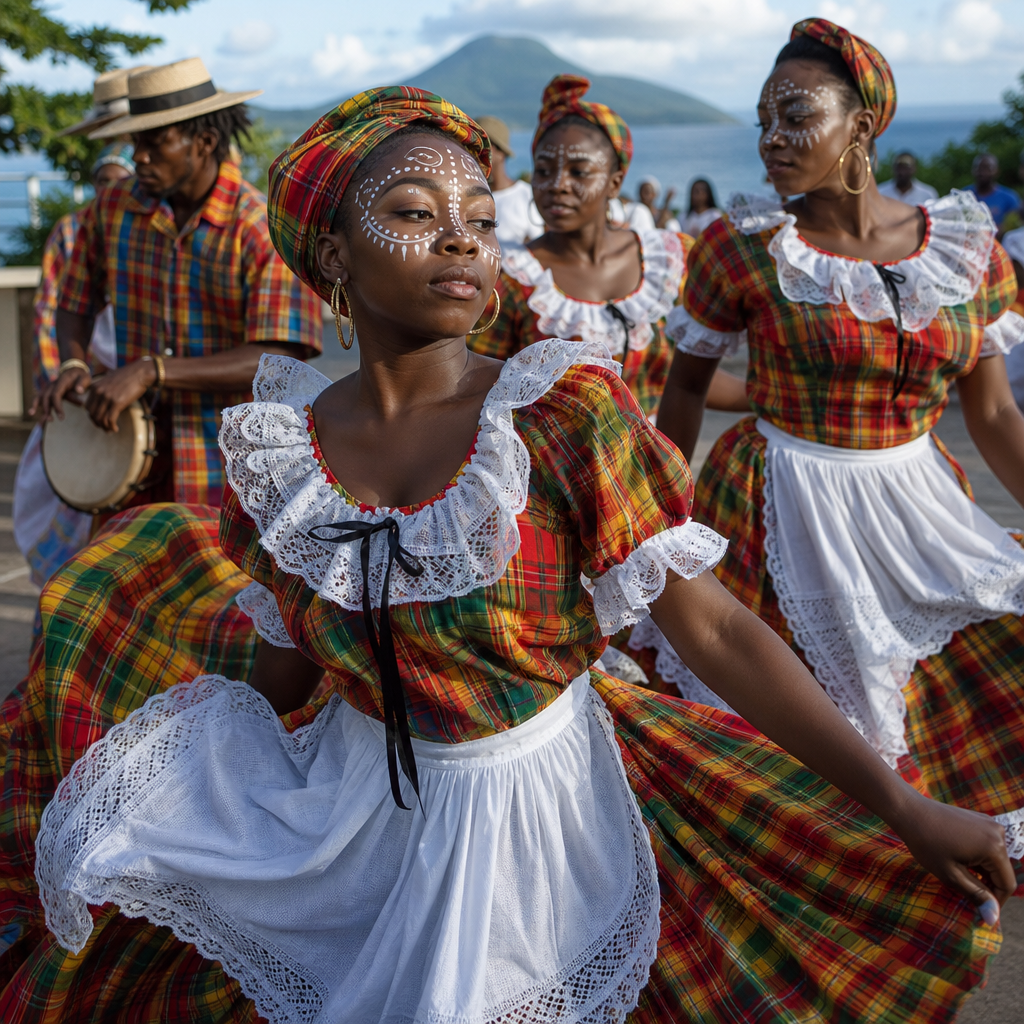
People in Saint Kitts typically celebrate National Heroes Day through a mix of official ceremonies, educational activities, community gatherings, and private reflection. Government-led observances may include wreath-laying ceremonies, speeches, tributes, and cultural presentations that highlight the lives and contributions of national heroes. These formal events often set the tone for the day, reminding the public that the holiday is rooted in remembrance, gratitude, and national education.
Beyond official ceremonies, communities and schools play a major role in how the day is experienced. Students may take part in essay competitions, assemblies, dramatic presentations, or history lessons focused on the nation’s leaders and milestones. Teachers and parents often use the occasion to discuss what heroism means in a local context, connecting major historical achievements to values such as discipline, courage, public service, and community uplift. In this way, National Heroes Day functions as a living classroom as much as a public holiday.
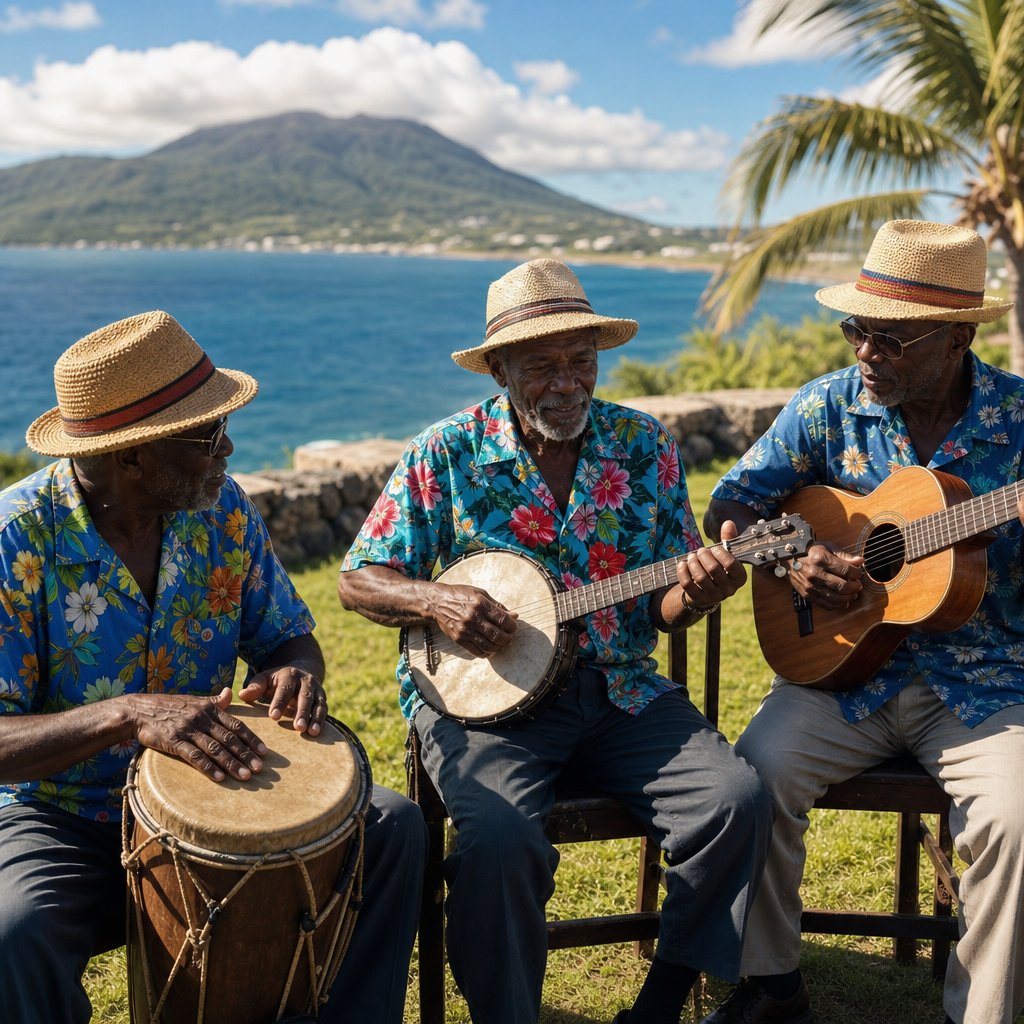
For many families, the day also includes simpler expressions of patriotism and togetherness. People may attend events, visit important sites, spend time with relatives, or engage in conversations about the country’s past and future. Returning nationals may use the holiday to reconnect with local traditions, while visitors may notice a heightened emphasis on heritage and civic pride. The atmosphere is often respectful, thoughtful, and community-oriented rather than purely festive, reflecting the deeper purpose of the observance.
What should visitors or returning nationals expect on National Heroes Day in Saint Kitts?
Visitors and returning nationals should expect National Heroes Day in Saint Kitts to feel meaningful, reflective, and rooted in public respect for history. Because it is a national holiday, some businesses, offices, and services may operate on reduced hours or remain closed, especially government departments and certain commercial establishments. At the same time, public ceremonies, heritage-focused programming, and community activities may be more visible, giving people an opportunity to witness how national memory is expressed in everyday life.
For those exploring local culture, the day can be especially rewarding. It offers more than sightseeing because it opens a door into the civic values of the country. Visitors may hear speeches, see commemorative tributes, or encounter conversations about national leaders and the meaning of service. Returning nationals often find that the day stirs a strong sense of connection, reminding them of school lessons, family discussions, and shared traditions that helped shape their understanding of home. It can be both emotional and educational, especially for people reconnecting with their roots.
It is helpful to approach the day with respect and curiosity. If attending a public event, dressing neatly, arriving on time, and observing local etiquette are all appropriate. Asking thoughtful questions, learning about the honored figures, and understanding the significance of September 16 can enrich the experience considerably. Rather than treating the holiday as just another date during a trip, visitors and returning nationals will get far more from it by seeing it as a chance to understand Saint Kitts through its history, its values, and its people.
Why does National Heroes Day matter for students, families, and the wider community today?
National Heroes Day matters today because it helps turn history into something active, personal, and useful for the present generation. For students, it provides a structured opportunity to learn how leadership, sacrifice, and public service influence the growth of a nation. Instead of viewing history as a collection of names and dates, young people are encouraged to see how determined individuals can shape institutions, defend rights, and improve opportunities for others. That lesson can have a lasting effect on how they think about citizenship and responsibility.
For families, the day creates space for intergenerational conversation. Parents, grandparents, and older relatives often use the observance to share memories, explain historical events, and pass down stories about the nation’s development. These discussions help preserve cultural knowledge that might otherwise fade over time. They also allow families to connect national milestones with personal experiences, making the meaning of the holiday more immediate and relatable. In many homes, National Heroes Day becomes a bridge between formal history and lived memory.
For the wider community, the holiday reinforces social cohesion and shared purpose. It reminds people that progress is built collectively and that national identity depends on remembering those who laid the foundation for present-day life. In a fast-moving world, observances like National Heroes Day help communities slow down long enough to recognize the values they want to carry forward. By honoring exemplary lives, Saint Kitts affirms that courage, service, vision, and commitment to the common good are still worth celebrating, teaching, and practicing today.