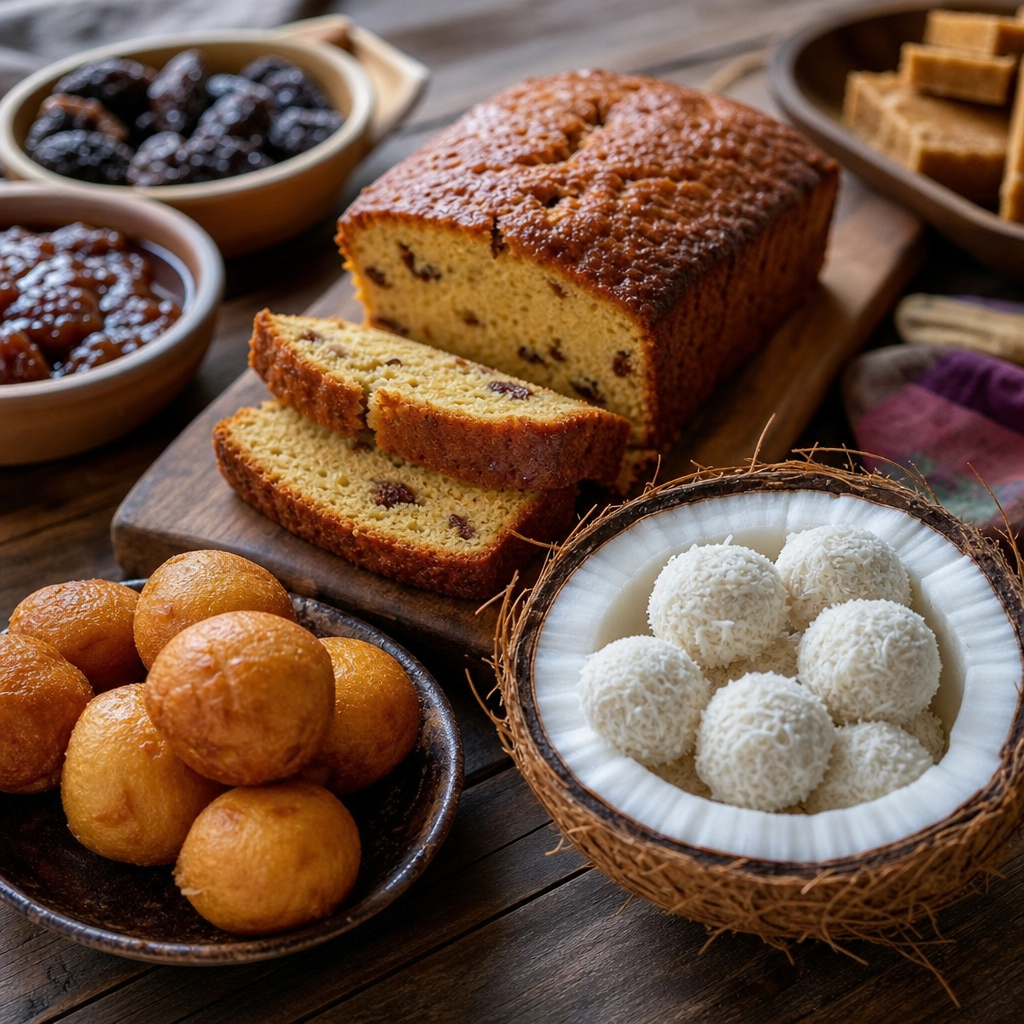
Nevis’ homemade treats are more than sweet bites sold at village stalls or shared after Sunday lunch; they are a living culinary tradition that preserves memory, celebrates seasonality, and anchors local life within the wider culture of the island. In Nevis, “homemade treats” refers to the cakes, tarts, candies, pastries, breads, drinks, and festival snacks prepared in home kitchens, roadside bake spaces, church fundraisers, family gatherings, and community events. These foods are usually made in small batches from familiar ingredients such as coconut, tamarind, guava, sugar, cassava, sweet potato, nutmeg, cinnamon, cloves, and local fruits, then shaped by recipes handed down through practice rather than strict measurement. I have spent enough time around Caribbean kitchens to know that the real recipe is often a gesture: how long to stir, when the syrup “looks right,” or how a cook tests dough with fingertips instead of scales.
That is exactly why Nevis’ homemade treats deserve attention as a serious subject within local life and experiences. They tell visitors what the island values, and they remind residents that food heritage is built as much through ordinary snacks as through formal national dishes. A coconut tart at a school event, a slice of black cake at Christmas, peanut brittle sold in a reusable jar, or a cup of mauby offered on a hot afternoon all reveal systems of agriculture, trade, migration, religion, family structure, and hospitality. For a sub-pillar hub on miscellaneous local experiences, this topic matters because homemade treats connect many smaller stories: market culture, holiday customs, women’s entrepreneurship, intergenerational learning, tourism, sustainability, and neighborhood identity. Understanding these foods helps people understand Nevis itself, not as a postcard destination, but as a place where flavor, memory, and community still meet in the kitchen.
What defines Nevis’ homemade treats
Nevis’ homemade treats are typically defined by three traits: local ingredients, small-scale preparation, and social meaning. Unlike mass-produced snacks, these foods are often made with direct knowledge of ingredient origin. Coconut may be grated by hand, tamarind pulp softened and strained at home, and spice blends adjusted according to family preference. Texture matters. A coconut drop should be chewy but not hard, a guava jam should hold shape without becoming rubbery, and a tart crust should stay short and crisp even in humid weather. These standards are not arbitrary; they reflect local expectations that experienced bakers and candy makers enforce informally through taste.
The category is broad. It includes coconut tarts, sugar cakes, coconut drops, tamarind balls, gooseberry stew, bread pudding, black cake, sweet cassava pone, sweet potato pudding, rock cakes, fudge, preserved fruits, homemade ice blocks, and seasonal drinks paired with snacks. Some treats lean strongly toward African and Creole foodways, especially puddings, dense bakes, and syrup-based sweets. Others show British colonial baking influence in sponge cakes, buns, and holiday fruit cakes. There is also a practical island logic behind many recipes: they were designed to use available produce, avoid waste, preserve fruit, and create satisfying food that could travel well to work, school, church, or the beach.
In daily life, these treats appear in places that outsiders might overlook. They are sold at roadside tables, packed into school lunch bags, served after funerals and weddings, and offered at community fundraisers where baking skills help support local causes. They also function as informal hospitality. On Nevis, offering a homemade snack is a social act, not just a transaction. It signals welcome, care, and reputation. A household known for an excellent coconut tart or a moist rum cake earns standing in the community because consistency in food reflects competence, generosity, and pride.
Signature treats and the ingredients behind them
The best-known Nevisian homemade treats often begin with ingredients that thrive in tropical conditions. Coconut is central because it is versatile, durable, and deeply embedded in Caribbean home cooking. Grated coconut sweetened with brown or white sugar becomes filling for tarts, the base of sugar cake, or the chewy structure of coconut drops. Nutmeg and cinnamon lend warmth, while lime zest cuts sweetness and sharpens aroma. Tamarind, another staple flavor, produces the sweet-sour intensity that makes tamarind balls so memorable. The fruit pulp is mixed with sugar and sometimes spice, then rolled into portions that balance tang and sweetness in a way industrial candy rarely achieves.
Root crops also shape the tradition. Cassava and sweet potato are transformed into dense baked puddings and pone, foods that bridge dessert and sustenance. Their texture is substantial rather than airy, which reflects a historical preference for treats that could satisfy hunger as well as craving. Fruit preservation is equally important. Guava cheese, jams, stewed gooseberries, and candied fruits are practical examples of how households extended the life of seasonal harvests before widespread refrigeration. Black cake, especially at Christmas, showcases another layer of technique: soaking dried fruit, managing batter density, and balancing spice, browning, and rum to create a cake that improves with age.
| Treat | Main ingredients | Typical texture | Common occasion |
|---|---|---|---|
| Coconut tart | Grated coconut, sugar, spices, pastry | Crisp shell, moist filling | Everyday snack, gatherings |
| Tamarind balls | Tamarind pulp, sugar, spice | Sticky, chewy | School snacks, roadside sales |
| Sweet cassava pone | Cassava, coconut, sugar, spice | Dense, moist | Family meals, holidays |
| Black cake | Dried fruit, rum, spice, browning | Rich, tight crumb | Christmas, weddings |
| Sugar cake | Coconut, sugar, ginger | Firm, crystalline | Markets, community events |
What makes these ingredients significant is not novelty but familiarity. In my experience, the strongest homemade traditions are built on ingredients people know intimately enough to judge without formal testing. Cooks can tell when coconuts are too mature for a delicate tart, when cassava needs more moisture, or when a tamarind mixture needs extra sugar because the fruit is especially sharp that season. That ingredient literacy is one of the clearest markers of a real culinary tradition.
How homemade treats reflect local history and community life
Nevis’ homemade treats developed through a layered history of African heritage, European colonial influence, island agriculture, and regional exchange across the Caribbean. Many recipes emerged from necessity. Households used what was plentiful, affordable, and storable. Coconut, cane sugar, root crops, and tree fruits became the foundation of sweetmaking because they were accessible and adaptable. Over time, necessity evolved into preference. Dense puddings, spiced cakes, and preserved fruit sweets remained popular not only because they were practical but because they acquired emotional weight through repetition at family and public events.
Community life still gives these foods meaning. Church fairs, school drives, holiday markets, and village celebrations depend on homemade food because it is financially viable and culturally legible. People buy from cooks they trust, and that trust is built over years of consistency. One baker becomes known for flaky pastry, another for the darkest and richest black cake, another for tamarind balls that hit the ideal balance of sour and sweet. These reputations matter. They create informal local economies, especially for women and older residents who may turn kitchen skills into supplemental income without running a formal restaurant.
There is also an important social memory function. Recipes are often transmitted through observation rather than written instruction, which means cooking sessions double as cultural education. Children learn not just how to bake but when certain foods belong on the calendar, who in the family used to make them, and what “right” is supposed to taste like. In practical terms, that is how culinary continuity survives. Once a recipe loses its context, it becomes generic. In Nevis, context is still attached: a tart is linked to a person, a season, a house, or an event, and that specificity is what keeps the tradition alive.
Where visitors and residents find authentic homemade treats
Anyone looking for authentic homemade treats in Nevis should start where local routines already happen. Roadside vendors, small bakeries, community events, and market-style gatherings often offer better insight than hotel dessert menus because the foods are closer to domestic practice. The most reliable approach is to ask residents which cook is known for a specific item. Local food culture is often reputation-based rather than brand-based. If three people independently recommend the same coconut tart maker, that is meaningful local validation.
Season also matters. Christmas is the prime period for black cake, gingerbread-style bakes, sorrel-based refreshments, and richer fruit sweets. Easter and family gatherings may bring more buns and shared baked goods. Everyday snacks such as tamarind balls, sugar cakes, and coconut drops are easier to find year-round, particularly near schools, village shops, and roadside stands. At public events, homemade treats are frequently paired with local drinks, which gives a fuller sense of how Nevisians actually consume them.
Visitors should also understand that authenticity does not always look polished. Packaging may be simple, portions may vary, and recipes may differ subtly from one household to another. That variation is a strength, not a flaw. It shows the food is still alive at the community level rather than standardized for mass tourism. When evaluating quality, look for freshness, balance, and texture. A tart should taste of coconut first, not only sugar. A cassava pone should feel moist and substantial, not dry or gummy. If possible, buy from vendors who can explain the ingredients, because skilled makers are usually proud to talk about sourcing, spice choices, and technique.
Why this miscellaneous hub matters for local life and experiences
As a hub within local life and experiences, Nevis’ homemade treats belong in the miscellaneous category because they intersect with many topics that do not fit neatly into a single travel or food label. They are about heritage, but also about entrepreneurship. They are about snacks, but also agriculture and memory. They are part of tourism, yet they primarily exist for local consumption. This makes them an ideal gateway subject for readers who want to move beyond beach-centered narratives and understand how everyday culture works on the island.
This hub can logically connect readers to narrower articles on village markets, holiday food traditions, local drinks, women-led food businesses, school snacks, roadside vendors, fruit preservation, and family baking customs. That internal structure mirrors reality. Homemade treats are not isolated products; they are nodes in a wider cultural system. If you want to understand Nevisian hospitality, start with what people offer guests. If you want to understand seasonality, look at when certain fruits become jams or pastries. If you want to understand microenterprise, follow the cooks whose home recipes become community staples.
The broader benefit is preservation through attention. Culinary traditions survive when people recognize their value, document them carefully, and support the makers who keep them in circulation. On Nevis, homemade treats remain one of the clearest, most accessible ways to experience local culture without mediation. They can be tasted quickly, but they should not be understood superficially. Each one carries technique, history, and belonging. Explore the related local life and experiences topics, buy from respected small makers, and treat every homemade bite as what it is: a direct introduction to Nevisian tradition.
Frequently Asked Questions
What makes Nevis’ homemade treats such an important part of the island’s culinary tradition?
Nevis’ homemade treats matter because they carry far more meaning than flavor alone. They represent family memory, local resourcefulness, and the continuity of island life across generations. In Nevis, recipes are often learned by watching a parent, grandparent, aunt, or neighbor cook rather than by reading from a formal cookbook. That means every tart crust, sweet bread, piece of fudge, glass of homemade drink, or festive cake can reflect a household’s own style, technique, and history. These foods are part of everyday life, but they also appear at moments that define community life, including Sunday meals, church gatherings, school events, celebrations, and village fundraisers.
Another reason these treats are so important is that they are closely tied to seasonality and local ingredients. Bakers and home cooks often work with what is available on the island, whether that means coconut, guava, tamarind, sugar, spices, roots, or tropical fruits. This creates a cuisine that feels grounded in place. Homemade treats are also a visible reminder that food in Nevis is still deeply personal. Even when sold at roadside stalls or shared at public events, these items often come from home kitchens or small-scale preparation spaces where skill, repetition, and family tradition shape the final result. In that way, Nevis’ homemade treats preserve heritage while remaining a living, changing part of the island’s culture.
What kinds of foods are typically included under the term “homemade treats” in Nevis?
In Nevis, the phrase “homemade treats” covers a wide and delicious range of foods. It can include cakes, tarts, pastries, sweet breads, candies, puddings, buns, festival snacks, and homemade beverages. Some treats are rich and celebratory, prepared for holidays or special occasions, while others are simple everyday favorites sold at small stalls, offered to guests, or served after meals. The category is broad because it reflects the way island food culture blends baking, sweet-making, and practical home cooking into one tradition.
These treats are usually defined less by strict culinary categories and more by how they are made and shared. A homemade treat in Nevis is often something prepared in small batches with care, using familiar methods and local ingredients. You may find fruit-filled pastries, coconut-based sweets, spiced cakes, syrupy confections, baked goods for fundraisers, and drinks made from seasonal produce. The specific items can vary by family, village, or occasion, which is part of what makes the tradition so rich. Rather than being standardized, Nevisian homemade treats often reflect personal taste, inherited technique, and community preference. That variation helps keep the tradition alive, because each cook contributes something of their own while still honoring established local flavors.
How are Nevis’ homemade treats connected to community life and local gatherings?
Homemade treats in Nevis are closely woven into the social fabric of the island. They appear in places where people gather and where relationships are strengthened: church sales, school functions, village events, family reunions, holiday celebrations, roadside stalls, and informal visits between friends and neighbors. Food in these settings is not just refreshment; it is a form of participation and generosity. Bringing a homemade cake, tray of pastries, or batch of sweets to a gathering is often part of contributing to the event and showing care for others.
These foods also support local exchange in a very practical sense. Many homemade treats are sold to raise money for community causes, religious groups, or family needs. A church fundraiser, for example, may feature an assortment of island-made baked goods prepared by different cooks, each bringing their own specialty. That creates a public space where culinary skill is recognized and traditional recipes continue to circulate. At the same time, these treats help maintain the rhythms of everyday life. A stop at a roadside bake space or a purchase from a village vendor connects people to local makers and to familiar tastes they may have known since childhood. In that way, homemade treats are not separate from community life in Nevis; they are one of the ways community is actively created and sustained.
Why do local ingredients and seasonality matter so much in Nevisian homemade treats?
Local ingredients and seasonality are central to Nevisian homemade treats because they shape both flavor and tradition. Many of the island’s beloved sweets and baked goods are built around ingredients that have long been available in home gardens, village markets, or nearby growing areas. Fruits, coconuts, spices, and other staples do more than provide taste; they connect recipes to the natural cycles of the island. When a treat is made with ingredients harvested during their peak season, it reflects a way of cooking that responds to the land rather than ignoring it.
This connection to seasonality also encourages creativity and practical knowledge. Home cooks in Nevis have historically made the most of what is plentiful, transforming fresh produce into fillings, syrups, drinks, jams, breads, and desserts. That approach preserves older culinary habits rooted in thrift, skill, and respect for ingredients. It also means that certain flavors may feel especially tied to particular times of year, family events, or communal celebrations. For readers trying to understand Nevis’ culinary identity, this point is essential: homemade treats are not simply copied formulas. They are expressions of local availability, household wisdom, and a deep familiarity with island ingredients. That is one reason they continue to feel authentic and culturally meaningful.
How is the tradition of homemade treats in Nevis being preserved today?
The tradition is being preserved primarily through continued practice. Families still prepare treats at home, community cooks still bake for public events, and local vendors still offer foods that reflect longstanding island tastes. Every time a recipe is demonstrated in a kitchen, adjusted by memory, or shared with a younger generation, the tradition is reinforced. In Nevis, preservation does not depend only on formal institutions; it often happens in ordinary moments, such as a child learning how a dough should feel, watching how filling is prepared, or hearing why a certain dish belongs at a specific celebration.
At the same time, preservation also depends on recognition. When people value homemade treats as part of Nevis’ heritage rather than seeing them as simple snacks, they are more likely to support the cooks and traditions behind them. Community events, cultural storytelling, local food tourism, and intergenerational teaching all help keep these foods visible and relevant. Even when recipes evolve slightly over time, the core tradition remains intact if the values behind it endure: sharing, craftsmanship, seasonality, and connection to place. That is the strength of Nevis’ homemade treats. They are not museum pieces frozen in the past. They are active, meaningful foods that continue to nourish both the island’s people and its cultural identity.