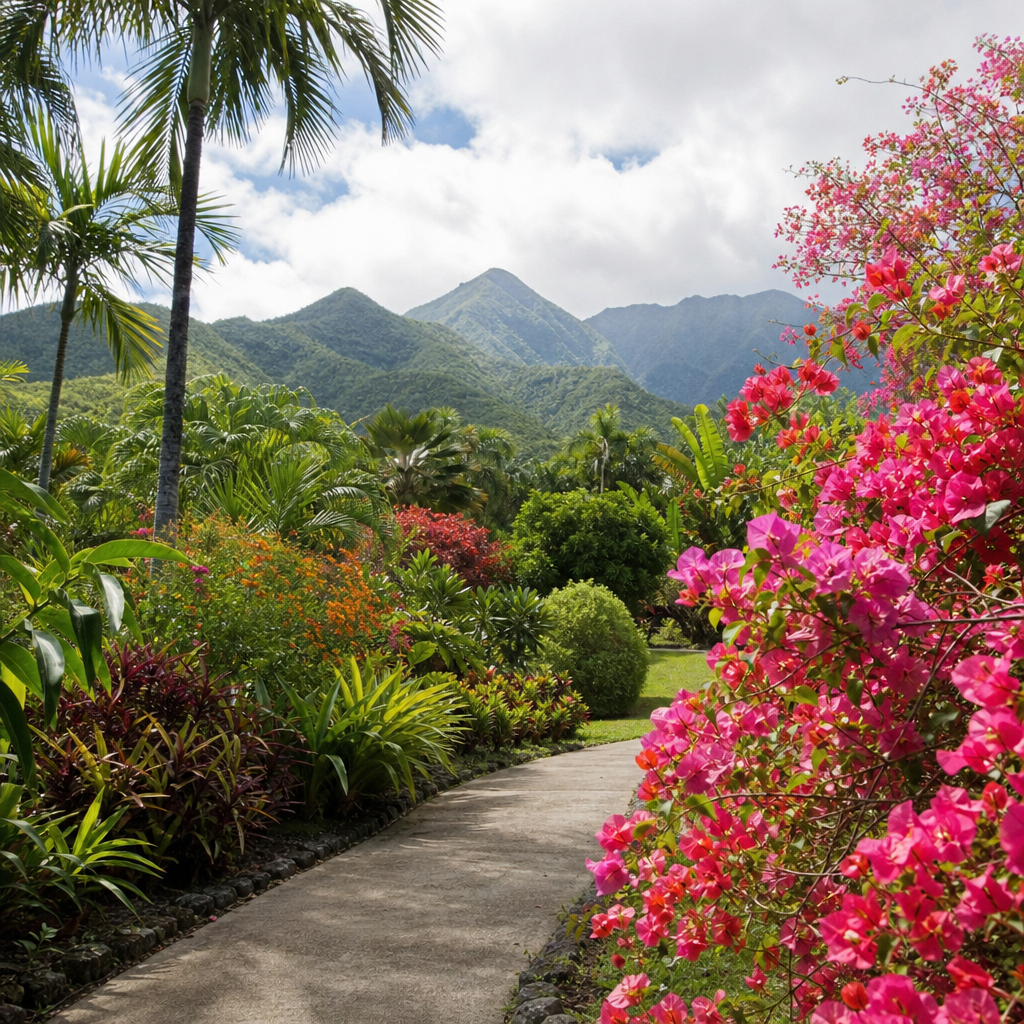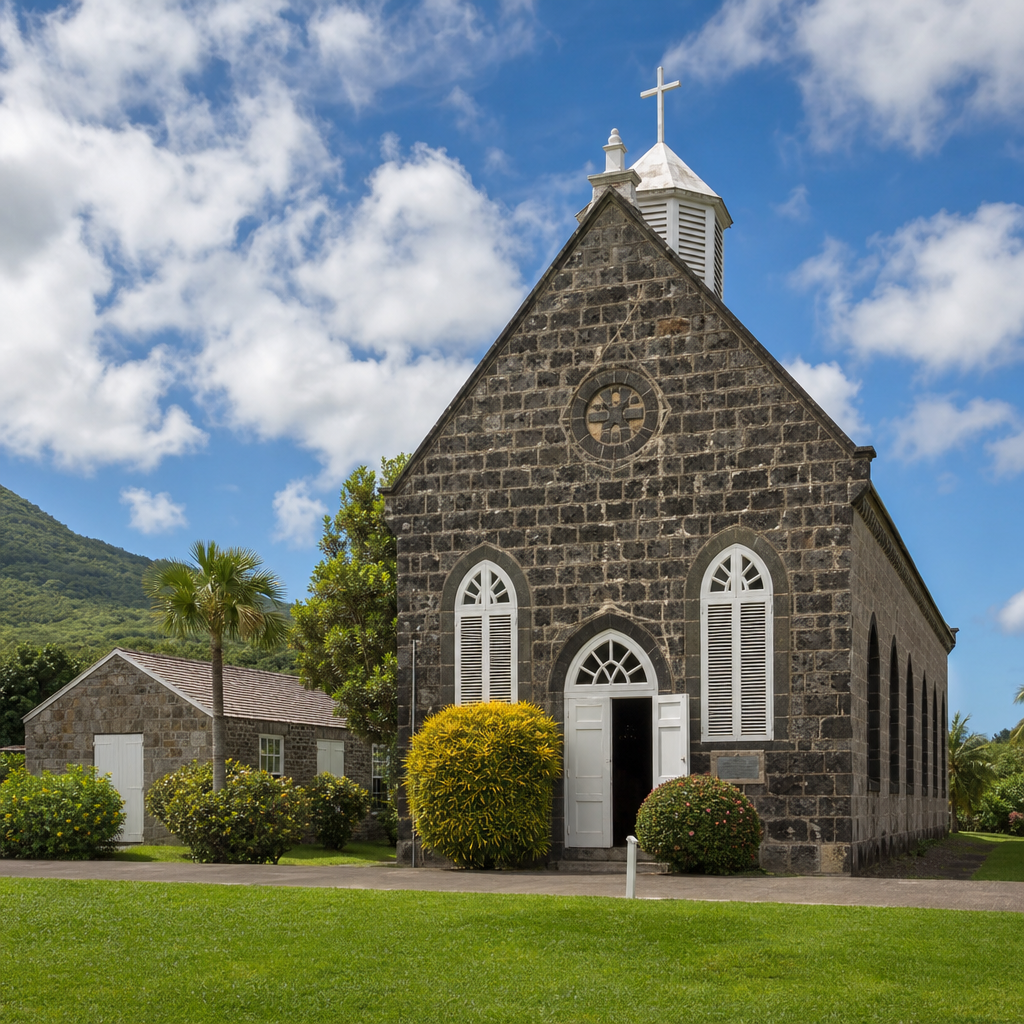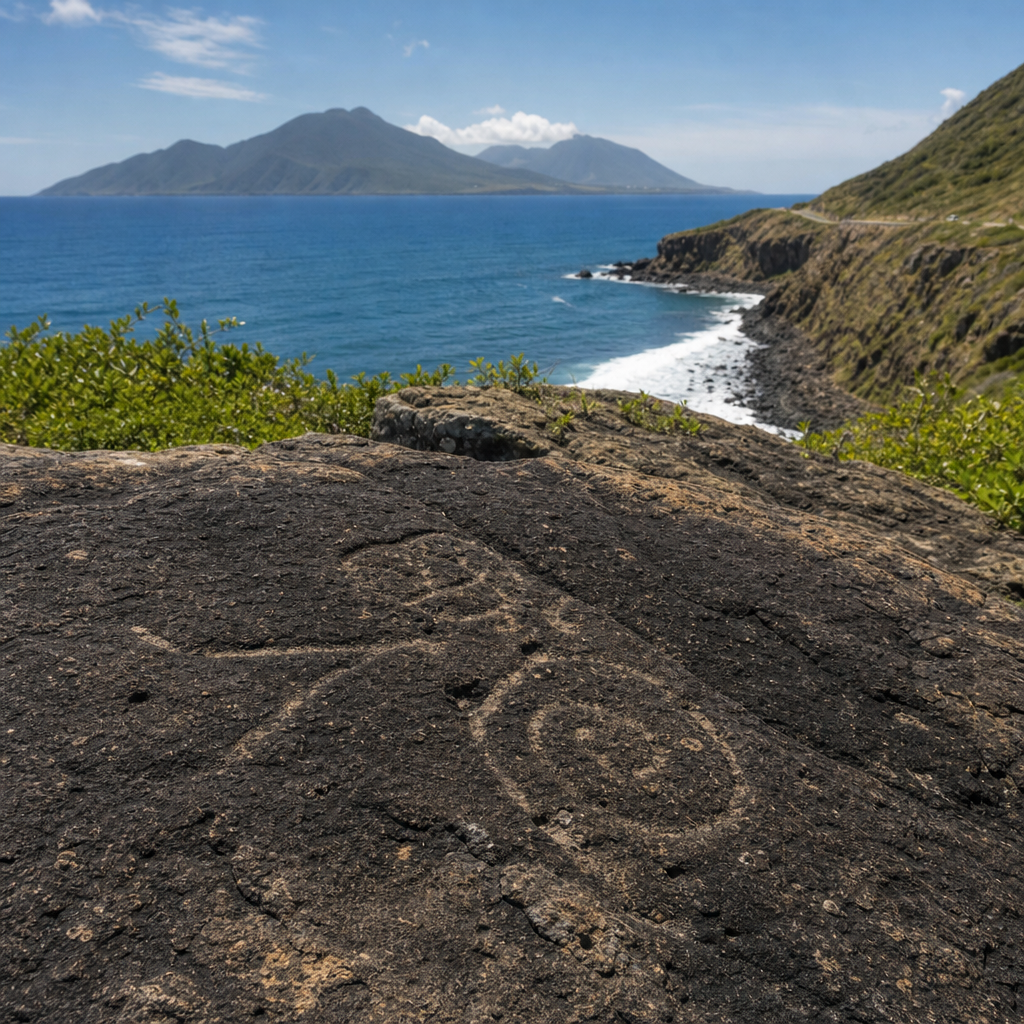
Saint Kitts is often introduced through beaches, cruise ports, and restored plantations, yet the island’s deeper story begins long before colonial settlement. Discovering the Indigenous heritage of Saint Kitts means understanding the people who first named, navigated, cultivated, traded across, and defended this Eastern Caribbean island. That heritage is not a minor footnote to tourism history. It is the foundation of local identity, landscape knowledge, archaeology, folklore, and cultural memory across the wider federation of Saint Kitts and Nevis.
In practical terms, Indigenous heritage refers to the lifeways, material culture, beliefs, settlement patterns, food systems, and descendants’ memory connected to the island’s earliest peoples. On Saint Kitts, that history usually centers on the Ciboney, Arawak, and later Kalinago, also called Island Caribs in older literature. Scholars debate timelines and terminology, and archaeology continues to refine what is known, but the broad sequence is clear: successive Indigenous communities occupied and used the island for centuries before Europeans arrived in the late fifteenth and early seventeenth centuries.
This matters because visitors and residents often encounter traces of Indigenous Saint Kitts without recognizing them. Place names, petroglyph sites, stone tools, shell middens, canoe routes, farming knowledge, and oral traditions all reveal how the island was lived in long before sugar estates remade it. When I have worked through Caribbean heritage interpretation projects, one common problem has been the tendency to treat precolonial history as static. In reality, Saint Kitts sat within a dynamic regional network linking islands through exchange, migration, marriage, and conflict.
A strong understanding of Indigenous heritage also improves how people experience the island today. It gives context to museum visits, hiking routes, coastal landscapes, and community storytelling. It also helps travelers ask better questions: Who lived here first? How did they use volcanic soils, reefs, and forests? Which sites can still be seen? What survives in language, food, craft, and ceremony? This hub article answers those questions directly while providing a clear foundation for exploring all miscellaneous local-life topics connected to the island’s earliest history.
The first peoples of Saint Kitts and the timeline that shaped the island
The earliest human presence on Saint Kitts is generally linked to Archaic Age communities, often described in local summaries as Ciboney, though specialists use that label carefully because evidence varies across the Caribbean. These early groups likely moved through the Lesser Antilles by canoe and relied heavily on marine resources, foraging, fishing, and small-scale mobility. Later Ceramic Age peoples associated with Arawakan-speaking groups brought more settled village life, pottery traditions, horticulture, and stronger inter-island exchange systems. By the time Europeans entered the region, Kalinago influence was significant across the Lesser Antilles, including Saint Kitts.
That sequence matters because it shows continuity and change rather than a single monolithic Indigenous culture. Archaeologists identify periods through pottery styles, settlement remains, shell deposits, tool types, and radiocarbon dating. On Saint Kitts, as elsewhere in the region, habitation tended to cluster near water sources, fertile coastal zones, and marine harvesting areas. Villages were not random camps. They were carefully chosen sites connected to reef access, canoe landing points, defensible terrain, and gardens for cassava, maize, sweet potato, and other crops adapted to local conditions.
European records, despite their bias, describe Saint Kitts as strategically important because of its position in the Leeward Islands. Indigenous communities already knew that. The island offered fertile volcanic soils, freshwater, elevated lookouts, and links to neighboring islands such as Nevis, Antigua, and Montserrat. In other words, Saint Kitts was part of a maritime world. The sea was not a barrier; it was the main road. Understanding Indigenous heritage starts with replacing modern map thinking with canoe-route thinking.
Where evidence survives today: archaeological sites, rock art, and museum collections
The most tangible way to discover Indigenous heritage on Saint Kitts is through archaeology. Material evidence includes pottery sherds, stone axes, shell tools, food remains, burial contexts, and petroglyphs carved into rock surfaces. Among the best-known features on the island are rock carvings associated with precolonial ritual and symbolic expression. These petroglyphs are important because they offer direct evidence of visual culture, belief systems, and site use, even when written Indigenous records do not survive.
Several sites on Saint Kitts have produced ceramics that help date settlement phases and link the island to broader Caribbean traditions. Saladoid and later pottery styles, for example, show how artisans made vessels for storage, cooking, serving, and ceremony. Decoration patterns can indicate chronological periods and cultural connections across islands. In museum interpretation work, pottery usually becomes the breakthrough object for visitors because it transforms abstract history into something human and domestic: people cooked here, stored water here, raised children here, and buried their dead with meaningful objects here.
Local museums and heritage displays provide a starting point, though coverage of Indigenous history is often smaller than colonial collections. That imbalance is common across the Caribbean and reflects older preservation priorities. Even so, curated artifacts, maps, and explanatory panels can help visitors place Saint Kitts within the region’s long precolonial timeline. The best way to approach these collections is to look for context, not just isolated objects. Ask where the artifact was found, what date range is assigned, which method supported that date, and what the object suggests about diet, trade, or social structure.
How Indigenous communities lived: food, settlement, trade, and belief
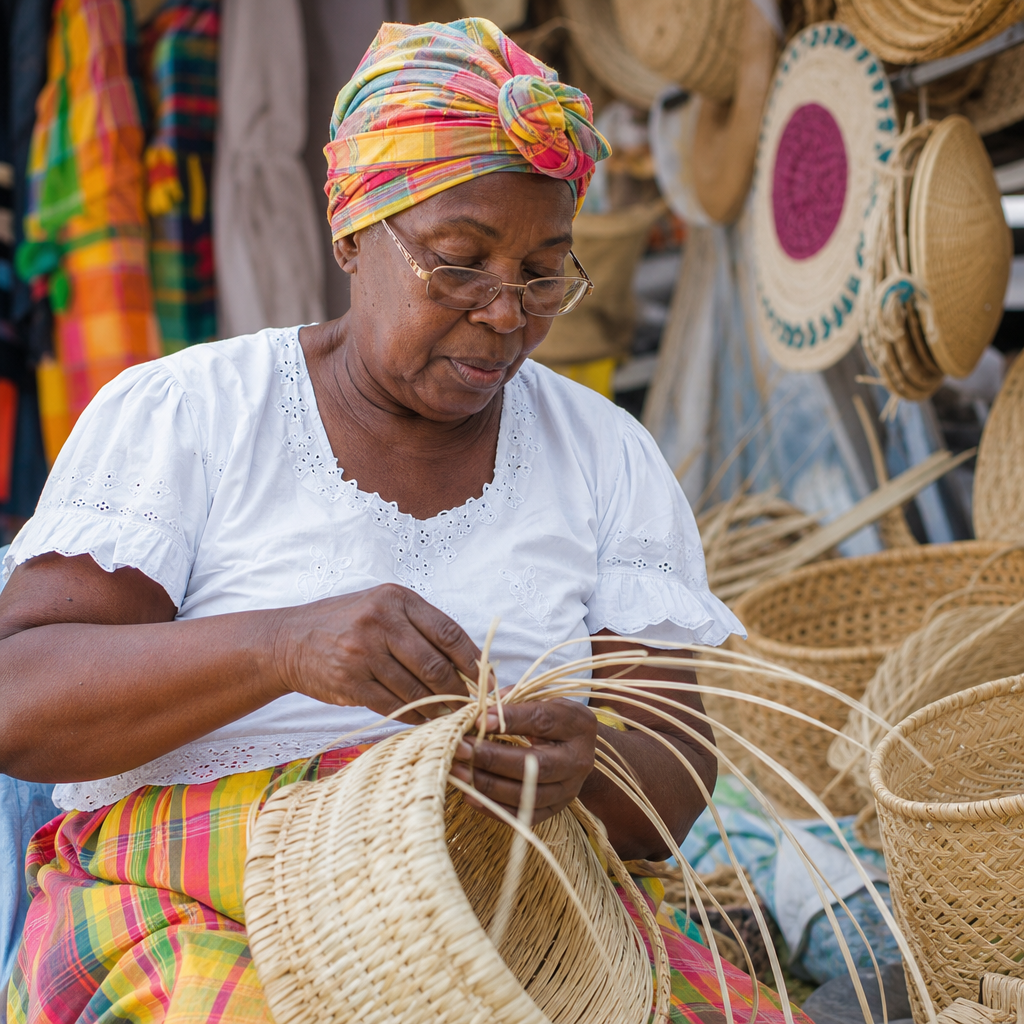
Daily life on precolonial Saint Kitts was sophisticated, adaptive, and environmentally informed. People did not merely survive on a tropical island; they managed complex food systems. Cassava was central because it stored well, could be processed into bread, and supported settled communities. Fishing, shellfish gathering, and hunting added protein. Cotton, basketry fibers, wood, gourds, and clay supported domestic production. Houses were typically built from perishable materials, which is one reason artifacts rather than standing structures dominate the archaeological record.
Trade connected Saint Kitts to the wider Antilles. Items such as pottery styles, stone materials, beads, and ritual objects indicate movement between islands. Canoes enabled exchange in both practical goods and ideas. This matters for anyone exploring local life because it challenges the fantasy of isolated island cultures. Saint Kitts participated in a networked Caribbean centuries before European empires built formal shipping systems. Religious and ceremonial life also shaped settlement choices. Petroglyph sites, burial practices, and symbolic motifs suggest that certain landscapes held spiritual power beyond their economic value.
| Heritage element | What it reveals about Indigenous Saint Kitts | Why modern visitors should care |
|---|---|---|
| Pottery fragments | Cooking, storage, trade links, chronology | Shows everyday family life and regional connections |
| Petroglyphs | Ritual expression, symbolic communication, sacred landscapes | Connects scenery with belief and memory |
| Shell middens | Diet, seasonality, shoreline use, marine expertise | Explains how coasts supported long-term settlement |
| Stone tools | Woodworking, farming, craft production, hunting | Demonstrates technical skill and resource management |
| Village locations | Freshwater access, defensibility, soils, canoe travel | Helps interpret why communities chose specific landscapes |
The collision of worlds: contact, conflict, and survival after colonization
No account of Indigenous heritage on Saint Kitts is complete without confronting colonial violence. Early contact brought disease, disruption, alliance-making, armed conflict, and forced displacement. Saint Kitts became one of the first major sites of British and French colonial settlement in the Eastern Caribbean during the early seventeenth century. That development radically altered Indigenous life. Historical sources describe tensions and warfare involving Kalinago communities as European settlers expanded their foothold and sought control of land, water, and strategic harbors.
One of the most cited events in local memory is the massacre associated with Bloody Point and Bloody River, where large numbers of Kalinago were reportedly killed by combined European forces in 1626. Details differ among sources, and historians treat colonial narratives critically, but the event remains central because it symbolizes how violently Indigenous presence was targeted. The key point is not only that conquest occurred, but that the island’s demographic and cultural landscape was intentionally transformed through force.
Yet Indigenous heritage did not simply vanish after colonization. Cultural survival in the Caribbean is often indirect, fragmented, and difficult to document because records were written by outsiders. Knowledge persisted through mixed communities, regional movement, environmental practices, oral memory, and enduring place associations. Good heritage interpretation avoids two mistakes: pretending continuity is perfectly traceable, or declaring total disappearance. The truth is harder and more important. Saint Kitts preserves a legacy shaped by loss, adaptation, and remembrance.
Indigenous heritage in modern local life and experiences
For travelers interested in local life and experiences, Indigenous heritage should be approached as a living interpretive lens, not only a museum topic. Hiking inland trails becomes more meaningful when you understand how ridgelines offered surveillance and seasonal movement routes. Coastal visits change when shell middens and landing beaches are recognized as historic food zones and transport points. Even local produce markets can prompt questions about older Caribbean food traditions, especially cassava and root crops that long predate plantation sugar economies.
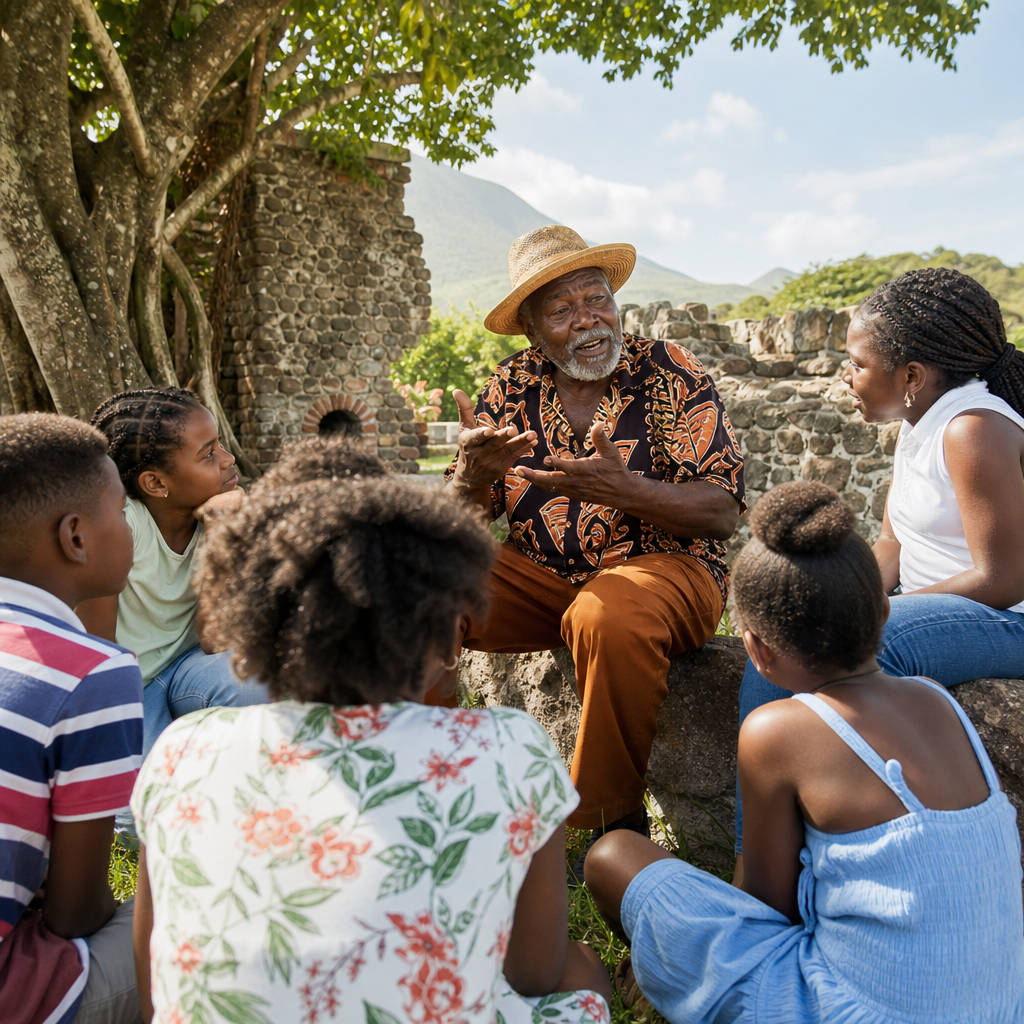
Community storytelling, school programs, and heritage tours increasingly bring this past into public view. The strongest guides do not romanticize Indigenous peoples as generic “first inhabitants.” They name groups, explain archaeological uncertainty honestly, connect Saint Kitts to the Lesser Antilles, and distinguish evidence from legend. In my experience, visitors respond best when interpretation is specific: this valley offered freshwater, this coast supported shellfish harvesting, this artifact belongs to a Ceramic Age context, this place name preserves a memory that outlasted colonization.
There is also a practical conservation angle. Development, erosion, looting, and weak site protection can destroy fragile evidence quickly. Shell deposits are disturbed by construction, rock art can be vandalized, and unrecorded finds often lose scientific value once removed from context. Responsible local experiences therefore include respect for protected areas, museums, and any guidance from heritage authorities. If you want to engage this history well, photograph rather than collect, ask permission before entering sensitive areas, and support institutions that preserve the island’s archaeological record.
How to explore this topic further across Saint Kitts and Nevis
Because this page serves as a hub for miscellaneous local-life topics, it helps to see Indigenous heritage as connected to several related experiences rather than confined to one attraction. Start with the National Museum in Basseterre or any current heritage exhibitions that include precolonial material. Follow that with landscape-based exploration: coastal viewpoints, river valleys, and volcanic foothills reveal why settlement patterns developed where they did. A guided interpretation walk is often more useful than an unguided stop because context is everything in archaeology.
Then broaden the lens to neighboring Nevis and the wider federation. Indigenous heritage does not stop at a modern administrative boundary. Canoe routes, exchange networks, and migration connected islands functionally long before nation-states existed. Reading comparative Caribbean archaeology also helps. Work by regional researchers on Ceramic Age settlement, Kalinago history, and Lesser Antillean trade can clarify what is distinctive about Saint Kitts and what fits larger patterns. If you are building an itinerary, pair heritage stops with local markets, oral-history conversations, and nature excursions to see how land, food, and memory remain intertwined.
The main benefit of discovering the Indigenous heritage of Saint Kitts is simple: you experience the island as a place with deep time, not just scenic surface. You begin to notice that every bay, ridge, carving, and artifact belongs to a longer human story. That perspective makes travel richer and local identity clearer. Use this hub as your starting point, then keep exploring the island’s sites, museums, guides, and community voices with patience, respect, and informed curiosity.
Frequently Asked Questions
Who were the first Indigenous peoples of Saint Kitts?
The earliest known inhabitants of Saint Kitts were Indigenous peoples who settled the island long before European arrival. Archaeological evidence suggests that some of the first communities in the wider Lesser Antilles were Archaic peoples, followed later by ceramic-making agricultural societies commonly associated with Arawakan-speaking groups, and eventually by Island Carib or Kalinago communities. In Saint Kitts, these peoples were not temporary visitors. They built settlements, fished coastal waters, cultivated crops, created tools and pottery, and maintained trade and communication networks across the Caribbean.
Understanding who these first peoples were is essential because they established the island’s earliest systems of land use, navigation, and resource management. They knew the seasonal rhythms of the sea, the value of fertile volcanic soils, and the strategic importance of landing sites, freshwater sources, and elevated lookout points. Their presence shaped the island long before colonial plantations or port towns emerged. When people explore the Indigenous heritage of Saint Kitts today, they are really looking at the deepest human layer of the island’s history: the communities that first gave meaning to its landscape and connected it to a wider Caribbean world.
Why is Indigenous heritage so important to the history of Saint Kitts?
Indigenous heritage matters because it is the starting point of Saint Kitts’ human story. Too often, the island is presented through the lens of colonial settlement, sugar plantations, military rivalry, or modern tourism, but those histories came later. Before European colonization, Indigenous communities had already mapped the island in practical and cultural terms. They named places, traveled established sea routes, used local plants and marine resources, and developed ways of living that reflected intimate environmental knowledge.
This heritage also matters because it helps correct an incomplete version of history. Treating Indigenous peoples as a brief prelude to colonial expansion diminishes their agency, sophistication, and endurance. Their influence survives in archaeology, oral tradition, place-based memory, food knowledge, and regional cultural identity. For Saint Kitts, recognizing this past deepens public understanding of the island beyond beaches and estates. It highlights resilience, adaptation, and inter-island relationships, while also encouraging respect for the people whose lifeways formed the original foundation of the island’s cultural landscape.
What evidence exists today of Indigenous life in Saint Kitts?
Evidence of Indigenous life in Saint Kitts comes primarily from archaeology, landscape study, and regional historical interpretation. Archaeologists have identified sites containing pottery fragments, stone tools, shell remains, food-processing evidence, and other material traces that point to settlement and daily activity. These findings help researchers reconstruct how Indigenous communities lived, what they ate, how they made objects, and how they organized life along the coast and inland. Even small artifacts can reveal major insights, such as trade connections with nearby islands or shifts in settlement patterns over time.
Beyond excavated objects, the island’s geography itself offers clues. Certain bays, ridges, river valleys, and fertile zones would have been especially important for habitation, fishing, farming, and defense. Regional comparisons with other Eastern Caribbean islands also strengthen what scholars understand about Saint Kitts, since Indigenous communities moved through a connected maritime world rather than isolated territories. In some cases, folklore, local storytelling, and cultural memory preserve echoes of that earlier presence as well. While not every site is visibly marked for visitors, the Indigenous past of Saint Kitts remains embedded in both the physical record and the broader historical imagination of the island.
How did Indigenous peoples shape the culture and landscape of Saint Kitts?
Indigenous peoples shaped Saint Kitts by being the first to interpret and use its environment in sustainable, knowledgeable ways. They identified where to settle, where to fish, where to cultivate crops, and how to move safely between island spaces and neighboring territories. Their expertise would have included reading currents and winds, understanding seasonal patterns, and making practical use of forests, reefs, rivers, and volcanic soils. This was not simply survival. It was a sophisticated environmental relationship built over generations.
Culturally, their influence lies in the concept of the island as a lived and meaningful place long before colonial borders and plantation economies. The memory of Indigenous presence informs how historians and communities think about identity, belonging, and continuity in Saint Kitts. Elements of regional food traditions, plant knowledge, craft history, and place association often have roots in Indigenous practice or in exchanges that Indigenous peoples helped shape. Even where direct continuity is difficult to document, their legacy remains foundational because they were the first human stewards of the island’s landscape and the first to embed it within a network of Caribbean movement, exchange, and memory.
How can visitors and readers respectfully learn more about the Indigenous heritage of Saint Kitts?
The best way to learn respectfully is to approach the subject with curiosity, humility, and a willingness to look beyond the standard tourism narrative. Visitors should seek out museum exhibits, heritage sites, archaeological interpretation, and educational materials that place Indigenous history at the beginning of the island’s story rather than treating it as an aside. Reading scholarly work on the Caribbean’s pre-colonial peoples, asking informed guides about the island’s earliest communities, and paying attention to how landscapes were used before colonial development can all provide a richer perspective.
Respect also means recognizing that Indigenous heritage is not just about ancient artifacts. It is about living cultural significance, historical justice, and the acknowledgment of peoples whose stories were often minimized in mainstream retellings. Travelers and readers can support preservation efforts, value accurate interpretation, and avoid romanticized or simplistic portrayals of Indigenous life. In practice, that means listening carefully, respecting protected sites, and understanding that the history of Saint Kitts begins not with ships arriving from Europe, but with the Indigenous communities who first knew the island as home.