Nevis’ culinary traditions tell the story of the island more clearly than any brochure, because every pot of goat water, every cassava pone, and every grilled lobster carries memory, geography, and hard-earned family knowledge. On a small Caribbean island where community life still shapes daily routines, food is not a side attraction for visitors or a nostalgic detail for residents; it is a practical system for preserving culture, building income, and teaching younger generations how to turn local ingredients into lasting opportunity. When people talk about Nevisian food, they usually mean a mix of African, British, Indigenous Caribbean, and wider regional influences expressed through dishes built on breadfruit, yam, coconut, seafood, peas, saltfish, fresh herbs, and slow cooking methods. Culinary tradition, in this context, means more than recipes. It includes sourcing, preparation, etiquette, celebration meals, market relationships, and the informal training that happens in kitchens, beach shacks, guesthouses, and roadside stands. This matters because food remains one of the strongest ways Nevis distinguishes itself within the Caribbean tourism economy while protecting local identity.
I have seen firsthand that the most successful food businesses on Nevis are rarely the flashiest. They are usually family-run operations that understand seasonality, know which fishermen are reliable, adjust menus when rain affects produce, and protect the integrity of dishes that residents recognize instantly. A family’s recipe for success on Nevis is therefore both literal and strategic: preserve the taste people trust, price carefully, train the next generation, and present local food in ways that appeal to visitors without flattening it into cliché. As a hub for the broader Local Life and Experiences topic, this guide explains how Nevisian culinary traditions work, which dishes define the island, how food intersects with festivals and family life, where local ingredients come from, how small enterprises create value, and what readers should explore next when diving deeper into this miscellaneous subtopic.
The foundations of Nevisian cuisine
Nevisian cuisine begins with availability. Historically, households cooked what the land, sea, and trade networks could provide consistently: root crops, salted meats, beans, coconut, fresh fish, tropical fruits, and herbs. That practical foundation shaped the island’s signature flavor profile. You see frequent use of thyme, scallion, onion, garlic, Scotch bonnet, black pepper, and seasoning blends that build depth without masking the main ingredient. Coconut appears in stews, bakes, desserts, and drinks because it is abundant and versatile. Breadfruit, plantain, sweet potato, dasheen, tannia, and yam remain important because they are filling, adaptable, and deeply tied to Caribbean foodways.
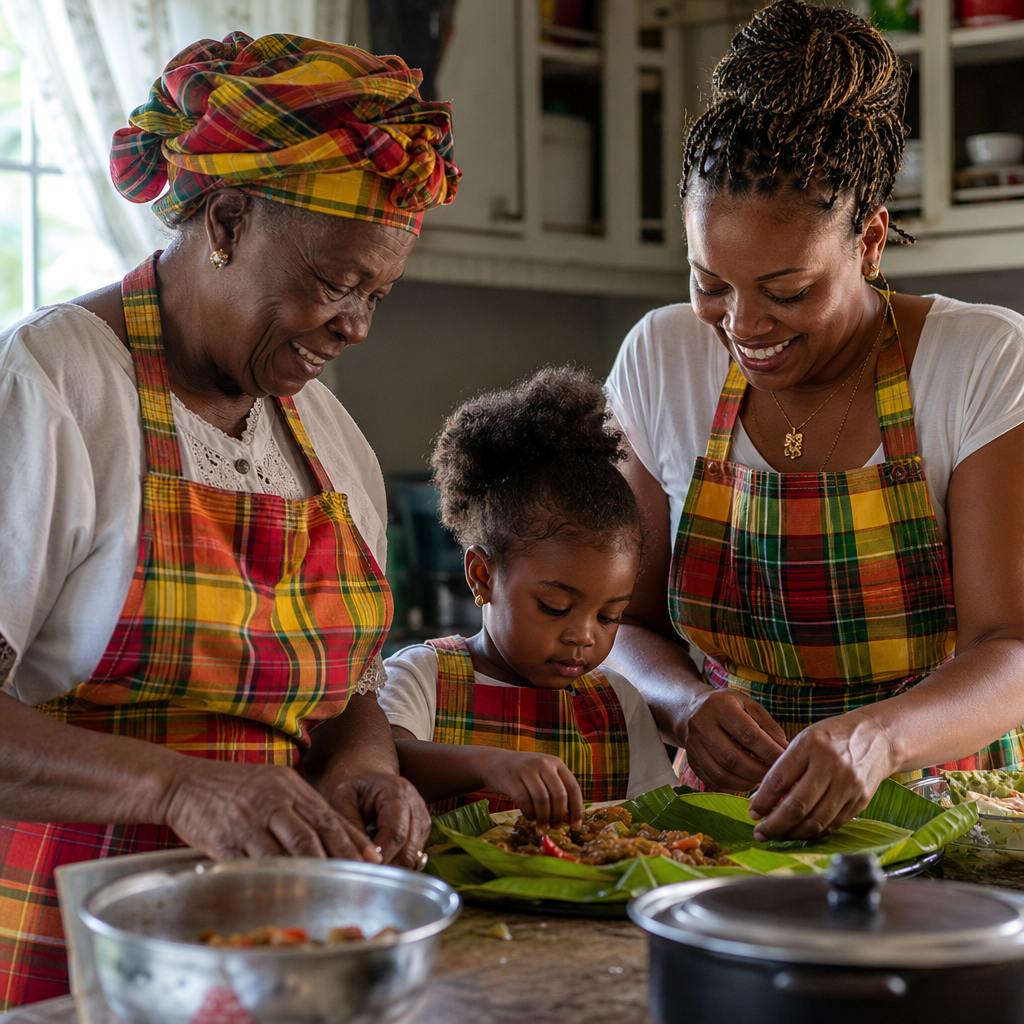
One defining trait of Nevisian cooking is balance. Savory dishes often pair starch with a rich sauce or broth, while bright elements such as pickled vegetables, lime, or pepper sauce cut through heaviness. Another trait is patience. Goat water, the island’s most famous one-pot stew, develops its character through long simmering, careful seasoning, and the gradual softening of tougher cuts. The result is not simply tender meat but a layered broth that reflects technique. That same patience applies to stewed saltfish, seasoned rice, and slow-cooked mutton. In family kitchens, cooks learn by repetition rather than strict measurements. A daughter or nephew might first be trusted to wash greens, grate coconut, or watch the fire before moving on to seasoning a pot. That apprenticeship model explains why recipes often survive with remarkable consistency over decades.
Signature dishes every hub article should anchor
Any comprehensive overview of Nevis’ culinary traditions should start with the dishes that residents identify immediately. Goat water is the clearest example. Despite the name, it is a substantial stew traditionally made with goat meat, bread, flour dumplings, spices, and herbs. It is served at village events, family gatherings, and national celebrations, and it is regularly promoted as a culinary emblem of Nevis. Conch, when available and sustainably sourced, appears in fritters, curries, and salads. Fresh fish is often fried whole or steamed with seasoning, while lobster becomes especially popular in season, usually grilled with butter, garlic, and local spice blends.
Saltfish has special importance because it links the island to older Atlantic trade systems and to everyday practicality. Cooks pair it with coconut dumplings, green fig, johnny cakes, or ground provisions, turning a preserved ingredient into a meal that feels complete rather than compromised. Desserts also deserve equal weight in a hub article. Cassava pone, coconut tart, guava cheese, sugar cake, and tamarind balls show how Nevisian tradition uses local crops and fruit preserves to create sweets with long shelf life and strong cultural recognition. Drinks belong in the conversation too. Sorrel, ginger beer, seamoss, mauby, fresh fruit juices, and locally infused rum reflect both hospitality and herbal knowledge. These are not novelty beverages; they are part of how homes welcome guests and how vendors expand revenue beyond one meal service.
How family kitchens turn tradition into livelihood
The phrase “family’s recipe for success” is not metaphorical on Nevis. Many food ventures begin with one household recipe that earns a reputation among neighbors, church members, or event organizers. From there, a cook may move into catering, lunch delivery, weekend barbecue sales, or a small restaurant model. I have watched this progression across Caribbean islands, and Nevis follows the same durable pattern: credibility comes before scale. People buy repeatedly because an aunt’s stew peas tastes the same every Friday, because a mother’s coconut drops sell out at school events, or because a couple running a beach grill knows exactly how long to marinate fish landed that morning.
What makes these ventures resilient is not only culinary skill but operational discipline. Successful families standardize what must stay consistent while keeping enough flexibility to adapt to weather, tourism swings, and ingredient shortages. They know their food cost on chicken, fish, flour, oil, and imported staples. They preserve margin by designing menus around ingredients that can appear in multiple dishes. Coconut, for instance, supports desserts, drinks, sauces, and rice preparations. A fisherman relative can reduce supply risk. A grandparent’s land can provide mango, breadfruit, pumpkin, or herbs. In this way, culinary tradition becomes a local economic engine, linking agriculture, fisheries, transport, events, and hospitality. The most effective operators also understand presentation. Visitors may discover a business through grilled lobster, but they return because the family can explain the dish, maintain quality, and connect the meal to the island’s character.
Ingredients, seasonality, and the local supply chain
To understand Nevisian food properly, readers need to understand the supply chain behind it. Nevis does not operate with unlimited abundance. Seasonality, storm risk, import costs, and transportation constraints shape what appears on plates. That is why local cooks value adaptability. If the sea is rough, fish supply tightens. If heavy rain affects root crops, menus adjust. If tourism demand spikes around holidays or major events, prices on premium seafood can rise quickly. Families that cook well for a living respect these limits rather than pretending every ingredient is equally available year-round.
Local markets, roadside vendors, home gardens, and fishing communities are therefore central to the island’s culinary system. Breadfruit may be roasted, fried, or boiled depending on ripeness. Mangoes become juice, chow, jam, or dessert filling during glut periods. Herbs grown at home can improve flavor while lowering recurring costs. This practical use of seasonality is one reason traditional food often tastes more integrated than menus built around imported convenience items. It also supports sustainability in the plainest sense: use what grows well, waste less, and preserve surplus when possible.
| Ingredient | Common Nevisian uses | Why it matters |
|---|---|---|
| Breadfruit | Roasted sides, fries, boiled provisions | Reliable starch with strong local identity |
| Coconut | Tarts, rice dishes, stews, drinks | High versatility across sweet and savory cooking |
| Goat | Goat water, stews, festive meals | Signature protein tied to celebration food |
| Saltfish | Breakfast plates, bakes, provision dishes | Historic staple with broad menu flexibility |
| Lobster and fish | Grilled entrees, beach lunches, seafood platters | Important for tourism appeal and premium pricing |
Food, festivals, and everyday social life
On Nevis, food is inseparable from the social calendar. A proper hub article must recognize that recipes gain meaning through the occasions on which they are served. During Culturama, the island’s annual celebration of heritage and performance, food vendors, community cooks, and families showcase dishes that feel both festive and deeply local. Goat water appears prominently because it satisfies crowds and symbolizes continuity. Street food becomes part of the experience, but so do sweets, drinks, and breakfast plates sold to early eventgoers. Weddings, funerals, christenings, church activities, and village gatherings each have their own food expectations, and those expectations help keep traditional recipes in regular use.
Everyday life matters just as much as festivals. Schoolchildren know the snacks sold after class. Workers know which roadside stand serves the best lunch on market day. Families organize Sunday meals around dishes that require more time, such as baked chicken with rice and peas, provision plates, macaroni pie, stewed mutton, or fresh fish. In many homes, the meal itself is only part of the value. The preparation process teaches timing, thrift, hospitality, and division of labor. Someone seasons meat, someone peels provisions, someone bakes, and someone handles drinks or dessert. This shared work reinforces culinary memory. It also creates the practical competence that later supports catering businesses, guesthouse dining, and event vending.
Where visitors and residents meet through food
Nevis succeeds as a food destination when it avoids performing culture and instead serves it honestly. Visitors generally want three things: recognizable local dishes, credible stories behind them, and a setting that feels connected to the island rather than generic. Family-run restaurants, plantation inns, beach bars, and pop-up event vendors can all deliver this if they resist overcomplication. A grilled fish lunch with festival, plantain, slaw, and house-made pepper sauce often leaves a stronger impression than an overdesigned fusion plate with no clear Nevisian identity. The point is not to reject innovation. It is to make innovation legible. Mango glaze, tamarind reduction, coconut crusting, and modern plating work well when the underlying ingredients and techniques still reflect place.
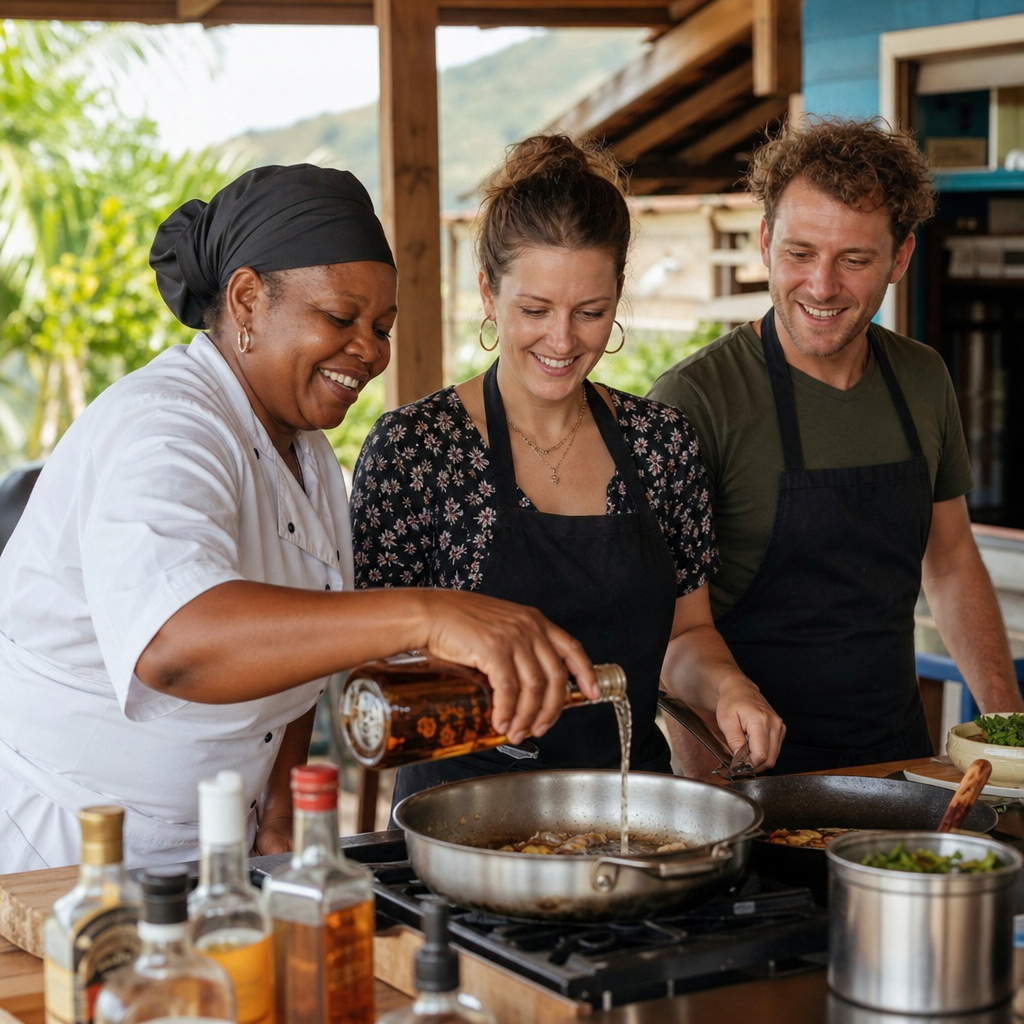
For residents, tourism can create pressure to prioritize visitor preferences, but the strongest businesses rarely abandon local trust to chase trends. They build two-way value instead. Locals keep a restaurant honest. Visitors broaden its revenue base and often increase demand for cooking classes, farm visits, rum tastings, heritage dinners, and market tours. This is where a sub-pillar hub becomes useful. Readers interested in local life can move naturally from food into fishing traditions, agriculture, village events, homegrown businesses, and hospitality customs. Food is the gateway because it is tangible, memorable, and easy to compare, yet it opens onto nearly every part of island life.
Preserving tradition while planning the future
Nevis’ culinary future depends on documentation, training, and realistic business planning. Oral tradition remains powerful, but it has limits. When recipes stay only in one cook’s memory, families risk losing techniques, especially as younger people migrate or shift into other work. The strongest preservation efforts combine family teaching with written recipes, video demonstrations, school programs, and chef collaborations that respect origin. Standards matter here. Basic food safety guided by Hazard Analysis and Critical Control Points principles, proper refrigeration, accurate labeling for packaged products, and responsible seafood sourcing are not bureaucratic extras. They help traditional food survive in modern markets.
There are tradeoffs. Not every home recipe scales easily. Fresh ingredients fluctuate in quality. Labor is expensive, and imported packaging raises costs for jams, sauces, and sweets sold commercially. Yet those challenges are manageable when families focus on a clear product range and maintain quality. A business built around two exceptional sauces, one beloved dessert, and a reliable catering menu will usually outperform a sprawling concept with inconsistent execution. Long-term success on Nevis comes from matching culinary heritage with disciplined operations, then telling the story well enough that both residents and visitors understand why the food matters.
Nevis’ culinary traditions endure because they are useful, delicious, and socially binding all at once. They feed households, anchor festivals, support small enterprises, and give the island a distinct voice within Caribbean food culture. The clearest lesson from any successful family kitchen is simple: protect the ingredients, respect the method, and never separate flavor from community. If you are exploring Local Life and Experiences on Nevis, start with the plate in front of you, then follow it outward to markets, fishers, farmers, celebrations, and family businesses. That is where the island becomes legible. To go deeper, use this hub as your starting point and keep tracing the people, places, and everyday practices behind every memorable meal.
Frequently Asked Questions
What makes Nevis’ culinary traditions so important to family life and local identity?
Nevis’ culinary traditions matter because they do far more than feed people. They preserve memory, reinforce community ties, and pass down practical knowledge that families have relied on for generations. On an island like Nevis, recipes are not just written instructions; they are lived habits shaped by the land, the sea, and the rhythm of neighborhood life. Dishes such as goat water, cassava pone, stewed saltfish, coconut dumplings, and grilled lobster reflect what families have historically grown, caught, traded, and cooked together. That means each meal carries a story about survival, celebration, and adaptation.
For many families, cooking is also one of the first ways children learn where they come from. They watch elders season a pot by instinct, judge ripeness by touch, and stretch ingredients wisely without wasting anything. Those lessons teach more than technique. They teach patience, discipline, hospitality, and respect for tradition. In Nevis, food is often at the center of Sunday dinners, village gatherings, holidays, and community events, so culinary customs help define belonging. When families continue preparing traditional dishes, they are not simply preserving taste; they are protecting a way of life that connects generations and keeps the island’s identity vivid and recognizable.
How do traditional Nevisian dishes reflect the island’s geography and history?
Traditional Nevisian food is deeply shaped by the island’s natural environment and historical experience. The geography of Nevis, with its fertile soil, tropical climate, and access to rich coastal waters, has long influenced what ends up on the table. Root crops, cassava, breadfruit, coconut, herbs, fresh fish, shellfish, and locally raised livestock all play a role in the island’s cuisine because they are practical, available, and well suited to local conditions. This close relationship between landscape and cooking is one reason Nevisian food feels so grounded and distinctive.
History also plays a major part. The island’s culinary traditions draw from African heritage, Caribbean ingenuity, colonial-era influences, and generations of resourceful home cooking. Recipes evolved through necessity as families learned how to make nourishing meals from what was local, seasonal, and affordable. Slow-cooked stews, preserved ingredients, one-pot dishes, and desserts built from cassava, coconut, and spices all reflect that history of resilience and adaptation. Even a dish like goat water speaks volumes: it is hearty, communal, and practical, yet rich with flavor and identity. In that sense, Nevisian cuisine acts like an edible archive. It tells the story of migration, labor, trade, celebration, and endurance in a way that feels immediate and human.
Why is food considered a pathway to economic success for families in Nevis?
Food can become a powerful source of economic opportunity in Nevis because culinary knowledge is both culturally valuable and commercially useful. Families who know how to prepare traditional dishes are working with a form of expertise that visitors increasingly want to experience and locals continue to support. Home kitchens, roadside grills, market stalls, catering businesses, bakery operations, food tours, and small restaurants can all grow from recipes that have been refined inside families over decades. What may begin as a grandmother’s method for cassava pone or a father’s skill with seafood can become a recognizable brand, a steady side income, or even a full-time business.
This matters especially on a small island economy, where people often succeed by turning local strengths into reliable enterprises. Traditional food offers authenticity, and authenticity has real value. Travelers want meals with a story, not just something generic, while residents often prefer food that tastes familiar and trustworthy. Families who build businesses around Nevisian cuisine can benefit from both markets. Just as important, culinary entrepreneurship often keeps money circulating locally by supporting fishers, farmers, market vendors, drivers, event organizers, and other small operators. In this way, food is not only a cultural treasure; it is a practical engine of household stability, community employment, and intergenerational progress.
How are Nevisian recipes and cooking skills passed down to younger generations?
In Nevis, cooking skills are often passed down through participation rather than formal instruction. Younger family members learn by being present in the kitchen, at the market, by the fireside, or around the outdoor grill. They help wash produce, peel root vegetables, grate coconut, stir pots, clean fish, knead dough, and observe how elders season food by eye instead of by measuring spoons. This kind of learning is immersive and personal. It teaches not just the final recipe but the judgment behind it: how long to simmer, what texture to look for, when the heat is right, and how to adjust for freshness, weather, or the size of the gathering.
These lessons often happen naturally during ordinary family life, but they become especially visible during holidays, weddings, funerals, festivals, and Sunday meals, when cooking is more collective and ceremonial. In those moments, children and young adults see that food preparation is tied to responsibility, generosity, and community leadership. Families that intentionally involve younger generations help ensure that recipes do not disappear as lifestyles change. Some also adapt by writing recipes down, recording elders, teaching through family businesses, or introducing traditional dishes in modern formats that appeal to younger cooks. The goal is not to freeze tradition in time, but to keep its core wisdom alive while making it usable for the future.
What role do signature dishes like goat water, cassava pone, and grilled lobster play in Nevis’ cultural story?
Signature dishes play an outsized role in expressing Nevis’ cultural identity because they capture the island’s values in edible form. Goat water, for example, is more than a famous stew. It represents thrift, skill, and communal cooking, turning a humble ingredient into something deeply flavorful and memorable. It is often associated with gatherings, celebration, and the kind of cooking that rewards patience and experience. Cassava pone tells a different but equally important story. Made from a root crop with deep historical significance across the Caribbean, it reflects ancestral foodways, agricultural knowledge, and a tradition of transforming simple local ingredients into something rich and satisfying.
Grilled lobster highlights another side of Nevisian life: the island’s relationship with the sea, seasonal abundance, and the straightforward confidence of letting fresh ingredients speak for themselves. Together, these dishes show the range of Nevisian cuisine, from rustic and hearty to festive and coastal. They also help families and businesses communicate authenticity to visitors without needing to explain everything in words. A plate can do the talking. When these foods are cooked and served with care, they become ambassadors for the island’s history, environment, and family traditions. That is why they matter so much. They are not just menu items; they are living symbols of how Nevis turns memory, place, and shared knowledge into lasting success.