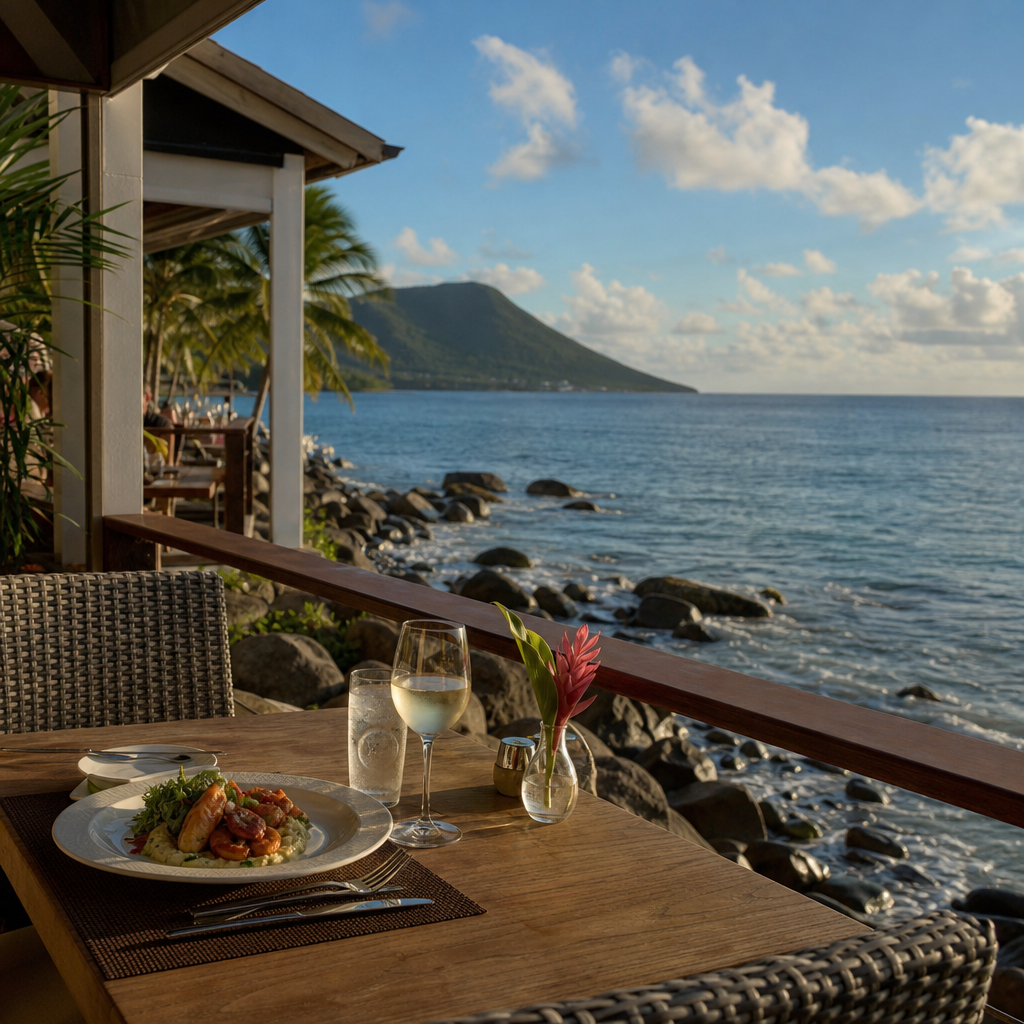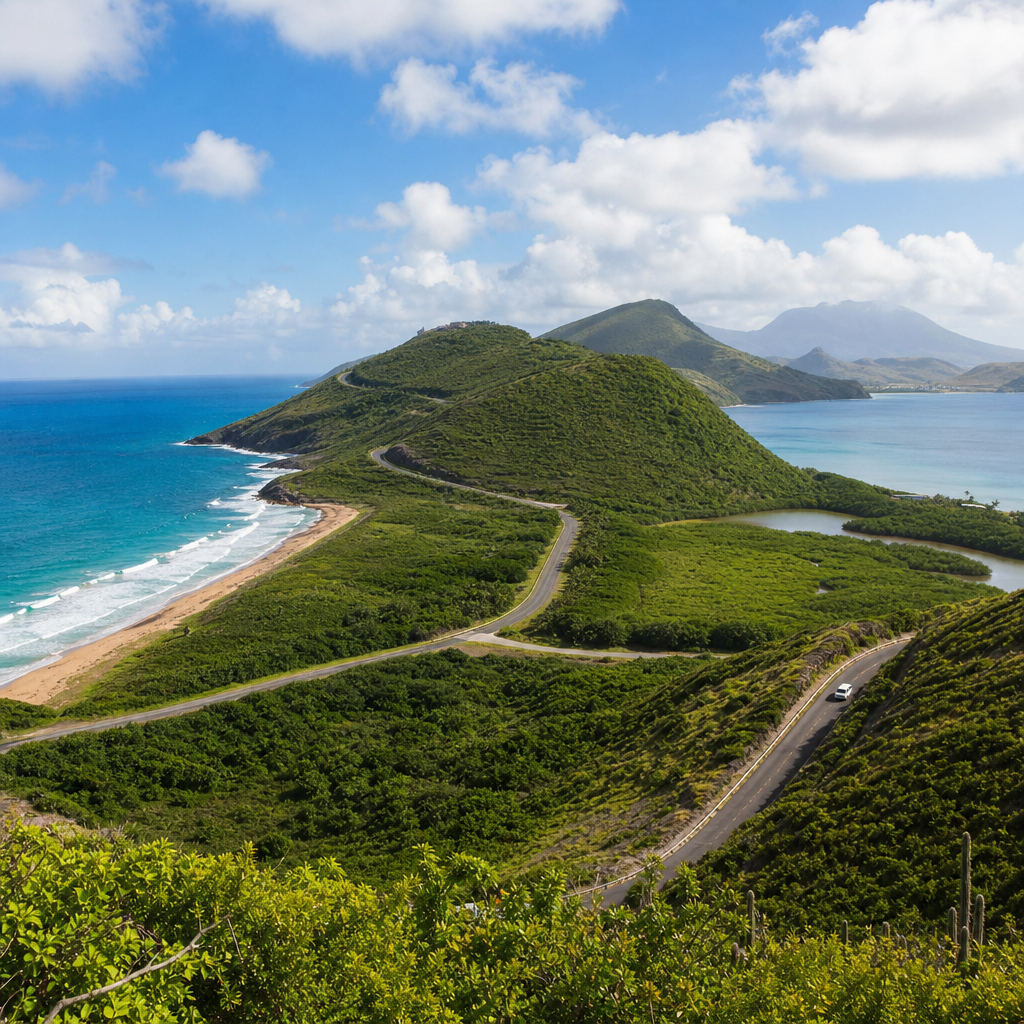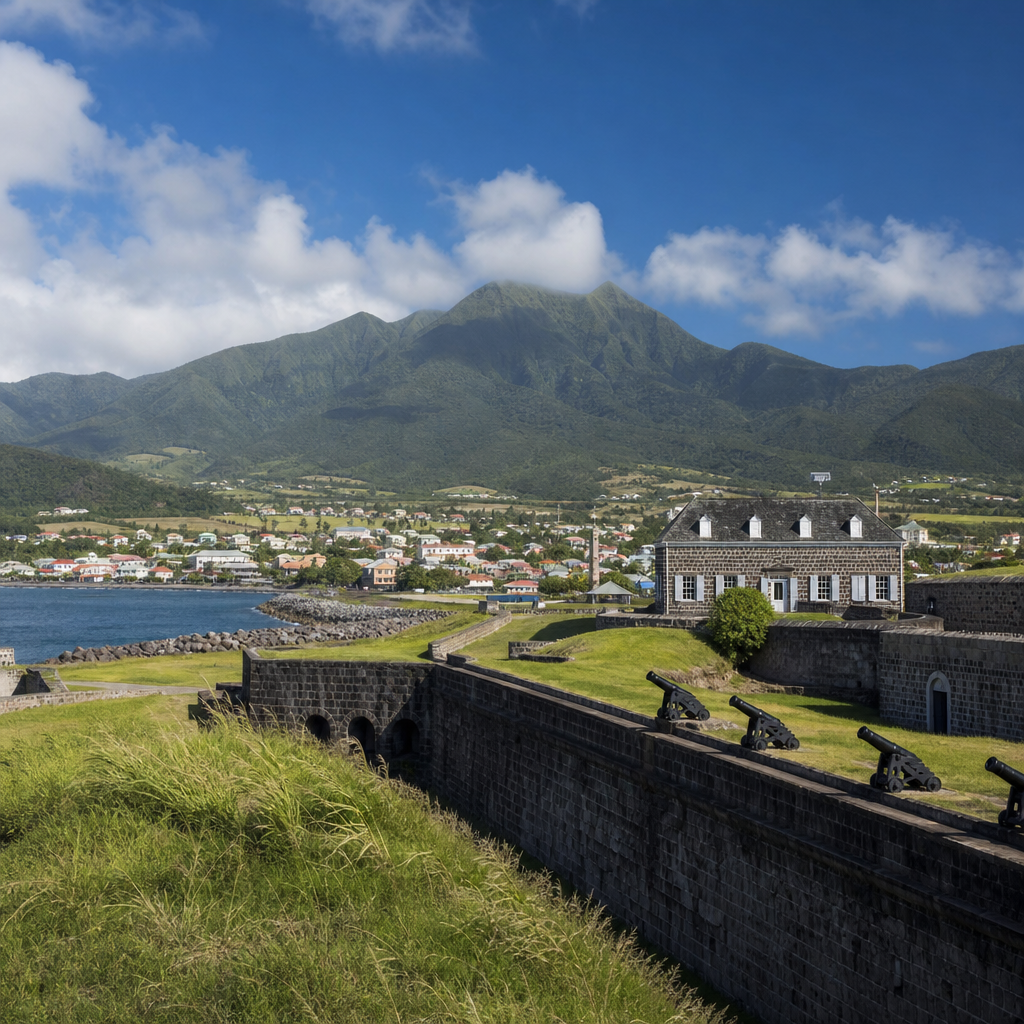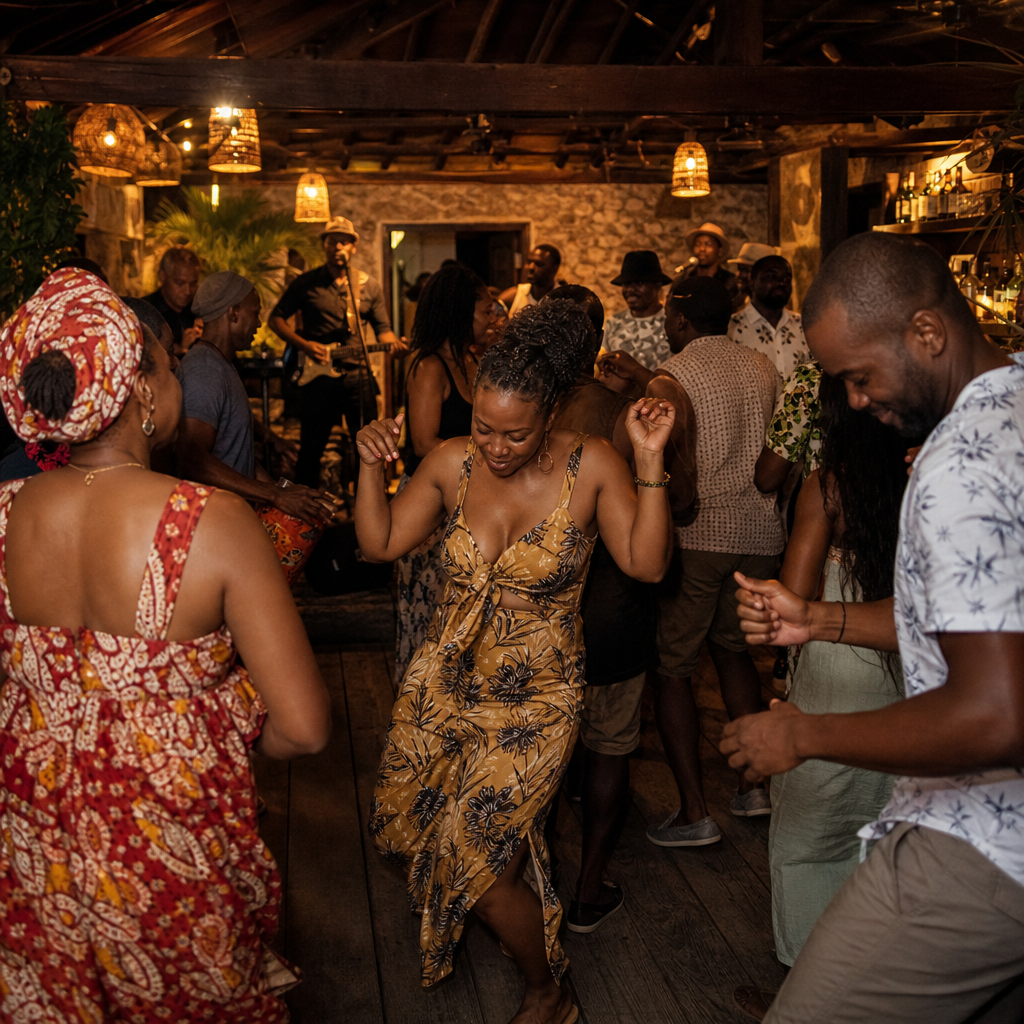
Saint Kitts reveals itself most clearly after sunset, when the sea breeze cools Basseterre, speakers hum to life, and a neighborhood rum bar becomes a gathering place rather than simply a place to drink. A night at a Saint Kitts’ rum bar is about music, dance, conversation, food, and the easy social rhythm that binds communities across the island. For visitors exploring local life and experiences, this scene offers one of the most direct ways to understand how Kittitians relax, celebrate, debate cricket, follow politics, mark milestones, and welcome outsiders who arrive with curiosity and respect.
In Saint Kitts, a rum bar usually means a modest, often family-run spot serving local and regional rums, beers, simple mixed drinks, and straightforward food such as saltfish, chicken, breadfruit, goat water, or fried plantain. Some are roadside wooden shops with a few tables and a booming sound system; others are polished venues near Frigate Bay or Basseterre with live bands, event nights, and wider drink menus. What unites them is function. These bars act as informal social centers, places where generations overlap and where music and dance are not staged attractions but ordinary parts of island life.
This matters because travelers often meet Saint Kitts through beaches, cruise excursions, and resort itineraries, then leave without understanding the island’s everyday cultural texture. Rum bars provide that missing context. They show how Caribbean hospitality works in practice: not as a slogan, but as an exchange built on greeting people properly, listening before speaking, tipping fairly, and participating without trying to dominate the room. Having spent evenings in small island bars across the Eastern Caribbean, I have found that the best ones reward patience. Stay long enough, and the place shifts from unfamiliar to legible. You begin to hear local slang, recognize repeated songs, notice who controls the domino table, and see how community forms around shared space.
As a hub article under Local Life and Experiences, this guide covers the essentials of the Saint Kitts rum bar experience while pointing toward the wider miscellaneous world that surrounds it: neighborhood etiquette, drink traditions, live music culture, social rituals, transportation, safety, and the economic role these venues play. If you want one practical answer to the question, “What is a real night out in Saint Kitts like?” this is it.
The rum bar as a community anchor
A Saint Kitts rum bar is rarely only a nightlife business. In many districts, it doubles as a meeting point, an information exchange, and a low-cost entertainment venue. People stop in after work, after cricket practice, after church meetings, or on the way home from town. You may see fishermen, taxi drivers, office workers, hotel staff, artisans, and returning nationals all in the same room. That mix is important. It means the bar reflects the island’s social reality more accurately than curated visitor spaces do.
Community bars across the Caribbean often function like an extension of the front porch. Conversations move fluidly between family news, election chatter, football results, and local concerns such as utility prices or road repairs. In Saint Kitts, where communities remain strongly interconnected, the owner or bartender frequently knows customers by name, family line, or village. That familiarity creates accountability. People may joke loudly, but there are still boundaries. Disrespect, aggressive drunkenness, and showy behavior are noticed quickly and judged harshly.
For travelers, understanding this community function changes how to enter the space. You are not walking into an anonymous entertainment product. You are stepping into a social ecosystem with its own regulars, rhythms, and pecking orders. A simple greeting when you arrive, a patient wait before photographing anything, and a willingness to ask what is popular rather than demanding customized service go a long way. In my experience, a visitor who treats the bar like a neighborhood institution rather than a novelty almost always gets warmer conversation and better recommendations.
What you hear: sound systems, live bands, and the island playlist
Music is the engine of the room. Depending on the venue and the night, you may hear calypso, soca, reggae, dancehall, old-school R&B, gospel crossover, and party anthems that everyone seems to know by heart. Saint Kitts and Nevis also has a deep carnival tradition, so road march favorites and seasonal soca tracks carry strong emotional weight. Even on an ordinary weeknight, the playlist can sound like a map of the wider Caribbean, with influences from Trinidad, Jamaica, Barbados, Antigua, and beyond.
Some bars rely on a DJ or curated playlist pushed through a powerful sound system. Others host live bands, especially on weekends or during festival periods. A live set changes the social dynamic. People who were sitting start moving. Call-and-response singing begins. Couples claim bits of floor space. Musicians read the room carefully, shifting tempo and genre to hold attention. The best bands know when to stretch a groove and when to pivot into a tune that will pull older patrons from their chairs.
Volume matters too. In many rum bars, music is meant to be felt physically. Visitors unaccustomed to Caribbean bar culture sometimes read that as chaotic, but there is usually structure beneath it. The loudness is social. It signals energy, claims space, and invites participation. If you want a quieter first experience, choose an earlier evening or a midweek visit rather than a Friday near midnight.
How people move: dance, style, and participation
Dance in a Saint Kitts rum bar is typically informal, social, and highly observant of mood. There is no single required style. You may see couples swaying close to reggae, small group movements to soca, solo dancers expressing themselves near the speakers, and older regulars moving with understated precision that younger visitors often underestimate. The key point is that dance is integrated into the evening, not reserved for performers.
Visitors sometimes worry about whether they “know the steps.” Usually that concern is misplaced. Social awareness matters more than technical skill. Watch first. Notice spacing, tempo, and whether people are dancing with familiar partners or in open groups. If invited, join lightly and follow the lead of the room. The most common mistake I see is turning a shared dance floor into a personal stage. Rum bar culture values confidence, but it also values reading the crowd.
Dress codes vary. Upscale venues may lean smart-casual, while neighborhood spots can be relaxed. Clean shoes, neat clothes, and a presentable appearance are generally enough. What stands out more than fashion is attitude. A guest who is friendly, grounded, and willing to laugh at small misunderstandings will fit in better than someone dressed perfectly but behaving theatrically.
What’s in the glass: local rum culture and simple serves
Rum is central because it is woven into Caribbean history, agriculture, trade, and celebration. On Saint Kitts, expect straightforward service rather than elaborate mixology in many local bars. A neat pour, rum and coke, rum with water, or a simple punch is common. The point is less performance and more preference. Regulars know what they like, and bartenders often pour with that familiarity in mind.
Local choices may include rums from St. Kitts-based producers and well-known labels from neighboring islands. Ask what people are drinking rather than starting with the most premium bottle. That question often opens better conversation and leads to a more authentic first order. If you enjoy learning through tasting, compare a younger rum in a mixed drink with an aged expression served neat. You will quickly notice differences in sweetness, oak influence, spice, and finish.
Drinking pace matters. Island nights can be warm, and a casual social setting can disguise how much you have consumed. Alternate with water, especially if you have spent the day in the sun. Also remember that generosity is part of the culture. If someone offers a round, receiving it graciously is polite; matching that generosity later is even better.
| Element | What to Expect | Best Approach |
|---|---|---|
| First order | Simple rum serve, beer, or punch | Ask the bartender what regulars recommend |
| Music | Soca, reggae, dancehall, calypso, mixed classics | Arrive early if you want to ease into the volume |
| Dance floor | Informal and social, not choreographed | Watch the room before joining in |
| Conversation | Friendly but direct, often lively | Greet people properly and listen more than you speak |
| Payment | Cash is still useful in smaller spots | Carry small bills and tip fairly |
| Departure | Late taxis may be limited outside main areas | Plan your ride before the night gets busy |
Food, dominoes, and the small details that make the night
The strongest memories from a rum bar night often come from things that are not on the signboard. A cook appears from the back with a plate of chicken and festival. Someone starts a domino game, and the sharp slap of tiles cuts through the music. A cricket argument grows intense, then collapses into laughter. These details matter because they show the bar functioning as a complete social environment rather than a narrow drinking venue.
Food is especially important. Even when menus are short, the cooking can be excellent: peppery stews, grilled meats, fish, rice, and local starches that turn a quick stop into a long evening. If a bar is known for one dish, order it. Specialty items usually reflect what the kitchen can execute consistently and what regulars actually return for.
Dominoes deserve special mention. Across the Caribbean, the game is a performance of memory, timing, nerve, and social status. Spectators react audibly. Good players carry reputations. If you are invited to watch, do so. If you want to play, wait to be asked and do not assume house rules match what you know elsewhere. Observing first prevents embarrassment and shows respect.
Etiquette, safety, and getting the most from the experience
The simplest rules are the most useful. Greet people when you enter. Ask before taking photos or video. Do not photograph strangers dancing as if they are part of a show. Keep valuables discreet. Use licensed taxis or trusted transport, especially late at night. If you are drinking, do not drive. Saint Kitts is welcoming, but welcome is not permission to ignore basic judgment.
Conversation etiquette also matters. Local politics, migration, tourism, and cost of living can arise quickly. These topics are fair game, but they are not props for a visitor’s hot take. Ask questions with humility. If someone tells you how tourism affects rent, jobs, or beach access, listen carefully. Rum bars are useful places to hear how residents understand the island’s changes in real time.
For solo travelers, bars in well-known areas of Basseterre and Frigate Bay can be an easier starting point than very small village spots. Once you understand the rhythm, branching out becomes easier. Hotel staff, taxi drivers, and local guides can point you toward venues known for live music, food, or a calmer crowd. The best recommendation is usually specific: not just “a good rum bar,” but “go there on Thursday after nine for the band and the goat water.”
Why rum bars matter to local life and experiences in Saint Kitts
Rum bars matter because they condense many parts of Saint Kitts into one accessible setting. They reveal how leisure, music, memory, entrepreneurship, and neighborhood identity intersect. They support small business owners, cooks, bartenders, musicians, drivers, and event promoters. They preserve local preferences in a tourism economy that can flatten difference if every night out is designed around imported expectations.
As a miscellaneous hub within Local Life and Experiences, this topic connects naturally to street food, carnival culture, live music calendars, village life, sports talk, etiquette guides, transport tips, and the economics of small hospitality businesses. Follow those threads and you build a fuller picture of the island. Ignore them and Saint Kitts risks becoming only scenery.
A night at a Saint Kitts’ rum bar is valuable precisely because it is ordinary to the people who keep it alive. Music fills the air, dancers answer the beat, drinks loosen conversation, and community holds the room together. Go with respect, stay present, order what the regulars recommend, and let the evening teach you how the island sounds after dark. If you want to understand Saint Kitts beyond the postcard, start with a rum bar and keep exploring the local life around it.
Frequently Asked Questions
What is a typical night at a Saint Kitts rum bar really like?
A typical night at a Saint Kitts rum bar is lively, social, and deeply rooted in community. While visitors may first notice the drinks, the real draw is the atmosphere: music playing through speakers, groups of friends and relatives catching up, neighbors debating current events, and people moving easily between the bar, the sidewalk, and the dance floor. In places around Basseterre and across the island, a rum bar often feels less like a commercial venue and more like a neighborhood meeting point where everybody seems to know somebody.
As the evening develops, the pace shifts naturally. Early on, people may arrive for a casual drink and conversation after work. Later, the energy builds as more guests show up, the playlist gets louder, and dancing begins. You may hear soca, reggae, dancehall, old-school Caribbean favorites, and local selections that immediately change the mood of the room. Some people dance enthusiastically, while others stay seated and enjoy watching the scene unfold. Either way, participation is easy and pressure-free.
What stands out most is how many parts of island life come together in one place. Food may be available nearby or served in simple, satisfying portions, conversation flows between generations, and laughter carries as easily as the music. A night at a Saint Kitts rum bar offers a window into how Kittitians relax, celebrate, reconnect, and strengthen social bonds in a setting that feels informal, welcoming, and unmistakably local.
Is visiting a rum bar in Saint Kitts mostly about drinking, or is there more to the experience?
There is much more to the experience than drinking. Although rum bars are named for what they serve, they are equally important as social spaces where culture is expressed in real time. Visitors often discover that the heart of the evening lies in the conversations, the music selection, the dancing, the joking between friends, and the sense of familiarity that develops even among newcomers. In many cases, the bar itself functions as a backdrop for community life rather than the sole focus of it.
Music plays a major role in shaping the experience. A song can shift the room from relaxed discussion to spontaneous dancing in seconds, and that shared reaction says a great deal about local taste, nostalgia, and collective memory. Food also contributes to the atmosphere, whether it is a plate grabbed nearby, a late-night snack, or something simple enjoyed with a drink while people talk for hours. The setting encourages lingering, which is part of why rum bars reveal so much about everyday life on the island.
For travelers interested in authentic cultural experiences, this matters. A rum bar can show how people interact outside formal attractions or curated performances. It is one of the places where Saint Kitts feels most immediate and unfiltered: where opinions are exchanged, jokes are tested, stories are repeated, and community identity becomes visible through ordinary but meaningful moments. Even if you drink lightly or not at all, the experience can still be rich, memorable, and culturally rewarding.
What kinds of music and dancing can visitors expect at a Saint Kitts rum bar?
Visitors can expect a soundtrack that reflects both Caribbean rhythms and local taste. Soca, reggae, and dancehall are common, but the exact mix depends on the venue, the crowd, the occasion, and the person controlling the playlist. Some nights lean toward upbeat party anthems that pull people to their feet, while others move between classic tracks, slower grooves, and songs that inspire singing along as much as dancing. Music is rarely just background noise; it is one of the main forces shaping the mood of the night.
Dancing at a Saint Kitts rum bar is usually spontaneous rather than formal. People may rise from their seats when a favorite song comes on, dance in pairs, move in small groups, or simply sway where they are standing. The style is social, expressive, and unpretentious. You do not need specialized knowledge or rehearsed moves to take part. In fact, the ease of participation is part of what makes the atmosphere appealing. People respond to the beat naturally, and confidence often matters less than openness and good energy.
For visitors, the best approach is to observe first, then join in respectfully if the moment feels right. Watching how locals interact with the music can be just as enjoyable as dancing yourself. Over time, you begin to see that the dance floor is not only about entertainment. It is also a space where personality, humor, flirtation, style, and shared cultural references come alive. That makes the music-and-dance element of a rum bar visit one of the clearest ways to experience Saint Kitts after dark.
How can visitors respectfully enjoy a neighborhood rum bar in Saint Kitts?
The most important thing visitors can do is arrive with curiosity, humility, and respect for the fact that many rum bars are genuine local gathering places. These are not staged cultural attractions designed solely for tourists. They are part of neighborhood life. A respectful visitor pays attention to the tone of the space, greets people politely, and understands that observing before jumping in is often the best way to get comfortable. Simple friendliness goes a long way, especially when it is paired with patience and good manners.
It also helps to support the establishment in a considerate way. Order something, tip appropriately when customary, and be mindful of staff who may be managing a busy and fast-moving environment. If music and dancing are central to the evening, join in naturally rather than turning the scene into a performance for social media. Asking before taking close-up photos or videos is especially important, since many people are there to unwind with friends and may not want to be recorded. Respect for personal space and local etiquette will always be appreciated.
Finally, remember that conversation is often one of the richest parts of the night. If locals are open to chatting, listen as much as you speak. People may share opinions about island life, sports, politics, music, family, or community events, and those exchanges can be far more valuable than simply checking off a nightlife stop. By being present, courteous, and genuinely interested, visitors can enjoy the rum bar experience in a way that feels meaningful to them and respectful to the community hosting them.
Why are rum bars such an important part of community life in Saint Kitts?
Rum bars matter because they create accessible spaces where everyday community life can happen face to face. In Saint Kitts, as in many Caribbean societies, informal gathering places often carry enormous cultural importance. They are where people relax after work, reconnect with neighbors, celebrate milestones, discuss local news, and maintain the social fabric that keeps communities close. The value of a rum bar is not only in what it sells, but in the role it plays as a familiar place where people return again and again.
These spaces also help preserve local rhythms and shared identity. Music choices, storytelling, humor, debate, and dance all reflect the character of the neighborhood and the island more broadly. Younger and older generations may overlap in ways that feel increasingly rare in more formal nightlife settings. Someone comes for a drink, another arrives for conversation, someone else stays for the music, and together they create an environment that is both ordinary and culturally revealing. That blend of casual interaction and collective energy is what gives rum bars their social depth.
For visitors, understanding this role changes the experience entirely. A Saint Kitts rum bar is not just a stop on a night out; it is a living expression of how community is practiced. It shows how leisure, identity, and belonging intertwine in everyday island life. When the sea breeze moves through Basseterre, the speakers come alive, and people gather to talk, laugh, dance, and debate, the rum bar becomes one of the clearest places to see Saint Kitts as locals know it: connected, expressive, and grounded in community.