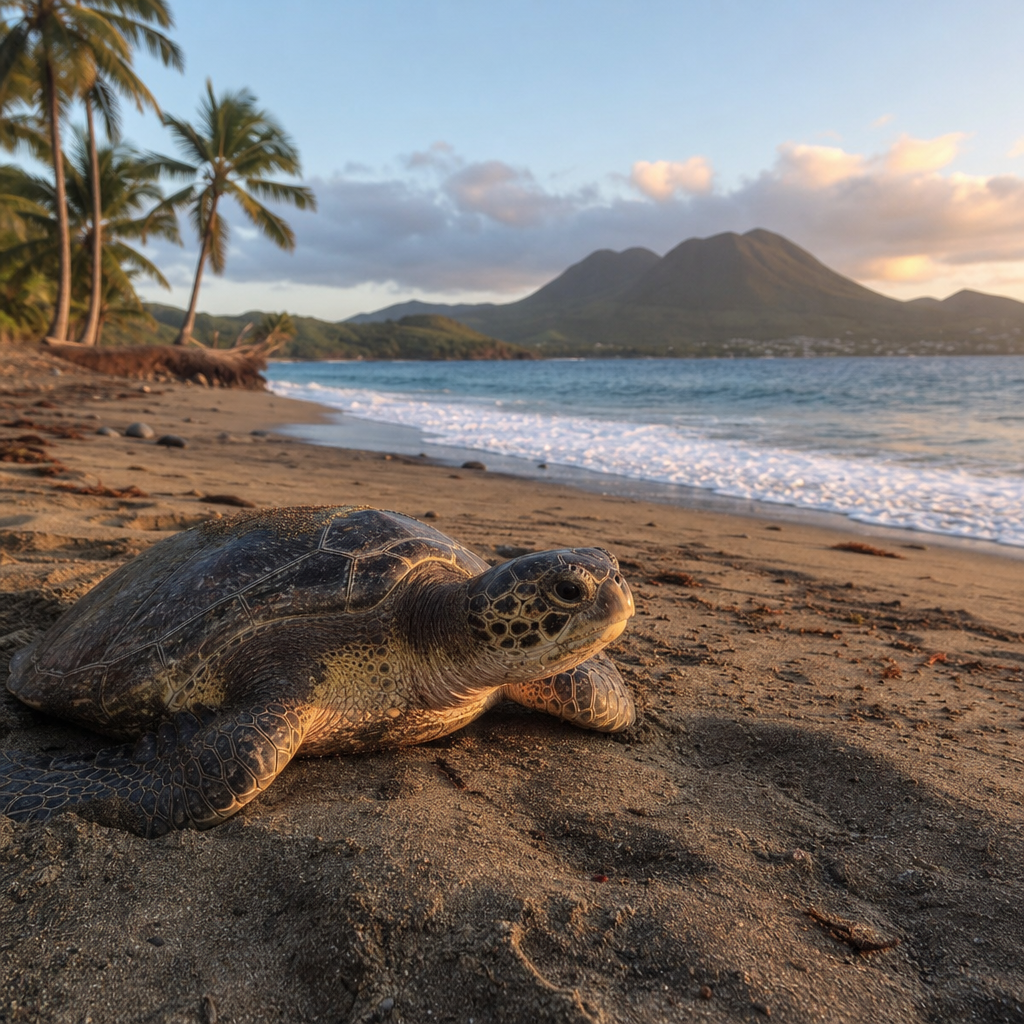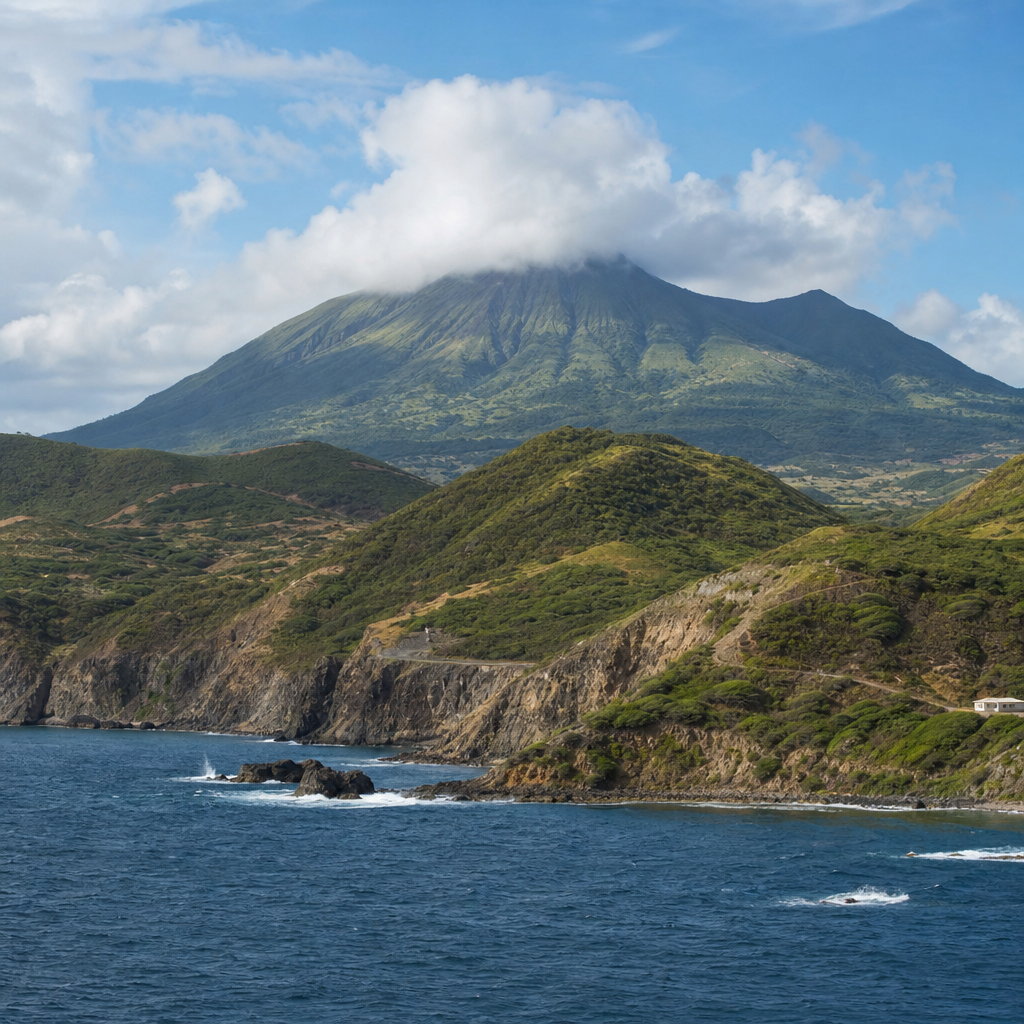
Observing sea turtles in Saint Kitts is one of the Caribbean’s most memorable wildlife experiences, but it only stays extraordinary when visitors know how to watch without causing harm. Sea turtles are ancient marine reptiles that breathe air, migrate across entire ocean basins, and depend on Saint Kitts’s beaches and nearshore waters for nesting, feeding, and movement. Responsible watching means seeing these animals in ways that do not interrupt nesting, hatchling emergence, resting, or normal swimming behavior. This matters because all sea turtle species found in the wider Caribbean are protected, their populations face pressure from coastal development, fishing gear, boat strikes, plastic pollution, and climate change, and poorly managed tourism can add stress at exactly the moments when turtles are most vulnerable.
I have worked around coastal visitor education long enough to see the difference a few simple rules make. A quiet group standing well back from a nesting female can witness one of nature’s great events without changing the outcome. A noisy crowd with flashlights, phone screens, and people angling for close photos can cause a turtle to abandon a nesting attempt or disorient hatchlings moving toward the sea. Saint Kitts offers excellent opportunities for turtle watching, especially during nesting and hatching season, but the best experience is never the closest one. It is the one that leaves the beach exactly as it was, except for your footprints and a stronger understanding of the island’s wildlife.
This guide serves as a practical hub for the Saint Kitts sea turtle watching topic within nature and wildlife travel planning. It explains what species you may encounter, when and where observations are most likely, what the law and best practice require, how guided tours differ from casual beach visits, and how your choices support conservation. If you want a clear answer to the core question, here it is: the responsible way to observe sea turtles in Saint Kitts is with a trained local guide, from a respectful distance, using no white light, making minimal noise, never touching turtles or hatchlings, and leaving the beach cleaner than you found it.
Sea turtles you may encounter in Saint Kitts
Saint Kitts lies within an important Caribbean marine corridor used by several turtle species. The three most relevant for visitors are hawksbill, green, and leatherback turtles. Hawksbills are recognized by their narrow, pointed beak and overlapping shell scutes; they often forage around reefs and are commonly associated with sponges. Green turtles have a smoother, more rounded head and feed extensively on seagrass and algae, helping maintain healthy marine meadows. Leatherbacks are the giants, lacking a hard shell and instead having a dark, leathery carapace with ridges; they are highly migratory and feed largely on jellyfish.
For a traveler, species identification is not just a fun extra. It helps you understand behavior and choose appropriate activities. A leatherback on a nesting beach is a completely different encounter from a green turtle spotted while snorkeling over seagrass. Nesting females may appear slow, but they are engaged in an energy-intensive process that can last hours. Foraging turtles in the water may surface briefly to breathe and then descend again, and chasing them for a photograph can interrupt feeding and increase stress. In practical terms, if you cannot identify the species, default to the strictest behavior standard: watch quietly, keep distance, and let the animal dictate the interaction.
When and where turtle watching is most likely
Sea turtle activity in Saint Kitts is seasonal, with the highest interest usually centered on the nesting and hatching period, broadly from spring into autumn, though exact timing varies by species, beach conditions, and annual weather patterns. Leatherbacks tend to nest earlier in many Caribbean locations, while hawksbills and greens may overlap later in the season. Because emergence times and nesting nights cannot be guaranteed, visitors should plan around probability rather than certainty. If seeing turtles is a priority, schedule multiple evenings or early mornings rather than assuming one outing will deliver a sighting.
Location matters just as much as timing. Not every beach is suitable for nesting. Turtles generally prefer darker, less disturbed stretches with adequate sand profile above the high-tide line. Beaches near heavy nightlife, intense artificial lighting, or constant late-night traffic are less reliable and can be harmful if turtles do come ashore. The most ethical way to learn current hotspots is through local conservation groups, licensed guides, or accommodation providers that work with wildlife organizations. Avoid social posts that share exact active nest locations in real time. Publicizing precise spots can bring crowds, predators, and untrained visitors to sensitive areas.
| Situation | Best time | What to expect | Responsible approach |
|---|---|---|---|
| Nesting female on beach | After dark, seasonal | Slow crawl, body pit digging, egg laying, covering nest | Go only with a guide, stand back, no flash, stay behind turtle |
| Hatchling emergence | Night or cool early morning | Large group leaving nest and orienting to sea | Keep beach dark, clear obstacles, never handle unless directed by authorized staff |
| Snorkeling sighting | Daylight in calm water | Turtle feeding, resting, surfacing to breathe | Observe passively, do not chase or block ascent path |
| Offshore boat encounter | Daylight in coastal waters | Brief surfacing or swimming near vessel | Slow vessel, keep distance, never encircle animal |
Rules for responsible watching on beaches
The most important beach rule is simple: let trained people lead. On many islands, including Saint Kitts, sea turtles and nests are legally protected, and interference can lead to fines or prosecution. Even where enforcement is not obvious, the biological reasons are strong. A turtle emerging from the sea is assessing risk. Bright white light can cause her to turn back before nesting. Approaching from the front can make her feel blocked. Loud conversations, sudden movement, and phone flashes increase the chance of a false crawl, where she returns to the water without laying eggs.
Once egg laying begins, the turtle often enters a more focused state, but that is not permission to crowd in. Good field practice is to remain behind the turtle, keep a generous distance, stay low if instructed, and avoid casting shadows. Red-filtered lights are commonly used by conservation teams because they are less disturbing than white beams, but visitors should not assume any red light is acceptable at any distance. Follow the guide’s settings and timing. Never touch the turtle, sit on her shell, stand in her path, or dig near the nest. If hatchlings emerge, do not create a corridor of phone lights. They orient using the brightest natural horizon, usually the sea reflection, and artificial light can pull them inland.
Responsible snorkeling and in-water observation
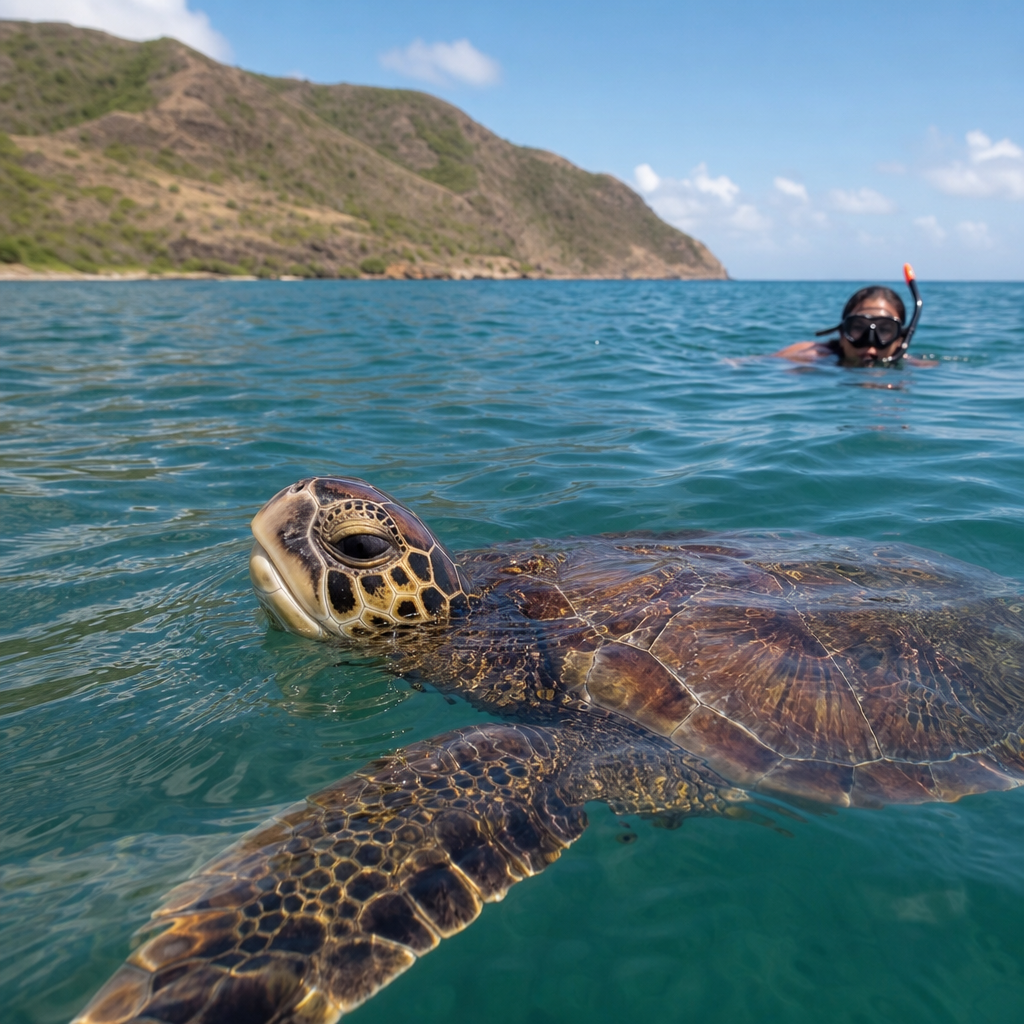
Many visitors will first see a sea turtle not on land but while snorkeling or diving. In-water etiquette is just as important because turtles need to surface freely to breathe and feed without harassment. The most common mistake I see is pursuit: a swimmer spots a turtle and kicks hard to get directly above it for a photo. The turtle speeds up, changes direction, or cuts short a feeding bout. Repeated disturbance wastes energy and can shift animals away from good habitat. The correct method is passive observation. Stop, float, and let the turtle choose whether to pass nearby.
Maintain enough distance that the turtle does not alter course because of you. Do not dive down onto resting turtles, block access to the surface, or position yourself in front of the head for a portrait shot. If you are with children or inexperienced snorkelers, brief them before entering the water. Fins can accidentally strike a turtle in tight spaces, especially around reefs. Use reef-safe habits overall: good buoyancy, no standing on coral, and no feeding wildlife. A healthy reef and seagrass system is part of the same conservation story. Green turtles rely on seagrass beds, and hawksbills depend on reef communities; damage the habitat and you damage the turtle experience too.
Why guided tours are usually the best choice
A reputable guide does far more than find turtles. Good operators understand seasonal patterns, beach access rules, safe group spacing, and the difference between an acceptable viewing moment and one that risks disturbance. They coordinate with conservation officers when necessary, monitor light discipline, and know when to cancel or shorten an outing. That matters because many harmful wildlife interactions come from otherwise enthusiastic visitors who simply do not know what normal turtle behavior looks like. A guide can tell when a female is still selecting a site, when hatchlings need darkness, or when a rough sea state makes the beach too stressful for a group visit.
Choose operators that explicitly mention conservation protocols, small group sizes, and no-touch policies. Ask direct questions before booking: Do you use white lights? Do you guarantee handling of hatchlings for photos? Do you disclose active nest locations publicly? Any of those practices should concern you. The best tours are honest that wildlife is never guaranteed and that the goal is observation, not performance. In my experience, visitors leave more satisfied when expectations are framed this way. They pay attention to tracks, ghost crabs, beach vegetation, and the full ecology of the shoreline instead of treating the turtle as a prop at the end of a checklist.
Conservation pressures affecting turtles in Saint Kitts
Responsible watching makes more sense when you understand the threats turtles already face. Artificial beachfront lighting is one of the most visible problems across the Caribbean. Nesting females may avoid bright beaches, and hatchlings can crawl toward roads, buildings, or vegetation instead of the sea. Coastal armoring, poorly planned development, and beach furniture left overnight reduce suitable nesting space. Offshore, turtles encounter lost fishing gear, longline hooks in the wider region, marine plastic mistaken for prey, and collisions with fast boats. Climate change adds further pressure through hotter sand temperatures, stronger storms, beach erosion, and sea-level rise.
These threats are not abstract. A single beachfront property that leaves strong lights shining across the sand all night can affect an entire nesting stretch. One unattended beach bonfire can create obstacles and heat hazards. One boat operator cutting close to a surfacing turtle can cause serious injury. Conservation in Saint Kitts therefore depends on a network of actions: dark-sky beach management, nest monitoring, public education, habitat protection, responsible fishing practices, and visitor compliance. Watching responsibly is not a symbolic gesture. It is part of reducing cumulative pressure on species that mature slowly and do not recover quickly from repeated losses.
How visitors can actively support turtle protection
You do not need to be a scientist to help. Start by choosing accommodations that minimize beachfront light spill, use curtains at night, and support local environmental initiatives. On the beach, remove litter, fill in holes before leaving, and take back chairs, toys, and sports equipment that could obstruct nesting turtles or hatchlings. If you drive near coastal areas after dark, avoid parking or turning headlights toward the sand. When boating, insist on slow speeds in nearshore waters and careful lookout practices. Small decisions like these prevent harm before a conservation team ever needs to intervene.
Financial support matters too. Book tours with operators that contribute to monitoring work. Donate to local marine conservation groups if they run patrols, nest protection, or outreach programs. Share photos responsibly by avoiding geotagging active nests or posting real-time locations. If you encounter a turtle in distress, a stranded hatchling, or suspicious activity around a nest, report it to local authorities or recognized wildlife organizations rather than trying to solve it yourself. The hub principle for this topic is simple: every related action, from beach behavior to booking choices, should reduce disturbance, protect habitat, and strengthen the people doing the long-term work.
Planning a better wildlife trip in Saint Kitts
The best sea turtle experience is part of a broader nature itinerary, not an isolated event. Build flexibility into your schedule, because weather, tides, and wildlife timing all matter. Bring dark clothing, a reusable water bottle, insect protection that you apply well away from the beach if possible, and a phone that can stay in your pocket. If you want photography, ask guides in advance about low-light rules and acceptable equipment. Many excellent memories are made without a single flash image. Pair turtle watching with birding, coastal walks, snorkeling over seagrass, and visits to interpretation centers so the trip supports wider appreciation of Saint Kitts’s ecosystems.
For families, preparation is everything. Explain before arrival that turtles are not to be touched, chased, or surrounded. Children usually respond well when told they are part of the protection team. For independent travelers, the key is restraint. Not every beach walk should turn into a DIY turtle search, especially in peak season on sensitive shores. Use local knowledge, respect closures, and treat uncertainty as part of real wildlife travel. Saint Kitts rewards patience. When the conditions align and a turtle appears on a dark beach or glides below you in clear water, the encounter feels earned precisely because it happens on the animal’s terms.
Observing sea turtles in Saint Kitts responsibly comes down to a handful of non-negotiable practices: keep your distance, keep lights off, stay quiet, never touch turtles or hatchlings, and rely on trained local guidance whenever possible. Those rules protect nesting females from aborted attempts, help hatchlings find the sea, and allow in-water encounters to remain calm and natural. They also improve your experience. Instead of scrambling for a closer look, you notice tracks in the sand, the rhythm of the surf, and the remarkable fact that these animals return to Caribbean shores after journeys spanning hundreds or thousands of miles.
As a hub within the nature and wildlife topic, this guide connects the practical, ethical, and ecological sides of turtle watching in one place. The core message is consistent across every subtopic: wildlife tourism only works when the animal’s welfare comes first. Saint Kitts has the habitats, seasonal activity, and local expertise to make turtle watching unforgettable, but the outcome depends on visitor behavior as much as natural luck. Plan ahead, ask better questions, support conservation-minded operators, and leave beaches darker and cleaner than you found them.
If sea turtles are on your Saint Kitts itinerary, make your next step a responsible one: choose a reputable guide, learn the viewing rules before you go, and treat every sighting as a privilege rather than a guarantee.
Frequently Asked Questions
1. What does responsible sea turtle watching in Saint Kitts actually mean?
Responsible sea turtle watching in Saint Kitts means observing turtles in a way that does not change their natural behavior or put them at greater risk. Sea turtles use the island’s beaches and nearshore waters for important activities such as nesting, resting, feeding, and traveling, and even small disturbances can have serious consequences. A nesting female may abandon her attempt to lay eggs if she feels threatened. Hatchlings can become disoriented by artificial light and move away from the ocean instead of toward it. Turtles resting offshore or surfacing to breathe may also be stressed by people who crowd them, chase them, touch them, or block their path.
In practice, responsible watching means keeping a respectful distance, staying quiet, avoiding flash photography and bright lights, never handling turtles or hatchlings, and following the guidance of trained local conservation groups or licensed guides. It also means respecting barriers, signs, and beach access rules, especially during nesting season. The goal is simple: enjoy the experience without becoming part of the problem. If a turtle changes direction, pauses repeatedly, retreats to the sea, or seems agitated because of human presence, the interaction is no longer responsible. Good wildlife watching allows the animal to continue what it was already doing before people arrived.
2. When is the best time to see sea turtles in Saint Kitts, and what should visitors expect?
The best time to observe sea turtles in Saint Kitts usually depends on what kind of behavior you hope to witness. Nesting activity generally takes place during the warmer months, and evening or nighttime guided walks are often the best way to witness females coming ashore to nest. Later in the season, visitors may have opportunities to observe hatchling emergence under carefully managed conditions. In addition to beach activity, turtles may also be seen in coastal waters during snorkeling or boat excursions, especially in areas where they feed or pass through nearshore habitat.
Visitors should understand that sea turtle encounters are never guaranteed, and that unpredictability is part of an ethical wildlife experience. On some nights, guides may patrol suitable beaches for hours before finding evidence of a nesting turtle. In the water, turtles may surface briefly and disappear just as quickly. Responsible tours typically emphasize patience, quiet observation, and education rather than promising constant close-up encounters. It is also important to expect restrictions: guides may ask people to wait at a distance until a turtle begins laying, avoid using phones or lights, and limit movement on the beach. These precautions protect the animals and often create a more meaningful experience, because visitors are seeing truly natural behavior rather than a disturbed or staged interaction.
3. How close can you get to a sea turtle, and is it ever okay to touch one?
As a rule, visitors should stay far enough away that the turtle shows no sign of reacting to their presence. The exact distance can vary depending on the setting, whether the turtle is in the water or on the beach, and any local rules in place, but closer is not better when it comes to wildlife. On land, nesting turtles are especially vulnerable because they are expending enormous energy to dig nests and lay eggs. In the water, turtles need room to surface, breathe, feed, and swim without being pursued. If a turtle speeds up, changes direction, stops feeding, dives suddenly, or appears to be watching people instead of continuing normal activity, observers are too close.
No, it is not okay to touch a sea turtle. Touching can cause stress, transfer bacteria, damage sensitive skin and shells, and encourage unsafe behavior in future human encounters. It can also be illegal under wildlife protection laws, since sea turtles are protected species in many places, including throughout much of the Caribbean. This rule applies to adults, juveniles, and hatchlings. Even hatchlings should not be picked up unless authorized conservation personnel determine intervention is necessary. The most respectful encounter is one in which the turtle remains wild, unhandled, and free to behave naturally. Photographs, memories, and careful observation are the right takeaways—not physical contact.
4. Why are lights, noise, and beach behavior such a big issue for nesting turtles and hatchlings?
Sea turtles rely on environmental cues that humans can easily disrupt. Nesting females often choose dark, quiet beaches because darkness helps them feel secure enough to come ashore. Bright flashlights, camera flashes, phone screens, vehicle lights, and beachfront lighting can cause a female to hesitate, turn back, or abandon nesting altogether. That matters because a lost nesting opportunity can reduce reproductive success, especially if the turtle has limited time and energy to find another suitable spot. Loud voices, sudden movement, and crowds gathered too close can create the same kind of disturbance.
For hatchlings, light is even more critical. Newly emerged turtles typically orient toward the brightest natural horizon, which historically has been the moonlit or starlit ocean. Artificial light from hotels, houses, roads, and devices can pull them inland or along the beach, where they face dehydration, exhaustion, traffic, predators, and death. This is why responsible watching requires very strict light discipline. Visitors should use no flash, avoid white light, keep screens dim or off, stay behind guidance lines when present, and listen carefully to local conservation staff. Beach behavior matters too: avoid trampling dunes, filling in turtle tracks, leaving chairs or gear on the sand, or creating obstacles that interfere with nesting females or hatchlings trying to reach the sea. Small actions by people can have outsized effects on turtle survival.
5. What can travelers do beyond watching to help protect sea turtles in Saint Kitts?
Travelers can make a real difference by supporting conservation-minded tourism and adopting low-impact habits throughout their visit. One of the best choices is to join guided experiences led by knowledgeable local operators or conservation organizations that follow proper wildlife protocols and contribute to education or monitoring efforts. Visitors can also choose accommodations that reduce beachfront lighting, respect nesting beaches, and promote responsible coastal practices. If you are staying near the shore, close curtains at night, turn off unnecessary outdoor lights, and report any disoriented hatchlings or nesting activity to the appropriate local authorities or turtle conservation groups rather than trying to intervene on your own.
Other meaningful actions include keeping beaches clean, removing litter that could entangle turtles, refusing single-use plastics when possible, and never leaving food waste or gear behind. In the water, use reef-safe sun protection when available, avoid standing on seagrass or coral, and never feed marine wildlife. On land, respect marked nests and do not drive on beaches or dunes. If you see someone harassing a turtle, using bright lights near nesting activity, or attempting to handle wildlife, alert a guide, ranger, or relevant local official. Finally, use your experience to spread good information. Many harmful interactions happen because people simply do not know better. Travelers who understand the importance of distance, darkness, quiet, and habitat respect can help ensure that observing sea turtles in Saint Kitts remains memorable for visitors and safe for the turtles themselves.