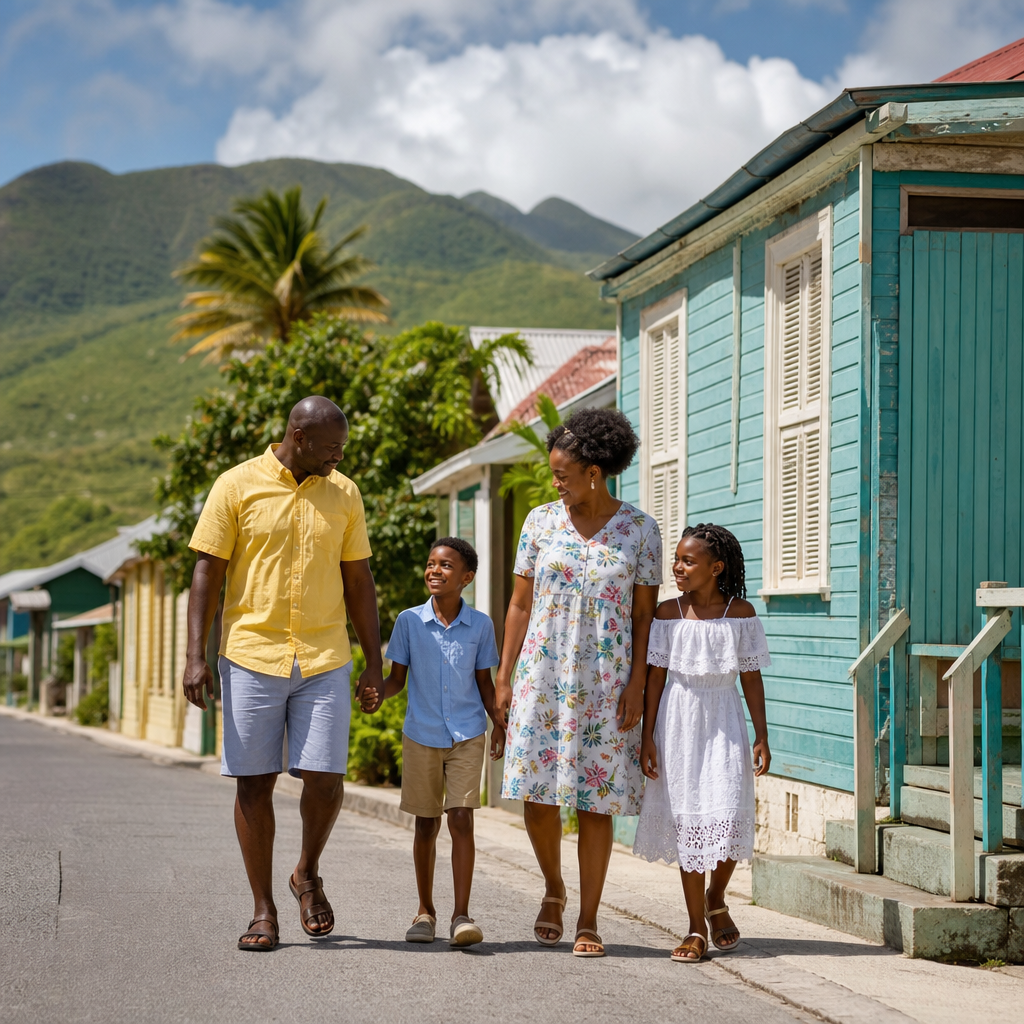
Family life in Nevis blends long-held Caribbean traditions with modern routines, creating a rhythm that feels both grounded and adaptable. On this small island in the Federation of Saint Kitts and Nevis, households are shaped by close kinship networks, village familiarity, church influence, school schedules, and an economy tied to tourism, government services, and small business. When people ask what daily life in Nevis is really like for families, the clearest answer is this: it is community-centered, practical, and deeply respectful of custom, yet increasingly connected to global habits through technology, migration, and education.
Nevis matters as a case study in island family culture because small populations make social patterns easier to see. With roughly twelve thousand residents, family relationships often overlap with work, worship, and neighborhood life. A parent may know a child’s teacher personally, a shopkeeper may be a cousin, and grandparents may help manage school pickups, meals, or after-school supervision. In my experience working with Caribbean destination research and local lifestyle content, Nevis stands out for how visible intergenerational support remains. Family is not just a private unit behind closed doors; it is a social structure that organizes everyday life.
Key terms help explain this topic clearly. “Family life” includes household structure, caregiving, education, meals, faith, celebrations, discipline, leisure, and obligations between relatives. “Traditions” refers to inherited practices such as Sunday church attendance, holiday gatherings, storytelling, respect for elders, and food customs. “Daily routines” covers the repeated patterns that shape ordinary days: morning preparation, commuting, school, work, errands, shared meals, homework, recreation, and evening rest. In Nevis, these elements intersect with practical island realities such as short travel distances, weather patterns, imported goods, public events, and the influence of overseas relatives.
This topic also matters for visitors, relocating families, returning nationals, and researchers of Caribbean culture. Understanding family life in Nevis helps explain broader local life and experiences, from how communities organize support to why public holidays carry such social weight. It also gives context for related subjects across this miscellaneous hub, including food culture, education, festivals, village identity, safety, religion, youth activities, housing patterns, and everyday etiquette. To understand Nevis beyond beaches and resorts, you have to understand how families live from Monday morning to Sunday night.
Households, Kinship, and the Shape of Everyday Support
Most families in Nevis operate within an extended kinship model, even when the immediate household is small. A home may include parents and children, but daily life often extends to grandparents, aunts, uncles, godparents, and older siblings living nearby. This support structure is one of the defining features of family life in Nevis. Childcare, transport, cooking, and emotional support are rarely carried by one person alone when relatives are available. In villages and tight residential areas, help can be informal and fast. A grandmother may watch children after school, an uncle may fix a gate, and a neighbor who has known the family for years may step in during emergencies.
This pattern reflects a broader Caribbean tradition in which family is social infrastructure. It is especially important on islands where migration has long been part of economic life. Many Nevisian families have relatives in Saint Kitts, the United States, the United Kingdom, Canada, or other Caribbean territories. Those overseas links influence household budgets through remittances, school support, and gifts, but they also shape expectations. A child may grow up hearing daily voice notes from a parent working abroad or preparing for relatives to visit during summer and Christmas. Physical distance does not remove family membership; it changes how care is delivered.
Housing style supports this closeness. Detached homes, family land, and multigenerational building patterns are common. It is not unusual for a younger family to live close to older relatives, whether in the same yard, on inherited land, or within the same community. That arrangement lowers transport costs and makes caregiving easier. It also preserves continuity in values. Children often grow up with direct exposure to elders’ routines, sayings, standards of conduct, and memories of earlier island life.
Respect for elders remains a central household principle. In practical terms, this means greeting older relatives properly, listening when corrected, and participating in family obligations even when inconvenient. The standard can feel strict to outsiders, but it serves a social purpose. On a small island, reputation matters, and children are often seen as representatives of their home training. Families therefore pay close attention to manners, tone, dress for church or school events, and public behavior.
Morning to Night: How Daily Routines Typically Unfold
Daily routines in Nevis are usually early, structured, and shaped by school and work. Many households start before sunrise or shortly after, especially on weekdays. Parents prepare breakfast, uniforms, packed lunches, and transport plans while children wash, dress, and complete last-minute school tasks. Because the island is compact, commutes are shorter than in major cities, but timing still matters. School gates, bus schedules, and workplace opening hours create a dependable weekday rhythm.
Breakfast is often simple and functional on busy mornings. Families may serve porridge, bread, eggs, fruit, tea, or reheated leftovers depending on time and budget. The point is not elaborate presentation but getting everyone fed and out the door. In homes with older relatives present, mornings may be more layered: one person cooks, another braids hair, another supervises younger children. This division of labor is one of the practical advantages of multigenerational family life in Nevis.
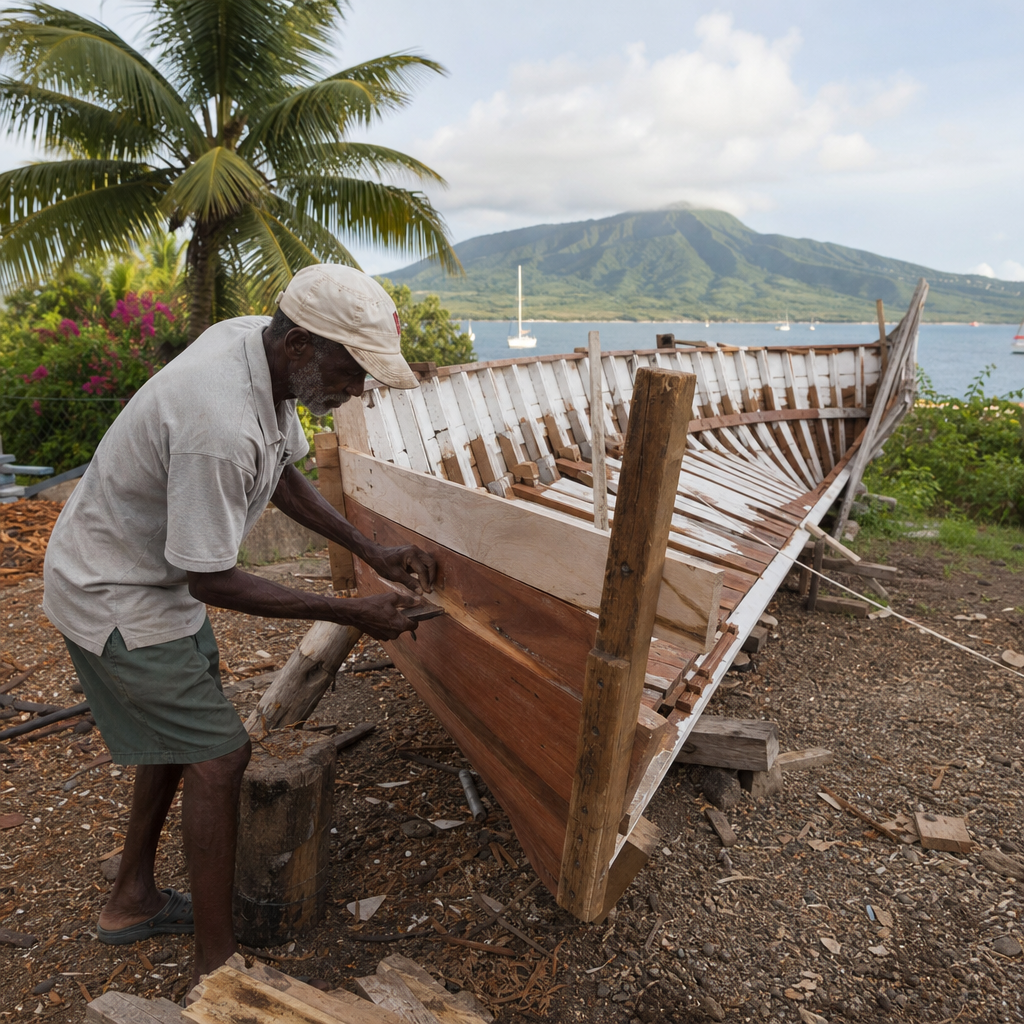
After school drop-off, adults move into work and errand mode. Employment on Nevis spans hospitality, public administration, education, health services, retail, construction, transport, and self-employment. That mix influences family schedules. A hotel worker may have shifts that include weekends or evenings. A government worker may keep more regular office hours. A market vendor or small business owner may build the day around customer traffic and supply deliveries. Families become skilled at coordinating around these differences.
Afternoons often center on school pickup, homework, and meal preparation. Children may attend lessons, sports practice, or community activities, but unstructured outdoor play still has a place in many neighborhoods. On an island where people know one another, children may have more supervised freedom than in large urban areas, though families still monitor where they are and with whom. Evenings commonly bring a shared dinner, television, conversation, chores, and preparation for the next day.
| Time of Day | Typical Family Activity | Why It Matters |
|---|---|---|
| Early morning | Breakfast, uniforms, school runs, prayer in some homes | Sets discipline and punctuality for the day |
| Late morning | Work, shopping, appointments, elder care | Keeps household operations moving efficiently |
| Afternoon | School pickup, homework, snacks, errands | Bridges education and home responsibilities |
| Evening | Dinner, chores, family talk, entertainment | Reinforces connection and routine |
| Sunday | Church, special meals, visits, rest | Anchors tradition and community belonging |
Weekends shift the tempo. Saturday is often for cleaning, shopping, sports, hair appointments, and family business. Sunday remains especially important. For many households, it includes church, formal clothing, a substantial lunch, and visits with relatives. Even families that are less strictly religious often preserve Sunday as quieter family time. That weekly reset is one of the clearest examples of tradition shaping routine in Nevis.
Food, Faith, Schooling, and Social Values
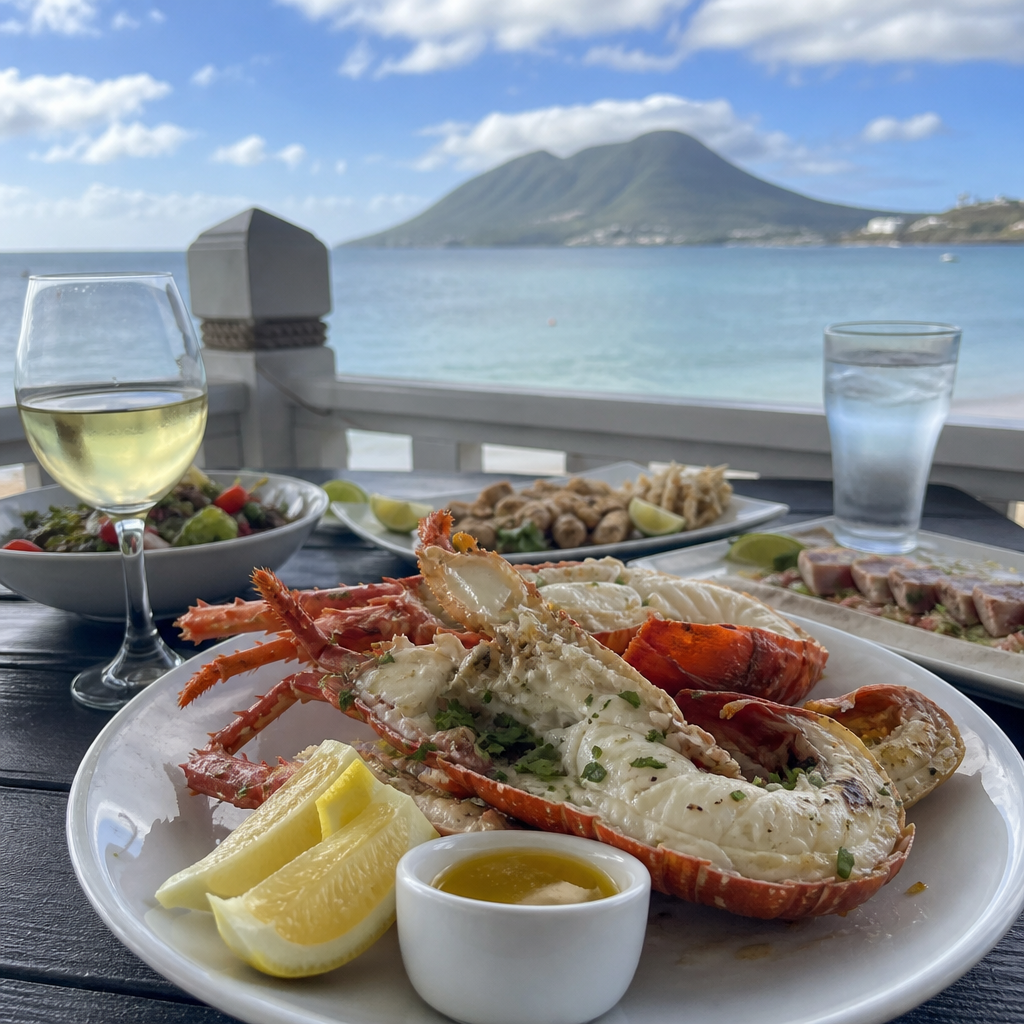
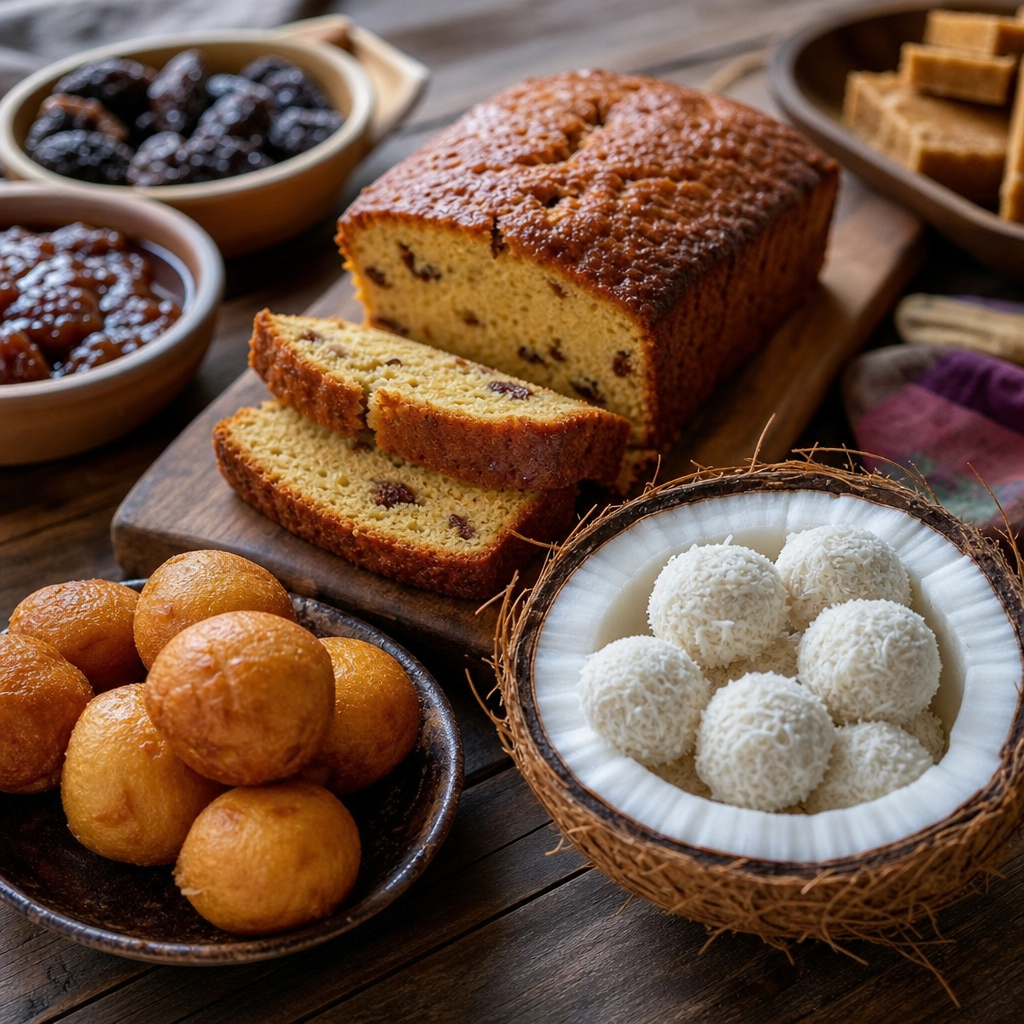
Food is one of the strongest carriers of family identity in Nevis. Meals communicate care, thrift, celebration, and continuity. Everyday cooking may include rice, peas, ground provisions, chicken, fish, vegetables, and soups, while special occasions bring more elaborate dishes and desserts. Sunday lunch has unusual cultural weight. It is often the meal that gathers dispersed relatives back to one table, and the preparation itself can be collaborative. Recipes are learned by watching, assisting, and repeating, not only by reading them.
Faith also shapes family life in visible ways. Christian churches have long been central institutions on Nevis, influencing calendars, moral expectations, social ties, and rites of passage. Church is not merely worship; it is where people meet mentors, organize youth programs, discuss community needs, and reinforce standards of service and conduct. Many children grow up participating in Sunday school, choir, holiday pageants, or church anniversaries. Even in less observant families, religious language, funeral customs, and holiday practices remain culturally influential.
Education is taken seriously, and families often frame schooling as both duty and opportunity. Parents monitor attendance, homework, examination performance, and behavior reports closely because academic progress is linked to future mobility. On a small island, schools are highly visible public institutions, and teachers often know family members across generations. That can increase accountability. It can also strengthen support when a child is struggling, because intervention happens through relationships rather than anonymous systems.
Social values taught at home usually emphasize respect, neatness, honesty, hospitality, and contribution. Children are expected to greet adults, help with chores, and understand that rights come with responsibilities. These expectations are not unique to Nevis, but the island’s scale makes them more public. A child’s behavior in a shop, at a sports field, or after church may quickly become known to relatives. That social transparency can be restrictive, yet it also encourages consistency between private instruction and public conduct.
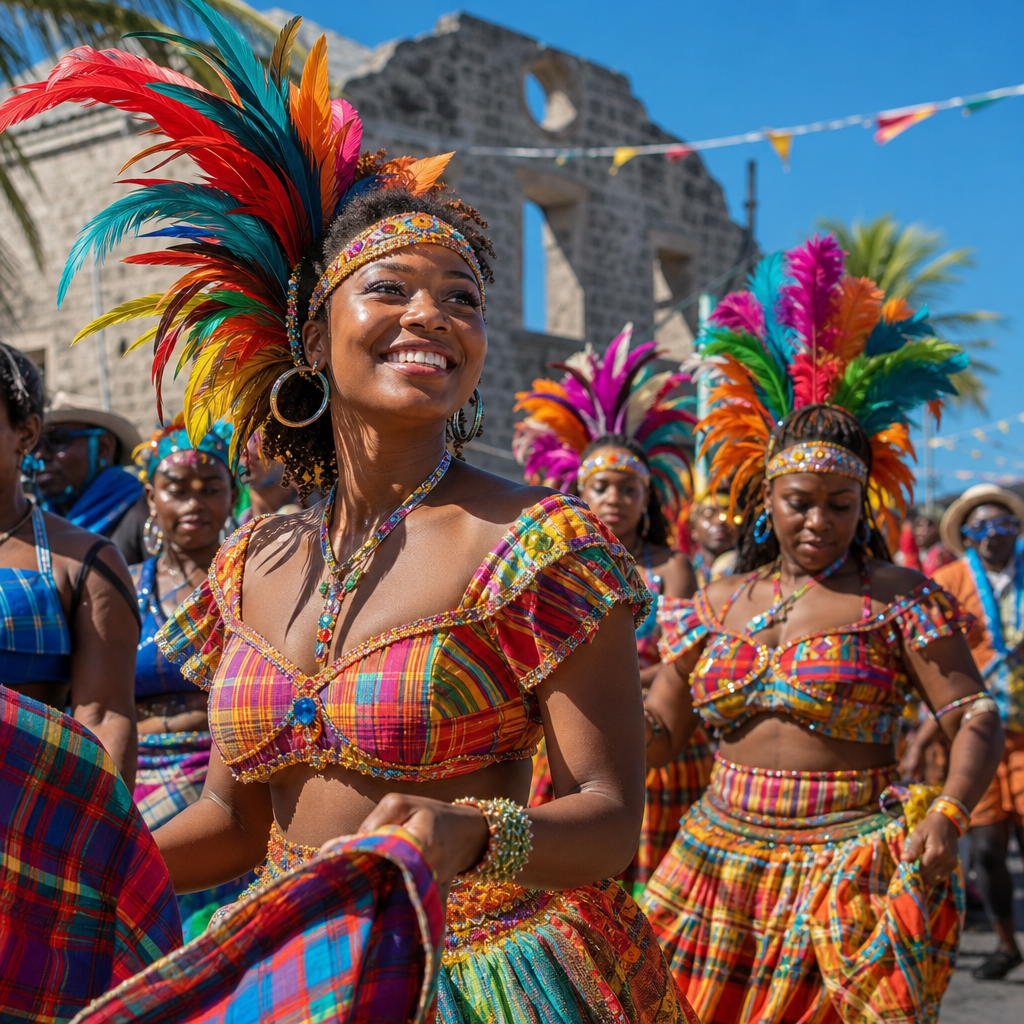
Celebrations bring these values into focus. Birthdays, weddings, funerals, and national observances involve family coordination, cooking, dressing appropriately, and showing up for one another. Funerals in particular demonstrate the seriousness of communal obligation in Caribbean life. Attendance, condolence visits, and practical support matter. Families are expected to be present, and children learn early that community membership includes service during difficult times, not only attendance at joyful events.
Modern Changes, Leisure, and What New Families Should Expect
Family life in Nevis is not frozen in tradition. Mobile phones, streaming media, remote communication, and changing work patterns have altered how households spend time. Children consume global entertainment, parents manage WhatsApp school groups, and overseas relatives can join family conversations instantly. These tools strengthen connection, but they also compete with face-to-face interaction. One shift I have observed across Caribbean communities is that technology has not replaced family structure; it has layered onto it. Grandparents may still insist on table manners while grandchildren switch between local slang, school English, and online culture in the same evening.
Leisure reflects both island environment and family economics. Beach outings, village events, school sports, domino games, backyard gatherings, and holiday picnics remain common because they are social and relatively accessible. Families do not need elaborate infrastructure to spend time together. At the same time, tourism has introduced broader dining, entertainment, and employment options, especially around Charlestown and resort areas. Some families enjoy those opportunities directly, while others experience tourism mainly through work schedules and rising consumer expectations.
There are tradeoffs. Small-island life can mean strong support, but also limited privacy. Economic pressure, housing costs, imported food prices, and the need for migration can strain households. Young adults may leave for study or work, creating emotional gaps even when remittances help financially. Parenting can also be complicated by the tension between traditional discipline and newer ideas about child development, mental health, and digital exposure. Nevisian families, like families everywhere, are constantly negotiating continuity and change.
For newcomers, mixed-nationality couples, or returning residents, the best approach is observation with respect. Learn greeting etiquette, understand the importance of church and school calendars, be punctual for family commitments, and do not underestimate the role of elders in decision-making. If you are raising children on Nevis, expect community visibility. Teachers, neighbors, and relatives will notice whether your family is engaged, courteous, and dependable. That scrutiny can feel unfamiliar, but it often comes with genuine support.
The main lesson is simple: family life in Nevis works because routine and relationship reinforce each other. Traditions are not decorative extras for holidays; they organize childcare, meals, respect, and belonging throughout the week. Daily routines are not mechanical chores; they are the framework through which values are taught and community ties are maintained. If you want to understand local life and experiences on Nevis, start with the family table, the school run, the Sunday service, the village visit, and the quiet network of relatives who keep ordinary life functioning.
That perspective makes this miscellaneous hub especially useful. It connects the many smaller topics that define island living: how people eat, worship, study, celebrate, discipline, relax, commute, and care for one another. Each deserves deeper exploration, but together they show a consistent pattern. Nevisian family life is rooted in kinship, shaped by routine, and strengthened by community expectations. It is practical rather than performative, warm without being sentimental, and adaptive without losing its core identity.
If you are planning a move, researching Caribbean culture, or simply trying to experience Nevis more honestly, use family life as your guide. Pay attention to the ordinary moments, because on Nevis the ordinary reveals the island best. Explore the related local life and experiences topics, speak with residents across generations, and notice how tradition appears in everyday habits. That is where the real character of Nevis lives.
Frequently Asked Questions
What is everyday family life in Nevis typically like?
Everyday family life in Nevis is often shaped by a strong sense of routine, community, and shared responsibility. Mornings usually begin early, especially in households with school-aged children or adults commuting to work in government offices, hospitality, retail, transportation, or small family-run businesses. School schedules help set the pace of the day, and it is common for parents, grandparents, aunts, uncles, and older siblings to all play a part in getting children ready, preparing meals, and managing transportation. This practical cooperation reflects one of the most recognizable features of life on the island: family is rarely limited to the nuclear household.
Throughout the day, village life and familiar social connections remain important. People tend to know their neighbors, greet one another regularly, and stay aware of what is happening within extended families and the wider community. Daily routines may include work, school, errands in Charlestown or local villages, church-related activities, and visits with relatives. In many homes, evenings are a time to reconnect over dinner, discuss the day, help children with homework, and prepare for the next morning. Even with the influence of modern work demands, technology, and tourism, family life in Nevis still carries a grounded rhythm built around togetherness, mutual support, and a close relationship between home and community.
How important are extended family and community ties in Nevis?
Extended family and community ties are central to family life in Nevis. In many cases, relatives live nearby or remain in frequent contact, and that closeness affects everything from childcare and elder care to celebrations and everyday problem-solving. Grandparents often play an active role in raising children, and it is not unusual for cousins, godparents, or close family friends to be involved in daily life in ways that feel both natural and expected. This network of support helps families stay resilient and creates a social environment where people are rarely navigating life entirely on their own.
Community relationships matter just as much. Nevis is a small island, and that scale helps preserve a culture of familiarity and accountability. Families often build strong connections through churches, schools, neighborhood gatherings, sports, and civic events. When someone is ill, celebrating a milestone, or facing a challenge, support often comes not only from relatives but also from neighbors and fellow church members. This interwoven social structure gives family life in Nevis a distinctly communal character. It reinforces values such as respect, helpfulness, and collective care, while also making daily life feel deeply rooted in place and shared identity.
What role do traditions and religion play in Nevisian family routines?
Traditions and religion continue to play a meaningful role in many Nevisian households, even as lifestyles evolve. Christianity, especially through longstanding church communities, remains influential in shaping values, social expectations, and weekly routines. For many families, Sunday is not just another day off; it is often centered around church attendance, dressing formally, family meals, and spending time together in a quieter, more reflective way. Church events, youth programs, holiday services, and community outreach can also become regular parts of family life, helping strengthen social bonds beyond the home.
Tradition also appears in the way respect is taught, meals are shared, elders are regarded, and cultural celebrations are observed. Children are commonly raised with clear expectations around manners, responsibility, and honoring older generations. Family gatherings may feature traditional foods, storytelling, music, and seasonal celebrations that connect younger people to the island’s heritage. While modern influences are certainly present, many families in Nevis continue to blend contemporary schedules with older customs, creating routines that feel both current and culturally anchored. That balance is a big part of what makes family life on the island distinctive.
How do work, school, and the local economy influence family schedules in Nevis?
Work and school are major forces in shaping the structure of family life in Nevis. School hours often determine morning and afternoon routines, including wake-up times, meal preparation, transportation, and after-school supervision. Parents and guardians may need to coordinate carefully depending on where they work, especially if their jobs are tied to tourism, public services, construction, transportation, or entrepreneurship. Because the island’s economy includes a mix of hospitality, government employment, and small business activity, family schedules can vary from very regular office-style hours to shift work that includes evenings, weekends, or seasonal fluctuations.
These realities encourage flexibility within households. Families often rely on trusted relatives or neighbors to help with childcare, school pickups, or short-notice changes. In homes connected to tourism, for example, working hours may intensify during busy travel periods, requiring even more coordination. At the same time, the small scale of Nevis can make some aspects of family logistics more manageable, since distances are relatively short and local networks are strong. Overall, family routines are shaped by practical needs, but they are sustained by cooperation. That combination of structure and adaptability is one of the defining features of daily life for many families on the island.
What makes family life in Nevis unique compared with life in larger places?
What makes family life in Nevis stand out is the way intimacy of place shapes everyday experience. Because the island is small, many aspects of life feel more connected: schools, churches, workplaces, neighborhoods, and family networks often overlap in familiar ways. Children are frequently raised in an environment where adults beyond their parents know them, look out for them, and may even help guide their behavior. That creates a strong sense of belonging, but it also comes with an expectation of accountability and respect within the wider community.
Another unique quality is the balance between tradition and adaptation. Families in Nevis are influenced by global culture, digital communication, migration, and modern economic pressures, yet many still preserve routines rooted in kinship, hospitality, faith, and local identity. Meals, conversations, celebrations, and support systems often remain highly family-centered. Compared with larger, more anonymous settings, life in Nevis can feel more personal and more relational. Families are not just living beside one another; they are part of a social fabric that still values closeness, continuity, and everyday connection. That combination gives family life in Nevis its distinctive warmth and resilience.