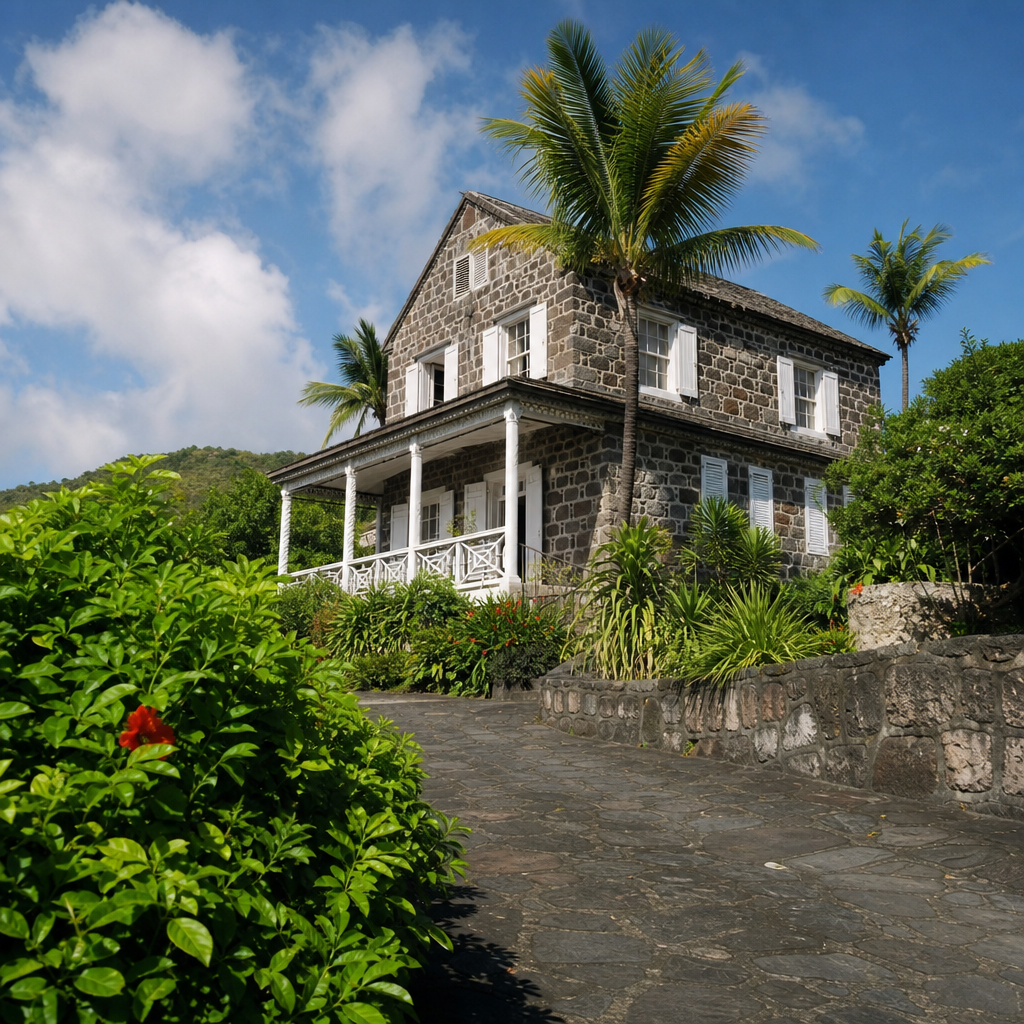
Saint Kitts rewards travelers who look beyond cruise terminals and beach bars. The island is small, volcanic, and easy to circle in a day, yet its most memorable places are usually the ones locals mention after asking what you actually enjoy. In this guide, hidden gems in Saint Kitts means lesser-known beaches, food spots, walking areas, historic corners, viewpoints, farms, and community experiences that reveal daily island life rather than packaged sightseeing. As a hub within Local Life and Experiences, this article also helps you understand the miscellaneous side of the island: the places that do not fit neatly into a single category but often become the highlights of a trip.
Saint Kitts, officially Saint Christopher, forms a two-island federation with Nevis in the Eastern Caribbean. Basseterre is the capital, but the island’s character is spread across villages such as Old Road, Saddlers, Cayon, Dieppe Bay, and Sandy Point. Geography shapes everything here. The central mountains create pockets of cooler air and rainfall, the Atlantic side feels rougher and wilder, and the Caribbean coast tends to be calmer and more social. That variation matters because “hidden gem” on Saint Kitts can mean a quiet black-sand cove, a roadside cookshop, an overgrown estate trail, or a family-run rum stop with a story behind every bottle.
Why does this matter for visitors? Because the island’s strongest experiences are often built on context. A beach means more when you know which side gets seaweed, which village nearby has a standout lunch spot, and why one bay feels untouched while another is linked to colonial sugar history. I have planned days on Saint Kitts where the best moments were not on any standard excursion list: buying johnny cakes from a small bakery before sunrise, watching fishermen pull in lines near Dieppe Bay, or taking the long route home because a local recommended a lookout after rain cleared the hills. Those details turn a pleasant vacation into a grounded understanding of place.
This guide is designed to answer practical questions directly. Where can you go for quiet scenery? Which local food experiences are worth seeking out? What hidden historical sites deserve time? How do you explore respectfully and safely? Consider this your starting point for the miscellaneous, often-overlooked side of Saint Kitts, with enough specificity to help you choose what fits your interests, energy, and schedule.
Quiet beaches and coastal corners locals value
If you are asking for hidden beaches in Saint Kitts, start by adjusting expectations. Truly secret beaches are rare on a small island, but several coastal spots remain under-visited compared with South Friars Bay, Frigate Bay, and major resort areas. The best examples are Cockleshell Bay’s quieter edges, Conaree’s long windblown shore, Dieppe Bay’s dramatic northern waterfront, and the black-sand stretches near the Old Road and Sandy Point side where you may see more residents than tourists.
Conaree Beach is a useful example of a place that feels hidden because it is rarely the center of a visitor itinerary. On the Atlantic side, it is not a classic swimming beach, and that is precisely why it retains a raw appeal. The sand is darker, the water can be rough, and the atmosphere is expansive rather than polished. I recommend it for walking, photography, and understanding the island’s untamed eastern face. Go in the early morning when the light is soft and the breeze is manageable. If your goal is a calm swim, choose another coast. If your goal is solitude and landscape, Conaree delivers.
Dieppe Bay offers another kind of gem. It is a village experience wrapped around a bay rather than an isolated beach fantasy. The reef and rocky shoreline create strong visual contrast, and on clearer days the sea shows shades of cobalt and steel blue that look almost exaggerated. Nearby coastal points can be excellent for a scenic stop, especially if you are already exploring the northern loop. Visitors sometimes rush through on the way to attractions, but slowing down here lets you see how fishing, village life, and geography interact.
On the southeast peninsula, many people know the postcard views, but fewer linger at the less crowded sections away from the busiest bars. The landscape here is one of Saint Kitts’s defining features: narrow land, salt ponds, hills, and water on both sides. Arrive outside peak beach-club hours and you can still find stretches that feel remarkably open. Bring water, sun protection, and cash, because amenities are uneven once you move away from the main clusters.
Black-sand coves on the western side are especially rewarding for travelers who prefer atmosphere over facilities. These areas reflect the island’s volcanic origin and can feel almost meditative at sunset. Conditions vary, and some access points are easier with a car, but they reveal a different visual identity than the bright resort beaches many visitors expect from the Caribbean.
Neighborhood food spots that show real island flavor
The fastest way to understand Saint Kitts is to eat where residents eat. Hidden gems in Saint Kitts are often not scenic overlooks at all, but modest cookshops, bakery counters, roadside grills, and village bars where the menu depends on the day’s catch or the cook’s rhythm. You are looking for stewed saltfish with ground provisions, goat water, conch when available, fresh johnny cakes, coconut dumplings, rotis, and grilled lobster in season. Ask what was made that morning rather than chasing a fixed list.
In Basseterre, the Public Market area and surrounding streets can orient you to local ingredients, especially if you go earlier in the day. You may see breadfruit, yams, cassava, dasheen, mangoes, soursop, and seasoning peppers that define home cooking on the island. It is not simply a shopping stop. It gives you a working map of what appears on plates later. For visitors staying in resorts, this is one of the clearest ways to connect dining to agriculture and everyday commerce.
Roadside barbecue culture deserves special attention. On weekends, smoke from grills becomes part of the island’s social atmosphere. Chicken, pork, and fish are common, but what matters most is the style of seasoning and the side dishes. The best meals often come with macaroni pie, rice and peas, plantain, coleslaw, or a pepper sauce with real depth. Some of my most reliable food recommendations on Saint Kitts have come from simply following the smoke and asking who makes the best lunch nearby.
Village rum shops and beach bars also function as cultural spaces, not only drinking spots. A small bar may tell you more about the island than a formal tour because conversations move naturally from cricket to politics to family history to advice on where to go next. If you order locally, ask about cane spirits, regional beers, and house punches, but pace yourself. Hospitality is generous, and island driving laws are strict for good reason.
| Experience | What to Try | Best Time | Why It Matters |
|---|---|---|---|
| Public Market visit | Mangoes, breadfruit, seasoning mixes | Morning | Shows ingredients behind local cooking |
| Roadside cookshop lunch | Goat water, saltfish, johnny cakes | Midday | Best value and strongest local flavor |
| Weekend grill stop | Barbecue chicken or fish with sides | Friday to Sunday | Connects food with community gathering |
| Village bar visit | Rum punch, local beer, fried snacks | Late afternoon | Offers conversation and local recommendations |
If you only have one day to eat like a local, make it a progressive route: market in the morning, bakery stop before lunch, cookshop meal at midday, and a casual bar for sunset. That sequence gives you a fuller picture than one high-end dinner ever could.
Historic sites beyond the obvious landmarks
Most visitors hear about Brimstone Hill Fortress National Park, and they should; it is one of the Caribbean’s most significant military sites and a UNESCO World Heritage Site. But hidden historical gems in Saint Kitts usually lie in the spaces between headline attractions. Old sugar estates, village churches, weathered cemeteries, roadside ruins, and former plantation lands all help explain how the island developed through colonization, slavery, emancipation, and agricultural change.
Wingfield Estate is one of the most useful places for understanding this layered history. Often associated with nearby rainforest activities and the Romney Manor area, it includes some of the oldest surviving industrial remains in the Caribbean. The estate reflects the transition from early colonial enterprise to sugar production, and later tourism reuse. When I walk this area, what stands out is not just the stonework but the compression of centuries into one small valley: river, road, former estate structures, and modern excursions existing side by side.
The old railway corridor is another overlooked historical asset. The St. Kitts Scenic Railway now turns part of that sugar-era infrastructure into a visitor experience, but even when you are driving or walking near former lines, you are tracing the geography of the island’s plantation economy. Understanding that network adds depth to almost every landscape view. Fields, villages, and shoreline access were shaped by an industry that dominated life for generations until the sugar industry formally closed in 2005.
Churches and burial grounds in older settlements also deserve attention. In places like Sandy Point and Old Road, built heritage appears quietly rather than theatrically. You may see stone foundations, older public buildings, and religious sites that remain part of living communities. The key is to approach respectfully. These are not open-air museum pieces detached from local memory. They are places where family histories remain present.
If you want a practical rule, pair one major landmark with one small historical stop on the same day. That combination makes Saint Kitts feel less like a checklist and more like a lived island with continuity between past and present.
Nature trails, viewpoints, and inland escapes
Saint Kitts is often marketed through its coastline, but many of its hidden gems are inland. The central mountain spine, crowned by Mount Liamuiga at 1,156 meters, creates rainforest pockets, cooler ridges, and dramatic lookouts. Not every traveler needs to summit the volcano, yet almost everyone benefits from spending time away from the beach at least once.
For active visitors, guided hiking is the smartest option. Trails can be muddy, roots are slippery, and weather shifts quickly. A Mount Liamuiga hike is strenuous, especially the descent into the crater area, but it remains one of the island’s defining outdoor experiences for fit walkers. What makes it exceptional is the ecological transition: cultivated lower lands give way to denser forest, giant trees, vines, and occasional monkey sightings. Bring proper shoes, not casual sneakers, and expect humidity to be the main challenge.
For lighter nature experiences, the routes around Romney Manor and the broader Wingfield area are more accessible. Here you get shaded paths, botanical interest, and historical context together. The Samuel Jefferson sculpture garden and Caribelle Batik grounds add an artistic layer, making this zone ideal for travelers who want scenery without a hard trek. It is also one of the best places to see how former estate landscapes have been repurposed thoughtfully.
Viewpoints on the Timothy Hill and southeast peninsula corridor are better known, but smaller inland lookouts can be just as memorable after rain clears the air. One habit I recommend is to keep your final hour before sunset flexible. Ask a local driver, restaurant host, or guide where visibility is best that day. On Saint Kitts, clouds move quickly, and the best panorama is often the one chosen according to weather, not brochure fame.
Birdlife, monkeys, and coastal-mountain contrast make these inland escapes especially valuable for photographers. Green vervet monkeys are common enough to seem ordinary to residents, yet they remain a point of fascination for visitors. Treat them as wildlife, not props. Feeding monkeys creates nuisance behavior and can spoil the experience for everyone.
Practical advice for exploring hidden gems responsibly
The best local experiences on Saint Kitts come with a little planning. First, transportation shapes your options. Taxis are reliable for direct trips, but a rental car gives you much more freedom if you are comfortable driving on the left. Roads vary from straightforward coastal stretches to narrower village sections, and signage can be limited. Download maps in advance because mobile coverage can weaken in some areas.
Second, timing matters. Cruise ship days can change the feel of Basseterre, South Friars, and major viewpoints. If you want quieter experiences, go early, stay out later, or focus on villages and inland sites while the port is busiest. Sundays can be beautiful for community atmosphere, but some smaller businesses may keep reduced hours, so verify before making a long drive.
Third, carry the basics: water, reef-safe sunscreen, insect repellent, small cash, and a light rain layer. The island’s microclimates are real. I have left Basseterre in dry sunshine and reached a damp northern road twenty minutes later. Good shoes also matter more than many visitors expect, especially for black-sand beaches, estate grounds, and hiking paths.
Respect is the final and most important principle. Ask before photographing people, support small businesses by buying something when you use their space, and keep noise low in residential areas. Saint Kitts is welcoming, but hidden gems stay rewarding only when visitors act like guests rather than consumers of scenery. If a local suggests a place is best visited with a guide, take that advice seriously. It usually reflects road conditions, private property boundaries, or current safety realities rather than gatekeeping.
Hidden gems in Saint Kitts are not about collecting secrets. They are about learning how the island works, then choosing places that reveal its texture: a rough Atlantic beach instead of a manicured shoreline, a cookshop instead of a generic lunch stop, an estate ruin that explains the land beneath your feet, a mountain path that changes your sense of scale. When you approach the island this way, even small stops gain meaning.
The biggest takeaway is simple. Saint Kitts rewards curiosity, flexibility, and conversation. Ask better questions, leave room in your schedule, and connect beaches, food, history, and nature into one experience rather than separate activities. That is how locals move through the island, and it is how visitors find the places they remember longest.
Use this hub as your starting point for the miscellaneous side of Local Life and Experiences, then build your own route around what interests you most. Choose one quiet coast, one neighborhood food stop, one lesser-known historical site, and one inland viewpoint on your next day out. That mix will show you a Saint Kitts that feels personal, grounded, and genuinely worth returning to.
Frequently Asked Questions
What counts as a hidden gem in Saint Kitts, and how is it different from the usual tourist stops?
In Saint Kitts, a hidden gem is usually a place or experience that feels rooted in everyday island life rather than built around a standard visitor itinerary. That can mean a quiet black-sand or golden-sand beach with few facilities but beautiful scenery, a roadside cookshop where locals line up for lunch, a village viewpoint with a sweeping coastal view, a historic corner that gets overlooked in favor of the most famous landmarks, or a farm and garden space where you learn how people actually grow, cook, and live on the island. These places are not necessarily secret, but they are often less advertised and more likely to be discovered through conversation, curiosity, and a willingness to slow down.
The difference from the usual tourist circuit is mostly about atmosphere and intention. Cruise terminals, busy beach bars, and headline attractions are designed to be easy to access and simple to understand at a glance. Hidden gems tend to reward a more personal approach. You might need to ask for directions, go at the right time of day, or combine several small stops into a relaxed island drive. What you get in return is a more complete sense of Saint Kitts as a living community: how neighborhoods connect, what people eat on an ordinary afternoon, where families gather, and how history, landscape, and culture overlap beyond the obvious sights.
What are the best kinds of hidden gems to look for if I want a more local experience in Saint Kitts?
If your goal is to experience Saint Kitts in a more local, grounded way, focus on categories rather than chasing a single “must-see” place. Lesser-known beaches are a strong starting point, especially those outside the busiest resort zones. Some are valued for calm scenery, some for dramatic volcanic views, and some simply because they are peaceful and uncrowded. Walking areas are another excellent option. Village roads, coastal stretches, and quiet historic districts can reveal architecture, daily routines, fruit trees, churches, playing fields, and sea views that you would miss if you only moved between major attractions.
Food is one of the richest gateways into local life. Small bakeries, rum shops, roadside grills, and casual lunch spots often say more about the island than an upscale dining room. Ask what is fresh, what people order on weekends, or where to find traditional dishes prepared well. Historic corners also deserve attention. Beyond the best-known sites, Saint Kitts has old estates, community landmarks, and overlooked streetscapes that reflect the island’s colonial history, agricultural past, and present-day identity. Finally, farms, gardens, artisan spaces, and community events can be especially rewarding because they connect visitors with residents who are actively shaping island life today. These experiences often feel less staged and more memorable because they are based on real participation, conversation, and context.
How can I find hidden gems in Saint Kitts without being intrusive or ending up in places that are hard to access?
The best approach is to be respectfully curious. In Saint Kitts, many of the most rewarding recommendations come from asking a thoughtful question instead of a generic one. Rather than saying, “Where should I go?” try asking locals what they would suggest for someone who enjoys quiet beaches, local food, scenic drives, short walks, or history. That kind of question invites a more tailored answer and usually leads to places that match your interests, not just the island’s most famous names. Hotel staff, taxi drivers, shopkeepers, and restaurant owners can all be excellent sources, especially if you ask during a natural conversation and show genuine interest.
It also helps to remember that hidden gems are often lightly developed. Some may have limited signage, little shade, uneven roads, or no on-site services. Before setting out, check practical details such as road conditions, opening hours, and whether cash is needed. If you are driving, use a reliable map app but stay flexible, since local directions are often based on landmarks rather than street names. If you are using a taxi, agree on timing and price in advance, especially if you want to make multiple stops. Most importantly, be mindful of private property and community spaces. Not every scenic road, beach access point, or estate lane is intended for unrestricted wandering. If in doubt, ask. That small gesture goes a long way and usually opens more doors than it closes.
Is it possible to explore Saint Kitts’ hidden gems in one day, or should I spread them out over several days?
Because Saint Kitts is relatively small and easy to circle in a day, it is absolutely possible to sample several hidden gems in one well-planned outing. A single day can comfortably include a scenic drive, a quiet beach stop, a local lunch, a short walk, and one or two heritage or viewpoint stops. That said, trying to “collect” too many places can work against the whole point of this kind of travel. Hidden gems are usually best appreciated at a slower pace, where you have time to linger, talk to people, notice the landscape, and follow an unexpected recommendation. If you rush, you may cover ground but miss the feeling that makes these places special.
If you have only one day, choose a theme. For example, build your day around local food and coastal scenery, or village life and historic corners, or viewpoints and quiet beaches. That creates a more natural flow and gives you room to adapt if one stop leads to another. If you have two or three days, spread your exploration by region or mood. One day could focus on the calmer side of the island, another on countryside drives and former estate areas, and another on community food spots and everyday town life. The island’s size makes flexibility one of its strengths. You do not need a rigid checklist; you need a loose plan, a bit of time, and the willingness to let local advice improve your route.
What should I bring or know before visiting lesser-known beaches, food spots, farms, and walking areas in Saint Kitts?
Preparation matters more when you are going beyond the most commercial visitor areas. For beaches and walking areas, bring water, sun protection, comfortable footwear, and a towel or light cover-up if facilities are limited. Some quieter beaches may not have chair rentals, changing rooms, food stalls, or lifeguards, so plan as though you will be self-sufficient. If you intend to swim, pay attention to conditions and ask locally about currents, seaweed, and the best time of day to visit. For walks and viewpoints, early morning or late afternoon is often more comfortable, with better light and less heat.
For food spots, carry cash unless you know cards are accepted, and stay open to simpler settings. Some of the best local meals are served in casual places where the menu changes with what is available. Asking what is popular that day is usually a smart move. If you are visiting farms, community spaces, or artisan operations, contact ahead when possible. Small local businesses may operate on flexible schedules, and a quick confirmation can save time while showing respect for the host’s routine. More broadly, understand that part of the appeal of Saint Kitts’ hidden gems is that they are not overly polished. Roads may be narrow, opening hours may shift, and recommendations may come with “island time” built in. If you arrive patient, observant, and interested in the experience rather than perfection, you are far more likely to enjoy the island the way locals do.