Local organic farms in Nevis offer one of the clearest windows into the island’s culture, ecology, and food system. Agro-tourism in this context means travel experiences built around working farms, heritage crops, sustainable growing methods, and direct interaction with producers. On a small Caribbean island like Nevis, that combination matters because agriculture, hospitality, and environmental stewardship are tightly connected. Visitors are not simply tasting produce; they are seeing how land use, rainfall patterns, soil care, and local enterprise shape everyday life. For travelers interested in sustainable tourism, these farms provide a practical, memorable alternative to standard resort-centered itineraries.
In Nevis, organic farming usually refers to low-input, soil-focused cultivation that avoids most synthetic fertilizers and pesticides, even when farms are too small to pursue formal certification. I have found that many island growers follow organic principles out of necessity as much as philosophy. Imported chemical inputs are expensive, weather is unpredictable, and healthy soil is the strongest defense against drought stress and erosion. Agro-tourism experiences therefore tend to include composting demonstrations, orchard walks, herb identification, seasonal tastings, and conversations about how farmers balance tourism demand with local food needs.
This topic deserves a dedicated hub page because “miscellaneous” in Nevis agro-tourism is not a vague leftover category. It includes farm tours, cooking classes, seed saving, medicinal plant education, honey production, small-batch preserves, school visits, volunteer opportunities, and partnerships between farms and restaurants. These experiences help diversify the island economy beyond beach tourism while giving travelers a more grounded understanding of place. They also create internal pathways to related sustainable tourism interests, including local food, cultural heritage, biodiversity, low-impact excursions, and community-based travel. If you want to understand how Nevis works rather than only how it looks, farms are an excellent place to start.
What makes Nevis especially compelling is scale. The island is small enough that visitors can move from hotel to hillside garden, fruit orchard, or mixed-use farm in a short drive, yet diverse enough that each stop reveals different growing conditions and business models. Coastal heat, upland moisture, and volcanic soils influence what can be grown and when. Breadfruit, mango, papaya, coconut, sweet potato, pumpkin, callaloo, lemongrass, turmeric, and medicinal herbs all appear in agro-tourism settings, often alongside chickens, bees, or small livestock. That diversity turns a simple farm visit into a wider lesson about resilience, cuisine, and conservation.
What travelers can expect from local organic farm experiences in Nevis
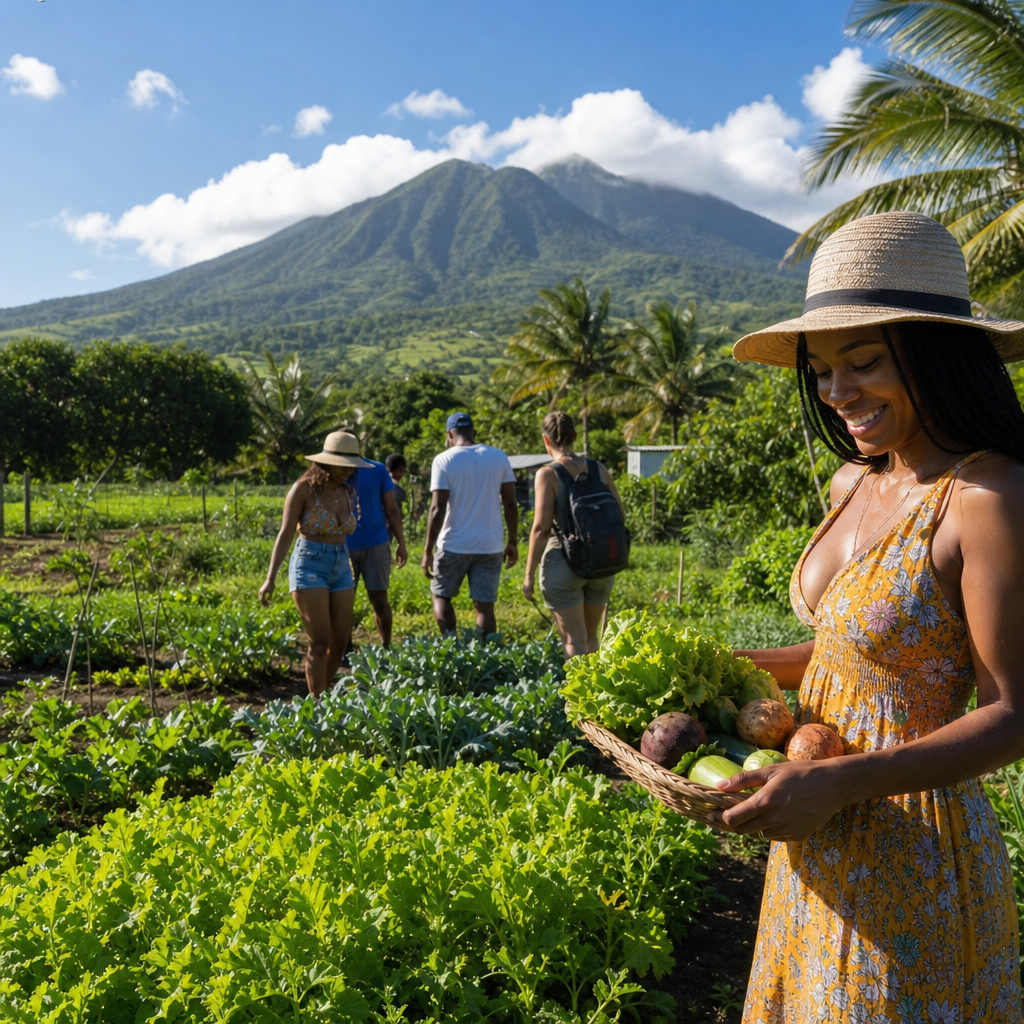
Most agro-tourism experiences in Nevis are intimate rather than highly commercialized. Instead of large visitor centers, expect owner-led tours, family-run operations, and flexible itineraries shaped by weather and harvest timing. A typical visit may begin with a walk through kitchen gardens and orchards, continue into an explanation of composting and mulching systems, and end with fresh juice, a farm lunch, or a tasting of seasonal fruit. Because many growers also supply guesthouses, villas, and restaurants, hosts often explain how produce moves from field to plate within hours, reducing storage needs and freight dependence.
Travelers often ask whether these visits are educational or recreational. In practice, they are both. You might learn why raised beds help in heavy rain, how drip irrigation conserves limited freshwater, or why intercropping herbs with vegetables can reduce pest pressure. At the same time, you are enjoying a sensory experience: tasting sugarcane, smelling basil and bay leaf, watching bees move through blossoms, and hearing stories about grandparents who farmed the same land. This blended format is a strength because it makes sustainability tangible instead of abstract.
Another defining feature is direct access to local knowledge. On larger destinations, farm tourism can feel scripted. In Nevis, the conversation is often the main attraction. Farmers discuss hurricane recovery, monkey pressure on fruit crops, labor shortages, and the challenge of keeping younger generations interested in agriculture. Those details matter because they show sustainable tourism as a working system with constraints, not a marketing slogan. Visitors leave with a more realistic appreciation of what it takes to grow food on an island where imported goods can easily dominate shelves.
Why agro-tourism supports sustainable tourism goals on the island
Agro-tourism supports sustainable tourism in Nevis by keeping more visitor spending in the local economy, strengthening food security, and rewarding low-impact land management. When a guest pays for a tour, buys jam, books a cooking workshop, or dines at a restaurant supplied by nearby farms, the economic effect reaches beyond one business. It supports growers, drivers, cooks, artisans, and market vendors. This kind of spending is especially valuable on islands, where tourism revenue can leak outward through imported food, foreign-owned supply chains, and all-inclusive models that limit community contact.
The environmental case is equally strong. Farms using compost, mulching, crop rotation, and integrated pest management help protect soil structure and reduce chemical runoff. On steep or exposed land, ground cover and mixed planting can also limit erosion during heavy rain events. Those practices are not perfect, and small farms still face water stress, invasive pests, and storm damage, but they are generally more aligned with long-term landscape health than purely ornamental development. For visitors, seeing these methods in action builds understanding of why sustainable tourism is about resource systems, not just reusable straws and linen cards.
Culturally, farm visits help preserve foodways that might otherwise be overshadowed by imported tastes. Nevisian cooking draws from African, British, and wider Caribbean influences, and ingredients such as yam, dasheen, pigeon peas, breadfruit, and local herbs carry that history forward. Agro-tourism creates a setting where these foods can be explained in context: how they are grown, when they are harvested, and how they appear in soups, stews, teas, chutneys, or celebratory meals. That is a deeper form of heritage interpretation than reading a menu description in a hotel dining room.
Common types of farm-based activities and what each one offers
Although offerings vary by season and operator, several activity formats appear repeatedly in Nevis agro-tourism. The best experiences combine interpretation, tasting, and some level of participation. Travelers choosing between options should consider whether they want hands-on learning, culinary focus, or broader landscape context.
| Activity type | What happens | Best for |
|---|---|---|
| Guided farm walk | Owner-led tour of crops, compost areas, water systems, and orchards | First-time visitors seeking an overview |
| Farm-to-table meal | Lunch or dinner using produce harvested on-site or nearby | Travelers focused on local cuisine |
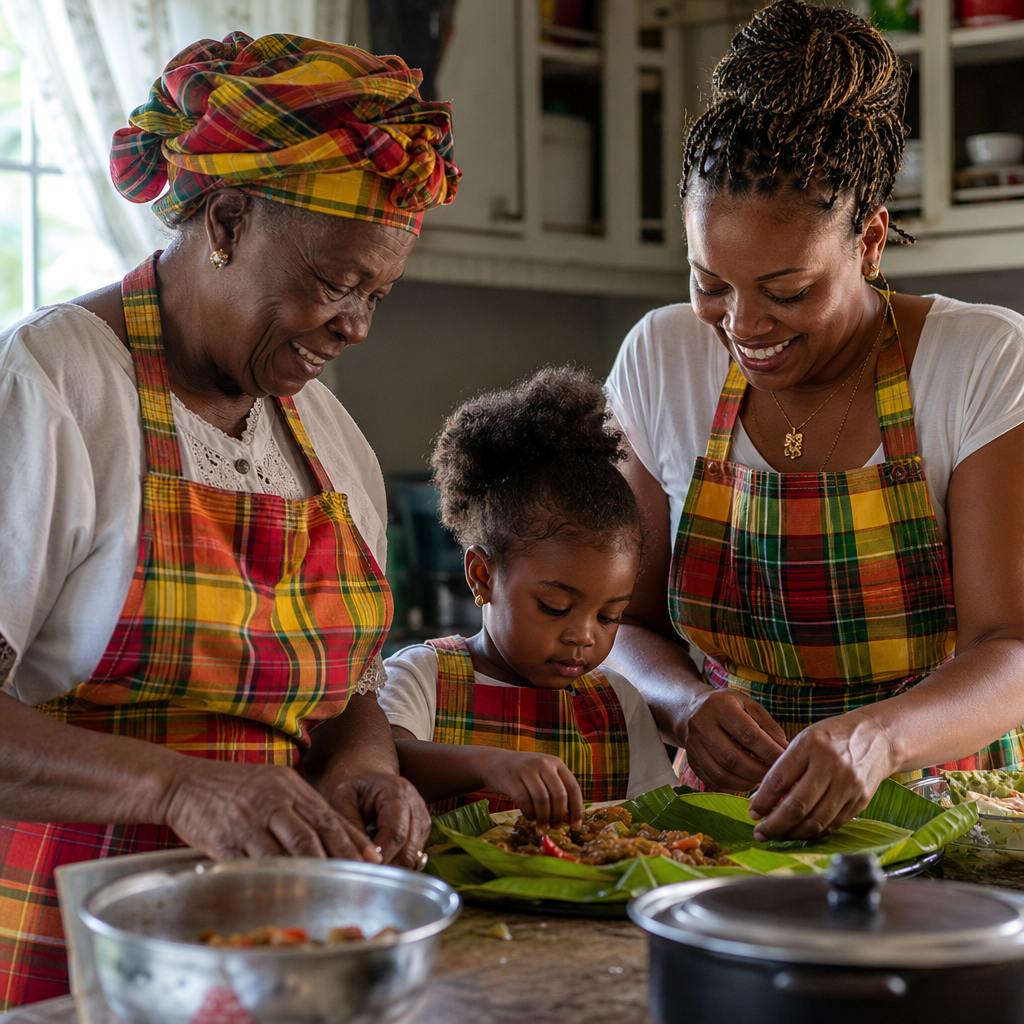
| Cooking class | Preparation of juices, teas, stews, or seasonal dishes with farm ingredients | People wanting practical skills to take home |
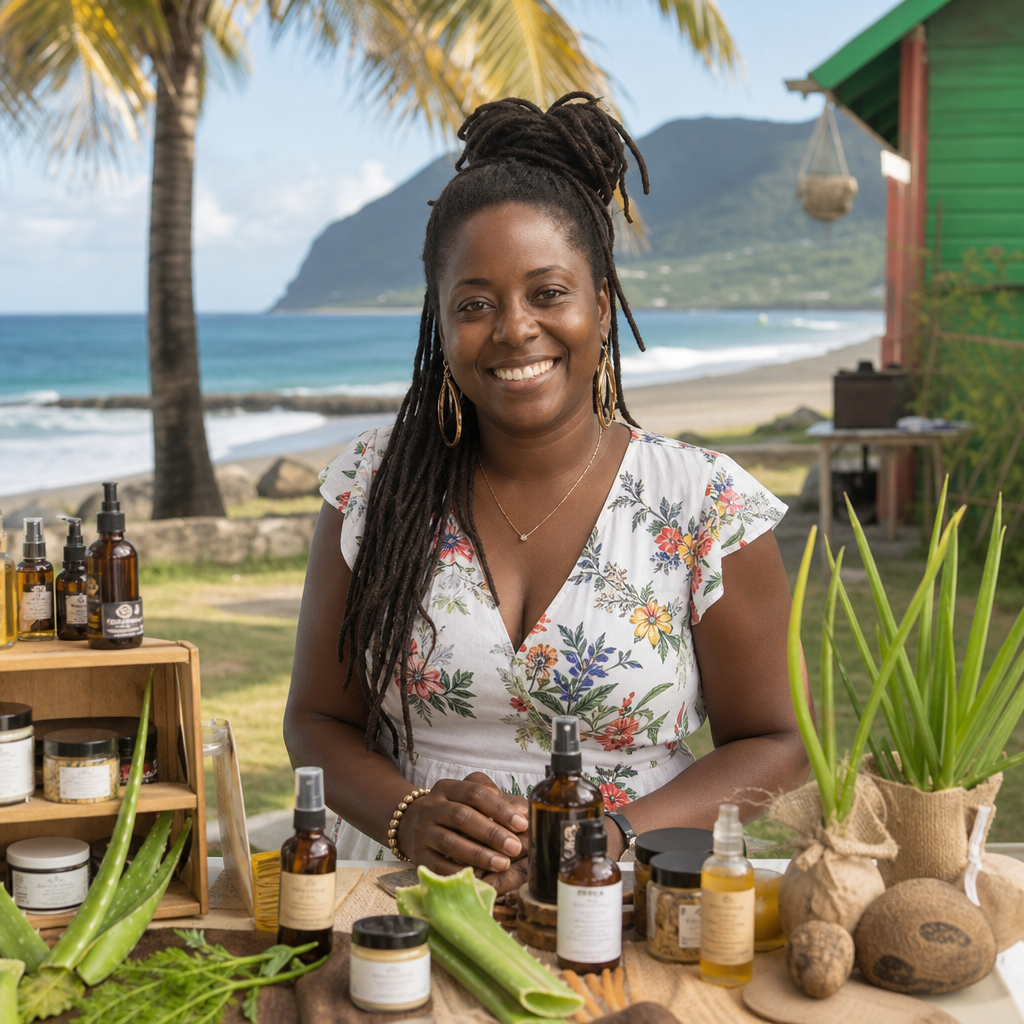
| Herbal or medicinal plant session | Identification of lemongrass, noni, aloe, turmeric, and traditional uses | Wellness-minded travelers |
| Volunteer harvesting day | Short supervised participation in planting, weeding, or picking | Visitors wanting deeper engagement |
| Bee or honey experience | Explanation of pollination, hive care, and local honey production | Families and nature enthusiasts |
Guided walks are the most accessible entry point because they require little physical commitment while still delivering clear educational value. Cooking classes tend to generate the strongest memories because taste anchors learning. Herbal sessions are popular with travelers who want a link between agriculture and wellness, especially when hosts explain which traditional remedies are cultural practices rather than clinically validated treatments. Volunteer-style activities can be rewarding, but the best operators set realistic expectations: visitors will not transform a farm in two hours, and biosecurity rules may limit direct contact with certain areas.
How local farms connect with Nevis restaurants, hotels, and communities
One reason Nevis farm tourism feels authentic is that many participating farms are not built solely for visitors. They are working suppliers. Chefs source herbs, leafy greens, eggs, tropical fruit, and specialty items directly from growers when availability and weather allow. In my experience, this connection improves both the visitor story and the product itself. A restaurant can identify the farm behind a salad mix or breadfruit side dish, while the farm gains a stable buyer and stronger brand recognition. That relationship is a cornerstone of sustainable destination development because it ties hospitality demand to local production capacity.
Hotels and villa managers also benefit from arranging farm visits for guests who want something beyond the beach. These excursions diversify itineraries without heavy infrastructure and often pair well with hiking, heritage tours, or wellness programming. A morning garden visit followed by a spa treatment using local botanicals or an afternoon cooking lesson creates a full-day experience rooted in place. For planners building sustainable tourism packages, farms function as flexible anchors that can connect to multiple interests and price points.
Community value extends further. Schools may use farms for educational visits about nutrition and ecology. Local markets give small growers a sales outlet for excess produce, teas, condiments, and preserves. Some farms host workshops on composting, backyard gardening, or water-wise cultivation, helping residents as well as tourists. This matters because the strongest agro-tourism models do not isolate visitors from daily life; they create shared spaces where tourism income supports capabilities the community already needs.
Practical tips for planning a meaningful agro-tourism visit in Nevis
Start with timing. Farm visits are weather-dependent, and tropical heat is real, so morning tours are usually the most comfortable and productive. Ask what is in season before booking. A farm can still be interesting outside peak harvest, but expectations should match the agricultural calendar. If you specifically want mango tasting, breadfruit cooking, or herbal tea preparation, confirm availability in advance. The best operators are transparent about what the land can offer that week instead of promising a generic experience.
Dress for uneven terrain, sun exposure, and insects. Closed-toe shoes are usually better than sandals, and a hat, water bottle, and light rain layer are sensible. Travelers with mobility limitations should ask detailed questions about paths, slopes, seating, and restroom access because many farms are not designed to the same accessibility standard as major attractions. Families with children should check minimum age recommendations for bee-related activities or tool use during hands-on sessions.
Finally, approach the visit as a conversation, not a photo stop. Buying a jar of jam or bunch of herbs is helpful, but the bigger value comes from engaging with the farmer’s expertise. Ask about soil building, storm recovery, crop rotation, and what restaurants do with surplus fruit. If you are writing about the island, sharing content, or building an itinerary for others, credit farms accurately and avoid reducing them to aesthetic backdrops. Respect for working land is part of responsible travel.
The broader future of organic farming and agro-tourism in Nevis
The future of agro-tourism in Nevis is promising but not automatic. Demand for authentic, low-impact travel is growing, and travelers increasingly want experiences tied to food provenance, wellness, and community connection. Local organic farms are well positioned to meet that demand because they already offer narrative depth: heritage crops, climate adaptation, direct sales, and hands-on learning. However, long-term success depends on consistent marketing, training in visitor management, stronger farm-to-hospitality logistics, and policies that protect agricultural land from being permanently displaced by real estate pressure.
There are also practical limits. Small farms cannot always guarantee volume, pristine aesthetics, or year-round variety. Hurricanes, drought, shipping costs, and labor constraints will continue to affect output. Those realities should not be hidden; they are precisely why these experiences matter. They show how island sustainability is negotiated season by season through care, experimentation, and local knowledge. For destination managers, supporting these farms means improving signage, transport coordination, microenterprise finance, and promotional partnerships across the sustainable tourism sector.
For travelers, the key takeaway is simple: local organic farms in Nevis are not side attractions. They are one of the best ways to understand the island’s environmental values, culinary traditions, and economic resilience in one visit. Whether you choose a guided orchard walk, a medicinal plant session, or a farm-to-table lunch, you will leave with more than photographs. You will understand how food, culture, and landscape meet on the ground. Add at least one farm experience to your Nevis itinerary, and use it as your starting point for exploring the island more responsibly.
Frequently Asked Questions
What can visitors expect from an agro-tourism experience on local organic farms in Nevis?
Visitors can expect a hands-on, highly personal experience that goes well beyond a standard sightseeing tour. On local organic farms in Nevis, agro-tourism often includes walking through growing areas with the farmer, learning about tropical fruits, herbs, root crops, and heritage varieties, and seeing how organic methods are adapted to the island’s climate, soils, and seasonal patterns. Depending on the farm, guests may participate in harvesting, composting, seed saving, tasting just-picked produce, or preparing simple dishes made from ingredients grown on-site. Because Nevis is a small island, many farms are deeply connected to family history, local food traditions, and community livelihoods, so a visit often includes stories about how agriculture has changed over time and why sustainable farming remains important today. In practical terms, travelers should expect a slower, more educational, and more interactive outing than a typical excursion, with real opportunities to ask questions and understand how farming, culture, and environmental care come together on the island.
Why are organic farms in Nevis important to the island’s culture and environment?
Organic farms in Nevis play an important role because they sit at the meeting point of food security, cultural heritage, and ecological stewardship. Culturally, many of these farms preserve knowledge about traditional crops, local growing practices, medicinal plants, and recipes that have shaped everyday life on the island for generations. Environmentally, organic and low-input farming approaches can help protect soil health, encourage biodiversity, reduce chemical runoff, and support cleaner water systems in a fragile island setting where natural resources are limited and closely interconnected. These farms also help demonstrate that agriculture is not separate from tourism but part of the same wider system: healthy land supports beautiful landscapes, fresh local food strengthens the hospitality sector, and sustainable production reduces dependence on imported goods. For visitors, seeing this relationship firsthand adds depth to the travel experience because it shows that local farming in Nevis is not just about produce; it is about resilience, identity, and responsible land use in a place where every acre matters.
What kinds of crops and products are commonly found on organic farms in Nevis?
While each farm is different, visitors to organic farms in Nevis will often encounter a diverse mix of tropical fruits, vegetables, herbs, root crops, and value-added local products. Common crops may include mangoes, papayas, bananas, coconuts, breadfruit, cassava, sweet potatoes, yams, peppers, leafy greens, pumpkins, and herbs used in cooking and bush teas. Some farms also grow medicinal plants, spices, or heritage varieties that reflect the island’s agricultural traditions and adaptation to local conditions. In addition to fresh produce, many farms create products such as herbal teas, jams, hot sauces, dried seasonings, natural soaps, or small-batch preserves made from ingredients grown on the property. This variety is one of the strengths of Nevisian agro-tourism, because it allows visitors to connect the landscape with the flavors they encounter in local homes, markets, and restaurants. Rather than seeing farming as a single-crop enterprise, guests often discover a layered, diverse food system designed to support soil health, reduce risk, and make the most of limited land.
How should travelers prepare for a farm visit in Nevis?
Travelers should prepare for a farm visit in Nevis much as they would for any outdoor activity in a warm tropical climate, while also keeping in mind that working farms are active agricultural spaces. Lightweight clothing, closed-toe shoes or sturdy sandals, sunscreen, a hat, and water are all highly recommended. Insect repellent can also be useful, especially if the visit includes shaded areas, orchards, or late afternoon walking. It is wise to ask in advance whether the farm tour includes tasting sessions, harvesting, uneven terrain, or hands-on activities, since that can affect what to wear and whether children or guests with mobility concerns will be comfortable. Visitors should also arrive with curiosity and flexibility. Farm schedules often follow weather, harvest timing, and seasonal conditions, so the exact experience may vary from one day to the next. Respectful behavior matters as well: follow the guide’s instructions, avoid disturbing crops or animals, and ask before photographing workers or private spaces. Taking this approach helps ensure a safer, more meaningful visit and shows appreciation for the farmers sharing their knowledge and land.
How does visiting local organic farms support Nevis and its communities?
Visiting local organic farms supports Nevis in direct and practical ways. First, it channels tourism spending toward local producers, helping farmers diversify their income beyond crop sales alone. That added revenue can make small-scale farming more financially sustainable, especially on an island where imported food and external market pressures can challenge local agriculture. Second, farm visits create stronger links between agriculture and hospitality by encouraging restaurants, villas, and hotels to source more local ingredients and tell richer food stories to guests. Third, agro-tourism helps preserve agricultural knowledge by showing that traditional crops, sustainable methods, and land-based livelihoods still have value in the modern economy. There is also an educational benefit: both residents and travelers gain a clearer understanding of where food comes from, what it takes to grow it responsibly, and why protecting farmland matters. In the long term, supporting these farms can contribute to stronger community resilience, healthier ecosystems, and a tourism model that reflects the character of Nevis rather than competing with it. For many visitors, that makes a farm tour one of the most authentic and impactful experiences available on the island.