Saint Kitts’ cycling tours offer one of the clearest ways to experience the island slowly, responsibly, and with a level of access that buses and rental cars rarely provide. In sustainable tourism, low-impact travel means reducing emissions, limiting strain on local infrastructure, and spending money in ways that support communities rather than bypass them. Cycling fits that definition well because it relies on human power, creates minimal noise, and encourages travelers to engage directly with landscapes, heritage sites, and small businesses. On Saint Kitts, where rainforest-covered slopes meet coastal roads and historic sugar estates, the bicycle becomes more than transportation. It is a practical tool for seeing the island at human speed.
Saint Kitts, part of the Federation of Saint Kitts and Nevis in the eastern Caribbean, is compact enough for structured day rides yet varied enough to keep routes interesting. Riders can pass fishing villages, old plantation grounds, volcanic scenery, black-sand beaches, and urban centers such as Basseterre within a single outing. That variety matters for visitors seeking sustainable tourism options because it allows meaningful exploration without constant transfers, fuel-heavy excursions, or high-consumption activities. I have planned island itineraries where guests remembered a roadside breadfruit stop or a chat with a market vendor more vividly than any resort amenity. Cycling creates those moments consistently because it removes the barrier between traveler and place.
This article serves as a comprehensive hub for Saint Kitts cycling tours within the broader sustainable tourism conversation. It covers what cycling tours on the island look like, who they suit, how they reduce environmental impact, what routes and experiences travelers can expect, and how to plan safely in tropical conditions. It also addresses the practical tradeoffs. Saint Kitts is beautiful, but it is not flat, and heat, humidity, and changing road surfaces can challenge unprepared riders. A responsible cycling experience depends on route selection, hydration, timing, local guidance, and respect for both traffic and communities. Understanding those basics turns a good idea into a genuinely rewarding trip.
For travelers asking a simple question, the answer is direct: yes, cycling tours are a low-impact way to explore Saint Kitts, especially when compared with private vehicle excursions or resource-intensive recreation. They help visitors reduce fuel use, distribute spending beyond resort zones, and connect with local culture in a way that supports the principles behind sustainable travel. They are not the only responsible option on the island, but they are among the most effective because the journey itself becomes the experience. That combination of environmental benefit, physical immersion, and cultural access is why cycling deserves a central place in any Saint Kitts sustainable tourism guide.
Why cycling works so well on Saint Kitts
Saint Kitts is especially well suited to cycling tours because its scale allows riders to cover meaningful ground without needing expedition-level logistics. The island is about twenty-three miles long and roughly five miles across at its widest point, which means guided routes can combine coast, countryside, and heritage stops in a manageable timeframe. The main road network around the island and the scenic routes branching inland make it possible to design tours for different ability levels, from short cultural rides near Basseterre to longer climbs with panoramic views. In my experience, that compact geography is one of the island’s biggest strengths. Travelers feel they have seen a lot without spending the day in transit.
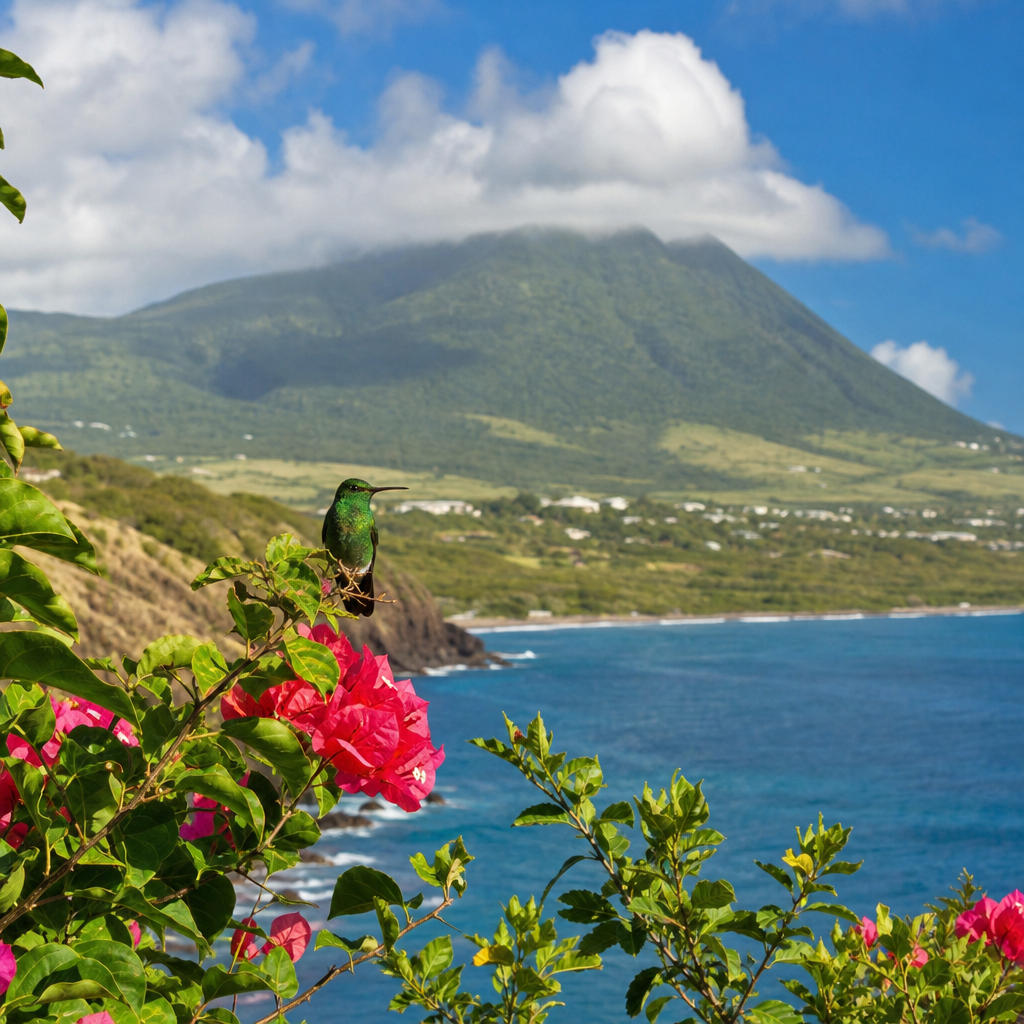
The terrain adds another layer of appeal. Saint Kitts is dominated by volcanic topography, with Mount Liamuiga rising dramatically above villages and former plantation lands. For cyclists, that means the island can deliver flat coastal stretches, rolling hills, and serious elevation gain depending on the route. This flexibility supports several types of tour products: leisure sightseeing rides, fitness-oriented road rides, e-bike excursions, and hybrid history-and-nature tours. It also broadens the audience. A guest who would never book a high-intensity ride may happily join a guided e-bike route that includes Romney Manor, coastal viewpoints, and a stop for local cuisine.
Roadside life is another reason cycling works here. When visitors move at bicycle pace, they notice schoolyards, church architecture, fruit stands, and shoreline changes that disappear behind the glass of an air-conditioned van. This matters because sustainable tourism is not only about carbon reduction. It is also about depth of engagement. Travelers who understand where they are, who meet residents respectfully, and who spend money with local operators tend to generate more positive destination outcomes. A cyclist buying coconut water in a village and tipping a local guide contributes differently than a passenger on a quick panoramic transfer.
Weather and daylight patterns also favor well-planned rides. Saint Kitts has a tropical climate, so mornings are usually the best window for cycling tours, offering relatively cooler temperatures and calmer road conditions. Operators who know the island build around those realities, often starting early and selecting shaded sections where possible. Good tour design on Saint Kitts is never just about distance. It includes pacing, heat management, mechanical support, and interpretation. The best rides feel seamless because the guide has already accounted for gradients, hydration needs, and safe stopping points.
Environmental and community benefits of low-impact exploration
Cycling tours reduce environmental impact in measurable ways. A bicycle produces no tailpipe emissions during use, requires far less energy than a car or tour bus, and creates negligible noise pollution. On islands, where imported fuel is expensive and road networks are finite, lower-impact mobility is especially valuable. Every traveler who chooses a bike-based excursion instead of a dedicated motor tour cuts fuel demand for that activity. The reduction may seem small on a single booking, but across a destination, repeated modal shifts matter. Sustainable tourism works through accumulated choices, and cycling is one of the clearest examples.
The environmental benefits extend beyond emissions. Bike tours generally require less parking space, less road congestion, and fewer built facilities than vehicle-heavy tourism. They also encourage route planning that favors observation rather than extraction. A well-run cycling tour does not need jet skis, high-energy entertainment infrastructure, or frequent engine idling at scenic pull-offs. It asks visitors to pay attention to breezes, gradients, birdsong, architecture, and local conversation. That is a fundamentally lighter footprint. It aligns with the broader objective of maintaining the island’s natural and cultural assets rather than consuming them quickly.
Community benefits are equally important. Cycling groups are smaller than many coach excursions, which makes spending patterns more local and more distributed. Riders can stop at independent cafes, roadside vendors, craft businesses, and heritage sites that large vehicles may skip for logistical reasons. On Saint Kitts, those stops can include local eateries serving saltfish, johnny cakes, green fig dishes, or fresh fruit juices, as well as artisan shops and community-based attractions. Smaller purchases at more businesses often keep a greater share of tourism income circulating locally.
There is also a social advantage. Bikes change the traveler’s posture from observer to participant. Visitors are more likely to greet residents, ask questions, and hear place-based stories when they are not separated by windows or hurried schedules. That can deepen respect for local customs and improve visitor behavior overall. The limitation, of course, is that not every traveler can or should cycle. Accessibility, heat tolerance, and road confidence vary widely. That is why cycling should be framed as a key sustainable option rather than the only responsible way to explore.
Popular cycling tour experiences across the island
Most Saint Kitts cycling tours fall into a few recognizable categories, each serving different traveler goals. Some focus on heritage, linking colonial-era landmarks, former sugar plantations, churches, and Basseterre’s historic core. Others emphasize scenery, using coastal roads and elevated viewpoints to highlight the island’s dramatic land-sea contrasts. More active itineraries target road cyclists who want longer mileage and climbing, while newer e-bike formats make hillier sections accessible to casual riders. This diversity is useful for a hub article because “cycling tours” is not one product. It is a family of experiences that can be matched to fitness, interests, and available time.
Heritage rides often begin near Basseterre because the capital provides immediate access to layered history. Independence Square, the Circus, and nearby Georgian-style buildings help frame the island’s colonial past, while guided interpretation can connect those sites to plantation economies and modern Kittitian identity. From there, a route may continue toward Romney Manor and the surrounding grounds associated with the island’s sugar history, often paired with botanical interest and craft demonstrations. When tours handle this material well, they do more than show old buildings. They explain labor, trade, land use, and how today’s tourism landscape evolved.
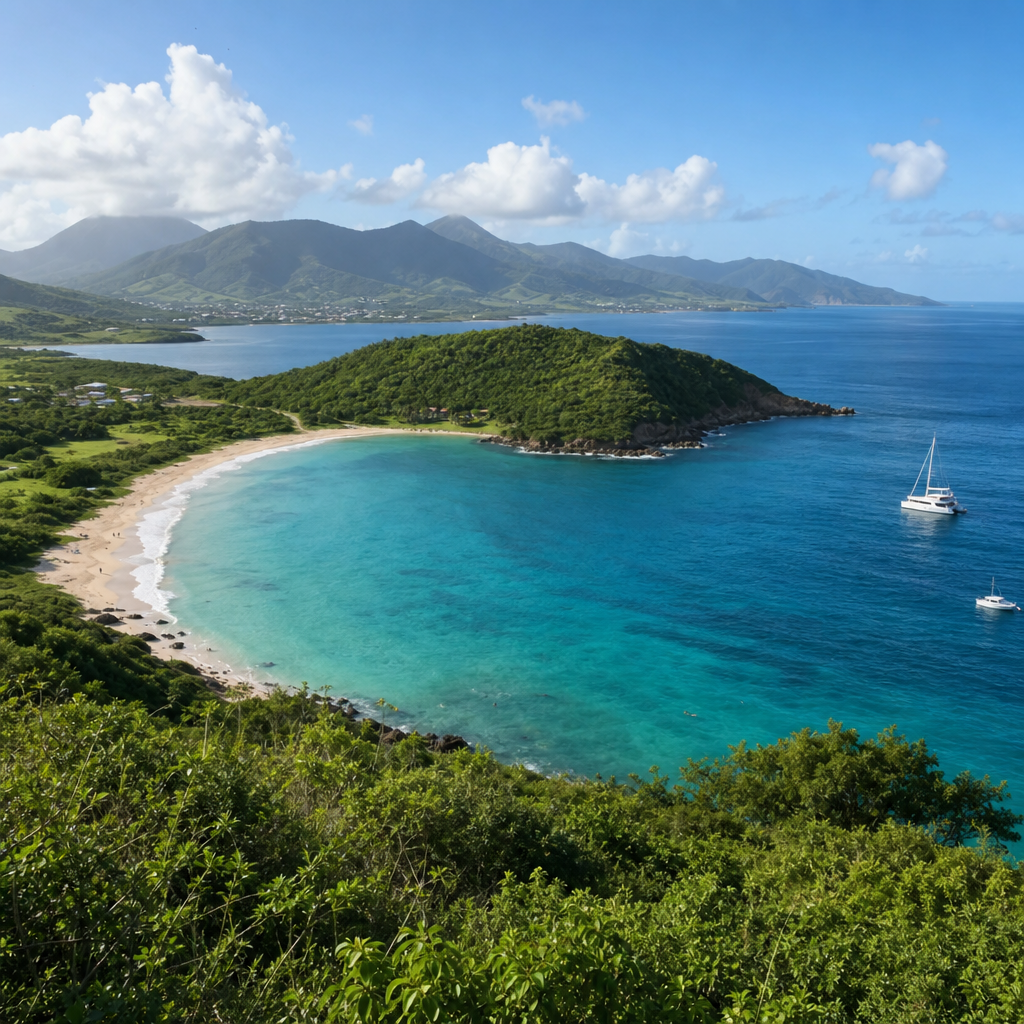
Scenic coastal tours usually appeal to first-time visitors and cruise passengers seeking a manageable introduction to the island. These routes may trace sections of the main coastal road, where riders encounter sea views, village life, and occasional volcanic backdrops. Depending on traffic patterns and operator design, stops can include beaches, lookout points, and small food outlets. The value of these rides is not speed. It is the ability to absorb changing textures of the island: calm bays, exposed shorelines, fishing activity, and the shift from urban edge to rural space within a few miles.
For stronger cyclists, loop-style road rides can be particularly rewarding. A near-island circuit, selective climbing route, or training-focused ride gives experienced visitors a way to engage physically with Saint Kitts rather than simply view it. These tours typically require better bike handling and heat awareness, but they reveal the island’s contours more honestly than any panoramic drive. E-bike tours, meanwhile, expand participation. Riders who might be discouraged by hills can still cover meaningful distances, making low-impact exploration feasible for mixed-ability groups, couples, and older travelers.
| Tour type | Best for | Typical highlights | Main consideration |
|---|---|---|---|
| Heritage cycling tour | Culture-focused travelers | Basseterre, plantation history, Romney Manor | More frequent stops than distance riding |
| Coastal scenic ride | First-time visitors | Sea views, villages, beaches, viewpoints | Road exposure and sun |
| Performance road ride | Experienced cyclists | Longer loops, climbs, training pace | Heat, hydration, traffic awareness |
| E-bike island tour | Mixed-ability groups | Longer range with less strain | Battery range and operator support |
How to choose the right tour, gear, and season
The best Saint Kitts cycling tour depends on honest self-assessment. I always advise travelers to start with three questions: How comfortable are you riding in light traffic? How well do you handle heat and humidity? Are you looking for exercise, sightseeing, or cultural interpretation? Those answers determine whether a short guided e-bike route or a more demanding road ride is the better fit. Booking the wrong style of tour is the main reason visitors struggle. The island’s beauty can make a route sound easier than it is, especially when hills are understated in marketing copy.
Guided tours are usually the strongest choice for visitors who do not know the island. A good operator provides route planning, helmets, bike sizing, water, and local insight, while also understanding where traffic narrows or surfaces deteriorate. Ask direct questions before booking: Are the bikes hybrid, road, mountain, or electric? Are helmets included and required? What is the elevation gain? How many riders are in the group? Is there vehicle support if someone overheats or has a mechanical issue? Reputable providers answer clearly because these details shape both safety and enjoyment.
Gear should reflect tropical conditions. Lightweight, breathable clothing is essential, and padded cycling shorts help on longer rides. Closed-toe shoes with good grip matter more than casual sandals. High-SPF sunscreen, sunglasses, and a refillable water bottle are basic necessities, not extras. Riders often underestimate hydration on Caribbean islands because sea breezes can disguise sweat loss. Electrolytes are useful, particularly on rides longer than ninety minutes. If you use a phone for photos or navigation, carry it in a secure, sweat-resistant pouch and expect battery drain from heat and screen brightness.
Seasonality matters too. Saint Kitts can be ridden year-round, but conditions vary. The drier months, typically from December through April, are often more comfortable for visitors, especially those arriving from cooler climates. The wetter part of the year can still support cycling, but riders should expect slick surfaces, sudden showers, and higher humidity. Morning departures remain the standard best practice in all seasons. Cruise visitors should be especially careful with timing, choosing tours that build in a buffer for port return rather than pushing mileage too close to embarkation deadlines.
Safety, etiquette, and responsible travel practices
Safe cycling on Saint Kitts starts with respecting the road environment. Like many island destinations, conditions can change quickly from smooth paved stretches to rougher edges, narrow shoulders, or areas with intermittent traffic pressure. Riders should hold a steady line, avoid sudden swerves for photos, and follow the guide’s instructions closely. Helmets are non-negotiable. So is visibility. Bright clothing, front and rear lights when appropriate, and clear communication within the group all reduce risk. Visitors used to protected bike lanes at home should adjust expectations and ride defensively.
Heat safety is just as important as traffic safety. Dehydration and overexertion are the most common preventable problems on Caribbean rides. Drink before you feel thirsty, take shaded stops seriously, and be realistic about your limits. I have seen travelers insist they were fit enough for an island loop, only to struggle after an exposed climb in late morning sun. There is no shame in choosing a shorter route or e-bike support. Responsible travel includes making choices that prevent avoidable medical strain on local services.
Etiquette matters because cycling brings visitors close to daily life. Ask before photographing people, do not block shop entrances with bikes, and support local businesses with courtesy and patience. Keep noise low in residential areas and treat heritage sites as places of meaning rather than backdrops. If a guide recommends not entering a sensitive area or private property, respect that boundary. Sustainable tourism is built on consent, context, and reciprocity. The goal is not just to leave a small environmental footprint, but also to leave a positive social impression.
Travelers can extend the impact of a cycling tour by linking it to other responsible choices. Stay in locally owned accommodation where possible, bring a reusable bottle, avoid single-use plastics, and choose operators that maintain their equipment well and hire local guides. If the cycling company partners with community businesses, that is a strong sign of genuine destination benefit. The most sustainable itinerary is rarely defined by one perfect excursion. It comes from a series of practical decisions that align transportation, spending, and behavior with the well-being of the island.
Saint Kitts’ cycling tours stand out because they combine low-impact mobility with a richer, more human way of seeing the island. They reduce reliance on fuel-intensive sightseeing, open access to villages and viewpoints that reward slower travel, and help visitors connect environmental responsibility with real enjoyment. For sustainable tourism, that combination is powerful. It proves that choosing a lighter footprint does not mean sacrificing depth, comfort, or memorable experiences. In many cases, it improves them by replacing passive observation with direct engagement.
The key takeaways are straightforward. Saint Kitts is compact enough for rewarding day rides, varied enough to support heritage, coastal, performance, and e-bike tours, and best explored by riders who plan for heat, terrain, and road conditions. Guided tours offer the safest entry point for most visitors, while responsible practices such as early starts, proper hydration, respectful photography, and support for local businesses make the experience better for everyone involved. Cycling is not the right fit for every traveler, but for many people it is one of the smartest and most sustainable ways to explore the island.
If you are building a responsible Caribbean itinerary, put a Saint Kitts cycling tour near the top of your list. Choose a route that matches your ability, book with a local operator, and use the ride as a starting point for deeper, lower-impact travel across the island.
Frequently Asked Questions
Why are cycling tours in Saint Kitts considered a low-impact way to explore the island?
Cycling tours are widely considered low-impact because they reduce many of the environmental pressures associated with conventional sightseeing. Unlike buses, taxis, or rental cars, bicycles do not burn fuel during use, which helps lower emissions and reduces noise on roads and in rural communities. On an island like Saint Kitts, where natural beauty, coastal views, and local neighborhoods are central to the visitor experience, that quieter and less intrusive style of travel matters. It allows travelers to move through the landscape without overwhelming it.
There is also a practical sustainability benefit. Cycling places less strain on roads, parking areas, and transportation infrastructure, all of which can be under pressure in popular destinations. Just as importantly, bike tours tend to create a more direct connection between visitors and local life. Riders are more likely to stop at independent shops, chat with guides, notice farms and historic sites, and support small businesses along the route. That means more tourism spending can circulate through communities rather than being concentrated only in major transport or resort channels. In short, cycling in Saint Kitts supports slower travel, lower emissions, and a more meaningful relationship with the island itself.
What can travelers expect to see and experience on a cycling tour in Saint Kitts?
One of the biggest advantages of exploring Saint Kitts by bicycle is the level of access it gives travelers to the island’s scenery, culture, and day-to-day rhythm. Depending on the route, a cycling tour may include coastal roads with sweeping Caribbean views, small villages, historic landmarks, former plantation areas, lush inland landscapes, and stops where guides explain the island’s ecology and heritage. Because bikes move at a slower pace than motor vehicles, travelers have more time to notice details that are easy to miss otherwise, from architecture and local farming activity to changing terrain and viewpoints.
Many visitors also find that cycling creates a more immersive experience than riding in a vehicle. You feel the breeze, hear local sounds, and move through communities at a human scale rather than just passing by them. That often leads to a stronger sense of place. Tours may include opportunities to pause for photos, refreshments, cultural interpretation, or short visits to local businesses. The exact experience varies by operator and route difficulty, but the common thread is that cycling turns sightseeing into active exploration. Instead of simply checking off attractions, travelers engage with Saint Kitts in a way that feels personal, grounded, and memorable.
Are Saint Kitts cycling tours suitable for beginners or only for experienced cyclists?
Many cycling tours in Saint Kitts are designed to be accessible to a wide range of fitness and experience levels, not just seasoned cyclists. Reputable tour operators typically offer different route options, pacing, and support so that beginners can still participate comfortably. Some tours focus on scenic, moderate rides with frequent stops and interpretation, while others may be more challenging and geared toward riders seeking longer distances or hillier terrain. Before booking, it is always wise to review the route profile, ride duration, elevation changes, and bike type provided.
For first-time participants, guided tours are especially helpful because they remove much of the uncertainty. Local guides usually know road conditions, traffic patterns, rest points, and the safest ways to navigate the island. They can also advise on hydration, pacing, and what to expect from the weather. In some cases, riders may be able to choose electric bikes, which can make longer routes or inclines much more manageable without taking away the low-impact nature of the experience. The key is to select a tour that matches your comfort level. Most travelers do not need to be advanced cyclists to enjoy Saint Kitts by bike; they simply need a suitable route, realistic expectations, and a willingness to explore actively.
How do cycling tours benefit local communities in Saint Kitts?
Cycling tours can support local communities in ways that go beyond basic transportation. Because bike travel is slower and more flexible, it often encourages visitors to stop in places they might otherwise pass by. That can mean buying refreshments from a local café, purchasing handmade goods, learning from a community-based guide, or visiting heritage sites and family-run businesses along the route. This kind of spending is significant because it helps distribute tourism income more broadly across the island rather than concentrating it only in large hotels, cruise terminals, or vehicle-based excursion systems.
There is also a social value to cycling tourism. Travelers on bikes are more approachable and more likely to interact respectfully with residents, ask questions, and gain a better understanding of local culture. When managed well, that creates a more balanced form of tourism built on exchange rather than observation from a distance. In addition, local tour companies, mechanics, guides, and support staff all play a role in making cycling experiences possible, so the activity can contribute to jobs and small-scale entrepreneurship. For travelers who want their visit to have a lighter footprint and a stronger local connection, cycling tours offer a practical way to align recreation with community-minded tourism.
What should travelers bring and keep in mind before taking a cycling tour in Saint Kitts?
Preparation makes a major difference in comfort and enjoyment. Saint Kitts can be warm and sunny, so travelers should bring breathable clothing, sunscreen, sunglasses, and plenty of water unless hydration is fully provided by the tour operator. A properly fitted helmet is essential, and many operators include one as part of the tour. Closed-toe shoes with good grip are usually the best choice for riding safely and comfortably. It is also smart to carry a small amount of cash, a phone, identification, and any personal medications you may need during the ride.
Beyond what to pack, travelers should think about the practical side of riding in a tropical island environment. Check the weather forecast, confirm the physical demands of the route, and be honest about your fitness level before booking. If you have concerns about heat, hills, or endurance, ask whether there are shorter options or e-bikes available. Listen carefully to the guide’s safety briefing, follow local road rules, and stay aware of changing road surfaces or traffic conditions. Finally, approach the experience with the right mindset: cycling in Saint Kitts is not only about exercise or transportation, but about moving through the island thoughtfully. When visitors come prepared and ride responsibly, they are far more likely to enjoy a tour that is safe, memorable, and genuinely aligned with low-impact travel.