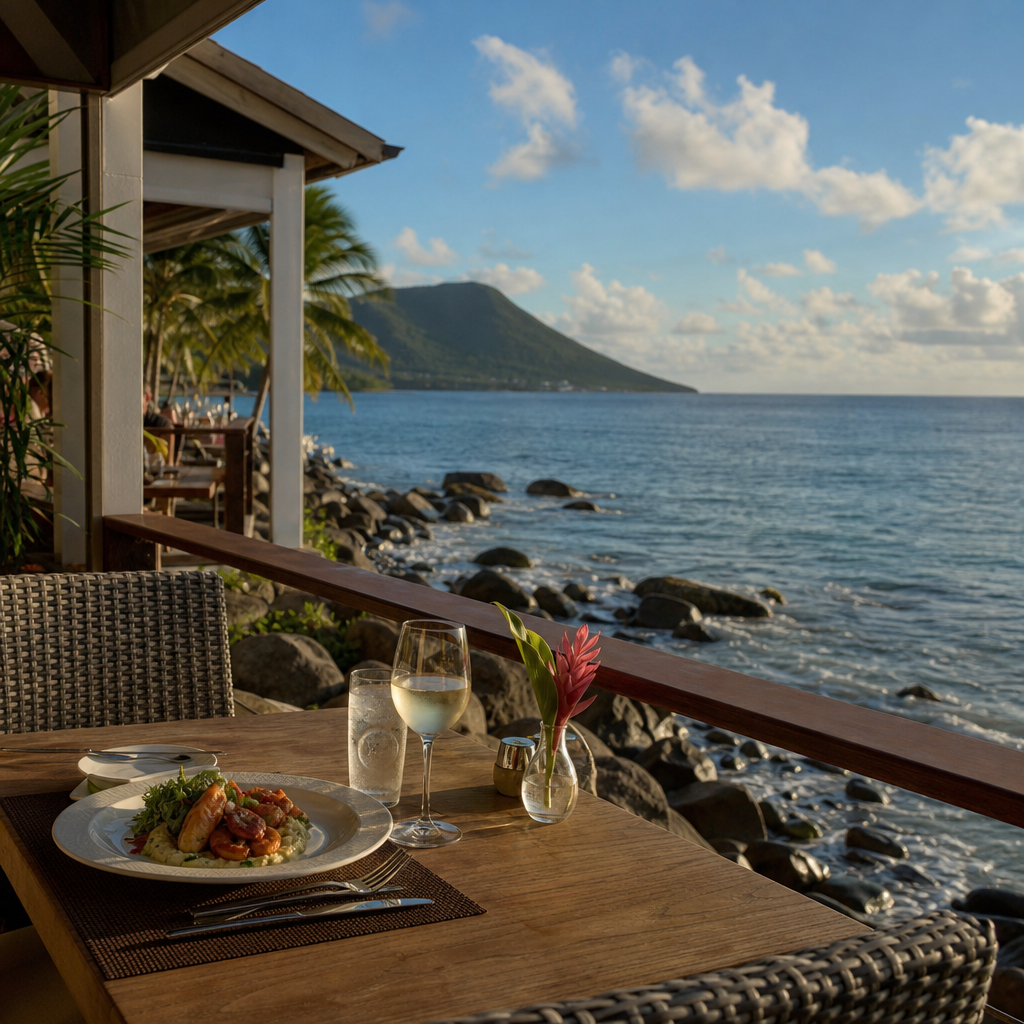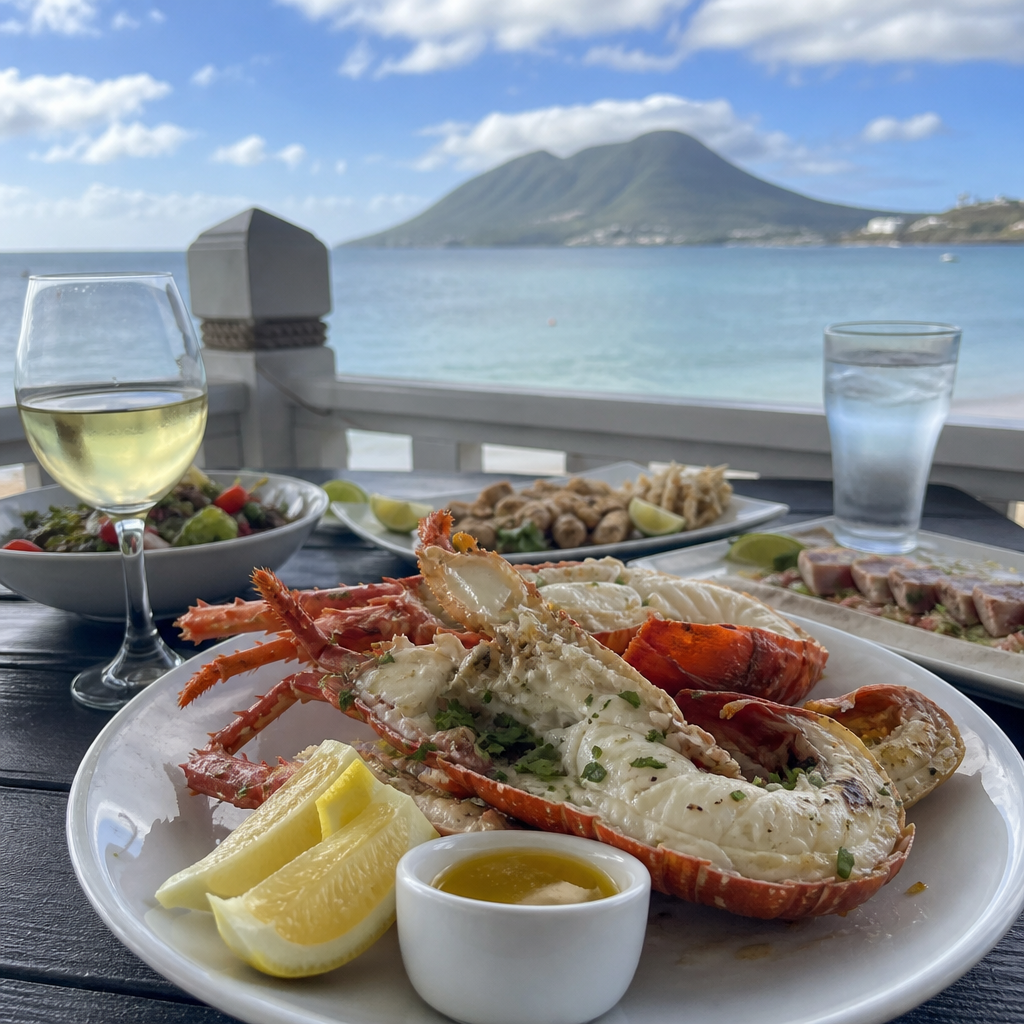
March is one of the smartest months to explore Nevis’ seafood scene because the island’s calmer seas, steady trade winds, and busy visitor season bring together freshness, variety, and kitchens working at full confidence. When people search for the best seafood in Nevis, they usually want more than a list of restaurants. They want to know what is actually worth ordering, which local species are in season, how dishes are prepared, what makes Nevis different from neighboring islands, and how to choose meals that feel both authentic and memorable. That is exactly where a well-planned seafood guide becomes useful.
Nevis, the quieter sister island to St. Kitts, has a dining culture shaped by Caribbean fishing traditions, Afro-Caribbean cooking, British colonial influence, and a strong farm-to-table instinct. Local seafood often appears in simple presentations that let freshness lead: grilled lobster with drawn butter, snapper finished with herbs and citrus, conch in peppery sauces, fish cakes with hot sauce, and rich seafood curries carrying ginger, thyme, scallion, and coconut. In March, menus tend to feel especially lively because restaurants are serving winter travelers while fishermen can still supply reliable catches.
When I build dining recommendations for Nevis, I focus on three terms that matter. First is freshness, which in island dining means fish handled quickly from boat to kitchen, not just recently frozen. Second is seasonality, because Caribbean seafood quality changes with weather, spawning cycles, and legal harvest rules. Third is setting, since a beach shack, heritage inn, and luxury resort may all serve excellent seafood, but the experience and price point differ sharply. Understanding those distinctions helps visitors order better and avoid generic tourist choices.
This hub article covers the miscellaneous side of Nevis seafood dining: signature catches, can’t-miss dishes, restaurant styles, pricing expectations, etiquette, sustainability questions, and practical ordering tips for March. It also serves as a foundation for deeper local cuisine planning, linking naturally with broader topics like beach dining, fine dining, rum pairings, market produce, and island food culture. If your goal is to eat well on Nevis without wasting a meal, start with what the island does best: straightforward seafood prepared with confidence, local seasoning, and a strong sense of place.
What seafood to look for in Nevis during March
The best seafood picks in Nevis for March usually include snapper, mahi-mahi when available, wahoo, tuna, lobster, shrimp, and conch, though exact availability depends on weather and local landings. Snapper is the most dependable choice for many visitors because it suits several preparations and holds moisture well on the grill. A whole grilled snapper, scored and seasoned with green herbs, garlic, lime, and pepper, is one of the clearest expressions of Nevis cooking. If you see it served whole rather than as an anonymous fillet, that is often a good sign.
Wahoo and mahi-mahi are excellent picks when restaurants note them as daily catches. Wahoo is lean, clean-tasting, and ideal for blackening or quick searing. Mahi-mahi offers a firmer bite and works well with fruit salsas, especially mango or pineapple, which many Nevis kitchens use without overwhelming the fish. Tuna appears in upscale and casual settings alike, sometimes as grilled steaks and sometimes with sesame-crusted presentations aimed at international diners. Done properly, these dishes balance Caribbean seasoning with broader coastal techniques rather than feeling imported.
Lobster is one of the headline orders visitors ask about, and for good reason. Caribbean spiny lobster lacks the large claws of Maine lobster, but the tail meat is sweet and meaty, especially when simply grilled and brushed with butter, citrus, or light garlic sauce. Conch divides diners, yet in the right kitchen it is deeply rewarding. It can be stewed until tender, sliced into fritters, or served in a spicy sauce. Texture is everything with conch; if it is overworked or overcooked, it turns rubbery fast.
| Seafood | Typical March Preparation | What to Expect | Best For |
|---|---|---|---|
| Snapper | Whole grilled or creole style | Moist flesh, mild sweetness | Classic local meal |
| Wahoo | Blackened or seared | Lean, clean, slightly firm | Light lunch or elegant dinner |
| Mahi-mahi | Grilled with fruit salsa | Firm texture, mild flavor | Beachfront dining |
| Spiny lobster | Grilled with butter or garlic | Sweet tail meat, rich finish | Celebration meal |
| Conch | Fritters, curry, or stew | Briny flavor, chewy if mishandled | Adventurous local tasting |
If you want a safe strategy, ask two direct questions before ordering: what came in today, and how is the kitchen preparing it best? Good restaurants answer immediately and specifically. Vague answers usually mean the seafood is not the star that day.
Best dishes to order beyond plain grilled fish
Visitors often default to grilled fish, but Nevis rewards broader ordering. One standout is fish in creole sauce, a tomato-based preparation layered with onion, sweet pepper, thyme, and Scotch bonnet heat. The sauce should support the fish, not bury it. Fish cakes are another essential order, especially at lunch. The best versions are crisp outside, fluffy within, and clearly seasoned with herbs and salted fish or fresh fish rather than bland filler. They pair naturally with pepper sauce and a cold local drink.
Seafood curry deserves more attention than it gets. Across Nevis, cooks use curry powder differently from South Asian restaurants, often building a warmer, rounded profile with onion, garlic, turmeric, thyme, and coconut milk. Lobster curry, shrimp curry, or fish curry can be superb when the sauce remains bright and not excessively thick. I also recommend watching for coconut seafood soup, seafood rundown, or chowder-style specials. These dishes reveal how kitchens handle stock, aromatics, and timing, which tells you a lot about overall quality.
Conch fritters are one of the best gateway dishes for first-timers. When properly made, the batter is light, the conch is minced finely enough to stay tender, and the seasoning reads clearly. Another strong choice is escovitch-style fish, where fried fish is topped with a vinegary mixture of peppers, onion, and carrot. This style is more common across the wider Caribbean, but on Nevis it can be a vivid change from grilled preparations. For breakfast or brunch, saltfish with provisions, johnny cakes, or plantain also builds a fuller picture of island seafood culture than dinner menus alone can offer.
Where different dining styles shine on the island
Nevis works best when you match your seafood expectations to the type of venue. Beach bars and informal waterfront spots often deliver the most direct local flavor. Their strengths are grilled whole fish, lobster specials, conch fritters, and relaxed sides like rice and peas, festival, coleslaw, or plantain. The service may move at island pace, but that slower rhythm often reflects cooking to order rather than poor execution. If the day’s catch is chalked on a board, take it seriously.
Heritage inns and plantation-style restaurants usually offer the most atmospheric dinners. These venues often present seafood with a more polished hand: pan-seared tuna, snapper with herb beurre blanc, lobster thermidor variations, or seafood pasta that blends local ingredients with European technique. On Nevis, this middle ground can be especially rewarding because it preserves local sourcing while improving consistency in sauce work, plating, and wine pairing. It is often where couples find the most satisfying balance of setting and food quality.
Luxury resort restaurants excel at precision, comfort, and broad menu design. They are useful for travelers who want highly consistent execution, elegant service, and confidence around allergies or dietary restrictions. The tradeoff is that some menus lean international, so the meal can feel less rooted in Nevis if you order too cautiously. My advice is simple: even in the most polished room, choose the local catch, ask for regional sides, and order at least one dish you would not normally pick at home. That is how you get both technical skill and island identity on the same plate.
How to judge quality, freshness, and value like a local
The fastest way to identify good seafood in Nevis is to look for specificity. Menus that say “catch of the day: wahoo” or “whole snapper, grilled” inspire more confidence than menus that repeatedly list generic fish fillets. Staff should know whether fish is local, imported, whole, or portioned in-house. Fresh whole fish should have firm flesh and clean flavor after cooking, not muddy aroma or excessive sauce. Lobster should be sweet and springy, not watery. Conch should be tender enough to bite cleanly.
Price matters, but value on Nevis is about proportion and sourcing more than absolute cheapness. A beachside grilled snapper may cost less than a resort seafood platter and still be the better meal if the fish landed that morning. On the other hand, paying more at a refined restaurant can be worthwhile when you are getting expertly cooked lobster, better wine service, and careful accompaniments. Typical seafood mains vary widely, but visitors should expect premium pricing for lobster and imported shellfish, moderate pricing for local fish, and lunch specials that deliver the strongest value overall.
There are also practical quality signals. Busy lunch service is a good sign. Menus that change with landings are good signs. Sides made from local produce such as breadfruit, pumpkin, callaloo, and plantain suggest a kitchen engaged with the island rather than assembling generic resort food. If you have concerns about sustainability, ask whether lobster and conch are in legal season and locally sourced. Responsible kitchens will answer clearly. In a small-island dining economy, transparency usually tracks with care.
Building a smart March seafood itinerary in Nevis
If you are on Nevis for several days, do not repeat the same seafood order at every stop. Build variety intentionally. Start with a casual lunch of fish cakes or grilled mahi-mahi at a beach venue. Reserve one sunset dinner for lobster or whole snapper in a scenic waterfront setting. Add a refined dinner where tuna or a daily catch is handled with more formal technique. Then use brunch or breakfast to try saltfish, provisions, or local bakes. This approach gives you a real sense of the island’s culinary range.
March is also a month when reservations can matter, especially for popular resort restaurants and well-known dinner spots. Call ahead for lobster availability rather than assuming it will be on hand. If you are deciding between lunch and dinner for seafood, lunch often offers the better combination of freshness, value, and atmosphere, particularly after a morning landing. Dinner, however, is where ambiance and expanded preparation styles come through most clearly. Travelers who care about photography, romance, or longer wine-focused meals should still plan at least one evening seafood experience.
For families, choose venues where simple grilled fish, rice, fries, and fruit are available alongside more local dishes. For serious food travelers, ask about off-menu preparations, soup specials, and whether the chef can do the catch whole. For anyone prone to disappointment, avoid ordering imported salmon or generic seafood pasta unless the restaurant is specifically known for it. Nevis is at its best when you let the island cook what the island catches. That principle sounds obvious, but it is the difference between a pleasant dinner and a meal you remember years later.
Nevis’ best seafood in March comes down to a few clear choices: prioritize local catch, ask what arrived that day, and order dishes that reflect the island instead of defaulting to generic resort fare. Snapper, wahoo, mahi-mahi, lobster, tuna, and conch are the names to watch, with whole grilled fish, creole preparations, curries, fish cakes, and fritters offering the strongest connection to local cooking. The right venue matters too. Beachfront shacks, heritage properties, and luxury resorts can all deliver excellent seafood when expectations match the setting.
The main advantage of using this hub approach is that it helps you navigate Nevis with confidence. You are not just looking for a restaurant; you are learning how to read menus, judge freshness, understand pricing, and choose dishes that fit the season. That makes every related local dining article more useful, whether you are planning a casual lunch, a special-occasion dinner, or a wider tour of Nevis cuisine. Seafood is one of the island’s clearest culinary strengths, but only if you order with some intention.
Use this guide as your starting point for March dining, then explore deeper by pairing seafood meals with local produce, rum cocktails, beach visits, and heritage dining experiences across the island. Ask questions, follow the daily catch, and be willing to try one unfamiliar dish at each stop. In Nevis, that simple habit usually leads to the best meal of the trip.
Frequently Asked Questions
Why is March such a good time to try seafood in Nevis?
March is widely considered one of the most rewarding months for seafood lovers in Nevis because several conditions come together at once. The seas are often calmer, which helps local fishers get out more consistently and return with fresher catches. The steady trade winds also help create favorable fishing conditions, while the island’s peak visitor season means restaurants are fully staffed, menus are polished, and chefs are putting extra care into signature seafood dishes. For travelers, that combination matters. It means you are not just getting seafood that is available, but seafood that is being handled, prepared, and presented at a very high level.
Another reason March stands out is variety. In Nevis, seafood menus often reflect the day’s catch rather than a fixed year-round list, so the best meals come from timing and local knowledge. During March, diners can often find a strong mix of grilled fish, lobster when available and in season, conch preparations, shrimp dishes, and locally favored species served with Caribbean sides and sauces. In practical terms, March is when freshness, selection, and kitchen confidence tend to align, making it a smart month for visitors who want an authentic and memorable seafood experience rather than a generic resort-style meal.
What seafood dishes should I prioritize ordering in Nevis in March?
If you want the best picks in March, start with simply prepared local fish. Grilled whole fish or fish fillets are often the clearest expression of what Nevis does well, especially when the catch is very fresh. Depending on the day, you may see mahi-mahi, wahoo, snapper, tuna, or other local species. Ordering fish grilled with herbs, citrus, garlic, and light seasoning allows the natural flavor to come through and lets you taste the quality of the catch itself. If the server mentions a fish was landed that day, that is usually a very strong sign.
You should also look for lobster if it is available and legally in season, because it is one of the island’s most sought-after specialties. In Nevis, lobster is often split and grilled, then finished with butter, garlic, and local seasonings rather than covered in heavy sauces. That style keeps the meat sweet and firm. Conch is another worthwhile order, especially in fritters, salads, or stewed preparations. It offers a more distinctly Caribbean flavor profile and gives you a taste of the region’s traditional seafood culture. Shrimp, fish curries, seafood pastas with a local twist, and fish served with rice and peas, plantains, or ground provisions can also be excellent choices in March, particularly at restaurants known for balancing local ingredients with refined cooking.
If you only have a few meals on the island, prioritize dishes that feel tied to place: grilled local fish, fresh lobster when available, and a well-made conch dish. Those are usually the orders that best answer the real question behind “what should I eat in Nevis?” because they combine freshness, local sourcing, and cooking styles that reflect the island rather than an imported dining formula.
Which local seafood species are typically worth looking for, and how can I tell what is truly fresh?
In Nevis, some of the most appealing fish to watch for include mahi-mahi, wahoo, snapper, and tuna, along with other local catches that may appear depending on weather and fishing conditions. Lobster can be a major draw when in season, and conch remains a classic Caribbean choice for travelers who want something more regionally distinctive. What is worth ordering depends less on a fixed list and more on what was brought in recently. On an island like Nevis, the best seafood decisions often come from asking one simple question: “What was caught today?” That question usually leads you toward the strongest options on the menu.
Freshness shows up in a few ways. Restaurants that are genuinely proud of their seafood are usually specific about the catch, the preparation, and sometimes even how recently it arrived. Servers may recommend a fish by name and explain whether it is best grilled, blackened, pan-seared, or served whole. Fresh fish should taste clean and mild, never overly “fishy,” and the texture should be firm and moist rather than soft or dry. With lobster, the meat should be sweet, tender, and not rubbery. Conch should have a pleasant chew, but it should not be tough or flavorless.
It also helps to read the menu with the right expectations. A shorter seafood selection can actually be a positive sign if it reflects what is moving well and arriving fresh. In many good Nevis kitchens, the menu shifts based on supply. That flexibility is often a mark of quality. If a restaurant offers a daily catch, market fish, or chef’s seafood special, those are often the smartest orders because they allow the kitchen to work with what is best at that moment rather than what is easiest to keep on hand.
How is seafood in Nevis typically prepared, and what makes the island’s style different from neighboring destinations?
Seafood in Nevis is often prepared in a way that respects the ingredient first. Grilling is especially common, and for good reason. Fresh fish and lobster do not need much more than citrus, butter, garlic, herbs, pepper, and careful heat. You will also find pan-seared fish, blackened preparations, lightly curried seafood, stewed dishes, and fried options such as conch fritters or fish served crisp with local sides. The seasoning profile usually leans bright, savory, and aromatic rather than overly heavy, allowing the seafood itself to remain central.
What makes Nevis distinctive is its balance. The island has a refined dining reputation, but it still feels connected to local fishing traditions and Caribbean flavor. In practice, that means you can find seafood prepared with elegance without losing the regional identity of the dish. A grilled fish entrée may come beautifully plated, but still be served with rice and peas, fried plantains, fresh slaw, or pepper sauce. A lobster dish may feel polished, yet still carry the familiar warmth of island seasoning and charcoal or open-flame cooking.
Compared with some neighboring islands, Nevis often feels a bit more understated and ingredient-driven. The experience is less about spectacle and more about quality, freshness, and thoughtful preparation. That appeals to travelers who want food that feels authentic but still elevated. Rather than masking seafood with rich sauces or complicated techniques, many of Nevis’ best kitchens let local catch, simple seasoning, and careful cooking do the work. That quieter confidence is part of what makes the island memorable for seafood lovers.
How should I choose the best seafood meal in Nevis instead of just picking a restaurant name?
The smartest way to choose well in Nevis is to focus on the dish, the catch, and the timing rather than relying only on a restaurant list. Start by asking what is fresh, what is local, and what the kitchen is most confident about that day. A restaurant may be highly rated, but the best order could vary depending on the catch, the season, and the chef’s strengths. In March, when seafood conditions are often favorable, the most useful question is not simply “Where should I go?” but “What should I order once I get there?” That approach usually leads to a better meal.
Look for a menu that highlights daily catch, seasonal seafood, or house specialties built around local species. Then pay attention to preparation. If the fish is fresh, grilled or pan-seared options are usually the best test of quality. If lobster is available, choose a preparation that keeps it simple and lets the sweetness stand out. If you want something more traditional, a conch dish can tell you a lot about how well a kitchen handles Caribbean seafood. Also consider balance on the plate. In Nevis, the best seafood meals often pair the main protein with local sides and fresh accompaniments that support rather than compete with the flavor of the catch.
Finally, trust places that are transparent and specific. Good seafood restaurants in Nevis tend to speak clearly about what is on hand, what arrived fresh, and how they recommend it be cooked. If the staff can confidently explain the species, sourcing, and preparation, that is usually a very good sign. Choosing seafood this way helps you experience Nevis as more than a destination with restaurants. It lets you experience the island through its waters, its culinary style, and the seasonal rhythm that makes March such an excellent time to order seafood with confidence.