Reef snorkeling in Nevis offers one of the most accessible ways to understand the island’s coastal ecology, because you can step from a quiet beach into warm Caribbean water and immediately encounter coral heads, grazing fish, sea fans, and shifting seagrass beds. In practical terms, reef snorkeling means observing shallow marine habitats from the surface with mask, snorkel, and fins, rather than using scuba equipment, and that simplicity is exactly why it matters for travelers interested in nature and wildlife. Nevis is smaller and quieter than many better known Caribbean destinations, yet its leeward coast, sheltered coves, and volcanic setting create varied nearshore environments that reward careful exploration. I have found that visitors often arrive expecting only clear water and colorful fish, then leave talking about parrotfish feeding scars on coral, juvenile fish hiding in mangroves, and the way afternoon light changes visibility across a reef.
As a hub topic within Nature and Wildlife, reef snorkeling in Nevis connects to broader questions travelers ask before they ever enter the water. Where are the best snorkeling beaches in Nevis? What marine life can you actually see close to shore? When is the sea calmest, what gear is essential, and how can you enjoy the reef without damaging it? Those questions deserve complete answers because reefs are living systems under pressure from warming seas, storm damage, pollution, and careless visitation. A good snorkeling guide should do more than list sites; it should explain habitat types, seasonal conditions, safety standards, and the small field skills that turn a casual swim into meaningful wildlife observation. That deeper understanding helps visitors plan better outings, support local operators, and protect the marine life they came to see.
Where to snorkel in Nevis and what makes each habitat different
The best reef snorkeling in Nevis is generally found along the calmer Caribbean side of the island, where beaches, rocky points, and offshore reef patches provide shelter from Atlantic exposure. Pinney’s Beach is the most widely known shoreline, and while parts of it are better for swimming than for dense coral growth, adjacent reefy sections and boat-access areas can still produce sightings of sergeant majors, blue tangs, wrasses, and occasional rays over sandy channels. Oualie Beach is especially useful for first time snorkelers because its waters are often gentle, with easy entry and access to nearby marine habitat. Herbert’s Beach and other less trafficked spots can offer a more natural feel, though conditions vary and local guidance matters. In my experience, the most rewarding sessions happen when you treat each site as a habitat mosaic rather than expecting one continuous wall of coral.
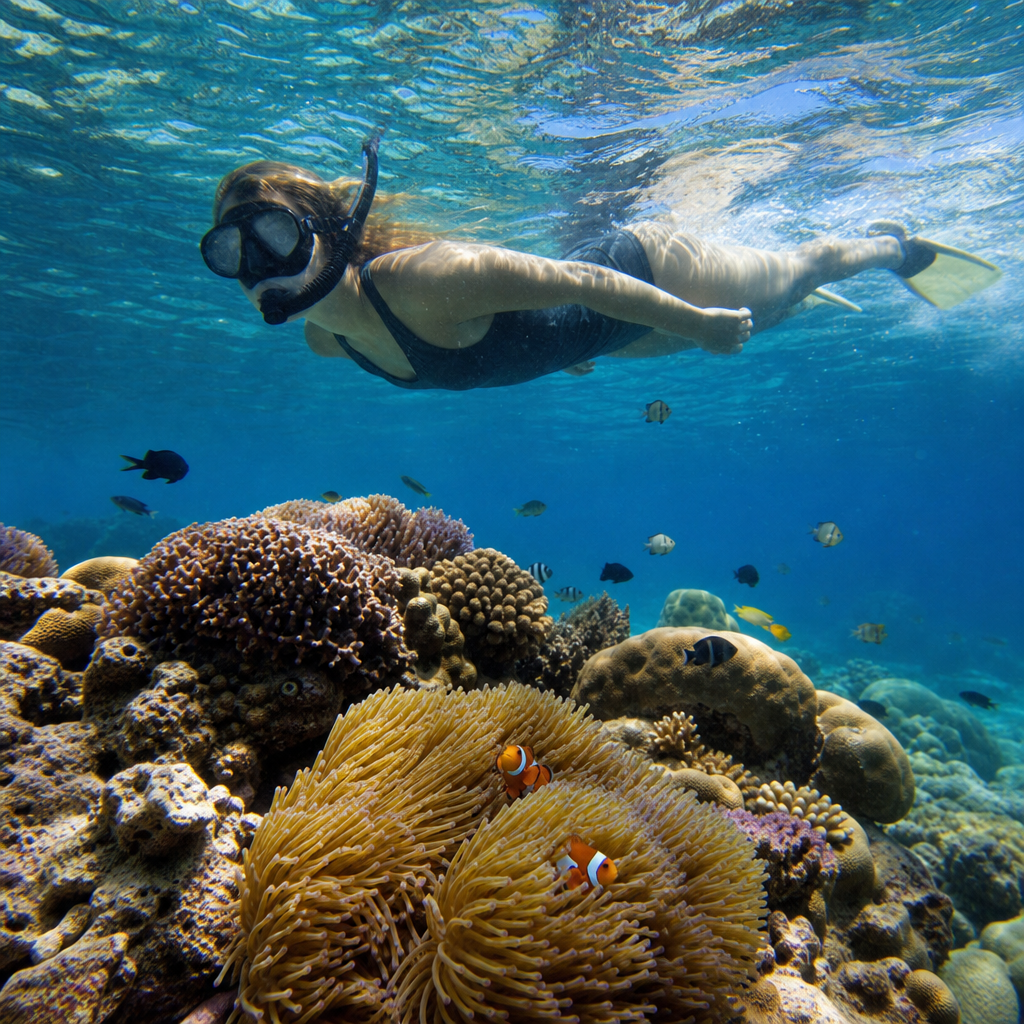
That habitat diversity explains why Nevis snorkeling can feel richer than a simple species checklist suggests. Fringing reef sections support hard corals such as brain coral and elkhorn remnants where conditions allow, while soft corals and sea fans add movement on slightly deeper or more current exposed edges. Seagrass beds, often overlooked by casual visitors, are nurseries for juvenile fish and feeding areas for green sea turtles. Sandy patches between reef heads attract goatfish, garden eels in some areas, and southern stingrays cruising for buried prey. Rocky shallows create crevices for moray eels, squirrelfish, and spiny lobsters. If you only scan for bright fish, you miss half the wildlife. Slow down, float, and watch how each bottom type changes the animals present. That is the central skill for anyone building a serious understanding of marine life in Nevis.
Marine life you can expect to see while reef snorkeling in Nevis
Most snorkelers in Nevis will see reef fish within minutes, but knowing what you are looking at makes the experience far more rewarding. Common species include sergeant majors, whose black bands stand out in sunlit shallows, blue tangs moving in loose groups, stoplight parrotfish scraping algae from coral, and French grunts hovering beneath ledges. Butterflyfish and angelfish often appear around healthy coral cover, while trumpetfish align themselves vertically near sea rods to ambush prey. Juvenile fish can look nothing like adults, which is why a simple Caribbean reef fish guide is worth bringing on shore. During repeated field visits in the eastern Caribbean, I have seen travelers assume a reef is empty because no large fish are present, even while dozens of juveniles, blennies, cleaner gobies, and cryptic invertebrates were active within a few square meters.
Larger and less predictable sightings are part of what keeps Nevis reef snorkeling exciting. Green sea turtles may glide over seagrass meadows, especially in quieter zones with less boat traffic. Hawksbill turtles sometimes patrol reef edges where sponges are available, although sightings are never guaranteed. Southern stingrays may rest on sand flats, visible by the outline of their discs beneath a dusting of sediment. Eagle rays are less common but memorable when they pass through open water. Octopus, often detected by shell middens or sudden color changes against rock, reward patient observation late in the day. Nurse sharks can occasionally be encountered in Caribbean waters, usually resting and uninterested in people. Seasonal pulses of plankton and baitfish also influence what appears near shore. The rule is simple: healthy habitat creates wildlife opportunities, but patient observation determines how much you actually notice.
Best times, weather patterns, and water conditions for clear snorkeling
The best time for snorkeling in Nevis usually depends less on air temperature, which is warm year round, and more on wind, swell direction, rain runoff, and light angle. In general, calmer seas are more common during settled weather periods, and mornings often provide the clearest water before afternoon breezes build surface chop. Visibility can range from excellent to only moderate depending on recent rain, especially near runoff points where sediment enters the sea. The Atlantic hurricane season, officially June through November, does not make snorkeling impossible, but it does increase the chance of swell events, storms, and reduced clarity. During the drier months, many visitors find more reliable conditions, though local daily weather matters more than broad seasonal averages. If you have only one snorkeling morning, choose the earliest calm window rather than waiting for a more convenient midday departure.
Light conditions also affect what you can see and photograph. A high sun angle, especially from late morning to early afternoon, can illuminate coral structure and fish coloration beautifully, but only if surface conditions remain smooth. In rougher water, low early light may still outperform bright midday glare because less wind means a steadier surface. Tide plays a secondary role at most casual snorkeling sites in Nevis, yet very low water can expose shallow coral and make entry awkward, while slightly fuller water may improve access over reef flats. Before every session, I recommend checking a marine forecast, speaking with a local operator, and watching the shoreline for five minutes. If you see suspended sediment, repeated breakers over the snorkeling area, or heavy boat movement, conditions are telling you something. Good marine wildlife viewing begins with reading the water accurately.
Gear, safety, and responsible reef etiquette for beginners and families
For most visitors, the ideal reef snorkeling setup in Nevis is simple: a well fitting mask, a dry top snorkel, fins suited to your comfort level, and a buoyancy aid if you are not a confident swimmer. Rash guards protect against sunburn better than repeated sunscreen application, and that matters because some ingredients can harm coral and other marine life. Defog solution helps, but a properly fitted mask matters more. If you wear prescription lenses, choose a corrective mask rather than struggling through blurred views. Families should prioritize flotation, fit, and calm entry points over chasing the most photogenic reef. Many minor incidents happen not because the sea is dangerous, but because people are tired, overconfident, or distracted by gear that does not work. Equipment should reduce effort, not add to it.
| Need | Best choice | Why it matters in Nevis |
|---|---|---|
| First time snorkeler | Calm beach entry, flotation vest, short fins | Reduces fatigue and improves confidence in gentle nearshore water |
| Wildlife observer | Low volume mask, fish ID card, anti fog | Helps spot cryptic species around coral heads and rocks |
| Family with children | Bright rash guards, tow float, shaded break plan | Improves visibility, safety, and sun management during short sessions |
| Photographer | Action camera with red filter and wrist lanyard | Supports color correction and prevents gear loss in surge |
Responsible behavior is not optional on a coral reef. Never stand on coral, even if it looks like rock, because living coral polyps are fragile and slow growing. Maintain horizontal body position so your fins do not strike sea fans or stir sediment onto coral surfaces. Keep several meters away from turtles and rays, and never chase, touch, or corner them for photos. Do not feed fish; it changes behavior and degrades wildlife encounters for everyone. Follow recognized boating and snorkeling safety practices, including displaying a dive or snorkel flag where appropriate and staying aware of current, surge, and vessel traffic. If conditions shift, turn back early. I always tell beginners that the best snorkelers are not the strongest swimmers; they are the calmest decision makers. Good technique protects both the visitor and the reef.
Guided trips, shore access, and how this hub supports deeper exploration
Choosing between independent shore snorkeling and a guided boat trip in Nevis depends on your goals, swimming ability, and appetite for context. Shore access is affordable and flexible, especially from beaches with straightforward entry, but a local guide or boat captain can put you over healthier reef structure, explain species behavior, and avoid poor conditions. Reputable operators often know where turtles have been feeding, which sites are clouded by runoff after rain, and how wind shifts affect visibility hour by hour. That local knowledge saves time and often leads to better wildlife encounters. It also supports safer planning, especially for visitors unfamiliar with currents, marine life, or the logistics of entering from a rocky shoreline. If your priority is maximizing marine life sightings in a short trip, guided snorkeling is usually the better investment.
As the central Miscellaneous hub under Nature and Wildlife, this page should also help readers branch into related topics that deepen the Nevis marine experience. From here, useful companion articles would include guides to the best beaches in Nevis, sea turtle watching ethics, mangrove ecology, family friendly water activities, underwater photography tips, and seasonal wildlife calendars. Practical planning pages on weather, packing lists, reef safe sun protection, and local tour operators would also serve readers well. The point of a hub is to connect curiosity with action: learn the habitats, choose the right site, enter the water safely, and observe marine life with respect. Reef snorkeling in Nevis is memorable because it combines easy access with genuine ecological richness. Start with one calm morning, bring the right gear, and let the island’s underwater wildlife change how you see the Caribbean.
Frequently Asked Questions
What marine life can you typically see while reef snorkeling in Nevis?
Reef snorkeling in Nevis gives you a close, surface-level view of several important coastal habitats and the wildlife that depends on them. In shallow reef areas, snorkelers commonly spot small reef fish moving among coral heads, including species that graze on algae, shelter in rocky crevices, or travel in loose schools over sandy patches. Sea fans and other soft corals add movement and texture to the underwater landscape, while hard corals create shelter for juvenile fish and countless smaller organisms. In many areas, you may also drift above seagrass beds, which are especially valuable because they provide feeding grounds for marine life and help stabilize the nearshore environment.
What makes Nevis particularly rewarding is not just the chance to see individual animals, but the opportunity to understand how these habitats connect. A single snorkeling session may take you from a calm beach entry over sand, into patch reef, and then across seagrass, showing how fish, invertebrates, and plant life use different zones for feeding, hiding, and resting. Depending on conditions and location, snorkelers may also encounter starfish, sea urchins, and occasionally larger animals moving through the area. The experience is often less about dramatic deep-water encounters and more about observing a living coastal ecosystem at an accessible distance, which is one of the reasons reef snorkeling in Nevis appeals to nature-focused travelers.
Do you need scuba experience or special training to go reef snorkeling in Nevis?
No scuba certification is required for reef snorkeling in Nevis, and that is one of its greatest strengths. Snorkeling is designed to be a surface activity, so instead of using tanks and more technical dive equipment, you rely on a mask, snorkel, and fins to observe marine habitats from above. For many visitors, this makes it a practical and approachable way to experience coral reefs and shallow coastal ecology without the time commitment, cost, or training associated with scuba diving. If you are comfortable in the water and use properly fitted gear, snorkeling can be suitable for beginners as well as experienced ocean travelers.
That said, basic preparation still matters. First-time snorkelers benefit from learning how to clear a snorkel, adjust a mask seal, breathe calmly through the mouthpiece, and float without kicking too aggressively. Many travelers find that a guided outing is the easiest way to build confidence, especially if they want help identifying marine life or understanding where reef, sand, and seagrass transition. Even though snorkeling is simpler than scuba, the best experiences come from respecting currents, entry points, weather, and reef conditions. A little instruction goes a long way, and once those basics are in place, reef snorkeling becomes one of the most accessible and informative ways to explore Nevis’s coastal waters.
Why is reef snorkeling considered a good way to learn about Nevis’s coastal ecology?
Reef snorkeling is one of the clearest introductions to coastal ecology because it allows you to observe habitats directly where they meet: beach, sand flats, coral heads, rocky shoreline, and seagrass beds. In Nevis, that transition can happen within a short swim from shore, so you are not just looking at scenery, you are watching an ecological system function in real time. You can see how coral structures provide shelter, how grazing fish help control algae, how sea fans respond to water movement, and how seagrass meadows support biodiversity while protecting sediment stability. For travelers interested in nature, that immediate visibility turns an ordinary swim into an educational experience.
Just as important, snorkeling slows people down. Because you move at the surface and rely on observation rather than depth or speed, you begin noticing patterns that are easy to miss from a boat or beach. You may see where fish congregate, how sunlight changes over reef patches, or how certain species remain near specific habitats. This helps build a practical understanding of how fragile and interconnected nearshore environments really are. In Nevis, where warm, relatively calm water can make entry easy in the right conditions, snorkeling becomes more than recreation; it becomes a straightforward, memorable way to appreciate the island’s marine ecology from the inside rather than from a distance.
What is the best time and safest way to go snorkeling on the reefs around Nevis?
The best snorkeling conditions in Nevis usually come when the sea is calm, visibility is good, and sunlight is strong enough to illuminate shallow habitats clearly. Morning hours are often preferred because winds and surface chop can be lighter earlier in the day, making it easier to see coral heads, fish movement, and changes in bottom terrain. Clear weather also improves visibility and helps snorkelers stay oriented. Because nearshore conditions can change with wind, swell, and tide, it is always wise to ask local guides, boat operators, or accommodation staff which beaches or reef areas are most suitable on a given day rather than assuming every coastline will be equally calm.
For safety, the most important habits are choosing an appropriate entry point, staying within your comfort level, and avoiding contact with the reef. Use fins that fit well, check your mask before entering the water, and consider wearing a flotation aid if you are inexperienced or simply want a more relaxed experience. Snorkel with a buddy whenever possible, remain aware of boats, and avoid venturing far offshore in unfamiliar conditions. It is also smart to protect yourself from the sun with UV-protective clothing and reef-conscious sun care. Safe snorkeling in Nevis is not complicated, but it does depend on good judgment, respect for local conditions, and a calm, observant approach in the water.
How can snorkelers protect Nevis’s reefs and marine life while enjoying the experience?
The simplest and most effective rule is to look without touching. Coral may appear rock-like, but it is a living structure that can be damaged by a hand, fin kick, or careless stand in shallow water. Snorkelers should maintain good body position at the surface, keep fins clear of coral heads and seagrass, and avoid chasing fish or disturbing animals for photos. If you are adjusting gear, do so in sandy areas when possible rather than over fragile habitat. Responsible snorkeling also means not collecting shells, coral pieces, or marine organisms, since even small removals can disrupt the natural environment and reduce the quality of the ecosystem for future visitors and local wildlife alike.
Protection also extends beyond direct reef contact. Choosing reef-safe practices, following local guidance, and supporting operators who emphasize environmental stewardship all make a difference. Guided snorkel tours can be especially valuable because they often teach visitors how to identify sensitive habitats and move through them with minimal impact. Paying attention to waste reduction, avoiding litter, and respecting marked marine areas help preserve water quality and habitat health. In a place like Nevis, where reef snorkeling is prized for its accessibility and natural beauty, conservation and enjoyment are not separate goals. The better snorkelers understand the ecosystem beneath them, the more likely they are to help protect the coral, fish, sea fans, and seagrass beds that make the experience so memorable.