Nevis’ cultural landscape is a living record of memory, craft, migration, belief, and adaptation, shaped over centuries on a small Caribbean island where history is visible in architecture, language, music, foodways, and community rituals. In practical terms, cultural landscape means more than scenic beauty. It refers to the interaction between people and place: estate ruins reclaimed by vegetation, villages organized around churches and schools, fishing communities tied to coastal knowledge, and festivals that preserve African, European, and wider Caribbean influences. Preservation is the work of protecting these assets, whether through restoration, documentation, education, or law. Innovation is the process that keeps culture useful and alive, from digital archiving to contemporary design inspired by traditional motifs. I have seen that the strongest cultural programs on islands like Nevis do not freeze heritage in time. They create ways for residents, students, business owners, artists, and visitors to understand the past while using it to build economic and civic resilience. That balance matters because Nevis faces the same pressures seen across the region: coastal development, hurricane exposure, outward migration, changing tourism patterns, and the gradual loss of oral knowledge when older generations pass. A hub article on Nevis culture and history must therefore treat miscellaneous heritage not as leftovers, but as the connective tissue linking landmark sites, everyday practices, and future identity.
What defines Nevis’ cultural landscape
Nevis’ cultural landscape is defined by layers. Indigenous presence predates colonial settlement, although surviving physical traces are limited compared with later eras. The colonial period then reshaped the island through plantation agriculture, especially sugar, producing estate houses, mills, stone retaining walls, road alignments, and village patterns that still influence the map today. Enslaved Africans and their descendants contributed the labor, agricultural skill, spiritual traditions, music, cuisine, and linguistic expression that became central to Nevisian identity. After emancipation, communities reworked inherited spaces for family life, small farming, worship, trade, and local governance. This history means that a courthouse, a bakery recipe, a roadside dry-stone wall, and a seasonal celebration all belong to the same cultural system.
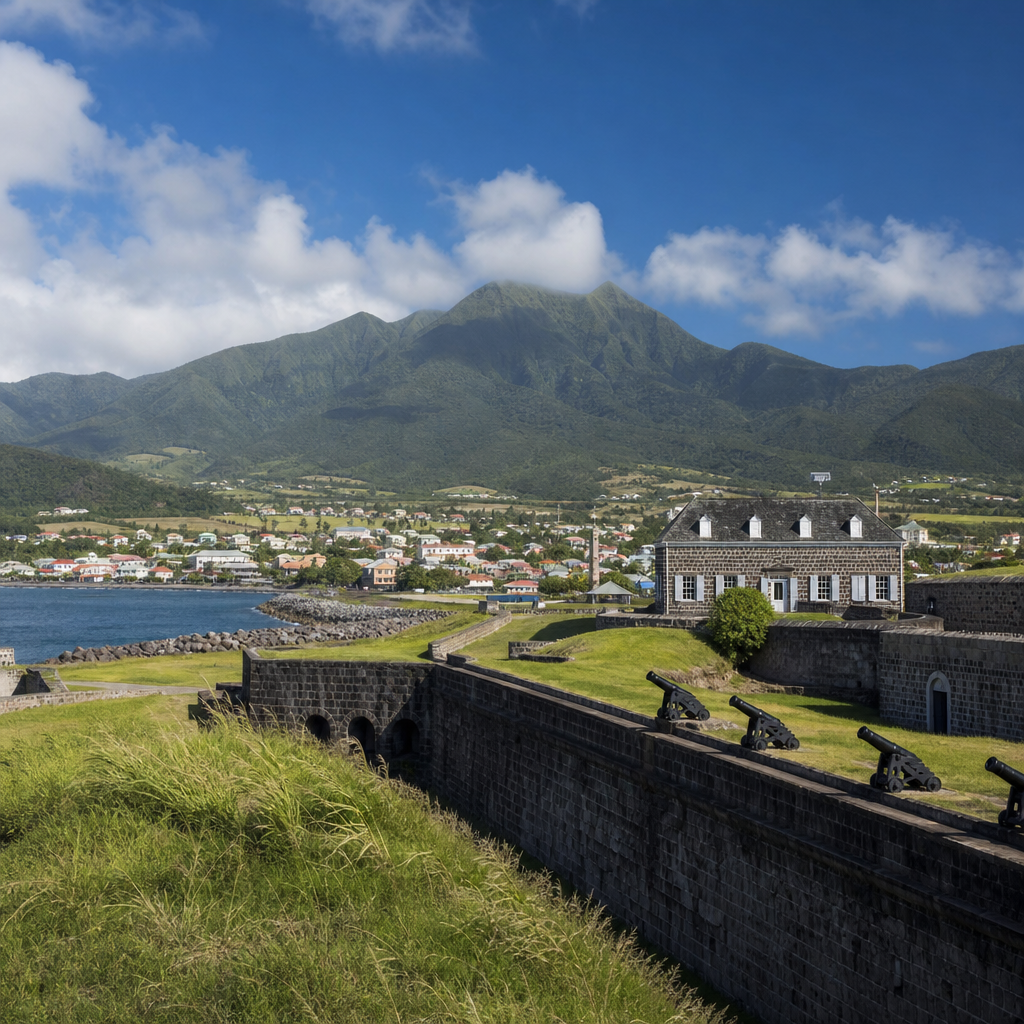
For readers asking what makes Nevis distinct from other Caribbean islands, the answer is scale and continuity. The island is compact enough that heritage remains embedded in daily life rather than isolated inside museums. Charlestown functions not only as a historic town but also as a working center where government, commerce, religion, and memory overlap. Villages such as Gingerland carry strong local identity through schools, churches, farming traditions, and family networks. Nevis Peak, visible from many points, gives the landscape an organizing landmark that shapes settlement, agriculture, weather patterns, and storytelling. In heritage planning, this kind of coherence is valuable because it allows preservation efforts to connect natural and built environments instead of treating them separately.
Material culture is equally important. Stone churches, timber galleries, vernacular homes, estate ruins, cemeteries, public squares, and bath-related structures around historic hot springs all reveal how people adapted architecture to climate and economy. Intangible culture sits alongside them: Christmas Sports traditions, masquerade performance, string band music, oral genealogy, proverbs, herbal knowledge, and cooking practices built around goat water, seafood, ground provisions, coconut, and local fruits. When these traditions are documented properly, they explain why the physical sites matter. Without that context, restoration can become cosmetic. With it, preservation becomes interpretation, education, and community ownership.
Historic sites, settlements, and the built environment
Built heritage on Nevis is often discussed through major landmarks, but the real story lies in networks. Hamilton-related sites draw attention because of the island’s connection to Alexander Hamilton’s early life, and heritage institutions use that link to frame broader narratives about empire, trade, class, and mobility in the eighteenth-century Caribbean. Yet focusing only on famous names would miss the wider settlement system. Charlestown’s street grid, churches, public buildings, and waterfront relationships reveal how colonial administration and commerce functioned. Estate ruins in areas such as Montpelier and New River demonstrate the economic logic of sugar production, from cane cultivation to milling and boiling.
Preserving these places requires more than patching masonry. Conservation professionals start with condition assessments, archival research, and significance statements. They ask which materials are original, what later modifications tell us, and how a site can be stabilized without erasing evidence of use. On Caribbean islands, salt exposure, humidity, vegetation growth, termites, and seismic or storm events accelerate decay. Traditional lime mortars often outperform modern cement in historic masonry because they breathe and move more naturally with older stone. I have repeatedly seen well-intentioned repairs using hard cement trap moisture, causing cracks and surface loss. Good preservation on Nevis therefore depends on matching methods to local materials and climate, not simply importing generic construction solutions.
Adaptive reuse is one of the most effective tools for keeping historic structures viable. A restored building that serves as a museum, cultural center, guesthouse, studio, archive, or government office usually receives better maintenance than a sealed ruin. The tradeoff is that new use must respect historic fabric and spatial character. Installing modern services, accessibility improvements, and safety systems can be done sensitively, but only when planning begins with documentation rather than demolition. This is why the built environment belongs at the center of any culture and history hub: every related topic, from family memory to tourism policy, eventually touches buildings and public space.
Living traditions, festivals, and creative expression
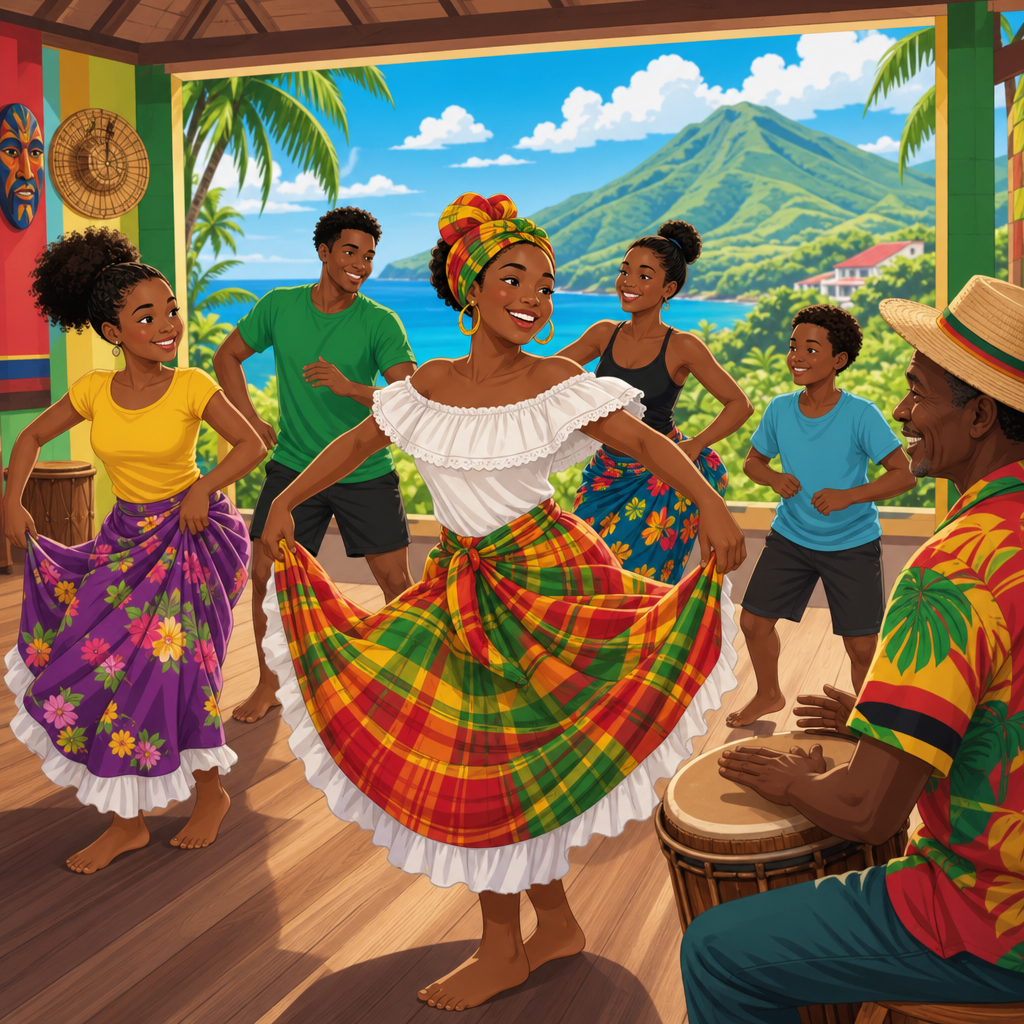
Culture on Nevis is not preserved only in stone. It survives most powerfully through repeated practice. Culturama, the island’s signature festival, is a clear example of preservation through performance. It brings together music, dance, pageantry, folklore, costume, and community competition while reinforcing intergenerational participation. Festivals of this kind do important heritage work because they create annual deadlines for memory. Songs are rehearsed, costumes are made, stories are retold, recipes are prepared, and younger participants learn forms that might otherwise weaken. For a small island, that recurring cycle is culturally strategic, not merely celebratory.
Music traditions also show how innovation and preservation can cooperate. String band music, calypso, gospel, drumming, and masquerade performance carry older rhythmic structures and social commentary, yet contemporary artists often blend them with digital production and regional genres. Purists sometimes worry that fusion dilutes authenticity. In practice, thoughtful adaptation usually extends relevance. A tradition that cannot speak to present audiences becomes archival rather than communal. The better standard is continuity of meaning: do performers understand the roots of the form, credit the communities that shaped it, and keep core techniques visible even while updating presentation?
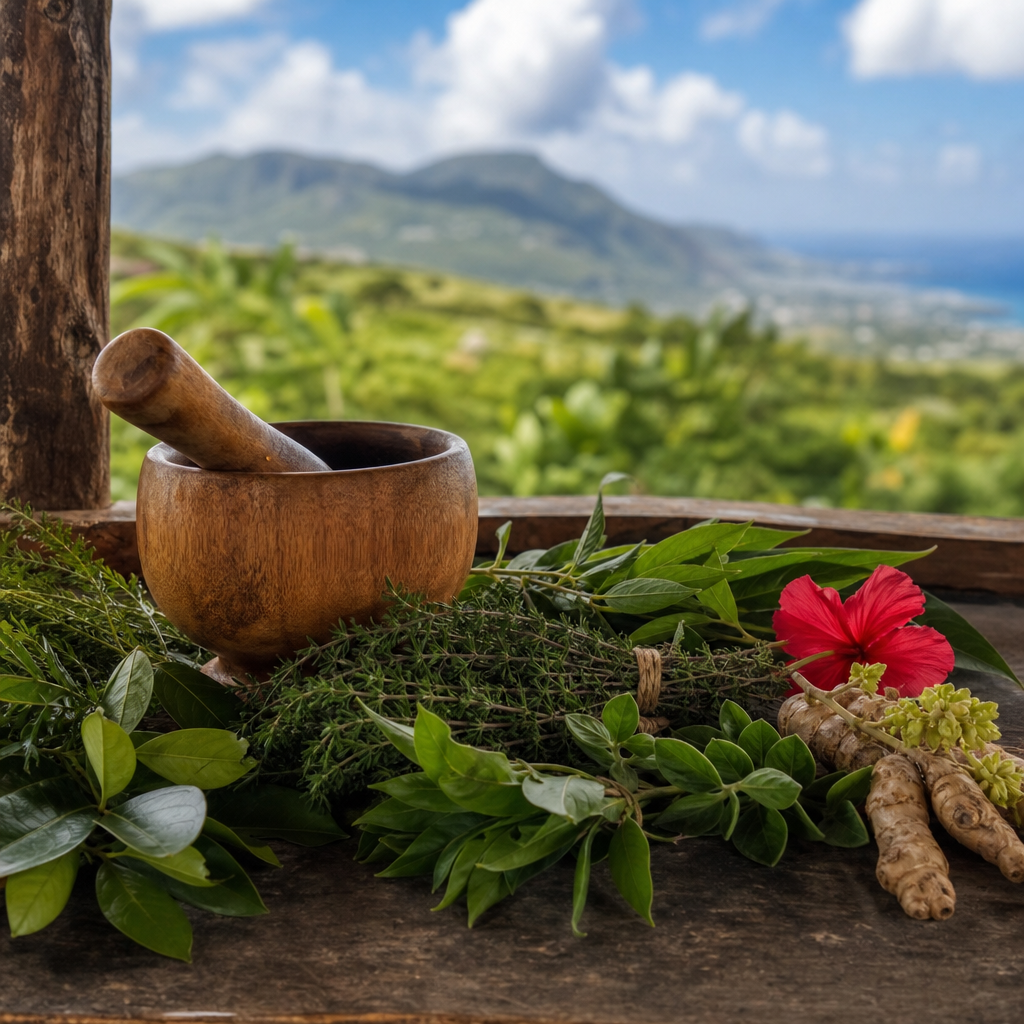
Craft and culinary knowledge deserve equal attention. Basketry, woodworking, seamwork, costume design, and food preparation are often categorized as informal culture, but they are central to heritage economies. Visitors remember taste and texture as much as monuments. A bowl of goat water served at a public event can communicate local history more directly than a brochure because it brings together ingredients, labor patterns, festive contexts, and shared identity. The same is true of cassava, coconut tarts, spiced drinks, and methods of preserving fish or seasoning meat. When these practices are taught in schools, featured in local markets, and documented in interviews, they become durable cultural assets rather than private household habits.
Preservation tools that work on small islands
Effective preservation on Nevis depends on choosing tools suited to scale, budget, and risk. Large countries can rely on extensive national institutions; small islands usually need partnerships among government departments, heritage trusts, schools, churches, tourism bodies, and private owners. The most successful programs combine legal protection, documentation, public education, and economic use. Listing a site without funding maintenance rarely protects it. Restoring a building without training local craftspeople creates dependence on outside contractors. Collecting oral histories without storing and cataloging them properly means future researchers cannot use them.
| Preservation tool | How it helps Nevis | Practical example |
|---|---|---|
| Heritage surveys | Creates an islandwide inventory of buildings, landscapes, and traditions at risk | Mapping estate ruins, churches, cemeteries, and vernacular houses by condition and ownership |
| Protective planning rules | Guides development so new projects respect historic character and view corridors | Reviewing construction in Charlestown for scale, setbacks, and materials |
| Digital archives | Preserves photographs, maps, recordings, and family documents against physical loss | Scanning parish records and festival footage with searchable metadata |
| Skills training | Builds local capacity in masonry, carpentry, conservation cleaning, and collections care | Workshops on lime mortar repair for historic stone buildings |
| Interpretive programming | Turns heritage into something residents and visitors can understand and support | Walking tours, school modules, and signage linking sites to oral histories |
Disaster preparedness is a preservation tool too. Hurricanes and intense rainfall can destroy archives, undermine walls, and strip roofs in hours. Basic measures such as digitizing records, elevating collections storage, trimming hazardous vegetation, improving drainage, and preparing site-specific emergency plans are often more cost-effective than post-disaster reconstruction. International standards from organizations such as UNESCO and ICOMOS are useful reference points, but local adaptation is essential. A plan that ignores island logistics, insurance realities, and limited conservation staffing will fail under pressure.
Innovation, tourism, and the future of cultural stewardship
Innovation in Nevisian culture does not mean replacing heritage with novelty. It means finding new formats, revenue streams, and audiences that support continuity. Digital storytelling is one example. Short documentary clips, virtual exhibits, GIS-based heritage maps, and QR-linked site interpretation can reach diaspora communities, students, and potential travelers before they arrive. These tools are especially valuable for a miscellaneous culture hub because they connect dispersed topics: architecture, genealogy, crafts, festivals, ecology, and food can all be organized into an accessible knowledge system. Good digital work also creates redundancy. If a storm damages a site or local collection, at least part of the record survives.
Tourism can either strengthen or weaken cultural stewardship depending on how it is managed. Heritage tourism works best when communities help shape the narrative and benefit directly from it. That may include guided walks led by trained residents, market opportunities for local makers, historically grounded culinary events, and interpretation that explains slavery, emancipation, labor, and land use honestly rather than softening difficult history. Visitors increasingly value credibility. They can tell the difference between a manufactured attraction and a site interpreted with care. Nevis has an advantage here because authenticity remains tangible; the challenge is scaling access without degrading the places and practices that make the island distinctive.
Younger Nevisians will determine whether preservation remains active. Schools, apprenticeships, oral history projects, and creative industries policy should therefore be treated as heritage infrastructure. When students interview elders, map family land stories, learn traditional music forms, or contribute to community archives, they are not doing extracurricular work. They are sustaining the island’s cultural operating system. The central lesson across miscellaneous heritage is simple: preservation and innovation are not opposing goals on Nevis. They are mutually dependent strategies for keeping identity legible, useful, and economically viable in a changing Caribbean. Readers exploring related culture and history topics should use this hub as a starting point, then go deeper into sites, festivals, archives, foodways, and local narratives that deserve ongoing attention. Support a museum, attend a community event, and choose travel or research that leaves Nevisian heritage stronger than you found it.
Frequently Asked Questions
What does “cultural landscape” mean in the context of Nevis?
In Nevis, the term “cultural landscape” refers to the visible and lived relationship between the island’s people and its environment over time. It includes historic buildings, estate ruins, village layouts, roads, churches, schools, fishing grounds, agricultural land, and public gathering places, but it also extends well beyond physical structures. Language, memory, music, food traditions, seasonal celebrations, religious practices, storytelling, craftsmanship, and everyday routines all help define the island’s cultural landscape. In other words, Nevis’ cultural landscape is not simply a collection of scenic sites. It is the result of generations of people adapting to geography, climate, economy, migration, colonial rule, emancipation, and modern development while still maintaining meaningful connections to place.
This is especially important on a small island, where history is often concentrated and highly visible. A former plantation estate reclaimed by tropical growth tells one story, while a village centered around a church, school, and family homes tells another. Coastal communities preserve practical knowledge about weather, tides, and fishing, while inland areas may reflect agricultural traditions and land-use patterns shaped over centuries. Together, these elements form a continuous record of how Nevisians have lived, worked, worshipped, celebrated, and responded to change. Understanding the cultural landscape in this broader way helps explain why preservation is not only about saving monuments. It is also about safeguarding the living practices, local knowledge, and community identity that give those places meaning.
Why is preserving Nevis’ cultural landscape important for the island’s future?
Preserving Nevis’ cultural landscape matters because it protects both identity and continuity. On an island with a layered history of Indigenous presence, colonialism, enslavement, emancipation, labor, migration, and community resilience, the landscape acts as a public archive. Buildings, settlement patterns, place names, foodways, and traditions help explain how the island became what it is today. When these are preserved, Nevis retains a strong sense of self that can guide future development. Without that continuity, communities risk losing not only historic places, but also the stories, skills, and social ties that connect younger generations to their past.
Preservation also has practical value. Cultural heritage can support education, strengthen community pride, encourage responsible tourism, and create economic opportunities tied to crafts, interpretation, local cuisine, music, and heritage-based experiences. Just as importantly, preservation can help communities make better planning decisions. When development ignores the cultural landscape, it can erode village character, damage historic sites, disrupt traditional access to coasts or common spaces, and replace local distinctiveness with generic construction. By contrast, preserving the cultural landscape encourages growth that respects context. It allows Nevis to innovate and modernize while still protecting the qualities that make the island historically rich, socially meaningful, and culturally recognizable.
How do tradition and innovation work together in Nevis’ cultural landscape?
Tradition and innovation are not opposites in Nevis; in many cases, they depend on one another. A living cultural landscape survives because people continue to adapt it to present needs. That means preservation is not about freezing the island in a single historical moment. It is about carrying forward important knowledge, forms, and values while allowing communities to respond to new economic realities, technologies, environmental pressures, and social change. For example, traditional building methods may inform climate-sensitive restoration or new construction. Historic recipes may be sustained through contemporary restaurants and food businesses. Folk music, dance, and oral storytelling may find new audiences through festivals, schools, and digital media. In each case, innovation helps keep tradition active rather than obsolete.
This balance is especially relevant in Nevis, where land is limited and development pressures can be intense. Sensitive innovation can revitalize heritage districts, support small entrepreneurs, improve infrastructure, and expand cultural education without stripping places of character. The key is whether change is rooted in local knowledge and respect for context. When innovation reflects community memory and place-based identity, it strengthens the cultural landscape. When it ignores those foundations, it can weaken them. The most successful approaches usually involve adaptive reuse, heritage-informed planning, intergenerational learning, and local participation. In that sense, innovation becomes a tool of preservation, helping Nevis remain culturally grounded while still evolving.
What are the biggest threats to Nevis’ cultural landscape today?
Nevis’ cultural landscape faces several interconnected threats, many of which affect both tangible heritage and intangible traditions at the same time. One major challenge is unsympathetic development. New construction, road changes, coastal projects, or tourism-related expansion can alter village character, disturb archaeological resources, and disconnect communities from places that hold historical and social value. Another threat is environmental vulnerability. Hurricanes, coastal erosion, heavy rainfall, salt exposure, vegetation overgrowth, and long-term climate pressures can damage historic buildings, cemeteries, estate ruins, and shoreline settlements. On a small island, the impact of environmental change can be especially concentrated and difficult to reverse.
There are also cultural and social pressures. As older generations pass on, traditional knowledge about crafts, dialect, songs, oral history, land use, and community rituals may fade if it is not actively documented and taught. Economic migration can interrupt the transmission of local practices, while global consumer culture may reduce the perceived value of local traditions among younger people. In addition, preservation often competes with urgent priorities such as housing, employment, infrastructure, and disaster recovery. That is why cultural landscape protection must be integrated into broader planning rather than treated as an afterthought. The most effective response involves documentation, community engagement, heritage education, strong planning frameworks, maintenance funding, and a recognition that ordinary places and everyday practices are just as significant as the island’s best-known historic landmarks.
How can residents, educators, and visitors help support the preservation of Nevis’ cultural landscape?
Support begins with recognizing that the cultural landscape belongs not only to the past, but to the present community. Residents can contribute by maintaining historic homes and family lands where possible, recording oral histories, supporting local artisans and food producers, participating in cultural events, and passing on stories, skills, and customs to younger generations. Community organizations, churches, schools, and heritage groups can help identify places of significance that may not always appear in official records, such as gathering grounds, footpaths, fishing areas, burial sites, and vernacular buildings. Educators play a particularly important role by teaching students to see heritage in everyday surroundings, not just in formal museums or monuments. School projects, interviews with elders, map-based history work, and place-based cultural education can make preservation relevant and immediate.
Visitors can also make a meaningful difference by engaging respectfully and intentionally. Choosing local guides, visiting heritage sites responsibly, supporting businesses rooted in Nevisian culture, and learning about the island beyond resort spaces all help sustain the value of cultural preservation. Visitors should understand that cultural landscape is not a backdrop for tourism alone; it is part of a living community. The best preservation outcomes happen when tourism, education, planning, and community life reinforce one another. Whether someone is a lifelong resident, a member of the diaspora, a teacher, a policymaker, or a first-time traveler, the core principle is the same: value the relationship between people and place. When that relationship is respected, documented, and invested in, Nevis’ cultural landscape can remain both deeply rooted and open to thoughtful innovation.