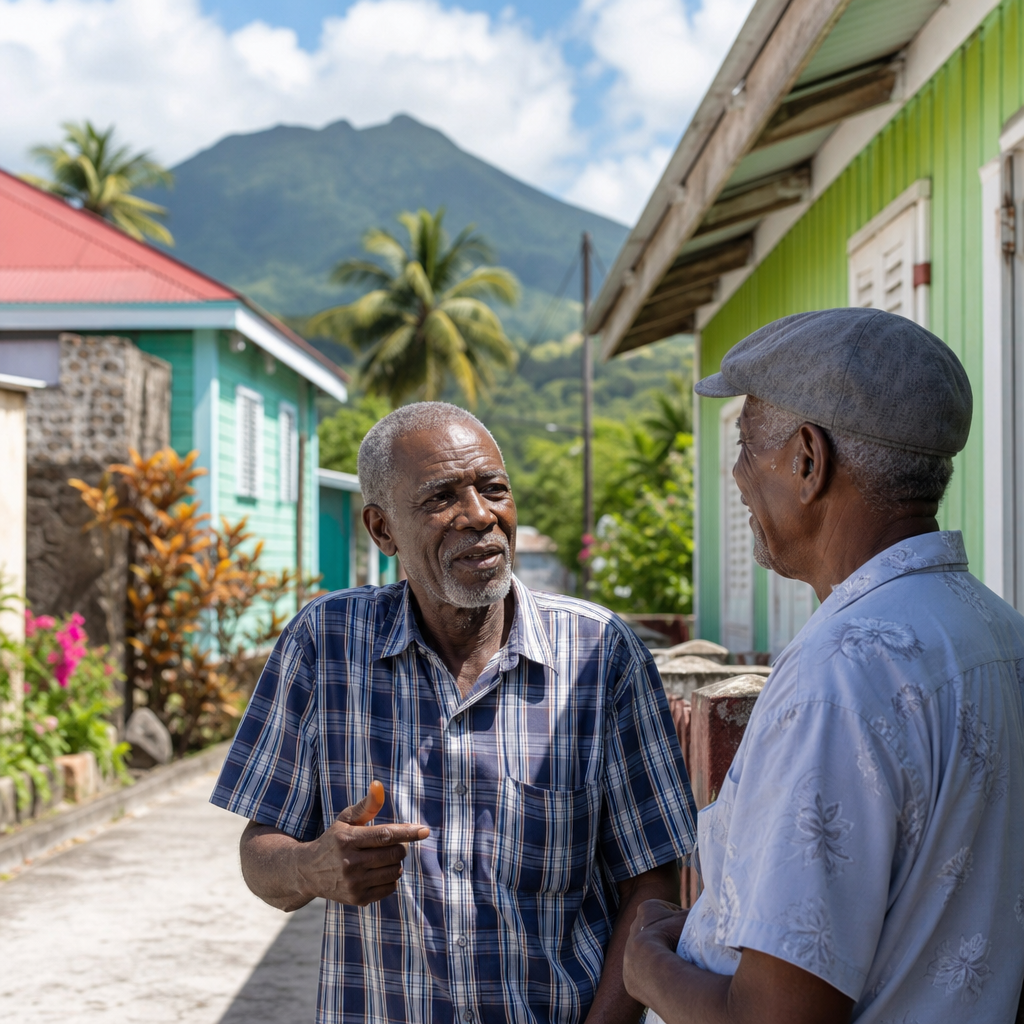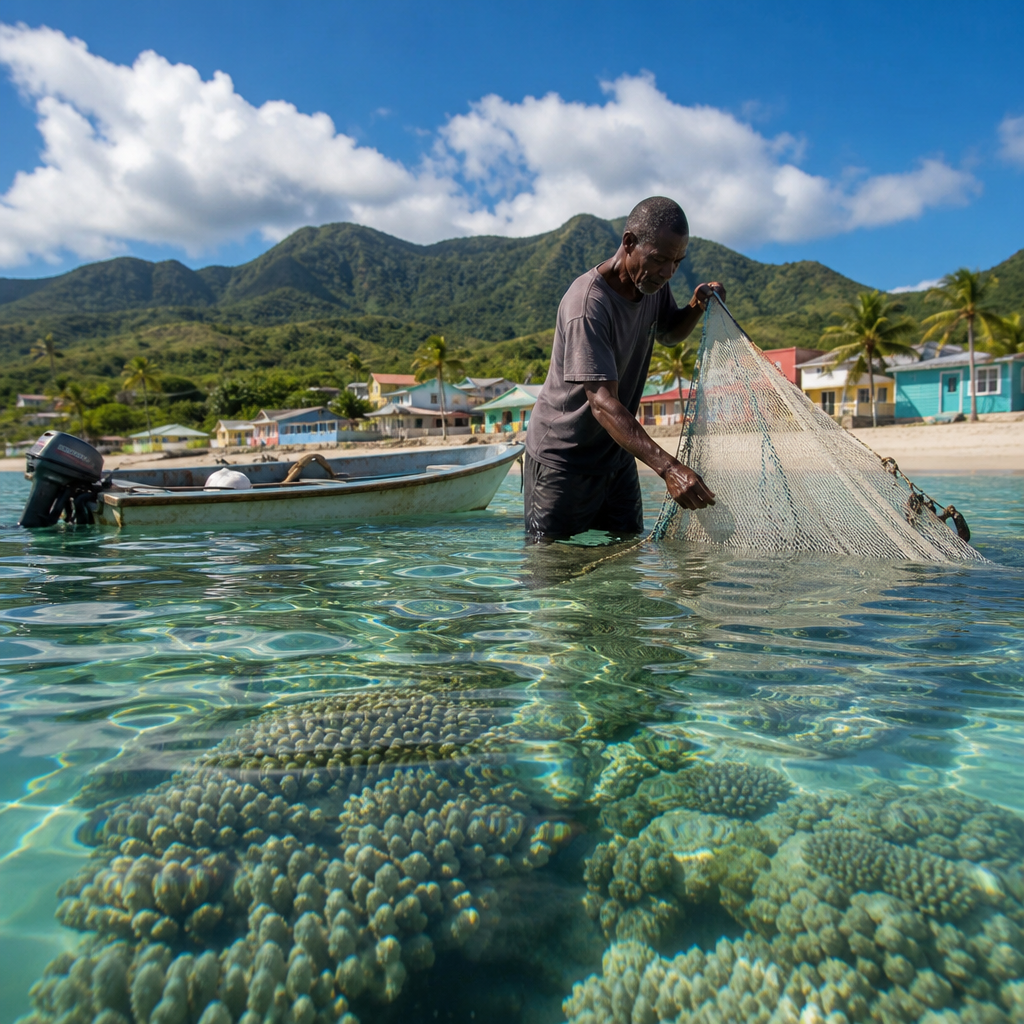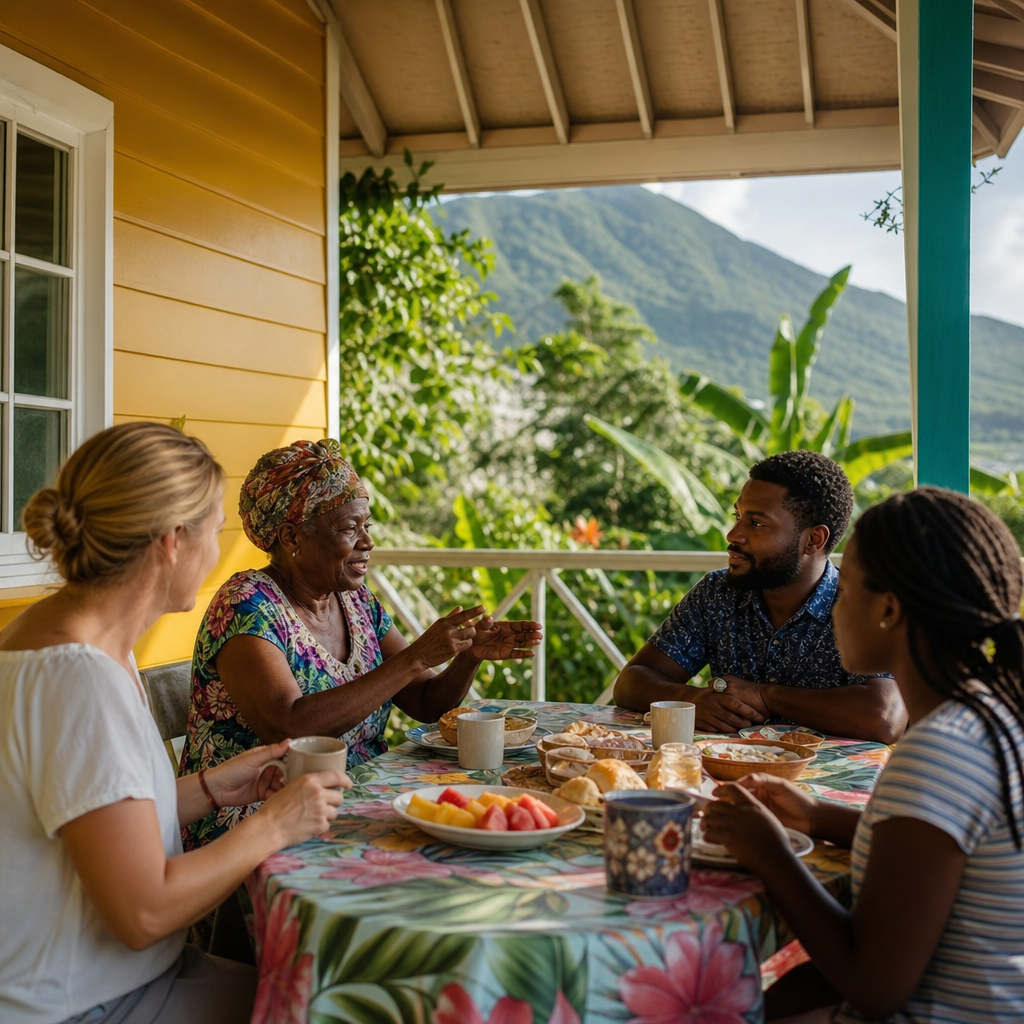
Nevis’ homestay experiences offer one of the most direct ways to understand the island beyond beaches and resort brochures, because living with a local family turns a holiday into daily participation in Nevisian life. A homestay is exactly what the name suggests: short-term accommodation in a private home where guests share space, routines, meals, stories, and practical knowledge with residents. On Nevis, that can mean waking to crowing roosters in a village near Gingerland, drinking bush tea on a veranda in Bath Village, or learning why a family still shops at the Charlestown market before cooking goat water for Sunday lunch. For travelers seeking local life and experiences, this format matters because it creates access that hotels rarely provide. You do not just see heritage houses, fishing skiffs, church gatherings, mango trees, and roadside cookups; you hear how people use them, value them, and fit them into everyday schedules.
As a hub topic within miscellaneous local experiences, Nevis homestays sit at the intersection of culture, food, transport, etiquette, history, sustainability, and small-island economics. They appeal to independent travelers, cultural tourists, remote workers, students, genealogists, and returning Caribbean diaspora visitors who want context rather than just comfort. I have worked with travelers choosing accommodation across the island, and the consistent pattern is clear: guests who stay with a family leave with better practical knowledge, stronger memories, and a more realistic sense of how Nevis functions. They also spend money differently, often supporting neighborhood shops, local drivers, small farms, home cooks, and community events. That local circulation matters on an island where scale is limited and tourism choices quickly affect who benefits.
Understanding the basics helps set expectations. Nevis is the smaller island in the Federation of Saint Kitts and Nevis, known for Charlestown, Nevis Peak, Pinney’s Beach, plantation-era sites, and a strong village identity. Homestays are not always standardized in the way chain lodging is. Some are family-run guest rooms with private baths; others are more immersive spare-room arrangements with shared kitchens and communal meals. The best experiences are defined by clarity: what is included, who lives in the home, whether transport is needed, how meals work, and what level of interaction both sides want. When those points are discussed upfront, a Nevis homestay can be the most rewarding base for exploring the island’s local life.
What a homestay on Nevis is really like
A Nevis homestay usually combines accommodation with social exchange, but the exact balance varies by host family, neighborhood, and season. In practical terms, guests often stay in a furnished bedroom within a family home or in a small self-contained unit attached to it. Many hosts provide airport or ferry pickup, breakfast, orientation walks, and advice on buses, beaches, hiking routes, churches, heritage sites, and places to eat. Some include dinner several nights a week, which is where the experience becomes especially valuable. A family meal on Nevis may introduce visitors to saltfish, provisions, pelau, breadfruit, coconut dumplings, fresh tamarind juice, or black cake during festive periods. The food is not a side benefit; it is part of the cultural interpretation.
Daily rhythms differ from resort patterns. Village life may start early, with school runs, gardening, church commitments, and family errands shaping the day. Guests who adapt to that pace usually do best. On Nevis, local hospitality is warm, but it is also grounded in respect. That means greeting people properly, asking before photographing homes or family members, and understanding that hosts are sharing real domestic space, not staging a performance. In my experience, the strongest stays are those where guests show curiosity without entitlement. Ask about the history of the village. Ask why rainwater collection is important. Ask how Carnival changes routines. Those conversations create the insight travelers are actually looking for.
Why staying with a local family changes the trip
The main advantage of a homestay is access to interpretation in real time. A guide can explain a landmark for two hours; a host family can explain the island for a week. They can tell you why one road floods after heavy rain, which beach is best in a northerly swell, how heritage and modern migration affect family structures, and why Sunday remains socially significant even for visitors. That kind of embedded knowledge helps travelers avoid the common mistake of reducing Nevis to scenery. The island is scenic, but its real interest lies in the way communities maintain identity while balancing tourism, offshore finance, migration, imported goods, and limited land.
Homestays also help travelers navigate practical decisions more efficiently. On a small island, transport logistics matter. Public minibuses are useful on main routes but not comprehensive for every attraction. A host can quickly tell you when to rent a car, when to hire a taxi, and when it is easier to combine stops in Charlestown with grocery shopping or banking. They can also steer you toward events that are lightly advertised online, such as school fundraisers, community cookouts, village sports, or church dinners. For many visitors, those are the moments that make Nevis feel personal rather than curated.
| Aspect | Typical Homestay Benefit | What to Confirm Before Booking |
|---|---|---|
| Meals | Home-cooked dishes and dietary context | Which meals are included, timing, allergies |
| Location | Closer contact with village life | Distance to Charlestown, beaches, bus routes |
| Interaction | Local advice and conversation | Shared spaces, privacy level, quiet hours |
| Transport | Host guidance on taxis, buses, car hire | Pickup availability, parking, road conditions |
| Activities | Access to informal local experiences | Hikes, cooking, fishing, fees, scheduling |
Best areas and settings for Nevis homestay experiences
Location shapes the tone of a stay. Charlestown and nearby areas suit travelers who want walkable access to shops, the ferry terminal, the market, government services, and heritage sites such as the Museum of Nevis History. A homestay here often works well for shorter visits or travelers without a car. You can step into daily urban rhythms more easily, including morning errands, school traffic, and market conversations. It is also the most practical base if your trip includes meetings, archival research, or regular inter-island travel.
Gingerland offers a different texture: greener, cooler in parts, more residential, and closer to hiking approaches, old estates, and agricultural areas. Guests who want a quieter stay, more conversation on verandas, and easier access to inland landscapes often prefer this side of the island. Bath Village and surrounding communities provide another strong option, balancing local life with reach to Charlestown and coastal areas. Near Pinney’s, stays may blend family hosting with proximity to beaches and tourism infrastructure, though they can feel less insulated from visitor traffic. There is no single best area. The right choice depends on whether your priority is mobility, immersion, scenery, nightlife, or calm. Good hosts explain these tradeoffs honestly.
Food, customs, and everyday routines guests should expect
Food is one of the strongest reasons to choose a Nevis homestay. In family homes, meals often reflect what is fresh, affordable, and culturally familiar rather than what appears on a standard tourist menu. Breakfast may include bakes, eggs, fruit, porridge, or saltfish. Lunch and dinner can feature stewed chicken, fish, rice and peas, pumpkin, green fig, or callaloo. On weekends, larger family meals are common, especially after church. If you are invited to join, accept when possible. It is one of the clearest windows into how hospitality works on the island.
Etiquette is straightforward but important. Greet people when entering a room or passing neighbors. Dress modestly in residential settings and churches. Keep noise low at night unless a host tells you an event will run late. Water and electricity are valuable utilities on small islands, so use both with care. If air conditioning is available, ask how hosts prefer it used. Bringing a small gift is not required, but it is appreciated, especially for longer stays. Most of all, communicate clearly. If you plan to return late, say so. If you have dietary restrictions, explain them early. Courtesy makes a noticeable difference in a shared home.
How to choose a quality homestay and avoid mismatched expectations
The best homestay booking process is detailed, not rushed. Look for clear photos of sleeping areas and bathrooms, a precise location description, meal information, internet expectations, and reviews that mention host communication rather than only friendliness. A pleasant host is valuable, but reliability matters more: accurate directions, clean linens, working fans, secure locks, and transparency about dogs, children, roosters, or road noise. On Nevis, where inventory is smaller than in larger Caribbean destinations, direct communication often matters more than platform polish.
Ask specific questions before confirming. Is the room inside the family home or in a detached cottage? Is hot water consistent? How often is housekeeping provided? Is there backup power during outages? What mobile network works best in the area? If you need dependable internet for work, ask for actual speeds, not general assurances. Also ask what the host expects from guests. Some families enjoy shared dinners and long conversations. Others are welcoming but hands-off. Neither model is better; the goal is fit. When expectations align, the experience feels natural instead of awkward.
Activities that homestay hosts can unlock
One reason this topic belongs at the center of miscellaneous local experiences is that a good host can connect guests to many other subtopics organically. A family member may know a fisherman who offers an early morning handline trip, a neighbor who teaches traditional cooking, a driver who understands plantation history, or a relative involved in Masquerade, string band music, or school athletics. These connections are not guaranteed, but they are common, and they often produce the most memorable days on the island.
For example, a host in Gingerland might arrange a guided walk through old estate lands while explaining how sugar shaped settlement patterns. A family in Charlestown might point you toward a community event that never appears on major travel sites. During mango season, a simple afternoon in the yard can become a lesson in local varieties, ripeness, and preserving fruit. During Culturama, hosts can explain which events are family-friendly, which are best for music, and how to attend respectfully. This practical, situational knowledge is where homestays consistently outperform conventional lodging.
Costs, value, and the realities travelers should know
Homestays on Nevis are often less expensive than full-service resorts, but price should not be the only criterion. Value comes from what is included and what you would otherwise spend separately on meals, transport help, guiding, or cultural access. A moderately priced room with breakfast, airport pickup, and local orientation may be a better deal than a cheaper room that requires frequent taxi rides and offers no context. Travelers should also remember that small-island operating costs are high. Imported food, utility bills, maintenance, and transport all affect rates, even in family-run accommodation.
There are limitations. Not every home will meet the expectations of travelers used to international hotel standardization. Wi-Fi can fluctuate. Water pressure may vary. Insects are part of tropical life, even in well-kept homes. Privacy may be lower than in a villa. These are not defects if they are disclosed honestly; they are part of the accommodation category. The right response is to book according to your tolerance and priorities. If you need complete seclusion, a homestay may not be ideal. If you want real contact with Nevisian daily life, few alternatives match it.
Why homestays belong in any serious guide to local life on Nevis
Nevis’ homestay experiences matter because they turn local life from a slogan into a lived reality. They help visitors understand food traditions, village geographies, transport habits, family networks, work rhythms, faith practices, and the social codes that hold a small island together. They also direct tourism spending into homes and neighborhoods that may see less benefit from resort-centered travel. As a hub within local life and experiences, this topic connects naturally to cooking, festivals, walking tours, heritage, market visits, music, transport, and sustainable travel choices.
If you want to experience Nevis with more depth, choose a homestay carefully, communicate clearly, and arrive ready to participate respectfully in ordinary island routines. That decision can change the quality of your trip more than any excursion booking. Start by identifying the area that fits your plans, confirming the hosting style you want, and asking detailed questions before you reserve. Then leave room in your schedule for the unscripted moments. On Nevis, those are usually the ones you remember longest.
Frequently Asked Questions
What is a homestay in Nevis, and how is it different from staying at a hotel or resort?
A homestay in Nevis is a short-term stay in a private home where guests live alongside a local family or host rather than checking into a standalone tourist property. That difference matters. Instead of experiencing the island mainly through curated excursions, restaurant reservations, and resort amenities, you become part of everyday Nevisian life for a few days or longer. You may wake to roosters in a village near Gingerland, share breakfast before the day begins, learn which bus route is easiest into Charlestown, hear family stories over dinner, or sit on a veranda with a cup of bush tea while neighbors stop by to talk.
Hotels and resorts are designed for comfort, privacy, and consistency, and they do that very well. A homestay offers something else: access, context, and human connection. Your host can explain local customs, suggest community events that never appear in brochures, help you understand the pace of island life, and introduce you to the foods, expressions, routines, and social habits that define Nevis beyond its postcard image. It is often a more personal and culturally immersive style of travel. While amenities may be simpler than at a luxury property, many travelers find that the trade-off is worth it because the experience feels grounded, genuine, and memorable in a way conventional accommodation often cannot replicate.
What can guests expect during a typical homestay experience on Nevis?
A typical homestay on Nevis usually centers on shared daily life rather than a formal hospitality schedule. Guests can expect a private bedroom or a simple guest room, access to a bathroom, and common spaces such as a living room, yard, or veranda. Depending on the arrangement, meals may be included in full or in part, and this is often one of the best aspects of the stay. Home-cooked food gives visitors the chance to try local flavors in a natural setting rather than only through restaurant menus. You may be introduced to island breakfasts, fresh fruit, fish dishes, ground provisions, or herbal teas prepared the way local families actually enjoy them.
Beyond accommodation, the experience often includes conversation, informal guidance, and participation in household rhythms. Some hosts are very social and enjoy including guests in family meals, church visits, village events, market runs, or beach outings. Others provide a quieter stay but are still happy to answer questions, help with transport planning, and recommend trusted local spots. The pace can be slower and more flexible than in commercial lodging, which is part of the appeal. Guests should come expecting warmth, authenticity, and unpredictability in the best sense: not every day is programmed, but every day offers a chance to observe and understand the island in a more natural, lived-in way.
Is staying with a local family in Nevis safe and comfortable for travelers?
For most travelers, a well-arranged homestay in Nevis can be both safe and comfortable, especially when booked through reputable local networks, trusted referrals, established hosts, or providers with clear communication and reviews. As with any accommodation choice, safety and comfort depend heavily on preparation. Before booking, it is wise to confirm sleeping arrangements, bathroom access, transportation options, meal expectations, internet availability, air conditioning or fans, and any house rules. Asking these questions in advance helps ensure the stay matches your needs and avoids misunderstandings.
Comfort in a homestay should be understood on local terms. You are entering someone’s home, not a resort suite, so the experience may be simpler, more communal, and shaped by the realities of island living. That can include early morning sounds, neighborhood activity, occasional power or water disruptions, and a household routine that starts earlier than many visitors are used to. None of that is necessarily a drawback; in fact, for many travelers it is part of what makes the stay feel real. If you value cultural exchange and adaptability, you are likely to find the environment rewarding. The key is choosing a host whose setup and style align with your expectations, then arriving with respect, openness, and practical common sense.
How do travelers choose the right homestay host in Nevis?
Choosing the right homestay host in Nevis starts with understanding your own travel style. Some visitors want active interaction and hope to share meals, learn local recipes, visit community spaces, and spend time talking with their hosts. Others want cultural access but also prefer more independence and privacy. Knowing where you fall on that spectrum will help you identify a host whose household dynamic suits you. It is also helpful to think about location. Staying near Gingerland may offer a more rural village atmosphere, while other areas may provide easier access to Charlestown, beaches, or main roads.
Once you have a sense of your priorities, ask specific questions. Find out what is included, whether meals are offered daily, if transportation is easy without a car, what the sleeping arrangements are, whether children or pets live in the home, and how much host interaction is typical. Good hosts are usually clear, responsive, and realistic about what they offer. Look for consistency in communication and signs that the host understands the needs of visiting travelers while remaining rooted in local life. The best homestay match is not necessarily the fanciest one; it is the one where expectations on both sides are clear. That clarity creates the conditions for a stay that feels welcoming, smooth, and genuinely enriching.
How should guests behave to make the most of a homestay and show respect to a Nevisian family?
The best way to make the most of a homestay in Nevis is to approach it as a guest in someone’s home first and a customer second. Respect begins with simple things: greet people properly, be punctual when meals or outings are planned, ask before inviting anyone over, keep your space tidy, and follow house routines without acting as though they should bend entirely around your preferences. Nevisian hospitality is often warm and generous, but that generosity should be met with equal courtesy. Small gestures, such as offering thanks after meals, showing interest in family stories, and being mindful of water and electricity use, go a long way.
It also helps to stay curious without being intrusive. Ask questions about food, local expressions, community traditions, and island history, but do so with sensitivity and genuine interest. If your host shares a meal, a village recommendation, or practical knowledge about getting around, treat that insight as part of the value of the experience. At the same time, be adaptable. Island life may move at a different rhythm than what you are used to, and a homestay works best when guests embrace that pace rather than resist it. Travelers who arrive with humility, patience, and openness usually leave with much more than accommodation; they gain perspective, friendships, and a richer understanding of Nevis that is difficult to find any other way.