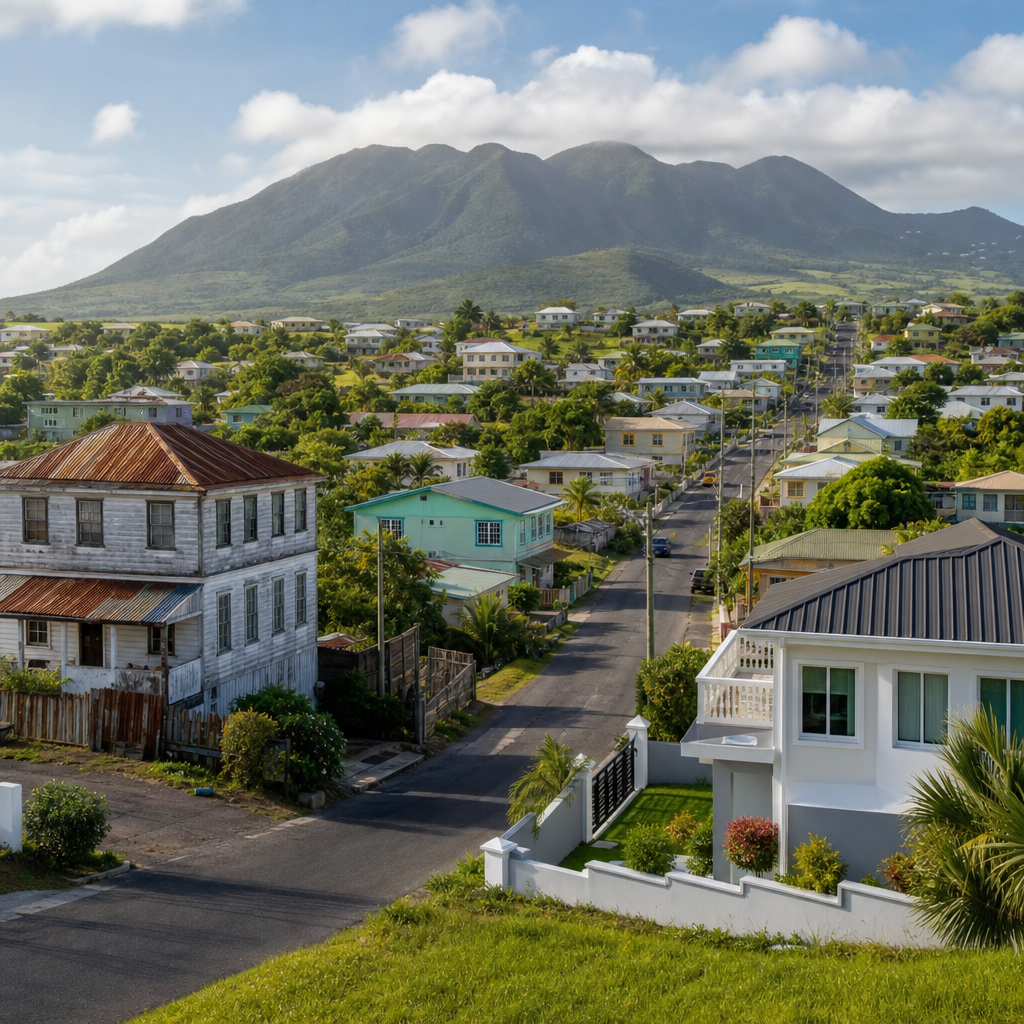
Saint Kitts’ street performers give the island’s public spaces their pulse, turning ordinary corners, markets, ferry terminals, and festival routes into living stages where music, movement, storytelling, and craftsmanship meet daily life. In Saint Kitts, street performance includes steelpan players near Basseterre’s waterfront, drummers outside busy gathering points, masquerade dancers appearing during seasonal celebrations, poets and singers entertaining passersby, and artisans demonstrating skills in full view of locals and visitors. These performers do more than entertain. They preserve memory, carry forward Afro-Caribbean and wider regional traditions, create informal cultural education, and shape how people experience the island beyond beaches and resort walls. I have spent time in Caribbean destinations where the fastest way to understand a place was to stop walking, listen to the nearest rhythm, and watch who gathered around it. Saint Kitts rewards that approach. Its street culture may seem spontaneous, but it reflects deep histories of migration, colonialism, emancipation, religion, carnival, tourism, and neighborhood pride. For anyone exploring local life and experiences in Saint Kitts, this miscellaneous hub matters because street performers connect nearly every other cultural theme on the island: food, festivals, transport hubs, markets, heritage sites, nightlife, and community identity. Understanding them helps travelers engage respectfully, helps residents frame local culture on their own terms, and helps businesses and planners support the public life that gives Saint Kitts its distinct character.
The cultural roots of street performance in Saint Kitts
Street performance in Saint Kitts is not an imported novelty designed only for tourists. It grows from longstanding Caribbean traditions of public expression, where music and movement belong in open space as much as in formal venues. The island’s performance culture draws heavily from African retentions, British colonial-era marching influences, church music, work-song structures, calypso commentary, carnival masquerade practices, and the improvisational energy common across the Eastern Caribbean. In practical terms, that means a roadside rhythm can carry layers of history at once. A drum pattern may echo ceremonial forms, a costume may reference carnival characters with roots in plantation-era resistance, and a call-and-response vocal style may reflect communal forms of participation rather than one-way entertainment.
Saint Kitts and Nevis National Carnival, often branded around “Sugar Mas,” has been one of the clearest channels through which performance traditions stay visible. Even outside the formal carnival calendar, elements of masquerade, moko jumbie stilt walking, clowning, drumming, and brass or pan accompaniment spill into community events and public celebrations. What visitors sometimes interpret as casual street spectacle is often a continuation of disciplined cultural practice. The strongest performers usually have ties to schools, church groups, village troupes, festival committees, or family lineages that pass techniques down informally. That continuity matters because street performance is one of the most accessible places where heritage remains audible and visible without museum mediation.
Where to encounter performers and what to expect
The best places to encounter street performers in Saint Kitts are the areas where pedestrian flow, local commerce, and event energy overlap. Basseterre is the obvious starting point. Independence Square and nearby streets can attract musicians and vendors because they concentrate foot traffic and create room for impromptu audiences. The Port Zante area, especially when cruise passengers are in town, often becomes a performance corridor where steelpan players, singers, or dancers interpret Kittitian culture for short-stay visitors. The key difference between meaningful street culture and staged background entertainment is interaction. In stronger performances, the artist reads the crowd, changes tempo, explains a song, invites participation, or shifts material depending on who stops to listen.
Outside central Basseterre, festival days, village events, beach bars, roadside gatherings, and holiday parades can produce memorable performances with a more local audience mix. Timing matters. Cruise schedules, weekend evenings, public holidays, and carnival-related dates increase the odds of seeing artists active in public spaces. Travelers expecting a fixed daily roster will misunderstand the form. Street performance on Saint Kitts remains partly informal, responsive to weather, audience density, transportation patterns, and available opportunity. That unpredictability is part of the appeal. You are not just buying a ticket to a show; you are entering a moment shaped by place and people in real time.
The performers who define the streetscape
Several performer types regularly shape the atmosphere of Saint Kitts’ public spaces, each carrying a different social role and artistic method. Steelpan players are among the most recognizable. Steelpan, developed in Trinidad and Tobago and embraced across the Caribbean, translates especially well to street settings because it is melodic, portable enough for small setups, and immediately legible to visitors while still respected by locals. Drummers bring another energy altogether. Hand drums and rhythm sections can gather a crowd quickly, especially when layered with dance or call-and-response vocals. The sound projects well in open air and signals performance from a distance.
Masquerade dancers and carnival characters add visual power. Costumed movement, acrobatics, whip cracking in some traditions, and tightly coordinated steps turn the street itself into choreography. Singers and spoken-word performers contribute a more lyrical form of storytelling, often moving between love songs, gospel, social commentary, and regional classics. Some artists blend performance with craft, carving, painting, or weaving while speaking with passersby. That hybrid model is common in tourism-facing areas because it allows cultural demonstration and direct sales in the same interaction. The table below shows how these forms typically function in public life.
| Performer type | Typical setting | Main audience impact | Cultural value |
|---|---|---|---|
| Steelpan musician | Waterfronts, squares, visitor zones | Creates welcoming atmosphere and familiar Caribbean soundscape | Connects regional music history to everyday island life |
| Drummer or percussion group | Parades, markets, transport hubs, festival routes | Draws crowds quickly through rhythm and participation | Preserves communal and African-derived performance traditions |
| Masquerade dancer | Carnival events, holiday streets, special gatherings | Delivers high visual impact and movement-based storytelling | Maintains festival heritage and identity markers |
| Singer or poet | Busy corners, bars, civic spaces | Builds emotional connection through lyrics and commentary | Extends oral tradition and social reflection |
| Artisan demonstrator | Markets, tourism districts, pop-up stalls | Encourages conversation, learning, and purchasing | Shows living craft rather than static souvenir retail |
Why street performers matter to local life and the visitor experience
Street performers matter because they make culture encounterable without gatekeeping. A museum can interpret history, and a festival can showcase excellence, but a performer on a public street brings art into ordinary circulation. That changes how a place feels. In Saint Kitts, the presence of live music or dance in shared spaces can soften the transactional feel of tourism districts and replace it with something more human. Visitors linger longer, ask questions, tip, film, smile, and often end up speaking with residents they would otherwise pass. That is not a minor effect. In destination management, dwell time, emotional memory, and perceived authenticity strongly influence whether travelers recommend a place and whether spending spreads beyond enclosed attractions.
For residents, performers help keep public space socially active. Streets dominated only by traffic and retail become functional corridors. Streets with performance become meeting points. Children observe cultural forms outside classrooms. Older traditions remain visible. Young artists see models of what confidence and discipline look like in practice. I have repeatedly seen this dynamic across island communities: a fifteen-minute performance does more to transmit pride than a brochure ever could. It also creates micro-economies. Even modest tip-based performance supports transport costs, instrument maintenance, costume repair, food purchases, and household income. In small-island settings, those informal circulations matter.
The economics behind the artistry
It is easy to romanticize street performance and miss the financial reality. Instruments cost money, costumes require labor, rehearsal takes time, and public performance depends on logistics such as transport, shade, water, permits, and reliable audience traffic. A steelpan setup can involve significant capital, especially if the musician maintains tuned instruments and amplification. Dancers invest in shoes, fabric, accessories, and group coordination. Drummers maintain skins, stands, straps, and storage. Very few performers operate in a context of guaranteed income. Earnings may come from tips, private bookings, event invitations, collaborations with tour operators, holiday appearances, and occasional support from cultural agencies.
That mixed-income structure explains why visibility is so important. A public performance is often both the product and the advertisement. Someone who hears a singer in Basseterre may book that person for a wedding reception. A troupe seen during a holiday event may be hired for a hotel welcome show. An artisan demonstrating technique in a market may secure direct sales and later online orders. The tradeoff is vulnerability. Rain, low foot traffic, cruise schedule changes, and inconsistent regulation can erase a day’s earnings. Sustainable support usually comes when local authorities, business owners, and tourism stakeholders recognize that performers are not decorative extras. They are cultural workers whose presence improves the destination experience in measurable ways.
Respectful engagement: what visitors should do
If you want an authentic experience with Saint Kitts’ street performers, the best approach is simple: slow down, watch fully, ask before recording close-up footage, and tip when you stop to enjoy the act. Many visitors treat public performers as free scenery. That is a mistake. Even when no fixed ticket exists, the performance still represents training, equipment, and labor. A cash tip remains the clearest sign of respect. If the artist sells CDs, crafts, or small merchandise, buying directly often helps more than taking photos and moving on. Asking a genuine question about the instrument, costume, or song can also turn a brief encounter into meaningful cultural exchange.
There are practical boundaries too. Do not touch instruments or costumes unless invited. Do not block the performance area for staged photos. If children are performing as part of a cultural troupe, follow the lead of chaperones or organizers before filming. And avoid assuming every performer exists solely to narrate culture on demand. Some are happy to explain traditions; others are working quickly between sets or trying to hold an audience. Respect reads clearly. So does entitlement. Travelers who treat performance as a relationship rather than a backdrop consistently leave with stronger memories and better stories.
Challenges, preservation, and the future of the streets
Street performers in Saint Kitts face the same pressures affecting public culture worldwide: rising commercialization, competition from amplified recorded music, shrinking informal space, inconsistent policy, and the tendency to package culture into narrow visitor-friendly formats. When performance becomes overly standardized for tourism, nuance can disappear. A masquerade tradition reduced to a two-minute photo opportunity loses context. A pan player asked to provide only familiar cover songs may earn money but have less room to present local repertoire. Preservation therefore depends on balance. Artists need income, but they also need room to perform culture on their own terms.
Strong preservation strategies usually combine education, documentation, and fair opportunity. Schools can support performance traditions through music and dance programs. Cultural departments can map local practitioners, offer micro-grants, and create transparent permitting where needed. Event planners can pay performers properly instead of relying on “exposure.” Businesses in high-footfall areas can partner with artists on scheduled appearances that still leave room for spontaneity. Digital platforms also matter. Short-form video, artist profiles, and destination guides can help audiences understand who these performers are before arriving. If you are exploring Saint Kitts under the wider theme of local life and experiences, use this miscellaneous hub as a starting point: seek out public culture, support it directly, and follow the threads from one performance to the island’s broader story. Street performers are not peripheral to Saint Kitts. They are the soul of the streets, and they deserve both your attention and your respect.
Frequently Asked Questions
What makes Saint Kitts’ street performers such an important part of island life?
Saint Kitts’ street performers do far more than entertain passing crowds. They help shape the atmosphere of the island’s public spaces, giving streets, waterfronts, marketplaces, ferry terminals, and festival routes a strong sense of character and rhythm. A steelpan player near Basseterre’s waterfront, a drummer gathering listeners outside a busy meeting point, or a poet drawing a small crowd with spoken word can turn an ordinary moment into something memorable and distinctly local. These performances create a living connection between daily life and cultural expression, making the streets feel active, social, and deeply rooted in Kittitian identity.
They are also important because they keep traditions visible and accessible. In many destinations, culture is something visitors seek out in museums or organized events. In Saint Kitts, it often unfolds naturally in open-air spaces where residents and travelers encounter it together. Masquerade dancers, singers, drummers, and artisans demonstrating their skills help preserve customs by practicing them in public rather than keeping them hidden away. This openness allows younger generations to see the art forms in action and understand that culture is not just history—it is a living, changing part of the island’s present.
What types of street performances can visitors expect to see in Saint Kitts?
Visitors can expect a wide range of performances that reflect both the island’s creativity and its cultural heritage. Music is one of the most recognizable forms, especially steelpan and drumming, which can fill public areas with an unmistakable Caribbean energy. Singers may perform traditional songs, popular local favorites, or crowd-pleasing tunes that invite people to stop, listen, and interact. Spoken-word artists and storytellers also play a role, using humor, memory, and local perspective to create performances that feel personal and community-centered.
Dance is another major part of the street performance scene. During seasonal celebrations and festive periods, masquerade dancers may appear in vibrant costume, blending movement, rhythm, and ceremony in ways that reflect longstanding cultural traditions. Beyond music and dance, street performance in Saint Kitts can also include artisans at work. Craftspeople demonstrating carving, weaving, painting, or other handmade skills bring a different kind of performance to the streets—one that highlights patience, technique, and heritage. Together, these performers create a layered street culture where sound, movement, storytelling, and craftsmanship all contribute to the island’s public soul.
Where are the best places to experience street performers in Saint Kitts?
Some of the best places to experience street performers in Saint Kitts are the island’s busiest and most social public spaces. Basseterre’s waterfront is a natural starting point, as it often brings together locals, workers, vendors, and visitors in a setting where music and informal performance can thrive. Market areas are also especially rewarding because they combine commerce, conversation, food, and movement, creating the perfect backdrop for drummers, singers, and artisans to engage with a steady flow of people. Ferry terminals and transport hubs can also become lively points of encounter, where short performances bring warmth and personality to otherwise routine travel spaces.
Festival routes and celebration periods offer another excellent opportunity, particularly for those hoping to see traditional forms such as masquerade dancing or larger, more energetic musical gatherings. The key is to remain open to spontaneity. Street performance in Saint Kitts is not always confined to fixed venues or posted schedules. It often appears where people naturally gather, where there is room for interaction, and where the energy of the crowd supports the performer. For many visitors, that unpredictability is part of the appeal, because it allows them to discover culture in a way that feels immediate and authentic.
How do street performers reflect the culture and heritage of Saint Kitts?
Street performers reflect the culture and heritage of Saint Kitts by bringing local traditions into everyday view. Their art often carries influences shaped by African heritage, Caribbean celebration, community storytelling, and generations of island creativity. A drum rhythm can echo ceremonial and communal histories, while steelpan performance speaks to wider Caribbean musical innovation expressed through a distinctly local lens. Masquerade dancers, in particular, often represent one of the clearest links between public performance and heritage, combining costume, choreography, symbolism, and seasonal celebration in ways that preserve cultural memory.
Just as importantly, these performers show that heritage is not static. The streets of Saint Kitts allow tradition and modern expression to meet in real time. A singer may blend classic local styles with contemporary influences. A poet may speak about present-day island life using rhythms and themes grounded in shared community experience. An artisan demonstrating a traditional skill may adapt designs for modern audiences while still honoring older methods. This balance between preservation and evolution is what gives Saint Kitts’ street performance scene its depth. It reflects where the island has come from, while also showing how its cultural identity continues to move, adapt, and speak to new generations.
How should visitors support and engage respectfully with street performers in Saint Kitts?
The best way to support street performers in Saint Kitts is to engage with genuine appreciation and respect. If a performance has brightened your day, it is appropriate to offer a tip when possible, especially for musicians, dancers, poets, and other artists who depend on public generosity. Purchasing handmade work directly from artisans is another meaningful way to support local talent. Visitors should also take time to listen, watch, and interact politely, because public performance is often built on audience connection. A warm response, a few encouraging words, or a respectful conversation about the art can go a long way.
It is equally important to be mindful of etiquette. Always ask before taking close-up photos or videos, especially of individual performers or artisans demonstrating detailed work. Avoid interrupting performances, obstructing pathways, or treating artists as background scenery rather than skilled cultural contributors. During festival periods or traditional performances, paying attention to local cues helps ensure respectful participation. When visitors approach the experience with curiosity, patience, and generosity, they not only enjoy a richer encounter, but also help sustain the very street culture that gives Saint Kitts’ public spaces their heart and energy.