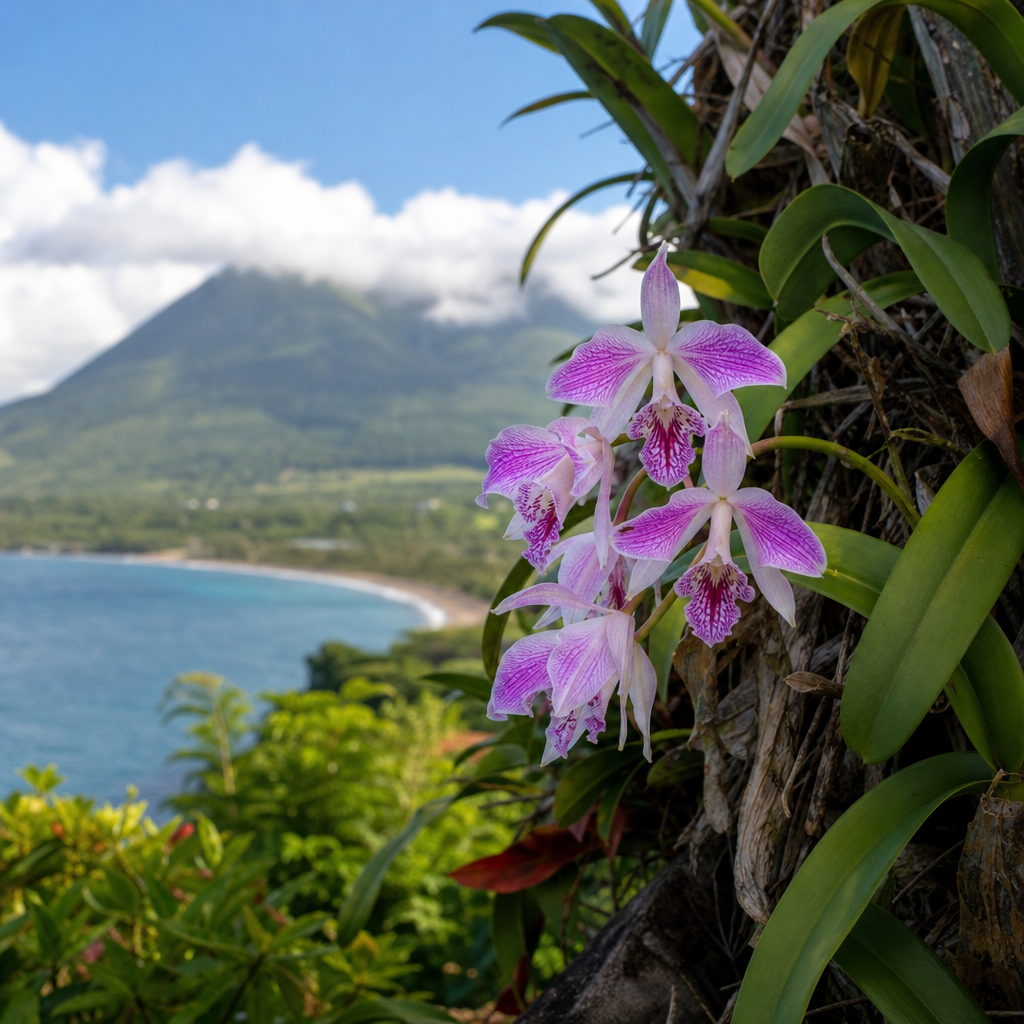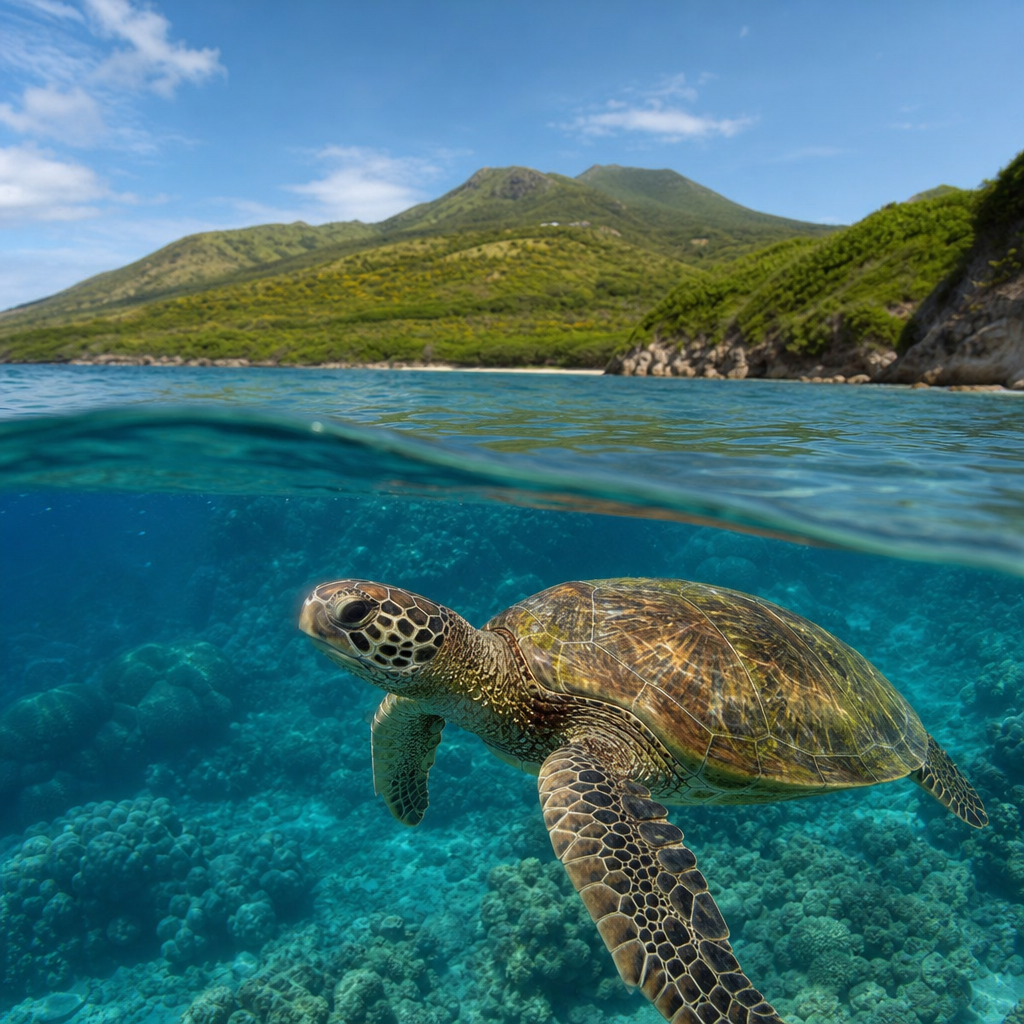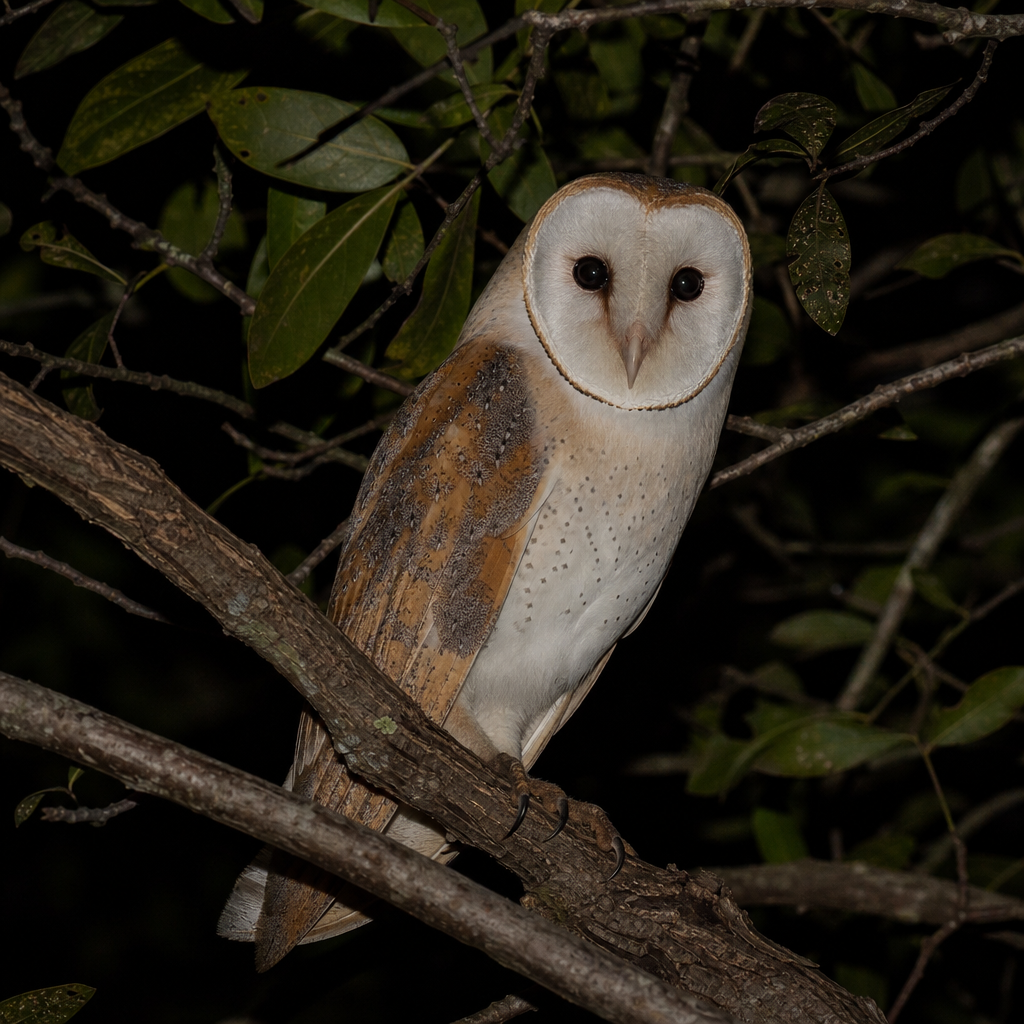
Nevis changes character after sunset. The island’s bright slopes, orchard edges, coastal scrub, and old stone estates become a quieter world shaped by moonlight, humidity, and sound. “Night wildlife” on Nevis includes every animal most active between dusk and dawn, from insect-hunting bats and tree frogs to geckos, crickets, shorebirds, and the occasional mongoose moving through village margins. For travelers and residents interested in Nature and Wildlife, this miscellaneous guide works as a hub because the island’s after-dark ecology cannot be reduced to one headline species. It is a network of pollinators, predators, scavengers, and singers, each using darkness as cover, opportunity, or necessity.
Understanding Nevis’ night wildlife matters for three reasons. First, many species are easier to detect at night than during the day; I have logged more frog, bat, and gecko activity in one evening walk near Hamilton Estate than in an entire hot afternoon on the same trail. Second, nocturnal animals perform practical ecological jobs. Bats consume insects and disperse seeds, moths pollinate flowers, hermit crabs recycle organic matter near shore, and frogs help regulate invertebrate populations. Third, these creatures are sensitive indicators of habitat quality. Changes in artificial light, pesticide use, drought, roaming cats, and coastal development often appear first in the behavior and abundance of animals active after dark.
Nevis itself creates the conditions for this diversity. The island’s volcanic topography, centered on Nevis Peak, produces elevational gradients in moisture and vegetation. Lower elevations hold dry forest, gardens, pasture margins, and settlements. Higher slopes support wetter vegetation, gullies, and cooler conditions. Around the coast, salt ponds, rocky shorelines, beaches, and mangrove patches add another set of habitats. At night, these zones connect. Insects rise from wet areas and draw bats. Geckos gather around walls lit by porch lamps. Shorebirds and waders feed along tidal edges. The result is a layered nocturnal landscape that rewards patient observation.
This hub article covers the main categories that shape Nevis’ night wildlife: bats, reptiles and amphibians, insects and other invertebrates, birds and shoreline life, and the conservation issues that determine what future visitors will experience. Use it as the starting point for deeper reading across the broader Nature and Wildlife section. If you want to understand what rustles in the dry leaves, clicks from a garden wall, or flickers above a roadside light, the answer usually begins with habitat, timing, and season.
Bats: Nevis’ most important nocturnal mammals
Bats are the most significant wild mammals regularly encountered at night on Nevis, and they deserve top billing in any serious guide to the island’s nocturnal fauna. Across the Caribbean, bats fill ecological roles that elsewhere might be shared among more numerous small mammals and night birds. On Nevis, they emerge at dusk from roosts in trees, old buildings, roof spaces, and secluded structures, then fan out across orchards, gardens, ghauts, and coastal edges. In practical field terms, if you stand near flowering trees or over open ground with insect swarms just after sunset, bats are often the first obvious sign that the night shift has started.
Two broad functional groups matter most to casual observers. Insectivorous bats hunt moths, beetles, mosquitoes, and midges, often with tight, erratic flight around lights, ponds, or clearings. Fruit bats, including species found elsewhere in the Lesser Antilles, move more directly between feeding trees and can be detected by silhouette, wingbeats, and occasional feeding remains under fruiting branches. Their value is concrete. Seed dispersal by fruit-eating bats helps regenerate disturbed forest, while insect-eating bats reduce pest pressure in farms and home gardens. That is not speculation; island agriculture benefits when bat populations remain stable.
From experience, the best bat-watching on Nevis is not in full darkness but in the twenty to forty minutes after sunset, when the sky still holds enough light to reveal movement. Try edges where cultivated land meets taller vegetation, especially after rain when insect activity spikes. Avoid bright flash photography and do not approach suspected roost entrances. Bat roost disturbance is one of the fastest ways to push colonies out of otherwise suitable habitat. If a property owner wants practical coexistence, the right approach is exclusion only when necessary and only outside breeding periods, never sealing active roosts with animals inside.
Geckos, frogs, and night-active reptiles
For many visitors, the most familiar night wildlife on Nevis is not a bat but a gecko on the wall. House geckos thrive around buildings because artificial lights attract moths and other insects, creating a concentrated food source. Their hunting method is simple and efficient: wait near the light halo, remain motionless, then dash a short distance to seize prey. This makes them one of the easiest nocturnal predators to observe at close range. They also provide an immediate lesson in island adaptation. Human structures have unintentionally created microhabitats that some native and introduced reptiles exploit well.
Frogs become more conspicuous by sound than sight. After rainfall, humid gardens, drainage lines, and vegetated ponds can resonate with calls. A frog chorus is more than background noise; it is a breeding signal, a territorial announcement, and a rough measure of wet-condition habitat quality. On Caribbean islands, small frogs often depend on temporary water or persistent damp refuges, so prolonged dry periods can sharply reduce calling activity. When I survey by ear, I pay attention to repetition rate, location, and whether calls come from ground level, shrubs, or water margins. That simple method quickly separates one species cluster from another.
Other reptiles are active at night as well. Anoles generally settle to sleep on exposed twigs or leaves, becoming visible by flashlight as pale, stationary shapes. This is useful for observation but should be done gently, without touching or crowding the animal. More secretive species may hunt through leaf litter or stone walls after dark, especially where insects are abundant. The key point for this hub is that Nevis’ nocturnal reptile and amphibian life spans both wild and built environments. Gardens, ruins, forest edges, and ghauts all support different communities, so varied habitats produce the best sightings.
Insects and invertebrates: the engine of the night
If bats and geckos are the stars, insects and other invertebrates are the engine that powers Nevis’ night wildlife. Moths, beetles, katydids, crickets, ants, spiders, centipedes, millipedes, and land crabs all become more apparent after sunset. Many of these animals avoid daytime heat and predators by shifting their activity into cooler, darker hours. Their ecological roles are foundational: they pollinate flowers, break down leaf litter, aerate soil, prey on each other, and feed nearly everything else higher in the food web. Any attempt to understand nocturnal nature on Nevis without focusing on invertebrates misses the system’s core energy flow.
Moths are especially important. In tropical island ecosystems, they serve as pollinators for night-blooming plants and as prey for bats, lizards, spiders, and birds. Light traps used by researchers across the Caribbean show how quickly moth diversity can shift with elevation, season, and weather. On Nevis, even a porch light can reveal this variety: tiny grass moths, stout-bodied sphinx moths, delicate geometrids, and occasional large beetles all cycling through the beam. Spiders position themselves accordingly, often building webs near lights or between shrubs where insect traffic is highest. One can watch a complete predator-prey sequence in minutes.
Coastal and ground-dwelling invertebrates add another dimension. Hermit crabs and land crabs may forage near beaches or roads after dark, particularly in damp weather. Their movements connect marine and terrestrial nutrient cycles, because many species feed on organic material washed ashore or dropped from coastal vegetation. Centipedes and scorpions, where present in suitable microhabitats, occupy higher predatory roles among invertebrates and should be observed with caution rather than handled. The common thread is abundance. Night on Nevis often sounds and moves the way it does because countless small animals are feeding, signaling, molting, mating, or hunting.
| Wildlife group | Where to look at night | Best timing | What to notice |
|---|---|---|---|
| Bats | Garden edges, flowering trees, ponds, open clearings | Just after sunset | Flight pattern, feeding loops, silhouette size |
| Geckos | Walls, windows, porch lights, stone ruins | Early evening to midnight | Ambush behavior near insects |
| Frogs | Ponds, drains, wet gardens, ghauts | After rain | Call intensity, habitat moisture |
| Invertebrates | Lights, leaf litter, beach edges, shrubs | Warm humid nights | Diversity, web placement, decomposition activity |
Night birds, shore life, and the sounds most people miss
Nevis is not known primarily as an owl destination, yet night birds and crepuscular species still contribute to the island’s after-dark wildlife picture. Some birds extend feeding into dusk, especially around wetlands, shorelines, and open ground where insects remain active. Herons, egrets, and other waders may appear surprisingly late along ponds or coastal shallows, using low light to stalk prey with less disturbance. Seabirds and terns can also be heard rather than seen, particularly where wind and surf carry calls inland. For many observers, learning the nighttime soundscape is more productive than scanning visually.
The shoreline becomes a separate nocturnal habitat altogether. Small fish move close to docks and rocky edges, attracting larger fish and opportunistic birds. Crabs patrol the intertidal zone. In sheltered areas, wave action exposes stranded invertebrates that scavengers quickly find. During certain seasons, migratory species may use Caribbean islands like Nevis as stopover or feeding points, making wetlands and salt ponds especially valuable. These places can look quiet in daylight yet become biologically active in low light. A headlamp used sparingly, with a red-light option if possible, reveals far more than a bright beam constantly sweeping the area.
Sound is the underused tool here. I advise listening in layers: first the loud insect chorus, then isolated frog calls, then rustles from leaf litter or dry grass, then overhead wing sounds. Distinguishing these layers turns a generic “night noise” into usable field information. A repeated clicking near a wall may indicate geckos. Rapid wing flickers over an open patch suggest bats taking insects. Scraping in coastal brush can mean crabs or a foraging mongoose. Once people stop expecting dramatic large-animal encounters, Nevis’ night wildlife becomes richer, more detailed, and easier to interpret.
Threats, etiquette, and how to experience Nevis’ night wildlife responsibly
The greatest threats to night wildlife on Nevis are habitat loss, excessive outdoor lighting, free-roaming cats and dogs, pesticide pressure, and climate variability. Artificial light at night alters insect behavior, disorients hatchlings and seabirds on many islands, and changes hunting dynamics for bats and geckos. Development near coasts and wetlands can simplify habitats that once supported complex nocturnal food webs. Prolonged drought affects frog breeding, insect emergence, and flowering cycles that nectar-feeding animals depend on. These are not abstract concerns. On small islands, modest changes in land use can have outsized ecological effects because habitats are limited and fragmented quickly.
Responsible wildlife watching improves the odds that these species persist. Stay on established paths where possible, keep noise low, and avoid handling animals. Use warm or red-filtered light rather than intense white beams, especially around roosts, nesting areas, ponds, and beaches. Do not feed wildlife and do not remove rocks, bark, or debris simply to search for hidden animals; those features are shelter. If you are staying at a villa or guesthouse, simple practices help: reduce unnecessary exterior lighting, keep cats indoors at night, and report unusual wildlife observations to local conservation groups or knowledgeable guides who track island biodiversity.
As a miscellaneous hub within Nature and Wildlife, this page points to the wider truth about Nevis’ nocturnal world: the island’s most meaningful night encounters are usually subtle. You may remember a bat tracing loops over a mango tree, a gecko waiting beside a lantern, a frog chorus after evening rain, or hermit crabs crossing a quiet coastal road. Together those moments reveal a functioning ecosystem, not isolated curiosities. Explore the related articles in this section, visit varied habitats respectfully, and take one slow walk after sunset on your next stay. Nevis will sound different, and once you learn those sounds, the island becomes larger.
Frequently Asked Questions
What kinds of animals are most active on Nevis after dark?
After sunset, Nevis shifts into a very different wildlife rhythm. Many of the island’s most noticeable nighttime animals are small, quick, and easier to hear than to see. Bats are among the most important, sweeping through gardens, orchard edges, and coastal areas to feed on insects or fruit, depending on the species. Tree frogs become one of the signature sounds of the evening, especially in humid areas after rain, while geckos emerge on walls, verandas, and near outdoor lights where insects gather. Crickets, moths, beetles, and other nocturnal insects form the foundation of much of this after-dark activity, attracting predators and creating the constant background soundscape many visitors remember.
Along the shoreline and around village margins, night can also reveal shorebirds resting or feeding, as well as occasional mammals such as mongoose moving cautiously through scrub, roadsides, and old estate grounds. In some areas, you may notice lizards settling into sheltered spots while nocturnal species take over the same habitat. Old stone structures, garden walls, fruiting trees, and damp vegetation all become valuable nighttime microhabitats. In practical terms, Nevis’ night wildlife is not defined by one dramatic creature, but by a network of smaller animals that become active when temperatures cool slightly and human activity drops. The result is a layered, living environment shaped as much by sound and movement as by what is directly visible in the beam of a flashlight.
Where are the best places on Nevis to observe night wildlife responsibly?
The best places to observe night wildlife on Nevis are usually transitional habitats where food, shelter, and moisture come together. Garden edges, orchard margins, coastal scrub, and old estate properties can all be especially productive because they attract insects, frogs, geckos, and bats in the same general area. Outdoor lights near homes or guesthouses often create excellent viewing opportunities, since moths and other insects gather there, followed by geckos and sometimes bats hunting overhead. Quiet lanes near vegetation, stone walls that retain warmth, and lightly wooded areas can also be rewarding if approached slowly and respectfully.
If you are near the coast, listen carefully for shorebird calls and watch for movement along the waterline or among low vegetation, but avoid disturbing feeding or roosting birds. In wetter inland spots, particularly after rainfall, frogs and insect activity can be much more intense. The most responsible approach is to stay on established paths, avoid trampling vegetation, keep noise low, and use a dim flashlight or a red-light setting when possible. Do not handle animals, shine lights directly into their faces for prolonged periods, or disturb resting sites in stone ruins, tree hollows, or roof spaces. The most memorable wildlife encounters on Nevis usually come from patience: standing still, listening first, and allowing the island’s nighttime activity to reveal itself gradually.
Are bats on Nevis dangerous, and what role do they play in the island’s ecosystem?
Bats on Nevis are not something most people need to fear. In normal circumstances, they avoid direct contact with humans and are far more interested in feeding, navigating, and moving efficiently through the landscape than in approaching people. You may see them darting over roads, across open lawns, around flowering or fruiting trees, or above areas where insects gather at dusk. Their flight can seem sudden or erratic to first-time observers, but that agility is part of how they hunt and maneuver in low light. As with any wild animal, the sensible rule is simple: admire them from a distance and never attempt to touch one, especially if it appears injured or grounded.
Ecologically, bats are extremely valuable. Insect-eating bats help reduce nighttime insect populations, including species that can become nuisances around homes and gardens. Fruit- and nectar-feeding bats, where present, can also contribute to pollination and seed dispersal, supporting plant reproduction and the wider health of island habitats. That means bats are not just nighttime curiosities; they are active participants in keeping ecosystems functioning. Their presence around orchards, coastal vegetation, and settled areas often signals a healthy abundance of food and habitat. For travelers interested in Nevis’ natural life, bats are among the clearest examples of how much unseen ecological work happens after dark.
Why does Nevis sound so different at night, and which animals create those nighttime sounds?
Nevis sounds different at night because the island’s acoustic landscape changes as daytime birds quiet down and nocturnal species take over. Humidity, reduced wind, and lower levels of human activity often make nighttime sounds seem sharper and more layered. Instead of the visual energy of daytime wildlife, the island becomes a place experienced through chirps, trills, clicks, rustles, and wingbeats. Frogs are often central to this shift, especially in damp areas or after rain, when their calls can dominate entire neighborhoods or valleys. Crickets and other insects add a steady rhythmic background that may seem uniform at first, but actually consists of many different patterns and pitches.
Geckos can also contribute soft calls in some settings, while bats may be seen rather than heard, since much of their communication and echolocation is beyond human hearing. Along the coast, waves mix with the calls of shorebirds and the movement of animals in low scrub. In village margins and old estates, faint rustling in leaves or along stone edges may come from lizards settling, insects moving through dry plant matter, or the occasional mongoose passing through. Learning to recognize these nighttime sounds is one of the best ways to appreciate Nevis’ wildlife. Even when visibility is limited, the island is still communicating constantly, and attentive listening often reveals more than a quick walk with a bright light ever could.
How can visitors enjoy Nevis’ night wildlife without disturbing animals or habitats?
The best way to enjoy Nevis’ night wildlife is to approach it as careful observation rather than active pursuit. Move slowly, keep voices low, and let your eyes adjust to the dark before relying on a flashlight. When light is necessary, use the lowest setting possible and avoid prolonged beams on frogs, geckos, roosting birds, or bats in flight. Stick to paths, paved lanes, or already open areas rather than pushing into dense vegetation, which can damage habitat and startle animals. If you are exploring around old estates, stone walls, or garden edges, pay attention to where you place your hands and feet and avoid disturbing crevices, loose rocks, and sheltered corners that may serve as resting or hiding places.
It is also important not to feed wildlife, collect animals, or attempt close-up handling for photographs. Night-active animals are using valuable feeding time, and repeated disturbance can alter their behavior. If you are staying in a villa, guesthouse, or private home, simple observation from a porch or garden can be surprisingly productive and far less disruptive than roaming widely. After rain, you may see and hear more frogs and insects; near lights, you may witness predator-prey interactions involving geckos and bats; and near the coast, you may notice birds moving quietly through the dark. Respect for the setting is what makes these encounters meaningful. On Nevis, the nighttime world rewards patience, quiet attention, and the understanding that the most responsible wildlife experience is one in which the animals remain free to behave naturally.