Climate change is reshaping Nevis’ ecosystems in ways that are already visible on land, along the coast, and beneath the sea. This small volcanic island in the eastern Caribbean supports cloud forest, dry coastal woodland, freshwater ghauts, beaches, coral reefs, seagrass beds, and nearshore fisheries within a compact area, so shifts in rainfall, heat, storms, and sea level affect many habitats at once. When I have worked on Caribbean environmental content, Nevis has stood out because its ecological richness is concentrated into a very short distance: a morning climb can pass from shoreline scrub to montane forest, while the same watershed drains to reefs used by fishers and tourism operators. That tight connection makes the island especially sensitive to climate stress, but it also makes the consequences easier to trace.
Understanding the impact of climate change on Nevis’ ecosystems starts with a few key terms. Climate change refers to long-term shifts in temperature, rainfall, storm behavior, and sea level driven largely by greenhouse gas emissions. Ecosystems are communities of plants, animals, fungi, and microorganisms interacting with each other and with soils, water, and climate. Resilience is the ability of those systems to absorb disturbance and recover without losing their essential functions. On Nevis, resilience matters because natural systems protect freshwater supplies, reduce flood risk, support tourism, provide fish habitat, stabilize soils, and preserve biodiversity that exists nowhere else in exactly the same combination. The island’s environmental future is not a niche concern; it is tied directly to public safety, livelihoods, food security, and cultural identity.
Nevis also matters as a hub topic because nearly every nature and wildlife question on the island connects back to climate. Readers looking for mangroves, reefs, birds, sea turtles, forest trails, endemic plants, invasive species, fisheries, or watershed management are really asking the same practical question: how will a warmer, less predictable Caribbean alter the web of life on Nevis, and what can be done about it? The answer is not one dramatic event but a chain of linked changes. Hotter seas bleach corals. Weaker reefs absorb less wave energy. Beaches erode faster. Turtle nesting habitat narrows. More intense rain sends sediment downhill. Murkier water stresses seagrass and reef organisms. Drier months increase wildfire risk in lower vegetation zones. Stronger hurricanes can then strike already weakened systems. Seen together, these pressures explain why climate change on Nevis is best understood as a whole-island ecological challenge rather than a single environmental issue.
Rising Temperatures, Shifting Rainfall, and Stress on Forests
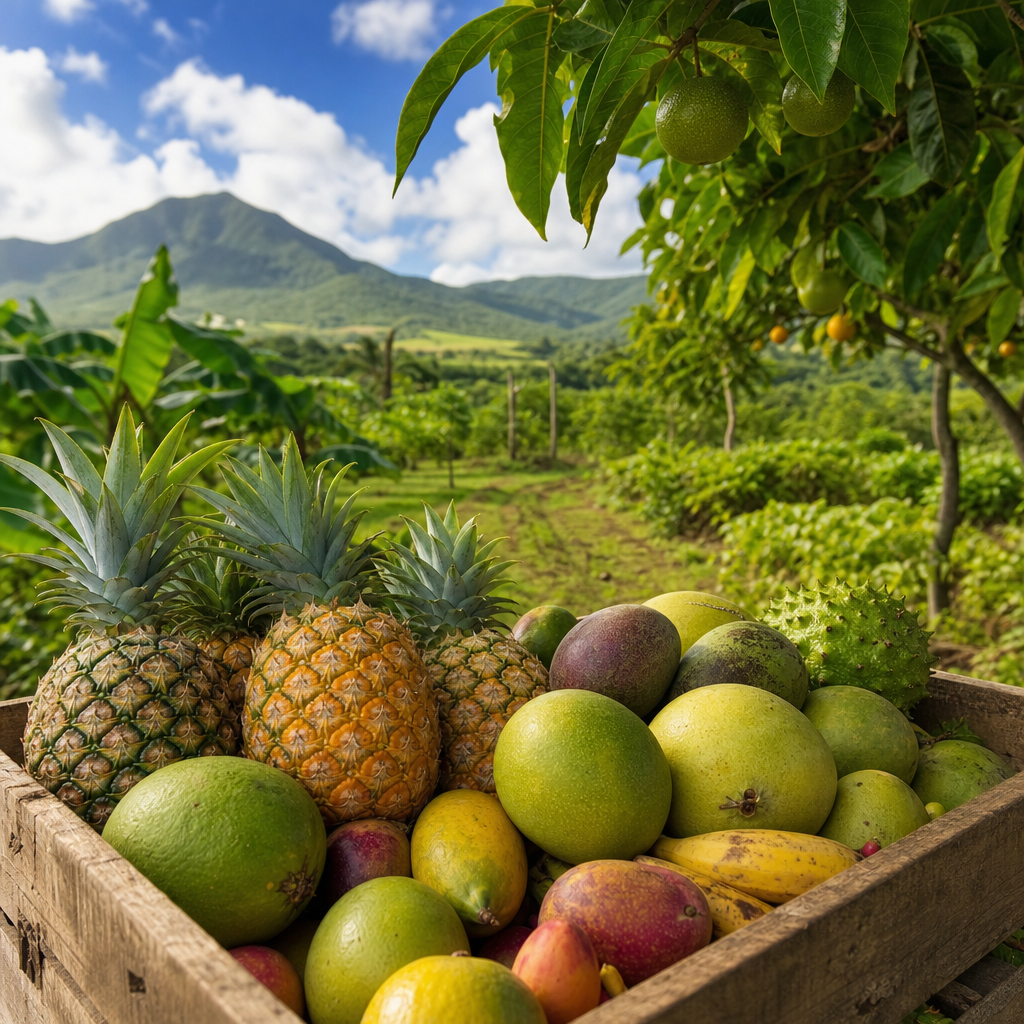
On Nevis, climate change first shows up in the atmosphere: warmer average temperatures, hotter extremes, and rainfall that is less reliable season to season. Caribbean climate assessments consistently project continued warming, more frequent heat stress, and greater rainfall variability, even where total annual rainfall is harder to predict precisely. For Nevis, that means the island’s elevational habitats may no longer experience the same moisture balance that shaped them historically. The higher slopes of Nevis Peak capture cloud moisture and support wetter forest communities than the coast. If cloud formation rises to higher elevations or dry periods lengthen, montane vegetation can lose the cool, damp conditions many species depend on.
The ecological effects spread quickly. Trees under heat and drought stress grow more slowly, become more vulnerable to pests, and shed leaves earlier. Streams and ghauts that usually pulse with storm water may see sharper swings between flood and dryness. Soil moisture drops, making seedling survival harder. In practical terms, forests then become less effective at holding slopes together and regulating water flow. After intense rain, degraded hillsides release more sediment into lower catchments and coastal waters. I have seen this pattern across small Caribbean islands: once vegetation cover thins, every heavy rain produces outsized downstream damage, even if the storm itself is not exceptional.
Dry coastal and lower-elevation habitats face a different climate problem. These areas are adapted to seasonal stress, but longer hot spells and erratic rainfall can push hardy native plants beyond their tolerance while helping invasive species gain ground. Grasses and shrubs that cure quickly in drought create more fire-prone conditions. Wildfire is not always the first climate risk people mention in the Caribbean, yet on drier slopes it can permanently alter plant communities, reduce wildlife cover, and open space for aggressive colonizers. For an island with limited land area, even modest repeated degradation fragments habitat and reduces the movement options species need as climate zones shift upslope.
Coral Reefs, Seagrass Beds, and Warming Seas
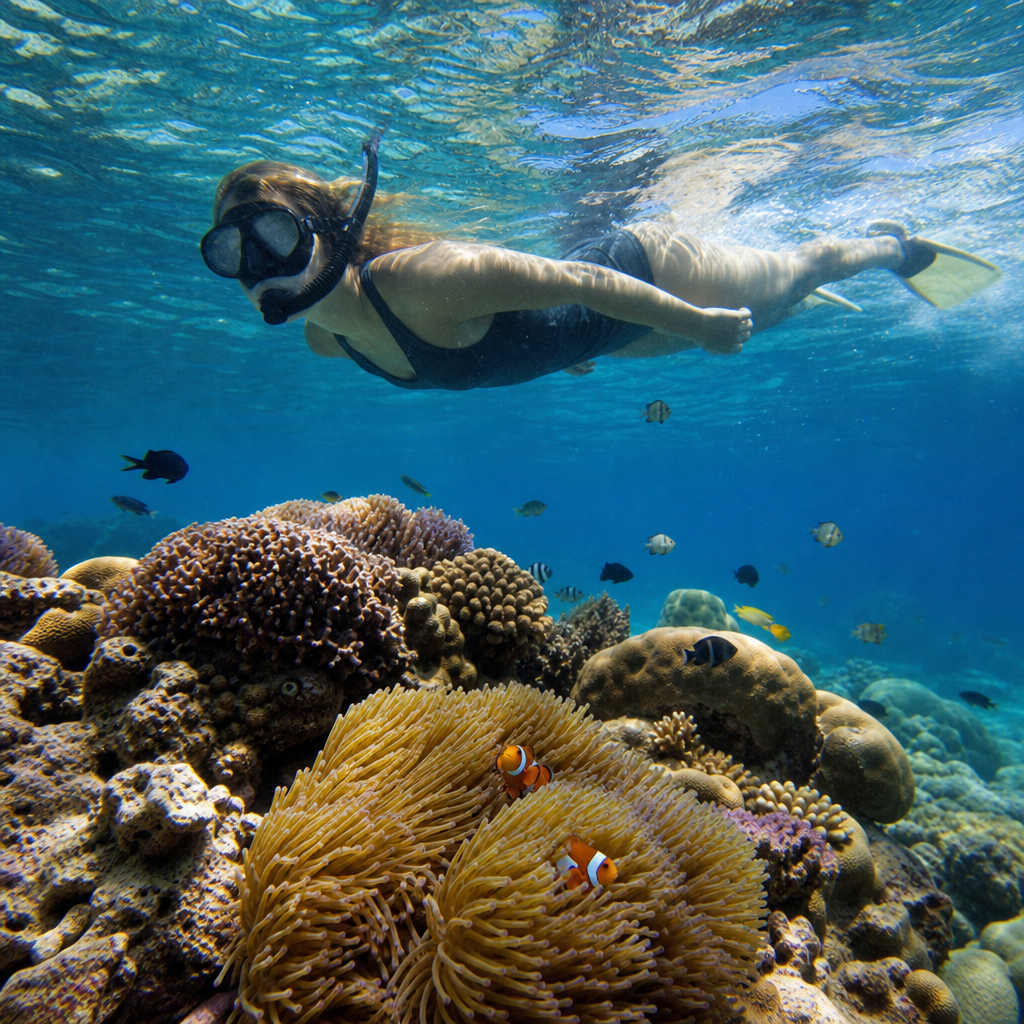
Marine ecosystems around Nevis are among the island’s most climate-sensitive assets. Coral reefs depend on a close partnership between coral animals and symbiotic algae. When seawater becomes too warm, that relationship breaks down and corals expel the algae, leading to bleaching. If heat stress is brief, some corals recover. If it is prolonged or repeated, mortality rises sharply. In the wider Caribbean, mass bleaching events have become more common, and Nevis is not isolated from those regional marine heat waves. Warmer seas also increase the likelihood of coral disease, which has caused severe losses in many Caribbean reef systems.
Reef decline has consequences beyond biodiversity. Healthy coral structures dissipate wave energy, help maintain calmer nearshore conditions, and support fish communities that local livelihoods depend on. Once live coral cover falls and reef architecture erodes, coastlines become more exposed. Algae can then dominate spaces once occupied by corals, especially where runoff adds nutrients or overfishing reduces herbivorous fish. This is why climate change cannot be separated from other management pressures. Heat may trigger bleaching, but poor water quality and ecological imbalance often determine whether reefs recover or slide into long-term decline.
Seagrass beds, often overlooked beside coral reefs, are equally important. They stabilize sediment, provide nursery habitat for juvenile fish and invertebrates, and feed species such as green turtles. In clearer water, seagrass can be highly productive, but climate-linked impacts make that clarity harder to maintain. Stronger rainfall events wash silt into bays. Disturbed coasts and damaged reefs allow more sediment movement. Heat stress can directly affect seagrass physiology, while sea level rise may shift suitable light conditions. When seagrass thins, fish recruitment suffers and sediments resuspend more easily, which further reduces water quality. That feedback loop is one of the most practical reasons to protect watersheds and coastal vegetation together rather than treating land and sea as separate issues.
Coastal Erosion, Sea Level Rise, and Beach Habitat Loss
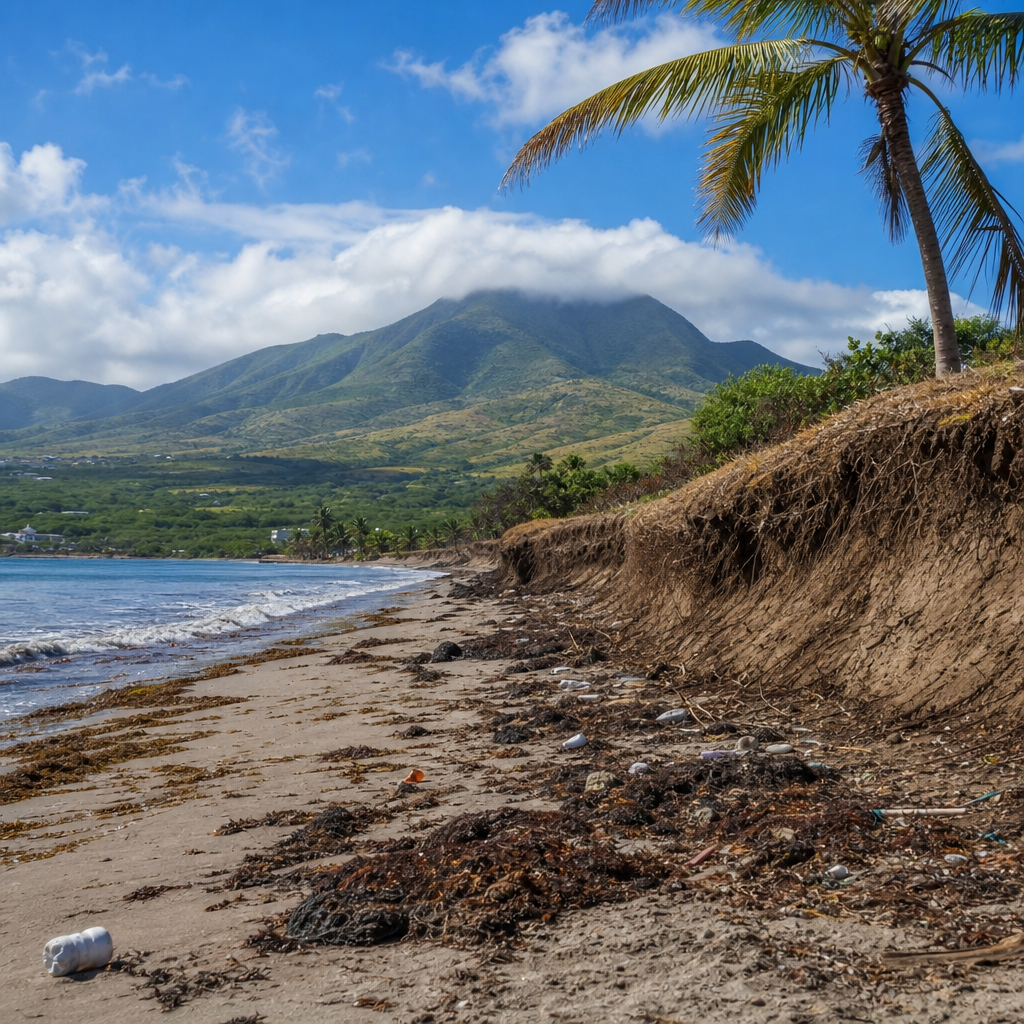
Sea level rise is a slow-moving hazard, but on a small island it produces immediate ecological effects. Higher baseline sea levels allow waves to reach farther inland, accelerate beach erosion, and increase saltwater intrusion into low-lying areas. Nevis’ beaches are not static features; they depend on sediment supply, reef protection, coastal vegetation, and storm patterns. Climate change disrupts each of those controls. The result is narrower beaches, damaged dune systems, and less stable nesting habitat for sea turtles. On developed shorelines, hard structures such as seawalls may protect individual properties in the short term but can worsen beach loss by interrupting natural sediment movement and reflecting wave energy.
For wildlife, beach loss is not just about scenery. Nesting turtles need suitable sand temperature, moisture, and elevation above normal wave wash. Warmer sand can skew hatchling sex ratios because sea turtles have temperature-dependent sex determination. More frequent inundation can drown nests before hatching. Artificial lighting, coastal construction, and human disturbance already challenge turtle reproduction in many Caribbean locations; climate change compounds these pressures by shrinking the amount of viable nesting space. Shorebirds and intertidal organisms face similar habitat compression where rising water meets built infrastructure, a process often called coastal squeeze.
| Climate pressure | Main ecosystem affected | Typical impact on Nevis | Why it matters |
|---|---|---|---|
| Warmer air temperatures | Montane and dry forests | Drought stress, lower seedling survival, higher fire risk | Reduces watershed protection and habitat quality |
| Marine heat waves | Coral reefs | Bleaching, disease, coral mortality | Weakens fisheries habitat and natural coastal defense |
| Intense rainfall | Ghauts, seagrass, reefs | Flood pulses, erosion, sediment runoff | Clouds water and smothers marine life |
| Sea level rise | Beaches and coastal wetlands | Erosion, inundation, salt intrusion | Shrinks turtle nesting areas and destabilizes shorelines |
| Stronger storms | Island-wide ecosystems | Windthrow, reef breakage, infrastructure damage | Multiplies losses across connected habitats |
Coastal wetlands and pond systems, where present, are also vulnerable. Even limited areas of wetland vegetation can support birds, trap sediment, and buffer runoff. Rising salinity and altered flooding patterns can shift plant composition, reducing habitat suitability for species that rely on specific conditions. These habitats deserve more attention in climate planning because they often function as small but critical transition zones between terrestrial and marine ecosystems.
Wildlife Responses, Species at Risk, and Ecological Cascades
Animals rarely experience climate change as a single factor. They respond to altered food supply, changing shelter, disrupted breeding cues, new predators, and habitat fragmentation all at once. On Nevis, birds may encounter shifts in flowering and fruiting cycles that affect feeding opportunities. Reptiles and amphibians may face hotter ground temperatures and less reliable freshwater microhabitats. Bats, which are key pollinators and seed dispersers in Caribbean ecosystems, can be affected when storms strip flowering trees or when drought reduces fruit availability. The direct losses matter, but the indirect losses matter just as much. When pollinators decline, plant regeneration weakens. When seed dispersers decline, forest recovery after disturbance slows.
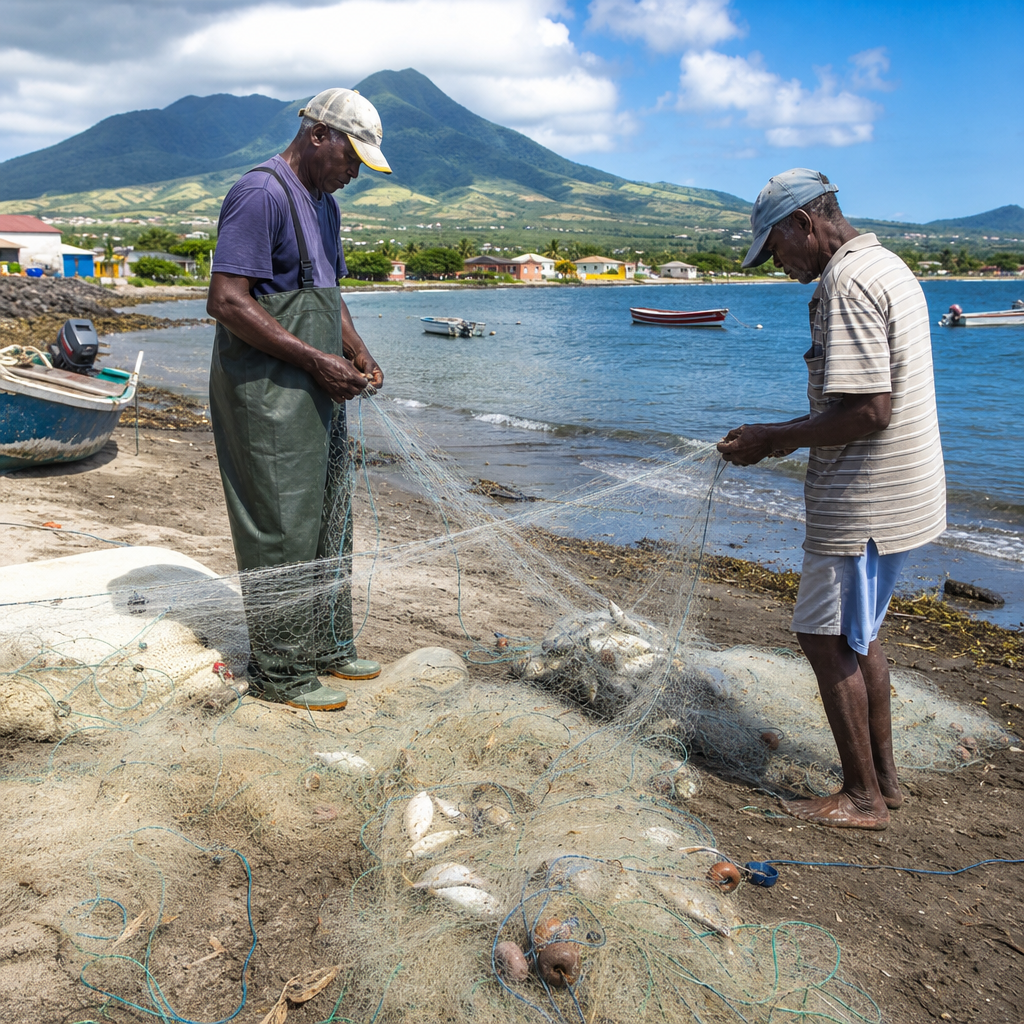
Marine fauna face comparable chain reactions. Reef fish depend on coral complexity for shelter and feeding. As reefs flatten, juvenile survival falls. Predatory fish then lose prey-rich habitat, and fishers may see smaller catches or shifts toward less valuable species. Sea turtles rely on healthy seagrass beds and safe nesting beaches, so deterioration in either habitat can reduce long-term population resilience. Even species that appear adaptable can be trapped by timing mismatches, such as breeding during periods that no longer coincide with peak food availability.
One of the most important points for readers exploring Nevis nature and wildlife is that ecosystem change is cumulative. A hurricane does not hit an untouched island if prior bleaching, erosion, invasive species, and drought have already lowered resilience. Likewise, a forest can survive dry years more effectively when native canopy cover remains intact and grazing or fire pressure is controlled. Climate change raises baseline stress, meaning ordinary disturbances become more damaging than they once were. That is why biodiversity conservation on Nevis increasingly depends on integrated management rather than isolated species protection.
What Nevis Can Do: Adaptation, Restoration, and Better Land-Sea Management
Effective climate response on Nevis is not abstract. It includes protecting upper watersheds, restoring native vegetation on eroding slopes, reducing sediment runoff from roads and construction, conserving reef herbivores, managing wastewater carefully, and avoiding poorly planned coastal hardening. In practice, the most successful island strategies combine local action with regional science. Tools such as coral monitoring, beach profiling, rainfall and temperature records, GIS-based watershed mapping, and biodiversity surveys help managers identify where intervention will produce the greatest benefit. The Caribbean Community Climate Change Centre, UNEP regional work, and IPCC findings all support the same conclusion: small islands gain the most by reducing non-climate stressors so ecosystems retain their natural recovery capacity.
Nature-based solutions are especially relevant. Replanting native coastal vegetation can help trap sand and buffer wave action. Protecting reefs and seagrass preserves natural shoreline defense that concrete alone cannot replace at island scale. Improving drainage and slope stabilization in developed areas reduces sediment plumes after storms. Stronger development setbacks can keep infrastructure out of high-risk erosion zones and leave beaches room to migrate inland. In my experience, the biggest planning mistake on small islands is treating every shoreline parcel as if it were fixed and buildable indefinitely. Climate change makes that assumption both ecologically and economically unsound.
This hub topic also points toward related articles readers should explore under Nature and Wildlife: coral reefs and snorkeling habitats, sea turtle nesting beaches, native forest ecology, birds of Nevis, invasive species management, mangroves and wetlands, sustainable fishing, watershed conservation, and hurricane recovery in coastal ecosystems. Together, those subjects build the fuller picture that climate change demands. If Nevis strengthens habitat protection now, limits avoidable damage, and plans with ecosystems rather than against them, the island can preserve much of the natural richness that defines it. The key takeaway is simple: climate change is already affecting Nevis’ forests, beaches, reefs, and wildlife, but informed conservation and better land-sea management can still protect resilience. Use this page as your starting point, then dig deeper into each connected ecosystem and support practical conservation efforts on the island.
Frequently Asked Questions
How is climate change affecting Nevis’ ecosystems overall?
Climate change is affecting Nevis on multiple fronts at the same time, which is especially important on a small island where ecosystems are tightly connected. Nevis contains a remarkable range of habitats within a compact landscape, including upper-elevation cloud forest, lower dry forest and coastal woodland, freshwater ghauts, beaches, mangroves in some coastal areas, seagrass beds, coral reefs, and nearshore fishing grounds. When rainfall patterns shift, temperatures rise, storms become more intense, and sea level gradually increases, these changes do not stay isolated within one habitat. They ripple from the mountain to the coast and out into the sea.
On land, warmer conditions and altered rainfall can stress native vegetation, reduce moisture in soils, and change how water moves through ghauts and wetlands. In the uplands, cloud-dependent ecosystems may receive less consistent moisture if cloud formation patterns shift. Along the coast, stronger wave action, erosion, and rising seas can narrow beaches and affect turtle nesting areas. Offshore, coral reefs face heat stress, bleaching, and storm damage, while seagrass beds can be disturbed by sediment runoff and warmer waters. These marine ecosystems are critical because they support fisheries, protect shorelines, and provide habitat for juvenile species.
What makes the issue particularly serious for Nevis is that ecological changes can quickly become economic and social changes as well. Biodiversity loss, declining fish habitat, damage to reefs, reduced freshwater reliability, and increased coastal flooding all affect tourism, food security, infrastructure, and community resilience. In short, climate change in Nevis is not a future abstraction. It is a present force reshaping the island’s natural systems in visible, interconnected ways.
Why are coral reefs and seagrass beds around Nevis so vulnerable to climate change?
Coral reefs and seagrass beds are among the most climate-sensitive ecosystems around Nevis because they respond directly to changes in sea temperature, water quality, storm activity, and ocean chemistry. Coral reefs are built by living organisms that thrive only within a relatively narrow range of environmental conditions. When sea temperatures remain too high for too long, corals can expel the symbiotic algae that give them much of their energy and color, leading to coral bleaching. If stressful conditions persist, corals may die, weakening the reef structure over time.
For Nevis, this matters far beyond reef appearance. Coral reefs act as natural breakwaters that reduce wave energy before it reaches the shoreline, helping to protect beaches and coastal infrastructure. They also support fish populations, invertebrates, and tourism activities such as snorkeling and diving. If reefs degrade, the island can experience a chain reaction: less coastal protection, poorer marine habitat, fewer fish nursery areas, and reduced tourism value.
Seagrass beds are also essential and often underappreciated. They stabilize sediment, improve water clarity, store carbon, and provide habitat for juvenile fish, conch, sea turtles, and other marine life. Climate change can harm seagrasses through stronger storms, increased sediment runoff from heavy rainfall, prolonged heat stress, and shifts in salinity or water depth tied to sea-level rise. Seagrass ecosystems can also suffer when nearby coral reefs decline, because the broader coastal system becomes less stable and more vulnerable to disturbance.
Another issue is that marine climate stress often interacts with local pressures. Sedimentation, coastal development, pollution, and overfishing can reduce the ability of reefs and seagrass beds to recover after heat waves or storms. In other words, climate change is the major amplifier, but resilience depends heavily on how well these habitats are managed today. Protecting water quality, reducing physical damage, and maintaining healthy fish populations can help these ecosystems better withstand a warming ocean.
What does climate change mean for Nevis’ forests, freshwater ghauts, and wildlife on land?
On land, climate change can alter Nevis’ ecosystems by changing temperature, rainfall timing, storm intensity, and drought frequency. The island’s volcanic topography creates strong elevation-based ecological zones, so even relatively small climatic shifts can affect where moisture accumulates, which plants thrive, and how wildlife uses available habitat. In forested areas, prolonged dry periods can weaken trees, reduce regeneration, and make some habitats more vulnerable to pests, disease, or erosion. In wetter upland zones, cloud forest conditions may become less stable if warming changes cloud cover or reduces the frequency of moisture-laden mist that helps sustain these ecosystems.
Freshwater ghauts are particularly important because they move water, sediment, and nutrients through the landscape. During heavier downpours, ghauts can experience flashier flows that erode banks, transport more sediment downslope, and affect both terrestrial and marine environments. During extended dry spells, some freshwater habitats may shrink or become less reliable for species that depend on them. This seesaw pattern of drought and intense rain is one of the most ecologically disruptive aspects of climate change in small island settings.
Wildlife responses can be subtle at first but significant over time. Birds, reptiles, amphibians, insects, and other native species may face changing food availability, altered breeding conditions, and habitat fragmentation. Some species can adjust by shifting behavior or moving to more suitable microhabitats, but island species often have limited room to relocate. Those tied to narrow elevation bands, seasonal water sources, or specific nesting and feeding conditions may be especially vulnerable.
There is also an important connection between upslope and downslope health. When forests are stressed or damaged by storms, drought, or erosion, more sediment can wash into coastal waters. That runoff can then smother seagrass beds and coral reefs, linking land degradation directly to marine decline. So when discussing forests and ghauts in Nevis, it is best to see them not as isolated landscapes but as the upper part of a whole island ecosystem that ultimately shapes coastal and marine resilience.
How are sea-level rise and stronger storms changing Nevis’ coasts and beaches?
Sea-level rise and stronger storms are among the most visible ways climate change is transforming coastal Nevis. As sea level gradually increases, even normal wave action can reach farther inland, accelerating beach erosion and increasing the risk of saltwater intrusion into low-lying areas. Beaches are naturally dynamic, but rising seas can make it much harder for them to recover after storm events, especially where development, roads, seawalls, or other infrastructure limit their ability to shift landward.
For an island like Nevis, this is not only a landscape issue but also an ecological one. Beaches provide habitat for nesting sea turtles and feeding shorebirds, while dunes and coastal vegetation help stabilize shorelines. If storms become more intense, high waves and storm surge can strip sand from beaches, damage nesting areas, uproot vegetation, and flood coastal habitats with saltwater. Repeated disturbance can reduce the ecological function of these systems and make future erosion even worse.
Stronger storms also affect nearshore waters. Heavy rainfall can increase runoff carrying sediment and pollutants into the sea, reducing water clarity and stressing reefs and seagrass beds. At the same time, wave energy from storms can physically damage coral structures that help buffer the shoreline. When reefs are weakened and beaches are narrowed, the coast becomes more exposed, creating a feedback loop of increasing vulnerability.
Communities feel these changes directly through impacts on tourism, fisheries access, recreation, transportation, and coastal property. But the ecological consequences are just as important. Coastal ecosystems are the island’s front line of defense, and when they are degraded, the natural protection they provide declines. That is why beach conservation, dune and vegetation restoration, reef protection, and careful coastal planning are all central to climate adaptation in Nevis.
What can Nevis do to help its ecosystems adapt to climate change?
Nevis cannot stop global climate change on its own, but it can significantly strengthen the resilience of its ecosystems through smart local action. The most effective approach is to reduce non-climate pressures so natural systems are better able to withstand heat, drought, storms, and sea-level rise. In practical terms, that means protecting forests, managing development carefully, improving drainage and watershed health, reducing sediment and pollution runoff, conserving fisheries, and safeguarding critical coastal and marine habitats.
Watershed protection is a major priority. Healthy upland forests and well-managed ghauts help regulate water flow, reduce erosion, and limit the amount of sediment that reaches reefs and seagrass beds. Reforestation, slope stabilization, and restrictions on damaging land use in sensitive areas can all make a meaningful difference. On the coast, preserving natural buffers such as beach vegetation and avoiding construction in highly vulnerable zones can reduce long-term exposure to erosion and flooding.
Marine conservation is equally important. Well-enforced marine protected areas, sustainable fishing rules, mooring systems that prevent anchor damage, and better wastewater and runoff management can improve the recovery potential of reefs and seagrass beds. Monitoring coral health, fish populations, shoreline change, and freshwater conditions can also help decision-makers respond earlier to environmental stress instead of reacting only after serious damage occurs.
Community involvement matters as much as policy. Residents, fishers, tourism operators, schools, and local organizations all play a role in stewardship. Public education, citizen science, habitat restoration projects, and climate-aware planning can build local ownership and improve outcomes. In the long run, the most successful climate response for Nevis will