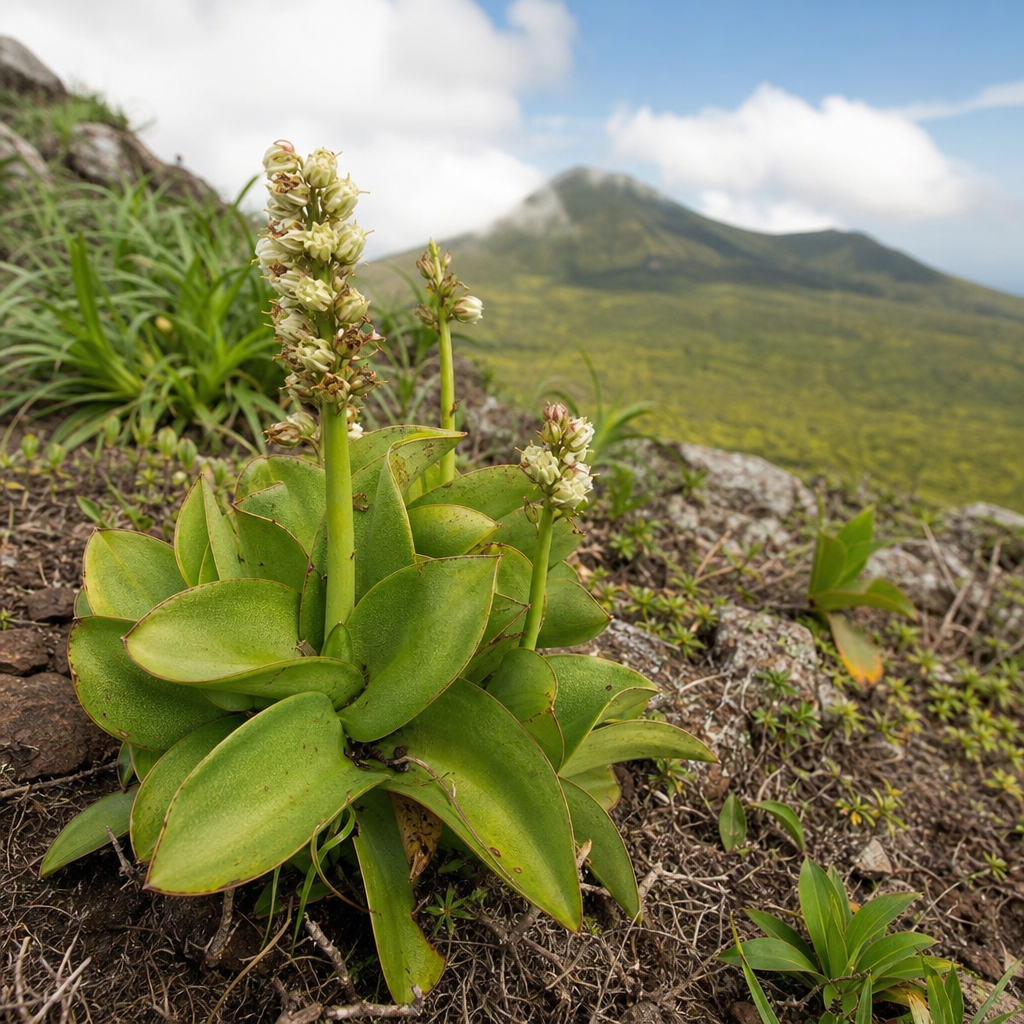
Saint Kitts holds one of the Eastern Caribbean’s most overlooked botanical stories: a compact volcanic island where rare plant species persist across cloud-wet mountain slopes, dry coastal scrub, ghaut forests, abandoned estates, and offshore islets. In practical terms, rare plant species in Saint Kitts are native or localized plants with small populations, restricted habitats, narrow ecological tolerances, or limited regional distribution, making them vulnerable to disturbance and especially valuable for conservation. While the island is often associated with beaches, rainforest hikes, and historic sugar landscapes, its flora deserves equal attention because plants shape water security, soil stability, wildlife habitat, and the long-term resilience of tourism landscapes. After years of working across Caribbean nature content and reviewing field records, herbarium notes, and conservation assessments, I have found that Saint Kitts rewards careful botanical attention precisely because rarity here is not always dramatic. Sometimes it appears as a vine on a shaded ridge, an orchid on an old tree, or a dry-forest shrub surviving where development pressure is rising. This hub article surveys the island’s botanical diversity, the habitats that support uncommon plants, the species groups most worth watching, the threats they face, and how visitors, land managers, and local institutions can support discovery and protection.
Why Saint Kitts matters for botanical discovery
Saint Kitts is small, but from a botanical perspective it is highly varied. The island is dominated by Mount Liamuiga, a stratovolcano whose elevation creates rainfall gradients, cooler upland conditions, and mist-influenced forest that differ sharply from lower, drier coastal belts. That variation produces habitat mosaics: littoral vegetation near the shore, thorn and scrub communities in xeric zones, secondary woodland on former agricultural land, ghauts that channel seasonal water and trap moisture, and upper-elevation forest with epiphytes, ferns, and shade-tolerant trees. On islands, rarity often emerges from this kind of habitat fragmentation. Plants become locally specialized, populations remain isolated, and recovery after storms or land clearing is slow.
For searchers asking what makes Saint Kitts special for plants, the answer is endemism, insular adaptation, and the meeting point between native ecosystems and centuries of human land use. The island’s sugar era transformed vast tracts of lowland vegetation, yet difficult terrain preserved pockets of native flora. Today, those remnants function as living archives. They show which species tolerated disturbance, which retreated uphill, and which now survive only in scattered locations. Botanists also value Saint Kitts because records from the wider Lesser Antilles can be patchy. A plant considered common regionally may be uncommon on Saint Kitts; another may be poorly documented and need updated field confirmation. That creates real opportunities for botanical discovery, even without finding a species new to science.
Botanical discovery in this context means more than naming plants. It includes mapping populations, confirming historical records, documenting flowering and fruiting times, identifying host trees for epiphytes, and understanding how feral animals, invasive plants, and changing rainfall patterns affect regeneration. These details matter for conservation planning. A rare orchid cannot be protected if the tree species it depends on is removed. A cliffside shrub may appear stable until a new trail, road cut, or fire regime alters runoff and erosion. In other words, plant conservation on Saint Kitts is landscape conservation.
Key habitats where rare plants survive
The island’s rare and localized flora is best understood by habitat. Upland forest, especially on the slopes of Mount Liamuiga and in moisture-retaining ravines, supports ferns, mosses, liverworts, climbing aroids, and epiphytes that rely on stable humidity. In these settings, orchids are the species most often noticed by visitors, but they are only part of the story. Tree ferns, filmy ferns, and small understory herbs can be just as restricted and ecologically sensitive. Because cloud contact, canopy cover, and bark texture influence where these species grow, even subtle forest degradation can reduce viable habitat.
Dry coastal and low-elevation zones host another category of rare plants: drought-adapted shrubs, succulents, cacti, and salt-tolerant species. These plants are frequently underrated because dry forest and scrub can look sparse compared with rainforest. In reality, Caribbean dry forest is one of the region’s most threatened habitat types. On Saint Kitts, development pressure, grazing, clearing, and invasive species have reduced continuity in these areas, leaving uncommon plants stranded in patches. Offshore cays and exposed headlands may shelter species that avoid competition from larger trees but remain vulnerable to trampling, storms, and sea spray extremes.
Ghauts deserve special attention. These steep-sided watercourses function as ecological corridors, carrying moisture and creating shaded refuges through otherwise disturbed or seasonally dry landscapes. I have seen throughout the Caribbean that ghauts often harbor plants missed in roadside surveys because access is difficult and visibility is poor from above. On Saint Kitts, they can support remnant native trees, vines, and fern assemblages that no longer occur widely in adjacent land parcels. Old estate lands also matter. Stone walls, abandoned terraces, and secondary regrowth can host both native relicts and naturalized species, creating complex plant communities that require careful interpretation rather than quick labeling.
Notable rare plant groups and species patterns
Because public interest often begins with “Which rare plants are in Saint Kitts?” it helps to answer by category. Orchids are among the most compelling. Caribbean orchids tend to have narrow microhabitat requirements, specific pollination relationships, and vulnerable seedling stages. On Saint Kitts, epiphytic orchids may occupy older trees in humid forest belts, while terrestrial orchids can appear in seasonally open sites. The exact species list changes with updated surveys, taxonomy revisions, and local verification, but the conservation lesson is consistent: orchid presence signals habitat quality, continuity, and moisture stability.
Ferns and fern allies are another important group. Volcanic islands with elevational gradients often support surprisingly high pteridophyte diversity, and Saint Kitts is no exception. Small filmy ferns, spleenworts, and clubmoss relatives can be locally rare because they need persistent humidity and shaded rock or bark surfaces. These species seldom attract mainstream attention, yet they are useful indicators of microclimate. If they disappear from a ravine, the cause may be canopy opening, stream alteration, or prolonged drying.
Woody plants deserve equal emphasis. Native trees and shrubs in the myrtle, spurge, mallow, and legume families may survive in fragmented stands, especially where historical clearing spared steep slopes or inaccessible ridges. Some species are rare on the island not because they are globally threatened, but because Saint Kitts sits near the edge of their range or lacks enough intact habitat to support large populations. Others may be genuinely scarce across the Lesser Antilles. Botanists therefore distinguish between island rarity, regional rarity, and global rarity before setting priorities.
| Plant group | Where it is most often found | Why it becomes rare on Saint Kitts | What conservation depends on |
|---|---|---|---|
| Epiphytic orchids | Humid upland forest, mature host trees | Tree loss, illegal collection, drying microclimates | Canopy protection and host tree retention |
| Filmy ferns and mossy understory plants | Shaded ghauts, misty ravines, wet slopes | Canopy opening and reduced moisture | Stable humidity and intact ravine forest |
| Dry-forest shrubs and cacti | Coastal scrub, rocky headlands, exposed slopes | Development, grazing, fire, invasive plants | Habitat set-asides and grazing control |
| Localized native trees | Steep secondary forest, remnant woodland | Historic clearing and poor regeneration | Seedling recruitment and landscape connectivity |
Another pattern worth noting is cryptic rarity. Some plants are overlooked because they resemble more common relatives, flower briefly, or occur in hard-to-reach places. In field botany, misidentification is common when specimens are sterile, meaning they lack flowers or fruits. That is why herbarium comparison, GPS mapping, repeat visits, and photographic vouchers are essential. Reliable discovery depends on evidence, not guesswork.
Main threats to rare flora on the island
The leading threats to rare plant species in Saint Kitts are habitat loss, fragmentation, invasive species, altered disturbance regimes, and climate stress. Habitat loss is the simplest to understand. When coastal scrub is cleared for housing, roads, or tourism infrastructure, the plants adapted to that site do not simply relocate uphill. Many are tied to specific soils, salt exposure, drainage patterns, or pollinator networks. Fragmentation compounds the damage by isolating small populations, reducing gene flow, and making recovery after hurricanes less likely.
Invasive plants create a quieter but equally serious problem. Aggressive vines, grasses, and shrubs can outcompete native seedlings, alter fire behavior, and simplify habitat structure. Across Caribbean islands, species such as Guinea grass and other disturbance-loving colonizers often move quickly into cleared ground, especially after storms. Once established, they can prevent native regeneration for years. Feral monkeys and livestock may also browse seedlings, disperse some invasive seeds, and disturb soils. The effect is cumulative: even where adult rare plants survive, recruitment can fail.
Climate change adds uncertainty. Saint Kitts is exposed to stronger rainfall extremes, drought periods, heat stress, and hurricane impacts. Rare plants with tiny populations are particularly vulnerable because one landslide, one prolonged drought, or one windthrow event can remove a large share of the total known individuals. Cloud-dependent species may also face shifting moisture zones if warming lifts cloud bases or reduces mist frequency. Conservation managers therefore need both site protection and ongoing monitoring rather than one-time species lists.
How botanists document and protect rare species
Effective botanical work on Saint Kitts combines classical field methods with modern tools. Standard practice starts with habitat stratification: survey teams divide the island into ecological zones, then prioritize places with remnant native vegetation, unusual geology, or historical records. In the field, botanists collect voucher specimens where legal and appropriate, record coordinates, note substrate, elevation, associated species, and phenological stage, and photograph key diagnostic features. These records are then compared with herbarium collections and regional floras to confirm identity.
Protection follows data. If a population is tiny, exact locations may be restricted to reduce collection pressure. Land managers can then mark no-clearance zones, reroute trails, or control invasive plants around the site. For trees and shrubs, seed collection and nursery propagation may support restoration, but ex situ conservation is not a substitute for habitat protection. Many island plants depend on fungi, pollinators, or drainage conditions that cannot be recreated easily in gardens. The most successful programs pair propagation with in situ management, community education, and repeat monitoring after storms.
Institutions and tools matter here. The IUCN Red List framework helps assess extinction risk. Herbarium networks provide taxonomic verification. GIS mapping reveals habitat overlap with development pressure. Drones can assist access planning, though they do not replace ground truthing. Local environmental departments, regional universities, and visiting researchers all have roles, but continuity is crucial. A single survey season produces a snapshot; real conservation requires multi-year records.
What visitors, educators, and local communities can do
People searching for practical ways to help rare plant species in Saint Kitts should start with low-impact behavior and informed observation. Stay on established trails in forested areas, avoid collecting flowers or cuttings, clean footwear to reduce seed transfer, and never publicize precise locations of sensitive orchids or other collectible plants. If you are a tour operator, interpret vegetation as carefully as you interpret birds or monkeys. Visitors remember names, stories, and ecological relationships, and that attention creates support for protection.
Schools and community groups can contribute through native plant gardens, seasonal monitoring walks, and oral-history projects that record older local knowledge about useful or formerly common plants. Those records are valuable because they sometimes reveal former distributions no longer obvious in the landscape. Landowners can assist by retaining mature trees, protecting ghauts from dumping or excessive clearing, and replacing invasive ornamentals with native species where practical. For conservation groups, the strongest approach is to connect botany with water, heritage, and tourism value. When people understand that healthy native vegetation reduces erosion, supports scenic quality, and strengthens wildlife habitat, plant conservation becomes easier to defend.
Saint Kitts still offers genuine botanical discovery, not because its rare plants are fully hidden, but because they have not yet received sustained public attention equal to their ecological importance. The island’s uncommon orchids, ferns, shrubs, and remnant native trees reveal how much diversity can persist in a small, heavily used landscape when topography, microclimate, and chance provide refuge. They also show how fragile that persistence can be. Protecting rare plant species in Saint Kitts requires better records, habitat-specific management, and a wider culture of noticing plants as foundational wildlife, not scenery. For readers exploring the broader Nature and Wildlife hub, this miscellaneous guide is the starting point: use it to recognize key habitats, ask better questions in the field, and support local conservation efforts that keep botanical discovery alive for the next generation.
Frequently Asked Questions
What makes Saint Kitts an important place for discovering rare plant species?
Saint Kitts is botanically important because it compresses a surprising range of habitats into a relatively small volcanic island. Elevation changes, varying rainfall, and strong coastal-to-montane contrasts create distinct ecological zones, from dry shoreline vegetation and scrublands to moist ghauts, secondary woodland, and cloud-influenced mountain slopes. That diversity allows highly specialized plants to survive in narrow ecological niches, including species that may be uncommon locally, restricted to certain parts of the Lesser Antilles, or easily overlooked because they occur in difficult terrain or small, fragmented populations.
Another reason Saint Kitts matters is that its flora reflects both resilience and vulnerability. Many landscapes have been shaped by agriculture, estate history, grazing, invasive species, storms, and modern development, yet rare native plants still persist in remnant habitats and less-disturbed pockets. This makes the island especially valuable for botanical discovery: researchers are not only documenting what grows there, but also learning how plants endure on a human-shaped island. In practical conservation terms, Saint Kitts offers insight into how rare Caribbean flora can survive in patchy habitats and what protections are needed to prevent further decline.
How are rare plant species defined in the context of Saint Kitts?
In Saint Kitts, a plant is generally considered rare when it has a very small population, occurs in a limited area, depends on a specialized habitat, or has a restricted distribution within the region. Rarity is not just about how often a plant is seen. A species may appear locally abundant in one ghaut or on one mountainside, yet still be considered rare overall if that population is isolated and vulnerable. Likewise, a plant may be native to the wider Caribbean but rare on Saint Kitts specifically because suitable habitat on the island is limited.
Botanists also look at ecological tolerance and exposure to threats. Plants that can only grow in cloud-wet uplands, rocky coastal outcrops, offshore islets, or undisturbed forest margins are often more at risk because those environments are limited and sensitive to change. If a species is easily affected by land clearing, erosion, invasive plants, drought, or hurricane damage, its conservation importance increases. So, in the Saint Kitts context, rarity combines biology, geography, and risk: a rare plant is one whose limited numbers or habitat make it especially susceptible to disturbance and long-term loss.
Where on Saint Kitts are rare plants most likely to be found?
Rare plants on Saint Kitts are most likely to be found in habitats that have remained relatively intact or that provide unusual growing conditions. Moist mountain slopes and cloud-affected upper elevations are particularly important because they support species adapted to cooler, wetter, and more stable conditions than the coastal lowlands. Ghauts, which are steep-sided watercourses or ravines, are also significant because they can preserve humidity, shelter native vegetation, and act as refuges for plants that cannot tolerate exposure or repeated disturbance.
At the same time, rarity is not limited to the island’s wet interior. Dry coastal scrub, rocky headlands, abandoned estate lands, and offshore islets can also support highly localized flora. These areas may contain species adapted to salt spray, shallow soils, seasonal drought, or reduced competition. In some cases, plants survive precisely because they occupy overlooked or less accessible sites. That is why botanical surveys on Saint Kitts often focus on a wide range of landscapes rather than assuming biodiversity is concentrated in one type of habitat alone. The island’s botanical value lies in this mosaic, where rare species may persist in both lush uplands and harsh coastal environments.
What threats put rare plant species in Saint Kitts at risk?
Rare plant species in Saint Kitts face a combination of natural and human-driven pressures, and their small populations make them less able to recover when conditions change. Habitat loss is one of the most serious concerns. Development, road expansion, clearing for infrastructure, and changes in land use can reduce already-limited habitat or fragment populations into smaller, less resilient patches. Even when vegetation is not completely removed, disturbance can alter shade, drainage, soil stability, and pollinator activity in ways that disadvantage specialized native plants.
Invasive species are another major threat. Aggressive non-native plants can outcompete native flora for light, water, and space, while introduced animals may browse seedlings, disturb soils, or spread weed seeds into sensitive areas. Climate-related stress is also increasingly important. Extended dry periods, shifting rainfall patterns, stronger storms, and hurricane impacts can be especially damaging to rare species with narrow environmental tolerances. Because many of these plants exist in restricted habitats such as ghauts, montane slopes, or coastal scrub, a single extreme event can affect a large portion of the total population. Taken together, these pressures make monitoring, habitat protection, and early intervention essential for preventing local extirpation.
How can rare plant species in Saint Kitts be protected and studied more effectively?
Protecting rare plant species in Saint Kitts starts with better documentation. Field surveys, herbarium records, georeferenced mapping, and repeated monitoring help botanists determine which species are truly scarce, where they occur, and whether populations are stable or declining. This baseline knowledge is critical because conservation cannot be targeted effectively without knowing what is present. Collaborative work among local agencies, regional botanists, land managers, and community groups can also improve identification, data sharing, and long-term tracking of sensitive sites.
Effective protection also depends on habitat-based conservation. That includes safeguarding montane forest, ghauts, coastal scrub, and other ecologically important areas from unnecessary clearing or degradation; managing invasive species; and considering rare plants during development planning. Public education matters as well, especially on an island where some rare species may grow near trails, former estates, or accessible coastlines. When residents, schools, hikers, and landowners understand the value of native flora, they are more likely to support stewardship and avoid accidental damage. In the longer term, ex situ conservation such as seed banking, nursery propagation, and restoration planting may provide added insurance for the most vulnerable species. The strongest approach combines science, policy, and local engagement so that Saint Kitts’s botanical discoveries lead to lasting conservation outcomes.