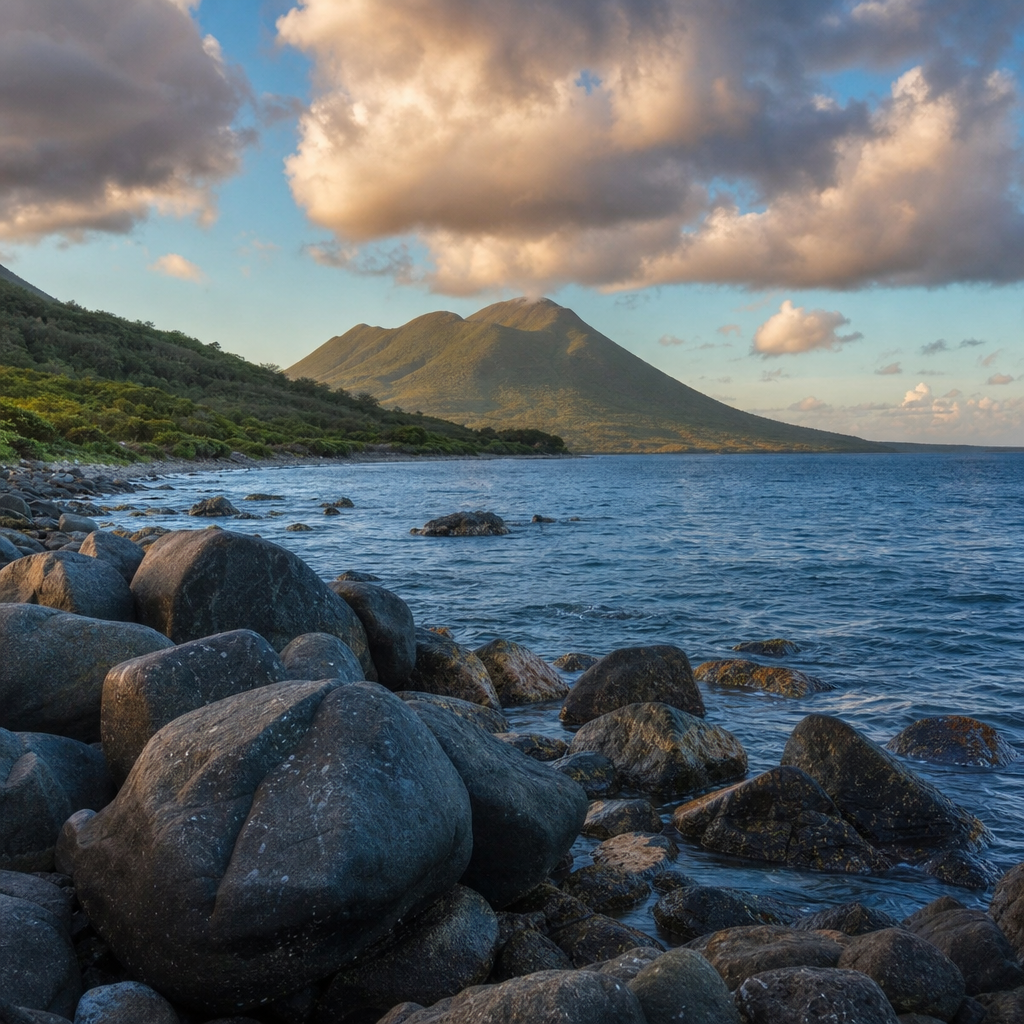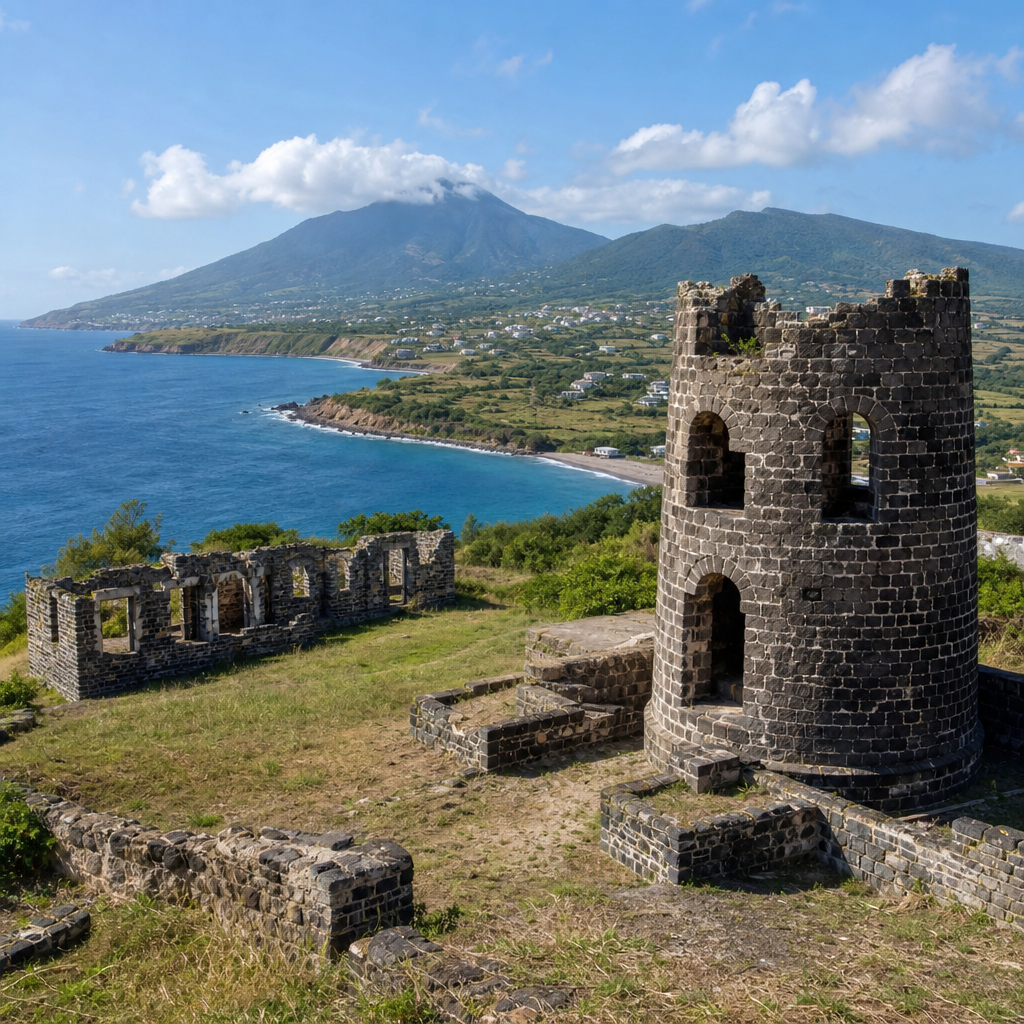
Nevisian heritage sites preserve the story of a small Caribbean island that has played an outsized role in colonial trade, emancipation, religion, architecture, and migration. A tour through time on Nevis is not only about visiting old buildings. It is about reading landscapes, understanding how sugar shaped settlement patterns, seeing how African traditions endured under slavery, and tracing how families, faith communities, and political leaders remade the island after plantation decline. When people search for Nevisian heritage sites, they usually want to know which places matter most, what each site represents, and how to connect them into a meaningful itinerary. This hub answers those questions directly. It explains the key terms behind Nevis heritage, including plantation ruins, civic landmarks, sacred spaces, forts, archaeological sites, and museums, while showing how these places fit together. In my experience walking these roads, speaking with guides, and comparing archival references with what survives on the ground, Nevis rewards slow attention. A weathered stone wall may mark a former estate boundary. A church register may reveal the island’s social hierarchy. A spring house or mill tower can explain the economics of sugar better than any textbook. Heritage matters here because tourism, education, and conservation all depend on accurate interpretation. It also matters because Nevis is often reduced to beaches, yet its built environment and cultural memory offer one of the Caribbean’s clearest windows into the long history of empire and resistance.
Why Nevisian Heritage Sites Matter
Nevisian heritage sites matter because they make abstract history tangible. The island’s story includes Indigenous presence before European settlement, seventeenth-century colonization by the English, the rise of sugar plantations powered by enslaved African labor, the growth of Charlestown as a mercantile center, and the social changes that followed emancipation. Those phases are visible in surviving sites. Estate ruins show industrial production. Churches and cemeteries preserve names, dates, and social ranking. Government buildings and public squares reveal how colonial administration worked. Roads, wells, and stone retaining walls show how labor reshaped the landscape. Together, these places form a historical network rather than isolated attractions.
For visitors, this network creates context. A traveler who sees only a great house may leave with an incomplete impression focused on elite life. A better heritage tour pairs that house with the remains of worker villages, a windmill, a sugar boiling area, and a burial ground. That fuller view makes clear that wealth on Nevis came from a brutal plantation economy. For residents, heritage sites support identity and education. Schools use them to teach local history with physical evidence, and communities use them to preserve family memory. For the island’s economy, heritage tourism broadens the visitor experience beyond resort stays, encouraging longer visits and more spending in Charlestown, village shops, museums, and guide services.
Conservation also depends on public understanding. Stone ruins in the tropics deteriorate quickly under salt air, invasive vegetation, earthquakes, and hurricanes. Once masonry collapses or inscriptions erode, information disappears permanently. That is why documentation, maintenance, and interpretation are essential. On Nevis, heritage protection is strongest when archaeology, archival research, oral history, and tourism planning work together.
Charlestown: The Island’s Historic Core
Charlestown is the logical starting point for a tour through time because it concentrates civic, commercial, and memorial heritage within a walkable area. As Nevis’s capital, it developed as a port town serving plantation exports and administrative needs. Its layout still reflects that role. Streets connect the waterfront to churches, public buildings, and residences, allowing visitors to understand how goods, people, and authority moved through the town.
One of Charlestown’s most recognized landmarks is the Museum of Nevis History, best known internationally for its association with Alexander Hamilton, who was born on Nevis. The museum gives visitors a practical entry into eighteenth-century island life, transatlantic trade, and local society. Its value goes beyond celebrity biography. Properly read, the site places Hamilton within the wider world of British Caribbean commerce, hurricanes, shipping, debt, and migration. Nearby heritage buildings add local depth, showing that Charlestown was not simply the backdrop to one famous birth but a functioning colonial town with many overlapping histories.
The town’s churches and cemeteries are equally important. Burial inscriptions reveal family networks, denominational loyalties, infant mortality, and the prominence of merchant and planter families. Public memorials and older structures also show how Nevis rebuilt after disasters. Earthquakes, fires, and storms repeatedly altered Charlestown, so surviving fabric often represents adaptation as much as original construction. Visitors interested in Nevis culture and history should walk slowly, notice masonry techniques, and compare building styles rather than rushing between landmarks.
Plantation Landscapes and Sugar Heritage
No survey of Nevisian heritage sites is complete without plantation landscapes. From the seventeenth through nineteenth centuries, sugar dominated the island’s economy, and that system left enduring marks. Across Nevis, estate ruins include windmills, boiling houses, curing houses, great houses, cisterns, boundary walls, and service yards. These remains explain how sugar moved from cane field to export commodity. They also reveal social divisions, because elite residences, industrial works, and laboring quarters occupied different spaces within each estate.
I have found that visitors understand plantation history best when guides explain process as well as architecture. Cane was cut by hand, transported to the mill, crushed to extract juice, then boiled in a sequence of coppers to concentrate syrup before crystallization and curing. Every stage required labor, timing, and fuel. Mill towers, especially those adapted to wind power, were engineering solutions tied to terrain and seasonal conditions. Stone boiling houses were designed to support intense heat and heavy equipment. Even ruined foundations can be read once the production sequence is explained clearly.
These sites also force an honest reckoning with slavery. Plantation prosperity on Nevis depended on coerced labor, punishment regimes, legal restrictions, and the deliberate extraction of human effort for export profit. Heritage interpretation should say this plainly. Romanticizing estates as picturesque ruins erases the people who built and worked them. The most responsible tours point out where enslaved workers likely lived, how water was managed, what rations and provision grounds meant, and how emancipation changed labor relations without instantly ending inequality.
| Heritage site type | What visitors can learn | Best way to interpret it |
|---|---|---|
| Windmill tower | Mechanical processing of cane and estate scale | Explain milling technology, wind dependence, and labor coordination |
| Boiling house ruins | Industrial sugar production and heat-intensive work | Describe the copper sequence, fuel use, and dangerous conditions |
| Great house | Planter wealth, domestic life, and social hierarchy | Compare elite living spaces with nearby worker areas |
| Village remains | Everyday life of enslaved and later free laborers | Use archaeology and oral history to discuss housing and family life |
Churches, Cemeteries, and Sacred Memory
Religious heritage sites are among the most revealing places on Nevis because they record both formal institutions and community continuity. Anglican, Methodist, Moravian, Catholic, and other traditions shaped education, marriage, charity, and social identity. Churches were not only places of worship. They were also centers of recordkeeping. Baptism, marriage, and burial registers help historians reconstruct families, status, and mobility across generations.
Cemeteries deserve close attention. Headstones can document changing language, imported stonework, biblical preferences, and naming patterns. They also reveal inequalities. Wealthier families often left larger and more durable markers, while many poorer islanders and enslaved people were buried with limited memorialization or in places that are now difficult to identify. That absence is itself historically significant. It reminds us that archives and landscapes preserve some lives more visibly than others.
Sacred sites also show resilience after disaster. Hurricanes and earthquakes damaged church buildings repeatedly, leading to repairs, redesigns, and in some cases relocation. When a congregation rebuilds, the resulting structure becomes a layered artifact rather than a single-period monument. Visitors should look for reused stone, varied masonry bonds, and memorial tablets moved from earlier buildings. These details help explain how Nevisian communities maintained continuity while adapting to material loss.
Forts, Defenses, and the Strategic Caribbean
Although Nevis is often discussed through plantation history, defense sites are equally important to understanding its role in the eastern Caribbean. In the seventeenth and eighteenth centuries, islands were strategic assets in imperial rivalry. Fortifications, batteries, and lookout points protected ports, estates, and shipping lanes from privateers, enemy fleets, and local unrest. Even where little remains above ground, defensive locations explain how colonial authorities read the landscape.
On Nevis, surviving military traces tend to be less monumental than the largest Caribbean forts, but that does not make them less valuable. Their significance lies in placement. Elevated points offered surveillance over approaches by sea. Coastal batteries defended anchorages and town access. Stone platforms, earthworks, and cannon positions reveal practical responses to perceived threats. Interpreted well, they connect Nevis to broader conflicts involving Britain, France, and regional trade competition.
These sites also remind visitors that security was never only about foreign attack. Plantation societies were deeply anxious about rebellion. Defensive thinking therefore overlapped with systems of internal control. Reading military heritage in that wider frame gives a more accurate picture of how colonial power functioned.
Archaeology, Museums, and the Work of Preservation
Archaeology is essential to Nevisian heritage because much of the island’s past survives below the surface or in fragmentary ruins. Excavation, survey, mapping, and artifact analysis can reveal settlement patterns, diet, trade networks, and domestic life that written records overlook. Ceramics, bottle glass, nails, beads, pipe stems, and faunal remains may seem ordinary, yet they allow researchers to date occupation phases and reconstruct everyday behavior. On plantation sites especially, archaeology helps recover the lives of people who appear sparsely in formal archives.
Museums translate that evidence for the public. A strong museum display does more than present objects in cases. It links artifacts to place, explains why a shard or tool matters, and invites visitors to compare documentary history with material evidence. On Nevis, the best museum experiences connect town landmarks with estate landscapes and encourage travelers to visit sites after learning the background indoors.
Preservation work is rarely glamorous. It includes vegetation control, mortar analysis, drainage management, structural stabilization, signage, and digital documentation using GIS, photogrammetry, or measured drawings. International conservation principles generally favor minimal intervention and compatibility of materials. In practical terms, that means using repair methods that protect original fabric instead of overwhelming it. The challenge on Nevis is balancing access with fragility. Too little visitation can reduce support for conservation, but unmanaged traffic can accelerate wear.
How to Tour Nevisian Heritage Sites Well
A successful heritage tour of Nevis begins with planning around themes rather than trying to see everything at once. Start in Charlestown for museum context, then connect that introduction to one or two plantation landscapes, a church or cemetery, and a coastal or elevated defensive site. This sequence helps visitors move from overview to lived experience. Hiring a knowledgeable local guide is worth it, especially one who can link architecture, family history, and oral tradition. Printed plaques are useful, but they cannot answer follow-up questions or adapt to a visitor’s interests.
Timing matters. Morning light is usually better for reading ruins and inscriptions, and heat can make midday estate visits uncomfortable. Good footwear is essential because surfaces may be uneven, overgrown, or slippery after rain. Visitors should also approach sites respectfully. Do not climb unstable masonry, remove artifacts, or treat burial grounds as casual photo backdrops. Heritage etiquette protects both the place and the quality of future research.
As a hub for the broader Culture and History topic, this page should lead readers outward. From here, deeper articles can focus on Charlestown landmarks, Alexander Hamilton connections, plantation estate case studies, church history, archaeology on Nevis, and practical heritage itineraries. The value of this hub is that it shows how those subjects fit together into one island narrative.
Nevisian heritage sites offer far more than scenic ruins. They show how an island was shaped by empire, commerce, faith, labor, disaster, adaptation, and memory. Charlestown explains civic and mercantile life. Plantation landscapes reveal the machinery and human cost of sugar. Churches and cemeteries preserve community records and sacred continuity. Defensive sites place Nevis within the strategic history of the Caribbean. Museums and archaeological work turn fragile evidence into public knowledge. Taken together, these places create a tour through time that is intellectually rich and emotionally grounding.
The central lesson is simple: the best way to understand Nevis is to read its landscapes closely and connect each site to the people who used it. Heritage becomes meaningful when visitors look past surfaces and ask who built a wall, who worshipped in a church, who cut the cane, who was buried without a marker, and who is preserving the evidence today. If you are building an itinerary under Nevis culture and history, use this hub as your starting point, then explore the related articles that examine each landmark type in greater detail.
Frequently Asked Questions
What makes Nevisian heritage sites important beyond their historic buildings?
Nevisian heritage sites matter because they preserve far more than architecture. They reveal how the island developed through plantation agriculture, maritime trade, religious life, forced labor, emancipation, and migration. On Nevis, a ruined sugar mill, a parish church, an estate yard, or a surviving great house is part of a larger historical landscape. These places show how sugar production shaped roads, settlement patterns, labor systems, and access to land. They also help explain how colonial wealth was built and who paid the human cost for it.
Just as importantly, heritage sites on Nevis tell the story of endurance and cultural continuity. African-descended communities carried traditions, beliefs, foodways, craftsmanship, and social practices through slavery and into freedom, leaving marks on the island’s identity that can still be felt today. Visiting these sites allows travelers to understand Nevis not simply as a picturesque Caribbean destination, but as a place where global history unfolded on an intimate scale. The island’s heritage offers a lens into empire, resistance, adaptation, and community rebuilding after plantation decline. In that sense, the value of these sites lies not only in what still stands, but in what the landscape continues to remember.
How did the sugar plantation era shape the heritage landscape of Nevis?
The sugar plantation era defined Nevis in ways that are still visible across the island. During the colonial period, sugar became the economic engine that organized land use, labor, and settlement. Estates were positioned to take advantage of fertile soils, water access, and transportation routes, and over time they created a network of mills, boiling houses, storage areas, estate roads, and ports. Even where buildings are now in ruins, the arrangement of land often still reflects plantation priorities. Stone structures, windmill towers, terraced fields, and estate boundaries offer clues to the scale and intensity of sugar production.
But the plantation landscape is also a record of human inequality. These estates depended on the labor of enslaved Africans, and understanding Nevisian heritage means acknowledging that sugar wealth was built through coercion, violence, and exploitation. Heritage interpretation on the island often invites visitors to look past the main house and consider the full estate system, including work yards, provision grounds, villages, and paths used by laborers. After emancipation and the decline of sugar, many of these spaces were adapted, abandoned, or absorbed into new communities. That transformation is a key part of the story. The heritage landscape of Nevis therefore documents both the rise of plantation power and the ways islanders reshaped their world in its aftermath.
What can visitors learn about African heritage and cultural survival at Nevisian historic sites?
Visitors can learn that African heritage on Nevis is not a background note to colonial history; it is central to the island’s identity. Historic sites help illustrate how enslaved Africans and their descendants preserved and transformed cultural traditions under extraordinarily harsh conditions. While official colonial records often focused on plantation owners, churches, and trade, the lived history of the island also survives in oral traditions, burial practices, music, food, herbal knowledge, craftsmanship, and community memory. Heritage sites become especially meaningful when they are interpreted through these human stories rather than only through dates and architectural descriptions.
On Nevis, landscapes associated with plantations, villages, churches, and family networks can reveal how African-descended communities created systems of support and belonging even within oppressive structures. Visitors may come to appreciate how laborers used provision grounds, formed kinship ties, practiced faith in blended ways, and passed down resilience through generations. After emancipation, these communities continued shaping the island through small-scale farming, religious leadership, migration, and local politics. A thoughtful tour through Nevisian heritage therefore helps visitors understand both suffering and survival. It highlights that African cultural continuity on the island was active, creative, and foundational to what Nevis became.
Why are churches, cemeteries, and family sites so significant in understanding Nevis history?
Churches, cemeteries, and family-linked historic places are essential because they connect major historical events to everyday lives. On a small island like Nevis, these sites often preserve records of baptism, marriage, death, landholding, and social status across generations. Churches can show how religion structured community life during and after the colonial period, while cemeteries offer visible evidence of changing populations, class divisions, epidemics, migration patterns, and family continuity. Even the location and design of graves can reveal distinctions of race, wealth, and influence that shaped island society.
These places are also important because they show how Nevisians rebuilt community after the plantation system weakened. Faith communities frequently served as anchors of education, moral authority, mutual aid, and local leadership. Family sites, meanwhile, help trace the movement of people across the Caribbean and beyond, reminding visitors that migration has long been part of Nevisian history. Some families remained rooted on the island for generations; others maintained ties while moving abroad and returning through remittances, investments, and memory. Together, these heritage sites make history personal. They move the story beyond governors and estates and into the realm of ordinary people, spiritual life, and the intergenerational bonds that have sustained Nevis through change.
How should travelers approach a tour of Nevisian heritage sites to fully appreciate their historical meaning?
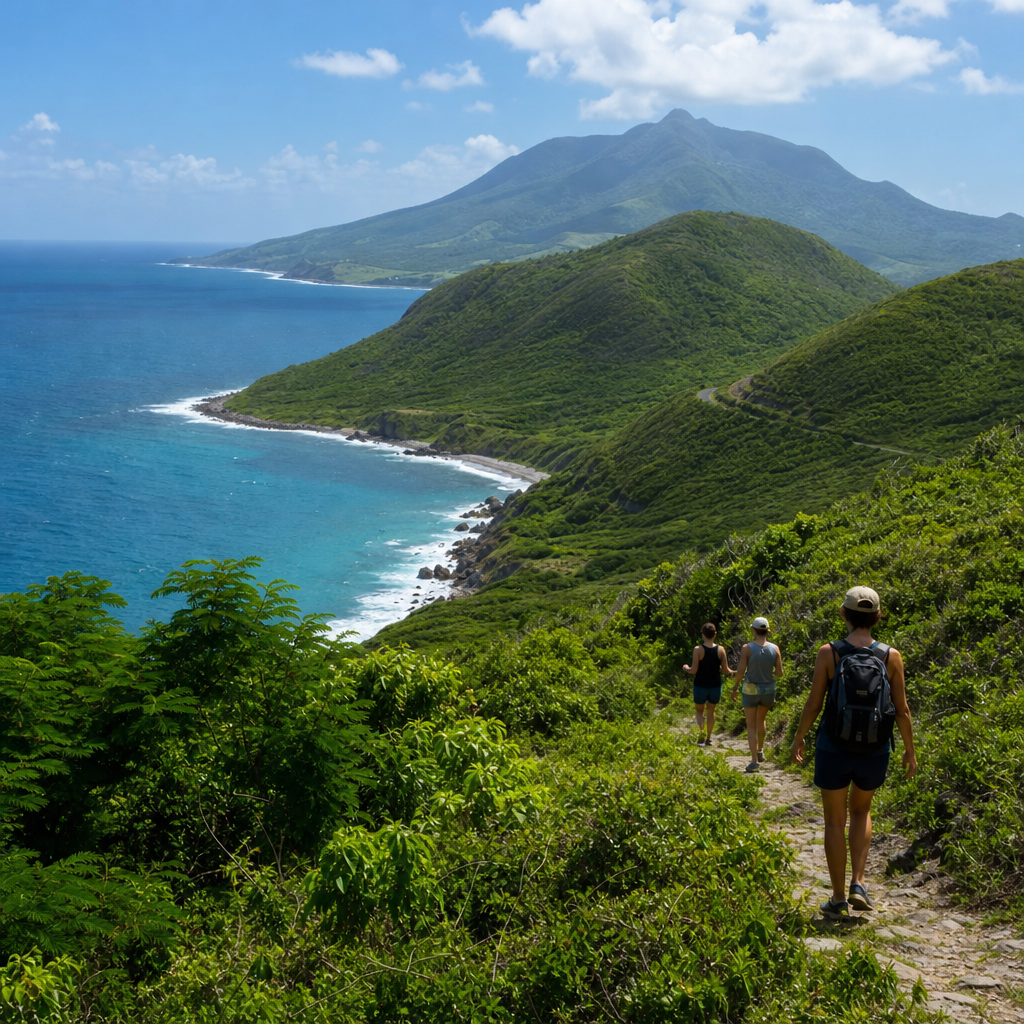
The best way to approach a tour of Nevisian heritage sites is with patience, curiosity, and a willingness to read the island as a layered historical landscape. Rather than treating each location as an isolated attraction, travelers should think about how sites connect to one another through labor, trade, faith, environment, and community life. A plantation ruin, for example, makes more sense when considered alongside nearby villages, churches, roads, ports, and natural features. Paying attention to elevation, coastline access, field patterns, and settlement clusters can reveal why places developed where they did and how people moved through them over time.
It is also important to engage with the harder parts of the story. A meaningful heritage tour on Nevis should include the realities of enslavement, colonial extraction, and social hierarchy, not just the aesthetics of stone walls and tropical scenery. At the same time, travelers should look for evidence of endurance, adaptation, and renewal: how communities preserved traditions, reorganized land use, strengthened religious and family networks, and shaped post-plantation society. Listening to local guides, historians, and community voices can deepen that understanding significantly. When approached this way, a heritage tour becomes more than sightseeing. It becomes an informed encounter with how Nevisians have carried memory through place, and how the island’s past continues to shape its present.