Labor Day in Nevis is more than a public holiday; it is a day that honors workers, remembers the long history of labor struggle in the Caribbean, and brings communities together in celebration. In Nevis, the occasion sits at the intersection of social history, civic pride, and everyday island life, making it an important subject within any broader guide to local life and experiences. For residents, it recognizes the contribution of people who keep the island functioning, from hospitality staff and farmers to teachers, nurses, construction crews, public servants, and small business owners. For visitors and researchers, it offers a practical window into how Nevis values work, community, and collective progress.
Labor Day generally refers to an officially recognized day dedicated to workers and the labor movement. Across much of the world, that observance is tied to May 1, often called International Workers’ Day. In Saint Kitts and Nevis, Labor Day is observed as a public holiday and carries the regional legacy of trade union organization, anti-colonial reform, and demands for fair wages and humane working conditions. On Nevis, that larger history is felt in a distinctly local way. The island’s economy has shifted over time from plantation agriculture to tourism, services, construction, and small-scale enterprise, yet the idea behind the holiday remains constant: prosperity depends on labor, and labor deserves respect.
This matters because holidays reveal what a place chooses to remember. Labor Day in Nevis is not only about a day off work. It signals public recognition of people whose efforts often become background to daily life. It also creates space for reflection on issues that still matter, including cost of living, youth employment, workforce training, job security, and the balance between economic development and worker wellbeing. Having covered local culture and seasonal events across Caribbean destinations, I have found that Labor Day is one of the clearest indicators of how a community sees itself. In Nevis, the day carries both seriousness and warmth: official observance, social gathering, and cultural continuity all at once.
As a hub topic within Miscellaneous local experiences, Labor Day connects to many related subjects. It touches heritage, public holidays, local customs, village life, education, governance, religion, and recreation. It can be discussed through school programs, church services, community events, speeches by public officials, union perspectives, family gatherings, and the rhythms of a long weekend. Understanding the holiday therefore helps readers navigate many smaller topics that branch out from it. It also supports practical trip planning, because public holidays affect opening hours, transportation patterns, event schedules, and the atmosphere visitors will encounter around Charlestown and the wider island.
Historical Roots of Labor Day in Nevis
To understand Labor Day in Nevis, start with the history of labor in the British Caribbean. For centuries, the economy was shaped by plantation production, first through enslaved labor and later through systems that continued severe inequality after emancipation. During the late nineteenth and early twentieth centuries, workers across the region faced low wages, poor housing, limited political power, and difficult working conditions. These pressures contributed to organized resistance, strikes, and political activism. The labor uprisings of the 1930s across the Caribbean were especially important because they accelerated reform, strengthened trade unions, and laid groundwork for modern labor rights.
In Saint Kitts and Nevis, labor politics became deeply connected to broader democratic change. Workers’ organization influenced wage negotiations, social policy, and electoral development. That history matters on Nevis because it explains why Labor Day is not treated as a generic imported holiday. It reflects local memory of hardship, mobilization, and gradual improvement in workers’ standing. Even people who do not participate in formal events often understand the day as one linked to dignity, fairness, and the contributions of ordinary citizens. The meaning has broadened over time, but the historical core remains visible in public messaging and community conversation.
Nevis itself offers an instructive example of economic transition. Plantation-era structures shaped land use and labor patterns for generations. In more recent decades, tourism, hospitality, financial services, transport, retail, and residential development have created a more diversified labor landscape. Yet every new sector still depends on disciplined human effort. Hotel housekeepers, chefs, groundskeepers, boat operators, artisans, electricians, and taxi drivers all form part of the modern workforce that Labor Day recognizes. The holiday therefore bridges old and new Nevis: it recalls plantation labor history while affirming present-day workers in a service-oriented economy.
How Labor Day Is Observed on the Island
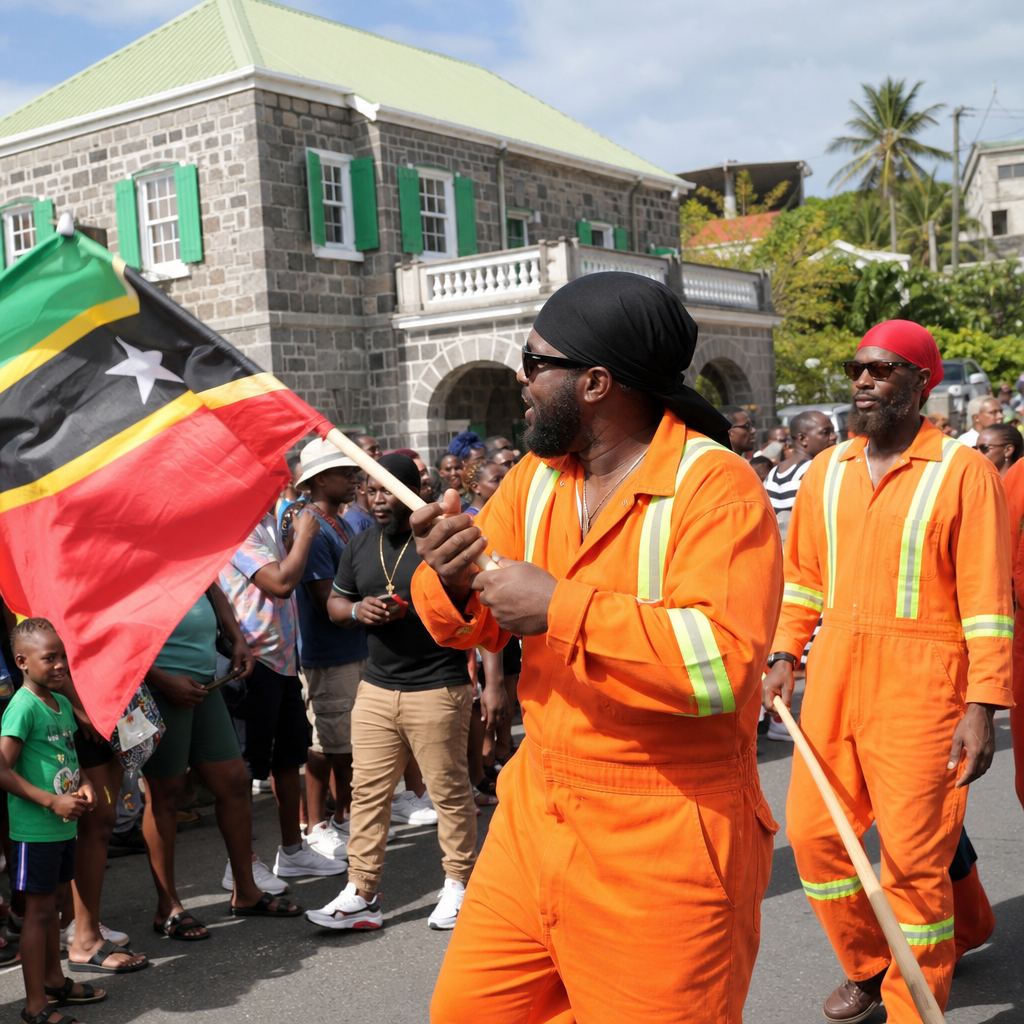
On Nevis, Labor Day is usually experienced through a combination of official closure, public acknowledgment, and informal celebration. Government offices, banks, schools, and many businesses may close or operate on reduced schedules. Essential services continue, of course, and tourism-related businesses often remain active, especially hotels, restaurants, and transport providers that serve guests. The practical effect is a noticeable shift in pace. Roads may be quieter in some areas and busier in others, families spend more time together, and villages often feel more communal because people are at home rather than at work.
Public observances can include speeches, messages from government leaders, radio discussions, church services, and community gatherings. On small islands, radio remains a significant channel for civic culture, and holiday programming often revisits labor history, national development, and social priorities. Schools and civic groups may also use the period around the holiday to teach younger people why workers’ rights matter. In my experience covering island public holidays, these educational elements are easy for outsiders to miss, yet they are often where the real meaning of the day is preserved. A speech in Charlestown or a church reference to labor, service, and justice can reveal far more than a generic event listing.
Celebration on Nevis is rarely detached from food and social connection. Families may gather for lunch, barbecues, beach time, or village lime sessions. Community sporting events, casual music, and local socializing can all become part of the day, depending on the year and the organizations involved. Because public observance is shaped by local initiative, Labor Day does not always look identical from one year to the next. That flexibility is part of its local character. It is less about a single standardized ritual and more about an island-wide acknowledgment that workers deserve to be seen, thanked, and given time to rest.
What the Holiday Says About Local Life
Labor Day in Nevis reveals several important truths about local life. First, work on the island is highly relational. In a small community, the person serving breakfast at a hotel, teaching at a primary school, repairing an electrical line, or staffing a clinic is not anonymous labor. They are a neighbor, cousin, church member, former classmate, or friend. Recognition therefore feels personal. Second, the holiday highlights the mix of formal and informal work that sustains island life. Paid employment matters, but so do caregiving, market selling, fishing, subsistence gardening, and volunteer service that may not always receive equal public credit.
Third, the holiday reflects how Nevis balances ambition with community responsibility. Economic development is widely valued, especially where it creates jobs and strengthens infrastructure. At the same time, there is broad understanding that growth without fair opportunity can produce resentment and instability. Labor Day gives public language to that balance. Leaders can celebrate productivity while also addressing wages, training, labor standards, and pathways for young people entering the workforce. For readers exploring local life and experiences, this makes Labor Day a useful anchor topic because it connects economic reality to lived culture.
| Aspect | How It Appears on Labor Day in Nevis | Why It Matters |
|---|---|---|
| Public holiday closures | Government offices, schools, and some businesses close or reduce hours | Shows formal national recognition of workers |
| Community gatherings | Families meet for meals, beach outings, and village social time | Turns civic observance into lived local culture |
| Historical reflection | Speeches, radio features, and school references revisit labor struggles | Keeps social memory alive across generations |
| Modern workforce recognition | Hospitality, healthcare, education, transport, and trades are publicly valued | Connects heritage to the current economy |
Workers, Sectors, and the Modern Nevis Economy
A useful way to read Labor Day is by looking at who is being recognized. Tourism is one of Nevis’s most visible sectors, and that means many workers behind the visitor experience come into focus. Hospitality staff maintain rooms, prepare meals, manage reservations, tend gardens, coordinate events, and move guests safely around the island. Their work is skilled, physical, and often time-sensitive. A well-run hotel depends on standards, training, teamwork, and consistency. Labor Day gives visibility to jobs that can otherwise be overlooked precisely because excellent service often appears effortless to the customer.
Beyond tourism, the island depends on workers in health, education, utilities, maintenance, public administration, retail, and construction. Teachers shape future workforce capacity. Nurses and clinic staff provide continuity of care in a small-island environment where resilience matters. Electricians, plumbers, masons, and road crews keep homes, businesses, and infrastructure functioning. Farmers and fishers remain part of food security even when agriculture is no longer the dominant employer. Small business operators, from shopkeepers to mobile food vendors, add another layer to the labor picture by creating livelihoods through entrepreneurship. Labor Day is broad enough to include all of them.
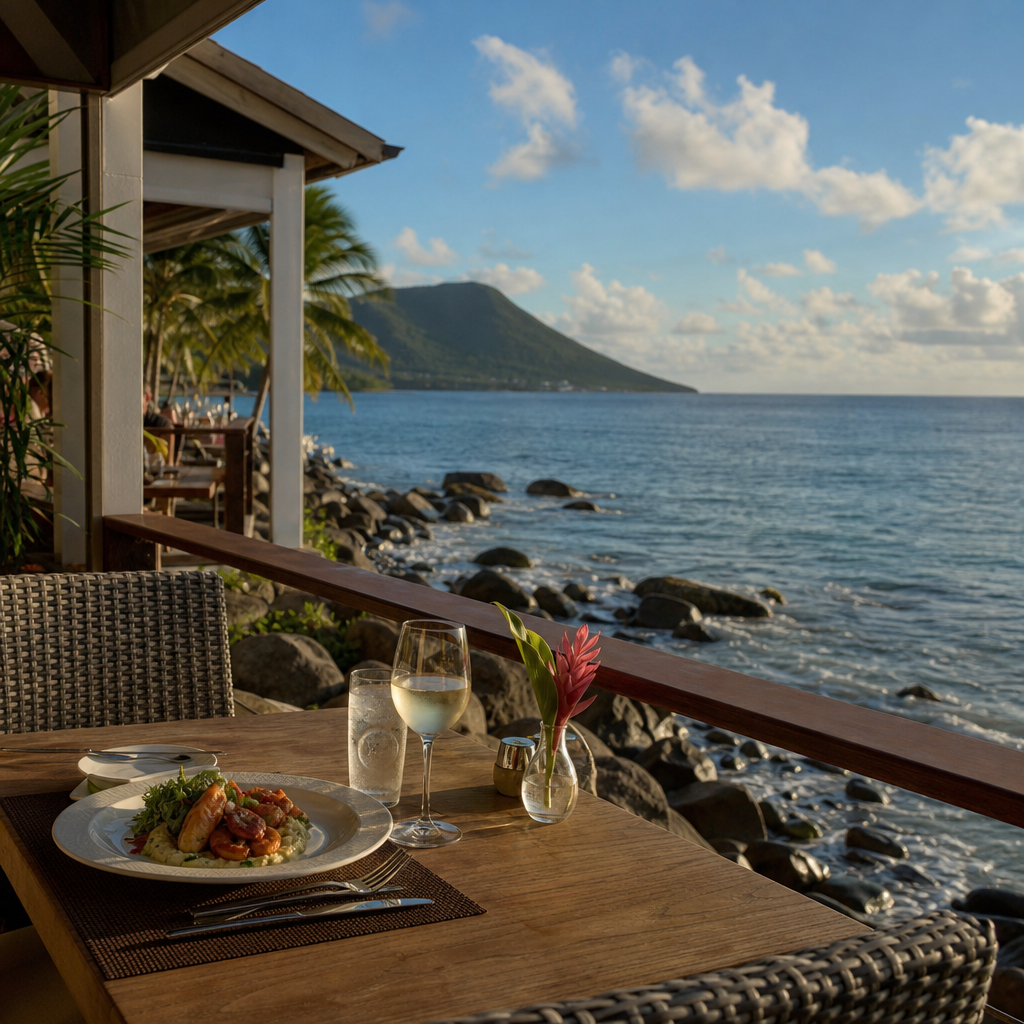
This broad recognition is important because island economies can mask interdependence. A guest may remember a beach view and a fine meal, but that experience rests on supply chains, utilities, scheduling, payroll systems, transport logistics, sanitation, and maintenance work. In practical terms, Labor Day is a reminder that no sector succeeds in isolation. That lesson applies equally to public policy. Workforce development is not just about creating jobs; it is about matching training to actual economic need, improving labor productivity without exploiting workers, and ensuring that local people can participate meaningfully in growth sectors rather than being sidelined by them.
Practical Guidance for Visitors and Researchers
If you are on Nevis during Labor Day, expect some service adjustments and a more local rhythm. Check opening hours for banks, government services, museums, and smaller shops in advance. Hotels generally continue operating, but staffing patterns may differ and some ancillary services may run on holiday schedules. If you rely on ferries, taxis, or organized tours, confirm times early. Public holidays on small islands reward planning, not because access disappears, but because timing becomes less predictable. Visitors who understand this usually have a better experience and are more respectful of the local significance of the day.
For cultural travelers, the best approach is observation with courtesy. Listen to local radio, ask hotel staff whether any community events are taking place, and be open to the fact that the holiday may be quieter than a carnival-style celebration. Labor Day is meaningful even when it is understated. Researchers and writers should also avoid flattening it into a generic regional holiday. The details that matter are local: which sectors dominate employment on Nevis, how leaders speak about work and opportunity, how families use the day, and how historical memory is transmitted in schools, churches, and conversation. Those details are where place-specific insight lives.
As a hub within Miscellaneous local life content, this topic also points readers toward adjacent subjects worth exploring next: public holidays in Saint Kitts and Nevis, village culture in Nevis, the island’s labor history, how tourism shapes community life, local transportation during holidays, and the role of schools and churches in civic memory. Taken together, those linked subjects create a fuller understanding of the island than any single attraction guide can provide. Labor Day is the entry point because it combines history, economics, identity, and lived experience in one observance.
Labor Day in Nevis stands out because it honors the people who make island life possible while preserving the memory of past labor struggles that shaped the present. It is at once historical and current, formal and personal, reflective and celebratory. The holiday recognizes workers across every sector, from tourism and public service to trades, agriculture, health, education, and small business. It also reveals how Nevis understands community: work is not merely economic output, but service, interdependence, and shared responsibility.
For anyone exploring local life and experiences, this makes Labor Day one of the most valuable Miscellaneous hub topics on the island. It connects public holidays to heritage, community customs, practical travel planning, and the realities of the modern Nevis economy. It explains why opening hours change, why official messages matter, why families gather, and why labor remains central to public identity. Most importantly, it reminds readers that the quality of life visitors enjoy on Nevis is built by real people whose effort deserves recognition.
If you want to understand Nevis beyond its scenery, start with the days that matter to the people who live there. Learn the story behind Labor Day, pay attention to how the island marks it, and use that insight to explore related parts of local culture with greater respect and context. That is how a public holiday becomes a deeper experience of place.
Frequently Asked Questions
What does Labor Day in Nevis represent?
Labor Day in Nevis represents far more than a simple day off from work. It is a public recognition of the value of workers across the island and a reminder that the everyday functioning of Nevis depends on the effort, skill, and dedication of many different people. From hotel and restaurant employees to farmers, teachers, healthcare workers, tradespeople, transport operators, and public servants, the day acknowledges the broad range of labor that supports both community life and the local economy.
It also carries historical meaning. In the wider Caribbean, Labor Day is closely connected to the story of workers’ rights, organized labor, social reform, and the long struggle for dignity, fair treatment, and better conditions. In Nevis, this historical backdrop gives the holiday a deeper civic character. It is a time to reflect on how labor movements helped shape modern society and how workers’ contributions continue to influence the island’s progress.
At the same time, Labor Day has a celebratory side. Families gather, communities host events, and the atmosphere often reflects pride, gratitude, and shared identity. That balance between remembrance and celebration is what makes Labor Day especially meaningful in Nevis. It honors the past, recognizes the present, and encourages people to think seriously about the future of work and community life on the island.
Why is Labor Day important in the context of Nevisian history and Caribbean labor struggles?
Labor Day is important in Nevisian history because it connects local experience to a much larger regional story. Across the Caribbean, labor struggles were shaped by plantation economies, colonial rule, economic inequality, and the efforts of ordinary people to demand respect, fair wages, and political representation. Workers often faced difficult conditions, and labor activism became one of the major forces behind broader social and political change throughout the region.
In Nevis, as in many Caribbean societies, the memory of worker struggle is tied to questions of identity, self-determination, and social justice. Labor Day helps preserve that memory by giving people an occasion to reflect on how rights that may seem standard today were often won through persistence, protest, and collective action. The holiday encourages recognition of the people who challenged unfair systems and laid the groundwork for stronger institutions, better protections, and more inclusive civic life.
This historical importance is especially valuable because it keeps the conversation rooted in real community experience rather than abstract symbolism. Labor Day reminds residents and visitors alike that the island’s development did not happen automatically. It was built through labor, sacrifice, and the steady efforts of generations. That perspective makes the holiday relevant not only as a commemoration of the past, but also as a lens through which to understand current discussions about employment, opportunity, and national well-being in Nevis and the wider Caribbean.
How do people typically observe Labor Day in Nevis?
People in Nevis typically observe Labor Day through a mix of formal recognition, community gathering, and personal downtime. Because it is a public holiday, many businesses and offices may operate on reduced hours or close altogether, giving residents the chance to spend time with family, attend local activities, or simply rest. This pause from routine is part of the spirit of the day, as it reflects the very idea that workers deserve acknowledgment, leisure, and respect.
Observances may include public messages from leaders, community programs, church services, educational reflections, or labor-related discussions that highlight the role of workers in society. In some settings, the day can take on a civic tone, with emphasis placed on the island’s social history, economic resilience, and appreciation for those who contribute to public life. Schools, community groups, and local organizations may also use the occasion to reinforce themes of service, solidarity, and national pride.
On a more informal level, Labor Day often feels communal and relaxed. Families may gather for meals, friends may spend time together outdoors, and neighborhoods may enjoy the slower pace that comes with a shared holiday. For visitors, this can offer a revealing look at local life in Nevis, where public holidays are not only official dates on the calendar but meaningful social moments. The exact form of celebration can vary from year to year, but the underlying mood usually combines appreciation, reflection, and togetherness.
What makes Labor Day in Nevis different from a typical public holiday?
What sets Labor Day apart from a typical public holiday in Nevis is the depth of meaning behind it. While many holidays are linked to recreation, religion, or national milestones, Labor Day is rooted in the lived experience of ordinary people and in the recognition that work shapes every part of society. It is not just a break from employment; it is a day that asks the community to think about who keeps the island running and what their efforts make possible.
That makes the holiday both practical and symbolic. Practically, it offers rest and shared time off. Symbolically, it acknowledges labor as a source of dignity, stability, and social progress. In an island setting like Nevis, where community connections are strong and many sectors are closely interdependent, this recognition feels especially tangible. Residents can clearly see how hospitality workers, farmers, fishers, cleaners, teachers, utility staff, healthcare professionals, and many others contribute directly to daily life.
Labor Day also stands out because it bridges history and the present. It invites people to honor labor struggles of earlier generations while also appreciating contemporary workers whose contributions may sometimes be overlooked. This gives the day a thoughtful and grounded character. Rather than being only celebratory or only ceremonial, Labor Day in Nevis carries a sense of gratitude, memory, and social awareness that gives it lasting relevance.
What should visitors know about Labor Day if they are in Nevis during the holiday?
Visitors in Nevis during Labor Day should understand that the holiday has genuine cultural and historical significance. It is a good time to appreciate the island beyond its scenery and leisure offerings by recognizing the role workers play in sustaining tourism, public services, agriculture, transportation, and everyday community life. Approaching the day with respect can deepen a visitor’s understanding of Nevis and make the experience more meaningful.
From a practical standpoint, visitors should be prepared for possible changes in operating hours. Some businesses, government offices, banks, and local services may close or run on limited schedules because of the public holiday. Restaurants, attractions, and transport providers may also vary in availability depending on the location and the nature of the holiday observance. Planning ahead is wise, especially for dining, travel arrangements, and essential errands.
Labor Day can also be an excellent opportunity to observe local culture in a more authentic way. Depending on what is happening on the island, visitors may encounter community gatherings, family-oriented activities, or a generally relaxed and reflective holiday atmosphere. Being patient, flexible, and curious goes a long way. Rather than expecting a standard tourist day, it helps to see Labor Day as a window into the social fabric of Nevis: a day when recognition, remembrance, and celebration come together in a way that says a great deal about the island’s values.