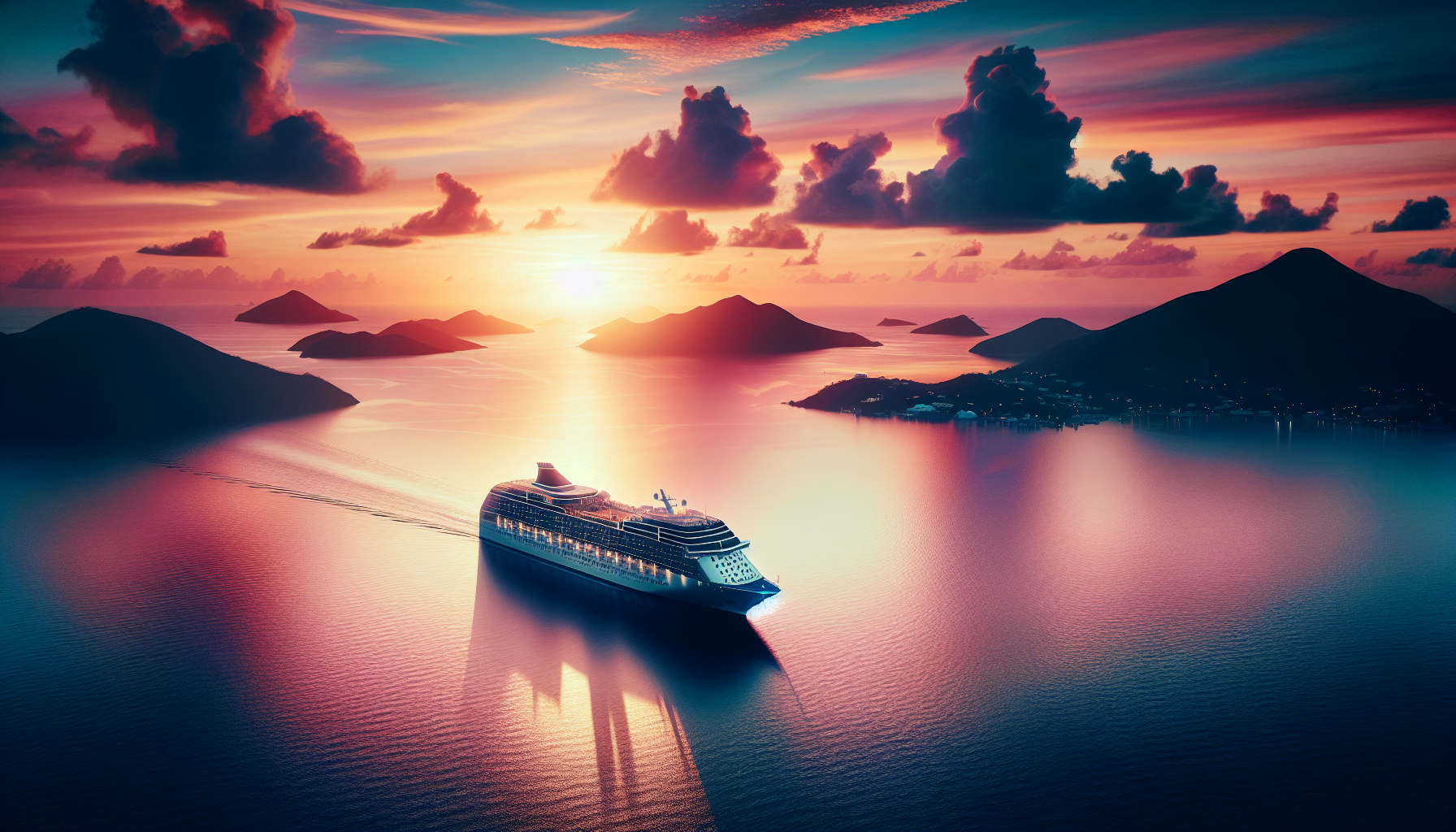
Saint Kitts rewards sunset seekers with an uncommon mix of volcanic peaks, west-facing beaches, historic viewpoints, and calm Caribbean water that turns gold, copper, and violet in a matter of minutes. For travelers exploring the island’s Nature and Wildlife offerings, the best sunset spots in Saint Kitts are more than pretty backdrops for photos; they reveal how geography, weather, elevation, and coastal orientation shape one of the island’s most memorable daily events. In practical terms, a great sunset spot is any location with a clear western or northwestern view, safe footing, manageable access near dusk, and enough open horizon to watch the sun sink behind the sea or toward neighboring islands such as Nevis, Statia, and Saint Eustatius.
I have planned evening itineraries across Saint Kitts for beachgoers, hikers, birders, and cruise visitors, and one pattern is consistent: the best experience comes from matching the setting to the traveler. Some people want a lively beach bar with easy parking and a rum punch at hand. Others want a quiet headland where frigatebirds pass overhead and the only sound is surf on lava rock. Families often need calm sand and nearby facilities, while photographers usually prioritize elevation, cloud formation, and foreground elements such as palms, fishing boats, or old stone walls. A single “best” sunset spot does not exist. The right choice depends on light, season, mobility, and what kind of nature experience you want.
This guide serves as a hub for the island’s miscellaneous sunset experiences within the broader Nature and Wildlife topic. It covers major beaches, scenic overlooks, the Southeast Peninsula, Basseterre-adjacent vantage points, and catamaran perspectives offshore. Along the way, it answers the questions travelers usually ask: which coast faces the sunset, when the colors are strongest, whether rainy season helps or hurts the view, and how to combine sunset watching with wildlife observation. If you want one simple rule, it is this: on Saint Kitts, west and southwest coasts deliver the most dependable classic sunsets, but elevated points and peninsula lookouts often produce the island’s most dramatic skies.
Why Saint Kitts Produces Remarkable Sunsets
Saint Kitts is well suited to dramatic sunsets because of its topography and position in the northeastern Caribbean. The island’s central mountain range, anchored by Mount Liamuiga, creates shifting cloud layers that can diffuse harsh light late in the day. Meanwhile, the leeward coast faces the Caribbean Sea, which is typically calmer than the Atlantic side. Calm water reflects warm tones more evenly, producing the polished, mirror-like effect many travelers associate with ideal sunset photography. Volcanic sand, dark rock, and lush green slopes also add contrast, making the sky appear brighter and more saturated by comparison.
Weather matters as much as location. Completely clear skies can produce a clean but brief sunset, while scattered mid-level clouds often create the longest and richest color display. In my experience, some of the finest evenings follow short late-afternoon showers, when moisture and broken cloud bands catch light after the sun dips below the horizon. The island’s dry season, generally from December to April, offers reliable visibility, but the wetter months can reward patient viewers with more vivid pink and purple afterglow. Wind direction also shapes the scene, especially on exposed points where haze can either soften the horizon or erase neighboring islands from view.
Another reason sunsets feel special here is the surrounding geography. Nevis sits just across The Narrows, and its broad volcanic silhouette frequently becomes part of the composition from the southern and western coasts of Saint Kitts. On especially clear evenings, the outline of Statia appears farther away, adding depth and scale. This layered horizon gives Saint Kitts an advantage over flatter islands with uninterrupted sea but little visual structure. Sunset watching becomes not just an act of facing west, but of reading ridgelines, cloud shadows, trade winds, and island contours in real time.
Top Sunset Spots Around the Island
For easy access and consistently beautiful views, Frigate Bay is one of the best sunset spots in Saint Kitts. The beach on the Caribbean side offers open western exposure, gentle surf, and a relaxed social atmosphere. It works well for travelers who want convenience without sacrificing scenery. You can arrive an hour before sunset, swim in calm water, then settle into the sand or a beachfront terrace as the sky shifts color behind anchored boats. Because the coast is broad and low, Frigate Bay also suits photographers who want clean horizon lines and silhouettes of palms or people walking the shore.
South Friars Bay is often stronger for a quieter and more scenic experience. Backed by green hills and lined with darker sand and pebbled sections, it catches warm light beautifully. The beach faces toward the west and northwest, so the sun appears to descend over open water while the surrounding landscape glows amber. I often recommend South Friars Bay to travelers who want a balance between amenities and nature. You can watch brown pelicans dive offshore, spot seabirds crossing the bay, and stay for the afterglow without feeling rushed. The beach clubs here tend to be lower key than busier resort strips.
Cockleshell Bay, on the Southeast Peninsula, offers a different type of sunset: less direct west-facing exposure than some leeward beaches, but a superb layered view with Nevis dominating the horizon. On evenings with textured clouds, the mountain on Nevis turns into a dark blue silhouette while the channel reflects streaks of orange and rose. This area is especially appealing for travelers who enjoy combining wildlife, beach time, and a scenic drive. Nearby salt ponds and scrub habitat attract birds, and the peninsula itself feels wilder than the central resort zones. Timing matters here; arrive early enough to enjoy changing light before the sun drops beyond the best viewing angle.
Timothy Hill is the classic overlook. From this elevated point, you can see the Atlantic on one side and the Caribbean on the other, a perspective that instantly explains the island’s shape. While the pure sunset line is not as unobstructed as at some beaches, the broad view more than compensates. In golden hour, the peninsula, salt ponds, and sea channels become richly textured, and the final light often spills across both coasts at once. If you want one stop that captures landscape drama rather than a simple beach sunset, Timothy Hill belongs near the top of the list.
| Spot | Best For | View Type | Access Notes |
|---|---|---|---|
| Frigate Bay | Convenience, dining, classic beach sunset | Open west-facing shoreline | Easy by car or taxi; facilities nearby |
| South Friars Bay | Balanced nature and comfort | Wide bay with calm Caribbean water | Good road access; stay through afterglow |
| Cockleshell Bay | Nevis views, scenic peninsula drive | Channel and island silhouette | Best with early arrival and clear weather |
| Timothy Hill | Panoramic landscape photography | Elevated dual-coast overlook | Short stop viewpoint; limited lingering space |
Hidden Viewpoints, Nature Angles, and Wildlife Watching
Some of the most rewarding sunset experiences on Saint Kitts happen away from the obvious beach lineup. The road along the Southeast Peninsula has several pull-offs and lesser-known shoreline points where low scrub, salt ponds, and rocky edges create a more ecological setting. These locations are ideal for travelers who see sunset as part of a broader nature outing rather than the day’s final social event. In these habitats, I have watched egrets feeding in shallow ponds while the sky turned coral overhead, an experience that feels distinctly different from sunset with music and cocktails.
The salt pond areas deserve special attention. They may not offer the postcard simplicity of a palm-lined beach, but they add wildlife value and compositional depth. On the right evening, still water in the ponds mirrors the sky while distant hills and the outline of Nevis provide structure. Bird activity often increases in the cooler hour before dusk, and patient observers may see herons, shorebirds, and occasional raptors moving over the peninsula. Binoculars help, but even casual viewers notice more life here than at a typical resort beachfront. This is where the Nature and Wildlife framing of sunset watching becomes most meaningful.
Another underrated option is the view from historic areas west of Basseterre, where old stone structures, coastal roads, and pockets of open sea combine culture with landscape. Brimstone Hill Fortress National Park is better known for daytime visits, yet late light on clear days can be extraordinary from high ground. Because opening hours and access rules vary, it is not always a practical sunset stop, but when timing works, the interplay of colonial masonry, distant water, and mountain shadow creates one of the island’s most layered scenes. Travelers interested in hub-style exploration should think of these places as connectors between history, geology, and coastal nature.
How to Choose the Right Sunset Spot for Your Trip
The best sunset spot in Saint Kitts depends first on logistics. If you are staying near Basseterre or arriving by cruise ship, Frigate Bay or Timothy Hill usually provide the easiest return after dark. If you have a rental car and want a half-day scenic outing, the Southeast Peninsula opens more options, including Cockleshell Bay and less-developed shoreline pull-offs. Travelers without private transport should factor in taxi availability after sunset. I have seen visitors enjoy the sky fully, then struggle to find a ride because they did not prearrange pickup.
Your ideal setting also depends on what you want to do before sunset. Swimmers and families often prefer South Friars Bay for calmer water and a beach that remains comfortable into dusk. Couples looking for a relaxed meal with a view may gravitate to Frigate Bay or beach venues near Cockleshell. Photographers usually benefit from scouting in daylight, checking where the sun will set relative to headlands, and choosing whether they want silhouettes, reflections, or a clean horizon. Smartphone apps such as PhotoPills and Sun Surveyor are genuinely useful here because small changes in position can dramatically alter the composition.
Mobility and safety should not be overlooked. Rocky points can be beautiful, but uneven ground becomes risky in low light. Beaches with clear paths, parking, and visible landmarks reduce stress, especially if you are traveling with children or older adults. Bring water, insect repellent, and a small flashlight if you plan to linger for post-sunset color, which is often the best part of the show. Leave enough time to exit safely rather than rushing once darkness falls. On Saint Kitts, twilight can fade quickly, particularly when cloud cover thickens after sunset.
Best Time, Seasonal Patterns, and Practical Tips
Sunset times in Saint Kitts do not vary as dramatically as in higher latitudes, but there is still enough seasonal shift to matter for planning. Throughout the year, sunset generally falls between the late 5 o’clock and early 6 o’clock hour. The practical takeaway is simple: arrive at least forty-five minutes early. Golden hour frequently starts well before the sun touches the horizon, and the best color can continue fifteen to twenty-five minutes after apparent sunset. Too many visitors leave as soon as the sun disappears and miss the richer magenta and lavender tones that follow.
Cloud strategy is another practical advantage. If the western horizon is fully blocked by thick low clouds, a direct sun drop may be muted, but upper clouds can still light up dramatically. Conversely, a perfectly clear horizon with no cloud texture can produce a neat but less memorable finish. Check local radar, then look up rather than only outward. High cirrus and broken cumulus often signal a better show than an empty sky. During the Atlantic hurricane season, weather changes quickly, but temporary instability can create spectacular color if conditions remain safe and roads are clear.
For the strongest experience, pair your location with purpose. Choose Frigate Bay for ease, South Friars Bay for a nature-forward beach evening, Cockleshell for Nevis-centered views, and Timothy Hill for big-picture island geography. Add less-known peninsula stops if you enjoy birds, salt ponds, and quieter scenery. Bring a camera, but do not spend the entire event behind a screen. Watch how the light moves across water, hillside, and cloud in sequence. That transition is the real spectacle, and it is why sunset watching on Saint Kitts belongs in any serious island nature itinerary.
The best sunset spots in Saint Kitts combine access, orientation, and atmosphere, but their deeper appeal lies in how they reveal the island itself. A sunset at Frigate Bay highlights the easy rhythm of the Caribbean coast. South Friars Bay shows how calmer water, darker sand, and seabird activity can make a familiar beach feel more elemental. Cockleshell Bay frames Nevis and the channel in a way that turns an ordinary evening into a study of distance, shadow, and color. Timothy Hill, by contrast, explains the geography of Saint Kitts in a single sweep, proving that elevation can be as powerful as beachfront position.
For travelers using this page as a hub within the Nature and Wildlife topic, the key takeaway is that sunset watching here is not a standalone activity. It connects naturally to coastal ecology, bird observation, scenic driving, hiking outlooks, and heritage landscapes. That is what makes the miscellaneous category so useful: it gathers the island’s many in-between experiences that do not fit a single beach, trail, or reserve, yet often become the moments people remember most. Sunset is the daily thread linking those experiences together, from salt ponds and peninsula scrub to calm bays and volcanic silhouettes.
If you are planning a trip, choose one easy sunset and one exploratory sunset rather than repeating the same setting each night. Start with a dependable favorite such as South Friars Bay or Frigate Bay, then reserve another evening for Timothy Hill, Cockleshell, or a quieter peninsula viewpoint. Arrive early, stay late, and let the island’s natural contrasts do the work. Saint Kitts does not need exaggeration at dusk. It simply needs your attention, a clear western view, and enough time to watch the colors build.
Frequently Asked Questions
What are the best sunset spots in Saint Kitts?
The best sunset spots in Saint Kitts are typically found along the island’s west-facing coastline, where travelers have a clear view toward the Caribbean Sea and the sinking sun. Popular choices include South Friars Bay, Carambola Beach, Cockleshell Bay for broad coastal views, and elevated lookout points such as Timothy Hill for a wider perspective over both land and water. Frigate Bay is also a favorite because it combines easy access, beachfront dining, and consistently attractive evening light. What makes these locations stand out is not just convenience, but geography: westward exposure, relatively open horizons, and the way Saint Kitts’ volcanic terrain frames the sky as colors shift from gold to orange, then to copper, pink, and violet.
Travelers looking for a quieter, more nature-focused experience often prefer less crowded beach stretches or scenic overlooks near historic and rural parts of the island. In those places, the sunset can feel more dramatic because the foreground includes palms, black volcanic sand, fishing boats, or green hills descending toward the coast. In practical terms, the “best” spot depends on the experience you want. If you want a relaxed evening with food and amenities, a beach bar area may be ideal. If you want sweeping panoramic views and stronger visual contrast between mountains and sea, a hilltop or lookout point is often better. Saint Kitts is especially rewarding because you are not limited to one iconic viewpoint; the island offers several excellent locations where natural scenery and coastal orientation work together to create an unforgettable sunset.
Why are sunsets in Saint Kitts so striking compared to other Caribbean islands?
Sunsets in Saint Kitts are especially striking because of a combination of physical geography, atmospheric conditions, and viewing angles that come together in a very visible way. The island’s volcanic peaks create a dramatic silhouette that adds depth and contrast to the evening sky. At the same time, many of the most accessible beaches and bays face west or southwest, allowing for direct views of the horizon over calm Caribbean water. That water acts like a reflective surface, amplifying the warm tones of the setting sun and often producing layered bands of color that seem to linger longer than expected. Instead of seeing only a bright sun dropping below the sea, viewers often get a complete visual sequence: glowing clouds, illuminated water, darkening hills, and a final wash of violet and blue over the landscape.
Weather patterns also play an important role. Light cloud cover can enhance a sunset by scattering sunlight and creating richer tones across the sky. In Saint Kitts, tropical humidity and passing cloud formations often produce exactly that effect, especially in the late afternoon. Elevation changes across the island further improve the experience because visitors can choose between beachfront views and higher lookouts that reveal multiple layers of terrain and sea. That variety matters. A sunset from a beach emphasizes reflection and color on the water, while a sunset from a hilltop shows how the island’s ridges, coastline, and neighboring waters interact with the fading light. This combination of volcanic scenery, favorable coastal orientation, and dynamic tropical atmosphere is what gives Saint Kitts sunsets their distinctive character.
What time should I arrive to watch the sunset in Saint Kitts?
A good rule is to arrive at least 30 to 45 minutes before official sunset time, and in some locations an hour early is even better. Getting there ahead of time allows you to settle in, choose the best viewing position, and enjoy the full transformation of the landscape as the light changes. In Saint Kitts, the most beautiful part of the experience often begins well before the sun touches the horizon. Late afternoon light can soften the green slopes, brighten the sea, and cast a golden glow on beaches and historic stone structures. If you arrive only at the final few minutes, you may miss much of what makes the island’s sunset experience so memorable.
It is also worth staying 15 to 30 minutes after the sun disappears. Post-sunset color can be exceptional in Saint Kitts, especially when thin clouds catch the last light and the sky shifts into pink, lavender, and deep blue tones. This is often the moment when photographs become most dramatic and when the atmosphere feels calmest. If you are heading to a popular beach, arriving early can also help with parking, seating, and avoiding the last-minute rush. For travelers planning an evening around dinner or drinks, timing your arrival before sunset gives you the chance to enjoy both the view and the gradual transition into night. Checking a local weather app and official sunset time on the day of your visit is always wise, since cloud cover and haze can slightly alter the feel of the evening even when the timing stays the same.
Are there better sunset views from beaches or from elevated viewpoints in Saint Kitts?
Both beaches and elevated viewpoints offer excellent sunset experiences in Saint Kitts, but they deliver very different kinds of scenery. Beaches provide the classic Caribbean sunset: open water, gentle waves, reflected color, and an unobstructed horizon that lets you watch the sun lower directly into the sea. This setting is ideal for travelers who want a peaceful, immersive atmosphere with sand underfoot and the sound of the water in the background. On calm evenings, the reflection on the Caribbean side can be particularly beautiful, with long ribbons of gold and orange stretching across the surface. Beaches are also usually easier to access, making them a practical choice for families, casual visitors, and anyone combining sightseeing with dining or swimming.
Elevated viewpoints, however, often provide the more dramatic overall composition. From a hilltop or lookout, you can see how sunset light interacts with Saint Kitts’ volcanic topography, bays, vegetation, and coastline all at once. The layered effect of mountains, valleys, and sea can make the scene feel more cinematic, especially when clouds catch the changing light above the ridgelines. These vantage points are often preferred by landscape photographers and travelers who want a broader understanding of the island’s natural features. If your goal is atmosphere and relaxation, choose a west-facing beach. If your goal is perspective and visual drama, choose a scenic overlook. Many visitors find the ideal approach is to experience both on different evenings, since Saint Kitts offers enough variety to make each sunset feel distinct.
What should I bring or plan for when visiting a sunset spot in Saint Kitts?
Planning ahead can make a sunset outing in Saint Kitts far more enjoyable. Essentials include water, light clothing, comfortable footwear, and sun protection for the period before the sun goes down. Even late in the day, tropical heat can still be noticeable, especially if you are walking to a viewpoint or spending time on an exposed beach. If you are heading to an elevated lookout or a less-developed coastal area, closed-toe shoes can be useful on uneven ground. Insect repellent is also smart to bring, particularly if you are staying after sunset or visiting greener inland viewpoints where mosquitoes may appear around dusk. A phone or camera with sufficient battery is important, but travelers should also consider simply taking time to watch the changing light without focusing entirely on photos.
It also helps to think through logistics. Check whether your chosen location has parking, restrooms, food service, or seating, because some of the island’s most scenic places are natural viewpoints rather than full-service attractions. If you plan to dine nearby, making a reservation at a west-coast restaurant can be a smart way to pair the sunset with a relaxed evening meal. If you are driving, remember that roads may be darker after sunset, especially outside busier resort areas, so leaving with a clear route in mind is wise. For the best experience, keep your schedule flexible enough to allow for changing weather and cloud conditions. In Saint Kitts, part of the beauty of sunset is its unpredictability. One evening may be clear and bright, while another may feature layered clouds and more intense color. Being prepared, arriving early, and choosing the right setting will help you appreciate one of the island’s most rewarding natural spectacles.